
We were lucky to catch up with Krysta Dimick recently and have shared our conversation below.
Hi Krysta, thanks for joining us today. Some of the most interesting parts of our journey emerge from areas where we believe something that most people in our industry do not – do you have something like that?
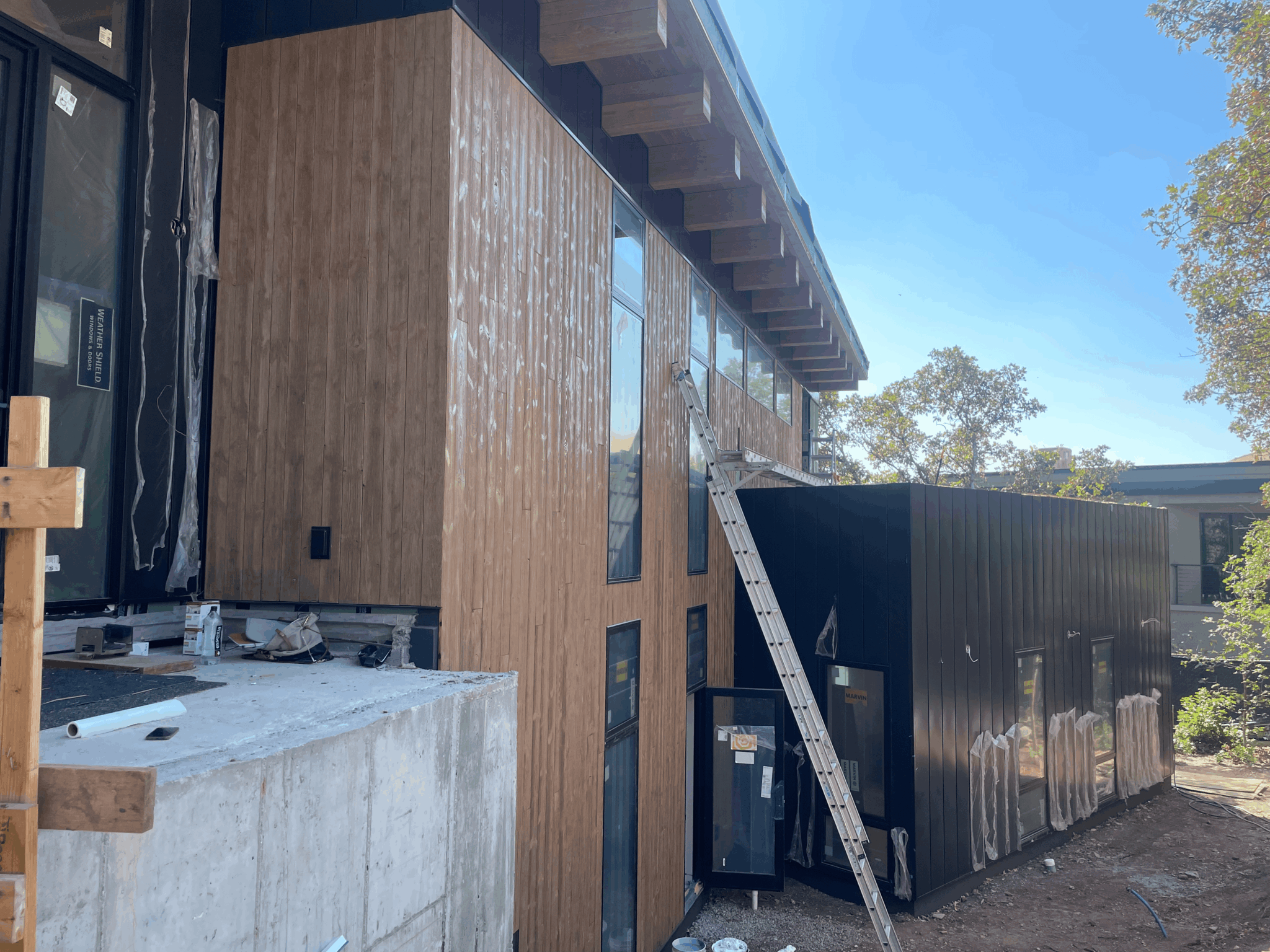
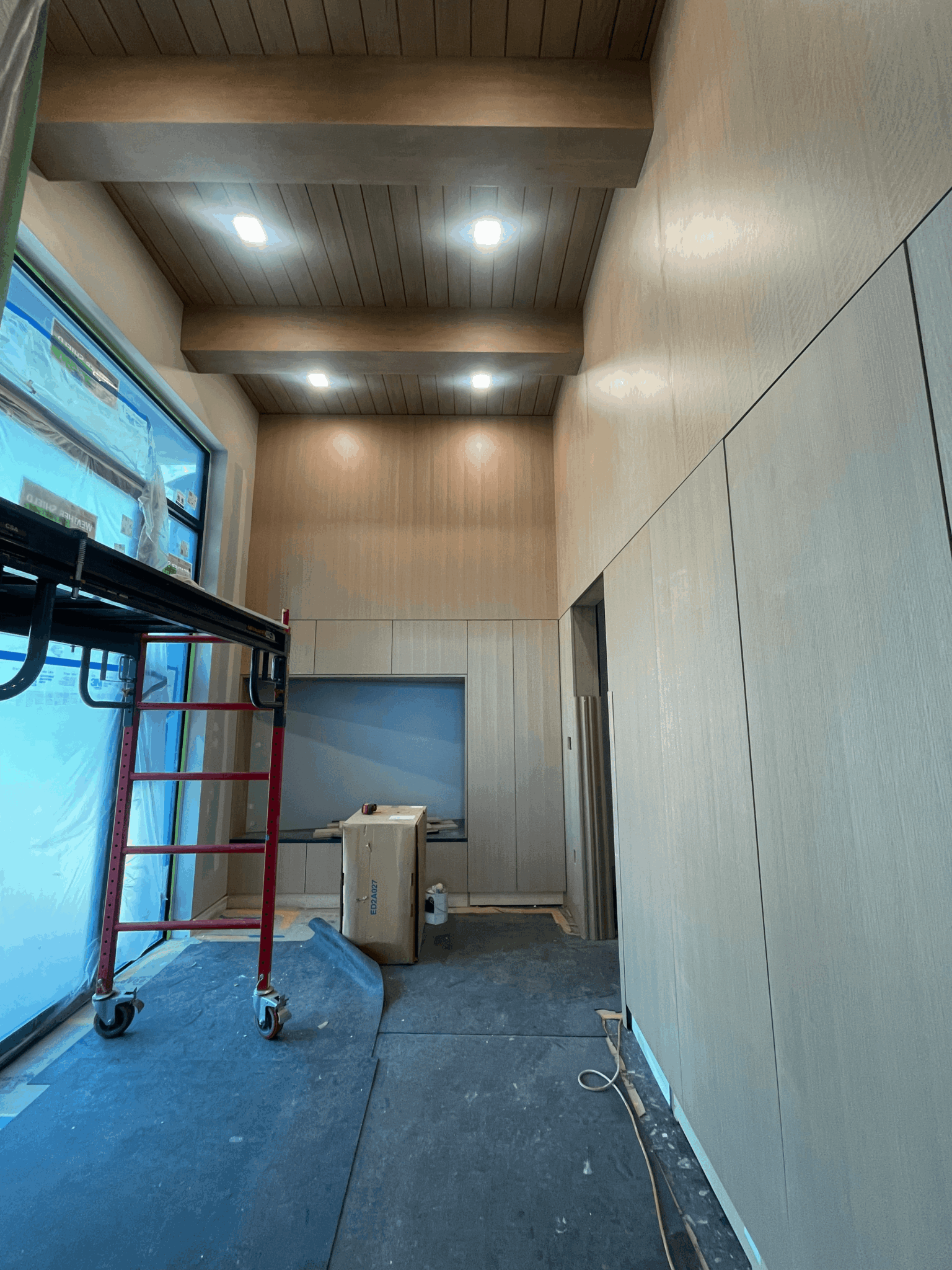
In the culture of creating buildings, maybe just here in the states, maybe even specifically Utah, I believe there to be a lack of devotion to and emphasis on the importance of design. An architect isn’t always needed to design a home, nor are they a welcomed party in a lot of small buildings are renovations. In Utah, only an engineer is needed to stamp a plan set as a contractor may use a drafter to submit the set to be approved by the local jurisdiction. However, I believe something is lost when you don’t consider the depth of knowledge and education that is given through architecture programs, and the incredible minds of these people. I taught as an adjunct professor at the University of Utah School of Architecture for a bit and I’m still amazed at the considerations and creativity that is experienced in school, as well as the exposure to a variety of ways to solve design problems. Among these experiences was travel, and the ability to be heavily immersed in a different culture’s way of design process, building, tradition, and circumstance in study. To experience these places that were perched in the minds of master builders/architects before – to take it all in – it forever changes the viewer. We are trained to consider so much more than the size of space and where the rooms go. It extends to consider the social, mental health, environment, technology, overarching concept, immediate community, neighborhood, longevity of the product, context, site, function, beauty, architectural style, detailing, abutting of materials, the schedule of the user, how people will walk through the spaces, orientation to the sun, connection to outdoors, and endless others. Afterall, buildings are a somewhat permanent fixture in the world once its built – also considering the many resources that they consume.
The value that architects can offer to someone isn’t always monetary. We’ve had experiences where clients went with someone for price, but then ended up coming back to an experienced architect to “fix” it. Some results cannot yet be experienced or planned until the building is actually used for years. It’s when understand how the usage, the beauty of a piece of architecture stands up against time, through many different uses, through seeing how it has worn, that you can fully appreciate these thoughts and plans that were detailed out by a master plan. This is what we as architects strive to think about – all the possibilities – to create the best solution to the many problems that go into this planning.
With those things in mind, even today it seems that we are struggling get past ego, power, and credit. Collaboration in the planning process and through the design-build process as well still is very difficult. My wish is always to better understand one’s contributions and talents and to build off what each person comes to the table with. It still seems like an ideal among architects, contractors, designers, landscaping, and subcontractors, but I’m hopeful we can learn to appreciate the joint effort it takes to create, understand one another’s vision, and build something that looks outside of the expected and more to the greater whole.
Krysta, before we move on to more of these sorts of questions, can you take some time to bring our readers up to speed on you and what you do?
I was always at home with a project as a child. From age twelve – building a full size fort out of dead trees that we thinned out of the forest, to trying to sell jewelry through my cousin’s band, or sculpting my own gifts and also watching “Trading Spaces” to create my own portfolios full of design ideas – my parents even let me put a few ideas to the test in rooms in their house. In a small rural town, there weren’t many resources or variable job opportunities we had access to, but my dad would often have me edit plans or run his machines for his excavating business, which made me familiar and excited to be around construction sites. A high school teacher brought us to see some work by Frank Lloyd Wright near Chicago in high school and was blown away by the concepts and detail, the ability to create every little item and how that contributed to how you feel in the space was so immersive and ethereal to me. When it came time to apply for college, I didn’t really know what to expect or what I was doing as I was the first generation to attend a university in my family. I went down the alphabetical list of majors and picked architecture – it was all I knew to do. I didn’t get far past the “a’s”.
I received a Bachelor of Science in Architecture from the University of Illinois, at Urbana-Champaign. I took a year off to work in the field of architecture, and then returned for a Master’s in Architecture at the University of Utah. I selected that master’s program due to the unique opportunity to live and build by hand a residence on the Navajo Reservation through the Design Build Bluff Program.
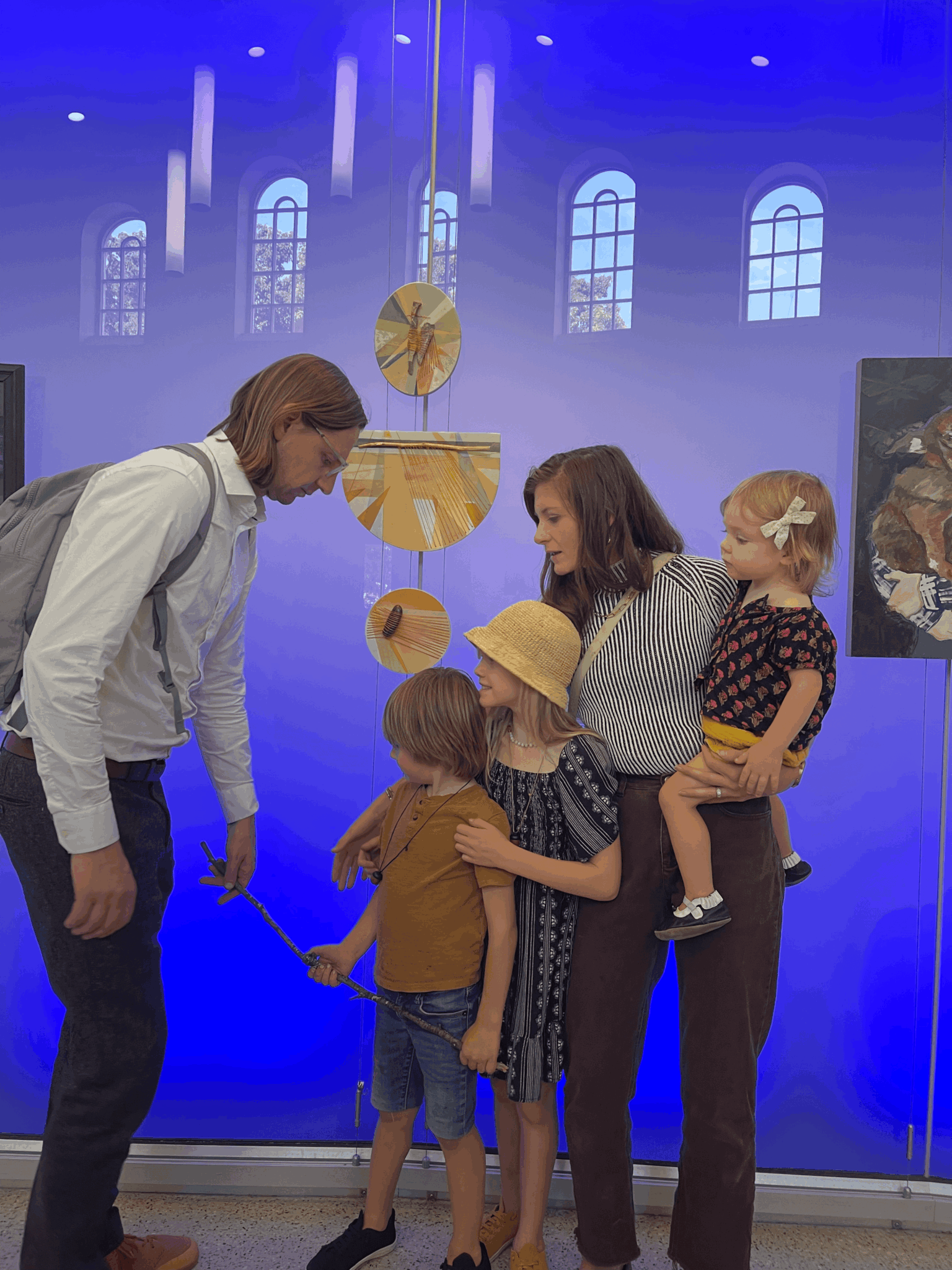
I have been working in the field of architecture since 2008, first working at small firms, teaching as an adjunct professor at the University of Utah school of Architecture, and upon having my second child, decided to start my own business in attempt to have a flexible schedule and avoid the deficit we would endure with childcare. With two children, I was not going to even come close to breaking even at my current job. We eventually had a third child and am still managing that time while trying to be as much of a full time mom as possible.
Being a mother in the field of architecture, I believe, needs to be mentioned as a hardship or a perk! There were so very few architecture mothers to look up to that were leading a life in a balance that seemed attainable, especially with the uneven gender workforce in Utah. However, I went to work seeking out a way, which led to stumbling through a lot of conversations and moments to arrive at something I felt satisfied with. At the core of it, how to divide the time of being in the present for my children and in pendulum with the pull to use my talents, passion and education.
Oddly enough, parenthood has opened me up to another level of understanding how buildings function, how we can relate with them, how we can be improved by them – and I’m not just referring to where to stuff away all the kids stuff. It must be mentioned that going through the impossible – the struggles – the complete spiritual experience of a life overextended in the experience – that gives you a gift of understanding more of the world. I believe this has been true for architecture, and how I found my passion of meshing even the smallest design implementations and at the same time, being able to look at an even broader perspective. What we do in every way affects all in every way. And, it is my goal and purpose to try to place in this world beauty in all scales, in any places, and at the very least if but a snippet, in my “villages’” minds.
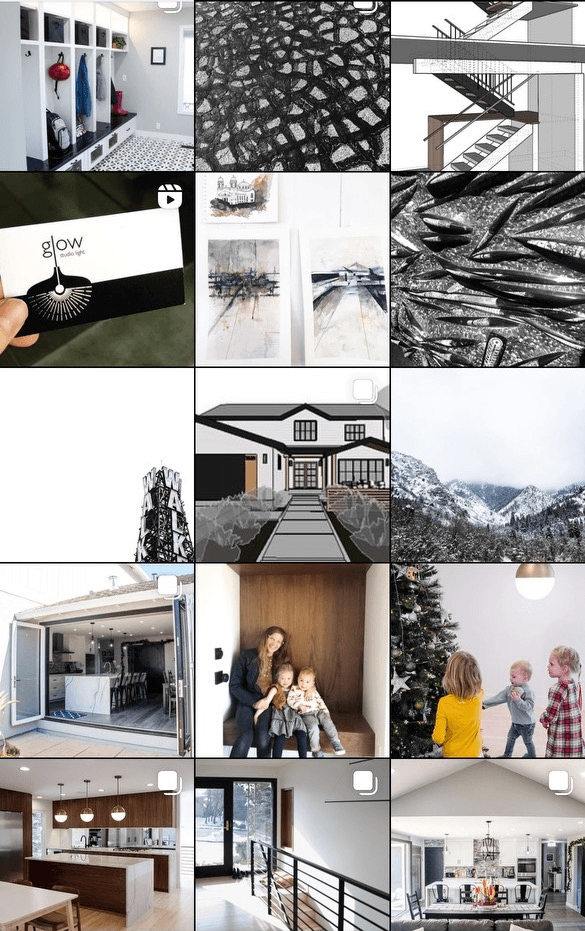
Is there mission driving your creative journey?
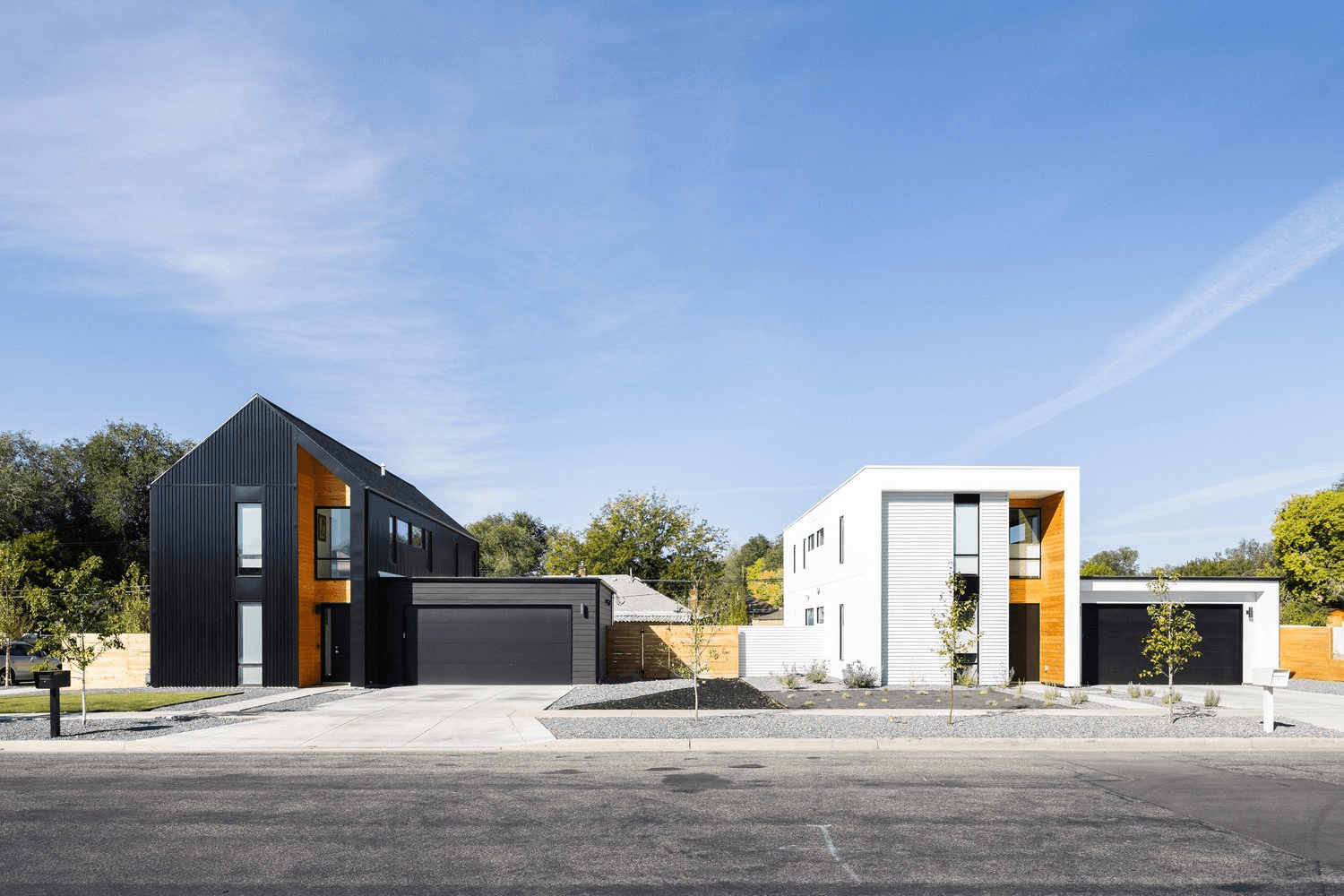
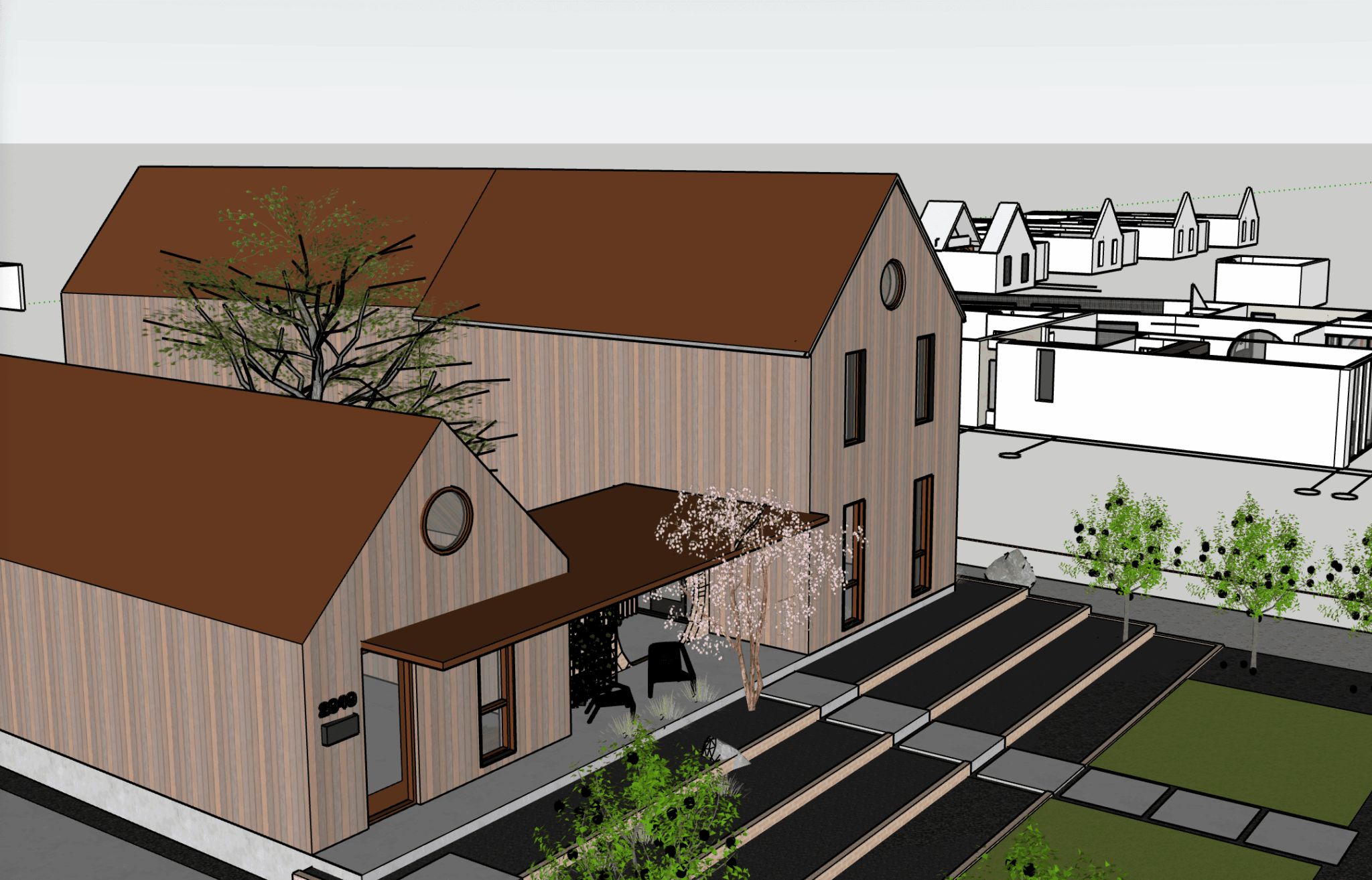
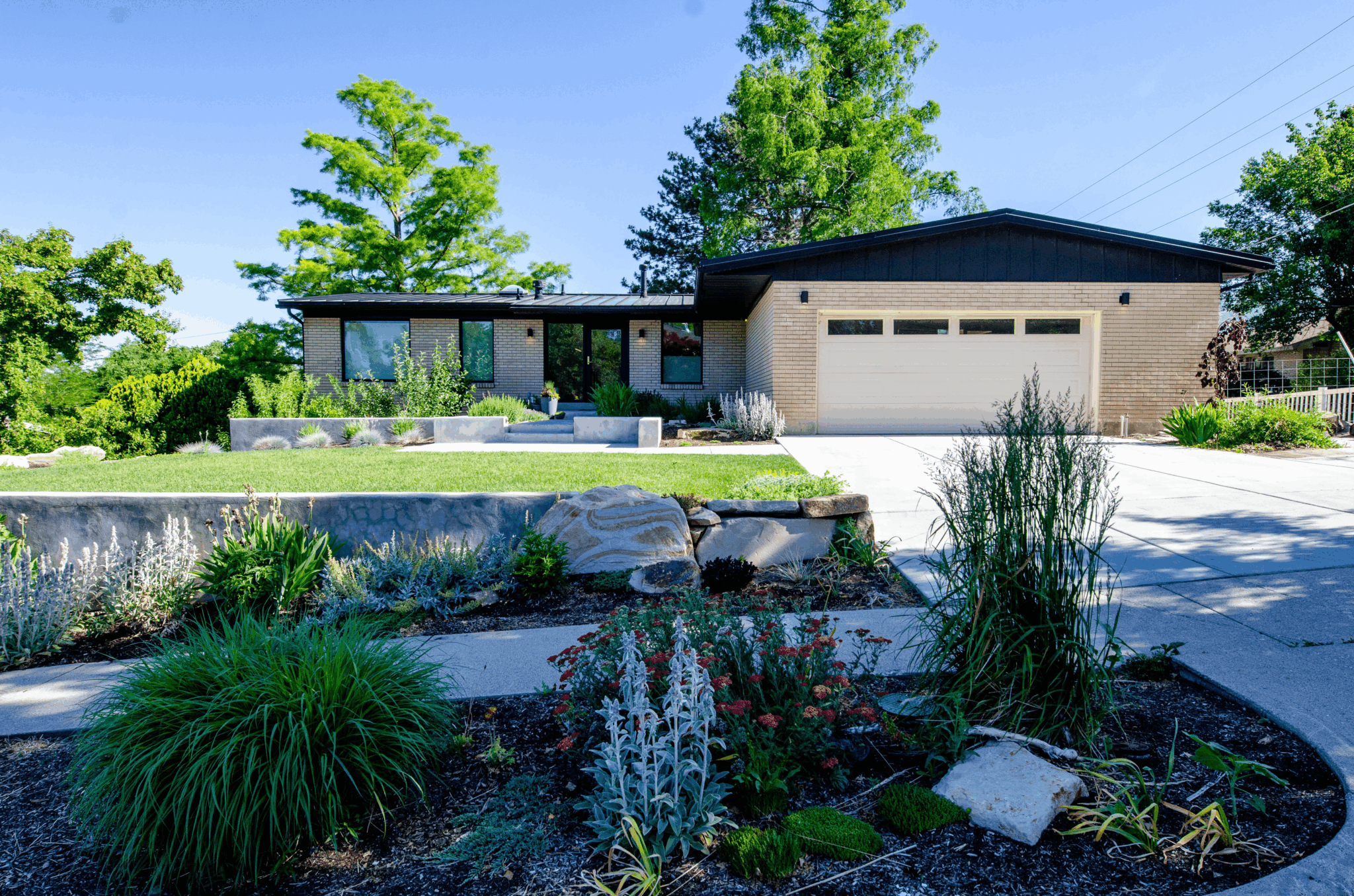
I am currently in pursuit of creating a small-scale community development company, which implies principles of incremental development and creating the “Missing Middle”. As our city is growing, it is apparent that major development companies are benefitting on creating residences and business in large scales to accommodate the population’s needs. However, there is much neglect when looking at our communities holistically and creating an environment where citizens can thrive mentally and physically. Neighborhood and incremental development emphasize that the economy can be improved greatly by local owners and businesses contributing to the development. Environmentally friendly buildings, accessible and experiential spaces that become walkable and activated by community members is also key. It all goes back to the idea that collaboration with many minds makes something great, and thoughtful design can attempt to solve some of our culture’s biggest issues. We are starting our first development of this scale on our own property, and plan to use it as a model to invite investors/people of interest to explore this idea around our city.
We’d love to hear a story of resilience from your journey.
In the last few years I had some pretty extreme health challenges. These came in the wake of a perfect storm of conditions and symptoms I have met over the years. This led me to be confined closely to home, with need for people to be on standby regularly. It has been the most difficult thing I’ve ever gone through, but it will always be noted as something that invited the most change within me in the fastest possible way. I have been gifted this experience to understand more of the world around me, how to care for others, how to prioritize things that are important in life, and how much I long to make my efforts and talents count for my family and my community. This experience also brought me to become an artist. With a much smaller scale project, I could find great satisfaction in creating and expressing my thoughts about architecture and life through art. I’ve been honored to participate in many gallery competitions, shows and now some art markets. This is by certain a piece of me that I felt I would never be able to use, but it’s been serving me greatly as I process and experience this hard, beautiful life.
Contact Info:
- Website: https://studiopkco.wixsite.com/studiopk
- Instagram: @studio.pk.co and @krysta.mae.dimick.art
- Facebook: https://www.facebook.com/studio.pk.co/