

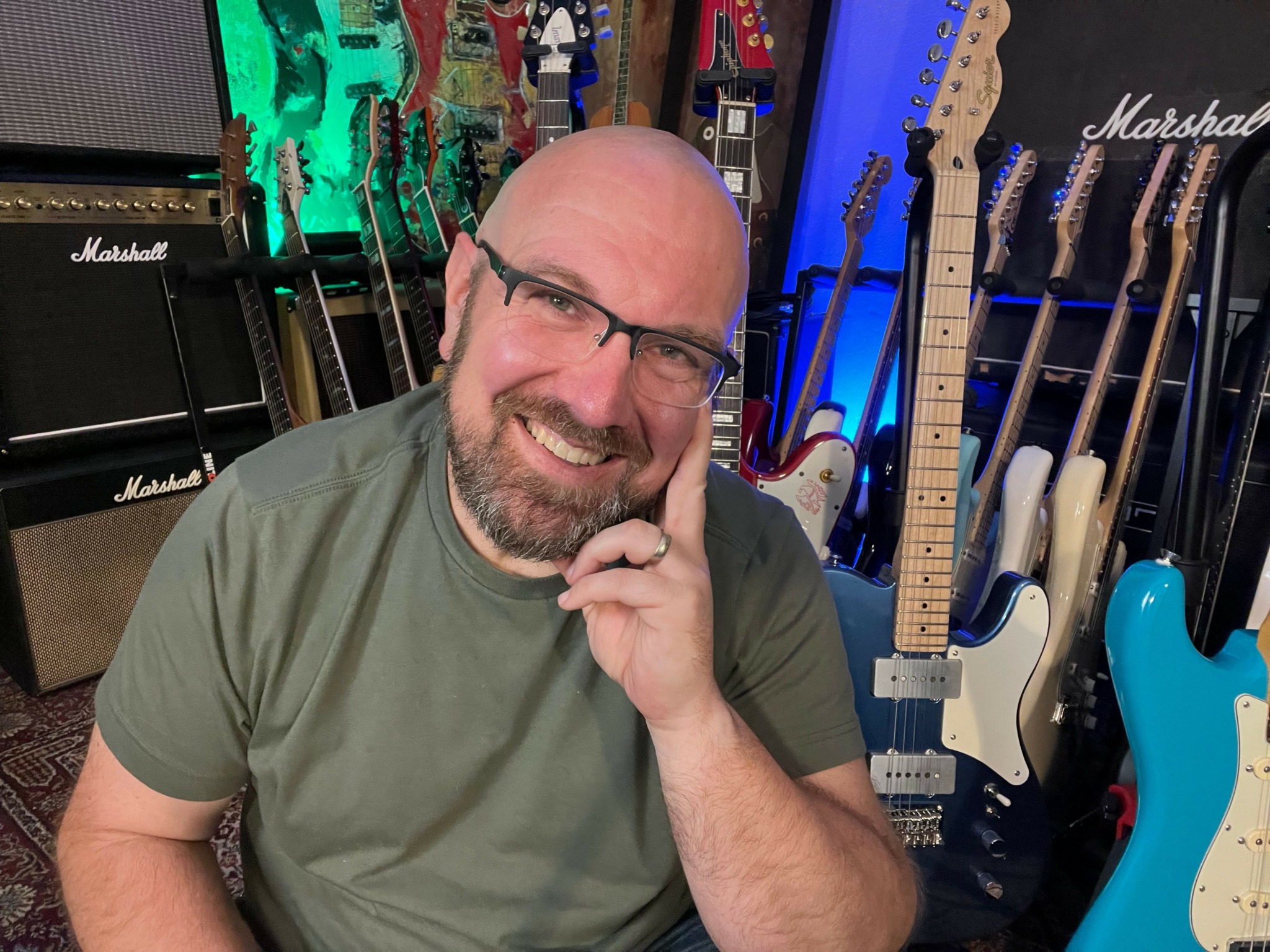

We recently connected with Kristopher Swensen and have shared our conversation below.
Alright, Kristopher thanks for taking the time to share your stories and insights with us today. Did you always know you wanted to pursue a creative or artistic career? When did you first know?
The moment I realized I wanted to pursue a creative path professionally came after years of being a stay-at-home parent, starting in 2017. My life had been heavily focused on my kids, and for a while, my passion for music had been pushed aside after a personal tragedy that shifted everything. But as the years passed, I felt that old spark for guitar reignite.
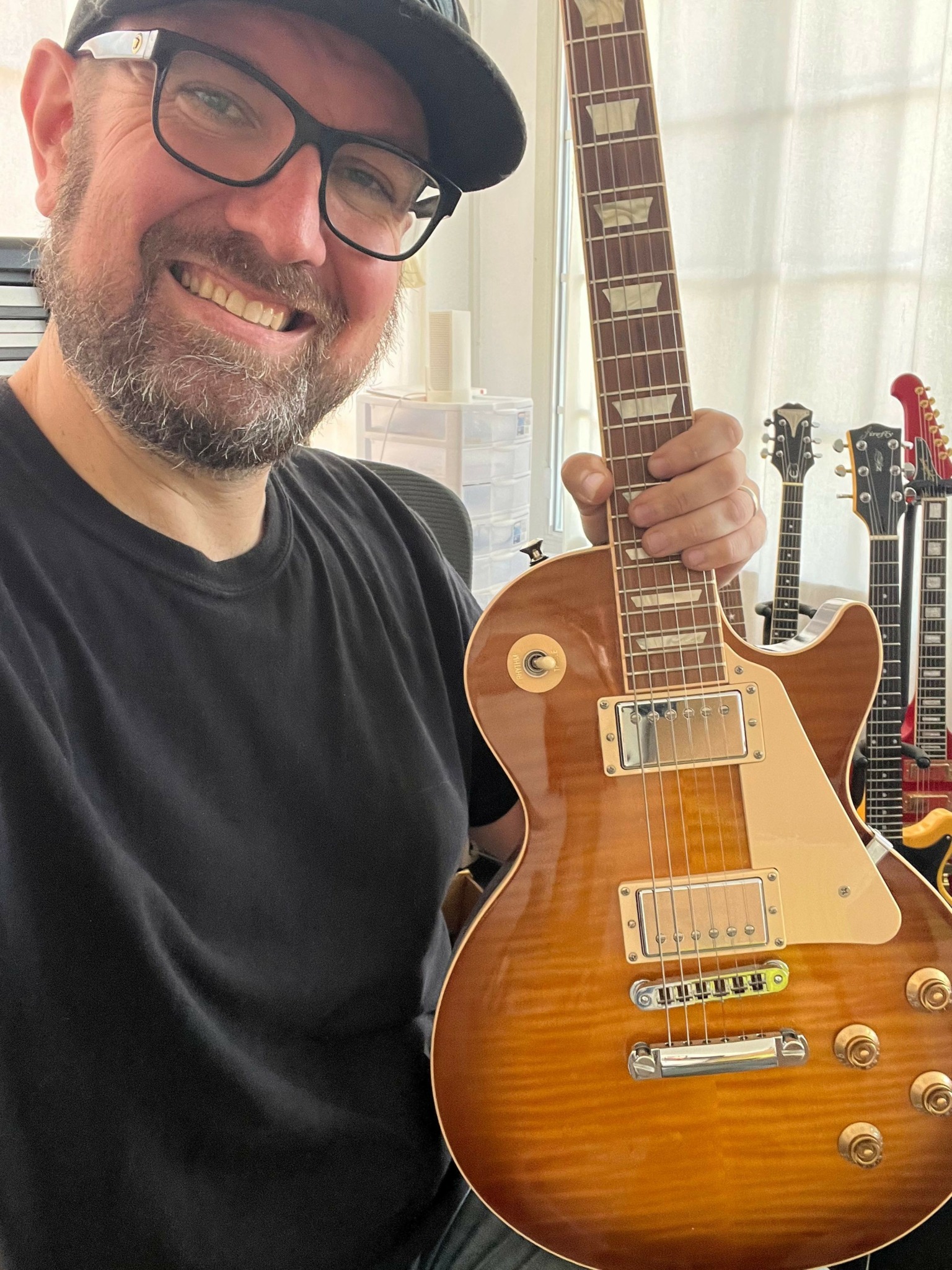
I was once a small-time session and touring guitar player, and the urge to play again grew strong enough that I dragged out my old guitars from storage, dusted off my amp, and plugged in my effects pedals. The moment I strummed that first chord, I was enveloped by a sense of familiarity and comfort—exactly what I had been unknowingly craving. It was like reuniting with an old friend, a connection I had missed during the chaotic but beautiful journey of parenting.
During those moments when my kids napped each day, I started browsing through classified ads for household items. That’s when I stumbled upon guitars being sold for next to nothing, often labeled as “broken” or “not working.” Intrigued, I quickly bought whatever I could get to then repair and refurbish each one on my kitchen table . I discovered that most of the issues were simple, inexpensive fixes. Before I knew it, I was flipping these guitars for double their original price, reinvesting the profits to buy more and expanding my own collection in the process.
Around this time, I reached out to Max Carlisle, a then up-and-coming YouTuber behind his channel “GuitarMax,” whom I admired. We were both from the Pacific Northwest and living in Los Angeles, so I figured, why not? To my surprise, Max responded, and we struck up a friendship. I had accumulated so much gear by then that I realized I had items Max hadn’t reviewed yet. I started offering to loan him equipment for his channel, and he accepted. Seeing my guitars featured on his channel was a thrill. I’ve always enjoyed supporting others, often content to stay in the background myself.
Eventually, I worried that I might be overwhelming Max with gear offers. While he never said anything, I could sense it. Around this time, he encouraged me to start my own YouTube channel. The idea terrified me. I’ve always been self-conscious and struggled with self-doubt, so the thought of putting myself out there was daunting. But I also knew I couldn’t keep flipping guitars forever. I wanted to take the next step, so I decided to go for it, despite my fears.
I began by studying my favorite content creators, paying attention to their video structure and delivery, while also learning about the technical side of starting a YouTube channel. I set up a small back room in my home as a filming space, contending with the noise of nearby airplanes and, more significantly, the self-doubt constantly whispering, “No one will watch this.” But I pushed through, determined to make it work.
Choosing a name for my channel was a challenge in itself. As a Seahawks fan from Seattle, I initially wanted to call it “12th Fret,” a nod to being part of the “12s” fan base. Unfortunately, that name was already taken by a couple stores as other creators. After some trial and error, I landed on “11th Fret.” The inspiration came while noodling on my guitar, hitting a low E string while holding the A string at the 11th fret. That beautiful third chord sealed the deal, and “11th Fret” was born, complete with a jingle I recorded around that very note.
Looking back, that moment of reconnecting with my guitar after years of silence was the spark that reignited my creative journey. It led me to build something new, merging my love for music with the modern world of content creation.
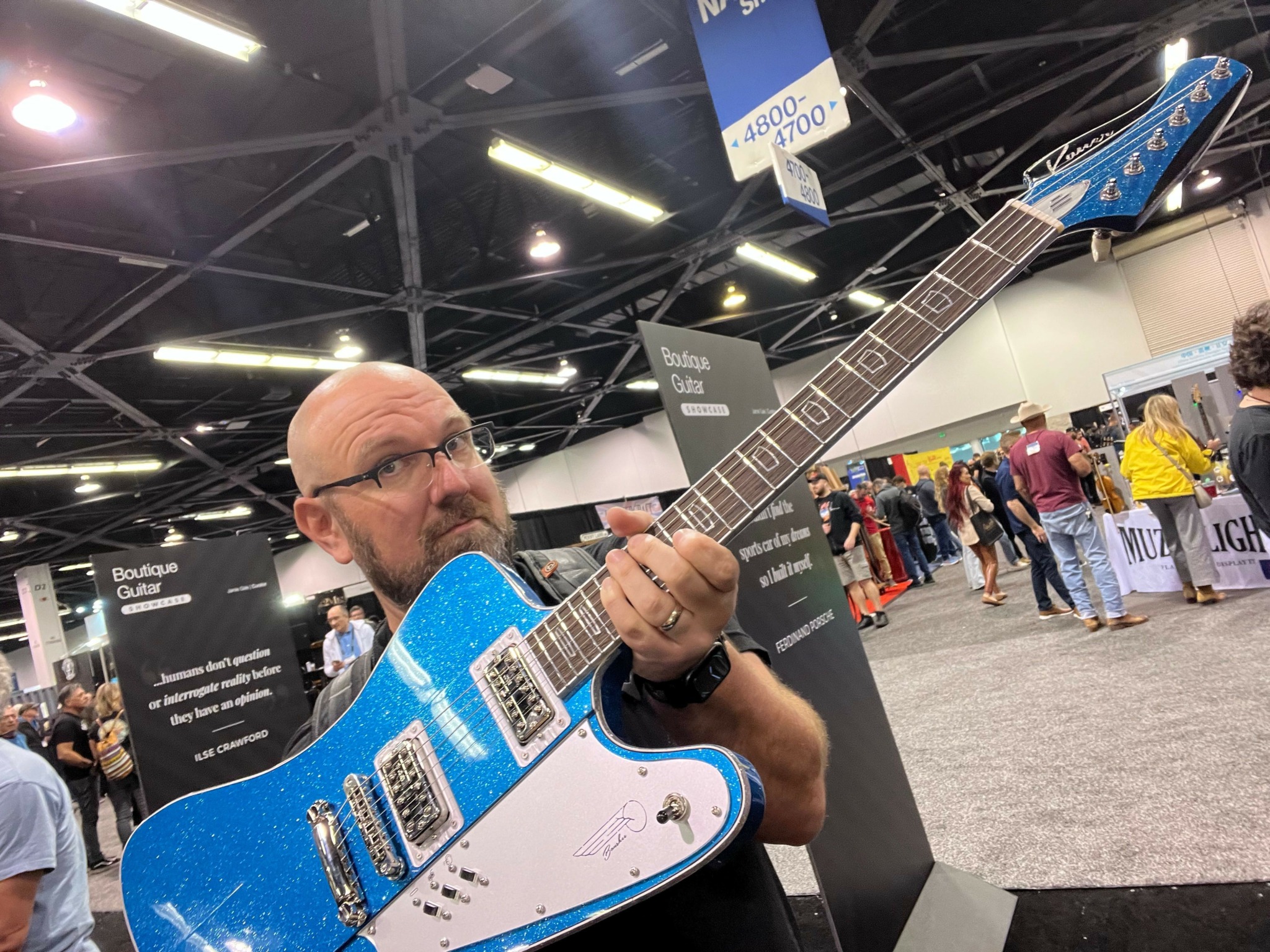
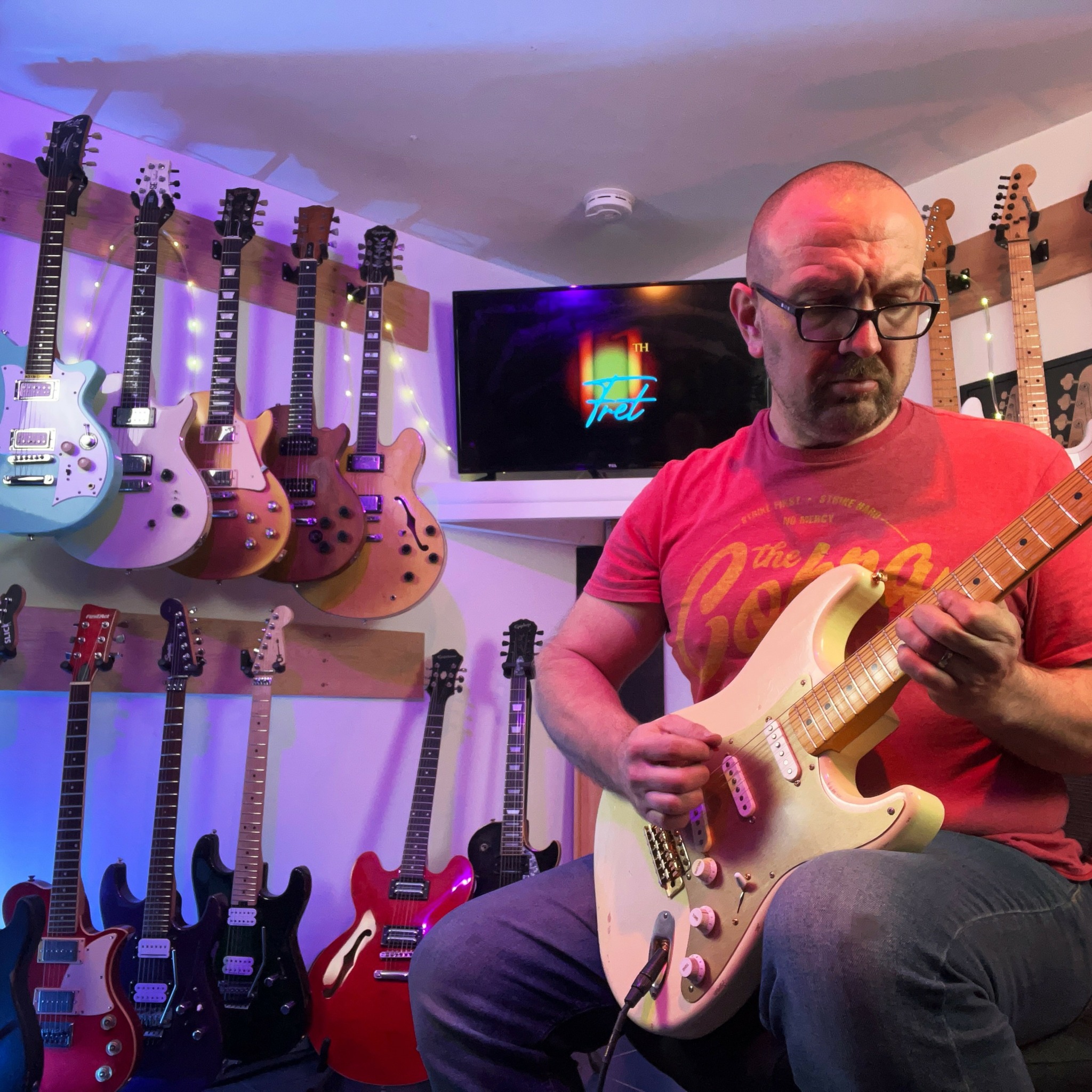
Awesome – so before we get into the rest of our questions, can you briefly introduce yourself to our readers.
My name is Kristopher Swensen. I’m a Pacific Northwest native, having lived in and around Los Angeles, CA across the last 20 years. I’ve been working in and around the musical instrument and tech industries off and on across the last 30 years as well as supporting other musical artists where I’ve been able to.
Since I was a teenager, I found myself working at a small musical instrument shop in Downtown Tacoma called “Musician’s Exchange” as one of the only employees besides the owner. I cut my teeth servicing guitars for customers there, though most of that work went next door to the now world renown guitar luthier, Joe Riggio (of Riggio Guitars), who had a workbench at the next door shop called “Guitar Maniacs” who are still killing it up there to this day.
I’ve been buying and selling used musical instruments for over 30 years both privately and professionally. It’s always been a love of mine as no two guitars are alike. There’s a term we guitar players use which is “G.A.S.”, which is short for “gear acquisition syndrome.” For those who are around passionate guitar players, you’ll know this term well even if this is the first time you ever heard about it, as is something I also possess – that lust for new tones. Through my own buying and selling, I would discover equipment I would describe as ‘things I never knew I always wanted.’ And because I really wasn’t spending any household money on this, my personal collection was growing.
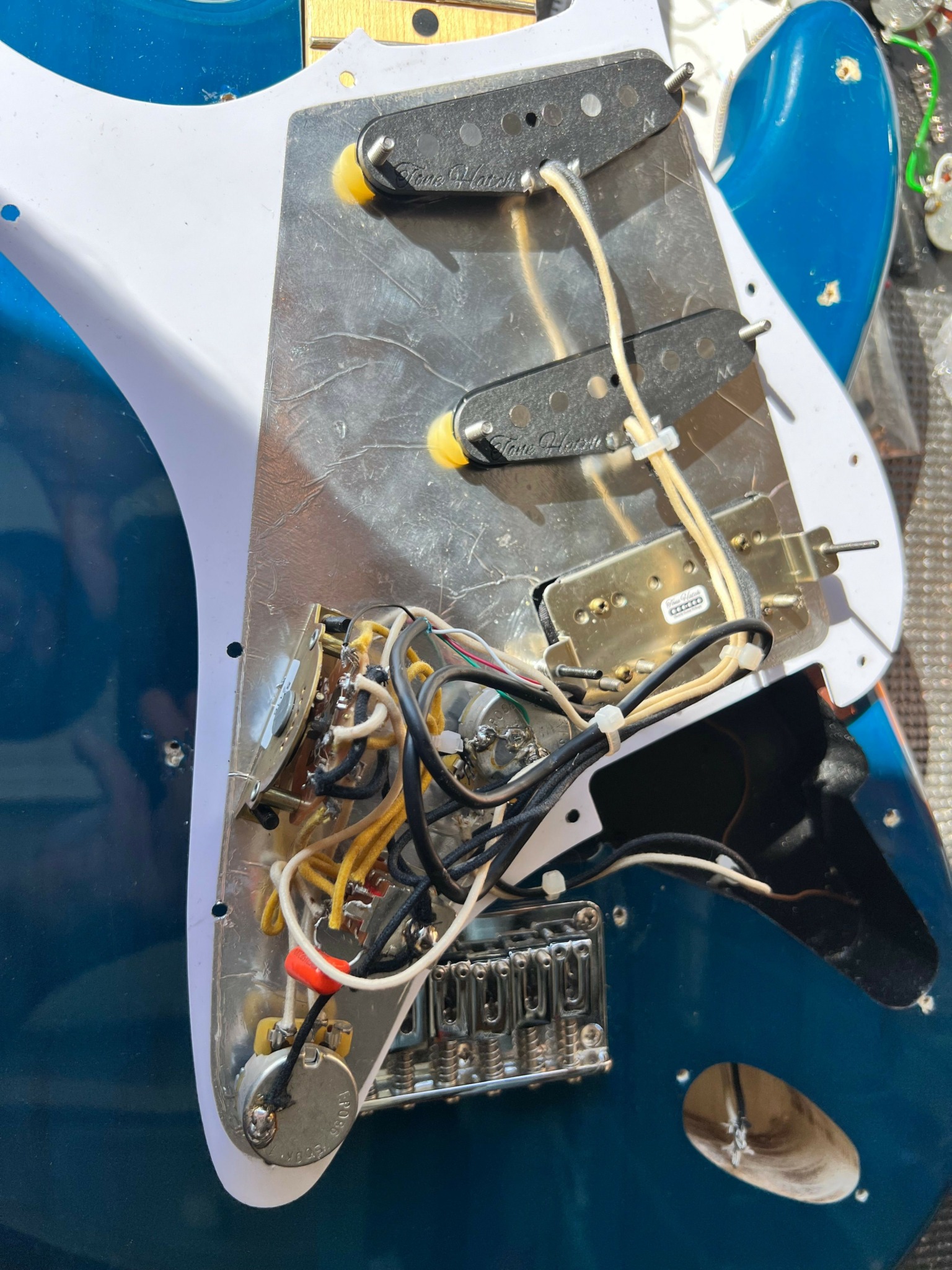
After being encouraged to start my own channel by another YouTuber, I began looking into what solutions I could provide. At first, my channel was going to be all about used gear long forgotten. But I learned that can’t possibly sustain itself. Then it was going to be centered around buying and selling best practices, but that also came with a wealth of limitations. It was then that I fostered a great relationship with a guitar pickup manufacturer that started me down the talking head and reviewer path, which can be easier to write content for since the industry is always evolving.
While guitar reviews are fun for me since discovery in itself can be a tickling experience, I find that discussing solves, hacks, and other fixes to provide always relevant content in the long run. For me, especially when comparing what the 11th Fret is compared to other channels, I appreciate knowing where my heart is as I discuss a product or solution. I can’t speak for other channels, nor do I want to throw any shade thriving with the following model. But like knowing that my content is pure, without monetary incentives. I’m not saying there’s anything wrong with that. If people aren’t paid for the work they do, they can’t live. If it were a 9-5 job that someone did without any pay, the world would have something to say about it. That’s where I am at with this right now, not currently pushing any kind of subscription model or gratuity programs for the work that I do. I think that alone sets me apart from many other YouTube channels, as this is what they do as a full time profession. I’m just a guy who loves to talk about gear, and that’s basically the nuts and bots of it.
In my time doing this, I’ve built a nice little community of likeminded people. My channel doesn’t aim to create simple humor, politics, or camera tricks. It leans serious, which brings in a niche viewer base I couldn’t be more proud of having.
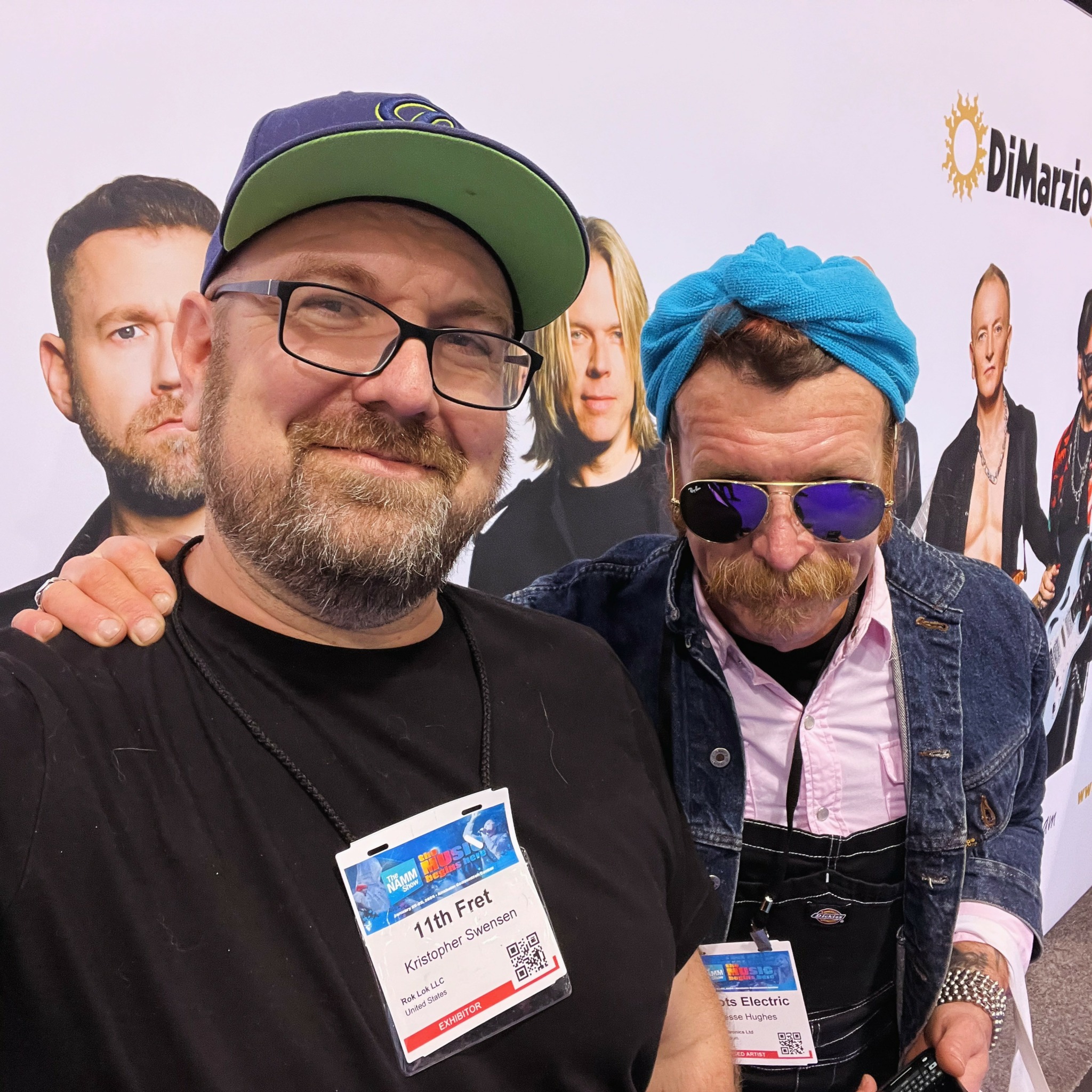
Is there mission driving your creative journey?
Life is short—a phrase that’s often said, but it’s only when you experience something profound that its meaning truly sinks in. For me, the motivation to pursue what I love came from an incredibly personal, tragic event involving the loss of a loved one, followed by finding new love, marriage, and starting a family.
It all began in July 2013, when I was going through a difficult breakup with Cynthia, a woman I had been with for three years. Cynthia was kind, selfless, and giving, but I was in an emotional rut and wasn’t in the right place to make things work. We were living together in Studio City, CA, and after the breakup, we each moved out. Cynthia found a small apartment in Hollywood, CA. Whereas I myself found a spare bed with a close friend and her family, placing all my belongings in storage.
As we both tried to move on, Cynthia started dating someone new, and I did the same. But about a month later, she reached out to me, not about our relationship, but about strange red welts on her thighs. She wasn’t one to rush to doctors and instead, as she told me, preferred seeking advice from pharmacists due to her upbringing in a low-income household. Though we were both dating other people, I still cared about her deeply and wanted to help. Her new boyfriend was nowhere to be found, so I took it upon myself to ensure she got proper care. I drove her to my physician, who quickly diagnosed her with MRSA infections in her legs. She was hospitalized in August 2013, and after her treatment, she needed someone to take care of her at home. I agreed, staying on her couch and helping her with the aftercare.
Though Cynthia eventually returned to work, her health continued to decline. One evening, after work, she was nauseated, weak, and looked visibly unwell. The next morning, I took her back to the doctor, who admitted her to the hospital again. She was diagnosed with pneumopericardium—air around her heart—and transferred to the telemetry unit. I was by her side every day, watching as her condition worsened. Eventually, she developed Acute Respiratory Distress Syndrome (ARDS), a severe lung condition. I immersed myself in learning about her care, speaking with nurses, and keeping track of every detail of her treatment. The hospital staff quickly became familiar with me, and one nurse, Laura, stood out. She was incredibly professional, focused, and at first, I thought she didn’t like me. But as time passed, she opened up, even getting Cynthia to laugh during one of her toughest days.
Laura’s care and dedication were a huge support. One morning, she encouraged me to bring in Cynthia’s favorite childhood books and cough drops, small things to comfort her during her hospital stay. I took her advice, and later said goodbye to Laura that evening as she had a few days off to follow.
The next morning, I received a call at 3:30 AM—Cynthia had nearly died overnight, and she was now on a ventilator. It was a devastating turn. The hospital could no longer manage her condition, so she was transferred to UCLA’s Ronald Reagan Medical Center. The team there informed us that Cynthia likely had a rare, idiopathic form of pneumonia called Hamman-Rich Syndrome, carrying with it a 96% mortality rate. They warned me and Cynthia’s family to prepare for the worst.
During this time, I returned to the first hospital to collect Cynthia’s belongings and ran into Laura. We exchanged numbers in case I had any questions, which I soon did. Laura later offered to come by and check on Cynthia and ended up encouraging me to take a break from the hospital. We walked around Westwood, CA, talking about Cynthia’s care and our own lives. It was the first time I saw Laura not just as a nurse, but as someone going through her own challenges. As we spent more time together, our friendship bond deepened.
Meanwhile, Cynthia’s condition continued to worsen. Her lungs were hardening, and she required blood transfusions, dialysis, and chest tubes. Despite our hopes, the hospital’s Ethics Committee became involved, as they believed continuing treatment might be doing more harm than good. After many emotional discussions, Cynthia’s family and I made the heartbreaking decision to let her go.
On December 24, 2013, at 7:00 PM, we removed Cynthia from life support. Surrounded by her family, we all sang to her as she took her final breath at 7:16 PM. Laura, ever supportive, waited in the hallway during those final moments. Christmas morning was excruciatingly painful. Laura kept me company in the silence that followed the end of a three-month-long fight for Cynthia’s life.
In the days after, I desperately searched for any videos of Cynthia, just so I could hear her voice again, but I found none. I realized I had no recordings of her—nothing to remember her by except within my own memories.
As time passed, my friendship with Laura grew into something more. We found love in one another during a time of mutual loss and healing. We married in August 2015, and in December 2016, we welcomed our first son together, alongside Laura’s daughter, who I’m proud to call my stepdaughter. We just celebrated 9-years of marriage and are going strong to this day.
The motivation behind my YouTube channel is rooted in this loss. I regret not capturing more moments with Cynthia, and I’ve since realized the importance of leaving something behind. My channel is a way for my family to see me doing what I love, hear my voice, and watch my mannerisms, should they ever need it when I’m no longer around. It’s my legacy—a way to preserve something for them, whether I’m gone tomorrow or fifty years from now.
Life is short. Anything can happen. Do what makes you happy while you still can, and aim to leave something beneficial behind created with love and passion. That’s why I do what I do.
Any insights you can share with us about how you built up your social media presence?
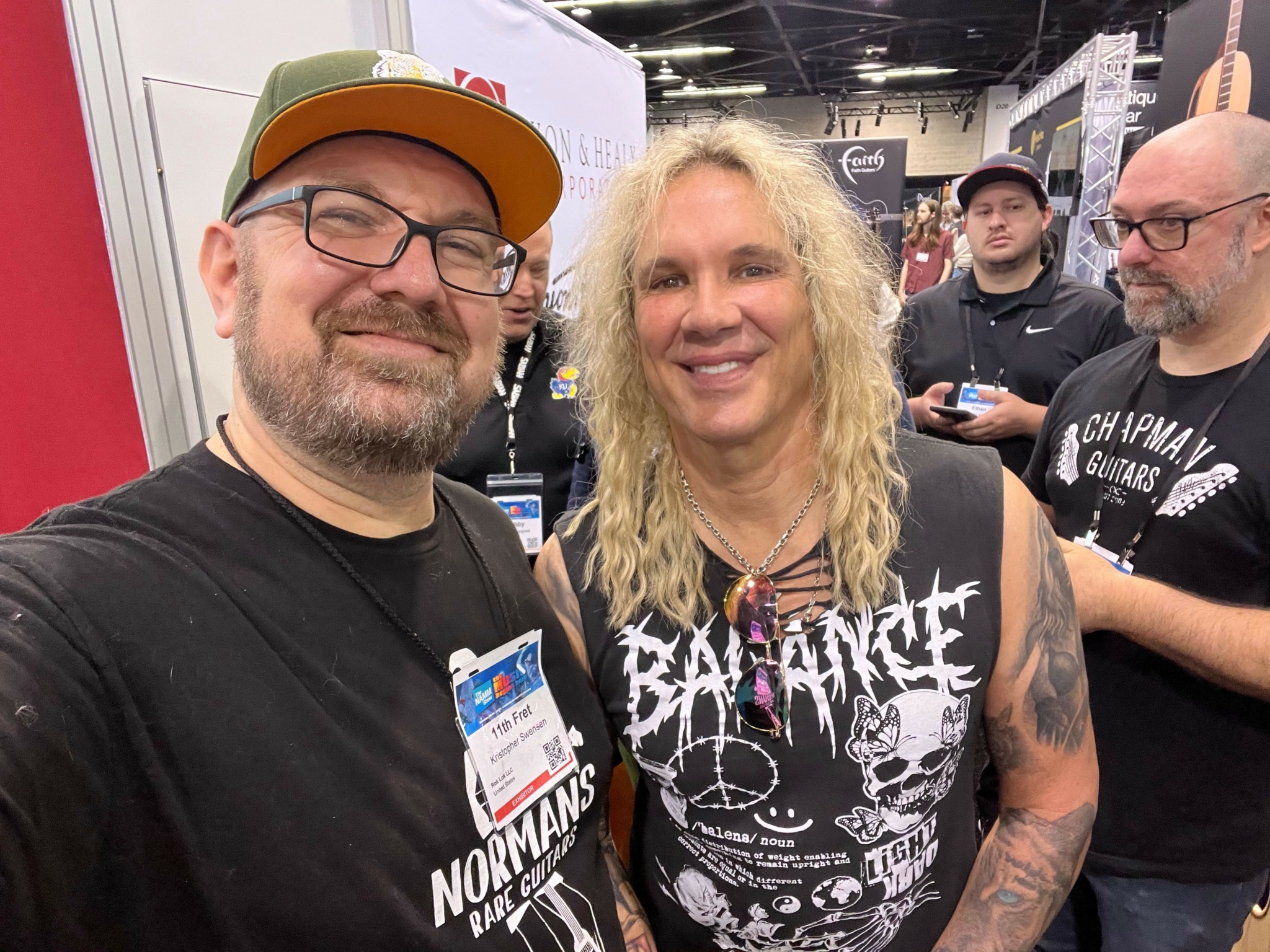
Building an audience takes time, and one of the most important pieces of advice from seasoned content creators is to publish consistently. This strategy works because it helps saturate the algorithm with your content. For instance, if you upload 10 YouTube videos, chances are one might perform really well while the other nine might struggle to gain traction. And that’s okay—it happens to every channel. The key is to keep producing content. This is how you start attracting viewers. The next challenge is keeping them engaged.
To retain an audience, your content needs to offer some kind of value. This value could come from entertainment—whether you’re making someone laugh, cry, feel nostalgic, or immersing them in a popular video game. Entertainment provides an escape, and many people seek that. Informative or educational content also has value, but it can be more challenging. Viewers may lose interest if your explanations are unclear, whether it’s in a video, audio, or written format. If you’ve ever watched a poorly executed how-to video or product review, you know how frustrating it is to feel like your time was wasted. When that happens, it’s harder to grow a loyal audience. So, be thorough, clear, and articulate.
Engagement with your viewers is just as important. One-sided conversations rarely hold appeal, so try to respond to comments respectfully, whenever possible. While the internet can sometimes be a harsh place, taking the high road is usually the best approach, even if you’re dealing with harsh criticism or negativity in your comments section. Occasionally, you may be able to win over a disgruntled viewer and turn them into a supporter of your channel. It’s not easy, and it requires empathy, as you never know what someone’s going through or why they’re reacting negatively. But one thing is certain—they found your content, and that’s a start.
Contact Info:
- Website: https://www.the11thfret.com
- Instagram: http://instagram.com/11thfret
- Facebook: https://www.facebook.com/The11thFret/
- Twitter: http://twitter.com/the11thfret
- Youtube: https://youtube.com/@11thFret
- Other: http://linktr.ee/11thfret
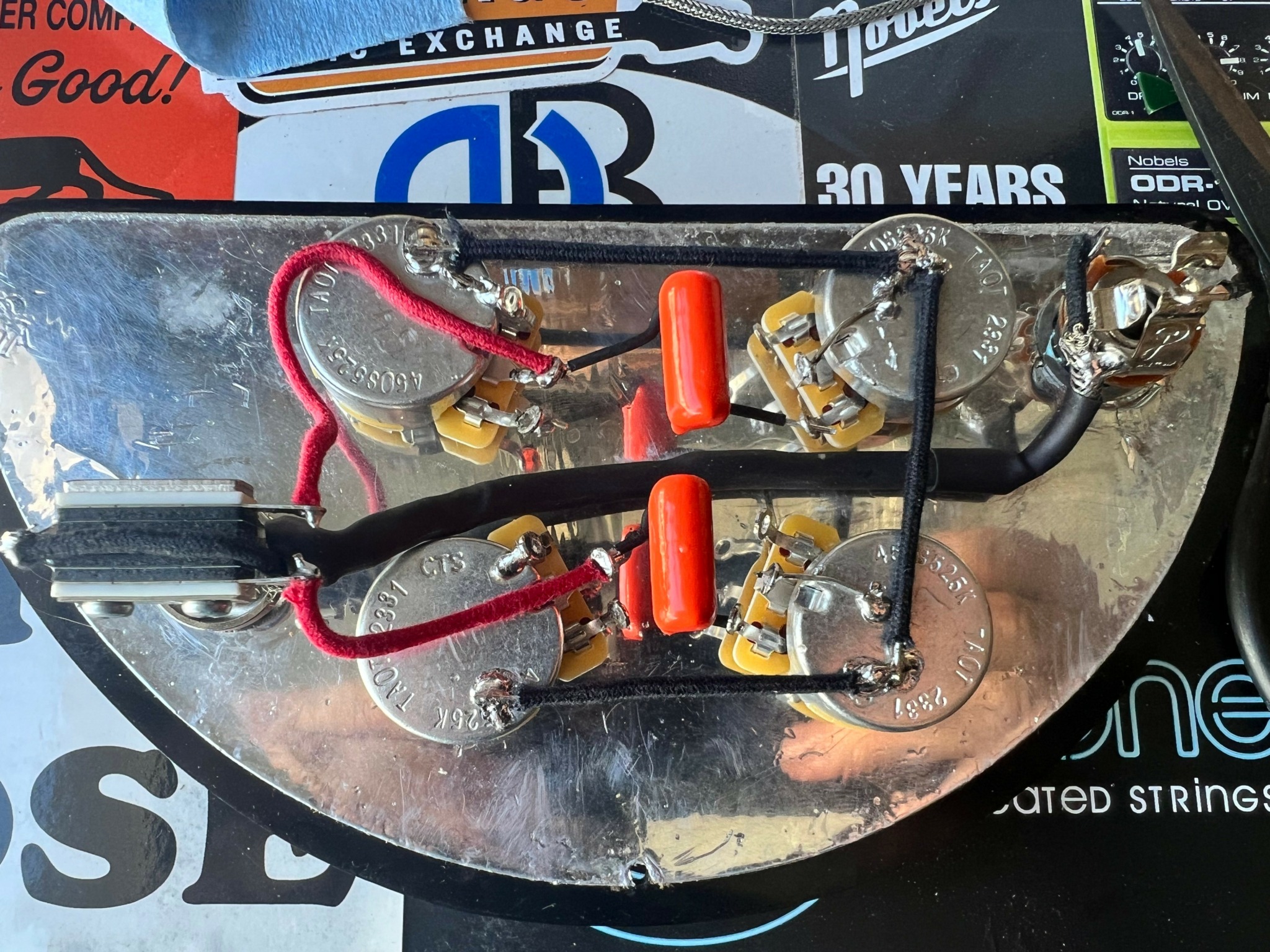
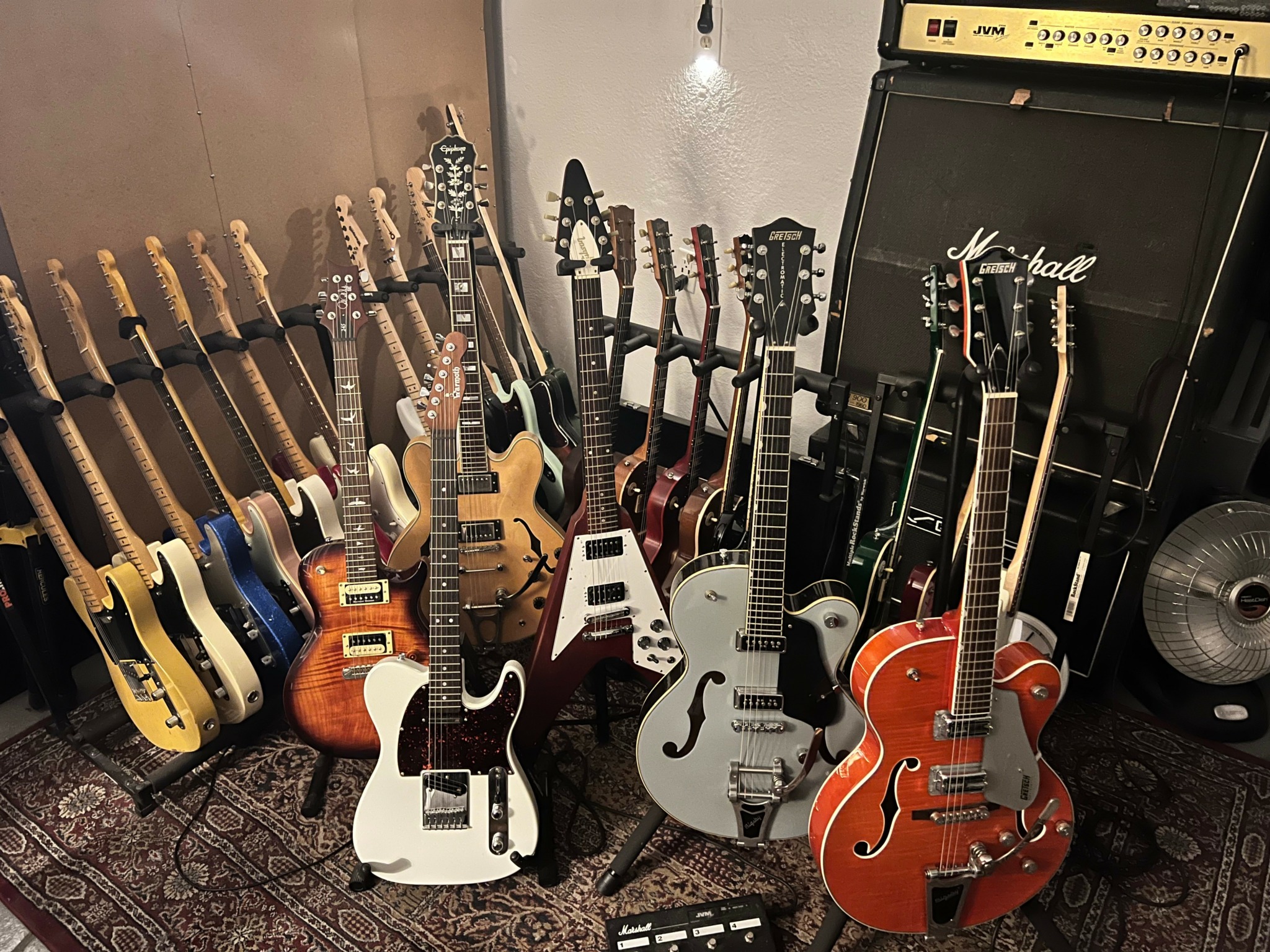
Image Credits
All images taken by Kristopher Swensen of 11th Fret.