

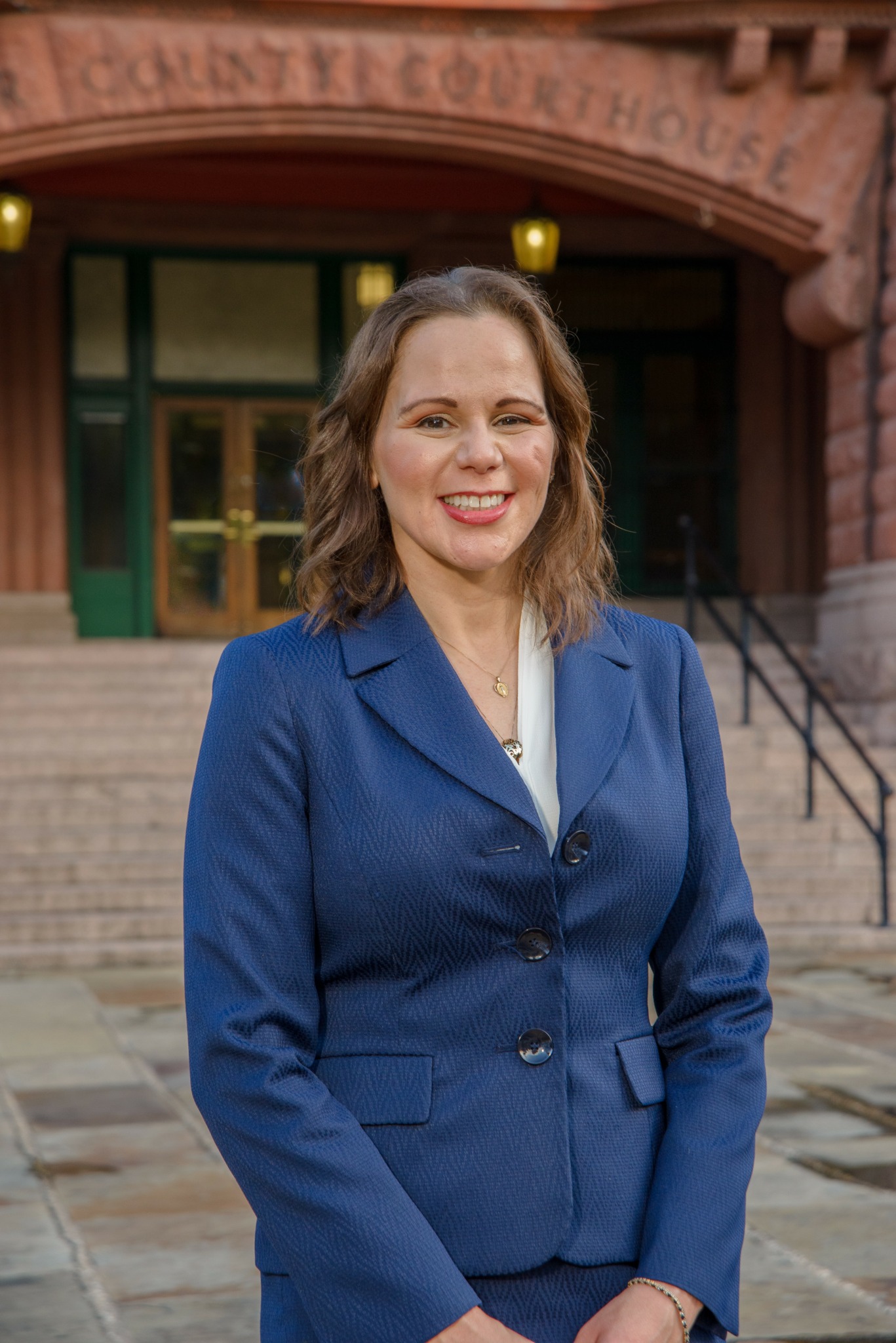

We recently connected with Kristina and have shared our conversation below.
Kristina, thanks for joining us, excited to have you contributing your stories and insights. Do you think your parents have had a meaningful impact on you and your journey?
My parents were both born into underprivileged families who struggled to make ends meet. All four of my grandparents worked hard in labor intensive jobs ranging from crop picking, janitorial and housekeeping services, line cook, and baker. Education was a luxury none of them could afford. It was necessary that they began to earn income for their families.
My parents were able to finish high school, but besides some technical classes after graduation, they dd not move past that. It was more schooling than what my grandparents received but still fell short of what they believed would help them move out of the standard of life minorities had been expected to accept. Luckily for me, they knew they wanted more for their children.
Thanks to my parents, my brother and I grew up not only in a loving environment, but in a family that valued education above nearly everything else. We were pushed to expand our minds and to always yearn for knowledge. We were told from a very early age that we were going to college. It wasn’t an expectation thrown on us like a burden, but a door that would open the world to numerous possibilities. We were excited about the journey.
For me especially, my parents made sure college was non-negotiable. Growing up, my parents had seen the limited opportunities for women who did not pursue higher education. They witnessed women close to them trapped in jobs, relationships, and circumstances they could not leave because they lacked education or skills. It was their mission to keep me from experiencing that painful reality.
My parents struggled financially like my grandparents. But they did not let those circumstances deter their dream of educating their children. They believed the public school system did not offer advantages to minority children. They insisted we attend private schools to better prepare us for higher learning. But doing so required them to each work multiple jobs merely to make ends meet.
I remember how exhausted they were after long hours of work. And while I knew why they worked so hard, it wasn’t until years later that I truly appreciated the breadth of their sacrifice.
And so, when asked what my parents did right, while countless moments come straight to mind, what stands out among all else is the importance they placed on education and the demonstration of sacrifice and hard work they showed to accomplish their dream. It has quite literally made me who I am today and continues to stand as the foundation of everything I have achieved.

As always, we appreciate you sharing your insights and we’ve got a few more questions for you, but before we get to all of that can you take a minute to introduce yourself and give our readers some of your back background and context?
I was born and raised in San Antonio, Texas. Because higher education was not something my grandparents or parents had the opportunity to pursue, it was deeply valued in my family as I grew up. My parents worked multiple jobs to send me to private school, determined to give me educational opportunities they themselves never had and to better prepare me for college.
I graduated from The University of Texas at Austin with a degree in Economics and little certainty about the direction I wanted my career to take. I had long been interested in the law but was unsure whether the profession would truly make me happy. In an effort to decide, I moved to Houston after college to work as a paralegal at Baker Botts, an extremely prestigious civil law firm. I spent two years in the toxic tort litigation section, working on asbestos and silicone claims. While the work was intellectually interesting, it never sparked a sense of purpose or fulfillment. Still, I was resolved that I would attend law school, pursue a successful legal career, and accept that joy might not be part of the equation.
I returned to San Antonio to attend St. Mary’s University School of Law. During my second year, I began taking courses in criminal law and criminal procedure, and to my surprise, I found myself genuinely engaged and energized. I studied the Constitution and the rights afforded to accused citizens. These were principles drafted centuries ago that remain the bedrock of our system of justice. I began to deeply appreciate the concept of a government by the people and for the people, and the protection it provides to all.
While in law school, I interned with the Bexar County District Attorney’s Office. This experience offered my first real glimpse into the practice of criminal law. I saw firsthand that the work was far from glamorous, but I also recognized how vital it was. The office prosecuted individuals accused of crimes while representing victims seeking justice and accountability. It balanced the deprivation of liberty with goals of rehabilitation, deterrence, and public safety.
That internship confirmed that criminal law was where I belonged. After passing the Texas Bar in 2005, I was sworn in as an Assistant District Attorney and officially began my career. Over the next several years, I worked my way through the office as a line prosecutor, gaining experience in the courtroom and learning the realities of justice system.
After several years, I decided to broaden my perspective and left the District Attorney’s Office to become a criminal defense attorney. For the next five years, I navigated the criminal justice system through the eyes of defendants, focusing on the preservation of constitutional rights and reminding others that justice is never one-sided. Standing beside clients as jury verdicts were read, verdicts that would often determine the course of their lives, were the most humbling experiences of my career. It reinforced the profound responsibility lawyers carry and the real human impact of the work we do.
I eventually returned to the District Attorney’s Office, this time as a senior prosecutor handling aggravated crimes. My experience in defense fundamentally shaped my approach. I became acutely aware of the power the government holds over its citizens and made sure to handle that power with restraint, mercy, and understanding. I continued to remain steadfast in my commitment to represent and protect the people of my community.
In 2021, I made the decision to run for judicial office. Years in the courtroom gave me a clear understanding of the role of a judge. It is one that demands neutrality, faithfulness to the law, and a commitment to protecting both victims of crime and the rights of the accused. The position requires calm judgment, thoughtful deliberation, and wisdom. It felt like the natural culmination of everything I had worked toward and everything I respected about the profession.
The election process challenged my quiet, introverted nature. It required me to speak openly about my accomplishments and explain why I was qualified to serve. Through the process, I sharpened my communication skills, learned the intricacies of election law, and worked tirelessly for two years. In 2022, I was elected Judge of the 186th District Court, an achievement beyond what I had ever imagined.
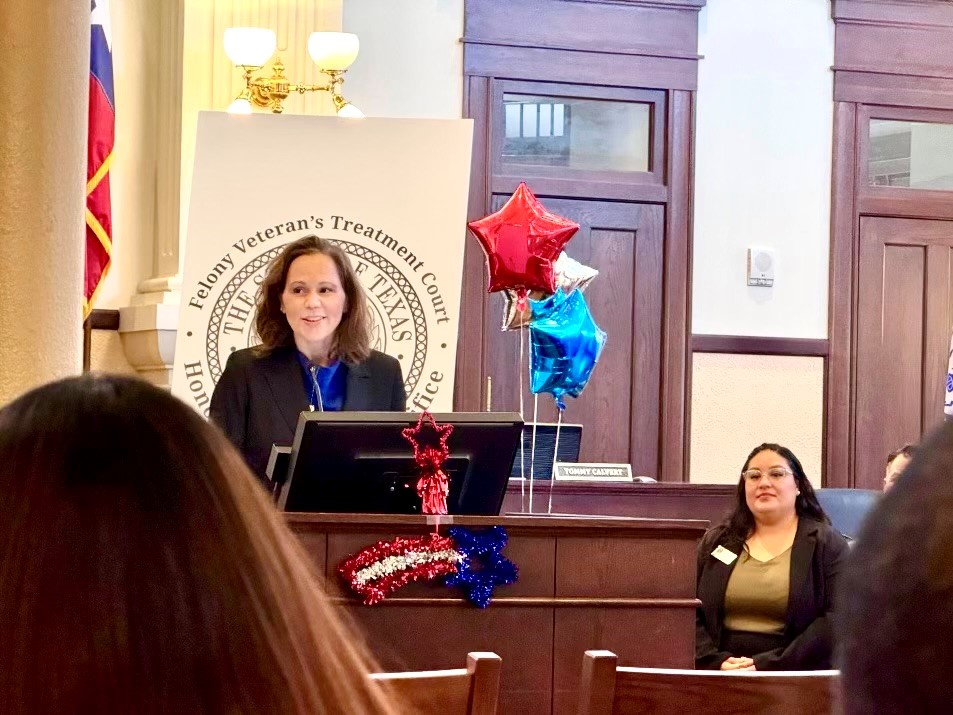
Today, I preside over a felony criminal docket, making legal rulings, conducting jury trials, and pronouncing judgments, all while ensuring that every individual who enters my courtroom is treated with dignity and respect, regardless of their role. I also serve as the presiding judge of the Felony Veterans Treatment Court, a specialty court that provides comprehensive, wrap-around services to veterans whose involvement in the criminal justice system stems from issues related to their military service. Together, these roles have given me the opportunity to serve my community in meaningful and lasting ways.
Today, I am most proud of the hard work that allowed me to achieve my goals and of the perspective I have maintained while serving on the bench. Guided by the lessons I learned as both a prosecutor and a defense attorney, I strive to make decisions grounded in the law and to do what is right and just, even when the final decision is not easy. I have never become so comfortable in this role that I forget I serve at the will of my constituents. Neither will I ever take for granted the opportunity to make a meaningful difference in the very community my grandparents chose to call home.
How’d you build such a strong reputation within your market?
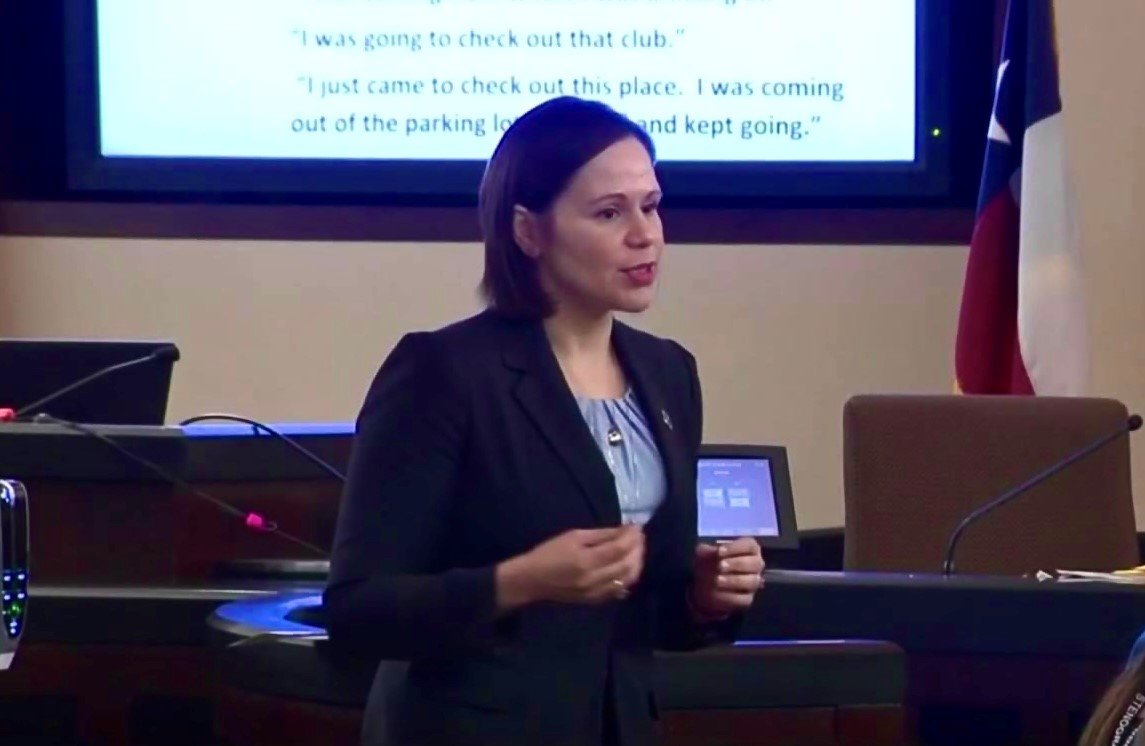
As a judge presiding over a felony criminal docket, it is essential to respect the power and influence the court holds over the lives of those who appear before it. Judicial decisions can change lives for better or worse. Such decisions must be tempered with mercy and understanding for all parties, and they require a judge to maintain a broad, balanced perspective.
My reputation for fairness and sound judgment was built over many years dedicated to the practice of criminal law. Throughout my career, I worked diligently to sharpen my skills as a litigator and deepen my knowledge of the law. Through additional study and commitment to the field, I became Board Certified in Criminal Law, an achievement attained by only a small percentage of attorneys in Texas.
During my twelve years as a prosecutor, I represented victims of crime, guiding them through the criminal justice system during some of the most vulnerable moments of their lives. I listened to their stories and shared in their pain and uncertainty as they awaited verdicts. I also learned that not all victims are righteous or innocent and each case requires careful, prudent evaluation. Justice demands thoughtful consideration rather than assumptions.
My time as a criminal defense attorney was equally humbling. Representing accused citizens revealed the full extent of the government’s power over individuals and reinforced the necessity of zealous advocacy even when it was unpopular. I came to understand that most people who commit crimes are not inherently evil, but are often in crisis due to mental health challenges, substance abuse, or circumstances that push them into cycles of criminal behavior. The criminal justice system has a responsibility not only to hold individuals accountable, but also to provide opportunities for rehabilitation and meaningful change.
These two professional perspectives have converged to shape the way I rule from the bench. They have grounded me in the importance of considering all sides, deciding with deliberation and foresight, and ruling decisively and efficiently. Above all, they guide me to ensure that both parties and the community at large can trust that each decision is made in the true interest of justice.
Any advice for managing a team?
I truly believe that the foundation of anyone’s success is the team of people who stand behind them, and judges are no exception.
Behind every judge is a dedicated team responsible for coordinating and managing the court’s docket. I preside over a caseload of more than 400 pending indicted felony cases, along with hundreds of additional cases involving defendants already on supervision. Ensuring that each of these individuals receives timely and fair justice requires a process that runs smoothly and remains well organized. That level of efficiency is only possible because of the hard work of staff who operate largely behind the scenes.
As one can imagine, the constant flow of defendants, attorneys, and court personnel through the courtroom can be stressful. Compounding that stress is the often heavy and emotionally difficult subject matter we address each day. These factors can create an atmosphere filled with tension and pressure, making team management challenging and morale difficult to maintain. However, there are practical and effective ways to lead a team while sustaining high morale.
First, it is imperative that your team sees you working as hard as you expect them to work. Never ask more of others than you are willing to give yourself. Consistently modeling the work ethic you expect sets the tone for the entire team.
Equally important is maintaining a calm and even demeanor. When challenges arise or situations become overwhelming, emotions should never dictate words or decisions. If necessary, step away, collect yourself, and return with clarity. As a leader, your reactions and decisions shape the environment more than anyone else’s. Learning to carry that responsibility thoughtfully is essential.
It is also important not to take yourself so seriously that your team feels unable to interact with you comfortably. Appropriate humor and shared laughter can ease tension, foster trust, and strengthen bonds. When used thoughtfully, lightening the mood in a stressful environment is not only effective but deeply appreciated.
Finally, be generous with gratitude. Acknowledge your team’s effort and thank them often. Recognition motivates continued excellence and builds goodwill, making team members more receptive when correction or constructive feedback is necessary.
Ultimately, leaders should never look down on those who support them. High expectations can, and should, come with understanding, kindness, and respect. When that balance is achieved, your team will be invested in your success and committed to helping you achieve it. Just as importantly, it will create a healthier, more rewarding work environment for everyone involved.
Contact Info:
- Website: https://EscalonaforJudge.com
- Instagram: @judgek.escalona
- Facebook: Judge Kristina Escalona, 186th Judicial District Court, Bexar County, Texas

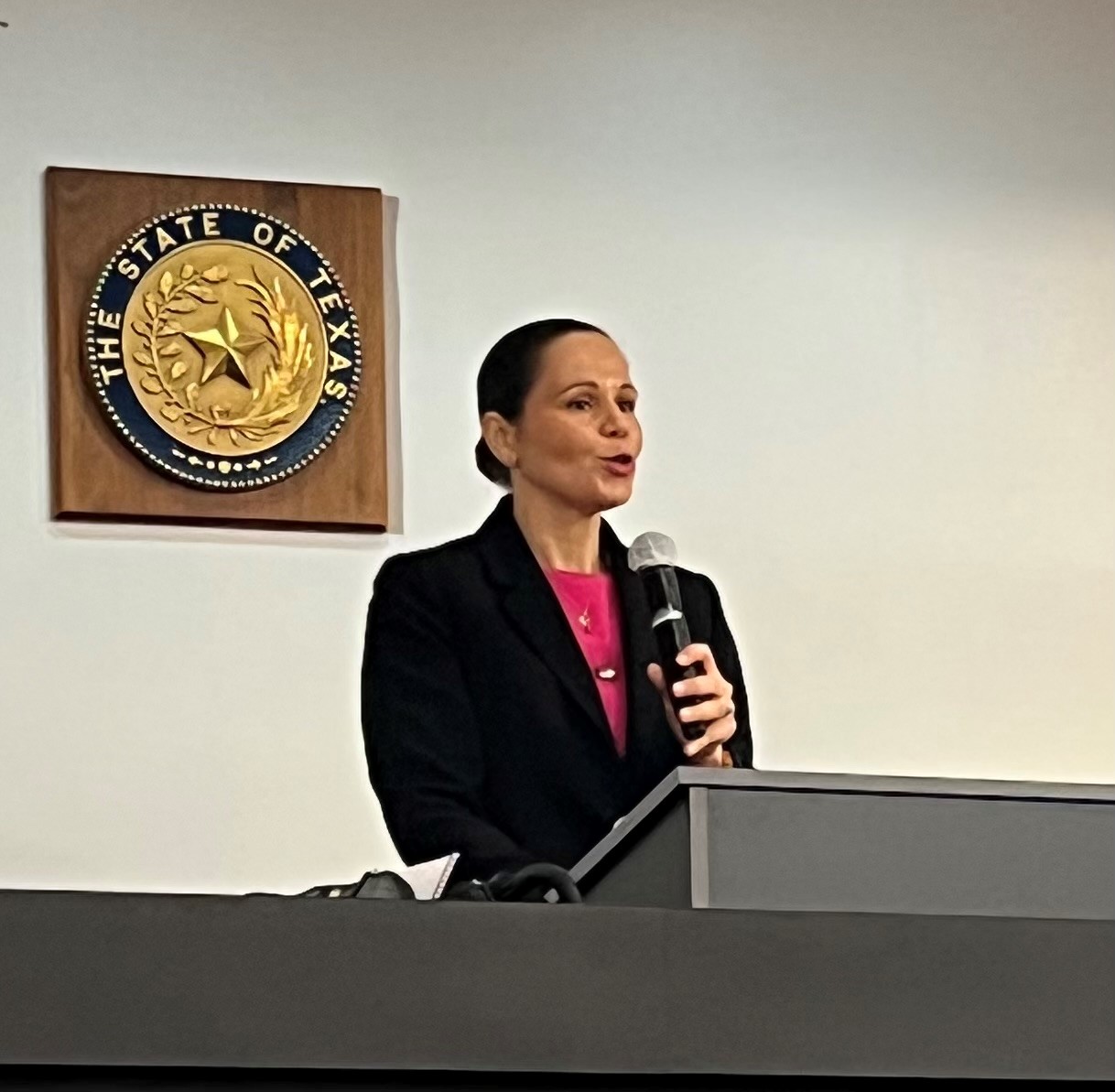
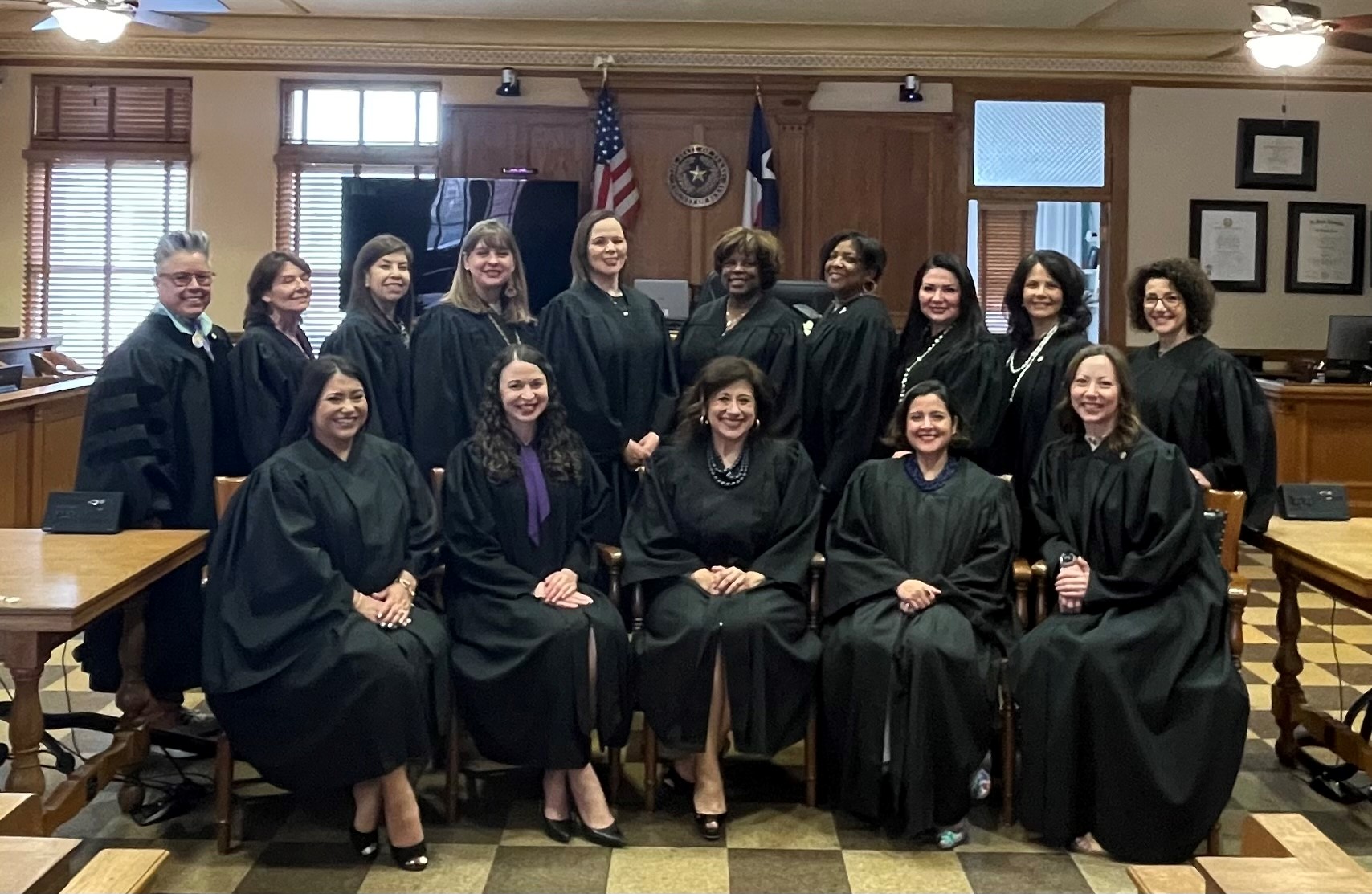
Image Credits
San Antonio Express News