


We were lucky to catch up with Kristin Mauldin recently and have shared our conversation below.
Hi Kristin, thanks for joining us today. We’d love to hear the backstory behind a risk you’ve taken – whether big or small, walk us through what it was like and how it ultimately turned out.
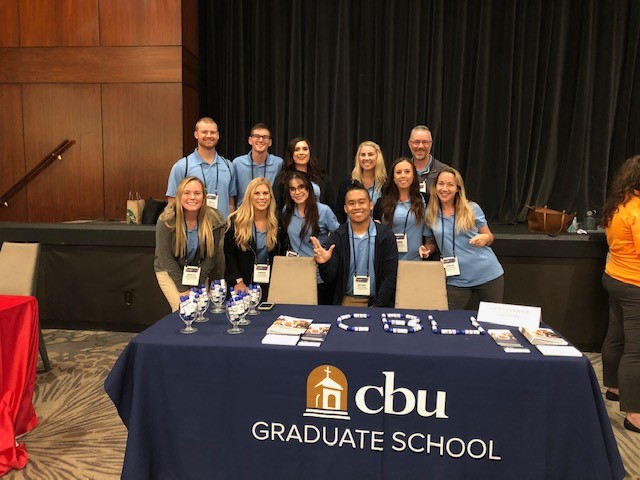
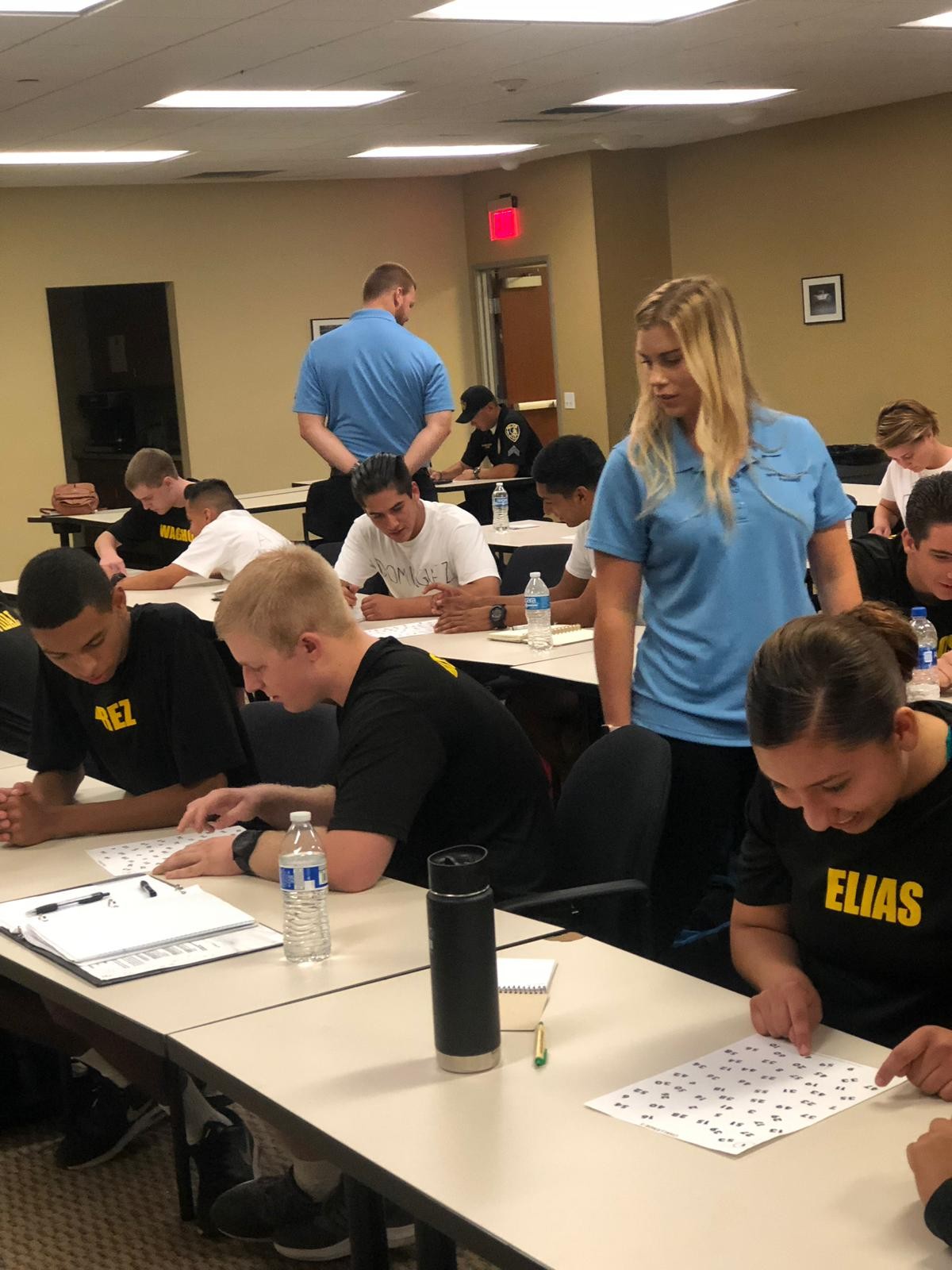
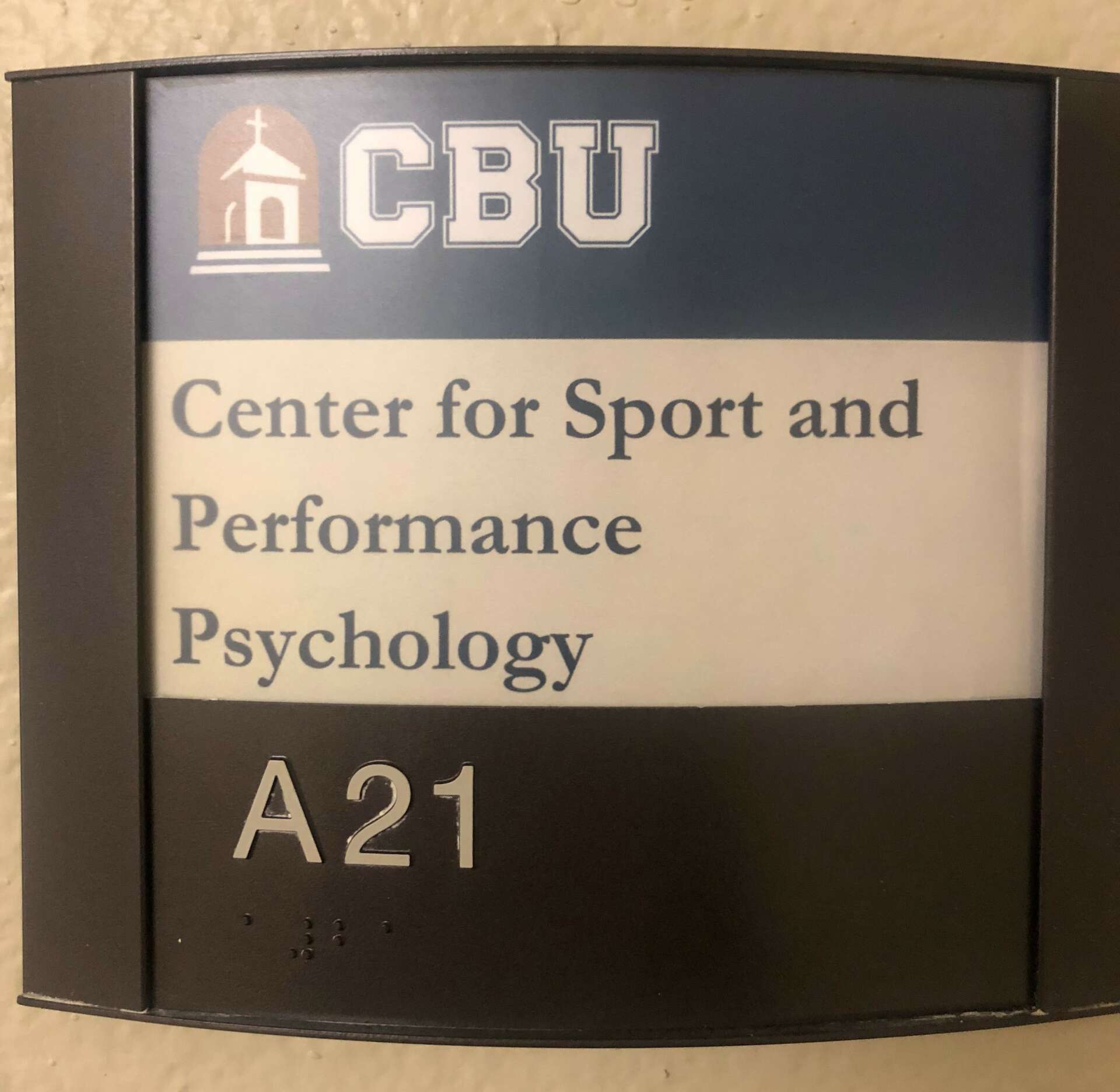
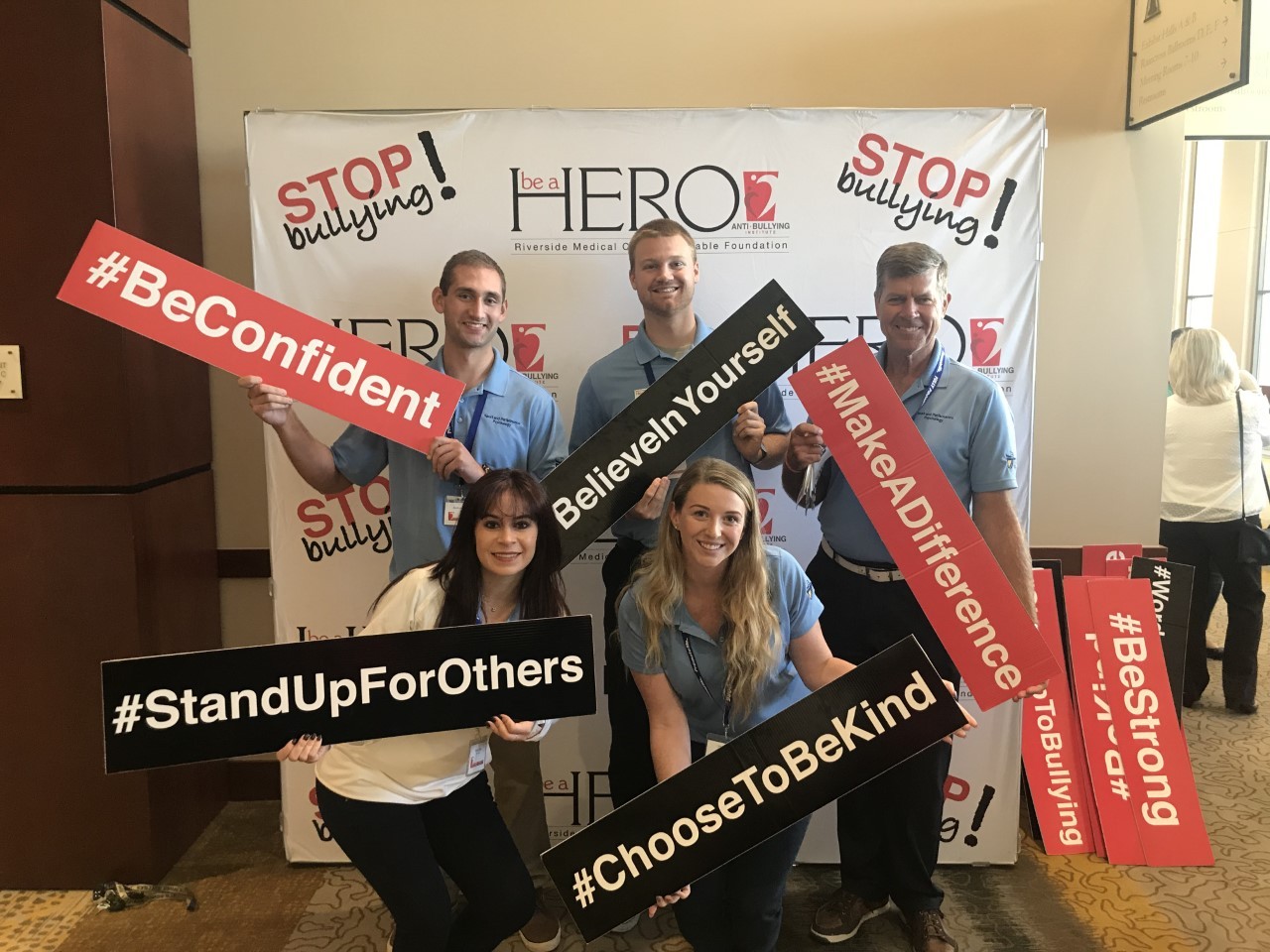
In 2016 I was a psychology professor at California Baptist University (CBU). I had obtained my Ph.D. in psychology with a focus on cognitive psychology and neuroscience. I taught classes and was involved in research. I was an endurance runner at the time with kids that were involved in sports. I found myself often thinking about the psychology of sport. Why does exercise improve mood and learning? How does sport manage to break down social barriers? I started looking into it and found that there was a field of psychology called sport and exercise psychology. I didn’t know that existed! I wanted to learn it and have it integrated into my own teaching, so I asked my dean if I could create a class in it. She said yes, then asked if I wanted to create and then direct a sport and performance graduate program. I barely knew what the field entailed, let alone knew how to create a graduate program in it, but I said “yes”. I was somewhat terrified but excited. Sport and exercise psychology were not well accepted in academic circles yet, some calling it a “fad” and not taking it seriously. I needed to not only create this program but also convince my institution that it should even exist. I looked at the certification requirements in the field and other successful graduate programs and used those models to create the Master of Science Sport and Performance Psychology program at CBU. Despite the fact that I am not applied, I made it a strongly applied program in order to provide the students training that would make them highly marketable and able to become certified as a mental performance consultant through the Applied Association of Sport Psychology. (CMPC-AASP). We are now in our 6th year and have graduated over 120 students and have 68 current students. Our students have a plethora of internship sites to choose from such as working with our NCAA Division 1 Athletic teams at CBU, to local high school teams, nearby college teams, CBU’s ROTC and Aviation programs, the Riverside Police Department Explorer program, Raincross Boxing Academy, and Riverside Medical Charitable Clinic Foundation. The latter programs also serve the community by working with low SES students and implementing bullying prevention curriculum in nearby school districts. We have been awarded the opportunity to host the AASP West Regional Conference the past four years. We launched the Center for Sport and Performance Psychology at CBU in 2018 where we offer our consulting services to members of the community at a reduced cost. Being able to create and direct this program has been an incredibly rewarding experience!
Great, appreciate you sharing that with us. Before we ask you to share more of your insights, can you take a moment to introduce yourself and how you got to where you are today to our readers.
I got into my field because of my experience growing up in a family with addiction and with a debilitating chronic pain disease (Juvenile Rheumatoid Arthritis). Growing up with a disability required me to take care of myself physically and implanted in me an interest in health and exercise. Watching turmoil within my family due to addiction spurred my interest in understanding people and trauma. Thus, I obtained my doctorate in psychology and then, when I realized it existed, moved more specifically into the field of sport and exercise psychology. I am most proud of the program that I created but I have gained the most benefit from working with my students. The relationship I get to have with my students is incredibly rewarding. I never knew how much of an impact professors have on their students or, even moreso, students have on their professors until I was in this role. I am very proud of the program I have created because it is comprehensive, gives a quality education, provides incredible internship opportunities that are very hard to find in other graduate programs, and provides quality, caring mentorship for all of the students. Most of all, I am proud of my students. We draw empathetic, competitive, quality students that display grit and strength as they consult with teams, student-athletes, and other performers.
Any stories or insights that might help us understand how you’ve built such a strong reputation?
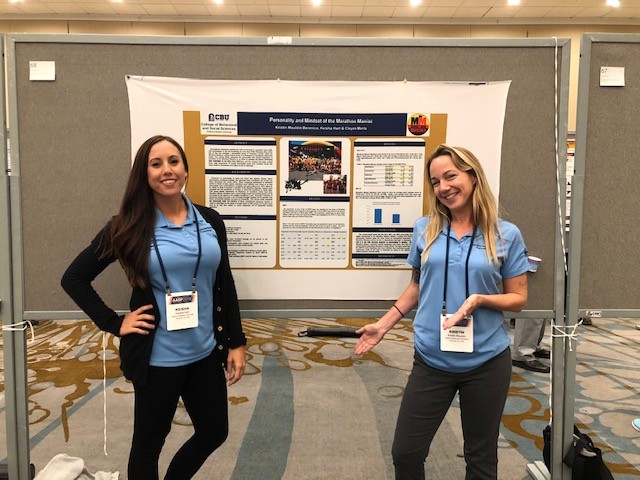
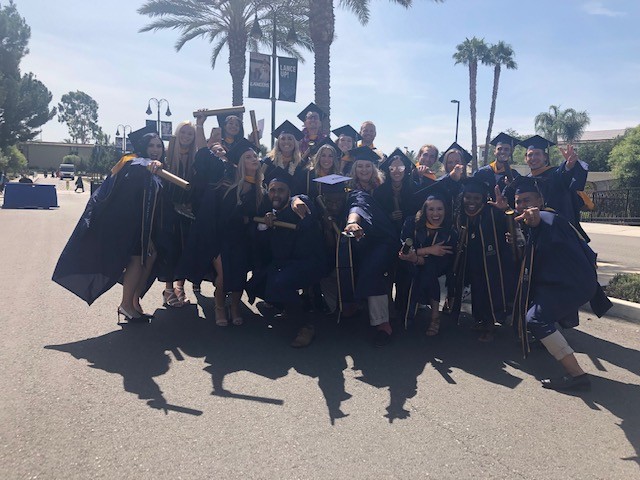
What helped CBU’s MS SPP program build its reputation within its market was great social media exposure and visibility at AASP conferences. Lauren Hess was largely responsible for the great social media exposure. She created an Instagram page for our program and provided frequent content with updates on our program, events we attended/put on, the activities of our students, short clips with relevant SPP content, student features, and the “just signed” campaign where incoming graduate students were featured before they started the program. In addition, she reached out to relevant organizations and individuals to connect and add followers. With her efforts, our Instagram ended up having more followers than the majority of programs at CBU. We created visibility at AASP conferences by hosting the AASP West Regional Conference for the past four years and by bringing students to the national conference. At the national AASP conference we were involved by hosting a booth at the graduate program fair and presenting research conducted by our students and faculty. This visibility plus word of mouth of the quality of our program is what has contributed to the success of CBU’s MS SPP program.
Do you have any insights you can share related to maintaining high team morale?
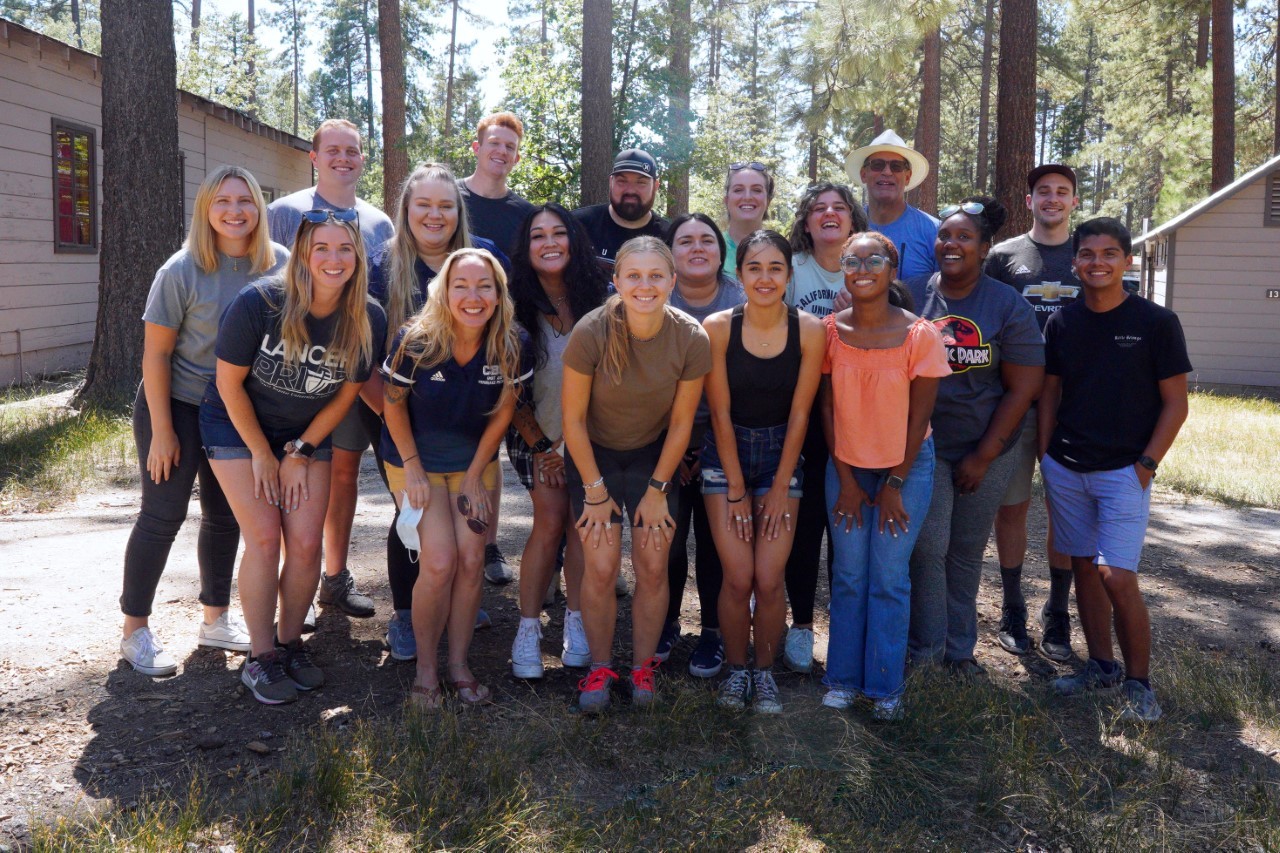
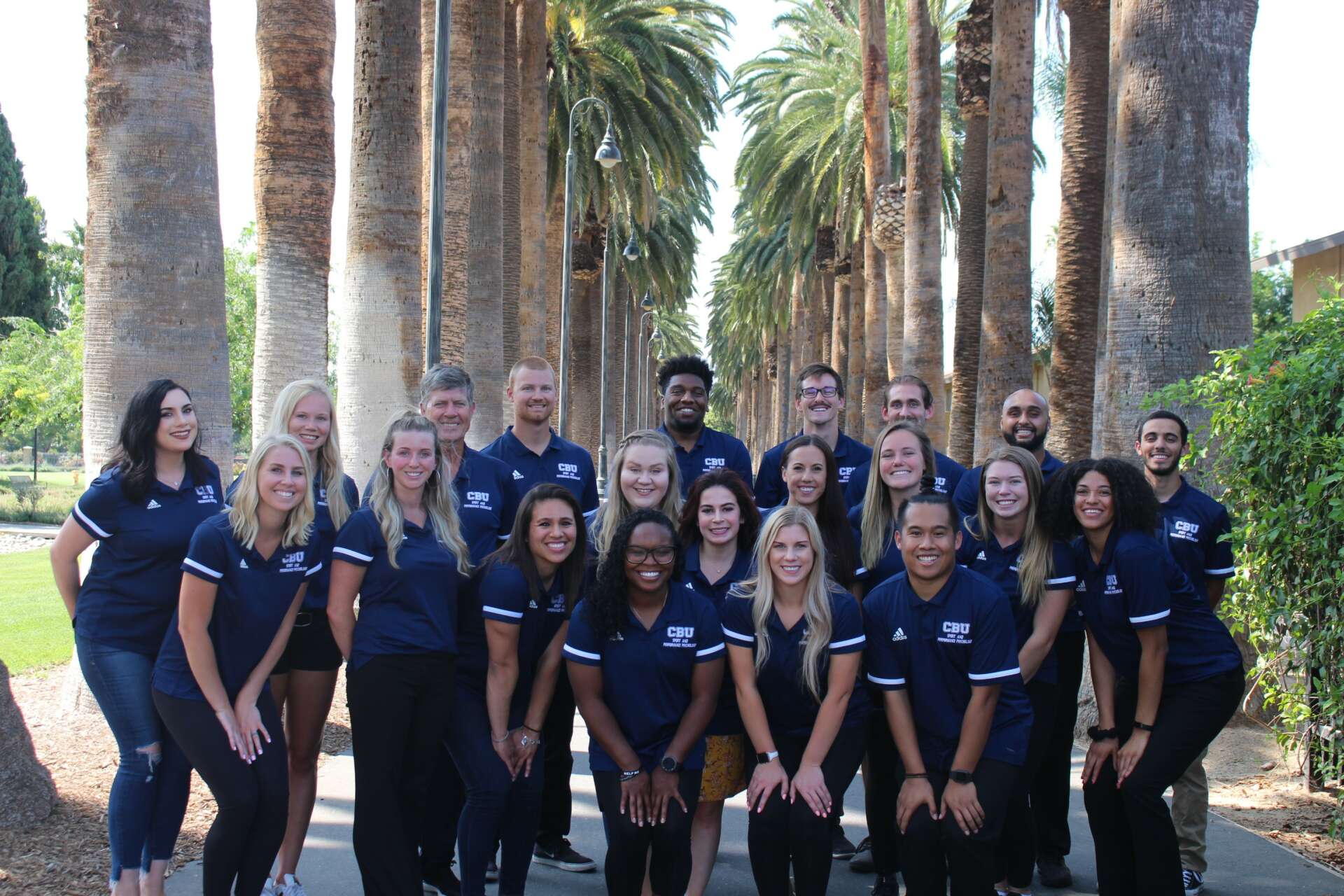
The advice I have for managing a team and maintaining high morale is to really care about them, try to understand where they are coming from, and listen to them. I would not say I am the most organized director and we have had very limited resources throughout the entirety of this program, but I care about my team and listen to them. I have sat with them as they vent, yell, cry, or just struggle through difficult decisions. I care about them and work with them differently as they are very different people. Some need a soft tone and more praise, some need direct no-fluff talk, and some need a lot of debriefing and reviewing. Also just understand that even as a leader your team members really do become your friends. Boundaries are key here, but ultimately you showing that you care about who they are, what they contribute, and how they are affected by their work with you will go a long way. You can learn from them just as they learn from you and you can give yourself grace as you grow as a leader just as you give them grace as they grow in their roles.

Contact Info:
- Website: www.calbaptist.edu/spp
- Linkedin: www.linkedin.com/in/kristin-mauldin-phd-24ba34144