

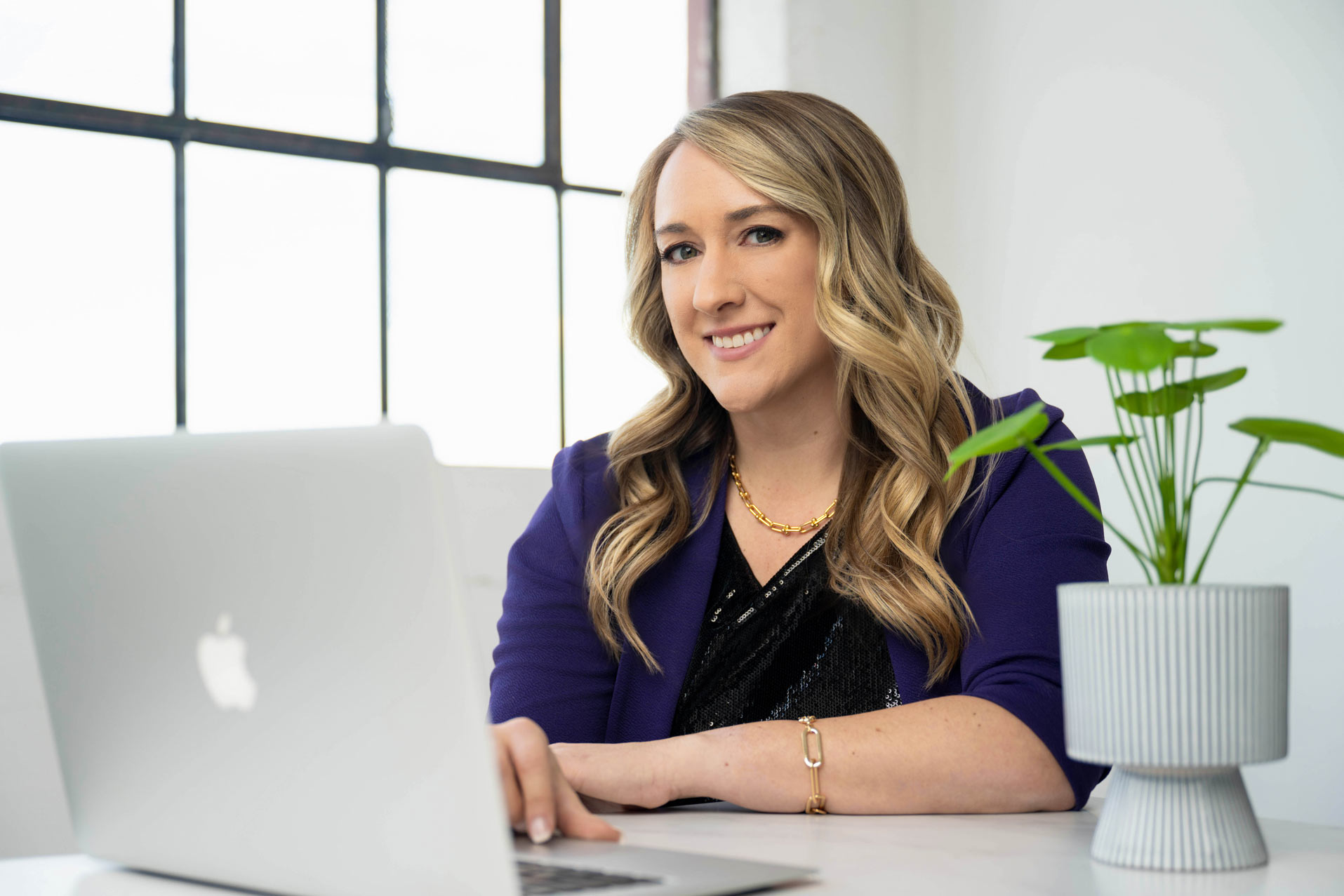

Alright – so today we’ve got the honor of introducing you to Kristin Adkins. We think you’ll enjoy our conversation, we’ve shared it below.
Kristin, looking forward to hearing all of your stories today. We’d love to hear the story of how you went from this being just an idea to making it into something real.
After 7.5 years at a job where I wore just about every hat imaginable—marketing, event planning, membership, design—you name it, I was burned out. I worked for a national organization that taught college students sales and marketing skills through conferences and competitions. It was work I cared about, but I knew deep down I wanted to build something of my own.
I’d already started dabbling in web design on the side, taking on a few small projects to test the waters. But when I finally decided to go all in on my business, I didn’t have everything figured out. What I did have was curiosity and a whole lot of experience observing what worked and what didn’t.
Early on, I treated my first clients like a crash course in business building. I paid attention to what I liked, what I didn’t, and what kind of work really lit me up. That’s when I realized that if I wanted to build something sustainable—and actually enjoy it—I needed to niche down. I couldn’t keep saying yes to every type of client.
So, I asked myself: who do I want to serve?
I thought back to my time at those conferences, where I got to personally host the professional speakers. I was the one helping them set up their tech, introducing them to board members, and making sure they felt welcome. I got this one-on-one time with them that most people didn’t, and I was fascinated by their stories. These were people who had chosen to leave their families, hop on flights, and stand on stages to try to make a difference. They could command a room, move people with their words, and turn personal experiences into transformation for others.
So, I decided: professional speakers would be my people.
But just because I picked a niche didn’t mean I had all the answers. In fact, I had more questions than anything. So, I reached out to a speaker I had once worked with and asked if he’d jump on a call with me. I recorded the call (highly recommend, by the way), and I asked him everything. What role do websites actually play in your business? What frustrates you about them? What platform is yours built on? Do you even care about that? How do you maintain it? What did you pay for it?
He was incredibly open and generous—and he also gave me a reality check. I thought I had a solid idea, but he not-so-gently (and truthfully) pointed out that I didn’t know as much as I thought I did. It humbled me in the best way possible. He was saying it all with care because he wanted me to succeed.
But here’s where it gets good: at the end of the call, he said, “I actually have a friend who runs a speaking agency. They just brought on new team members—maybe they’ll need a website.” That one introduction ended up bringing me over $100,000 in client work over the next four years.
And that call recording? I transcribed it, pulled out the exact words he used, and used them as copy for my website. I didn’t try to guess what my audience wanted to hear—I let them tell me. That one decision helped me attract more speakers, because the language resonated.
So, was it a straight line from idea to launch? Absolutely not. It was a mix of curiosity, research, getting honest feedback, making the right connections, and building things brick by brick. But that’s how Crash Design Co. started—with a niche, a real conversation, and a willingness to ask more questions than I had answers for.
And I’ve kept that same mindset ever since. Every year, I interview at least one speaker—just like I did in the beginning—to make sure I’m staying in tune with what they actually need and what’s changing in the industry. It keeps me sharp, keeps my offers relevant, and honestly, it reminds me why I chose this path in the first place.
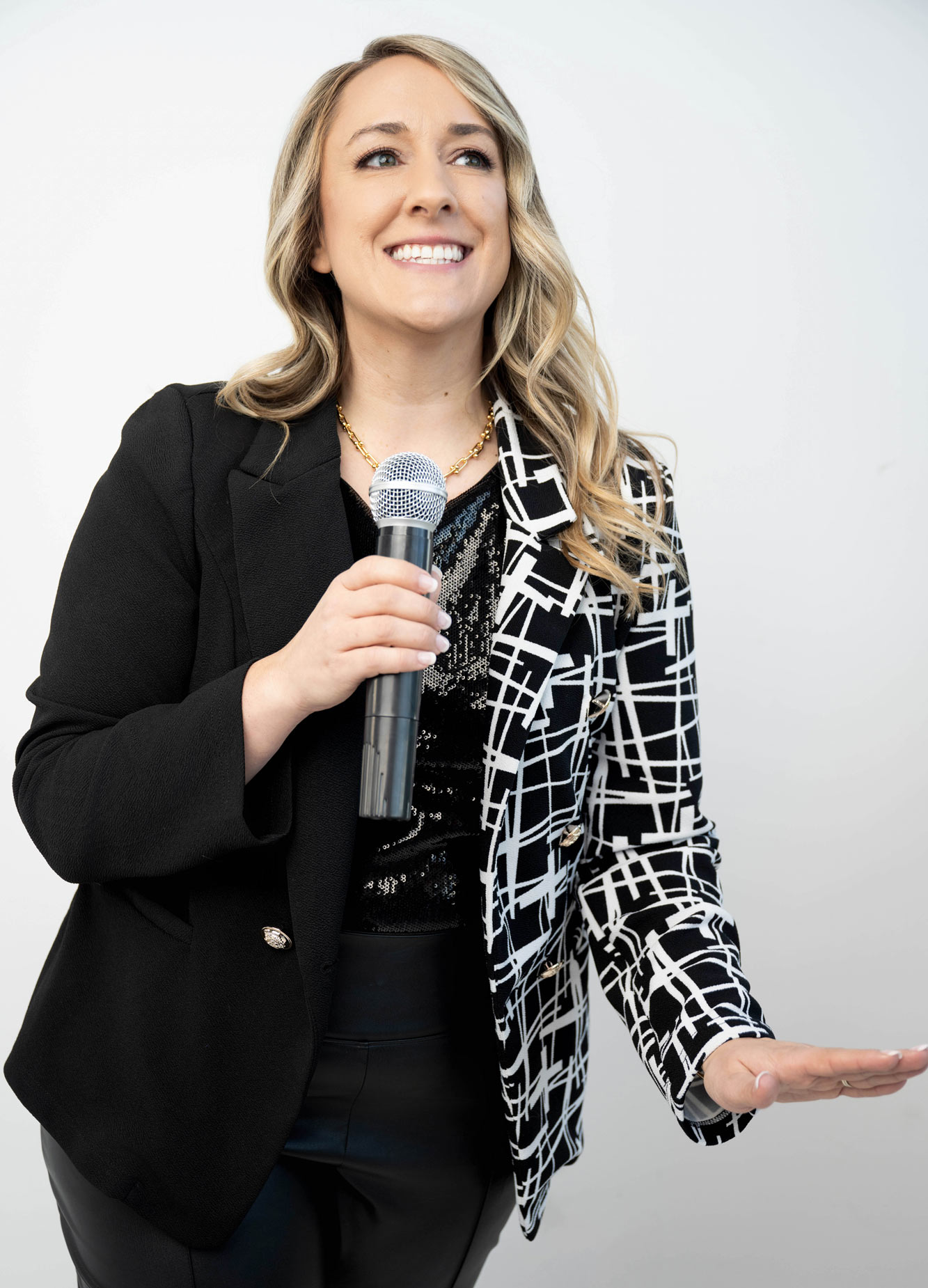
As always, we appreciate you sharing your insights and we’ve got a few more questions for you, but before we get to all of that can you take a minute to introduce yourself and give our readers some of your back background and context?
I’m Kristin Adkins, the founder of Crash Design Co., where I help professional speakers grow their business by designing websites that don’t just look good, they position them as experts, earn the trust of decision-makers, and actually help them get booked. My mission is to amplify the voices and ideas that deserve to be heard. I used to hire speakers, so I know what it’s like to see someone incredible get overlooked. Not because they weren’t talented, but because their online presence didn’t tell the right story.
Today, we design and write conversion-focused websites for speakers who are serious about their business, whether they’re just stepping onto bigger stages or already a high-paying keynoter. We offer services ranging from website audits and one-page landing pages to full-scale site builds with copywriting included. We also run a productized service called Website in a Week, which gives speakers a fully done-for-you site in seven days or less. No tech headaches. No guesswork. Just strategy and execution.
The speakers we work with have gone on to double their speaking fees, quit their day jobs, book international gigs, get featured in major media outlets, and land dream stages, all because their online presence finally matches the power of their message.
What sets me apart is that I used to be a part of an event planning team that made the decision of who we were going to hire to speak at our events. I know what event planners are looking for and what makes a speaker stand out or get passed over. I use that insight to build websites that position my clients as not just talented, but bookable.
What I’m most proud of? The fact that my clients trust me with their brand. That they tell me their websites gave them the confidence to raise their rates, pitch new stages, and say, “This is who I am. This is what I do.” That means everything to me.
Can you share a story from your journey that illustrates your resilience?
I was sitting in a small room with beige walls, surrounded by generic artwork of flowers. A stranger sat across the table from me and he was about to find out a secret I kept from him. He glanced down at my license and I saw his eyes widen slightly. He had just realized that it was my 30th birthday. He looked up with that quiet, unspoken acknowledgment.
Birthdays used to be my favorite. I was the kind of person who demanded a full birthday week… why settle for one day when you could celebrate all seven? But this birthday week, my big 3-0, started with a phone call and ended with me sitting in that office across from a funeral director.
The hardest part of that day wasn’t just being in that room. It was what came next: sitting down to write the obituary for my 58-year-old dad. How do you sum up a whole life in a few paragraphs? How do you condense a person into bullet points and dates? That process hit me like a gut punch that I can still feel to this day.
Growing up, my dad and I were very different. I was too messy, too loud, too forgetful—and it all felt like I was too “me.” He was more serious, believed everything had a place, and goofy moments happened less and less the older I got. He had a stressful job working for the local powerplant that required long hours, starting before dawn, but he was proud of it. He was committed to the company that he started working for at 19 years old and stayed there for 38 years until he was forced to retire because of the cancer diagnosis.
From my point of view, his work only irritated him. He came home in a bad mood and we were walking on eggshells when he was around. I couldn’t see it for myself, but I was doing the same. A “good job” that everyone told me I was so good at. But something was missing and the truth was, if I had to write my own obituary that day, I wouldn’t have been proud of what it said.
On paper, I had accomplished some pretty cool things. I had landed my dream internship, a graphic designer for NASCAR, and after that I started a career so perfect I wouldn’t have been able to dream up if I tried. It was everything I ever wanted. But what I realized was that over time, my dreams had changed.
But instead of facing that truth, I stayed, and became numb. I told myself that I was making a difference, and in some ways, I was. My work helped hundreds of people. I was good at what I did, and it felt good to be good at something. But somewhere along the way, I wasn’t enjoying myself anymore. I was coming home irritated and bringing my work home almost every day.
It was during those quiet moments—those moments, and those that have experienced deep grief of losing a loved one know what I am talking about, where I had to sit in the discomfort—that I started asking myself the really hard questions. What was all of this for? What really matters at the end of the day?
Within three months, I made the decision that changed my life. I left my job and launched my web design business (all during a global pandemic, also losing a grandfather, purchasing a house, and in the middle of planning a wedding). It wasn’t clean or easy or perfect, but every single day started with me being proud of myself. In my previous career, the goalpost of when I would finally be proud of myself was always moving and I refused to let that happen anymore.
Losing my dad gave me the kind of resilience you don’t learn from a podcast or a business book. It’s the hardest thing I’ve ever gone through and gave me the courage to start over. To build a life that felt aligned, not just successful on paper. And to make sure that when my story is told someday, it’s one I’m proud to have written.
Now, I get to help people share their stories to audiences around the world. Because of my work, their ideas are being shared and their impact is changing lives in ways that an obituary could never.
What’s been the best source of new clients for you?
The best source of new clients for me has been referrals, hands down. But here’s the thing: doing great work alone doesn’t guarantee new business. People are busy. They’re juggling their own to-do lists, and sometimes they just need a nudge. I’ve learned that you have to ask people to tell others about you. You have to make it easy for them to refer you. I always aim to deliver work that clients are proud to share, and then I follow up with a simple, “If you know anyone else who needs this, I’d love for you to pass my name along.”
Beyond client referrals, I’ve been really intentional about building strategic partnerships. I work with professional speakers, and one of my strongest partnerships is with a speaker coach who helps people craft their keynotes. When I meet someone who needs help with their message before we touch their website, I send them to her. That trust and alignment has gone both ways as she’s introduced me to clients, brought me on stage at her event, and even invited me to be a featured author in her book. I don’t take those opportunities for granted, so I make sure I’m also showing up for her by registering for her events and inviting others, investing in her offers, and supporting her growth as much as she supports mine. That’s how real partnerships work. It’s got to be a win-win.
I’ve also built a relationship with a speaking agency that represents the exact kind of clients I want to work with. The founder brought me on as their Creative Director, which means I now show up monthly in front of speakers who are actively building their businesses… while getting paid to do so. That role allows me to serve, not sell, and that’s where the real connections happen.
Referrals and partnerships are too powerful to ignore. They come from trust, consistency, and being really clear about the value you bring. They’ve been the backbone of how I’ve grown Crash Design Co.
Contact Info:
- Website: https://CrashDesign.Co
- Instagram: https://www.instagram.com/kristin.crashdesign/
- Linkedin: https://www.linkedin.com/in/kristin-adkins/

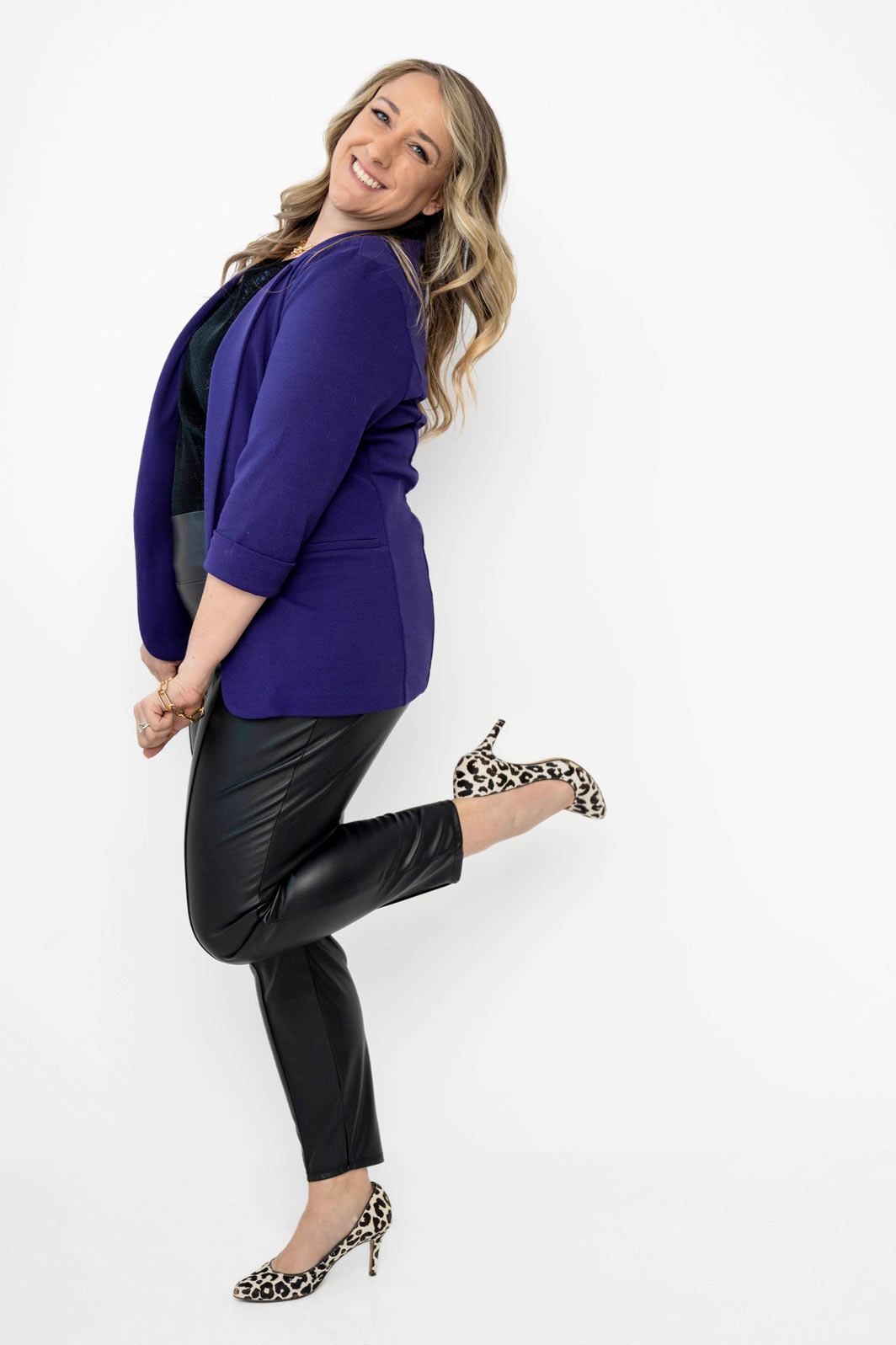
Image Credits
OH Snap! By Shell