

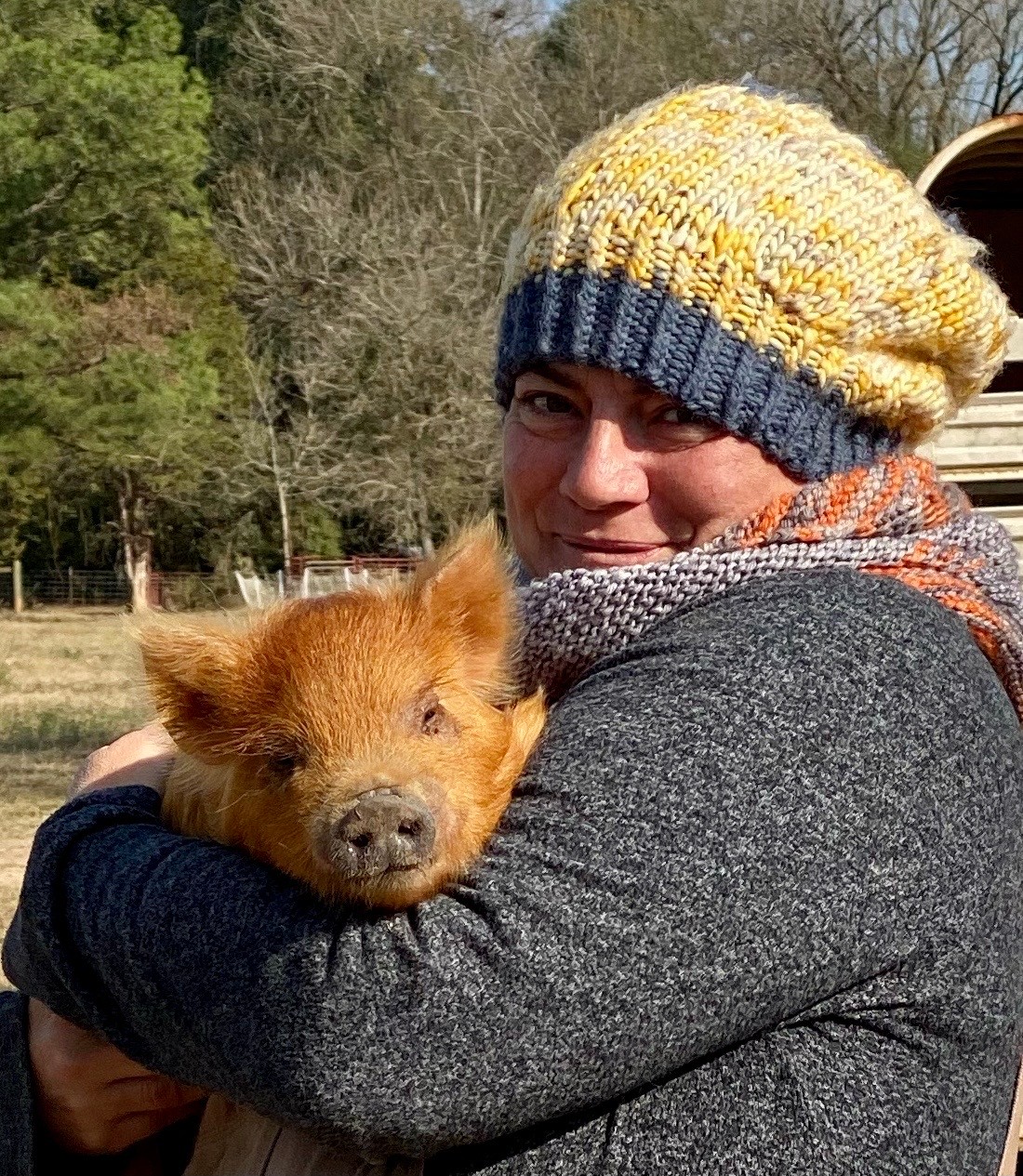

We’re excited to introduce you to the always interesting and insightful Kristie Wehe. We hope you’ll enjoy our conversation with Kristie below.
Alright, Kristie thanks for taking the time to share your stories and insights with us today. The first dollar your business earns is always special and we’d love to hear how your brand made its first dollar of revenue.
When we started our farm, we had been inspired by reading about other farmers and ranchers raising grass-fed beef and practicing rotational grazing, so our original plan was to do that. We intended to offer registered breeding stock of the breed we chose for our beef (Murray Grey), because they’re not a well-known breed in the US (they’re originally from Australia). But other than that, our only thought was to raise cows on grass and sell whole and half beef shares.
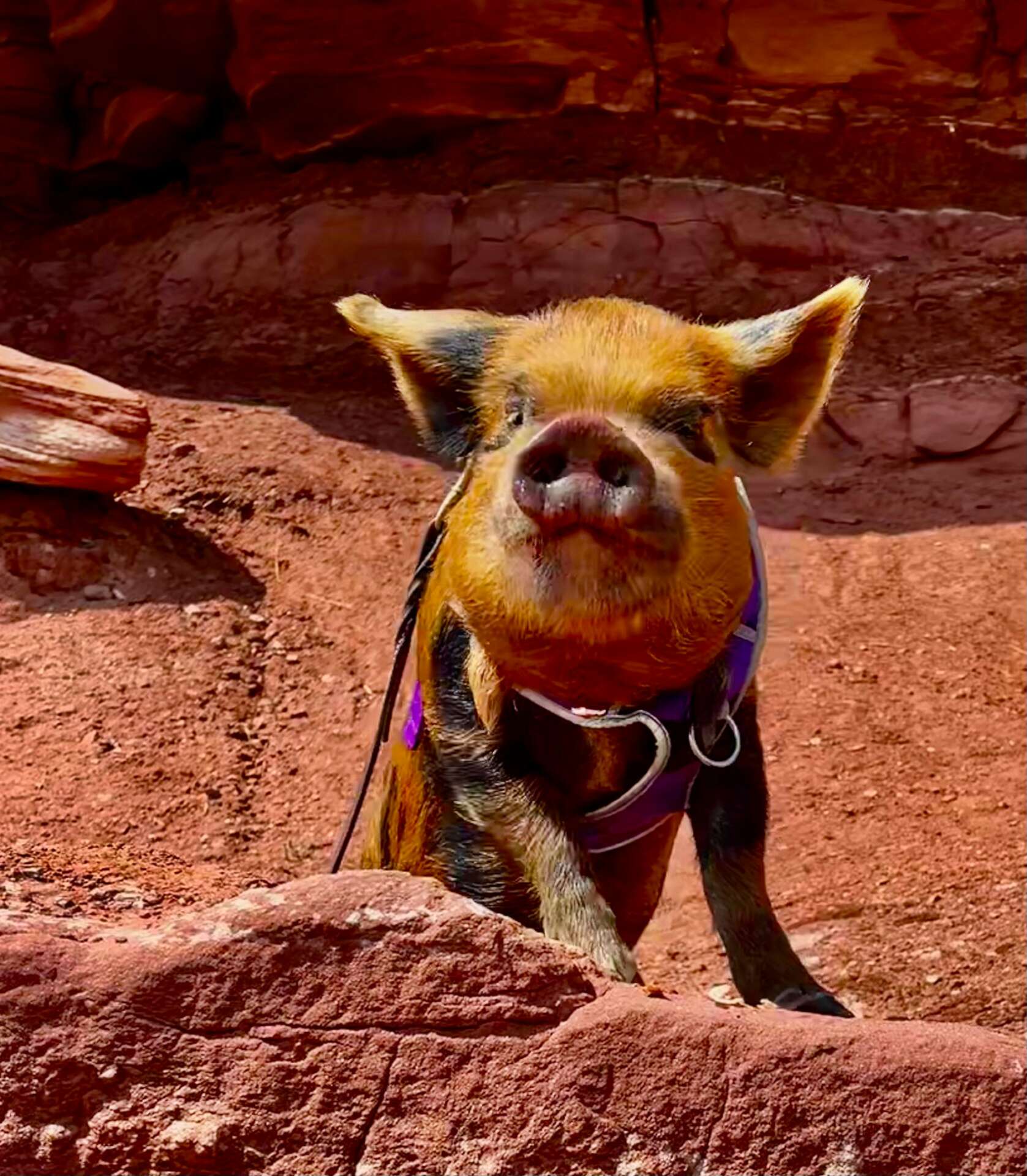
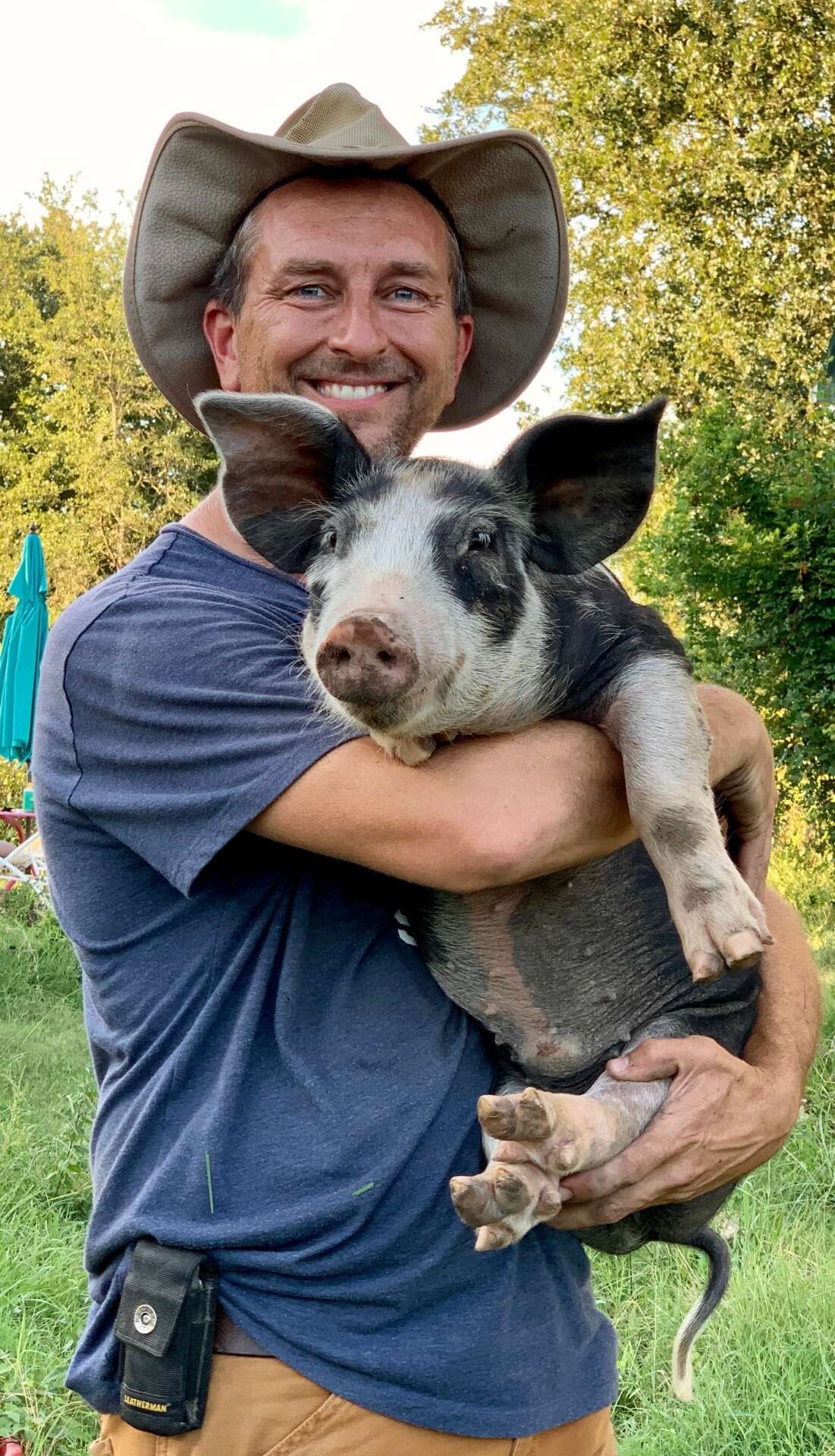
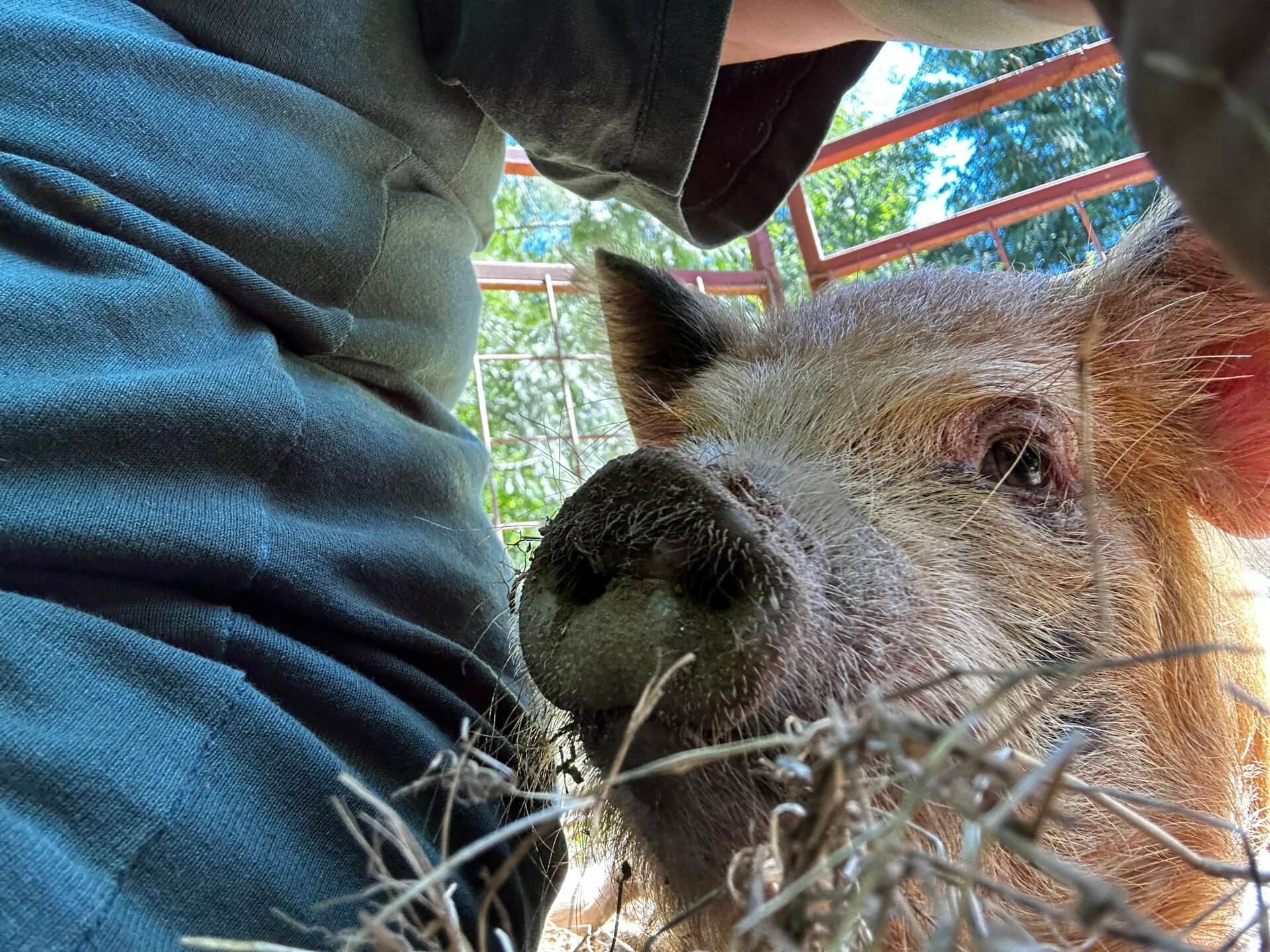
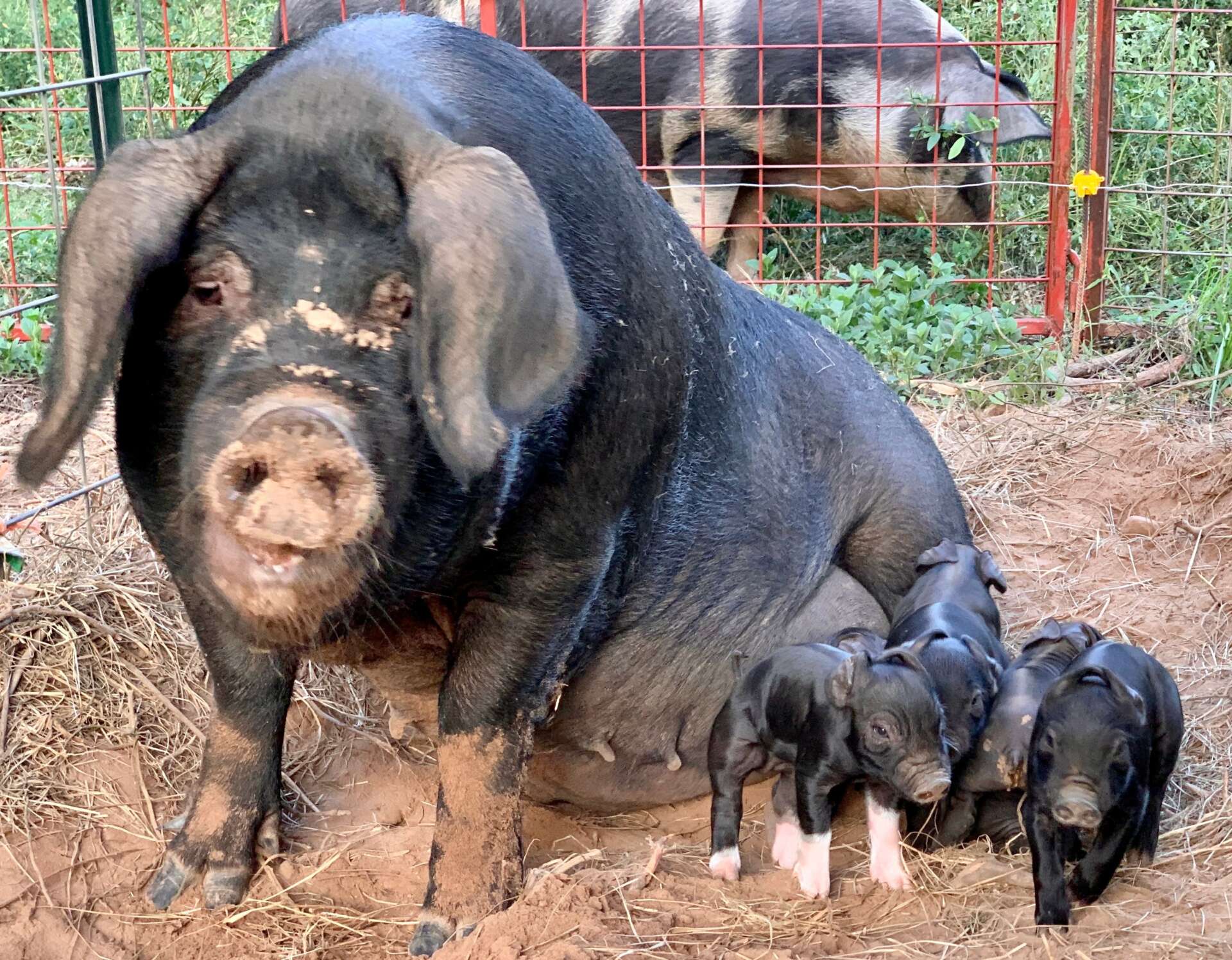
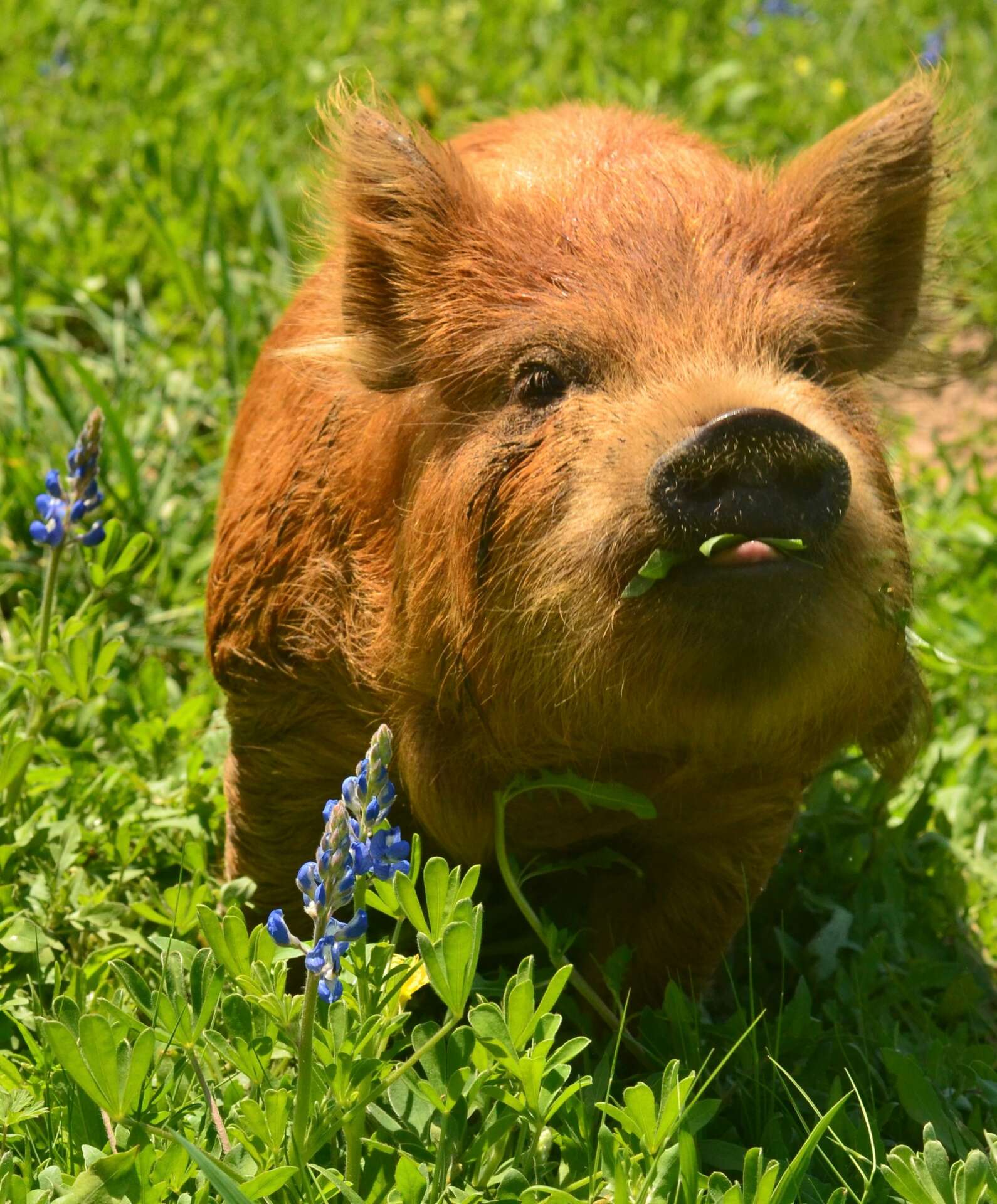
I also really wanted to raise pigs organically so that we could consume organic pork. This was not something I could find in Texas when we began, and it was important to me, so we started raising pigs just for our own consumption. I found three little pigs and they were so cute that I didn’t want to eat those pigs, so I found three more little pigs. But they also were really cute and so I didn’t want to eat those. I found three more little pigs. You may be beginning to see a problematic pattern? I fell so in love with pigs that I decided the only way to manage my problem was to breed them, and eat and sell the offspring. One of those groups of three included a barrow (castrated male) Kunekune cross that we intended to raise to eat.
As we raised these groups of pigs, we realized that our land was really well suited to raising pigs. It had a diverse landscape that included heavily wooded areas and pastures with woodlands surrounding them. Near the time that we were going to harvest that Kunekune cross barrow, Jamon (I name them all), someone I had met at a horse class reached out to ask me if we had any pigs available for someone who needed one for a whole hog roast. The woman’s daughter was getting married and they wanted to do a traditional Polynesian style whole hog roast in the ground. That began a friendship that continues to flourish to this day!
I remember that her husband came to pick up the pig, and he said, “Oh, no, he’s so cute! I won’t be able to let the girls see him or we’ll have nothing to eat.” He harvested and prepared the pig and they invited us to the reception. We planned to go but a huge storm blew in and we ended up having to deal with some chicken rescue as coops were flooding. But, everyone declared that the most delicious pork they’d ever eaten, and our dream shifted. We became determined to create the most delicious organic pork you’ve ever eaten.
Kristie, before we move on to more of these sorts of questions, can you take some time to bring our readers up to speed on you and what you do?
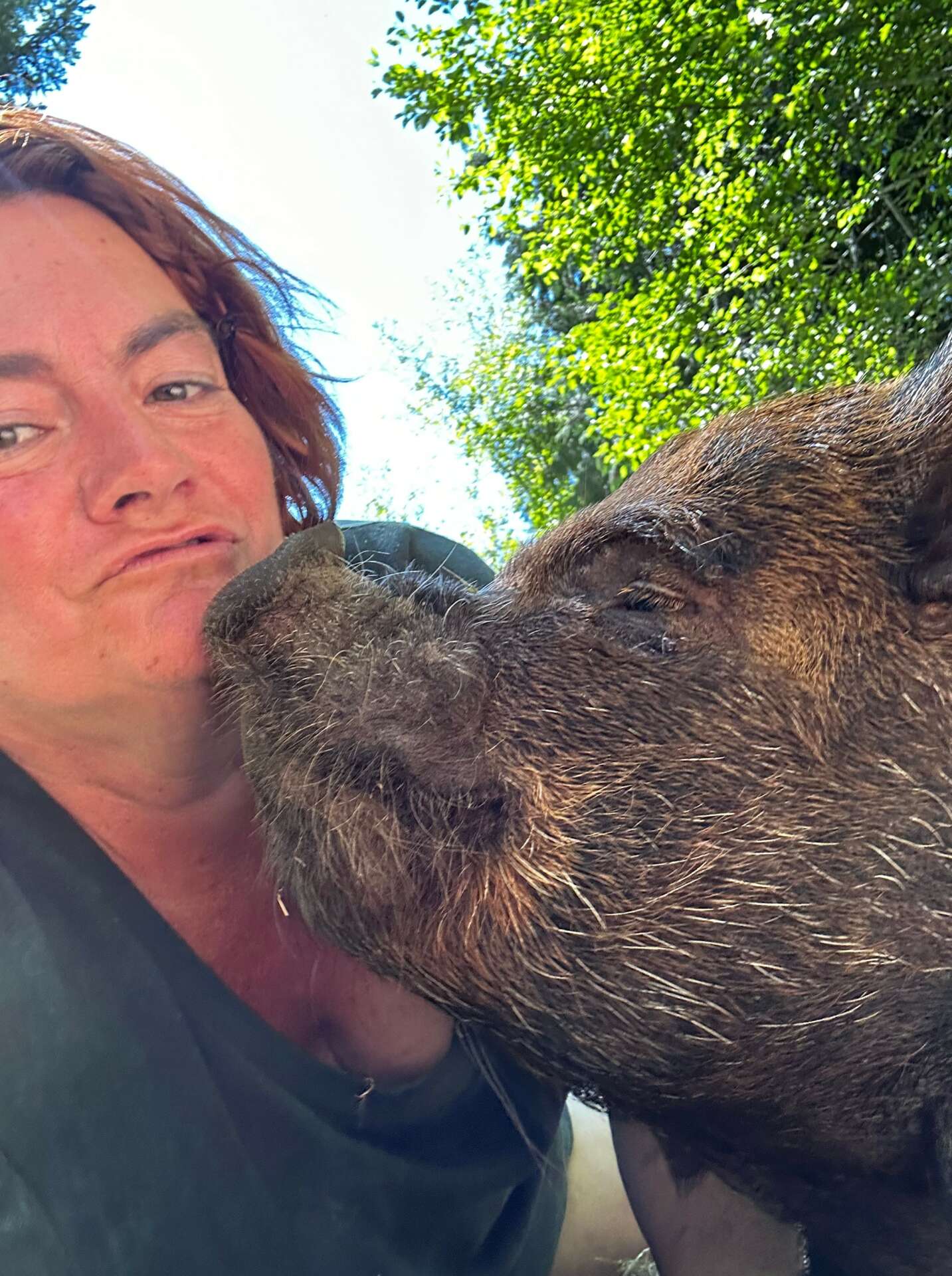
This business really grew out of a love for animals and eating great meat. I know for some the two seem mutually exclusive, but they should not be. I believe it is our disconnect from our sources of food, as well as from nature, that has resulted in the environmental degradation we are seeing. Community should include caring about everyone surrounding us.
We have moved our farm to a new state and we have many ideas for new ventures here. Raising the best organic pork will remain our focus, but we want to add some farm walk opportunities, flowers and maybe a few workshops as well. Ultimately what we do will be a reflection of what our community needs from us. We are excited to see what that will look like here!
What do you think helped you build your reputation within your market?
Integrity. We spent a lot of time researching feed ingredients, breed and other factors for our animals. We read multiple sources of information from conventional to unconventional. We experimented with different feed ingredients, as well as different methods. And we continue to do so. We taste everything we grow and we don’t sell anything that we don’t think is great. Any time a customer has been unhappy with something, I ask questions to understand the issue, and then I find a solution that is fair for all, but that solution always considers the customer’s needs first.
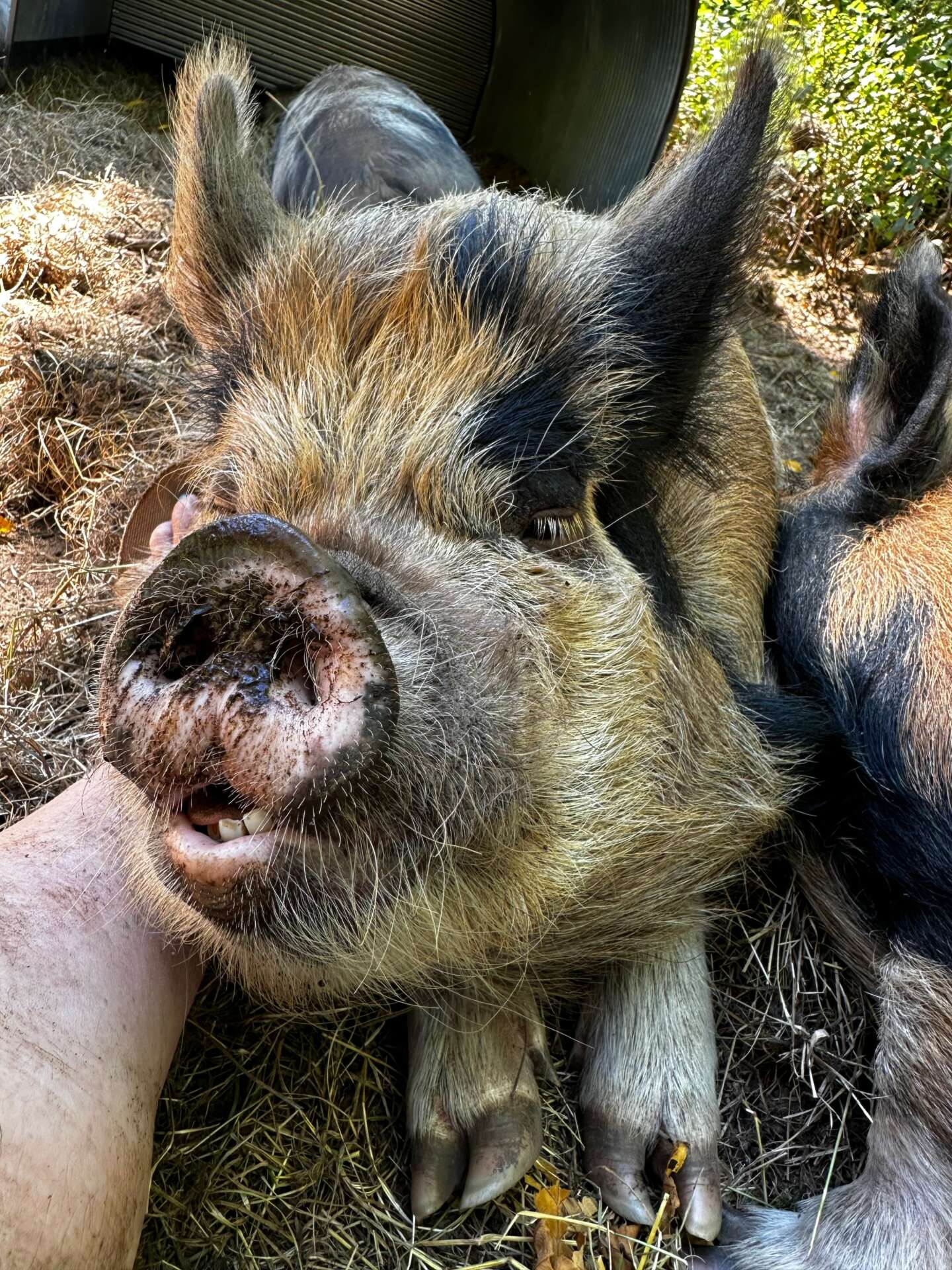
For example, I had a customer send me pictures of pork chops we delivered that they felt had too high of a fat to meat ratio. It is a hallmark of the heritage breeds we cross that they will have a great deal more fat than any conventionally bred pig has. We obviously can’t put a picture of every single pork chop in the shopping cart on our website, but our pictures do, we feel, represent our products as accurately as possible. However, this customer felt that the chops had too much fat for their preference, and I did not want anyone to feel cheated by us. So, I refunded them for the chops they’d received and I delivered new chops that had a much better meat to fat ratio. They loved the chops, and continued to order from us regularly. A facet of raising heritage breeds on pasture that can be frustrating is that you will not get the uniformity you find in a grocery store. But we think the reward is worth it.
Learning and unlearning are both critical parts of growth – can you share a story of a time when you had to unlearn a lesson?
In farming, it is great to read books, and join online groups and read articles, but ultimately, they do not share your context. I thought, because I’m a book reader, that many things would be easier than they are. Like, if I just did what this person said, or followed that advice, our farm would make money and prosper. When I was deciding on a milk cow, I followed what seemed to be excellent advice. But, I forgot that advice didn’t fit our particular context and while things turned out all right, it ended up costing us more money than we intended to spend. So, it’s really not enough to research and ask all the questions you think will cover what you need to know. You just have to experience it, and surround yourself with a community of people who can all rely on each other.
Contact Info:
- Website: www.mockingbird.farm
- Instagram: @mockingbirdfarmmg
- Facebook: mockingbirdfarmatx