



We recently connected with Kristen Kelso and have shared our conversation below.
Kristen, thanks for taking the time to share your stories with us today Are you happy as a creative professional? Do you sometimes wonder what it would be like to work for someone else?
Being an artist is filled with high highs and low lows. I mean, life is in general – but there’s something that feels extra poignant about an artist’s roller coaster. And like — I think about what life would be like with a regular job all the time. At least daily. Especially in this economy! I’ve gone the regular job route. I sought out the stability and security that come with corporate America. And it sucked the life out of me. I was miserable.
Though with that – it was nice to have protection! I could go to the doctor without worrying about how I’d buy food that same week. Being an artist is pretty much the opposite.
I don’t think these lifestyles should be mutually exclusive. I think that’s a false problem. Artists deserve the same protections and benefits that others with conventional jobs enjoy. Yet, the reality – and it’s been this way forever — is that choosing this life often involves sacrifices others may never have to make.
For me, though, there’s no other choice? I can’t get away? It’s about survival? I have to create to survive? It’s my calling, y’know? And while I may not ever have the big house or the fancy car or the ability to take first-class flights every time, being an artist means I understand a little more about what it is to be alive.
Kristen, love having you share your insights with us. Before we ask you more questions, maybe you can take a moment to introduce yourself to our readers who might have missed our earlier conversations?
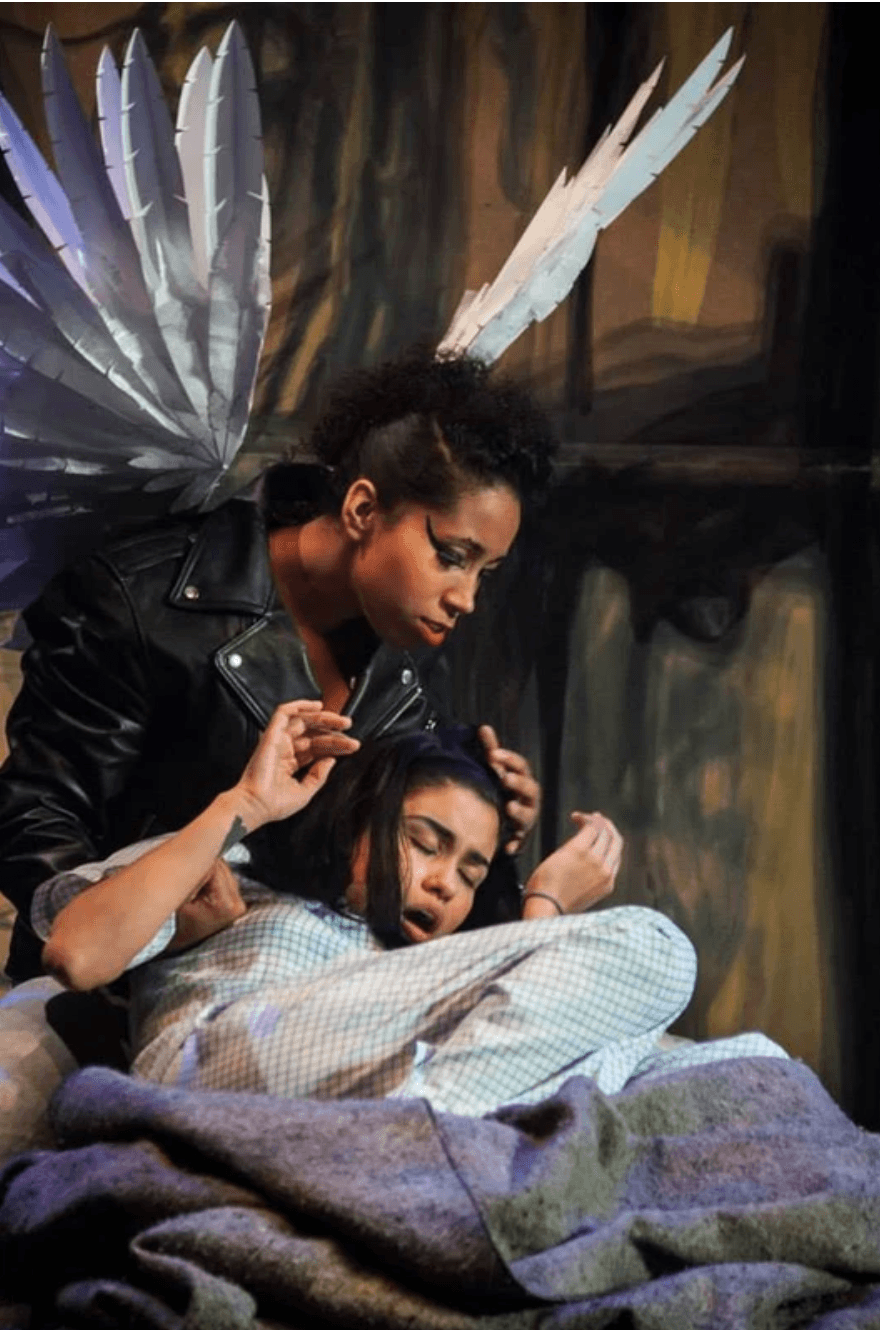
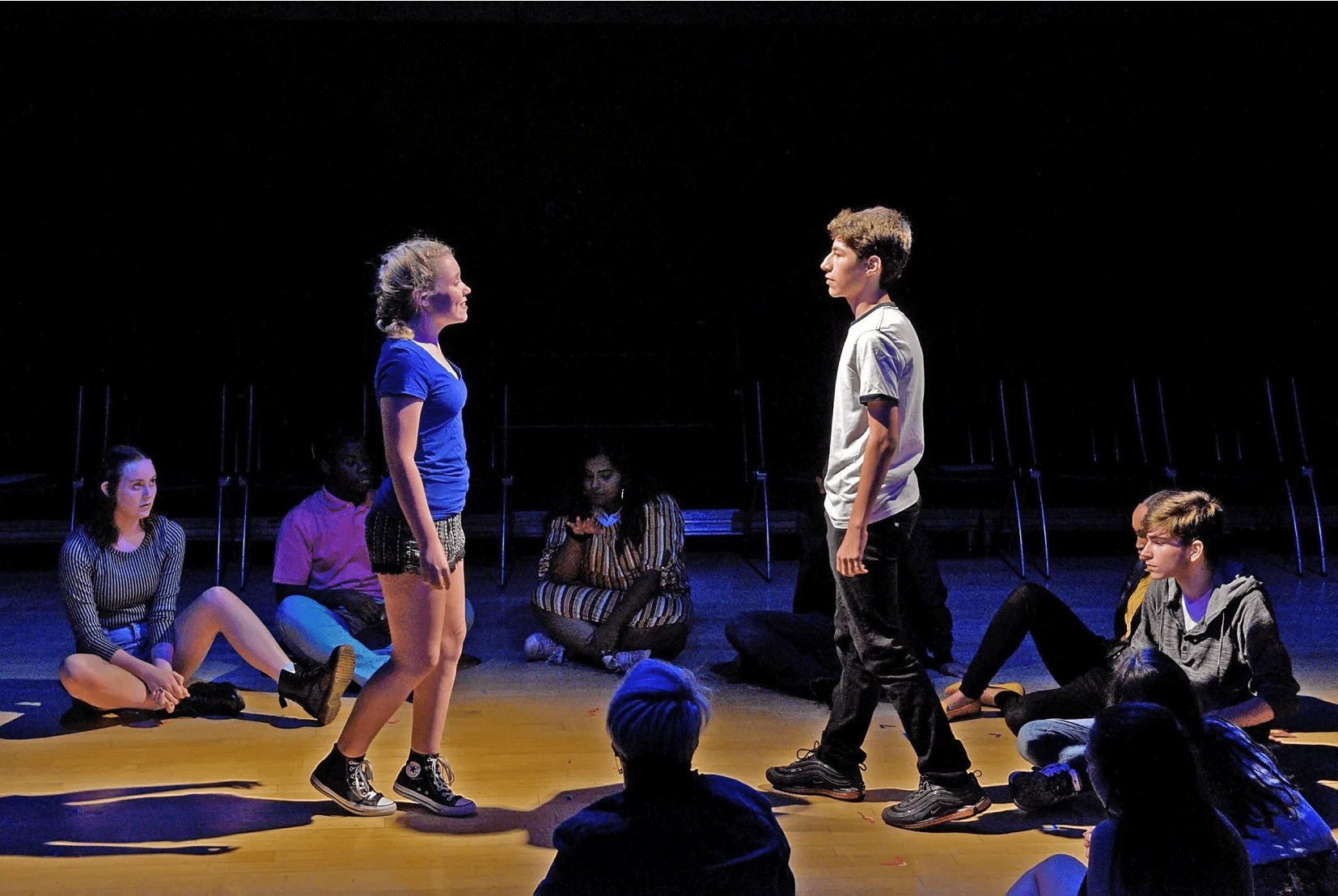
Sure! I’m an actor, director, writer, translator, and scholar. My journey into the arts started early—I was in my first play when I was just in second grade, and I’ve been hooked ever since. I’ve always been writing and acting, but I really began directing in high school. That’s when I realized how much I loved shaping stories from the other side of the table.
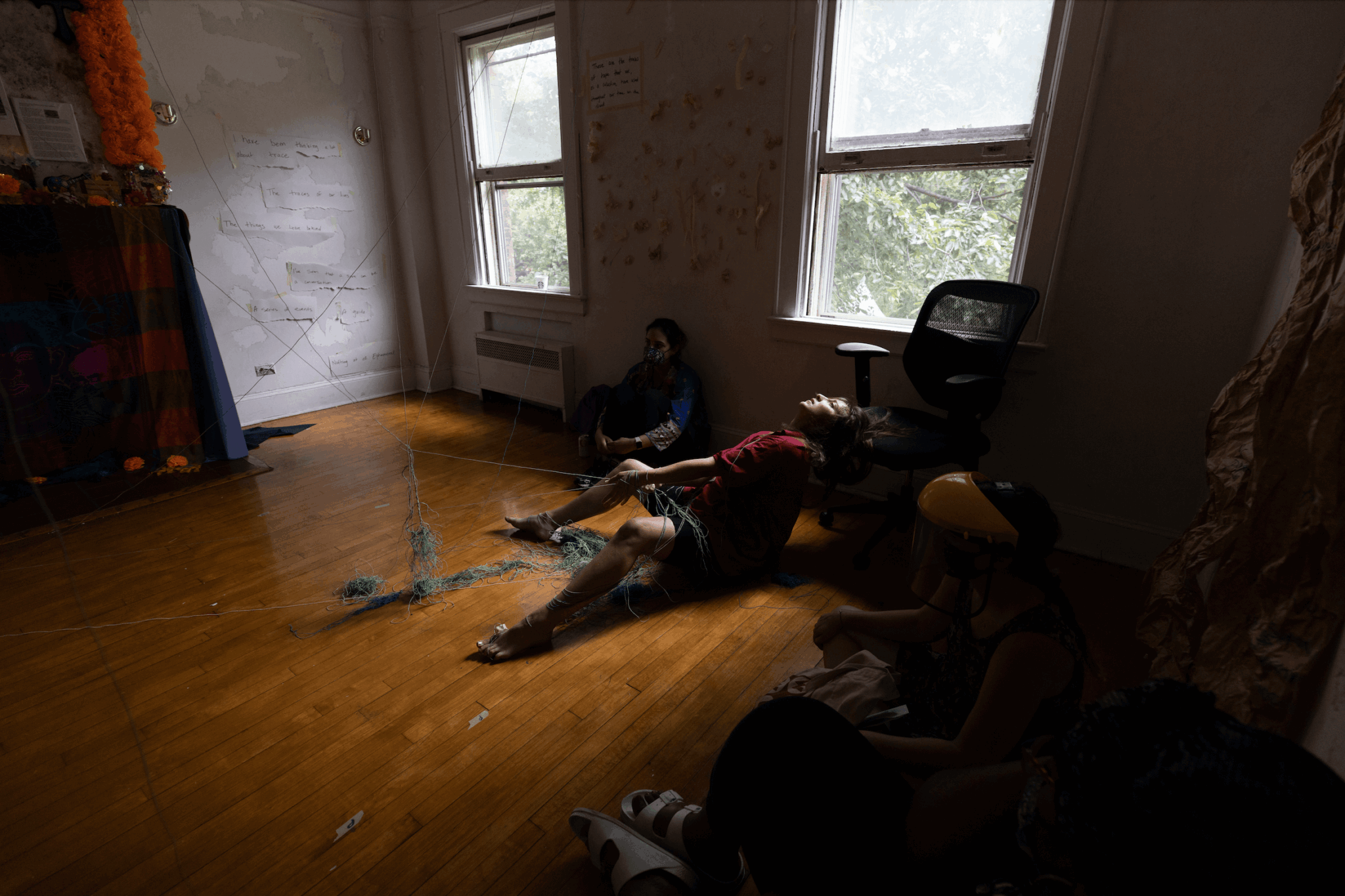
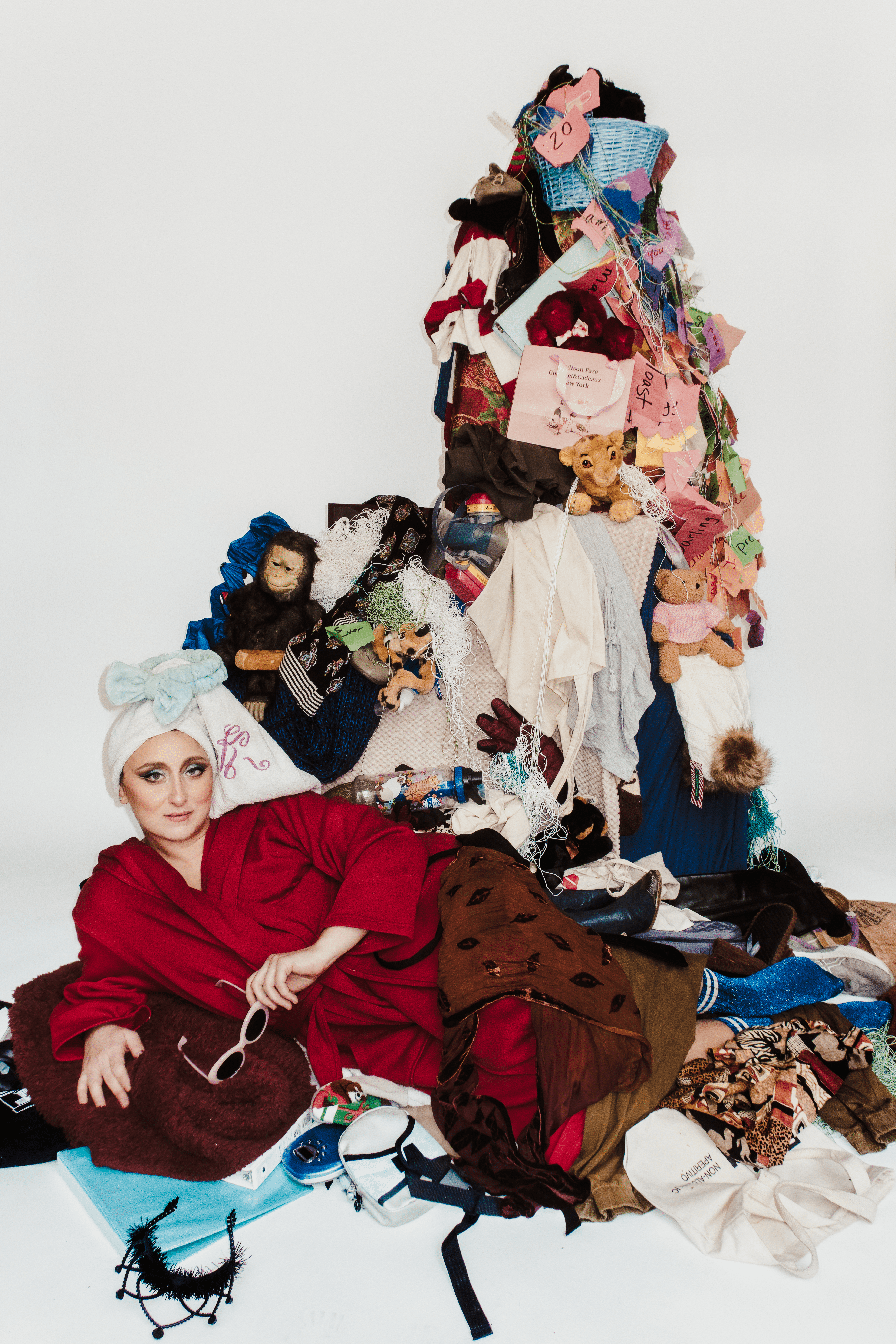
I combined my passions for theatre and the Spanish language, writing bilingually and starting to dabble in translation. This intersection of translation and performance has shaped my work, particularly how translation can inform or frame performance. I’m interested in how we can bring the process of translation onto the stage, especially in connecting it with themes of grief and loss. There’s something profound about how language moves from one form to another, which mirrors the transitions we experience in life, like grieving. They are both a negotiation of loss. My performances often focus on these themes—loss, memory, and the personal archives that hold our stories.
I also love creating interdisciplinary work! I want to continue using my personal archives, bring in others’ archives, develop a movement practice, and explore the intersection of translation and performance all in one.
It’s strange to say – but I’m proud of how my work has evolved and continues to challenge the boundaries of performance. I have to accept that I’m a storyteller, and I’m never getting away from that.
Learning and unlearning are both critical parts of growth – can you share a story of a time when you had to unlearn a lesson?
One of the biggest myths I’ve had to unlearn is that it’s “too late” to chase your dreams if you haven’t nailed them in your 20s. I used to think that if I didn’t achieve success early on, it meant I’d somehow missed the boat, and anything I did later would just be playing catch-up. It took away the significance of my achievements and robbed me of a sense of joy. It is a mindset that can mess with you, especially when everyone seems to celebrate those early achievers.
I am constantly unlearning that success doesn’t have an expiration date. It’s not about hitting some arbitrary milestone (dictated by society) by a certain age—it’s about sticking with it, growing, and having the guts to keep going, no matter where you are in life. I have to let go of the idea that early success is the only kind that matters or that if it doesn’t happen fast, it’s not going to happen at all.
Another big lesson has been understanding that you can’t reach your goals alone. I used to think that doing everything by myself made me stronger or more special, but that’s not true. You need a community. You need to be held and supported by others, and for that to happen — you also have to be open to receiving that help. It doesn’t make you weaker—it makes you human.
What hit home for me was realizing that nothing happens unless you make it happen. I’ve struggled with mental health like many others, which would keep me small, unmotivated, and bitter that nothing was happening in my life. That I wasn’t progressing. But — you have to take all those big feelings—fear, doubt, hope, drive—and turn them into action. Whether that’s asking for help (which is what I finally did), typing out the seeds of an idea, or doing research on fellowships or residencies — anything works. That’s the only way to keep moving forward.
I’m still working to cement the idea in my being: never too late to go after what you want, and you don’t have to do it alone. Every little step counts. It’s a lesson in resilience, in community, and in trusting that if you keep at it, things will fall into place when they’re meant to. A friend recently told me it’s more vulnerable to say (and believe), “I’m right on time.”
In your view, what can society to do to best support artists, creatives and a thriving creative ecosystem?
It’s obvious to say that more money should be allocated to the arts and artists. It’s all anyone talks about. But y’know what? It’s true! In this capitalist society, money equals value, and if we want art to be sustainable, we need to change the mindset around what’s valuable. This whole idea that only struggling artists are the “true” artists is a myth that needs debunking. We hear so many stories about artists being resilient, persevering, and enduring all kinds of hardships—but honestly, we shouldn’t have to! Sometimes people just want to be able to rest and create art, and that’s…normal.
Art is essential. It reflects who we are, challenges how we think, and brings us together. If society valued that, artists wouldn’t have to constantly hustle just to survive. We’d have more grants, scholarships, and affordable places to live and work. That kind of financial support would let us focus on our craft instead of worrying about how to pay the bills.
But money isn’t the only thing that matters. We also need a community that fully engages with the arts. Give us platforms to show our work, teach the importance of art from a young age, and create spaces where we can connect and learn from each other. The arts thrive on connection, and society can help make those connections happen.
And let’s not forget about education. If we want people to value the arts, we need to start by making arts education accessible and respected at every level. It’s not just about learning technical skills, but about nurturing creativity, critical thinking, and cultural appreciation. When we see the arts as vital to our growth as individuals and as a society, artists get the respect and support we deserve.
Art – performing, visual, music, or otherwise – is not just a luxury or something extra—it’s essential to the human experience. If we invested in the arts the way we invest in other areas of our culture, we’d all benefit from a more vibrant, inclusive, and thoughtful society.
And hey, everyone can do their part. Whether it’s going to local shows, buying art, incorporating artists and creatives as part of organizational infrastructures, or just spreading the word about creative projects, we can all help make the arts more sustainable. When we all pitch in, we create a thriving ecosystem that benefits everyone.
Contact Info:
- Website: https://www.kristenkelso.com
- Instagram: @christmaskelso
Image Credits
Eduardo Resendiz, David Goddard, Linda Blase, Karen Almond