



Alright – so today we’ve got the honor of introducing you to Kirsten Zeigler. We think you’ll enjoy our conversation, we’ve shared it below.
Alright, Kirsten thanks for taking the time to share your stories and insights with us today. What’s the backstory behind how you came up with the idea for your business?
I started my business because I couldn’t find my fit in corporate. Over the years, I held several HR roles across different industries, but I kept running into the same issue: my ethics and values were being compromised. Time and again, I was directed to make decisions or take actions that didn’t align with my morals or what I believed HR should stand for.
The breaking point came at my last job when I was let go—not because of my performance, but because the business owner didn’t like my personality. A few weeks prior, I had shared a conflicting opinion, standing firm that it wasn’t appropriate to terminate someone simply because they didn’t “click” with leadership. That experience made it clear to me: HR can’t do its job effectively if leaders aren’t open to listening and acting on ethical recommendations.
I wanted to work with leaders who genuinely care about building teams made up of people—not just numbers. I found that passion in the small business community. These are people who are incredibly hardworking, passionate about their mission, and deeply invested in their work. I saw an opportunity to provide HR support to this group because so many small businesses struggle with compliance, hiring, and team management—but they truly want to do the right thing. My approach isn’t just about checking boxes; it’s about creating HR solutions that align with their values and help them build amazing teams.

Kirsten, before we move on to more of these sorts of questions, can you take some time to bring our readers up to speed on you and what you do?
I actually went to school for art and dreamed of designing window displays—something completely different from HR! But through a series of events, I ended up working in retail, eventually managing a store. That’s where I discovered my passion for the people side of the job: managing teams, interviewing, handling payroll, and navigating the day-to-day challenges of leadership. I didn’t even realize at the time that HR was an entire career field, but once I did, I knew it was where I belonged.
I immediately started positioning myself to become an HR professional. I earned a certificate in human capital management from NYU and built a community of other HR professionals, especially those who, like me, were teams of one. This “brain trust” became invaluable—a space where I could share ideas, learn from others, and grow.
What I’m most proud of in my career is my ability to genuinely connect with others. I’m fascinated by people’s stories—especially those who’ve taken unconventional paths—and I love helping connect the dots to figure out their next steps. I believe this same approach applies to small businesses. It’s so important for small business owners to understand not just an employee’s background but also their goals and potential. Often, an employee might have skills or ambitions that perfectly align with a future need for the business, and tapping into that can unlock amazing opportunities.
I thrive on working with teams to help fit those puzzle pieces together. When a small business is in growth mode, it’s the perfect time to think about organizational development or restructuring. If you have team members you truly value, there are countless ways to develop them into roles that align with your business’s direction. It’s a win-win: they grow, and so does the business.
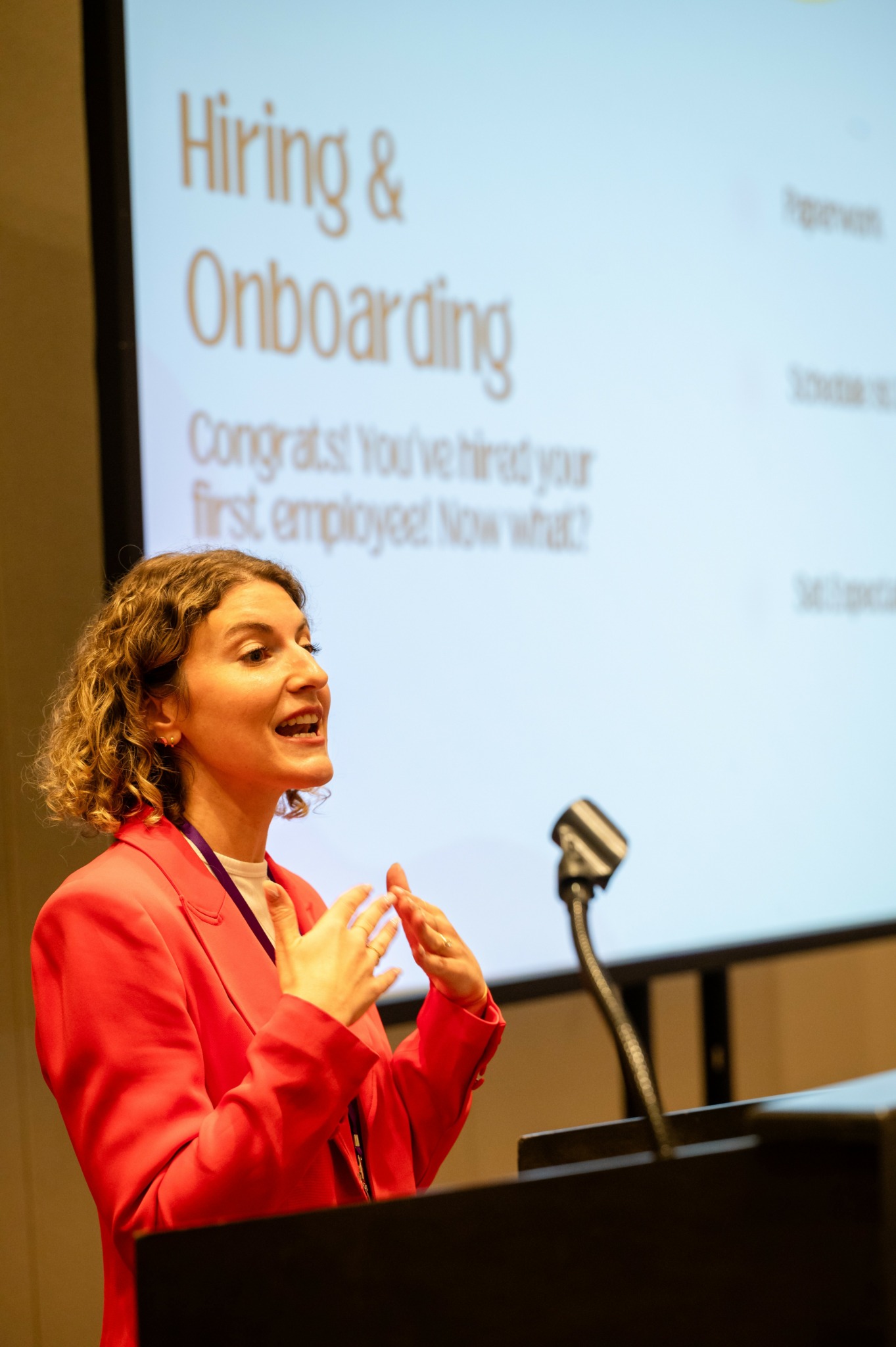
We often hear about learning lessons – but just as important is unlearning lessons. Have you ever had to unlearn a lesson?
A lesson I had to unlearn when starting my business was to stop operating like a corporate employee. Shifting to self-employment meant I not only had the flexibility to make my own schedule but also the responsibility to figure out what actually works best for me. I had to spend time understanding my natural rhythms—when I’m most productive, when I need a break, and how to structure my day to maximize my energy and focus.
For example, I’ve learned that I’m most productive first thing in the morning. That’s when I tackle heads-down work, like writing a blog post or reviewing an employee handbook—tasks that require deep thought and concentration. By the time 3 p.m. rolls around, though, my brain is mush. Instead of fighting that, I’ve learned to shift gears. That might be the time for a walk, reading, or scheduling my workout.
Another big adjustment was learning to set boundaries. Working for yourself is incredibly freeing but also a little terrifying because you’re the one responsible for protecting your energy. Setting boundaries—whether with clients, work hours, or how much you take on—is key to staying productive and showing up as your best self.
Ultimately, unlearning the rigid expectations of corporate life gave me the freedom to make my own rules, experiment, and find a flow that works for me. It’s been transformative—not just for my business but for how I approach my day-to-day life.
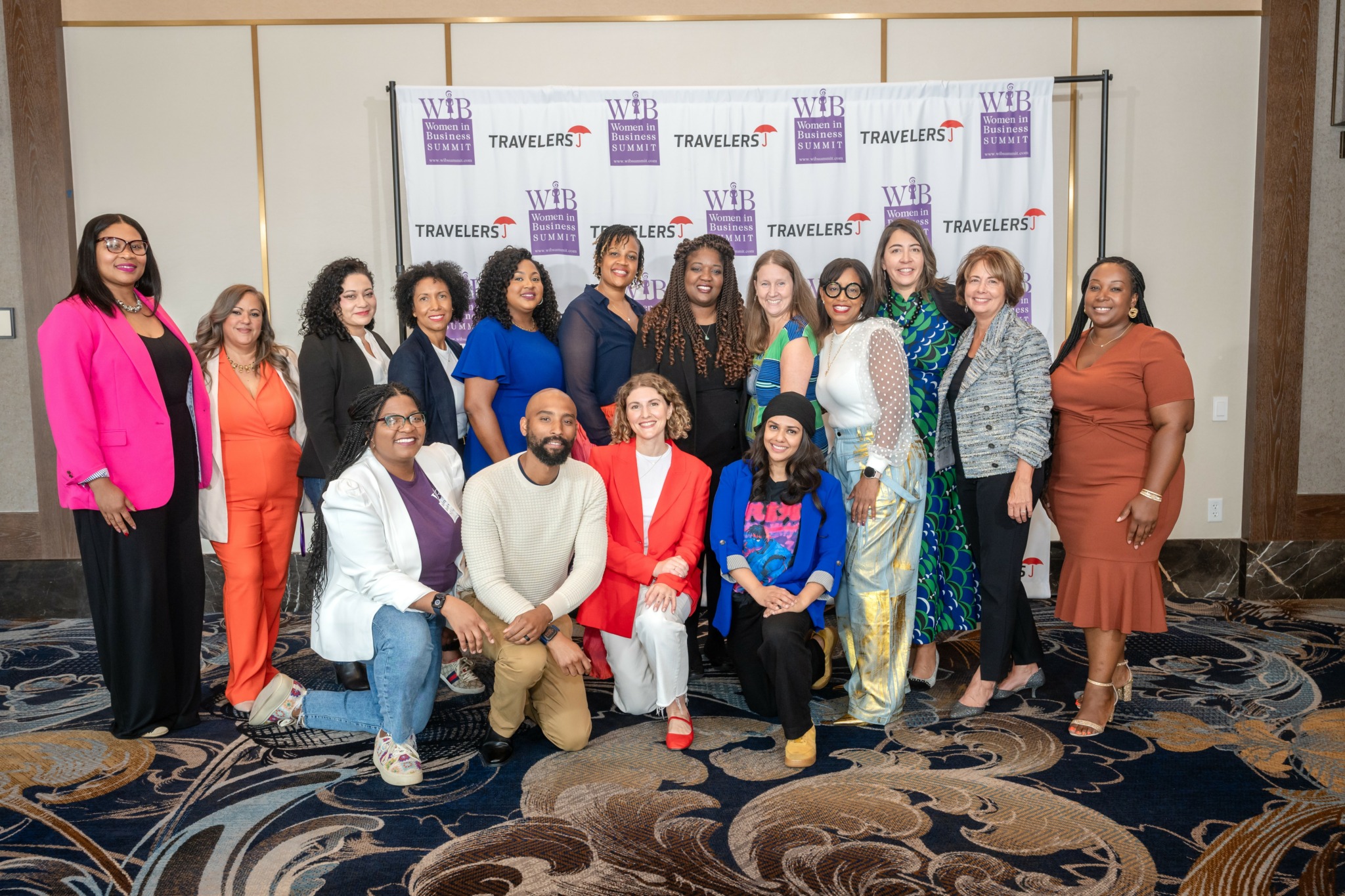
Any advice for managing a team?
My advice for managing a team and maintaining high morale starts with open communication. It’s crucial to have clear, ongoing conversations about expectations and goals—not just for your team members, but for yourself and the business as a whole. When everyone is aligned and working toward the same mission, it creates a shared sense of purpose.
One way to build that alignment is by inviting your team to contribute to the big-picture goals or the overall mission. When employees feel they’ve had a hand in shaping the vision, they’re more connected to it and more invested in the outcome. Bringing people along every step of the way fosters buy-in and strengthens morale.
Another key element is offering as much freedom and flexibility as possible. For example, if you establish a few core business hours where everyone is expected to be available, but allow flexibility outside of those hours, you’re empowering your team to take ownership of their schedules. That kind of trust and autonomy goes a long way in boosting morale and engagement.
Ultimately, a combination of clear communication, shared goals, and flexibility creates a team environment where people feel valued, heard, and motivated to do their best work.
Contact Info:
- Website: https://kdzhrconsulting.com
- Instagram: https://www.instagram.com/kdz_hrconsulting/
- Linkedin: https://www.linkedin.com/in/kirsten-zeigler-humanresources/

Image Credits
Nev Trinajstic and Shana Sureck Photography