
We were lucky to catch up with Kirsten Boynt recently and have shared our conversation below.
Kirsten, looking forward to hearing all of your stories today. What’s been the most meaningful project you’ve worked on?
The most meaningful project I’ve worked on is Rhythms of Her.
It began as a small, grant-funded project at a time when I was balancing multiple jobs and rethinking how I wanted to lead and contribute to the Latin music community. I had spent years working in scenes where women were present and highly skilled, but rarely positioned as leaders, instrumentalists, or decision-makers. That gap wasn’t abstract to me. I had lived it.
Rhythms of Her was designed to be intentional. It centered women not just as performers, but as educators, arrangers, and cultural authorities. The circumstances were tight. Limited funding, limited time, and the pressure of putting something personal into a public space. But that constraint forced clarity. Every choice had to matter.
What made the project meaningful was the impact. It shifted how people in the room understood who holds knowledge and authority in Latin music.
For me, it confirmed that my work isn’t only about performance. It’s about building structures that change who gets seen, heard, and trusted. That’s why Rhythms of Her still matters to me. It aligned my values, my skills, and my responsibility to the community in a way that felt honest and lasting.
Kirsten, love having you share your insights with us. Before we ask you more questions, maybe you can take a moment to introduce yourself to our readers who might have missed our earlier conversations?
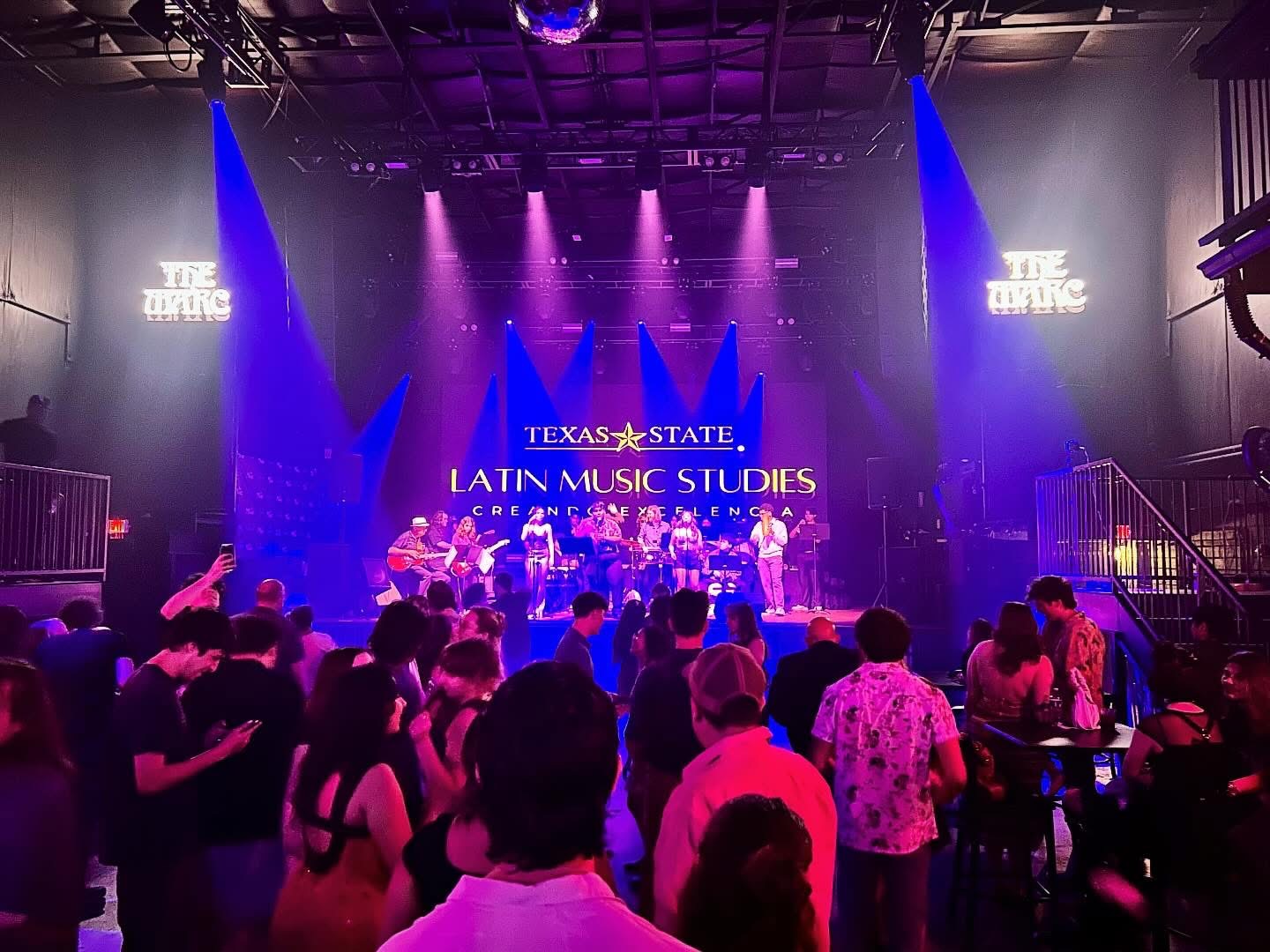
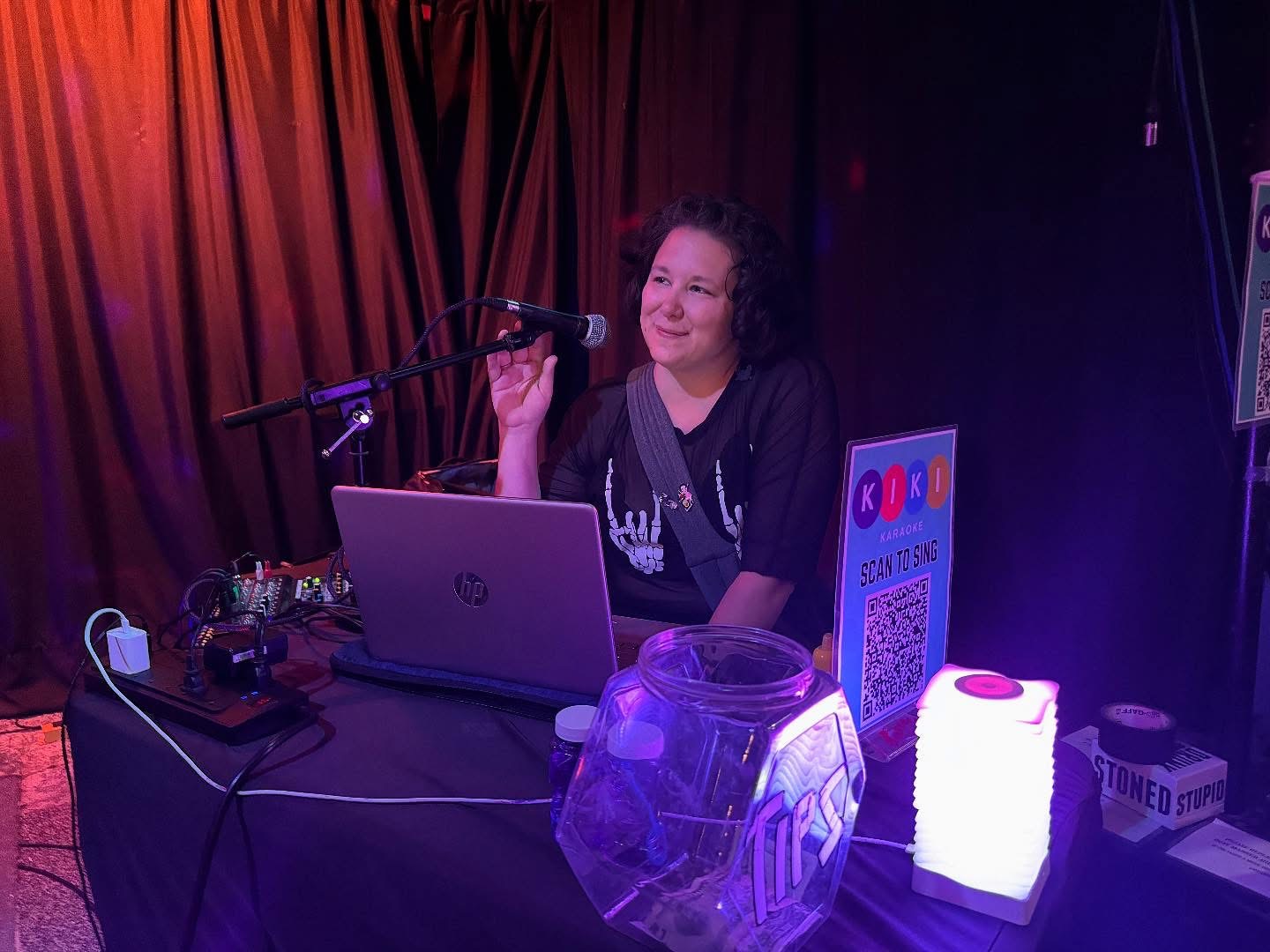
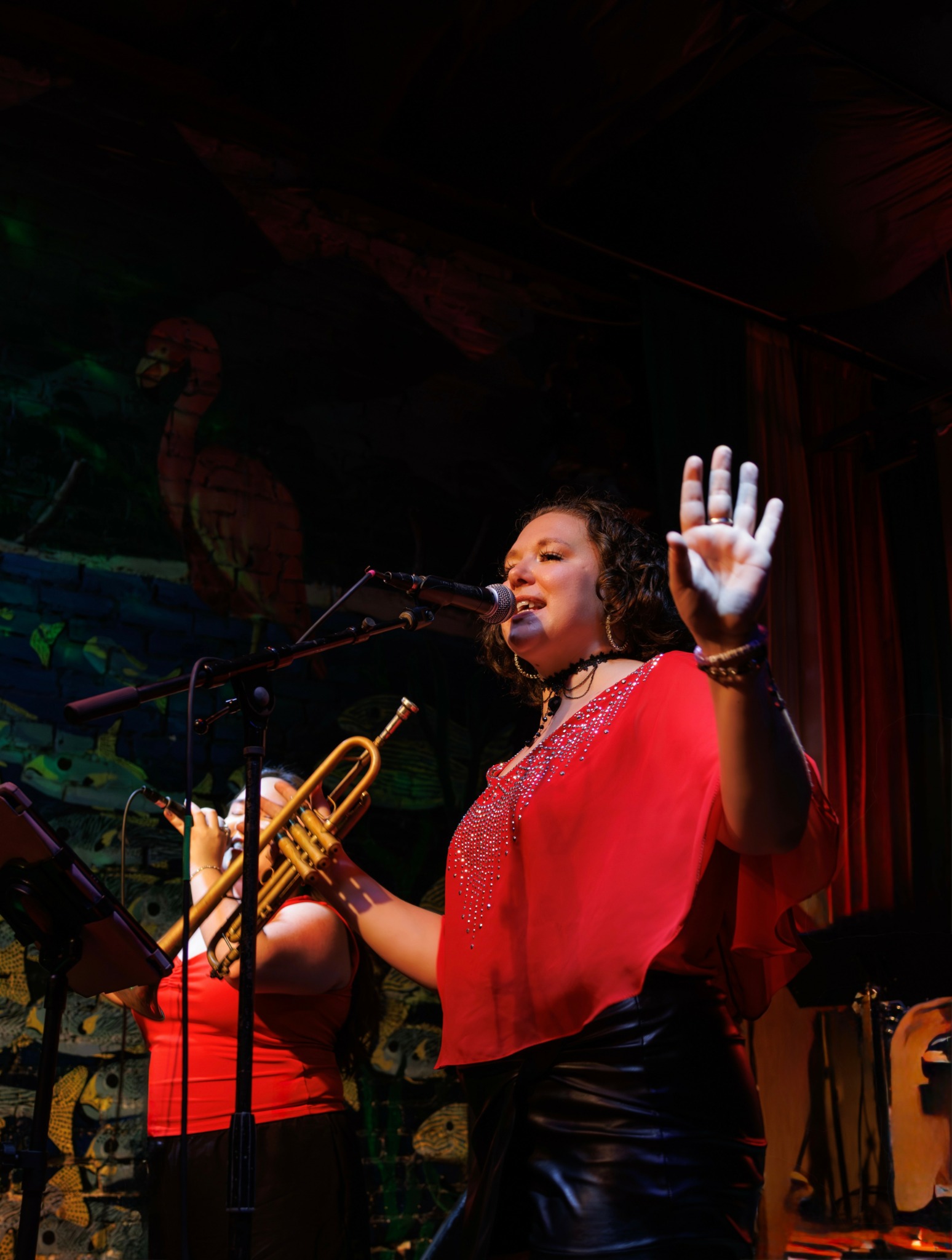
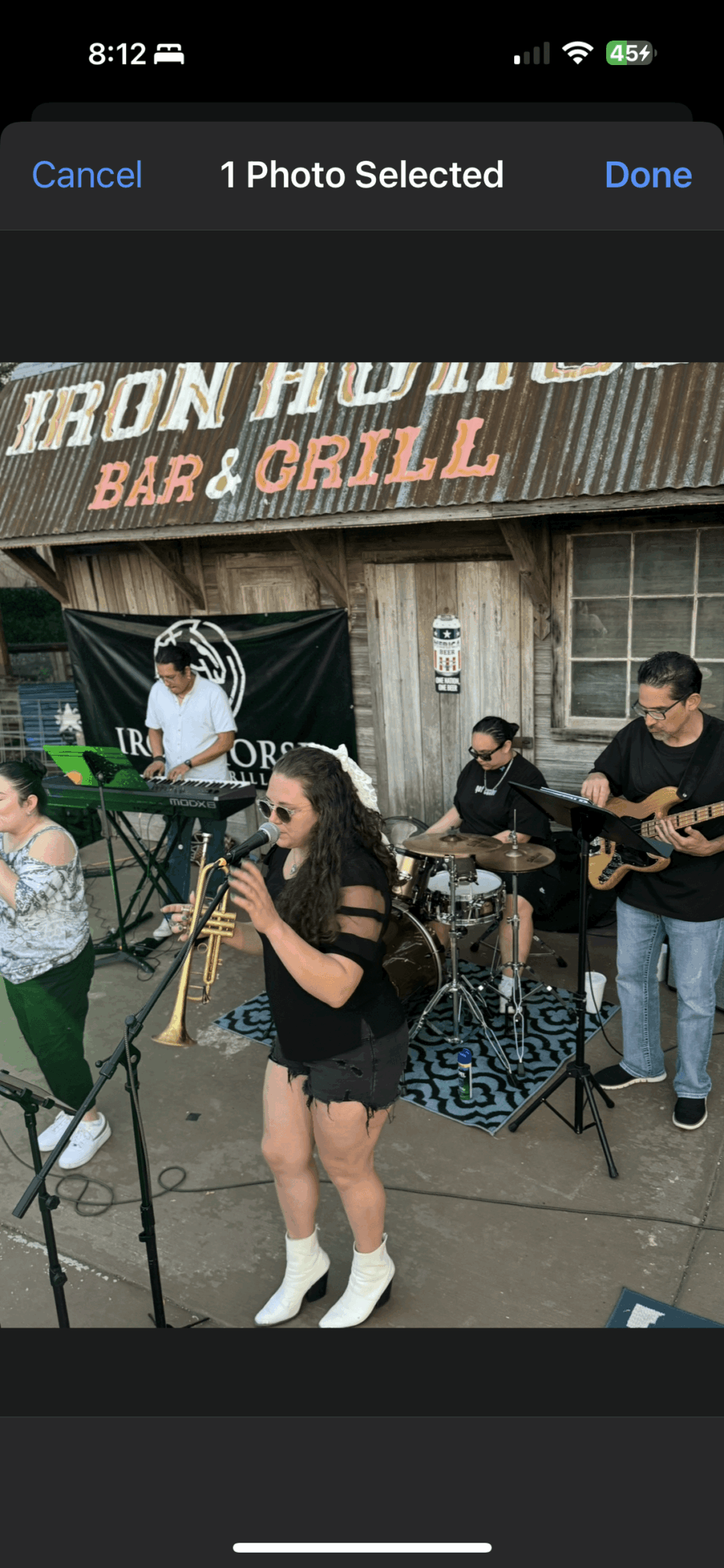
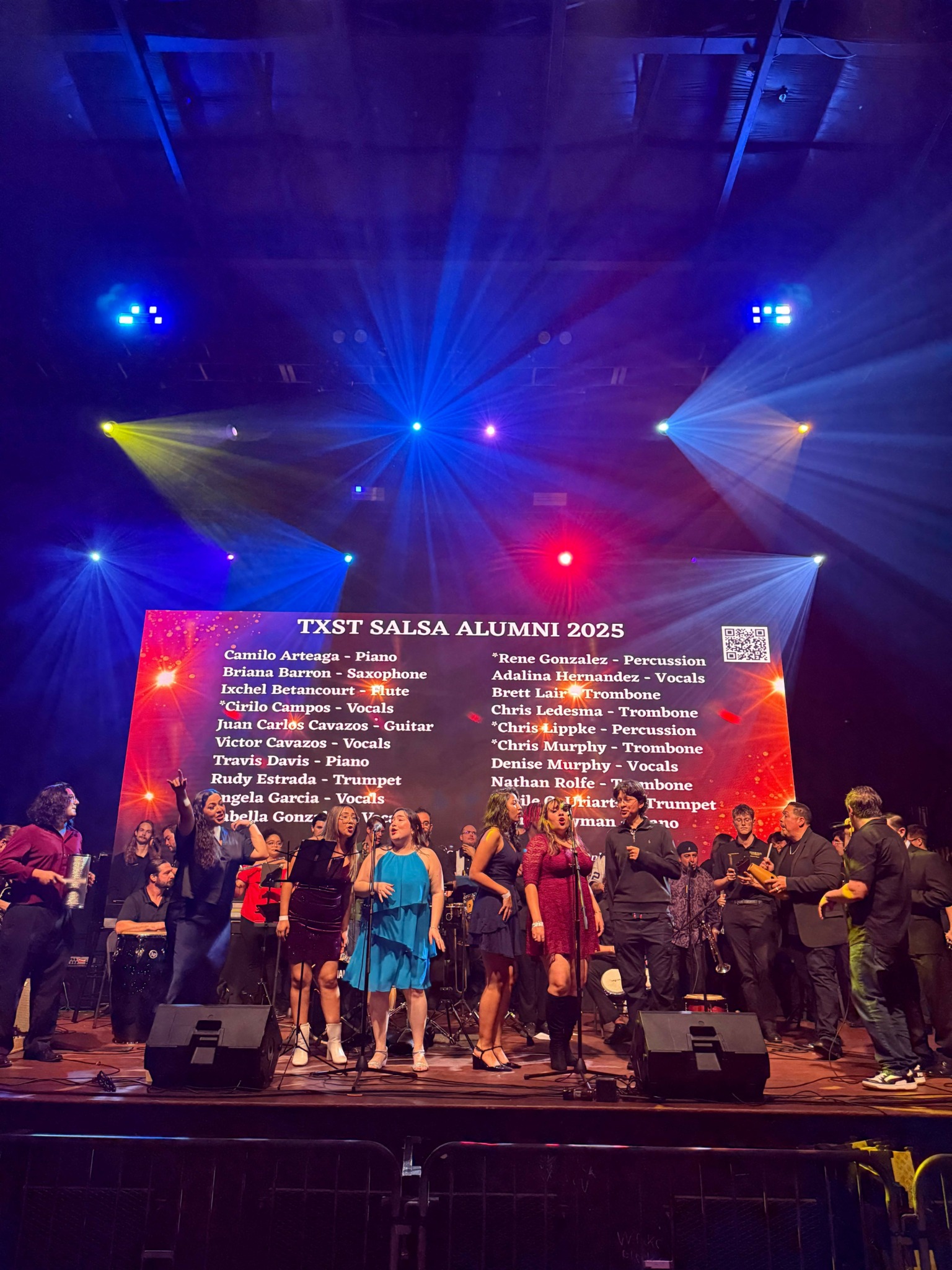
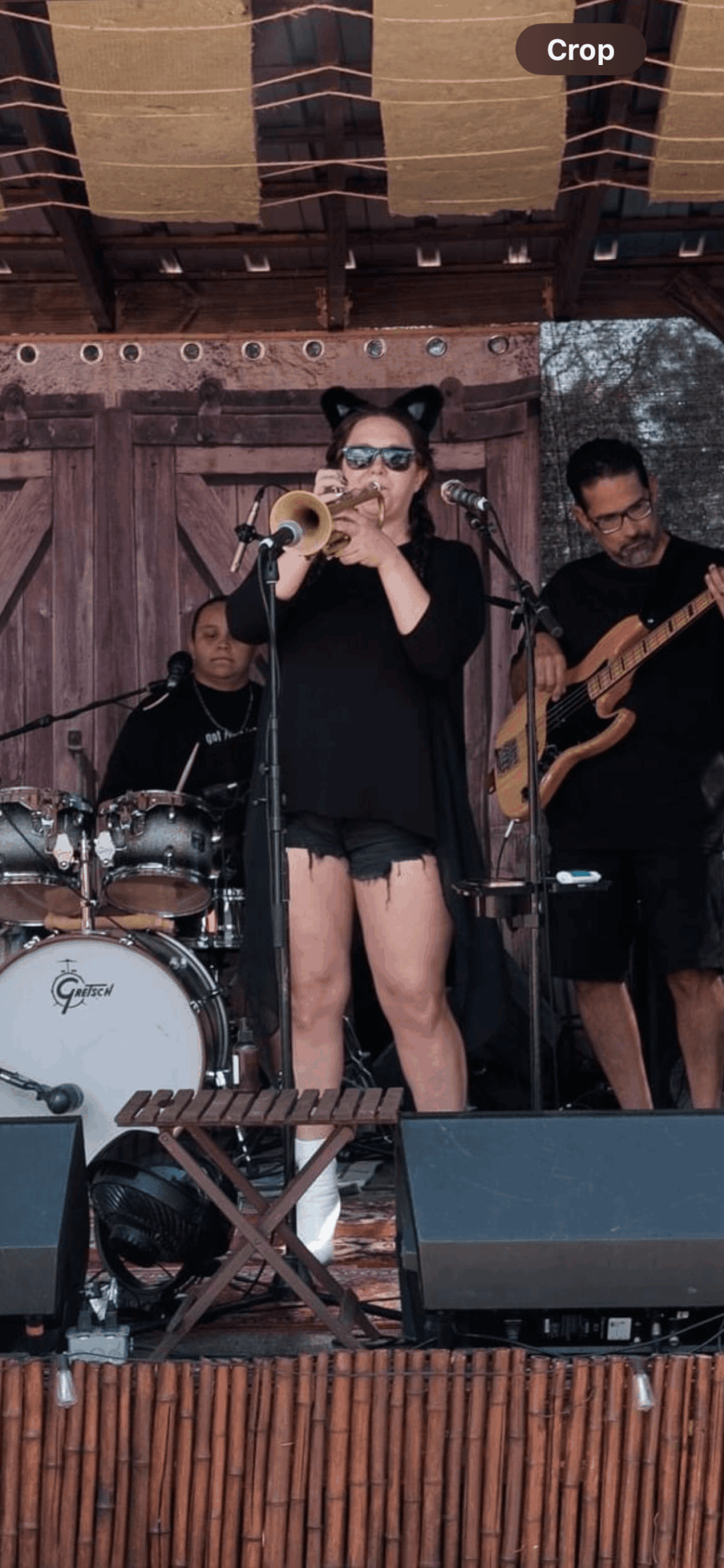
I’m a Latin music bandleader, trumpet player, vocalist, educator, and event producer based in Central Texas. My work centers on building live music and community experiences that are culturally grounded and well run. I am the Salsa Ensemble director at Texas State University, lead the band Los Gatos 512, run the hosted karaoke brand Kiki Karaoke, and develop music education and community programs.
I got into this work through formal music training and years of gigging. Early on, I noticed a gap in the Latin music space. Many offerings leaned either toward loose party entertainment or academic presentations that didn’t connect with everyday audiences. I was interested in doing both well at the same time. That meant strong musicianship, clear leadership, and a real understanding of how people experience music in a room.
The creative work I provide spans performance, production, and education. With Los Gatos 512, I focus on cumbia, salsa, and Latin pop music designed for mixed audiences. Kiki Karaoke grew out of the same thinking. Karaoke works best when it’s structured and hosted with intention, not treated as background noise. In education and programming, I design workshops and ensembles that prioritize performance readiness and cultural context.
What sets me apart is that I approach all of this as a builder, not just a performer. I care about systems, pacing, and sustainability. Whether it’s a band, a class, or a community event, I’m thinking about how it functions over time and how people feel inside it.
I’m most proud of creating platforms that last. Projects like Rhythms of Her, which centered women as leaders in Latin music, reinforced that cultural work can be both rigorous and inclusive. At the core of everything I do is the same goal: to create music spaces that feel alive, intentional, and rooted in respect for both the art and the people involved.
What can society do to ensure an environment that’s helpful to artists and creatives?
First, pay artists directly and predictably. Grants, stipends, residencies, and guaranteed fees matter more than “exposure.” When funding is unstable, artists burn out or leave. A creative ecosystem cannot thrive on unpaid labor and goodwill.
Second, invest in infrastructure, not just events. Rehearsal space, venues, equipment, administrative support, and affordable housing do more for artists than one-off showcases. Cities that last creatively build places to work, not just stages to perform on.
Third, include artists in decision-making. Too often, policies about culture are made without the people doing the work. Artists should be at the table when cities, schools, and organizations design cultural programs and allocate resources.
Fourth, value creative labor as real work. That means contracts, clear scopes, fair timelines, and respect for professional boundaries. When art is treated as a passion project, the cost is quietly shifted onto the artist.
Finally, support education and access early. Music and arts programs should not be optional or elitist. A healthy creative ecosystem depends on people seeing art as both a viable career and a public good, not a luxury.
If society wants art that is diverse, rigorous, and alive, it has to support the conditions that allow artists to stay in the work long term. Everything else is optics.
Can you share a story from your journey that illustrates your resilience?
One clear example of resilience in my journey is that I stayed in the work even when it would have been easier to step away from it.
I built my career while juggling unstable finances, multiple jobs, and personal circumstances that offered very little safety or margin. There were long stretches where I was performing, teaching, producing, and hosting events at the same time, not because it was glamorous, but because that was the only way to keep the work alive. Progress was slow and often invisible. There were no clean breaks or sudden wins.
At one point, I had to decide whether to scale back my creative work to protect my stability, or redesign how I worked so I could survive and keep building. I chose the harder option. I tightened my standards, took on leadership roles instead of just gigs, and focused on building systems that could last. That meant saying no more often, taking criticism directly, and being willing to rebuild pieces of my work that weren’t sustainable.
Resilience, for me, hasn’t looked like pushing through at all costs. It’s looked like adapting without losing my values. I kept showing up, adjusting the structure, and staying committed to the long game. That choice is the reason the work still exists today and why it continues to grow.
Contact Info:
- Website: https://linktr.ee/losgatos512
- Instagram: https://www.instagram.com/losgatos512?igsh=Zjk0dW0ydmxvcTU2&utm_source=qr
- Facebook: https://www.facebook.com/share/1BkJoPToSY/?mibextid=wwXIfr
- Youtube: https://youtube.com/@losgatos512?si=YTm8AwZWdiI8PmGw
- Other: https://www.instagram.com/kikikaraoke512?igsh=cHczMTc1OW1wOWU%3D&utm_source=qr