



We were lucky to catch up with Kiran Babu recently and have shared our conversation below.
Kiran, appreciate you joining us today. How did you learn to do what you do? Knowing what you know now, what could you have done to speed up your learning process? What skills do you think were most essential? What obstacles stood in the way of learning more?
“Learning the craft of “a curiosity-driven approach to design & moving beyond procrastination.”
Through a curiosity-driven approach, I learned to adopt a holistic approach to problem-solving as a UX designer and systems thinker. Over the last decade, in pursuing purpose in my professional life, I jumped at every opportunity to practice my love for design and creativity. Like most overthinking designers, I am a procrastinator, but sharing my journey and obstacles could inspire more people to begin by simply saying “Yes!”
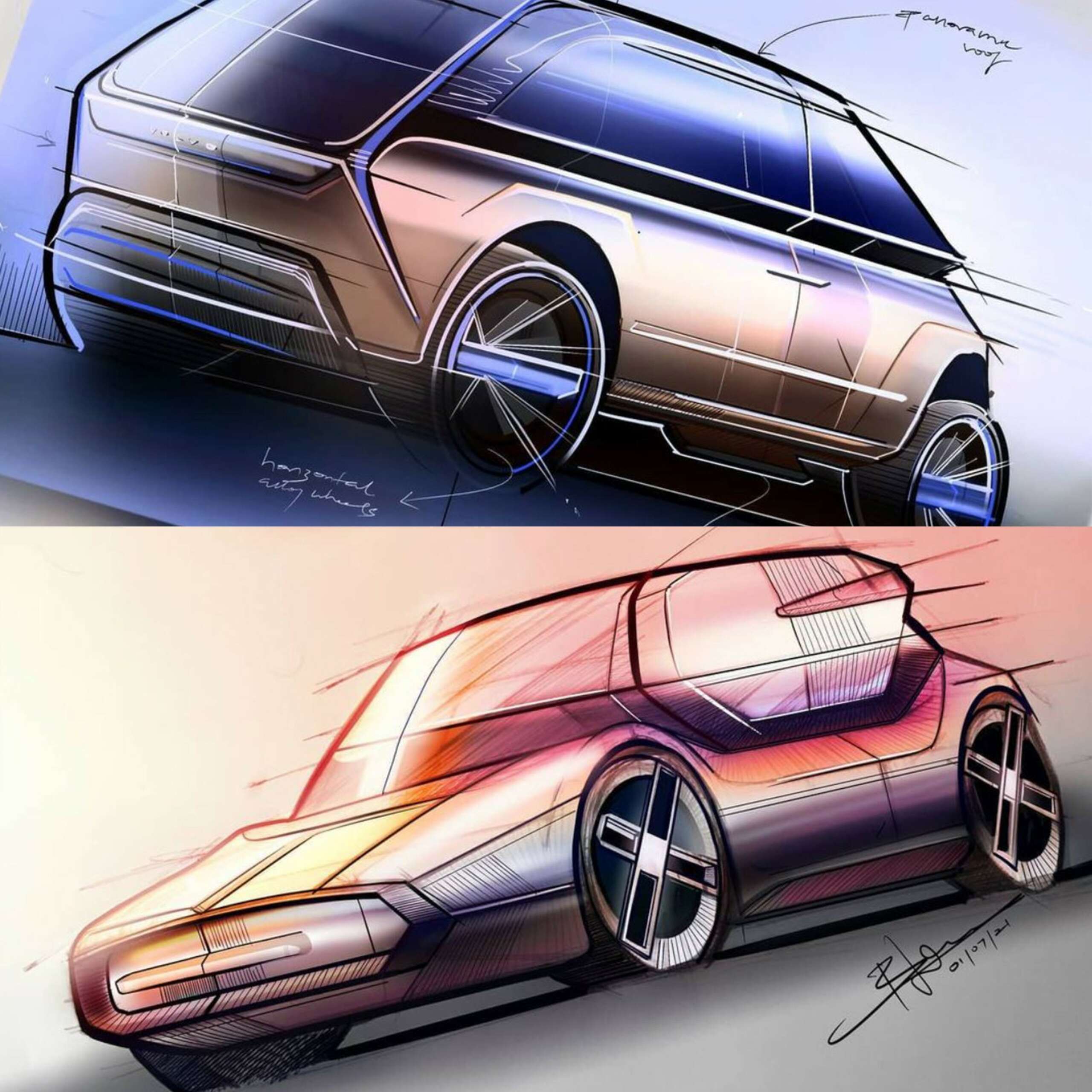
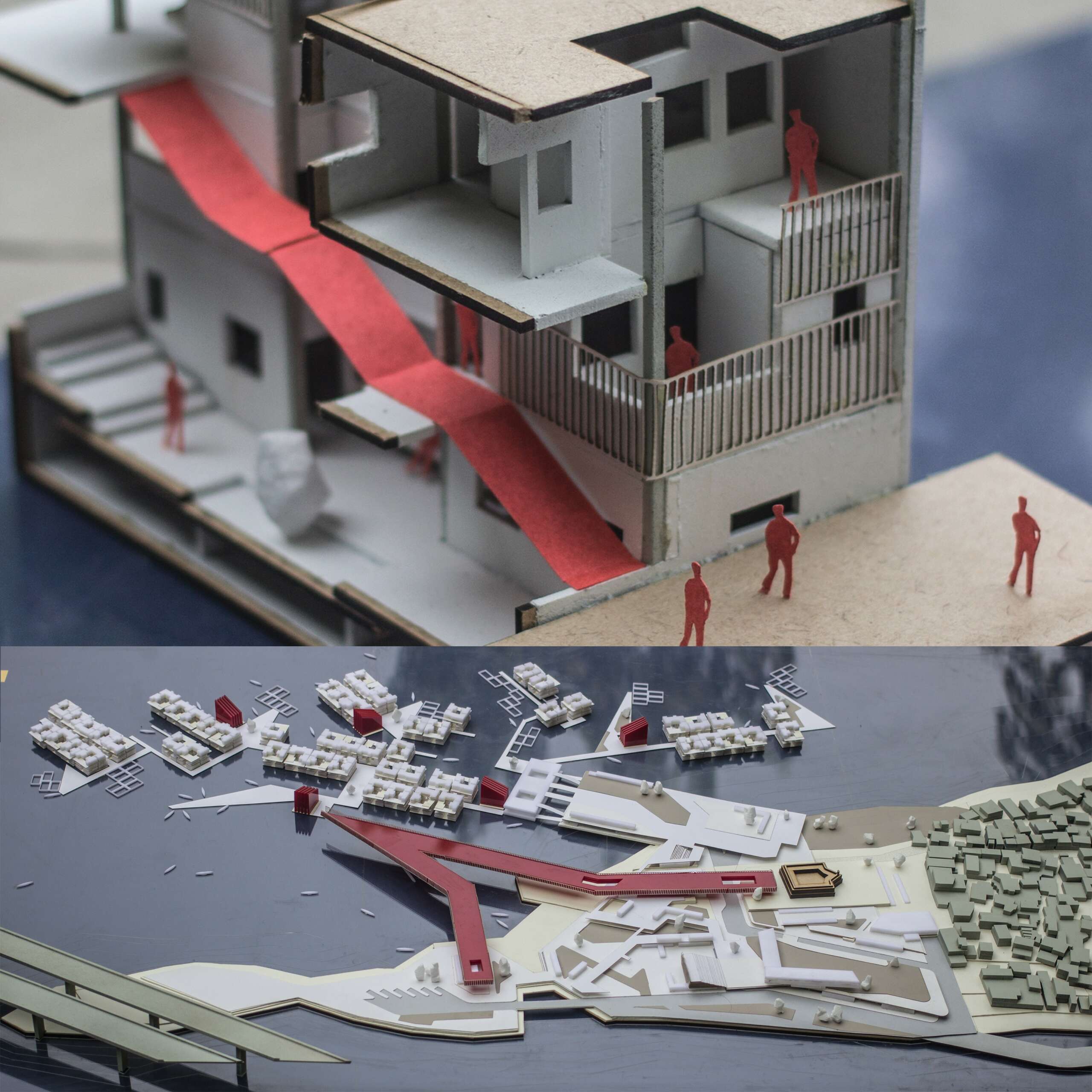
When people ask me what I do, I still need to figure out where to begin, but these questions helped me formulate who I am as a person and a designer. I graduated with a bachelor’s in Architecture, Co-founded a freelance design agency with my friends, completed 25+ projects on murals and branding, personally worked on 30+ photography and videography projects, mentored around 150+ students on effective presentation strategies, completed my master’s in Transportation systems and design in the United States, worked with two startups, and an Architecture and design consultancy. I have probably worked on 100+ team projects with 70+ designers, engineers, architects, urban designers, CEOs, graphic designers, UX/UI designers, sustainable architects, 3D modelers, photographers, artists, building contractors, digital prototypers, developers (both the real-estate ones and the coding ones), and students from different backgrounds and experiences. Just working with such a diverse bunch of creative and passionate individuals truly expanded my understanding of the world and to master the art of collaboration. I wouldn’t call it luck, but the various projects I have worked on (that may be related to my field or not) help me today as a systems thinker and UX designer. Little did I know, the 25+ video productions I worked on just out of curiosity helps me today in UX storyboarding. The infinite number of A4 size sheets I used to sketch cars on as a kid helps me visually communicate ideas effectively and quickly. The number of dreaded architecture review sessions back in school helps me frame complex problems and difficult-to-explain concepts and present them strategically to leadership. Don’t get me wrong, the quantity of work I’ve done doesn’t mean they were top-notch in quality. Several talented folks had gone through formal training and were much more well-versed in what they do than me, but the fact that I went out and worked on projects out of sheer curiosity and passion helped shape me today. If I had a boxed approach of “I’m an architect, I can’t make movies or design virtual reality consoles,” I wouldn’t have gotten the exposure I had otherwise.
Through my creative journey across different fields, the one thing I learned the most was to develop an open mind to receive feedback. Looking back, I see a big difference in the quality between the first and most recent projects I worked on. That’s where the quantity/number of projects helps, where practice and an open-to-receive feedback mindset helped me grow as a designer. I find this even more essential today. With technological advancements, UX designers need to be on the edge to keep learning and relevant in today’s times.
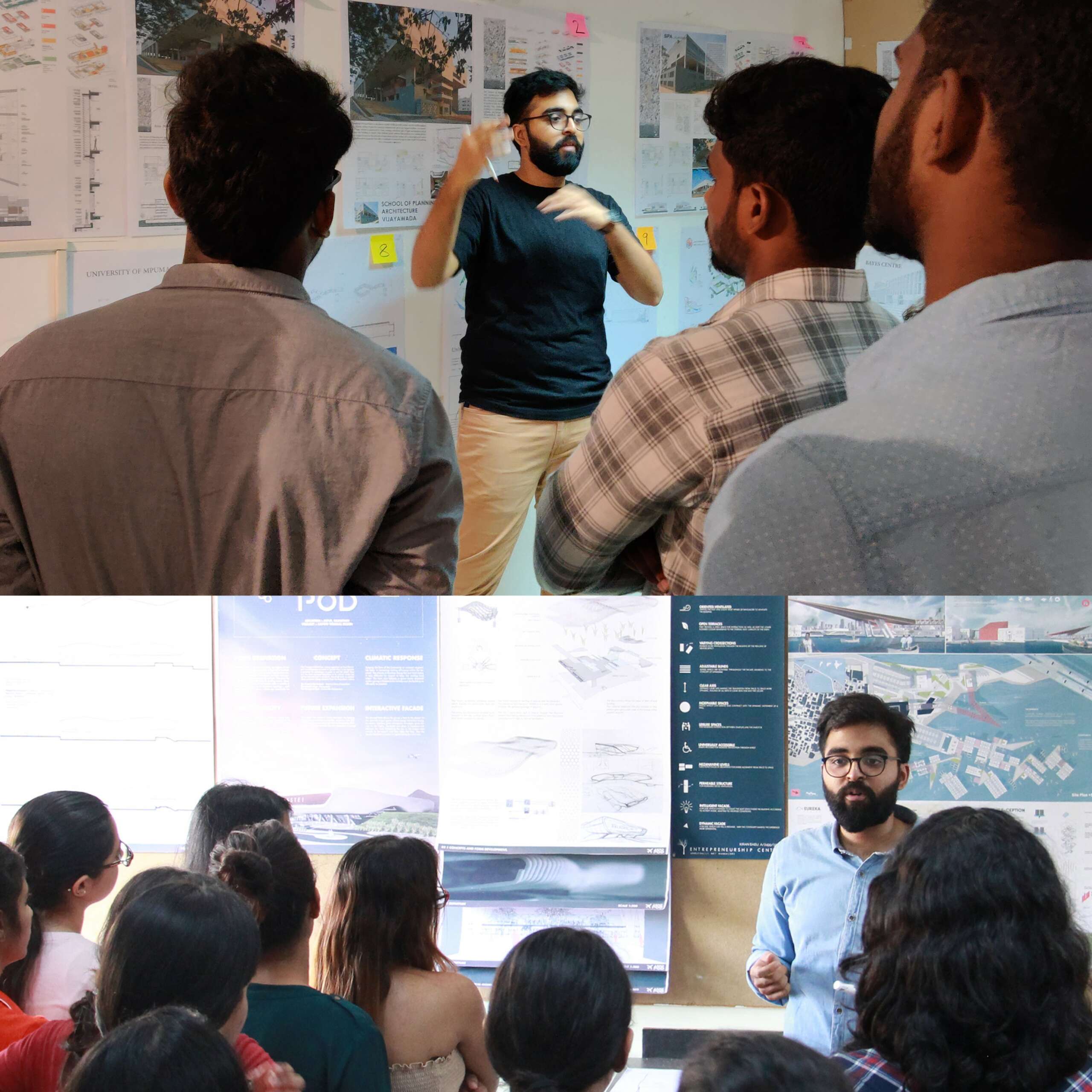
Overcoming the fear of judgment was a significant hurdle throughout my career, but I was mostly lucky to be surrounded by talented people who believed in me and pushed me. There always was a situation where I needed to grapple with a reason to say NO or just say Yes to exciting opportunities. One such instance, in 2019, an ed-tech startup in India approached me to design and conduct workshops on “effective presentation strategies” for design and architecture students. I initially hesitated, self-doubting how a 1-year architecture graduate could be taken seriously. How do I build a curriculum and series of lectures while working full-time? Can I lecture a class of 40+ students? Fast forwarding to 2020, I had successfully mentored around 150+ students in India. I take learning from feedback loops so seriously that in the first iteration of the pre-structured 2-day workshop, I completely refined and restructured the second-day curriculum based on the first day’s feedback. By my 3rd or 4th workshop, I didn’t need much preparation; I learned to improvise, developed the curriculum further, and even had to adapt the last few workshops to online due to the pandemic. I would have missed an opportunity if I had said “no” and not challenged myself to try new things.
I turn 30 this year, and the number of projects/initiatives/ventures I say “no” to has increased from what I used to when I was 20, primarily due to my commitment at work, but when I look back, having a “Yes” approach to creativity, making mistakes and learning from them has influenced how I approach problem-solving in my professional career to a larger extent than I could foresee at that time.

Great, appreciate you sharing that with us. Before we ask you to share more of your insights, can you take a moment to introduce yourself and how you got to where you are today to our readers.
I am Kiran Babu, a user experience designer and systems thinker. My journey in this field has been marked by rich cross-disciplinary exposure to design through academic and professional experiences. My passion lies in crafting disruptive solutions that challenge existing urban frameworks, systems, and typologies entrenched within design disciplines. With a holistic approach to problem-solving, informed by my multidisciplinary background, I’m a T-shaped systems thinker —a professional with a broad understanding of space and products and deep expertise in User Experience, particularly centered around mobility.
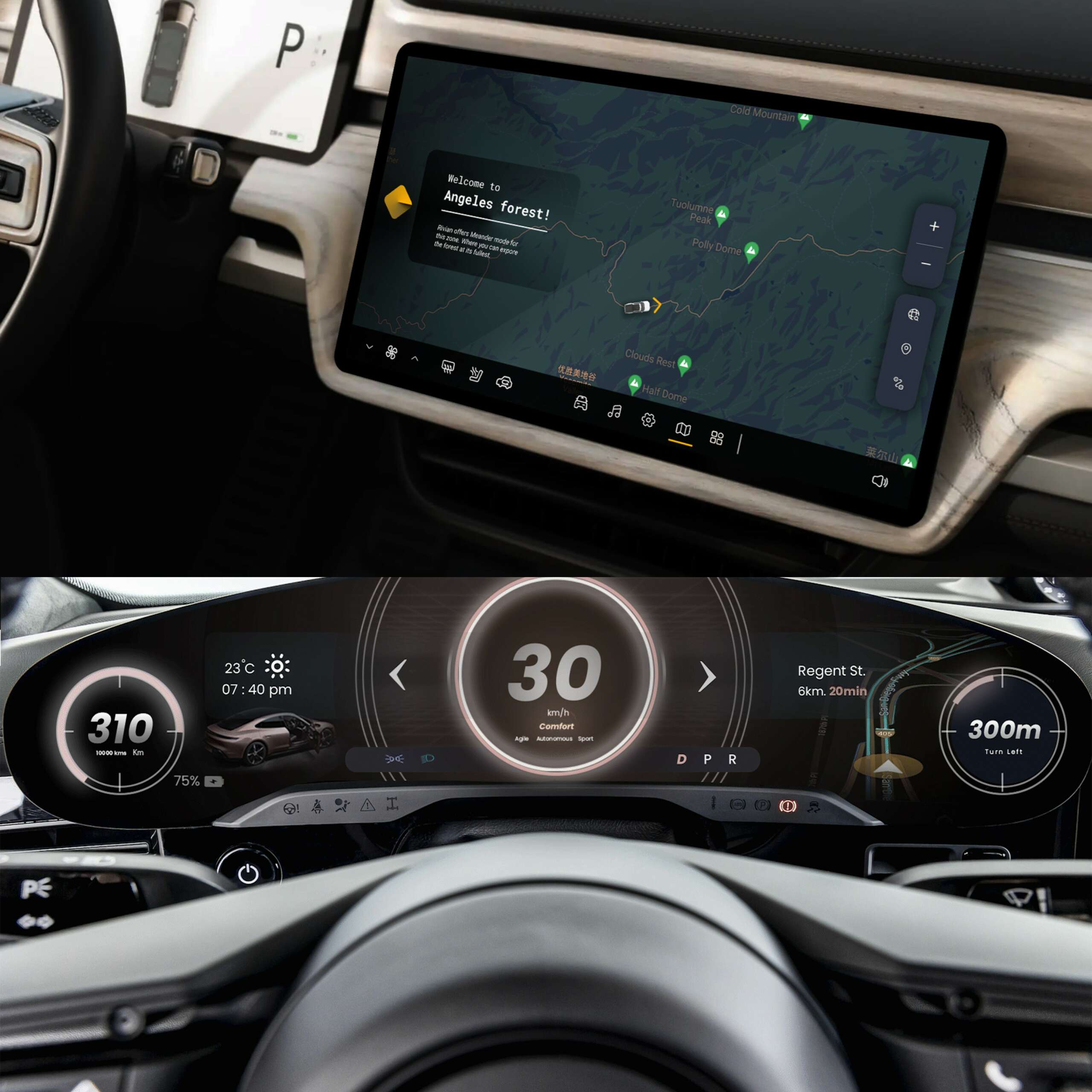
After graduating with a master’s in Transportation systems and Design from Art Center College of Design, California, I worked as a UX designer with a Los Angeles-based startup on Intelligent Traffic Systems Technology that enables cities to better manage traffic signal networks to progress road safety and reduce carbon emissions. Currently, I work at General Motors in Michigan as a UX designer on multiple future-focused transportation & mobility projects.
Through the process of working with people in different silos of creative fields, I believe in “the 5% Learning Curve Approach”, where I collaborate with people within and among other disciplines to practice a systems approach to problem-solving. This approach has helped me identify opportunities and gaps within projects I work on, enabling me to bring holistic systems thinking perspective to projects that need new processes and quicker build, test, and learn loops with a “quick to fail” approach to problem-solving.
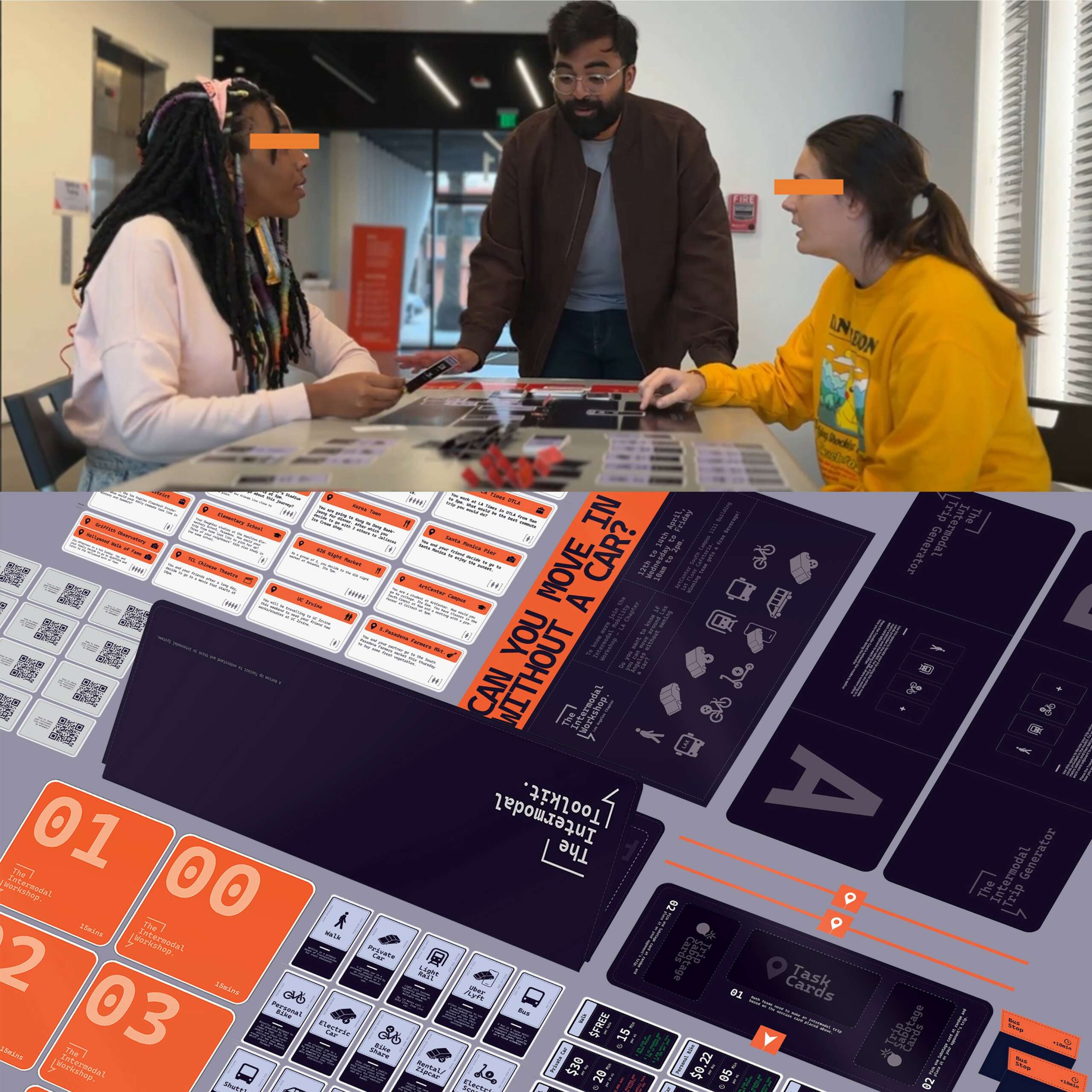
Let’s take a mobility-related problem, for example: “Micro-mobility adoption in the United States.” how a product designer approaches this problem would be completely different from that of an urban designer or someone from policy. A software engineer could develop an algorithm to better manage how these devices are parked/docked, or a business degree graduate could look at economic incentive models. The solution sets are so large that complex problems can’t be solved by one design or engineering field, let alone one designer. I’m trained by education and experience to engage with various stakeholders, understand challenges from respective fields, build a low-fidelity test prototype, and get feedback from people to suggest how the product/solution needs to move forward with a clear emphasis on the “why.” The prototype may be far from production, but the learnings from what people share can be used to build effective solutions in the right direction. In a nutshell, I focus on bringing clarity to complex, sticky problems of the world, thinking synergistically about social, business, and technology needs and opportunities. For example, In my master thesis on multimodal trips, if I didn’t bring systems thinking into the project, I could have gotten away with creating a mobile application just because I’m a UX designer, but through rigorous research and synthesis, the design prototype focused on “how to get people to think rationally regarding their trip choices” Where the concept had to use game theory and behavioral science, two fields I was completely unfamiliar with. The benefits of bringing a holistic approach to design can help frame projects and situate them in real-world contexts beyond the silos of disciplines.

Is there a particular goal or mission driving your creative journey?
Working on design centered around Mobility, Experience, Space, and People enriches my mission to influence and disrupt change between the silos of disciplines. As a UX Designer and a systems thinker, I strive to embody and bring new approaches to problem-solving. Over the previous decade, the experiences I have gained across continents and the people I have worked with have profoundly impacted how I work as a designer. When I was 18, I set out to solve the world’s challenging problems, but with experience, I have understood how such an approach is similar to boiling the ocean. (Well, we are getting there with climate change :p). My mission has increasingly been driven to adopt and create new processes and workflows to truly innovate and develop synergies amongst the silos of design, engineering, and business, where collaboration with bright minds from these different disciplines is needed to tackle sticky problems of our world.
For you, what’s the most rewarding aspect of being a creative?
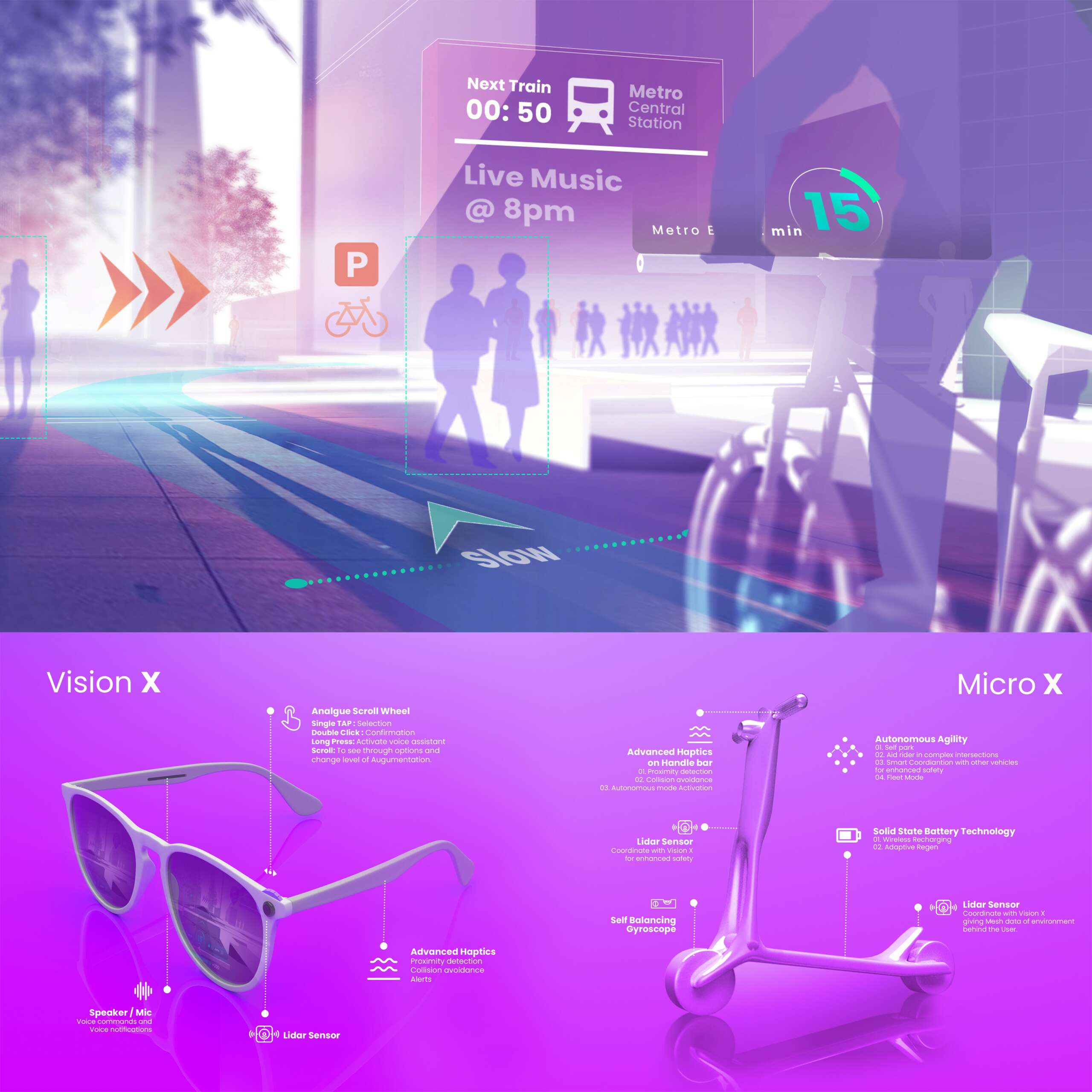
Being immersed in User Experience and systems design in Mobility is particularly rewarding. This space requires adopting systems thinking in everyday workflows, from constantly keeping up with technological advances in society to strategically bringing solutions that humanize technology, keeping societal implications in mind. Working in a space that is evolving at an unprecedented pace is both rewarding and challenging at the same time. At General Motors, I play a strategic role in envisioning future mobility experiences that keep people at the center. In the previous decade, various technological advances, such as autonomous vehicles, artificial intelligence, spatial computing, and world-changing events such as the pandemic and climate crises, require more holistic solution sets that are user-centered. Every day is challenging and enriching, where solutions need to be from the ground up, from problem framing and rethinking design processes to effective communication strategies to help nudge leadership to make decisions that can have a profound positive impact on society and business needs. .
Contact Info:
- Website: https://kiba.myportfolio.com/
- Instagram: https://www.instagram.com/kiran.babu_/
- Linkedin: https://www.linkedin.com/in/kiran-babu/