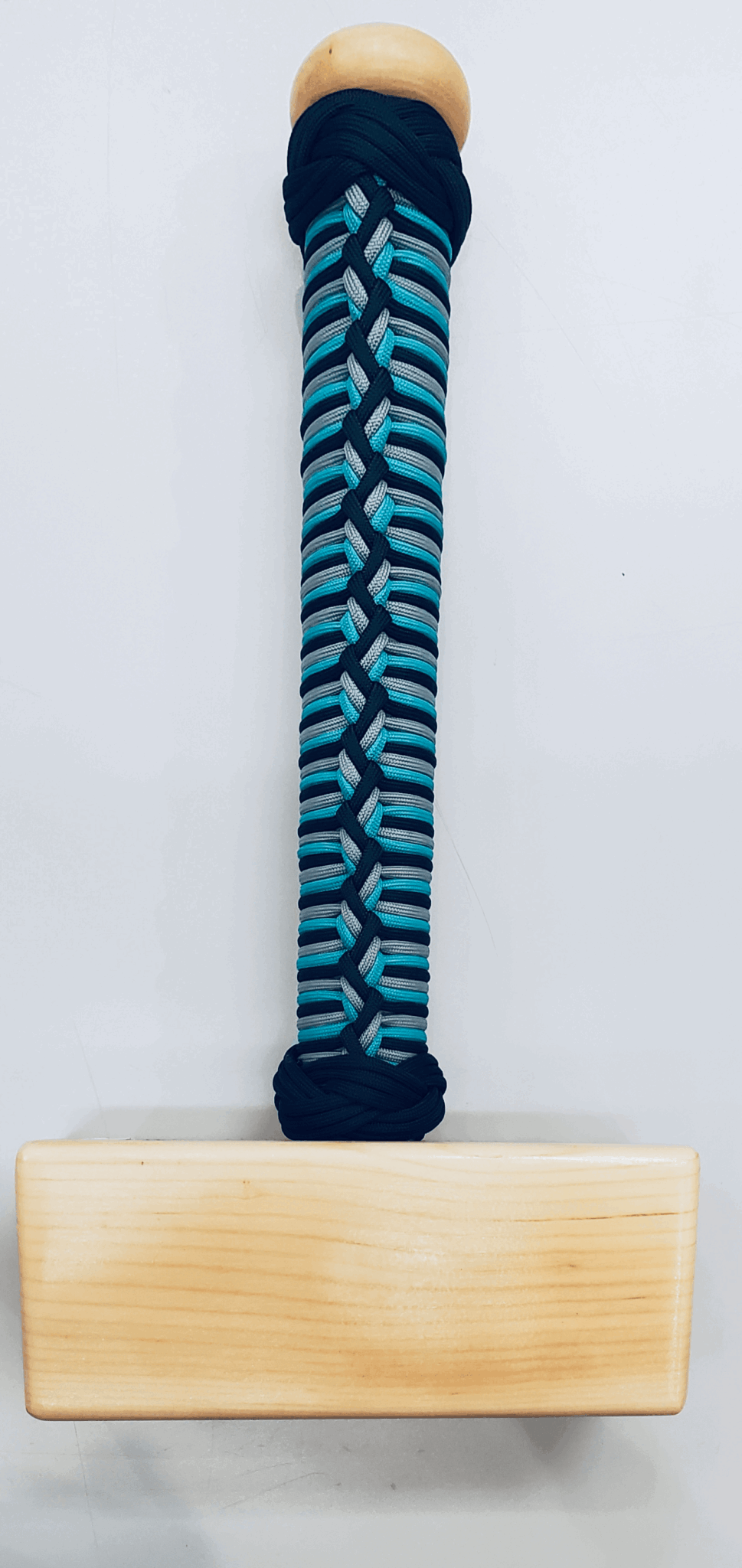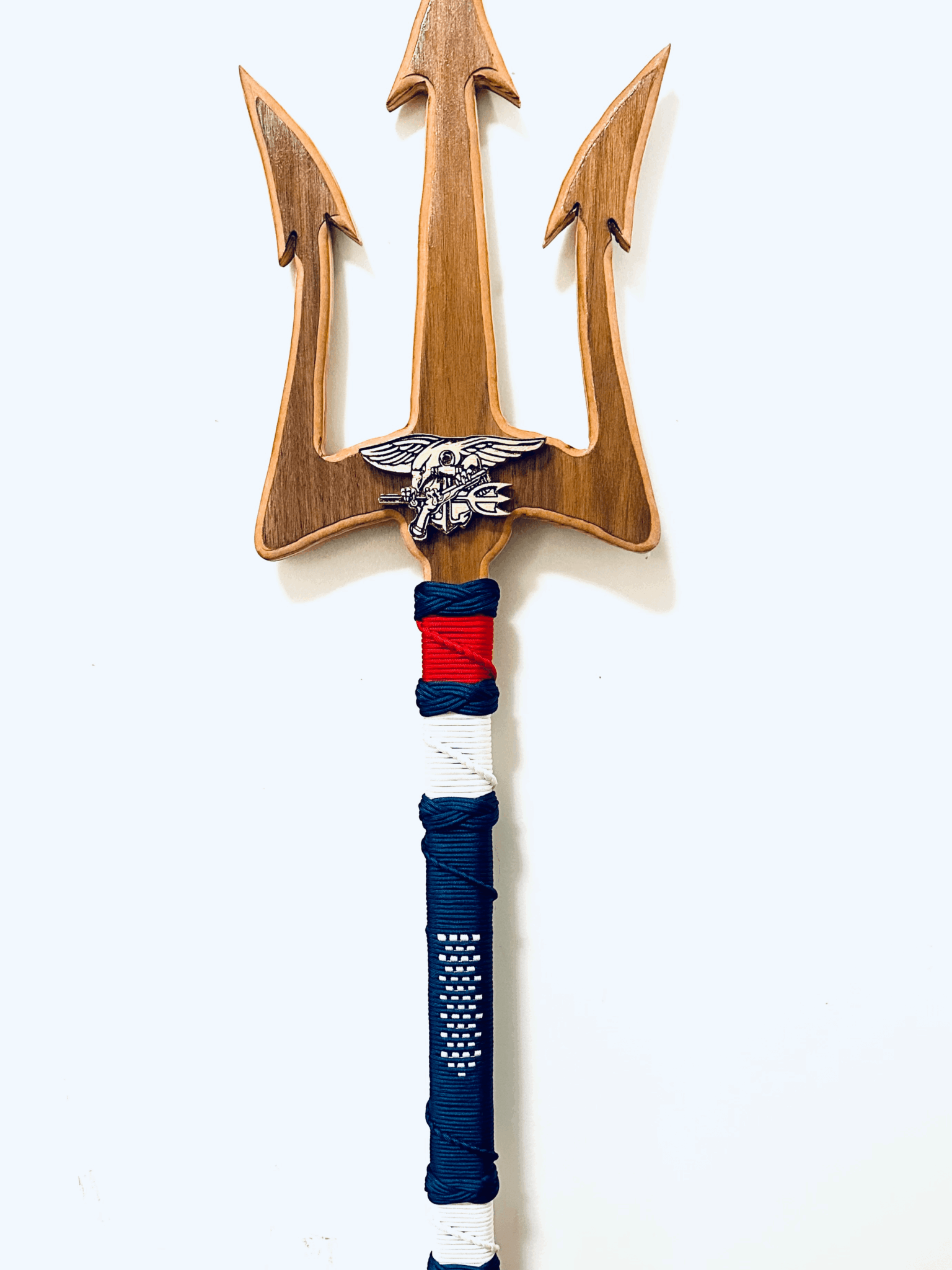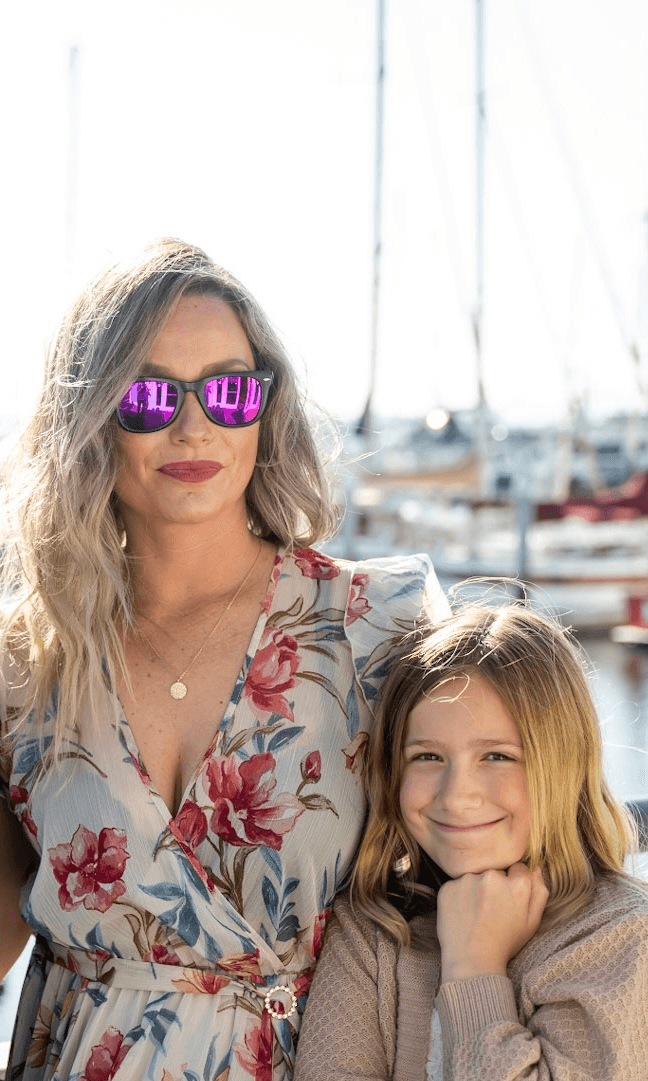

We caught up with the brilliant and insightful Kimberly Harris a few weeks ago and have shared our conversation below.
Kimberly, thanks for joining us, excited to have you contributing your stories and insights. How did you learn to do what you do? Knowing what you know now, what could you have done to speed up your learning process? What skills do you think were most essential? What obstacles stood in the way of learning more?
I’ve always had a fascination with creating and designing things going as far back as I can remember. As a child I use to steal my mom’s sewing kit to make clothes for my dolls and then I was 12 I was given a sewing machine for my birthday. I also taught myself how to crochet when I was about 7 and I was tying the knots by hand and gradually learned how to use crochet needles. I would make coin purses and beanies out of yarn then go door to door selling the things I had made in the neighborhood I lived in. Once I got to middle school and high school it was art – drawing and painting mostly. At one point I actually thought I would go to art school, however by senior year I realized that a traditional college wasn’t going to work for me. Fast forward into my twenties and I started working with a material called paracord. For a few years my sister and I had online shop where I sold bracelets, lanyards, dog leashes, belts and other survival and military type accessories. That died off and coincidentally (maybe not) I got a job working on a military base where I made and sold traditional military gifts and awards. Here I would design, sell and make plaques, shadow boxes, awards and in large part wrap items in paracord. I had no idea before working here what a niche market it was to know how to tie knots – but I learned quickly it was a skill that I was not only very good at but it was something the military community considered highly admirable. This is where it all actually started for me. I was never actually taught how to do any of the fancy line work and specialty designs that I became popular for. I would look at a design or pattern, occasionally a video, and figure out the inner workings of every design through trial and error. Sailors from sea and shore commands from all over San Diego would come to the store I worked at specifically to see me, regardless of there being other more convenient locations for them to access. A large majority of my repeat customers constantly asked when I was going to go into business for myself because up to this point I was earning nothing extra for my skill, only an hourly wage for running the store. I was frank with them. Staying at the store was job security and as a single mom taking the risk of going out on my own was scary. Over a total of 5 years working closely with the military community in San Diego I learned quite a bit. I learned bits and pieces of their language, their traditions and their needs as well as having learned about the history and importance of keeping their traditions alive. After 5 years of working for the same company with little to no advancement, I had finally had enough. It didn’t matter what idea I had or what I wanted to promise a customer, my boss was not allowing me to deliver the product I was capable of making. So, finally, I left. I left with more skill than when I entered that job, more knowledge about product, a passion for what I wanted to create and many amazing friends and customers who to this day will only come to me for their requests. Knowing now what I know about military tradition and especially knot tying, I sometimes wish I had believed more in myself and that I had left the job on base sooner. In other ways I’m glad I stayed. I wrapped so many paddles, hammers, and knives and designed countless other awards and shadow boxes that I can confidently say I do in fact know what I’m doing.
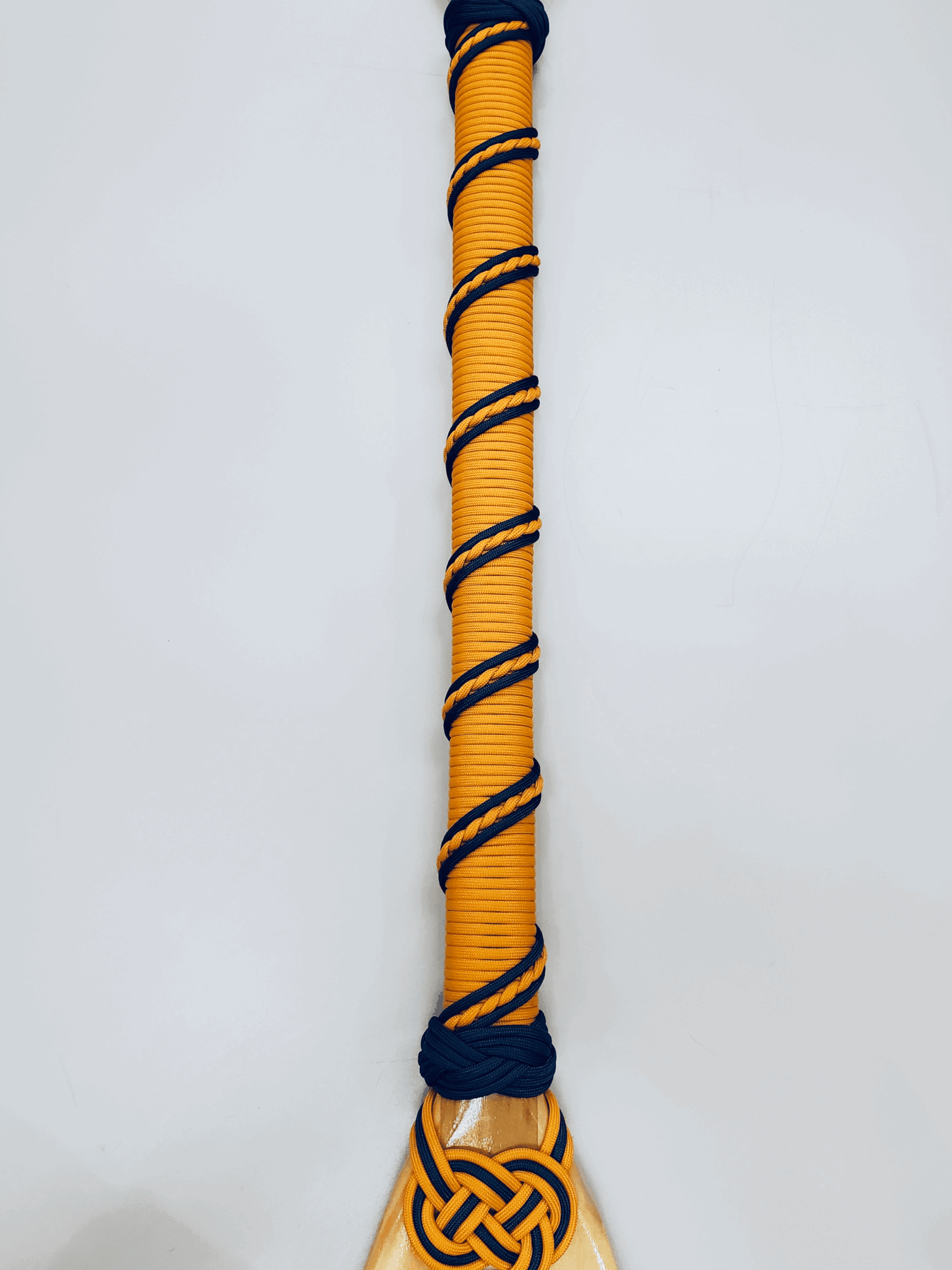
As always, we appreciate you sharing your insights and we’ve got a few more questions for you, but before we get to all of that can you take a minute to introduce yourself and give our readers some of your back background and context?
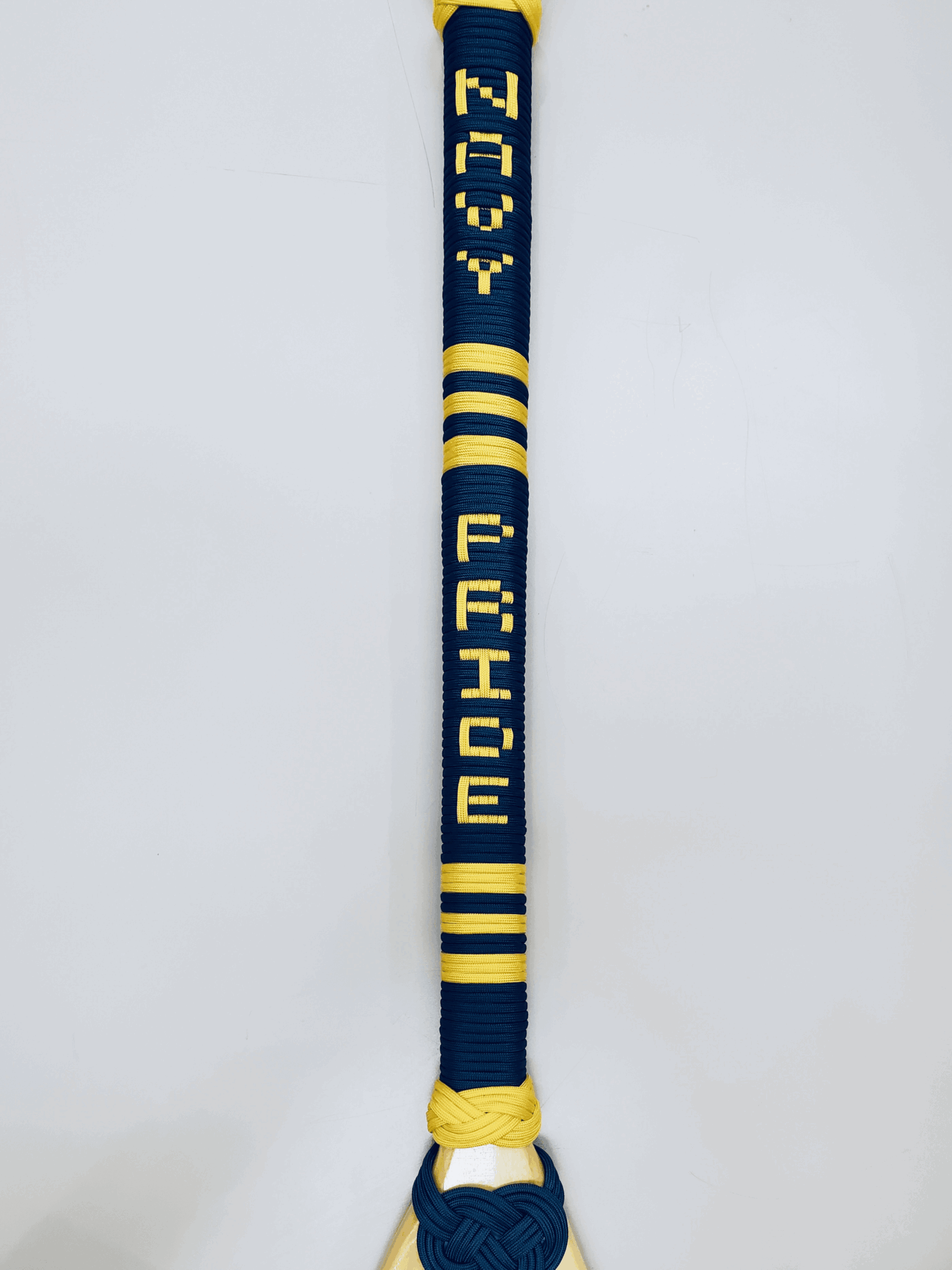
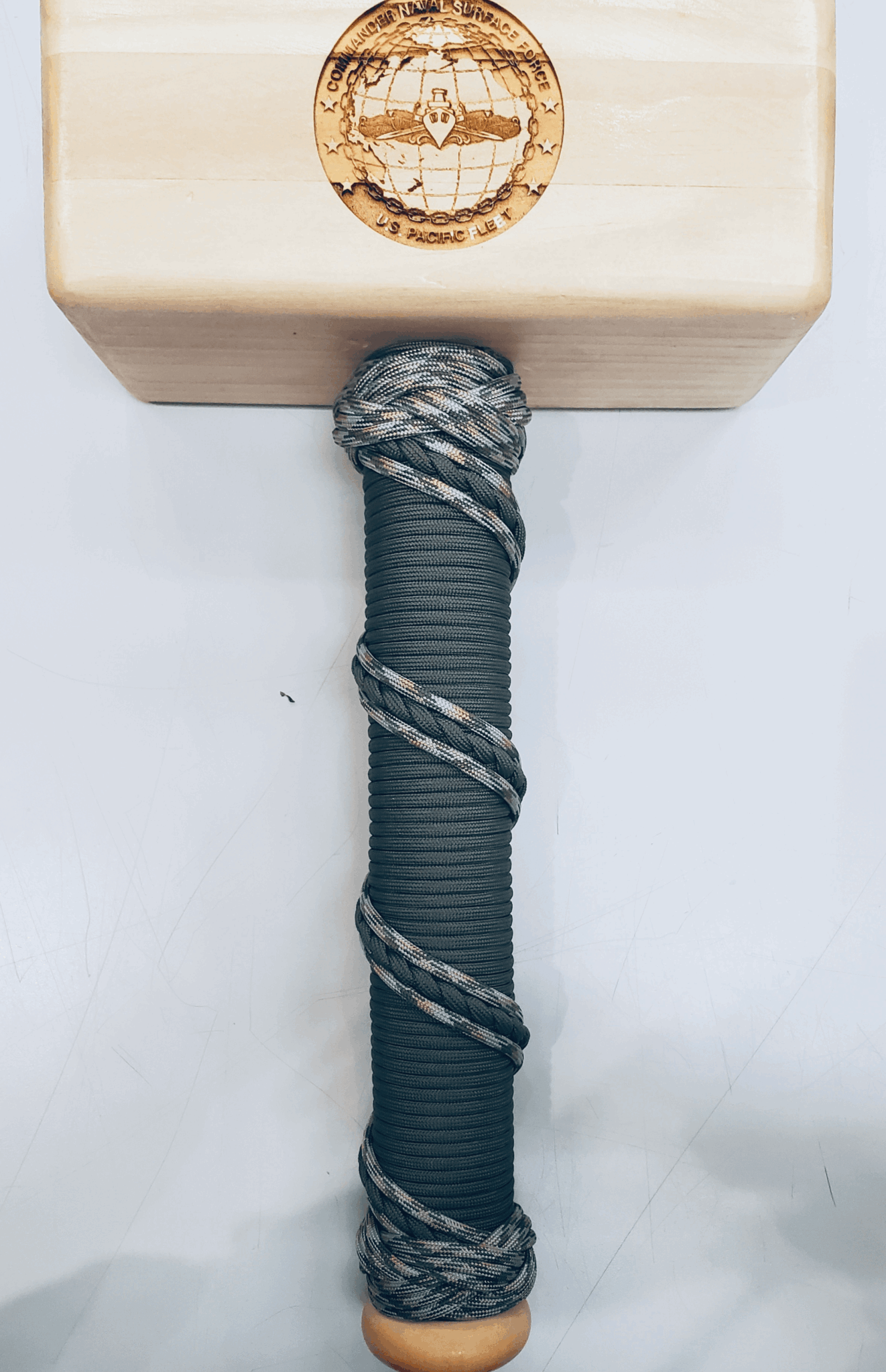
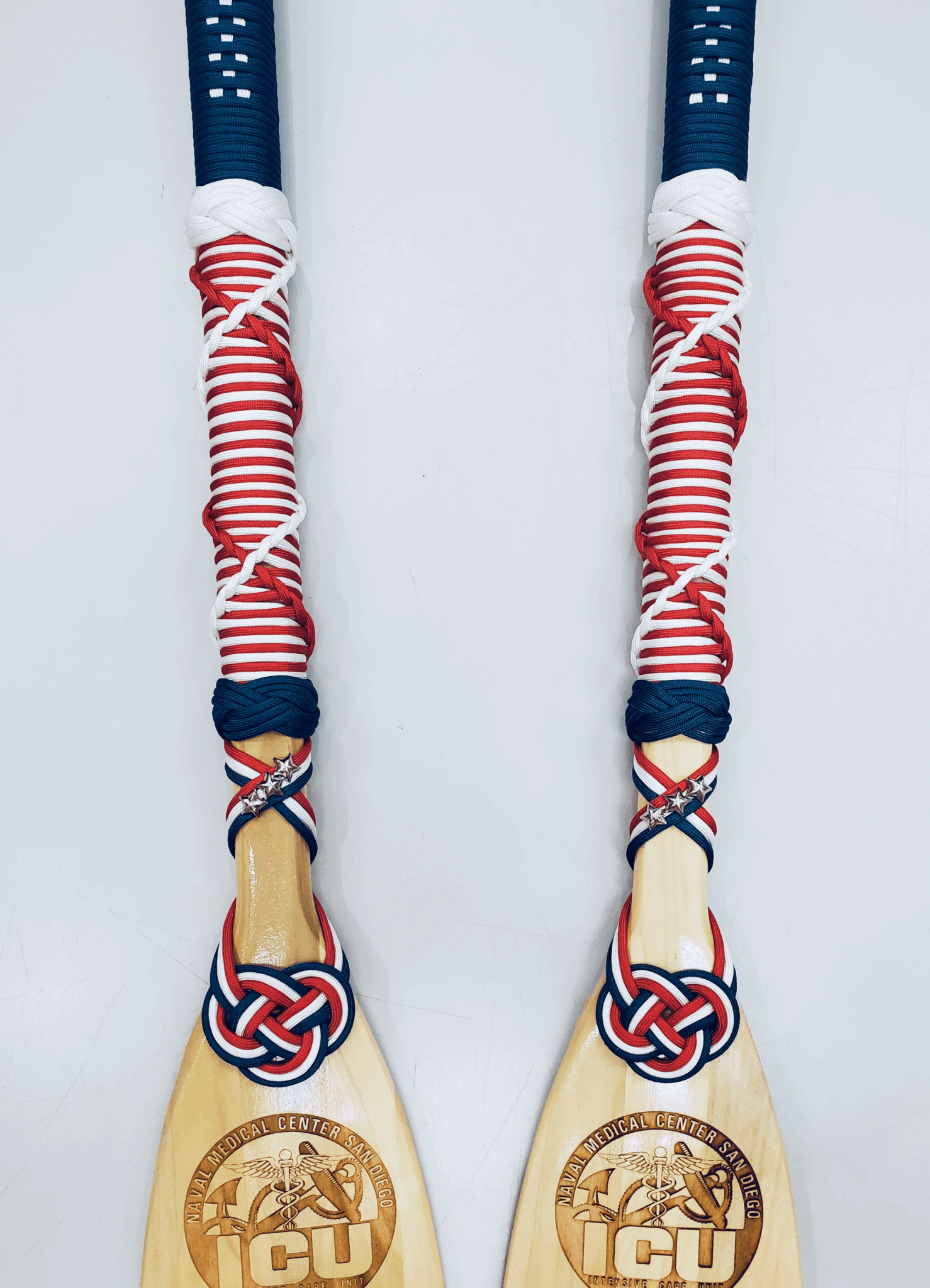
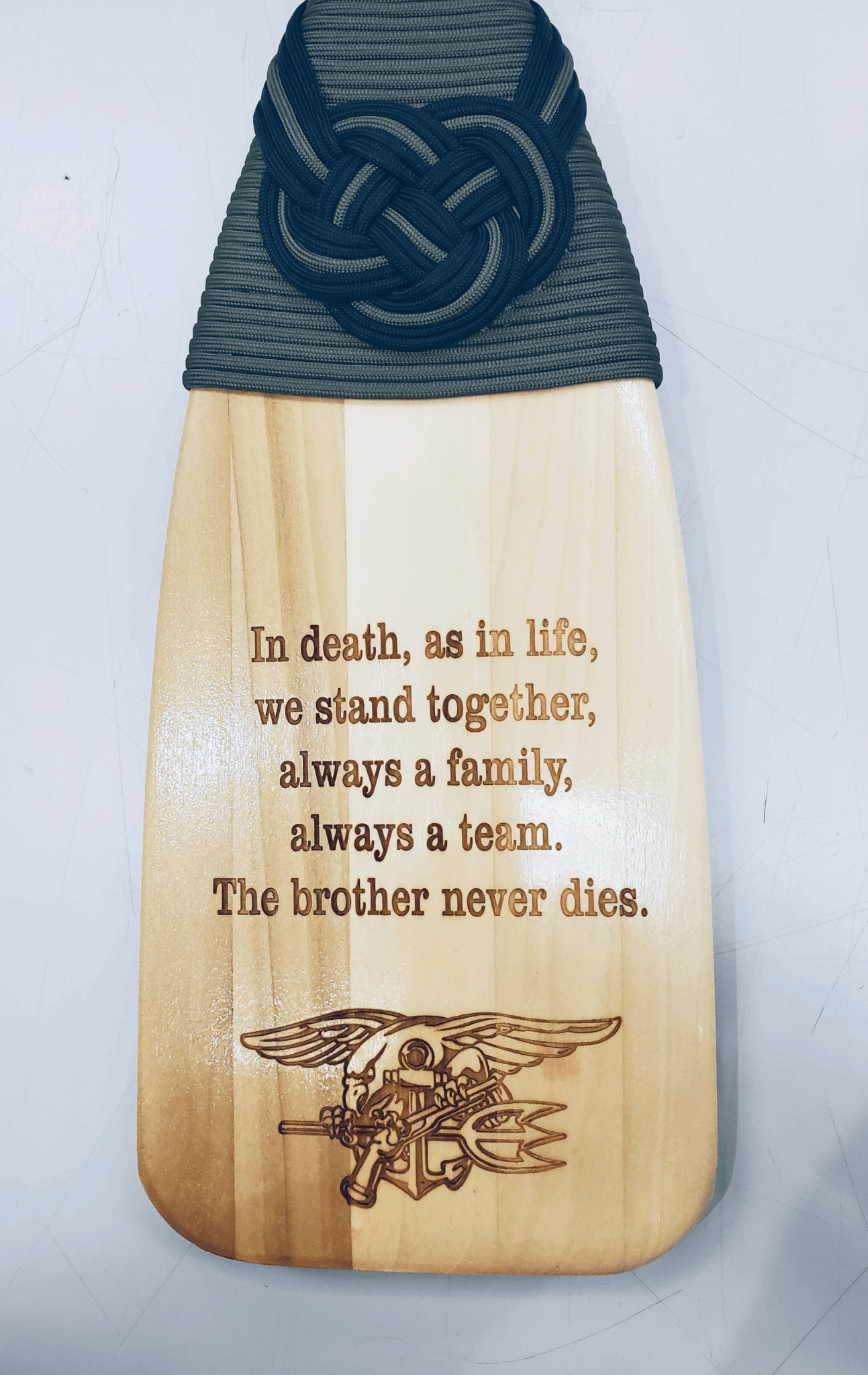
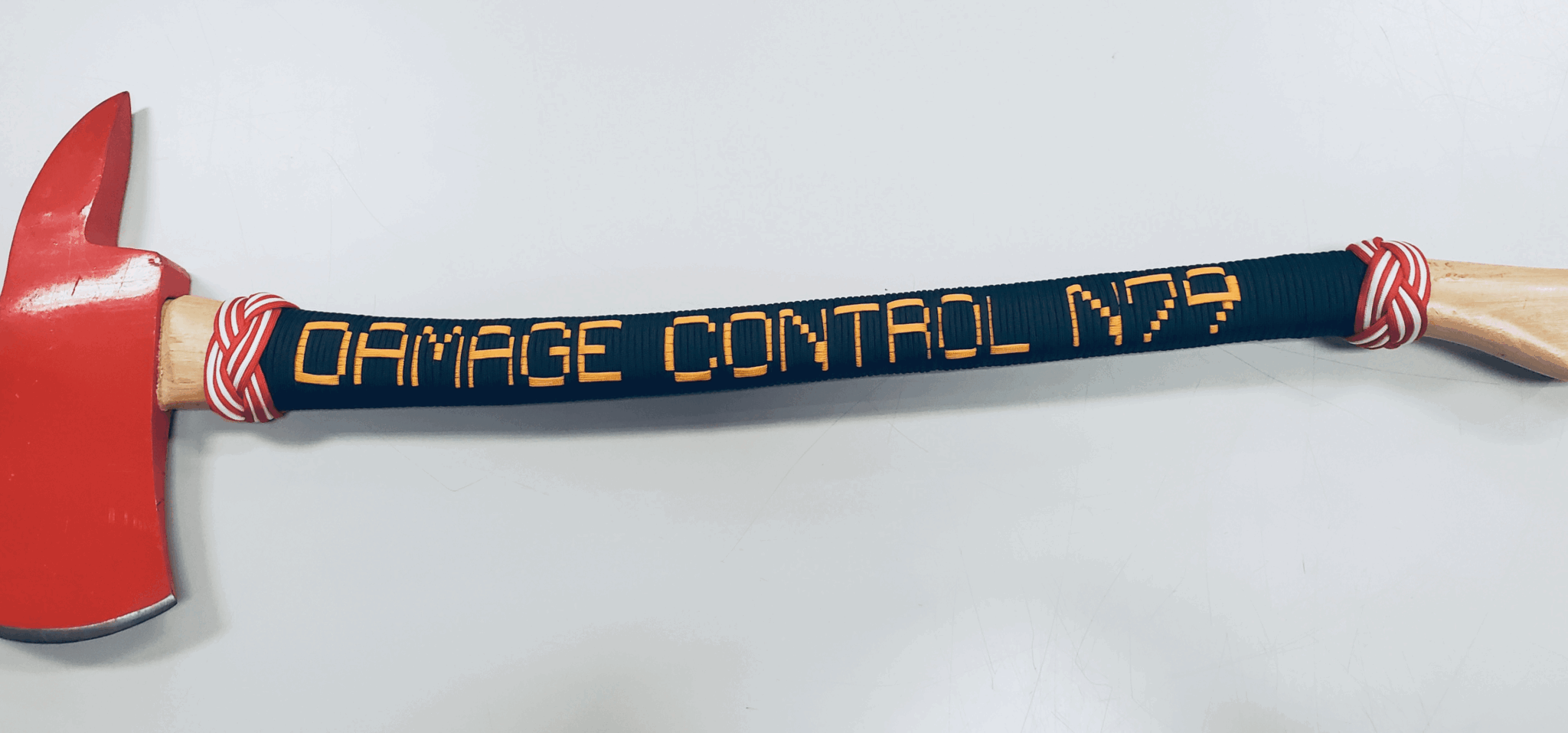
I was born and raised in San Diego, California, left several times to explore other opportunities but always came back. San Diego is a huge military hub and all though I grew up surrounded by the military community I did not begin working closely with them until 2017 when I started working for a small company on Naval Air Station North Island and at 32nd Street Naval Exchange. My dad was in the Navy and I always had a deep appreciation for its members, so it was fitting that I work with them and their families in the manner which I did. The work I did included designing custom plaques and awards, framing awards, certificates and other rare items, designing and mounting shadowboxes (used for both retirement and memorials), folding American flags and mounting them into cases, and designing and making items that were to be wrapped in paracord. Many clients I deal with will come to me with a thought or idea of what they are looking for but lack direction, which I guide them towards always keeping in mind the tradition and expectations behind the ultimate goal. Now that I work independently, I still do all of these things, but the primary focus has become paracord wrapping and engraving. Paracord wrapping, sometimes referred to as “line work” or “fancy work”, of an item, specifically paddle or oars, is a tradition in the military that is used to commemorate one’s service to a unit when they retire or transfer. The paddles are beautifully wrapped with different colors of cord, engraved, painted and sometimes with coins or pins mounted on to them. I specialize in intricate wraps, lettering and decorative braiding with some paddles taking many hours to complete. Personally, I believe what makes my work stand out more so than others is my acute eye for detail. Every project I start I am striving for perfection.
Are there any books, videos, essays or other resources that have significantly impacted your management and entrepreneurial thinking and philosophy?
I am a relatively self sufficient person and I didn’t think I could do more with my time than I already did until I read the book by David Goggins “Can’t Hurt Me”. The story he recounts in itself is absolutely insane but the level of discipline that he narrates is absolutely empowering. What I take from his story is that when we feel like giving up, there is (usually) always more to give. He calls it the 40% rule in which our mind quits before our body does, and when our mind quits we are only at 40% of what we have to give with 60% more to go. I take this theory with me. I think about it constantly. Another method he uses is mapping your day down to the half hour. I use this on days when it feels like I can’t accomplish everything that needs to be done. This comes across as extreme for many people and for me this is not about control. I’m a single mom who works full time with a business on the side, as well as having a 120 pound dog. The 30 minute time mapping shows me I do in fact have enough time to do what needs to be done, but it also shows me I have the time to relax and reflect. This is not something I do every day, but I do it often enough that I recommend it to others with similar time constraints that I experience.
What can society do to ensure an environment that’s helpful to artists and creatives?
In my opinion, the best way to support artists, creatives and contribute to maintaining a thriving creative ecosystem is by doing your research and knowing who you are supporting, as well as what you are supporting. Doing this creates a passion on the consumers end, builds business/customer relations. This goes not only for the customer, but also the creator. As a creator, you should understand your product and the market you are selling to, but also be willing to learn and adapt to the needs of your customers while also staying true to yourself and your product.
Contact Info:
- Instagram: knottedsiren