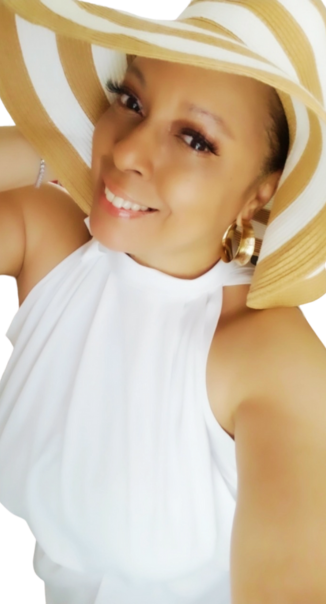

We recently connected with Kimberly Clark and have shared our conversation below.
Hi Kimberly , thanks for joining us today. We’d love to hear about the best advice you’ve ever given to a client?
The Power of Starting Now: A Transformational Client Story
A client was referred to me by one of my existing clients who had experienced incredible transformations in her business. She was eager to see the same results and loved the impact my work was having on others. This is how I guided her toward a decision that changed everything.
During our initial consultation, she expressed excitement about working together but mentioned wanting to start in January, as she and her husband wanted to clear up lingering obligations. While I understood her reasoning, I also recognized the potential downside of waiting.
Here’s the advice I gave her:
*”Thank you so much for your prompt response and for considering my proposal. I’m thrilled to hear that you and your husband see the value and potential in taking your brand to the next level.
I completely understand your desire to start in January, but I’d like to propose an alternative plan that could accelerate your success without adding stress.
Starting now, with a foundational phase, would allow us to lay the groundwork and ensure that by January, you’re ready to hit the ground running. This approach ensures we can focus on revamping your newsletter and developing a strategic YouTube plan for the New Year—giving your brand a solid foundation to unlock monetization opportunities.
When you tell yourself ‘not now,’ it’s easy for ‘not now’ to turn into ‘never.’ Life doesn’t wait for the perfect moment, and obstacles will always appear to detour your plans. The answer is to just start. Start small and consistently level up to where you want to be, both personally and professionally.
Time doesn’t stand still, and neither should you. By taking this step, even small initial efforts will position us to avoid delays, leverage your skills, and create an impactful brand that drives your goals forward.
Let’s do this—together.”
This advice resonated deeply with her. She decided to move forward with the foundational phase, and we got to work immediately. Over the next few months, we made measurable progress—her newsletter was not only revamped but began generating higher engagement, and we laid the groundwork for a YouTube launch that attracted subscribers from day one. By the time January rolled around, she had momentum, clarity, and a strong strategy to scale her business.
The result? She reached her first milestone goal months ahead of schedule, and she often credits that moment of “just starting” as the catalyst for her success.
This experience reinforced an essential truth I share with all my clients: waiting for the “perfect time” is a myth. Taking small, intentional steps today can open the door to big results tomorrow.
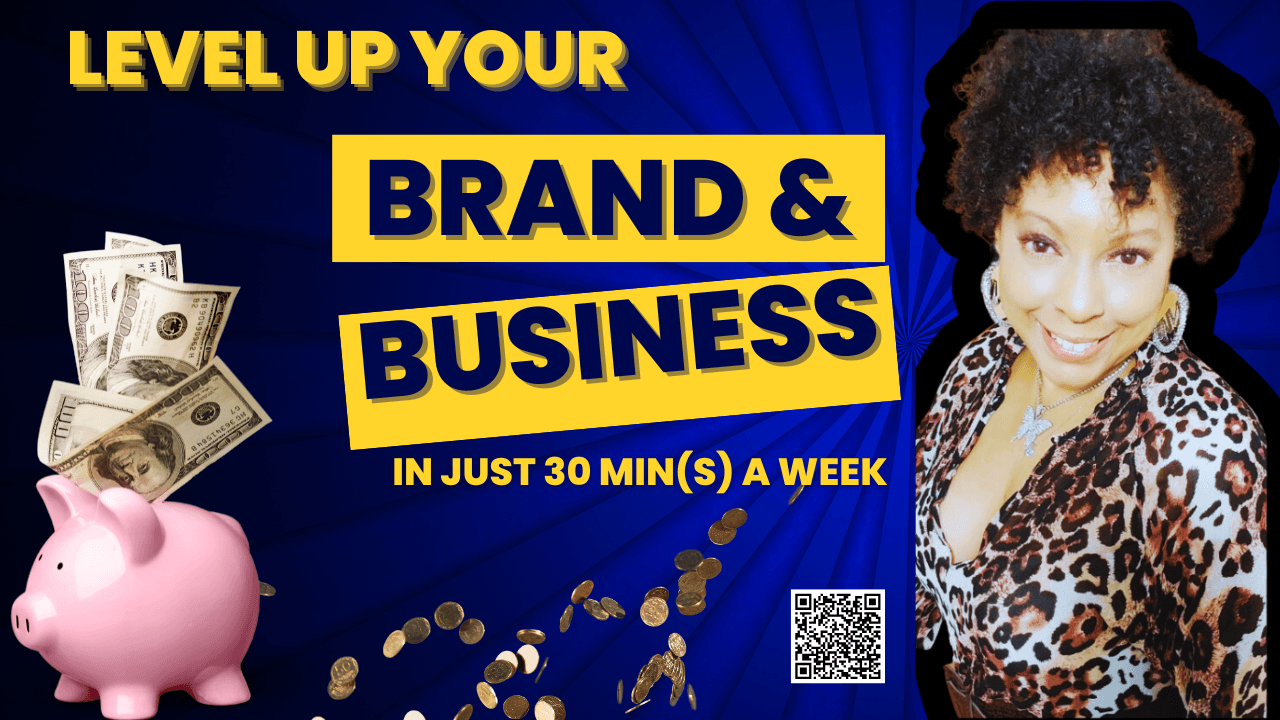
Kimberly , before we move on to more of these sorts of questions, can you take some time to bring our readers up to speed on you and what you do?
Hi, I’m Kimberly Clark—a Lifestyle, Business, and Branding Coach passionate about empowering women to embrace their worth and value. My proudest moments come from encouraging women to step into their power and create a life that leads with love, authenticity, and intention.
My journey began as an Event & PR Producer, where I not only brought weddings and events to life but also worked with entertainment clients and corporations on impactful public relations campaigns. This experience sharpened my skills in storytelling, branding, and creating memorable experiences—all of which I now bring to my coaching and consulting work.
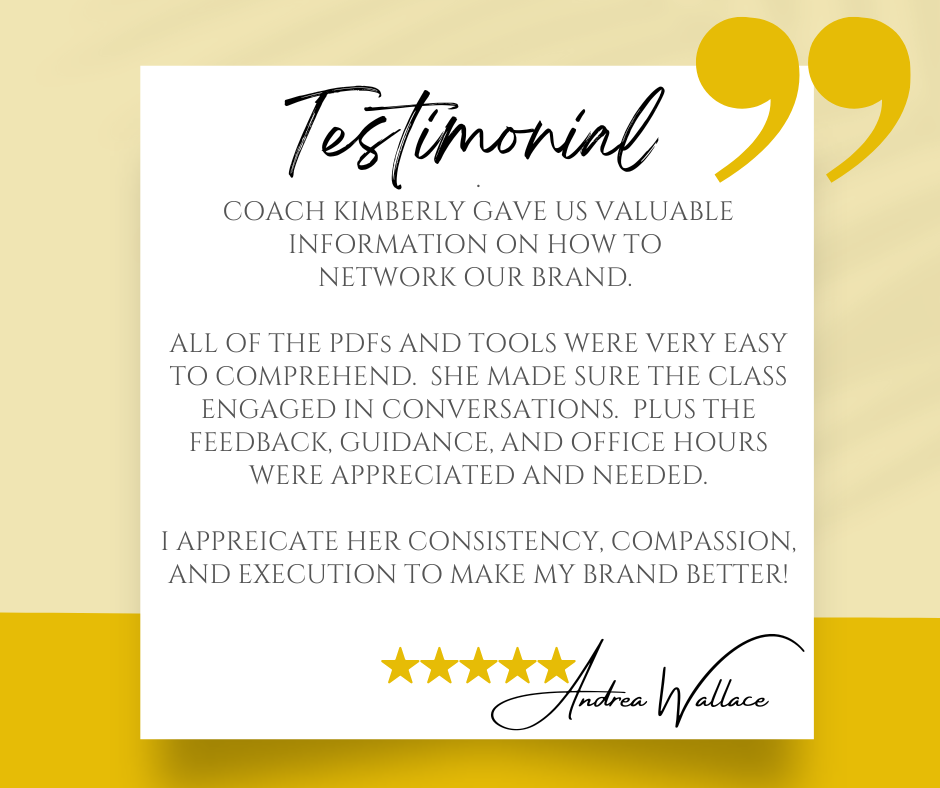
Today, through Ask Kimberly Lifestyle, I specialize in helping women entrepreneurs and professionals’ level up their personal and professional brands by unlocking their “secret sauce” and turning their passions into impactful, purpose-driven work. I offer lifestyle and leadership coaching, branding strategy, and business development services.
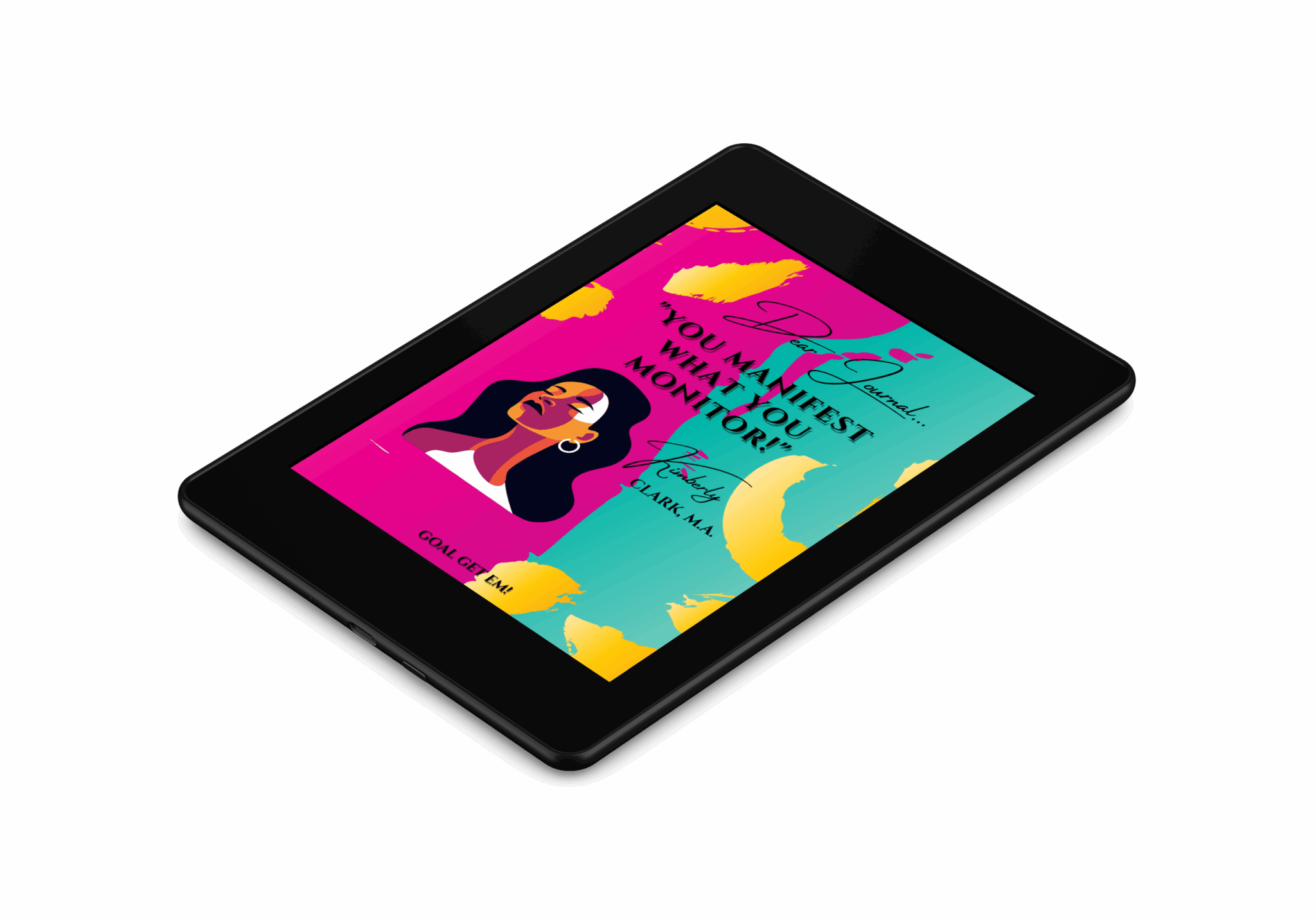
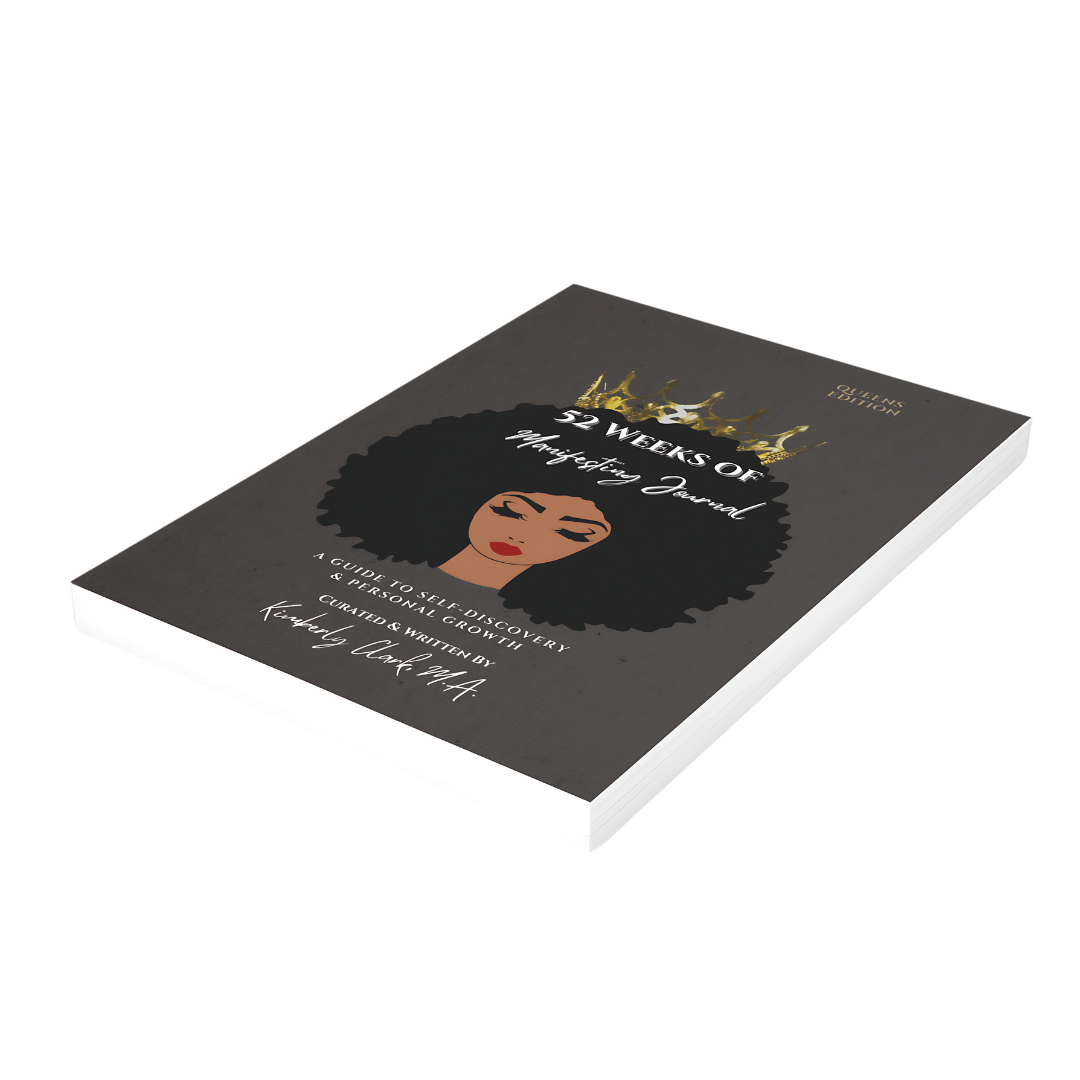
Additionally, I’ve created inspiring tools like my Hey Queen, Your Crown Empowerment Kit and the 52 Weeks of Prayer & Purpose Workbook to keep clients motivated and aligned with their goals. And, available in the New Year— Manifest Your Finances: Budget, $ave, and Inve$t in 90 Days.
What sets me apart is my ability to blend strategy and heart, helping clients achieve measurable success while staying rooted in their unique story. Whether it’s refining a brand, navigating personal growth, or designing a business that aligns with their values, my goal is to ensure that every client I work with feels seen, empowered, and equipped to thrive.
If you’re ready to level up your life or business, I’d love to partner with you on your journey. Let’s make magic happen—together.
Alright – let’s talk about marketing or sales – do you have any fun stories about a risk you’ve taken or something else exciting on the sales and marketing side?
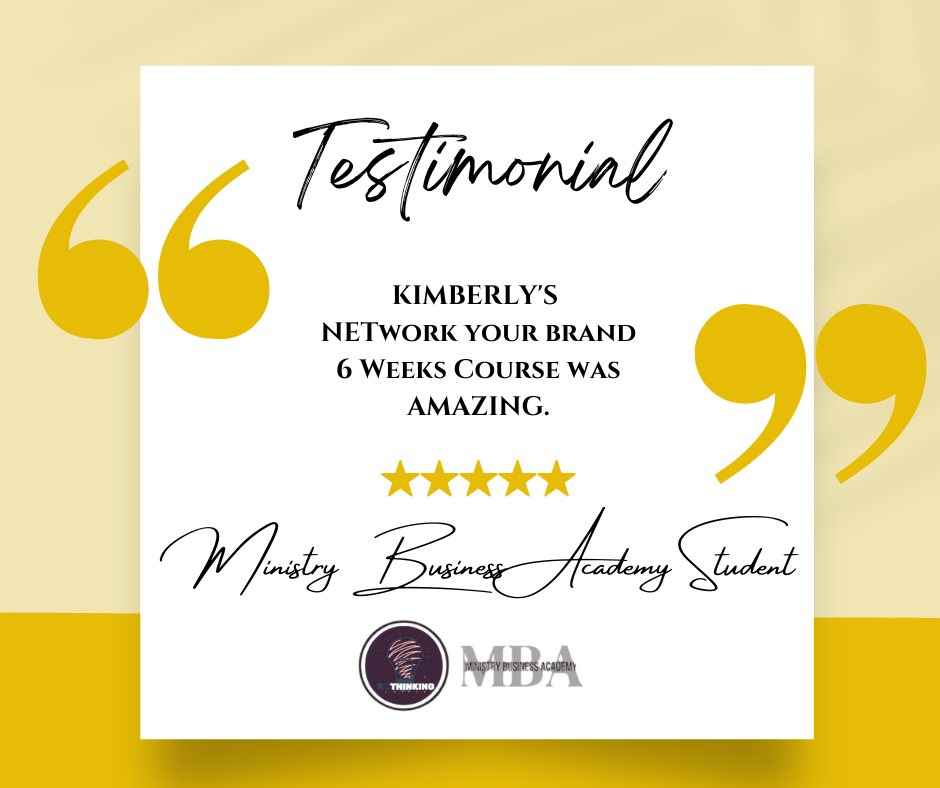
One of my favorite stories about branding (not just marketing!) comes from a moment when I took a creative leap that completely reframed how I approach business and life. It’s a concept I discuss often in my NETwork Your Brand mini-Masterclass Podcast, where I explore the intersection of branding and legacy.
Here’s the backstory:
I was working with a client who wanted help “marketing” her services. But as we delved deeper, it became clear that her challenge wasn’t about ads, SEO, or social media. It was about identity. Her audience didn’t understand who she was or what she stood for—and truthfully, neither did she. She thought she needed a marketing strategy, but what she really needed was a branding blueprint.
In one of our sessions, I asked her a question that I often pose during my masterclasses and discussions: “What do you want people to say about you after you’re gone?”
The room went silent. She paused, unsure how to answer. It was an awkward moment, but one of immense clarity.
I explained, “Your culture is your brand. Branding isn’t just for business; it’s how you live your life, how you show up every day, and the legacy you leave behind. Think about your character, the experiences you create, and how you make others feel. That’s your brand—and it’s bigger than any logo, tagline, or campaign.”
Together, we worked on shifting her focus from traditional marketing tactics to building a brand that resonated with her core values. Instead of simply selling her services, she began to share her story, showcase her authenticity, and demonstrate how her business made a meaningful impact.
The result? Her audience connected with her on a deeper level. Engagement skyrocketed, referrals poured in, and her reputation as a trustworthy, purpose-driven entrepreneur began to spread. She wasn’t just building a business anymore; she was creating a legacy.
Why This Matters
This experience taught me that branding is about culture. It’s about how you make people feel, how you live your truth, and how you consistently show up—not just in business but in life.
When I teach or facilitate discussions around branding, I always circle back to that question: “What do you want people to say about you after you’re gone?”
It’s not an easy question, but it’s a powerful one. It challenges us to think beyond sales and marketing strategies to the heart of what truly matters.
Your culture is your brand, and your brand is your legacy. Every interaction, every decision, and every moment you show up authentically lays the groundwork for how people will remember you—both in business and in life.
If this resonates with you, I invite you to tune in to the NETwork Your Brand mini-Masterclass Podcast. It’s a savvy, efficient resource filled with insights, tools, and strategies to help you boost your brand’s presence and build a legacy you’re proud of.
Learning and unlearning are both critical parts of growth – can you share a story of a time when you had to unlearn a lesson?
The Lesson I Had to Unlearn: Saying “I’m Sorry”
For as long as I could remember, the words “Oh, I’m sorry” would tumble out of my mouth without a second thought. Not in moments where I’d wronged someone, hurt feelings, or made a mistake—those apologies are necessary and meaningful. No, these were the automatic, almost mechanical “I’m sorrys” that seemed to punctuate everyday awkward situations.
Here’s an example: Picture yourself in an elevator. You’re standing by the doors, ready to step out, but before you can, someone barrels in, cutting off your path. Instinctively, you mutter, “Oh, I’m sorry,” as if you were at fault for simply existing in their way. Or imagine walking into a restaurant, accidentally bumping into someone leaving. The reflex is the same: “Oh, I’m sorry.”
But one day, I stopped myself mid-sentence and thought: Why am I apologizing for something that’s not my fault?
This realization hit me like a ton of bricks. Those unnecessary “I’m sorrys” weren’t just polite reflexes—they were tiny, unspoken admissions of guilt where none was warranted. And each time I said them, I was reinforcing a limiting belief: that I should shrink myself, take up less space, or bear responsibility for things outside my control.
That’s when I decided to unlearn this habit.
I shifted my mindset from saying “I’m sorry” to practicing alternatives that acknowledged the situation without placing fault on myself. Now, when I step off an elevator, I say, “Pardon me,” or if I bump into someone, I smile and say, “Excuse me.” These phrases still convey consideration and respect, but they don’t carry the same undertone of self-blame.
At first, it was awkward. The words “I’m sorry” had become so ingrained in me that breaking the habit felt unnatural. But over time, I realized how liberating it was to stop apologizing for simply existing.
This wasn’t just about words; it was about shifting my mindset. Each time I chose a different phrase; I reinforced the belief that I was allowed to take up space—that I didn’t need to apologize for simply being human.
The life lesson here is simple: Words shape the way we see ourselves. By replacing “I’m sorry” with something more intentional, we can stop viewing ourselves as the problem and start embracing our right to stand confidently in the world.
Next time you’re in an awkward situation, take a moment before you speak. Choose your words with care and see how they empower you. For me, it’s no longer “I’m sorry.” It’s “Pardon me,” “After you,” or simply holding the door with a smile.
Unlearning “I’m sorry” didn’t just change how I spoke—it changed how I saw myself. And that’s a mindset shift worth practicing every day.
Contact Info:
- Website: https://www.askkimberlylifestyle.com
- Instagram: @askkimberly
- Youtube: https://www.youtube.com/@askkimberlylifestyle