



Alright – so today we’ve got the honor of introducing you to Kimberly Arnold. We think you’ll enjoy our conversation, we’ve shared it below.
Kimberly, appreciate you joining us today. One of the things we most admire about small businesses is their ability to diverge from the corporate/industry standard. Is there something that you or your brand do that differs from the industry standard? We’d love to hear about it as well as any stories you might have that illustrate how or why this difference matters.
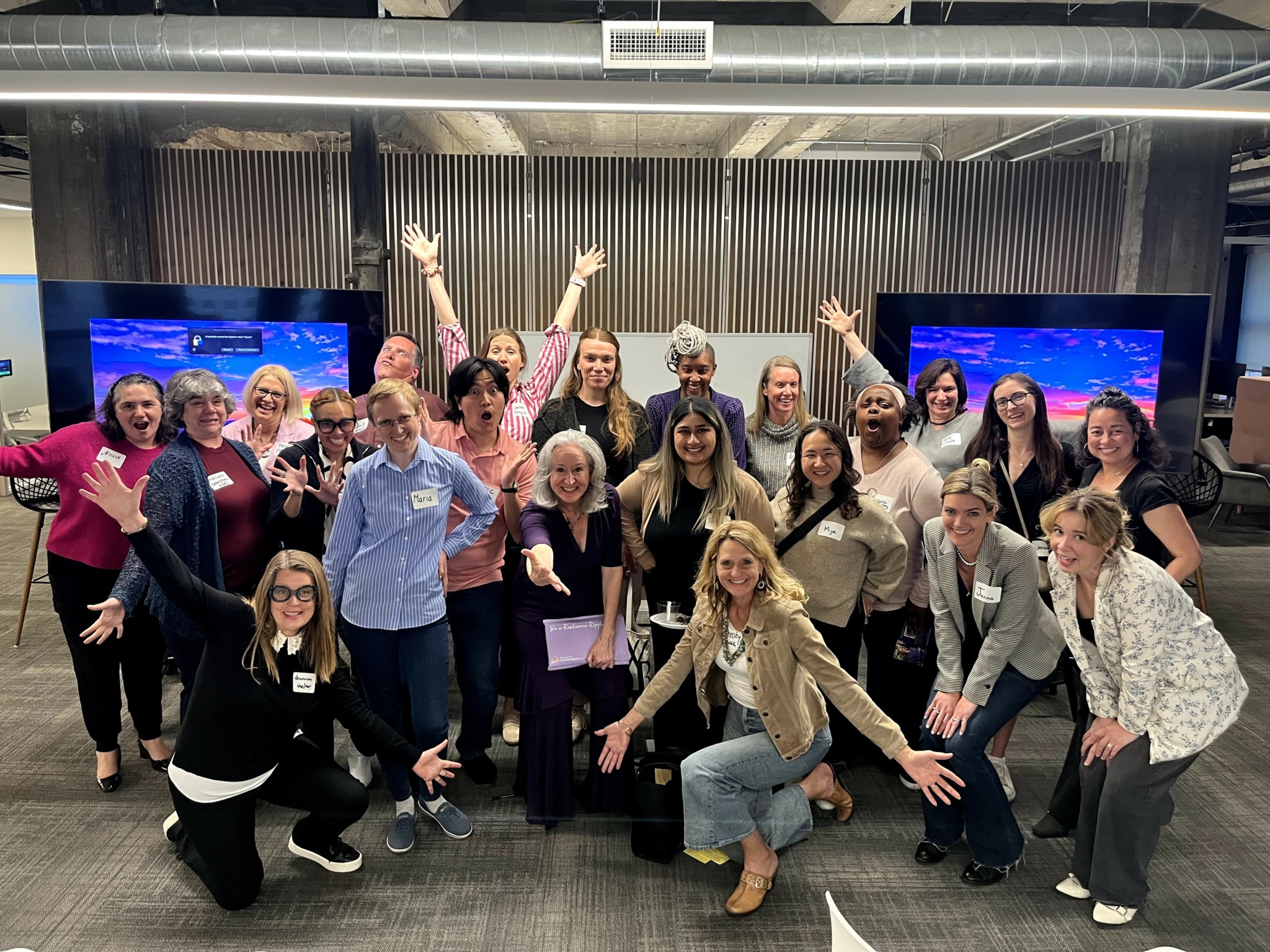
I teach high-pressure, quick-response teams how to pivot from reactive to strategic in minutes. Even under pressure, they learn to apply simple techniques to transform distress, reactivity and conflict into clear-headed, composed collaboration. Three things that set this approach apart:
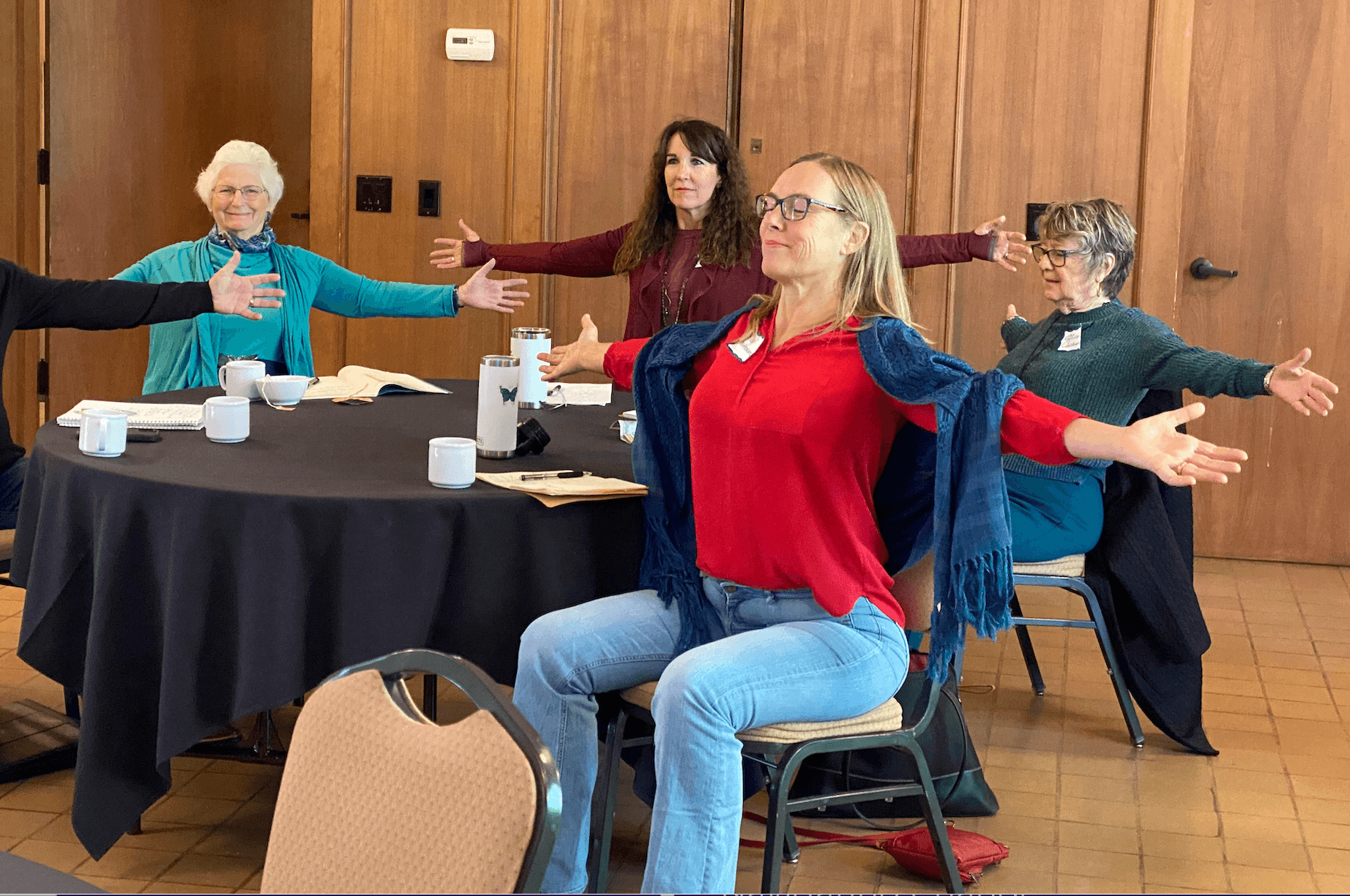
1 – Use micro-practices to immediately reset the nervous system. These body-based shifts in attention and posture reduce cortisol and reactive behavior in real time. Leaders and teams apply them instantly, even mid-meeting, to restore clarity and executive focus on the spot.
2 – Teams build sustainable muscle memory together. Rather than relying on individuals to be skillful under pressure, teams use these techniques as a group. Because stress and calm are contagious through our natural tendency to mirror each other, resilience becomes significantly more effective when practiced as a group.
3 – Fast, memorable training with real-time impact. Workshops are delivered in short, highly interactive formats, using science-backed techniques organized into practical acronyms—like PACE, BEST, GUTS, and AWE—so leaders can recall and apply them easily when it matters most.
This approach turns resilience from a concept into a team operating system.
Kimberly, before we move on to more of these sorts of questions, can you take some time to bring our readers up to speed on you and what you do?
I’m Kimberly Arnold, Founder and CEO of Somatic Leadership. And I’m on a mission to revolutionize resilience in the workplace.
My work is deeply personal. Seven years ago, I found myself in a remote hospital in India after a severe stress-induced health crisis. What shocked me most wasn’t just the physical breakdown—it was that I knew better. Despite having 15 years of experience in body-based practices, like so many high performers, when extreme stress hit, I overrode my own signals.
That experience changed everything.
My unique background blends 33 years in global business and healthcare innovation—at PwC, Salesforce, and Blue Shield of California—with 15 years as a certified somatic facilitator and movement teacher. This combination gives me a rare perspective: I understand both the corporate pressure cooker and the body-based solutions that actually work under fire.
Now I help teams do what I couldn’t: recognize and interrupt stress reactions before they become crises. Through Somatic Leadership, I deliver online and in person keynotes and workshops that teach deceptively simple, body-based micro-practices that reset your nervous system in under a minute. No apps, no lengthy training—just techniques teams can use together in real time.
In today’s climate of continuous disruption, most teams are reactive, siloed, and stuck in survival mode. Performance suffers. Relationships fracture. Engagement plummets. My work helps teams shift from firefighting to forward motion together. Teams apply these practices to expand their resilience, improve feedback and navigate complex change with ease.
I don’t teach resilience as a mindset. I teach it as muscle memory—something leaders and teams can train together so they remain calm, clear, and connected under pressure.
The teams I work with consistently see:
* Reduced conflict and emotional volatility
* Improved performance under pressure
* Stronger psychological safety and trust
* A ripple effect of resilience across the organization
What makes me proudest? Hearing leaders say: “This changed how I lead and how I live.” Recent client surveys show 94% of leaders apply these practices in their daily work, with reduced stress and increased resilience that holds up months after our initial training.
What I want you to know: Resilience isn’t about toughing it out alone. It’s about building collective capacity to thrive under pressure. When teams learn to pivot from reactive to strategic together, everything and everyone changes for the better.
Let’s talk about resilience next – do you have a story you can share with us?
The moment I realized everything was about to change, I posted on social media: “I am NOT dancing in the park today. My people, my playlist and my heart are there and my body is asking me to sit this one out.”
After 12 years of injuries and compensations, my right hip was bone-on-bone with my pelvis, ready for the miracle of a new joint. For someone whose entire career is built on body-based practices, admitting I needed not one but two hip replacements was humbling.
I had all the feels around this one: pain, fear, sadness, frustration, balanced with acceptance and optimism. But here’s the thing about being a stand for resilience: I get to apply all the practices myself to shine a light during dark times.
When I had to call my biggest client to reschedule a major workshop, I knew it was a risk but I wasn’t concerned. I told them the truth about needing surgery and wanting to show up fully recovered. Their response was immediate: “Absolutely, prioritize your health,” which makes sense since they work in healthcare.
During my recovery, I applied the techniques I teach. While waiting for the operation to begin, I used my breathing practices to stay centered. I documented my real journey on social media: my preparation, recovery process, my lessons learned.
The response was incredible. I received thank-yous for sharing my experiences from leaders throughout my 30+ year career. People appreciated the authenticity and the real-time demonstration of resilience practices. It deepened their trust in me.
Plus the business outcome exceeded anything I could have planned. That rescheduled workshop became a pilot so successful that we’re now rolling out three programs to a 400-person team at the nation’s third-largest healthcare system.
Even better, going through major surgery twice while running a business taught me something I now share with every client: True resilience isn’t about powering through pain—it’s about honoring your limits and turning vulnerability into collaboration.
My hip surgeries became a powerful demonstration of my work. Sometimes the best way to teach resilience is to show what it looks like when you actually need it.
How’d you build such a strong reputation within your market?
In a word: Video.
When I launched Somatic Leadership, it appeared as a much bigger pivot to my network than it felt to me. I had 30+ years leading large-scale people, process and technology change, but while I occasionally led teams in body-based practices, it wasn’t my primary focus. When you’re shifting from corporate executive to somatic practitioner, credibility is everything—and resilience practices aren’t theoretical, they’re physical. People need to see how a micro-shift in posture or breathing actually looks and feels.
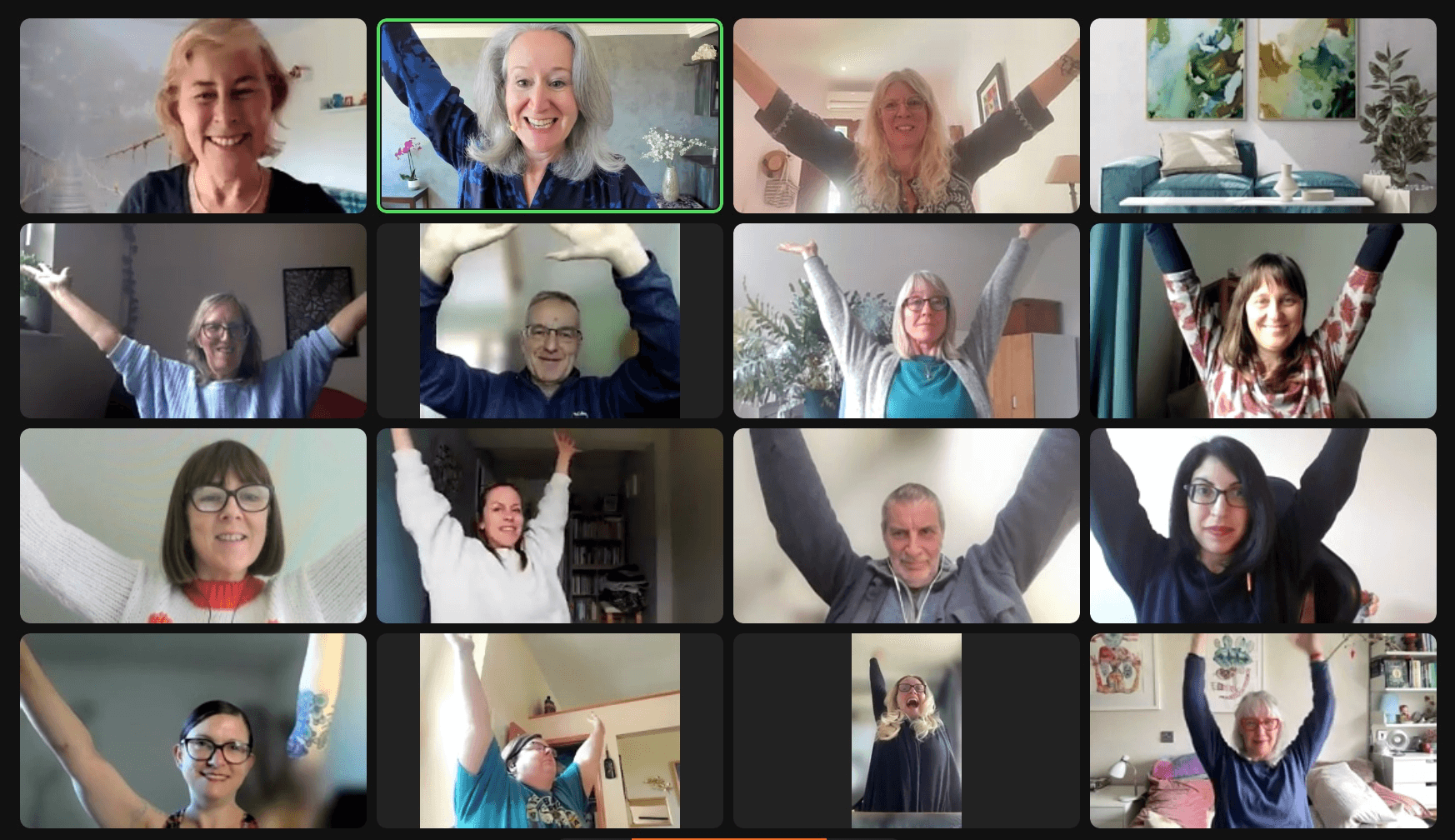
So I made a commitment that changed everything: a weekly video series called “Micro Shift Monday.” Every week, I shared powerful body-based practices for pressure-filled moments that brought immediate benefit in one minute or less.
My first video explained my why, what I was doing, and included a sample practice. It became my second most-watched video, expanded well beyond my immediate network, and set the stage for my new company and role.
But here’s what really built my reputation: I didn’t just post a few times and disappear. I committed to 100 weeks of consistent content. Week after week, I demonstrated practical techniques leaders could use in real corporate situations.
I built a following of leaders across industries who were seeking practical approaches to be more calm, confident and collaborative under pressure. The consistency made such an impact that even when I saw people I hadn’t seen in years, the first thing they would say was, “I love what you’re doing on LinkedIn.”
Video solved the “seeing is believing” problem. In a world full of leadership and wellness advice, I had to prove these techniques actually worked in real business situations. By showing up consistently with practical demonstrations, I became known as the person who could deliver immediate, applicable value, beyond the theory.
I even launched a Somatic Leadership YouTube channel where anyone can review sample practices anytime. Whatever method you choose, video gives your audience an immediate experience of how it is to work with you.
Contact Info:
- Website: https://linktr.ee/kimberlysarnold
- Linkedin: https://www.linkedin.com/in/kimberlysarnold/
- Youtube: https://www.youtube.com/@SomaticLeadership

Image Credits
Margot Duane
Mike Wolpert