



Alright – so today we’ve got the honor of introducing you to Kim Slipski. We think you’ll enjoy our conversation, we’ve shared it below.
Kim, appreciate you joining us today. How did you get your first job in the field that you practice in today?
It’s funny, as I think back to the first several jobs that ultimately weaved into the fields I practice in today, interesting similarities start to stand out.
Before the idea of becoming a therapist ever crossed my mind years later, I sought out an internship in college specifically in marketing–the field I was going into at the time. And it was at a micro career fair of entrepreneurs at the local Berkeley WeWork where I found a part-time paid gig doing marketing and admin for an executive coach that I could juggle on top of my course load during the school year. It wasn’t the big summer internship at the tech company or advertising agency I eventually pursued. It was just something to help pay the bills.
But it turned out to be one of the most valuable experiences I could have ever found for what I do today. Under this coach, I gained an incredibly intimate understanding of what it took to run a small business from the back end, and working with her helped me have the exposure to and eventual confidence in pursuing a career as a solopreneur outside the traditional corporate work. Not to mention, learning about coaching through her clients, materials, and community all gave me a huge foundation when it eventually came to my own coaching and therapy career.
As such, she also quickly become my closest mentor to this day. We stayed in touch over the years, and when I finally quit my job and needed to work my way through grad school, I returned to working for the her and also launched my own coaching practice with her amazing guidance and support.
Another first job that feels quite similar was my first job as a yoga teacher. After quitting my corporate job, I immediately signed up for a 200-Hour Yoga Teacher Training in Bali as a purely personal development experience, and to deepen my practice. I had no intention of actually teaching, but when I finally returned home without a job and had decided on getting my Masters in Clinical Psychology, I was definitely in the market for a little extra cash.
A brand new studio had just opened in my hometown, and after falling in love with my first class, I mustered the courage to go up to the front desk to introduce myself. At the time I didn’t have any expectations – I was simply working on putting myself out there to connect more, and so inquiring if they might be hiring people at the front desk was almost an afterthought. But once they found out I had just completed my teacher training, I was unexpectedly invited to audition as a new teacher and before I knew it was teaching 5+ classes a week!
It was at this studio that over several years–including the up’s and down’s of COVID–that I built an incredible community of other yoga teachers. I was also able to learn and teach different styles beyond my original training, such as Yin and Sculpt, because they were growing quickly and willing to train me. Teaching so much during those first couple years was invaluable in furthering my training and experience as a yoga teacher, and has allowed me to integrate yoga so much more deeply into my clinical and other work today.
Of course I eventually went into more typical training sites and other small group practices as first jobs in my career as a therapist. But I highlight these two because they show a way in which I’ve always been drawn to small businesses and entrepreneurship. Both experiences were super local, and yet ultimately had a disproportionate level of value on my career today.
Everyone has a different journey, but I hope that just a couple of these stories highlight that the seemingly small connections that get your foot in the door can turn out to be bigger than you expect. As a small business now myself, I have a deep desire to pay this type of intimate opportunity and mentorship forward now, too.

Great, appreciate you sharing that with us. Before we ask you to share more of your insights, can you take a moment to introduce yourself and how you got to where you are today to our readers.
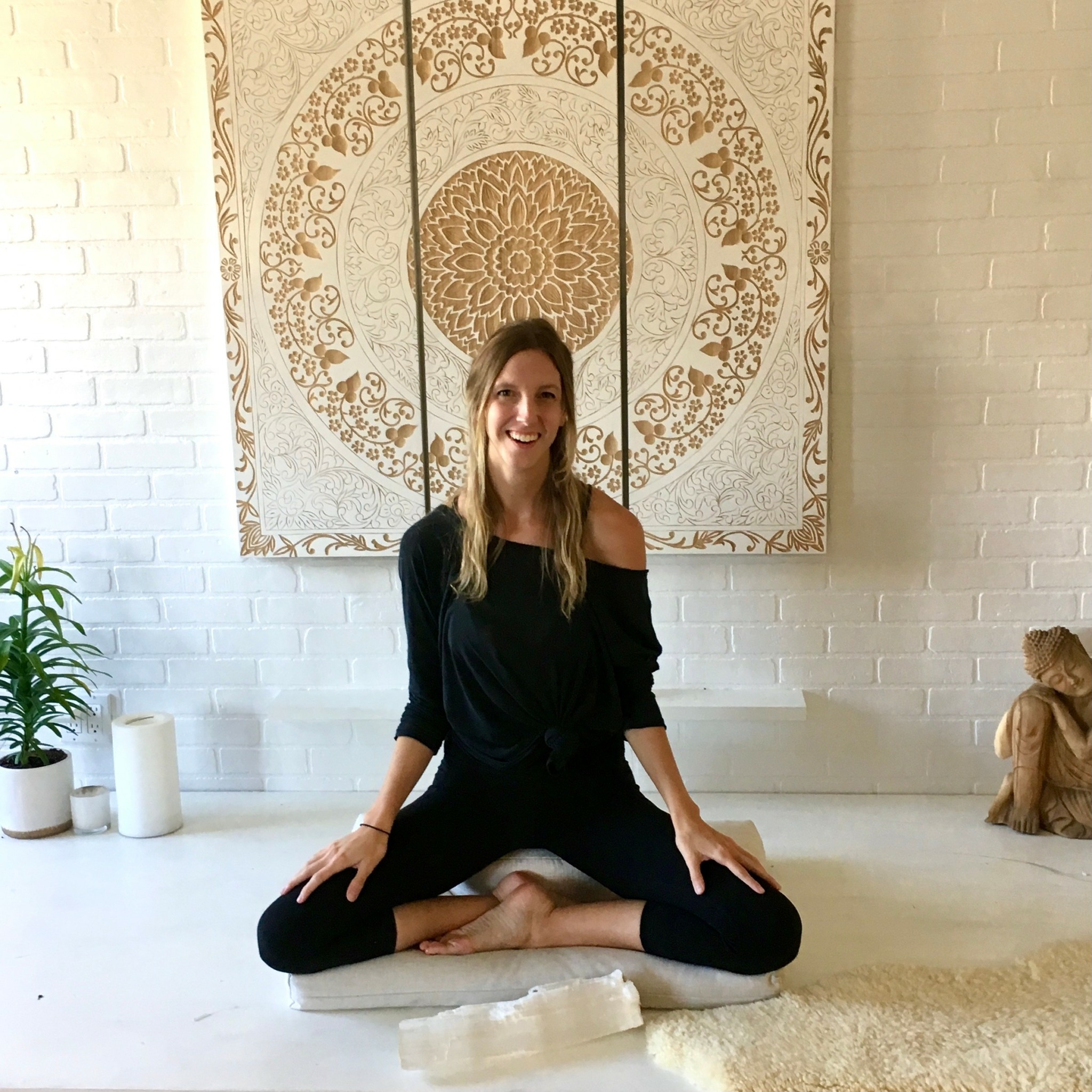
I’m currently a Licensed Marriage & Family Therapist in Pasadena, CA and a big part of my practice is working with professionals and high-achievers struggling with stress, anxiety, perfectionism, and burnout.
You’ll find that the specific kind of work therapists find their way into is often inspired by their own personal journey, and mine is no exception. As mentioned previously, I started my career in the corporate world, but a major part of my own story has been stepping away to explore and understand things like my values, the power of slowing down, and what ultimately makes a meaningful life at the end of the day.
A lot of my practice draws from my subsequent experience in teaching yoga, studying positive psychology, and working across both corporate and non-corporate coaching worlds alike. What I love specifically about being a therapist is that it gives me and my clients permission to go deeper than a traditional coaching engagement typically does, as it’s probably no surprise that behaviors we find in work and life often still stem from something much more rooted in early unmet needs, such as a need for security or something we feel we need to prove. But what’s also unique about my personal approach is that my coaching experience has also greatly defined the way I show up as a therapist, often in a way that is much more active, strengths-based, and influenced by positive psychology and the science of well-being.
Lastly, I’m also trained in modalities including EMDR and IFS, which align greatly with my unique passion for neuroscience. In addition to mindfulness, meditation, and other emerging and creative techniques, I bring these approaches into sessions with both my my trauma and non-trauma based clients, as they can be powerful ways that go beyond talk therapy to discover new insights and create change.

Have any books or other resources had a big impact on you?
When it comes to being a business owner, there are a few books I read at the very beginning of my entrepreneurial journey that have continued to serve as a significant foundation for how I work today. These include Deep Work by Cal Newport, Essentialism by Greg McKeown, and Rest by Alex Soojung-Kim Pang.
Each of these perspectives gave me permission to really slow down, prioritize, and focus in my work more deeply. Working for yourself means complete autonomy over where you choose to invest your time and energy, and it can be so easy to fall into the trap of burnout and blurred boundaries. “Less but better” remains a key mantra of mine when making these decisions.
Other than training/knowledge, what do you think is most helpful for succeeding in your field?
As a self-identified introvert, I feel the slight tension of my own stomach as I say beyond a shadow of a doubt: relationships.
But what I have learned and continue to learn along the way is that the type of deep and quality relationships that create success as a therapist don’t have to look like large, uncomfortable networking events, or filling your calendar up in desperation.
Instead, relationships are simply about showing up authentically.
In therapy, studies show that the relationship between client and therapist is the single biggest predictor of effective change over any given modality or technique. I have relationships with each and every one of my clients based on months, and in many cases years, of showing up week after week, as myself and with my best, and also including many, many times in which I’ve made mistakes, tripped over my words, or even let someone down. The trust and connection is what keeps many of my clients choosing to come back time and time again.
Over time I’ve also developed amazing relationships across all types of colleagues in my field. The good news is that therapists and other folks in the mental health field are inherently pretty cool people to hang out with, but many of the referrals, resources, and consultation I lean on others for comes more and more organically every day from the big and small touch points I’ve begun to foster with these people anyway.
I even have a certain type of relationship with the readers of my occasional newsletter or social media posts. People read my writing because I open up and they’re genuinely interested in or resonate with my stories. It does require putting myself out there, but I’ve found this to be a way that is much more aligned with my energy than other professional social options.
All relationships ultimately take time, but people choose you because of your unique strengths and your unique story. In the world of therapy, the most successful professional relationships don’t come from trying fit into and do what you think you should, but by letting people see the real you and letting them in.
Contact Info:
- Website: https://www.wellfultherapy.com/
- Instagram: https://instagram.com/wellfulwithkim
- Facebook: https://www.facebook.com/wellfultherapy/
- Linkedin: https://linkedin.com/in/kimslipski
- Twitter: https://x.com/wellfulwithkim
- Youtube: https://www.youtube.com/@WellfulTherapy
- Yelp: https://www.yelp.com/biz/wellful-therapy-pasadena-2
- Other: TikTok: https://tiktok.com/wellfulwithkim
Image Credits
Kim Slipski