

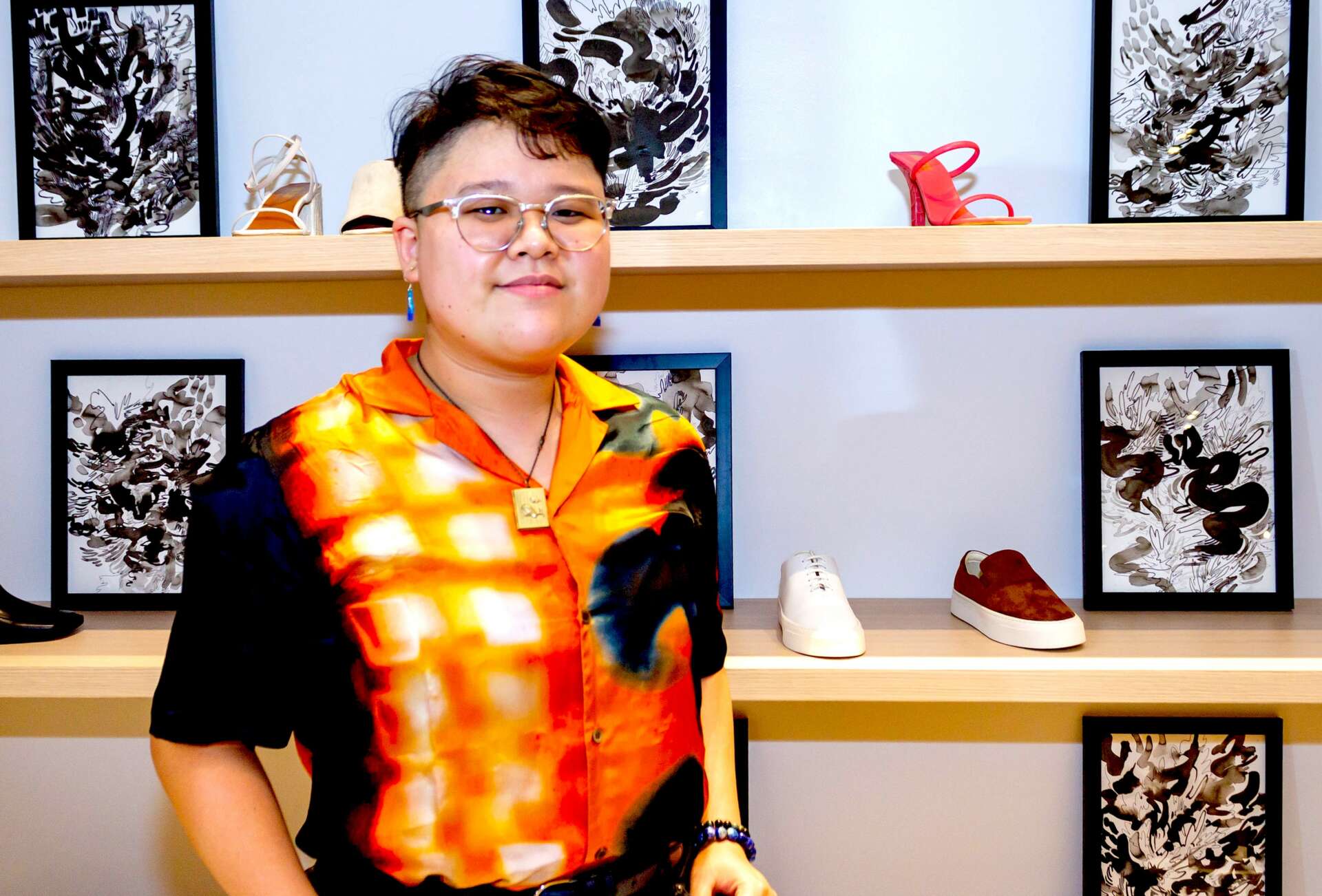

We were lucky to catch up with Kim Sandara recently and have shared our conversation below.
Kim, appreciate you joining us today. Can you talk to us about a project that’s meant a lot to you?
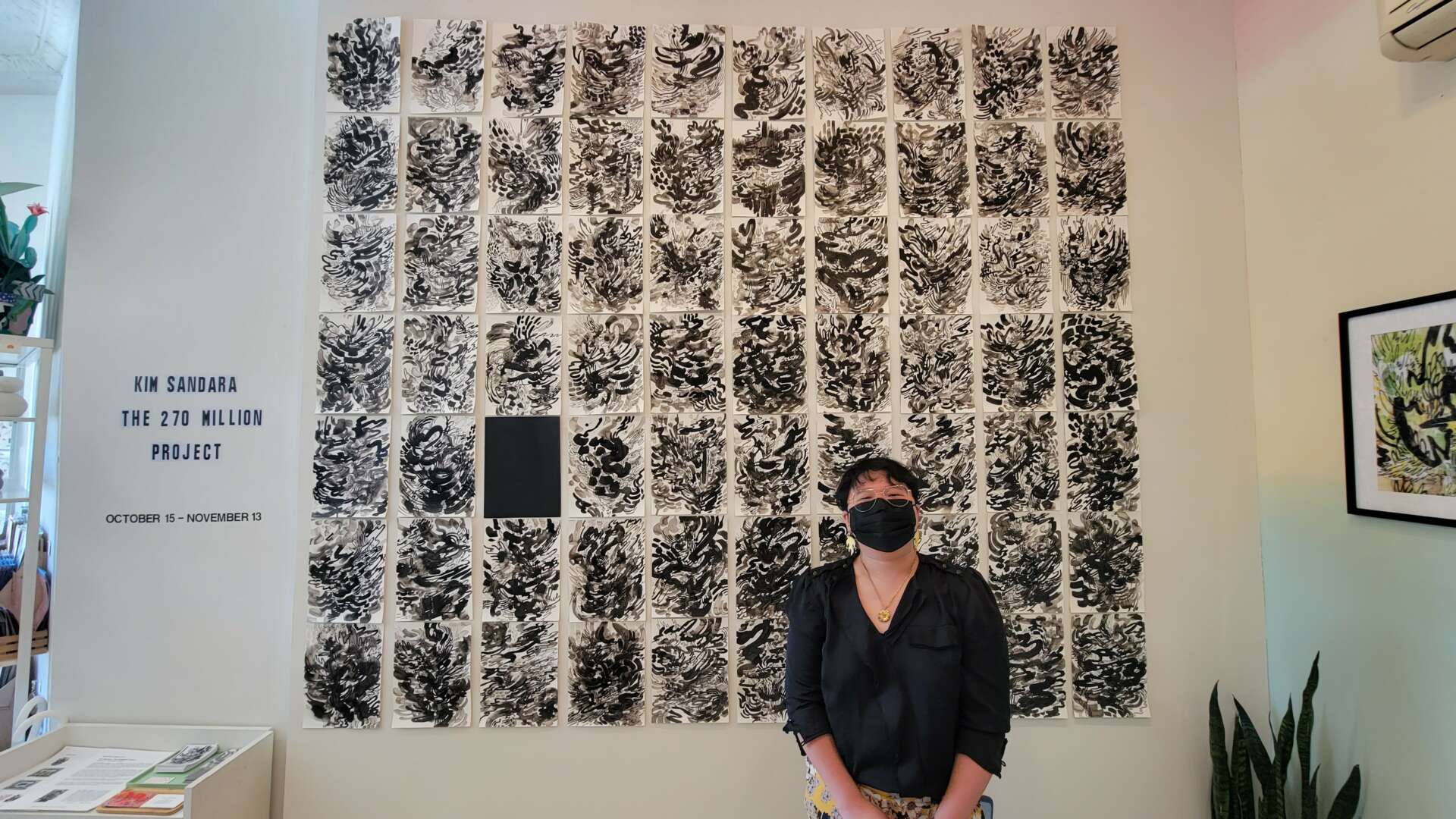
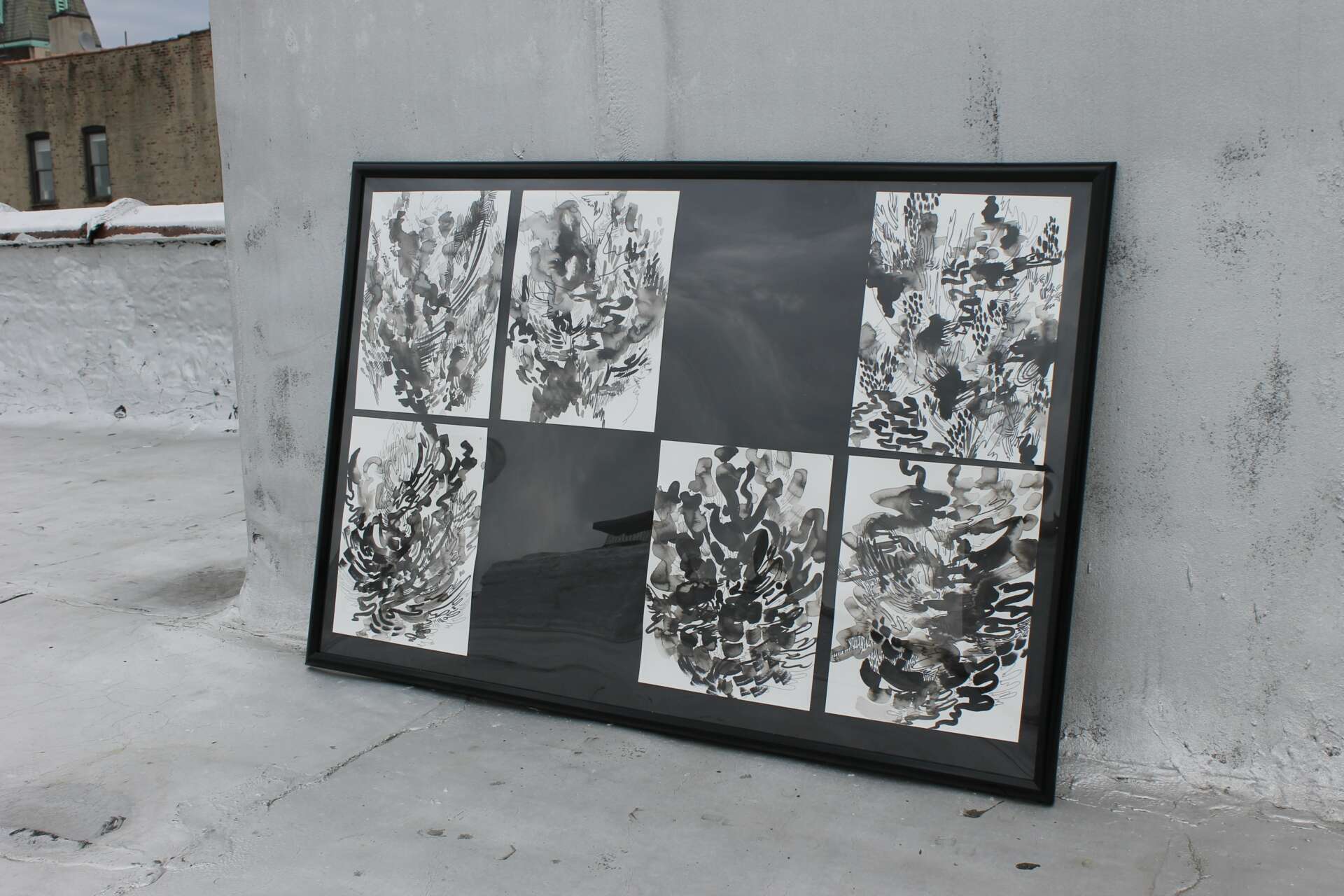
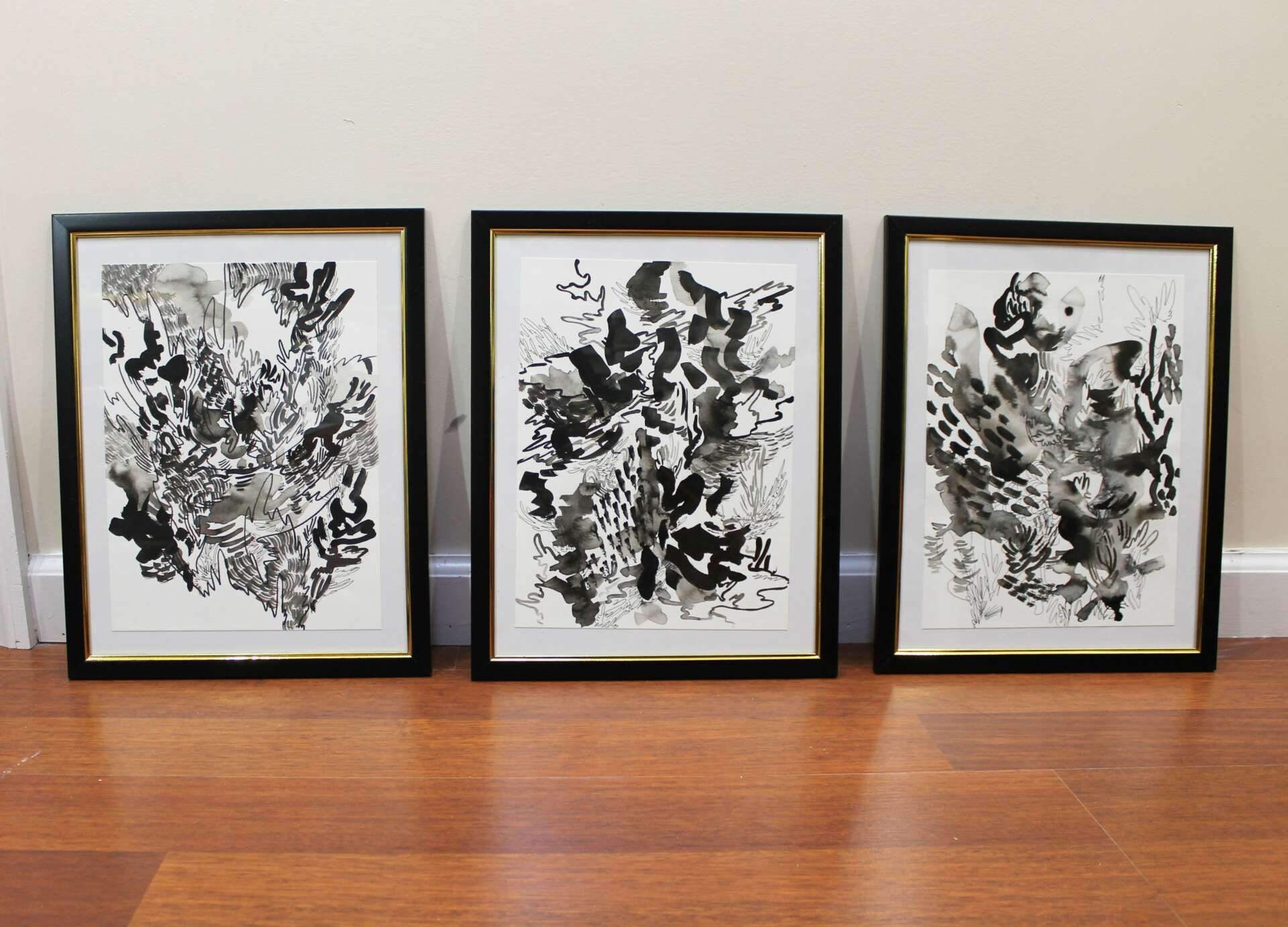
The 270 Million Project is a commitment to create 270 ink paintings inspired by Lao music. These pieces explore my relationship to being a Lao American: the longing to understand my roots and the conflict of being American and Lao. Each painting represents 1 million American cluster bombs dropped onto Laos during the Vietnam War. This project donates $100 per painting of its first 135 sales to Legacies of Wars, a non-profit working on advocacy, education and funding the removal of unexploded bombs currently still in the country. The next $100 from each of the remaining 135 painting sales will go to COPE, a facility which aids in physical therapy for the thousands of people affected by the bombs after the war. The work is installed in a grid formation as an ode to women bomb removal workers who do not have enough funding to accurately locate all of the bombs in Laos. Because of this, they blindly scout for spaces to check for uxo. With each sale there will be missing parts to the grid which show up visually as black squares. Each missing spot represents the impact a community can have on solving a problem if they come together. This work speaks to intergenerational trauma, the immigrant/refugee family experience, war, identity and resilience.
One day I hope to carry the project as 270 black squares and the story of its history. You can purchase a piece on my website here : https://www.kimsandara.com/270millionproject
Great, appreciate you sharing that with us. Before we ask you to share more of your insights, can you take a moment to introduce yourself and how you got to where you are today to our readers.
I am a bi, genderqueer, Lao/Vietnamese American artist from Northern Virginia and now based in Brooklyn, NY. In 2016, I graduated from the Maryland Institute College of Art, with a BFA in General Fine Arts. In 2019 and 2021 I was featured in the Washington Post for my music paintings and 270 Million Project, spotlighting the bombs left in Laos from the Secret War. In my Torpedo Factory summer 2019 Post-Grad Residency, I created a stop motion animation about my parent’s refugee story intersecting my coming out story. I used the studio space as a shop to fundraise for local and national LGBTQ+ nonprofits empowering queer youth. In my 2020 Bresler Residency at VisArts, I focused more on Lao identity work. Since moving to Brooklyn in 2020, I’ve shown at the Plaxall Gallery with Jeju Island Artist Collective, Montgomery College, and From Here to Sunday during the Gowanus Art Walk. I’m currently working on my graphic novel about my coming out story. There are also murals of my work in DC at 1667 K Street NW, DC 20036 and 1899 L Street NW, DC 20036.
I got to where I am by continuously challenging myself to grow. A creative life is also more interesting with variety, which speaks to why I toggle between fine art, illustration and occasionally stop motion animation. I prioritize concepts and then chose the medium that seems like it will communicate the concept the best.
Learning and unlearning are both critical parts of growth – can you share a story of a time when you had to unlearn a lesson?
I’ve had to unlearn toxic hustle culture. As a creative, it’s easy to say “yes” to everything because I want recognition and want a chance to make income off my art work–but I’ve learned that my time is just as valuable when I decide to rest. There are so many “opportunities” that are willing to take advantage of an artist and make them do more work than the person giving the opportunity. Not everything is worth saying “yes” to. Resting and reflection makes better work in the long term. I want to live a creative life so I can’t burn out all of my energy in my 20’s. I’m at the end of my 20’s and 2023 is when I’ve felt the most burnout so I’ve been more intentional about my time and energy. Practicing self care, healing and doing things that make my creativity feel sustainable are prioritized in my life.
What can society do to ensure an environment that’s helpful to artists and creatives?
Buy more from creators and small businesses rather than defaulting to Amazon or Walmart. In 2020 people were doing a better job of that but why does it take a pandemic and racial uprising for the general public to support artists? I understand things are usually more expensive coming from small makers, but you are helping some get groceries and rent compared to helping Jeff Bezos step on the heads of more minimum wage workers. Support artists and mutual aid instead of billionaires.
Contact Info: