

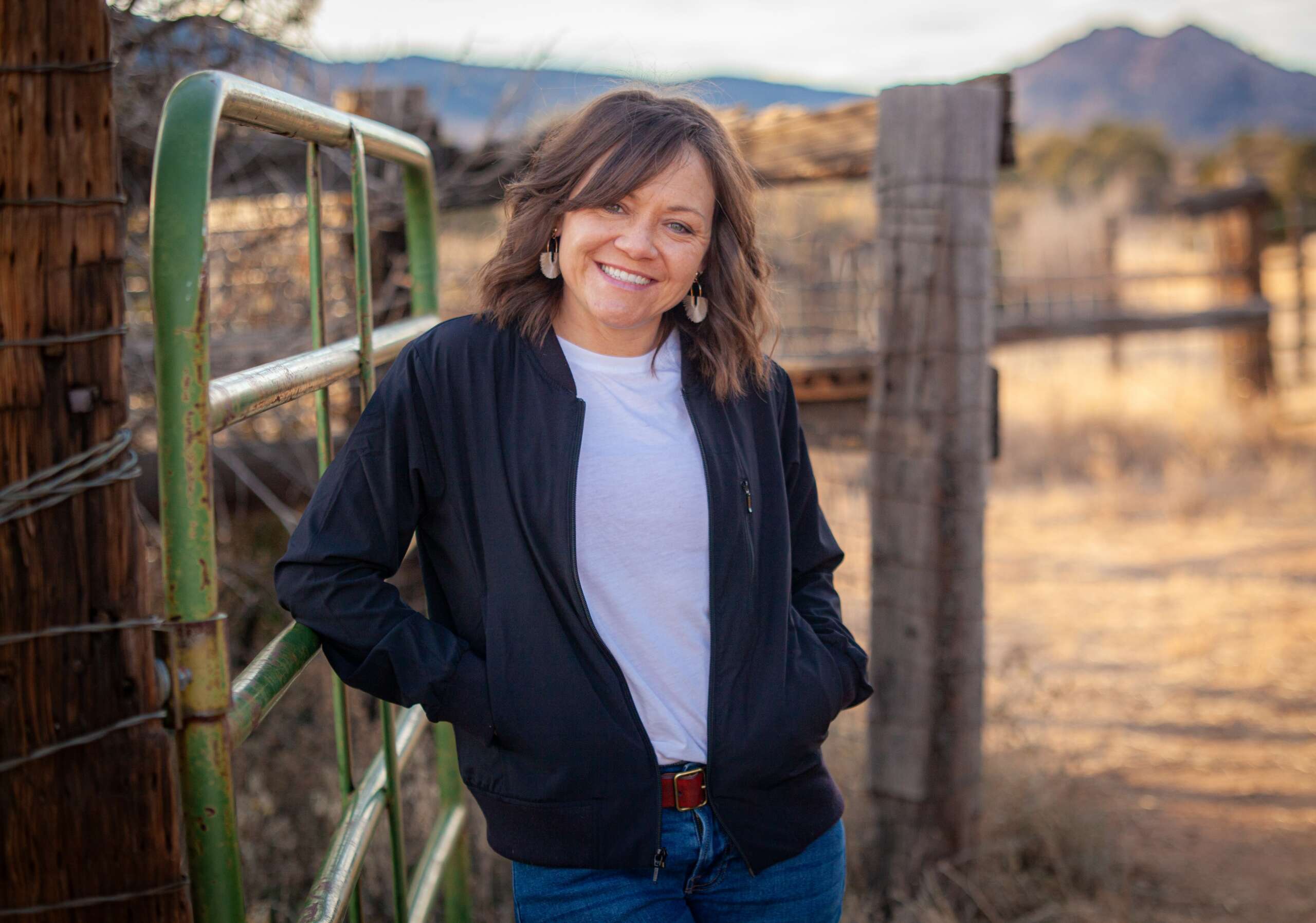

Alright – so today we’ve got the honor of introducing you to Kheri Armer-Newell. We think you’ll enjoy our conversation, we’ve shared it below.
Hi Kheri, thanks for joining us today. So, let’s start with trends – what are some of the largest or more impactful trends you are seeing in the industry?
Home became the hub for big dreams – a sanctuary of peace, comfort, safety, and togetherness. People really started cherishing their outdoor havens, planning to make the most of that precious space. The trend shifted towards a natural, untamed landscape vibe, ditching the high-maintenance fuss for a more wild and free spirit. Working closely with clients, I aim to blend personal desires with nature’s harmony, crafting spaces that truly fit their needs.
The concept of rewilding has gained popularity, focusing on ecological restoration by transforming outdoor spaces into natural ecosystems that support native plant growth and wildlife.
Rewilding emphasizes using more of a native plant palette specific to your region, which not only thrive naturally but also enhance the environment for wildlife, unlike invasive species that can not only take over gardens but spread to public open spaces.
By avoiding pesticides and fertilizers, rewilding encourages a healthier outdoor space that attracts beneficial insects like pollinators.
Despite the unconventional approach of not using fertilizers, this approach emphasizes allowing your garden to evolve into its unique ecosystem, where plants and wildlife can coexist harmoniously. Natural ecosystems can sustain wildlife and thrive without long-term negative impacts, supporting a diverse range of plants and incorporating ground covers, flowers, shrubs, and native trees. Sprinkle your garden with a variety of plants for a wild and wonderful display! This method, known as layering, involves incorporating regionally appropriate elements such as ground covers, a diverse selection of plants and flowers, shrubs that create habitats for smaller wildlife, and larger trees that require less management.
To attract specific wildlife to your surroundings, consider planting flowers that attract bees and butterflies.
In today’s lifestyle trends, simplicity, convenience, and wellness take precedence. Consequently, when planning a garden, the emphasis should be on creating designs that are easy to maintain and care for.
A key component is to consider the land’s natural features, not just ones within the project, but borrowed views as well, before creating the outdoor design plan. The whole process starts with a series of questions – lots of questions! – to guide the project. It’s crucial to plan and consider how all elements will interact harmoniously – including the space, architecture whether it’s existing or planned, and the needs of the clients.
One aspect of this job is to help and hope to inform clients about the functionality of environments and landscapes. With climate changes impacting elements like rainfall and run-off, it’s crucial to incorporate these shifts into landscape planning and design.
I aim to address the potential changing of climate conditions by designing with the future in mind, not just for the present. There is a saying “The best time to plant a tree was 20 years ago. The second best time is now.”
Creating a fun and interactive environment for sharing laughter with our clients is a key focus in all of my projects. I love when clients embrace the journey of the design process.
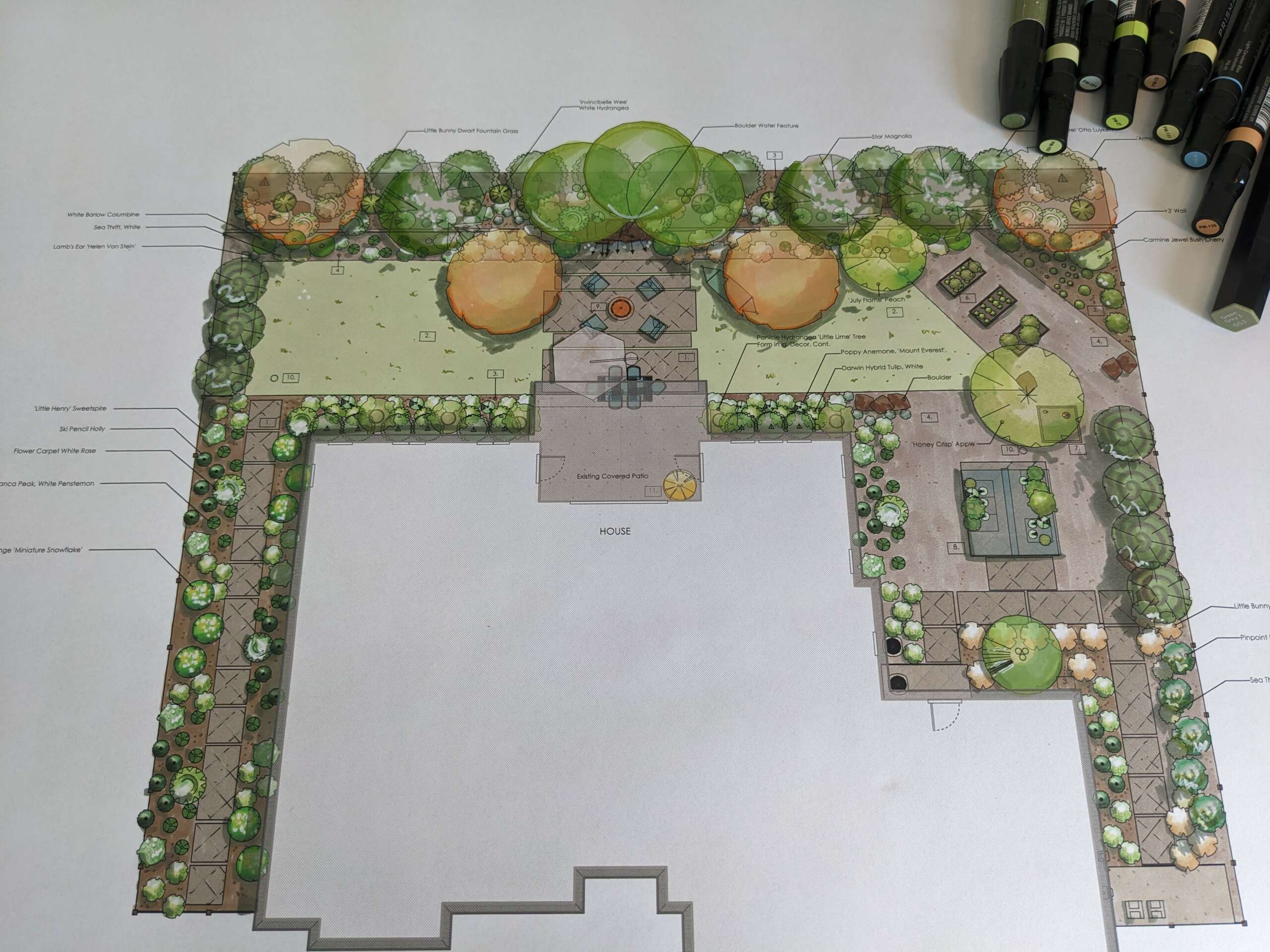
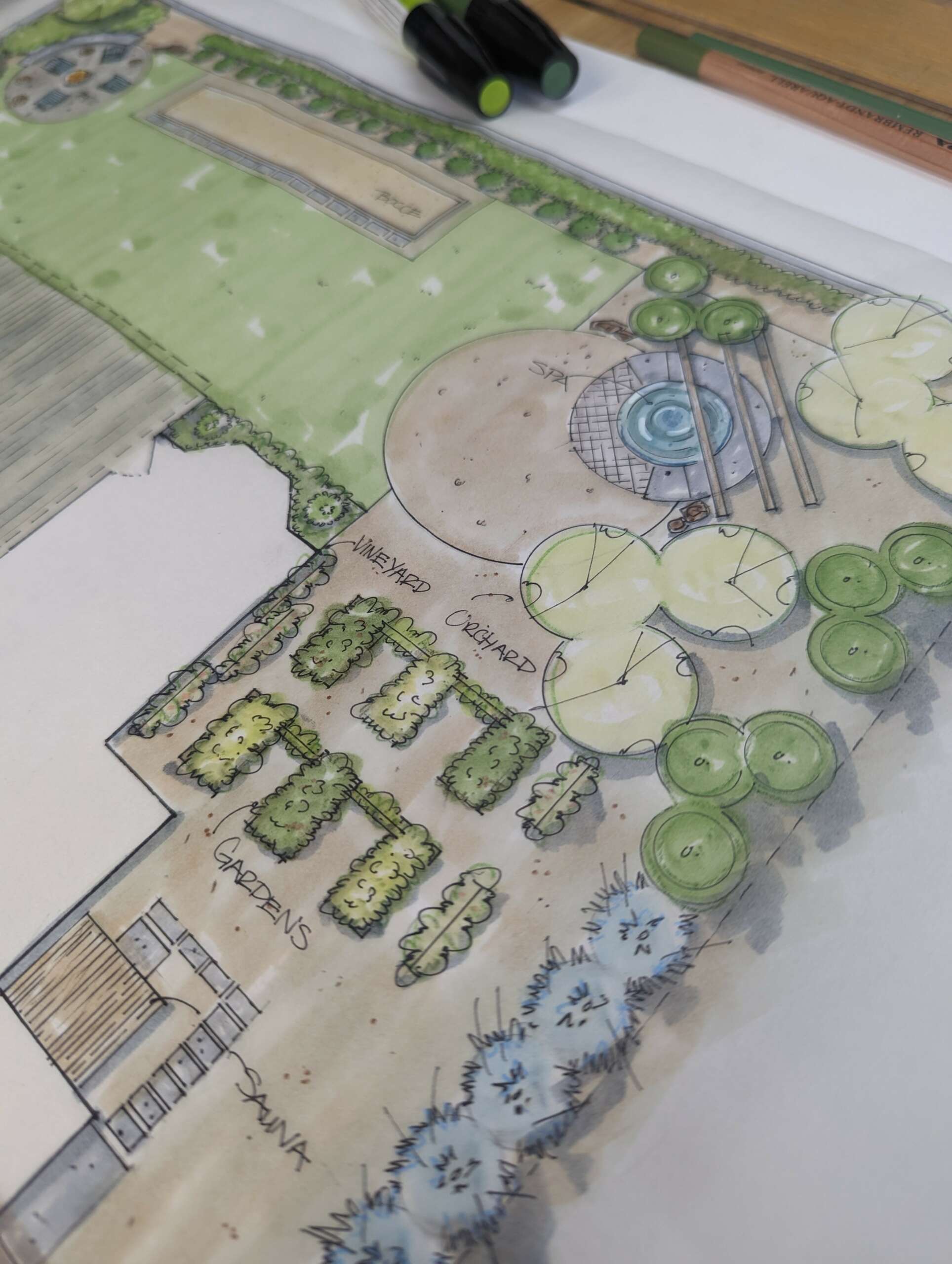
As always, we appreciate you sharing your insights and we’ve got a few more questions for you, but before we get to all of that can you take a minute to introduce yourself and give our readers some of your back background and context?
Yeah, absolutely. I grew up in a small northern Arizona town, Prescott, where I fell in love with the outdoors. After high school I ended up moving to Scottsdale, AZ to pursue an interior design degree, which ultimately led me to realize how much I missed the outdoors. Instead of diving straight into interior design after school, I took a detour and joined the forest service as a Wildland Firefighter.
One of my friends from grade school was working on the local Hotshot Crew and told me about how he was traveling around the US, oftentimes working to suppress large wildfires, other times, getting quick glimpses of National Parks or seeing natural wonders. He had shown me a photo of wild horses running across an open range with dust and smoke as the backdrop – it was absolutely stunning.
I ended up getting on an Initial Attack Crew in Region 3 – I had no idea what I was getting myself into!
After spending multiple seasons taking assignments across the country, I had become passionate about ecology restoration and biophilia – kind of without even knowing it. The time I spent outdoors shifted my focus and led me to pursue a Bachelor of Science in Landscape Architecture at Arizona State University .
After graduating with a Bachelor of Science in Landscape Architecture, we ended up moving to Tucson, Arizona where I worked with landscape design & build companies to hone in on designing thoughtful and practical outdoor spaces. It was there where I became involved in the Association of Professional Landscape Designers and served on the board for several years with so many wonderfully supportive and influential women.
(Side Note: that friend from grade school that introduced me to Fire – which ultimately led me to chase down landscape design – he and I ended up getting married.)
These days I’m living in Boise, ID with our two daughters, and my husband. Outside of designing functional outdoor living spaces, we love exploring Idaho’s backcountry, camping with the hubby and girls, coaching gymnastics, and squeezing in *just one more* gymnastics competition for myself.
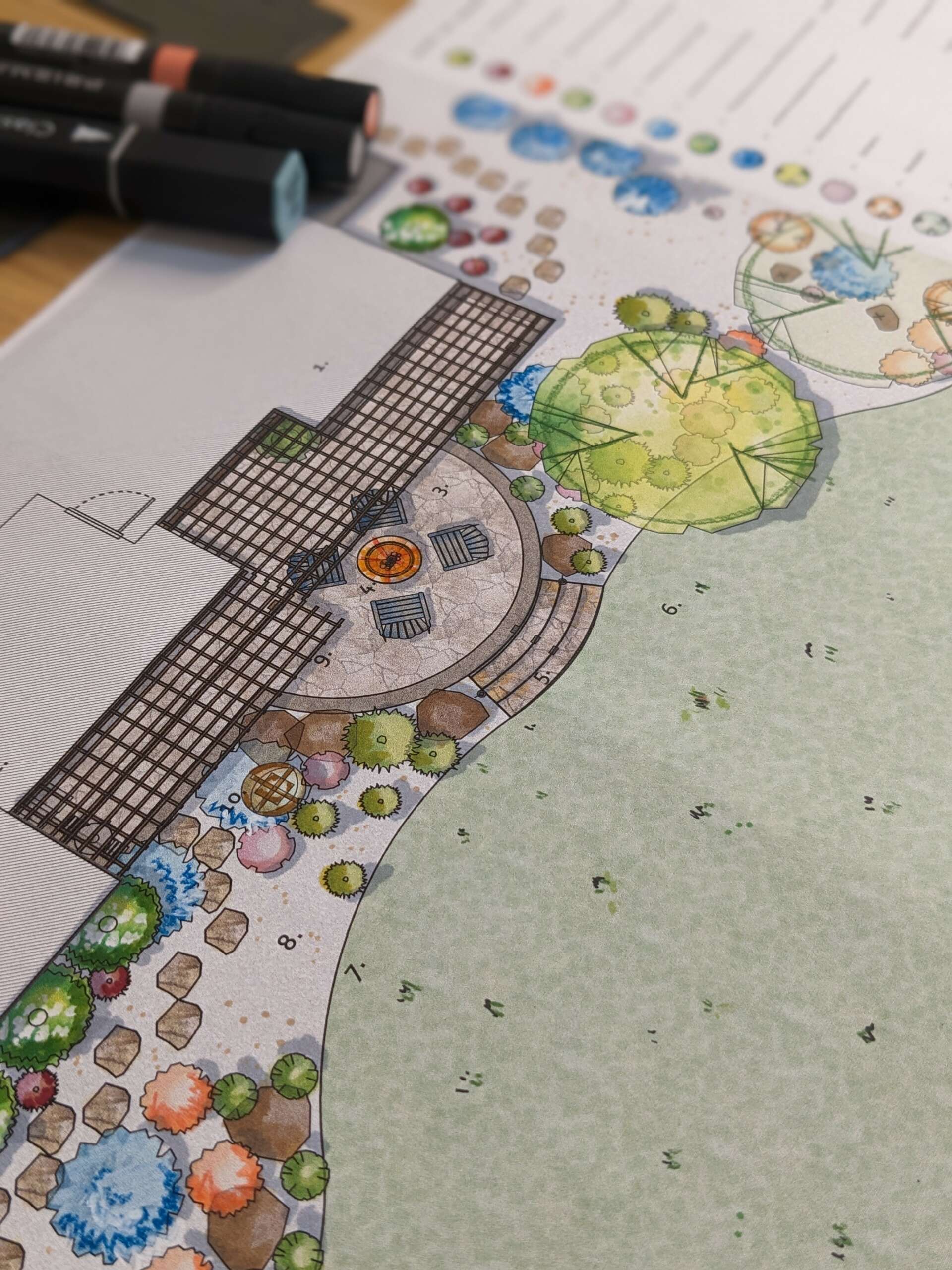
What else should we know about how you took your side hustle and scaled it up into what it is today?
After working in different landscape design and installation companies, I found a passion for working closely with clients to solve their landscape problems and design functional solutions. Despite being the primary contact with clients, I faced communication challenges within the company. This led me to start taking on personal projects in addition to my job. With the support and cheers from powerhouses like Sara and Amy, I was inspired to launch my own company, focusing on my core value of enhancing client communication.
Embarking on a landscape design project of any size can feel daunting. I always strive to ensure that my clients are well-informed throughout the entire process, so they never feel left in the dark.
With Kanvas Landscape Design, I was able to have a better handle on client communication, ultimately taking much of the guessing game out of the process for the clients.
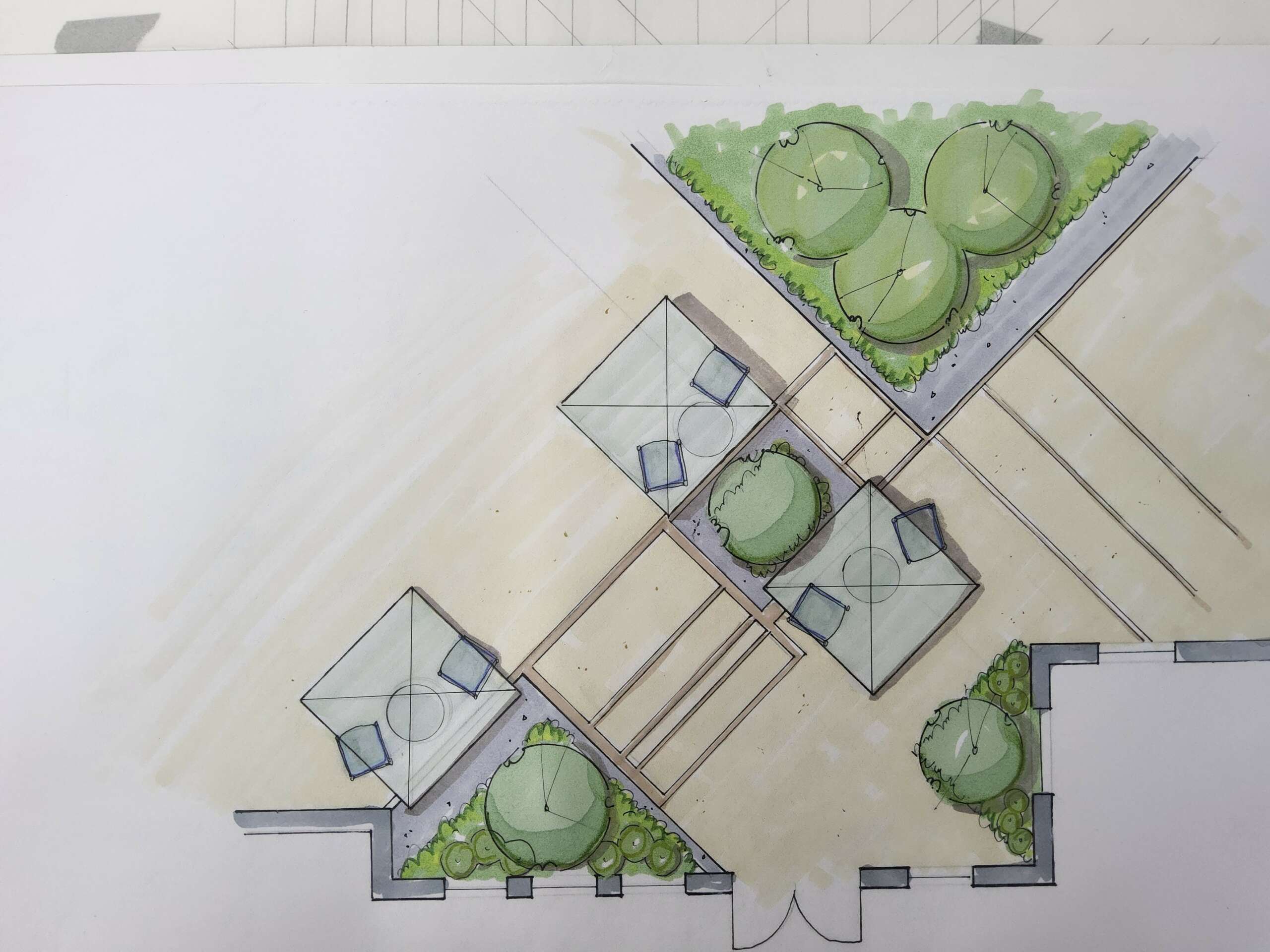
Any advice for growing your clientele? What’s been most effective for you?
The most successful approach I’ve found for expanding my client base is through referrals. While Instagram and social media serve as excellent platforms for showcasing Kanvas Design’s projects, it’s the recommendations from satisfied clients with whom I’ve built strong relationships that have been most impactful. This method also attracts the type of clientele who share my values regarding functional, environmentally-conscious outdoor living. That being said, clients should be ready to share a laugh with me – I don’t do overly serious. I’m all about keeping it light-hearted and fun!
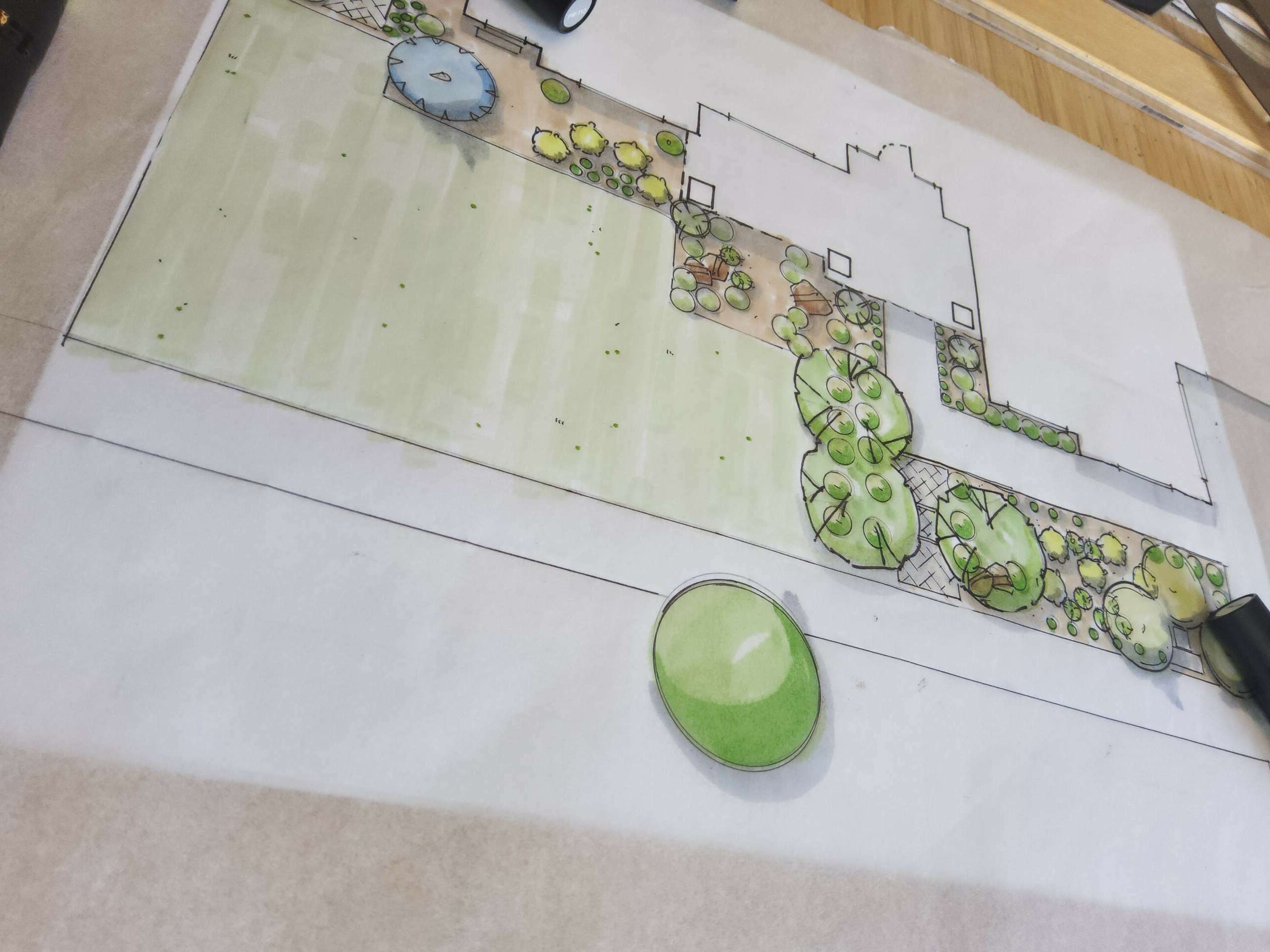
Contact Info:
- Website: https://www.kanvasdesigns.com/
- Instagram: http://instagram.com/kanvaslandscapedesign/
Image Credits:
Photographer Credits: The amazing Christine Beyea Photography instagram.com/christine_b_
Images: Kanvas Design original work