

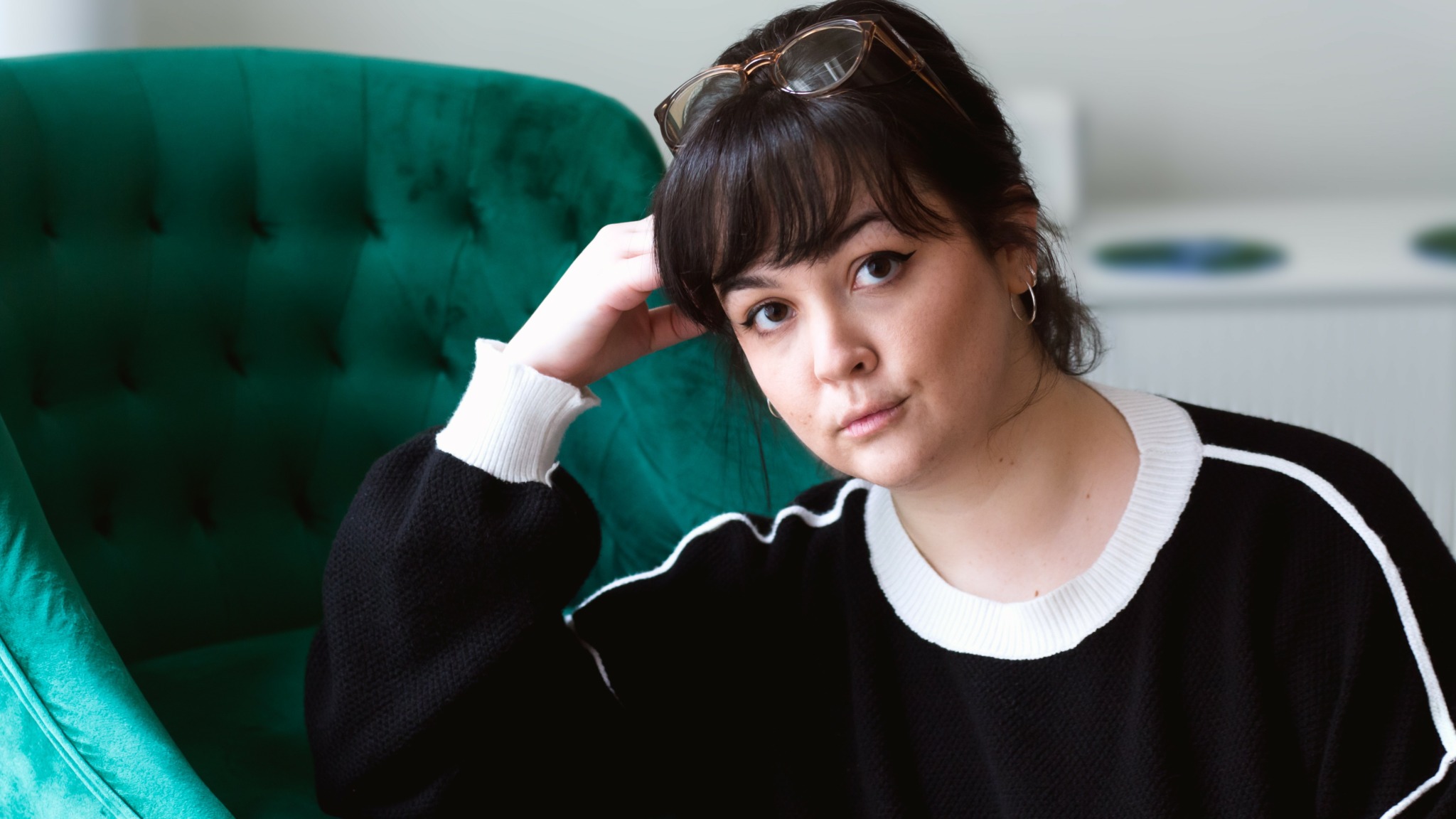

We’re excited to introduce you to the always interesting and insightful Kenzie Jayne Middaugh. We hope you’ll enjoy our conversation with Kenzie Jayne below.
Kenzie Jayne, appreciate you joining us today. Can you talk to us about how you learned to do what you do?
Over the last decade, I’ve tried my hand at all sorts of art, but it wasn’t until I stumbled upon glass fusing that everything clicked – and I’ve never looked back.
Although I tried my hand at glass fusing for the first time in 2019, my story really begins during the global pandemic. When things started to open up after the pandemic, my mom wanted to do something fun for Mother’s Day 2021. We took a class together and this is where my curiosity really sparked. After the glass, as we grabbed lunch, I mentioned how great it would be to work there. Within a week, a job opening popped up at the studio. I was an Interior design student at the time, looking for something to keep me engaged and to spark new inspiration.
I was pretty intimidated at first. Growing up, we were always told not to touch fragile things, especially glass, and now I was being encouraged to break it to create art on a daily basis. One of the coolest parts? Everything you make is like a science experiment. I was never the strongest in science during school, but I always found it intriguing. This, though? This is a form of science I can really get behind. You learn about the materials and kiln schedules to predict what will happen, and no matter the outcome, you’ve still created art.
Looking back, I don’t think I could have sped up my learning process, nor would I want to. One of the most valuable lessons I’ve gained from glass fusing is patience. As cliche as it may sound, patience is key in glass fusing – there’s truly no instant gratification in this art form. Without practicing patience, I wouldn’t have felt as free to experiment as I have. My first full collection draws from the scientific side of glass fusing, allowing the glass to speak for itself. As I continue to develop this collection, I’m learning about the different elements in glass – how the heat affects it, whether it pulls apart evenly.

Awesome – so before we get into the rest of our questions, can you briefly introduce yourself to our readers.
I’m a fused glass artist from the PNW, and I’m excited to spread my wings by launching an online store and applying for markets. My style is eclectic, breaking away from traditional glass fusing. One of my first experiments was inspired by watching taffy being folded, mixing colors and observing how they blend. I noticed that some glass I use from Oceanside Compatible had fascinating cross sections, and I began to explore how to reveal those layers. This technique led me to create butterfly keychains.
From there, I ventured into using frit – finely ground glass with a texture similar to salt or sand – and I loved seeing how the heat transformed it. In the studio, we started calling this effect “lace”. Combining these elements allowed me to create depth and texture, making my work more visually and tactilely interesting. As I’ve experimented, my pieces have become increasingly abstract.
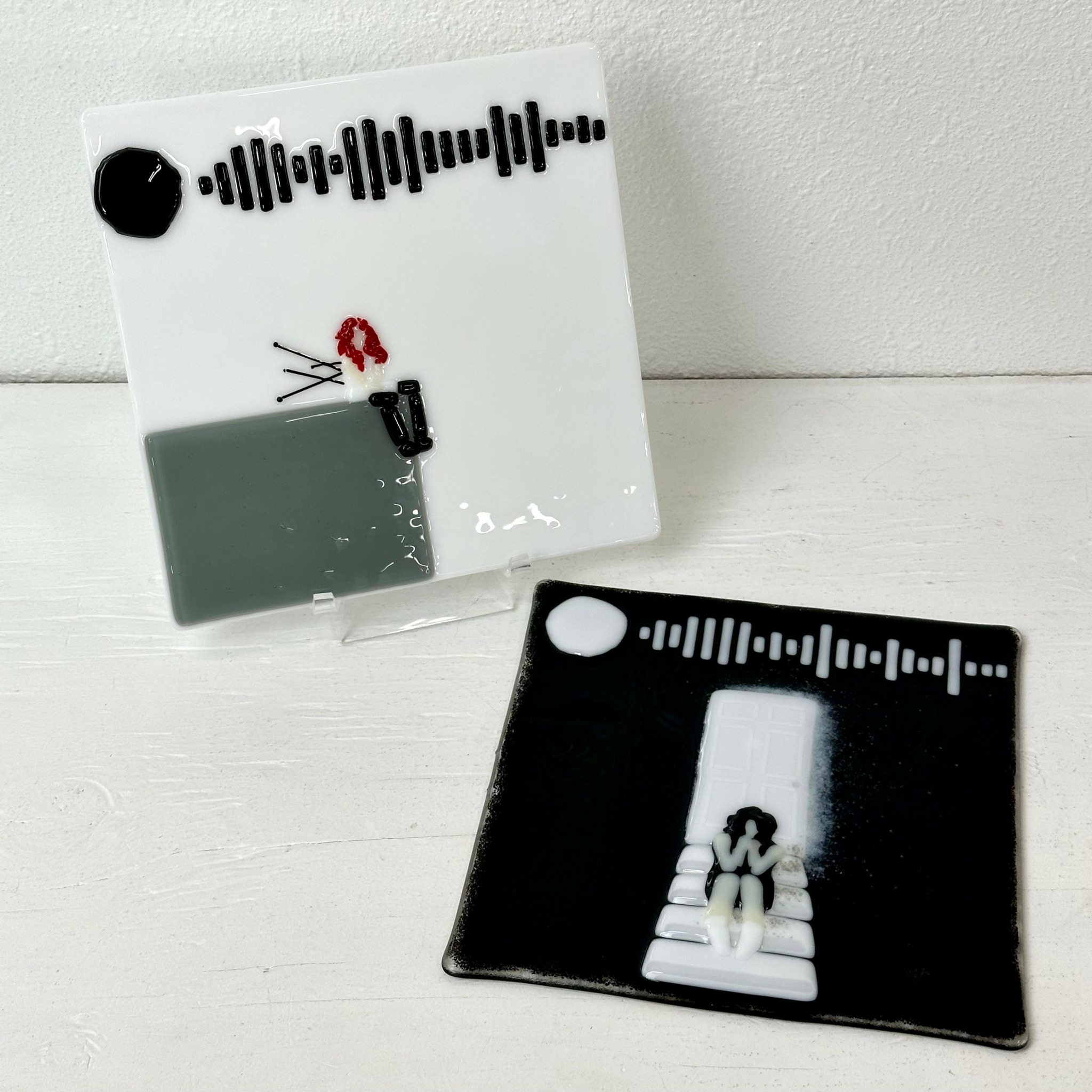
When I’m not experimenting with glass, I create interactive art. I’ve found a way to embed scannable Spotify codes into glass, recreating the album covers and making custom wedding gifts featuring couples’ first dance songs. Last year, I was commissioned to do several of these pieces for the holiday season. I also enjoy creating simple yet unique decor, like book slime. I cut out fun shapes that resemble slime dripping from books, adding a playful touch to your home. Why not bring a bit of fun into your space?

Is there something you think non-creatives will struggle to understand about your journey as a creative?
I grew up being creative, but it didn’t always come easily. Sometimes, the things that bring us joy require more effort than we expect. In my abstract work, it’s all about experimentation and emotions. I enjoy using reference images to help me create pieces with real structure or life-like elements. There’s a stigma that suggests you’re ‘not artistic enough’ if you rely on references, but I’ve learned that simply is not true. Over the past few years, I discovered I have aphantasia, which means I can’t visually picture things in my mind. This is why references are so helpful for me. There’s a key difference between drawing inspiration and copying someone else’s work. Always take inspiration from the world around you, but never copy.
Is there mission driving your creative journey?
My goal with my art is to open minds and spark conversations. I especially enjoy when newcomers to glass fusing are in the studio and see something I’m working on. Those moments often lead to long discussions about the science behind it, the excitement of creation, and how they can make their own art. It’s incredibly rewarding to inspire others to explore their creativity, even if they don’t see themselves as artists. Creating without the pressure of grades or judgment can feel truly healing.
Contact Info:
- Website: https://kenziejaynedesigns.com
- Instagram: @kenziejayne.designs
- Other: Tiktok: @kenziejayne.designs
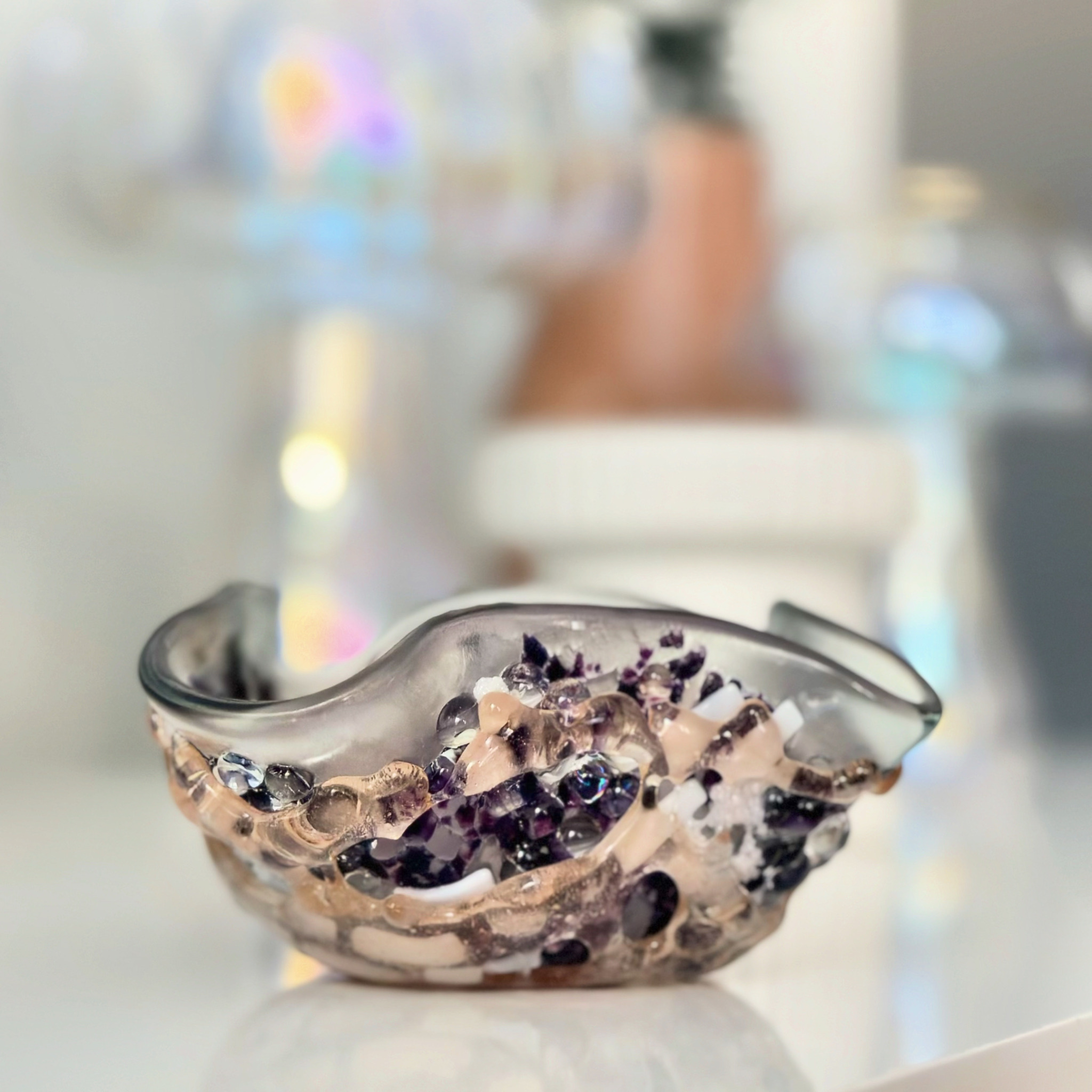
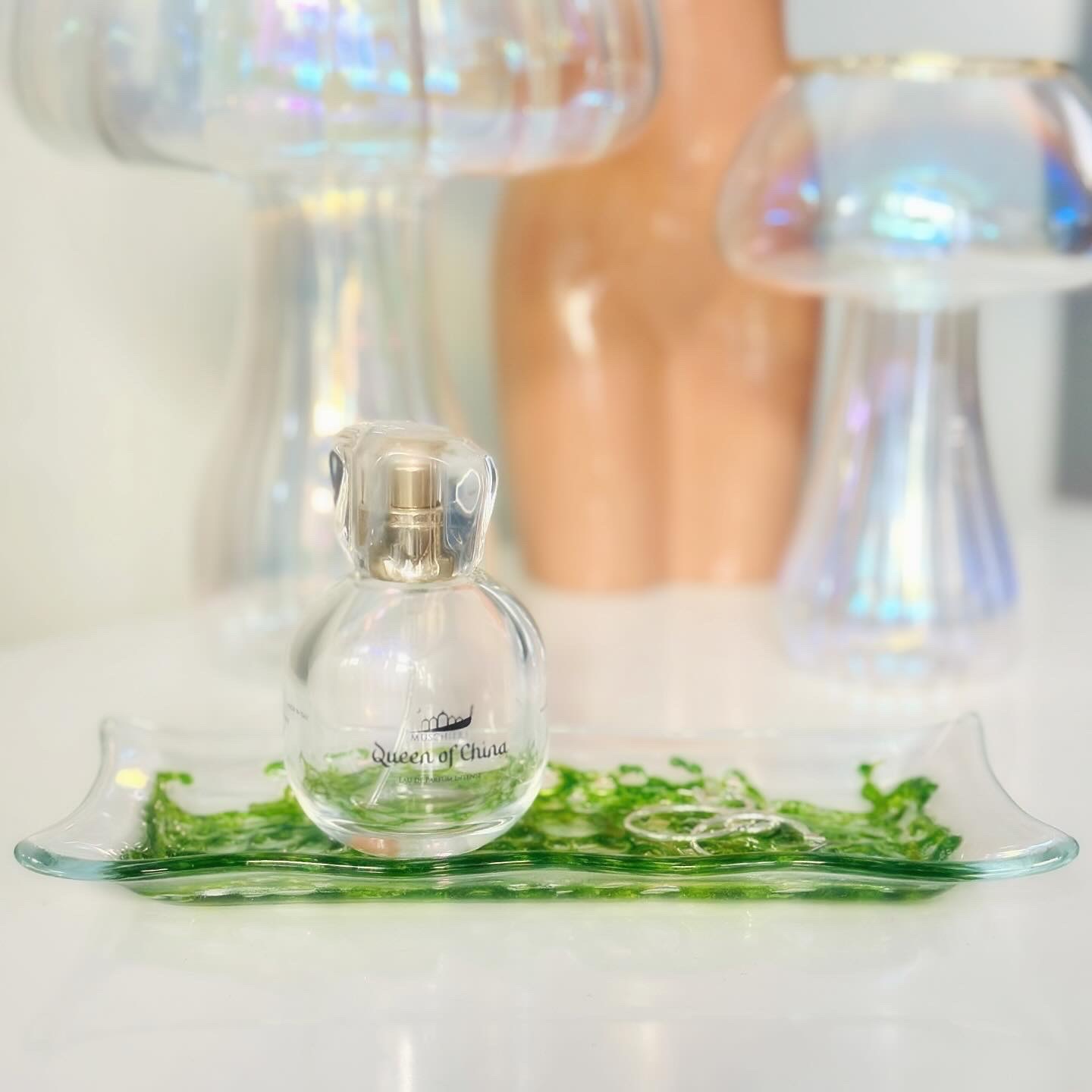
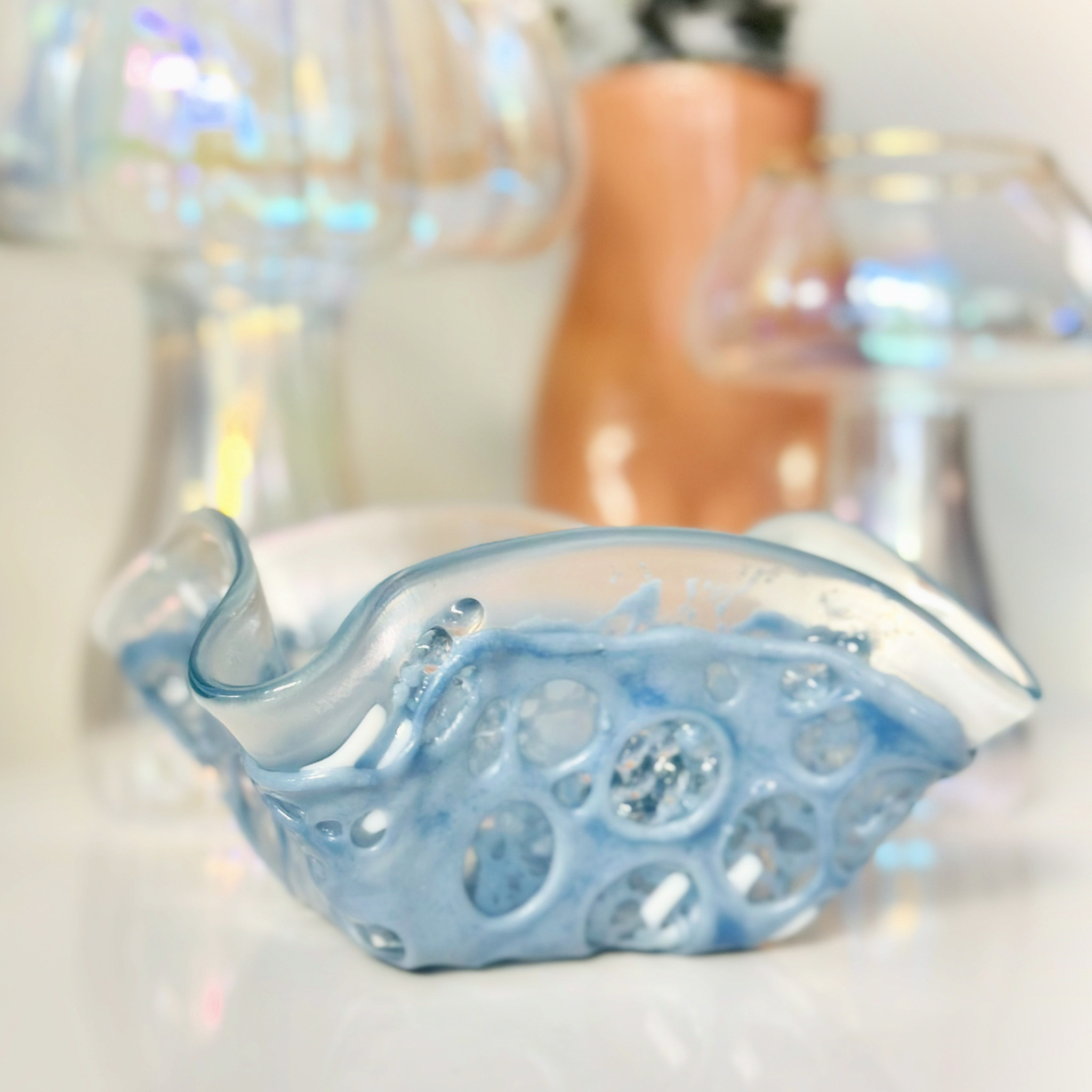
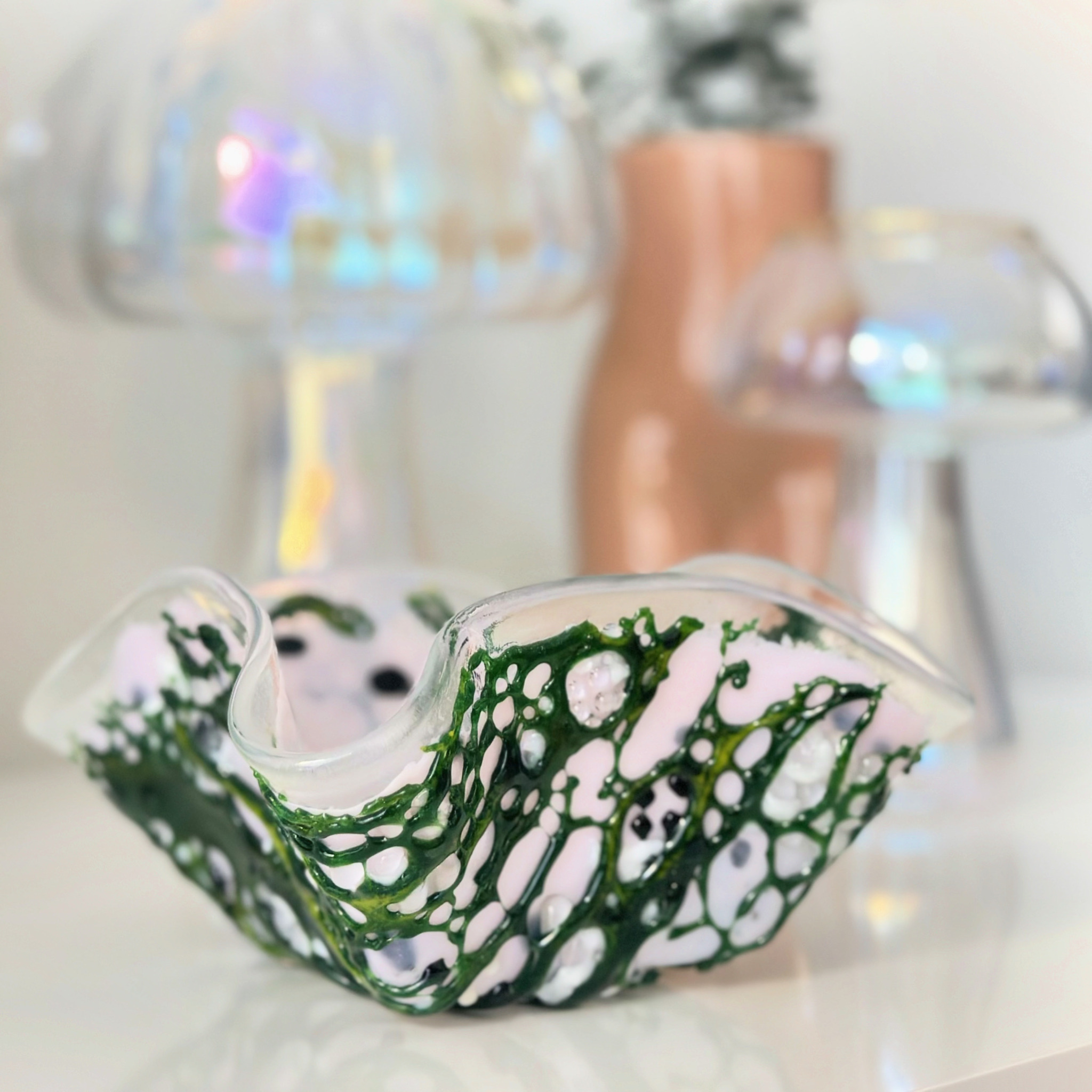
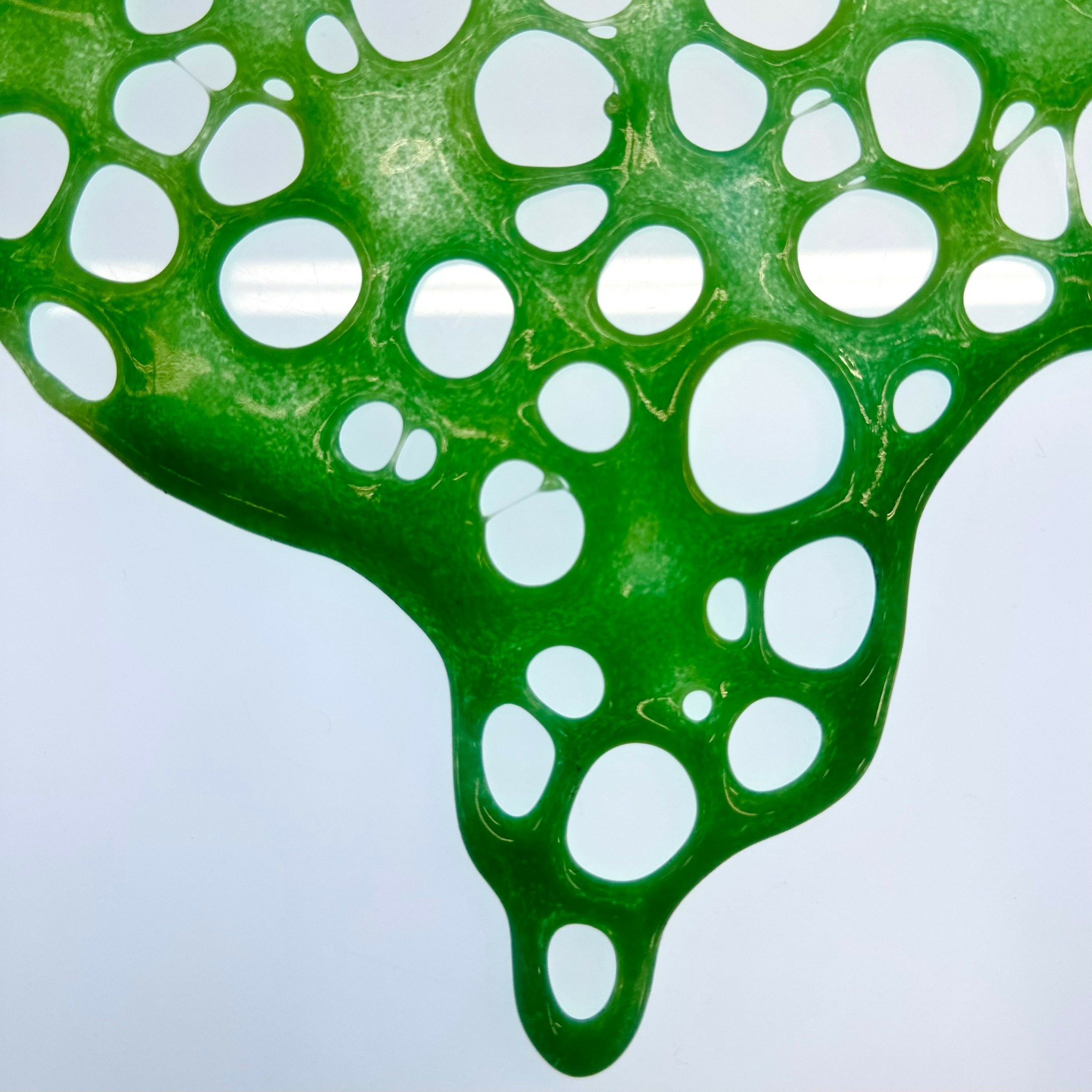
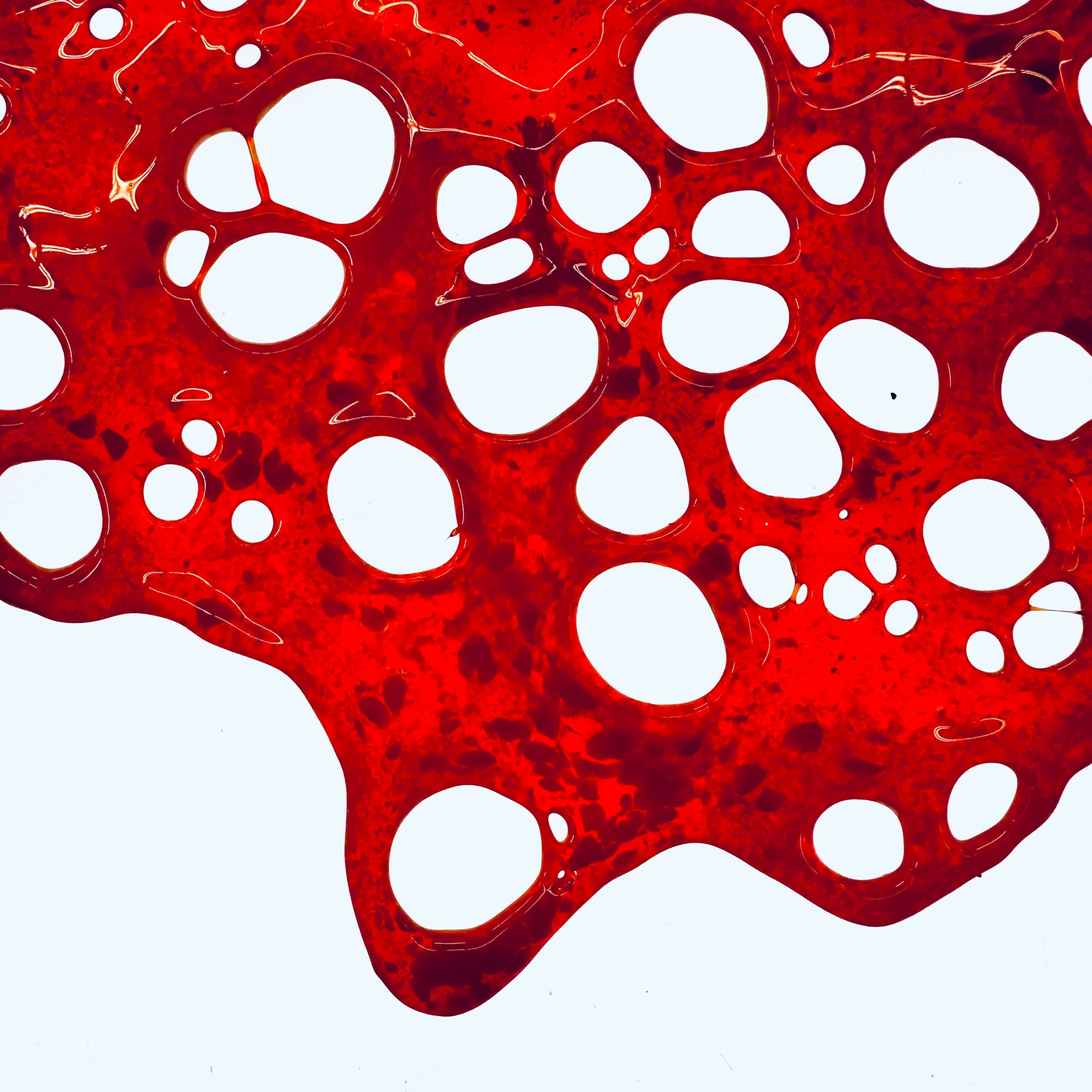
Image Credits
All images by Kenzie Middaugh