
We were lucky to catch up with Kenzi Taylor recently and have shared our conversation below.
Alright, Kenzi thanks for taking the time to share your stories and insights with us today. We’d love to hear the story behind how you got your first job in field that you currently practice in.
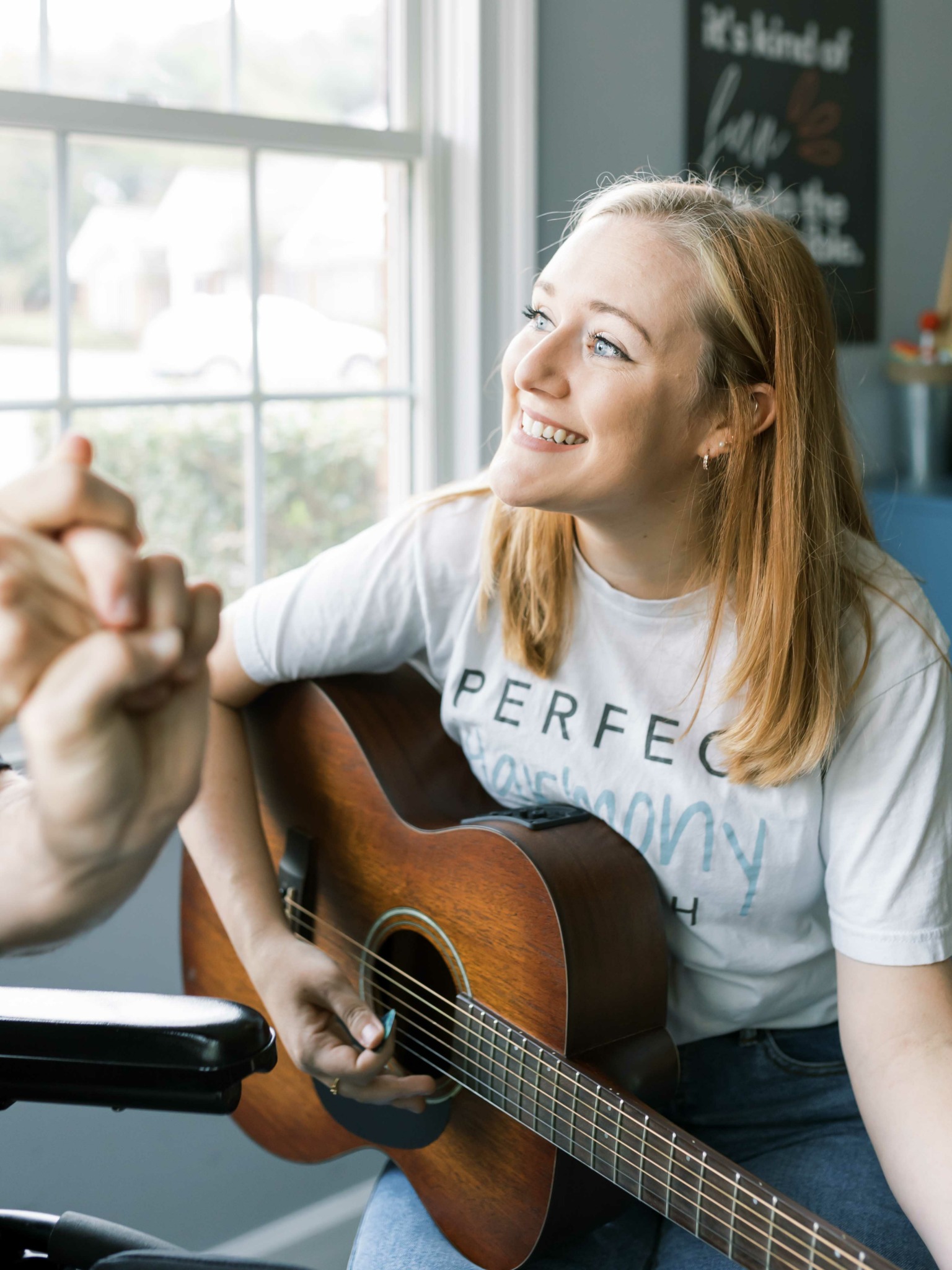
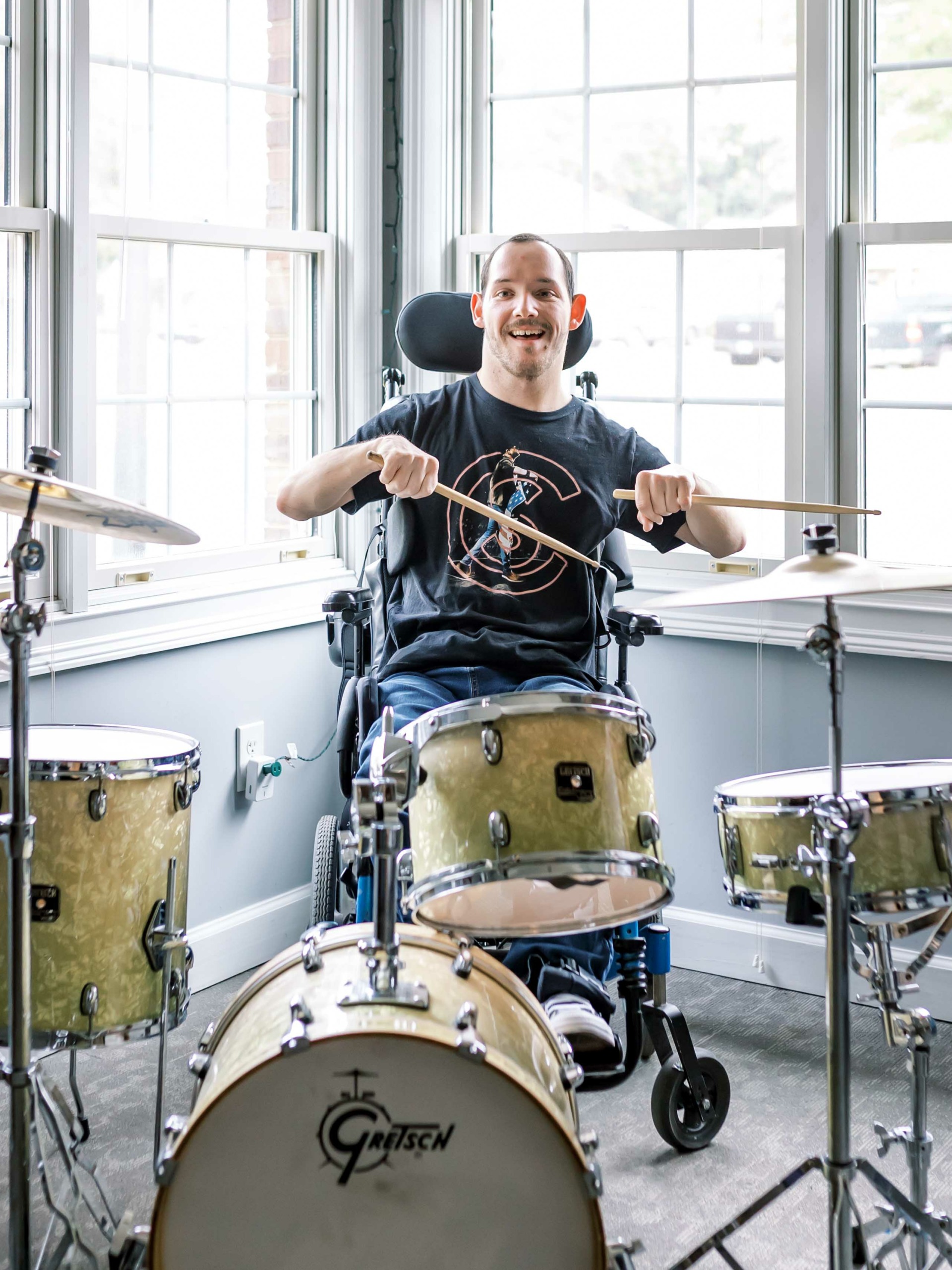
In high school, I already knew I wanted to be a music therapist. My mom had found a music therapy clinic called The George Center (now called Perfect Harmony Health) nearby. I began volunteering there: helping at Camp CreARTive, observing sessions, and more! This only influenced my passion more. I saw how much the therapists cared for each client and how they used music to support them. Each therapist I met showed compassion and allowed clients to be themselves in this safe space.
Fast forward to 2019 after completing my internship, I knew exactly where I wanted to work. I worked hard and finally passed my board certification exam. Although that wasn’t an easy route, many other music therapists encouraged me throughout that difficult process. Once I was certified, I immediately let The George Center know of my interest and was hired! The George Center then re-branded to become Perfect Harmony Health and I have continued to cherish this place, where I can share my passion with clients daily by changing their lives through music. Perfect Harmony Health has continued to show the utmost compassion, care, and respect for their clients and this field as they once did 10+ years ago and I am so grateful to get to be a part of that team.
Kenzi, love having you share your insights with us. Before we ask you more questions, maybe you can take a moment to introduce yourself to our readers who might have missed our earlier conversations?
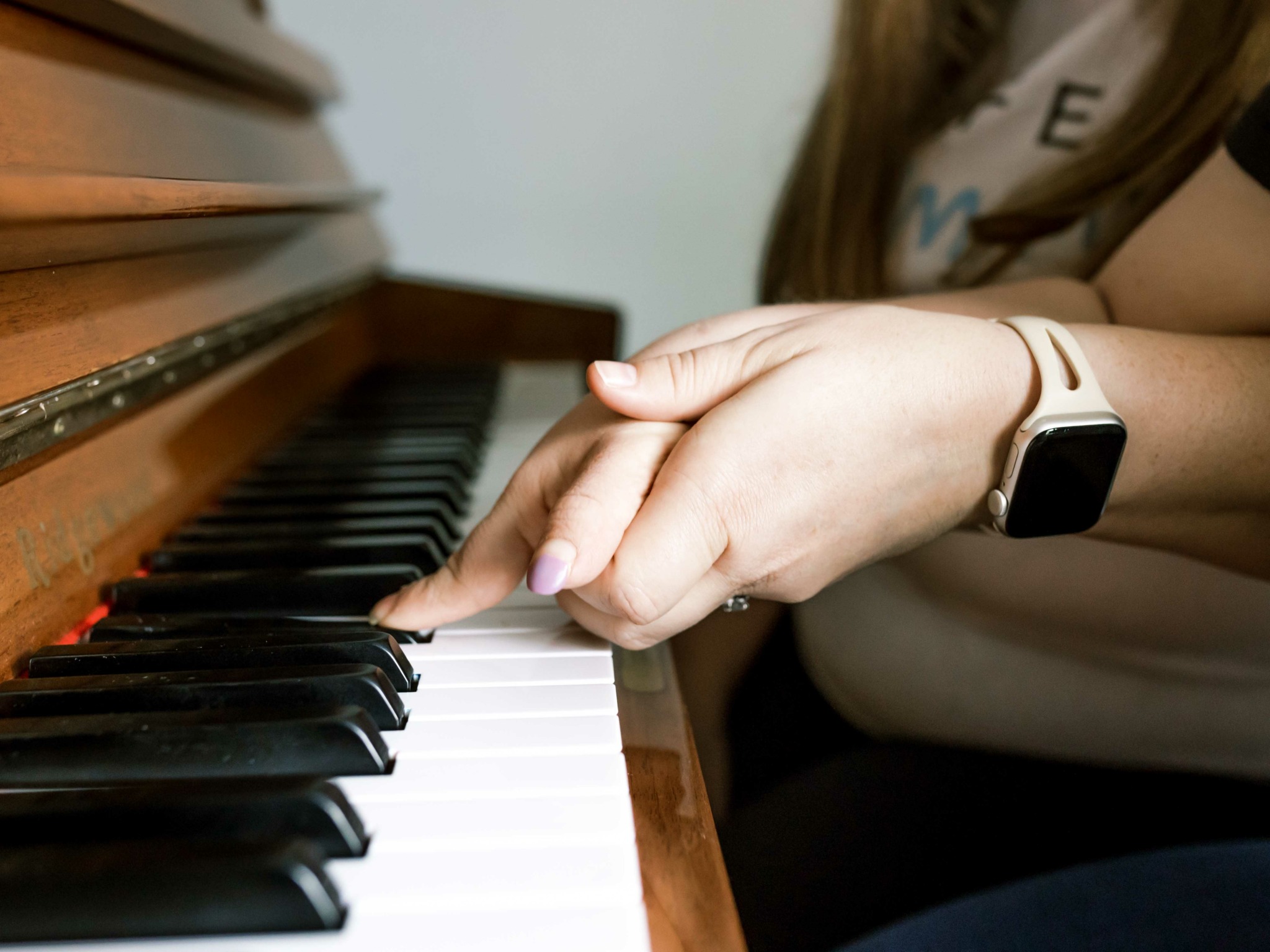
When I was in 5th grade, I caught a cold on a family beach vacation which led to having Guillain-Barré syndrome (GBS). GBS is a neurologic disorder that causes your immune system to attack your nervous system, resulting in paralysis of the body. I woke up one morning unable to move from my shoulders down and was rushed to Children’s Healthcare of Atlanta (CHOA). While there, I worked hard at many therapies re-learning how to walk, eat, and function again. It was extremely difficult for a 10 year old, both mentally and physically. At CHOA, there was an incredible music therapist there that started seeing me almost every day. During that time, she had no idea how much she truly impacted my life. As a pianist since I was 5 years old, I was terrified I’d never be able to play again. She inspired me to power through the difficult therapies, utilizing music along the way.
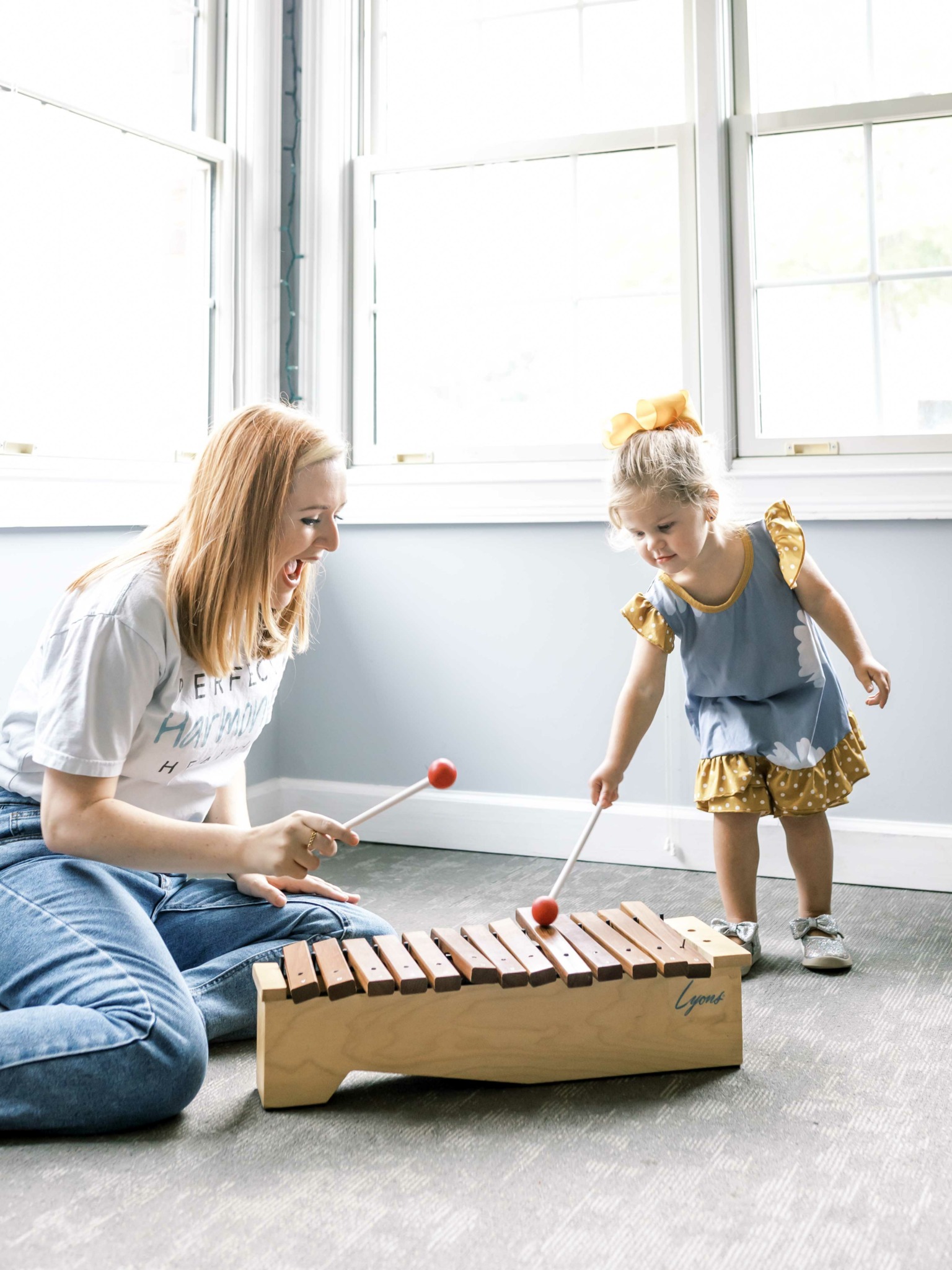
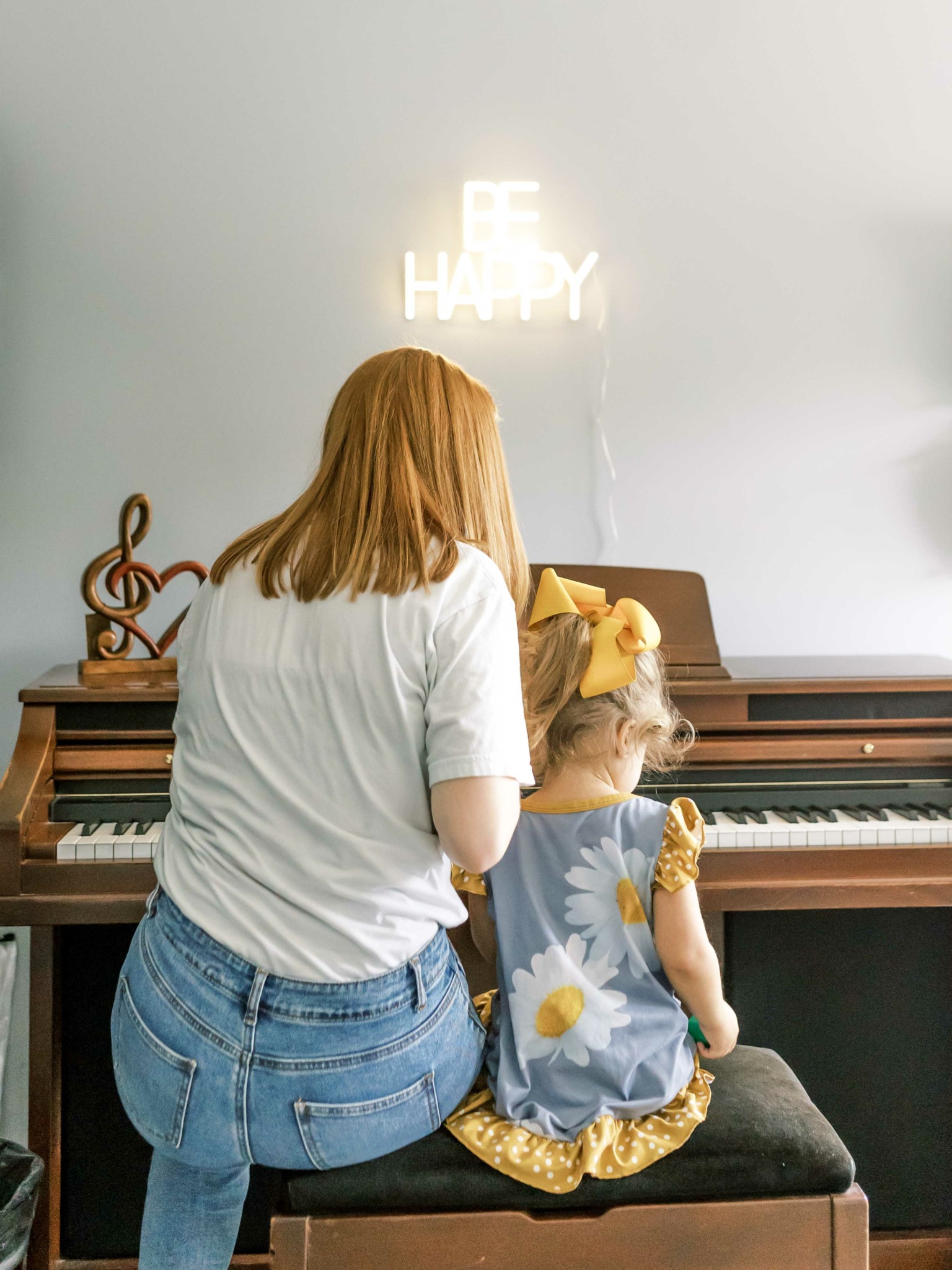
I am now a board-certified Neurologic Music Therapist Fellow (NMT-F)® at Perfect Harmony Health and have been practicing for 5 years. Neurologic Music Therapists (NMT)® primarily focuses on how music can re-wire the brain to support life skills, such as walking, communication, etc. Think about how you can remember facts if it is in a song, this is because of the melodic implication that is wired into the hippocampus. We use concepts similar to support cognition, sensory regulation, motor skills and more. Music is naturally a healing art, but when used to its fullest capacity, it can truly change how someone can operate.
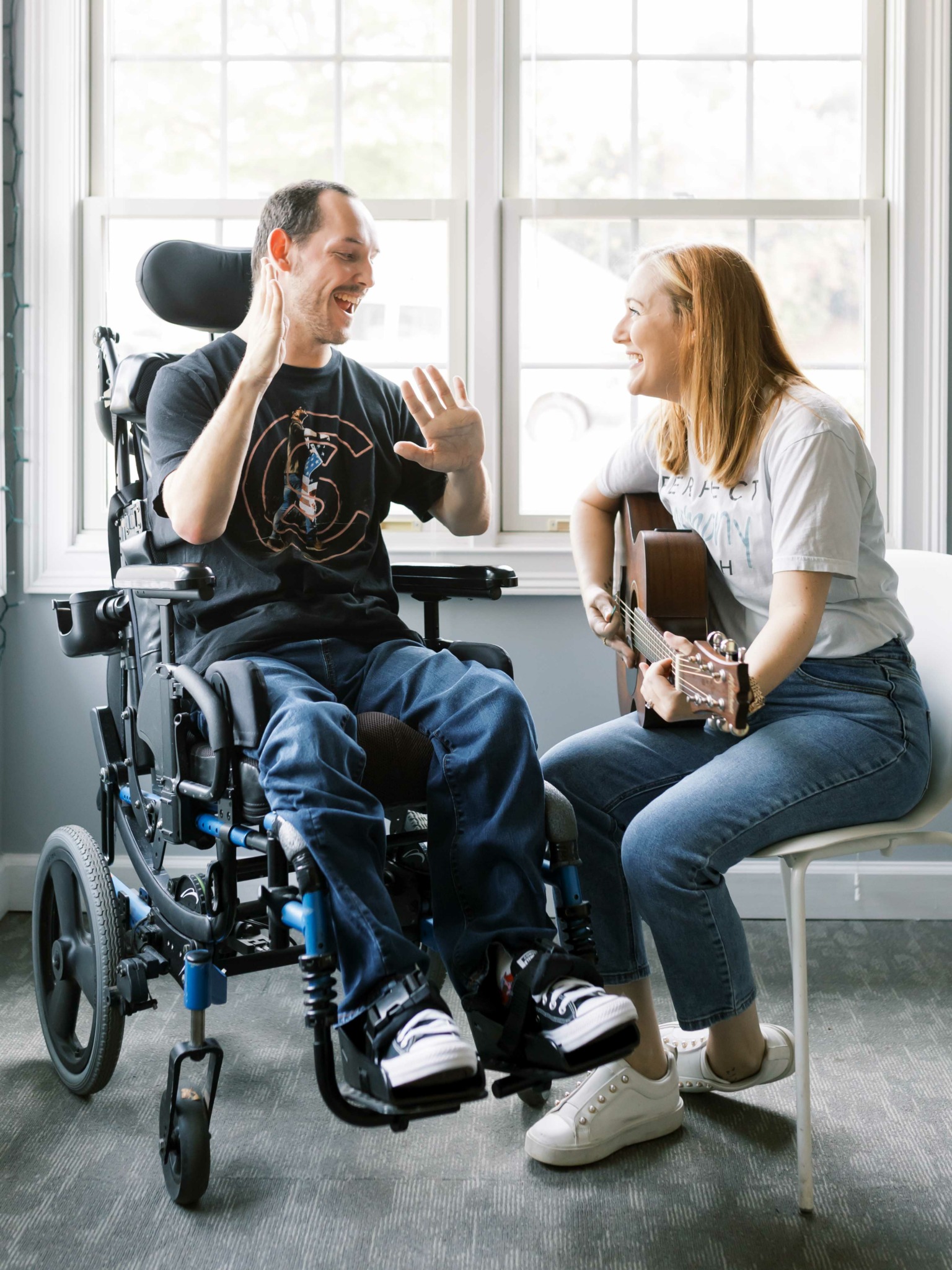
Perfect Harmony Health is a 501(c)(3) non-profit that believes that just because healthcare is innovative does not mean that it should be a luxury. We are one of the only practices in the Southeast with all Neurologic Music Therapists (NMT)® on staff. Not only do we focus on in-clinic treatment, but how our clients can integrate more within the community through programs like Roswell Players: an inclusive theatre group, that give people with disabilities a chance to be involved further into the arts.
Each year, Perfect Harmony Health fundraises to provide low-cost to no-cost services to families in need. This is an important part of who we are. We utilize music to bring people together during Amp It Up, a free family-friendly music festival. People can come and grab some food and drinks, hangout with friends, and enjoy great music from local bands who feature some amazing clients from Perfect Harmony Health! This year, you can hear these fantastic musicians perform hits like Girls Just Wanna Have Fun, All You Need is Love, Life is a Highway and more! Without this event and the collaboration of our community, we would not be able to provide as much financial support.
What do you think helped you build your reputation within your market?
The disabled community is truly under-served. They are often mistreated and excluded with very little opportunities. What we, Perfect Harmony Health, focus on is changing the dynamic (music pun intended) of inclusion in our community. We focus on the person’s capability and not what their diagnosis defines them as. To us, inclusion and presuming competence are of utmost importance.
What is inclusion? Inclusion is the acceptance of others, no matter their differences, into every aspect of life. It includes adapting what is around us to be more accessible and providing support to help others succeed. What is presuming competence? It is respecting others, without any judgement. It is being aware of your tone and voice to others, knowing that they hear, understand, and feel how you treat them, even if they are unable to verbally respond. It is providing opportunities for others to be successful because you believe in their abilities.
This is what brings our clients to us and what makes our name stand out in the community. When clients’ families feel a sense of encouragement, respect, and compassion, word of mouth travels and brings more families to our clinic, where we can make yet another difference.
Other than training/knowledge, what do you think is most helpful for succeeding in your field?
Music therapy is a growing field, but also misunderstood more often than not. It isn’t just recreation, it is therapy. I think that’s where some give us a bad rep. We’re not just the “guitar lady” or “music time” and music therapy isn’t just listening to your favorite song to make you feel better. It’s about connecting the brain through rhythm, composing the mind through melody, and synchronizing the body for better access to life. For music therapy to continue to grow past being just “fun music time,” it needs to grow more into the healthcare field. It would be incredible to start seeing music therapy as common as physical, speech, or occupational therapy. Imagine how much more access families could have if it were to be covered by insurance more easily. Our field needs more positive and supportive advocacy! Music does more than you can imagine and if we, as music therapists, can continue to advocate to show how much music can impact individuals, we can make an even bigger difference.