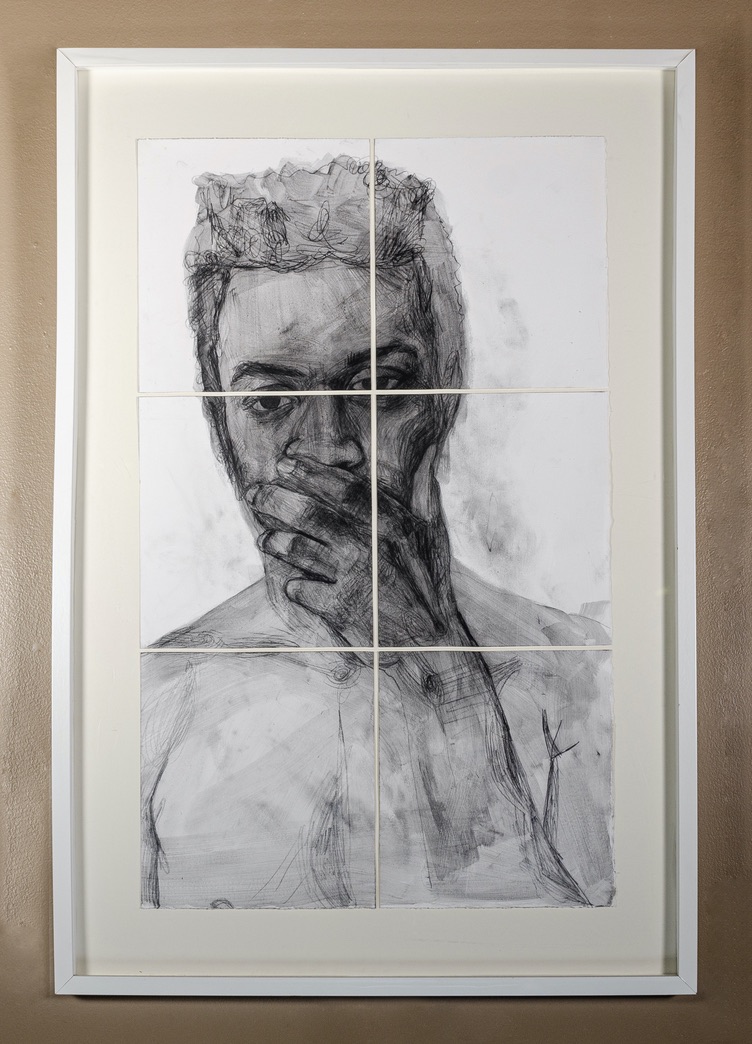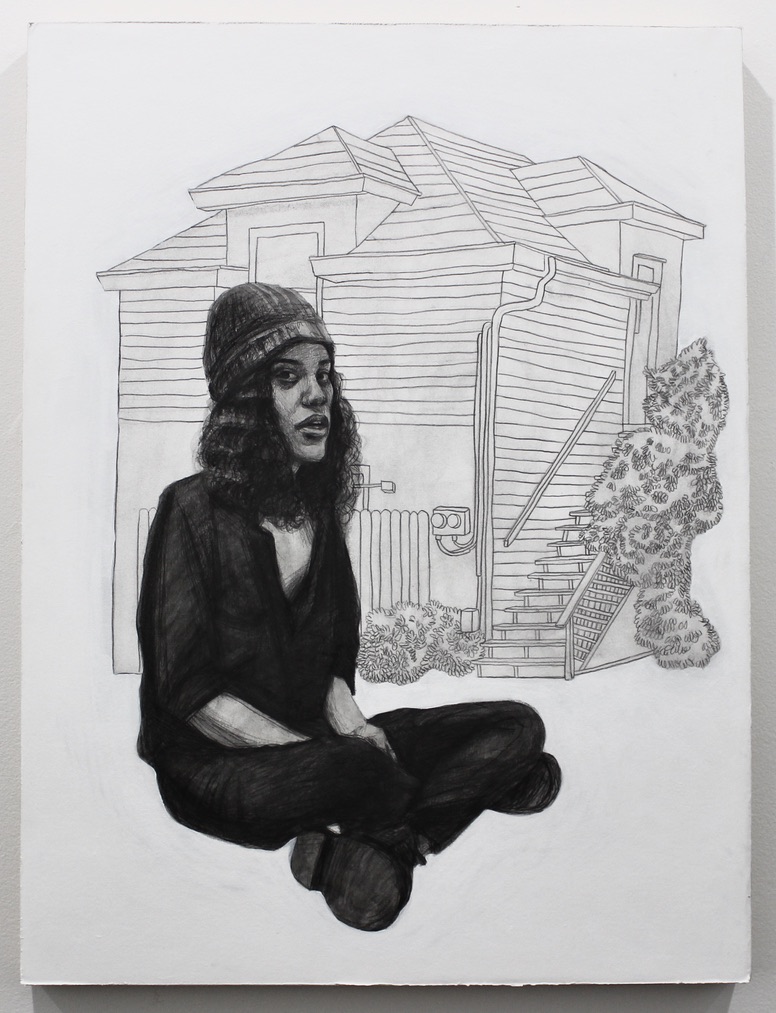

Alright – so today we’ve got the honor of introducing you to Kenny Page Jr.. We think you’ll enjoy our conversation, we’ve shared it below.
Alright, Kenny thanks for taking the time to share your stories and insights with us today. Learning the craft is often a unique journey from every creative – we’d love to hear about your journey and if knowing what you know now, you would have done anything differently to speed up the learning process.
To learn to do what I do, I have pushed and practiced. I’ve been drawing my whole life. I successfully convinced my parents to let me go to a public arts school in sixth grade. From then on, I’ve drawn nonstop. It has always been part of my daily education, my leisure time, my work, etc.
There is nothing I could have done to speed up my learning process. Every skill builds on another, and it cannot be rushed. There are things I wish I knew, but time has been the key to developing my art practice.
Learning to dedicate practice/studio time is a skill I find essential. My professor in undergrad, Jason John, told me that I needed to take drawing time as seriously as a nine-to-five. He said a lot of people wouldn’t understand that studio time was important, and that they’d try to take that time away from me, so I should lie and tell them I’m in a work meeting when I need to go to the studio. That’s some of the best advice I have ever received, and it helped me learn to create boundaries and spend more time creating.
Developing my drawing from life skills at a young age was also essential for me. I had a teacher tell me the goal was to teach students such good foundational skills that they could draw anything without fear or hesitation. This foundation gave me confidence to explore new processes and subjects as I grew in my art practice.
Finally, taking play seriously, something I had to relearn as an adult (I lost that somewhere between high school and early adulthood), was essential for me too. Playing is a very important part of the creative process for me.
I always thought balancing art and life management stood in the way of learning more. Needing to do the dishes when you want to paint. Having to see your friends and family when you want to draw. Needing to stay in town and earn money to pay rent when you want to go to that residency. But as I’ve gotten older, I’ve realized these things don’t stand in the way of learning more, they are a way of learning more, and that my art practice falls apart if my life responsibilities are not taken care of. So, it’s a balance. And I have found ways to integrate my art practice into these tasks. It’s easy to forget that time management, adaptability, and patience are important facets of being a visual artist, so I think anything that exercises that muscle is a good learning experience.
Great, appreciate you sharing that with us. Before we ask you to share more of your insights, can you take a moment to introduce yourself and how you got to where you are today to our readers.
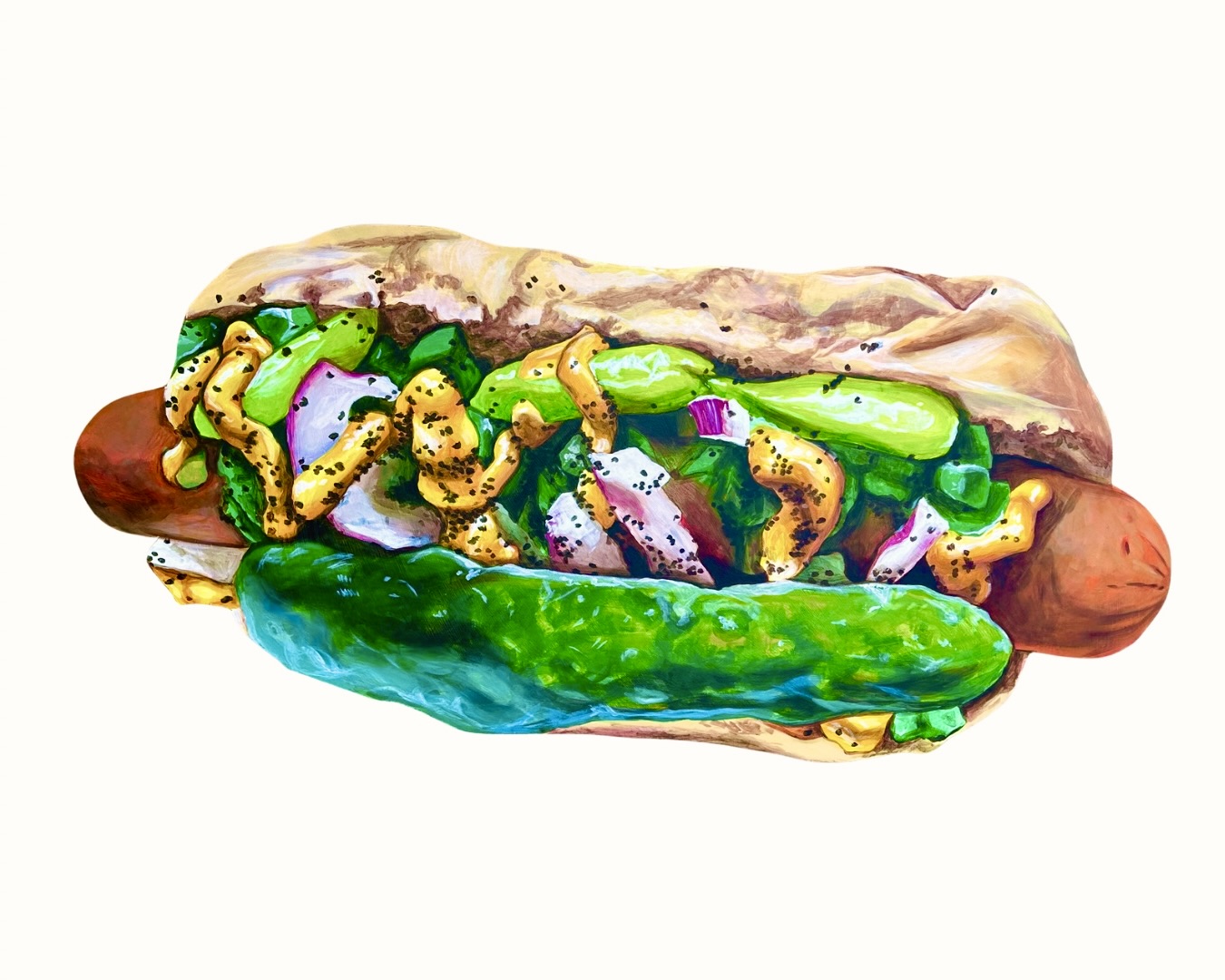
My name is Kenny Page Jr., and I am a visual artist. I have my own art practice, I sell my work, I do commissions, and I teach.
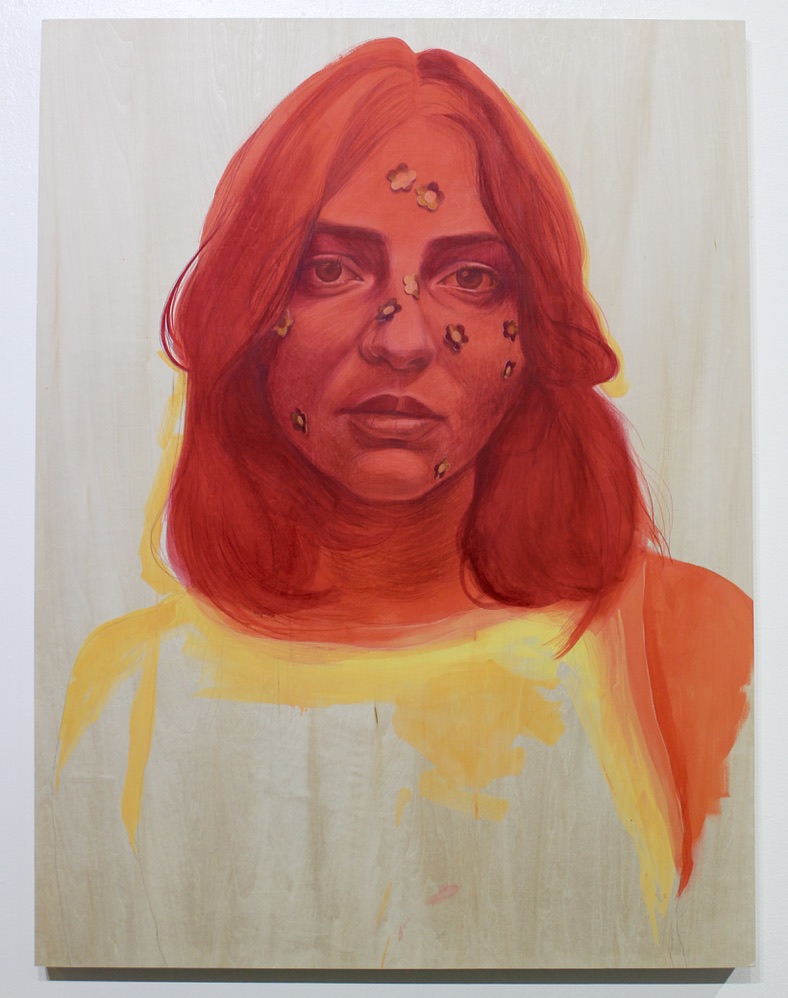
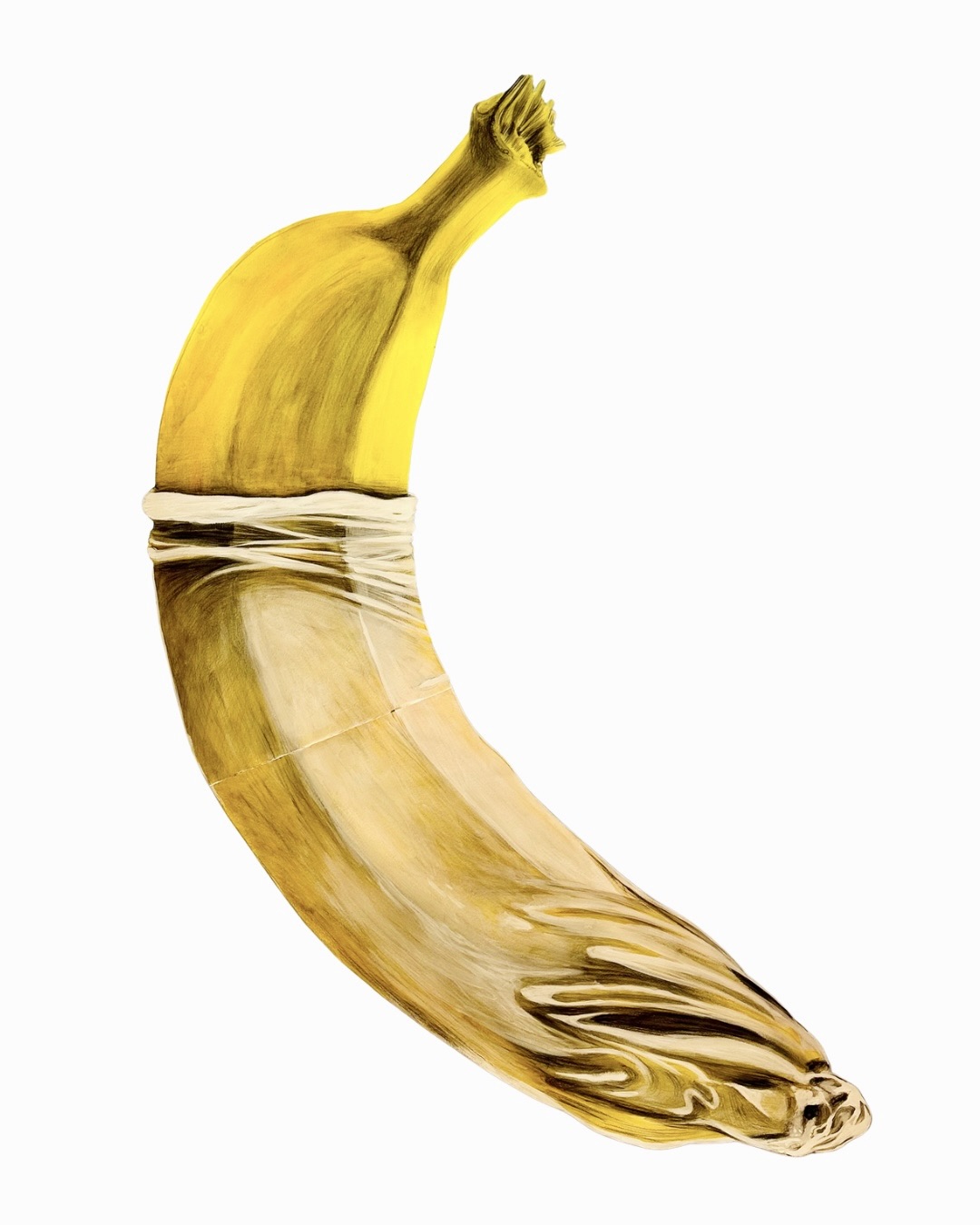
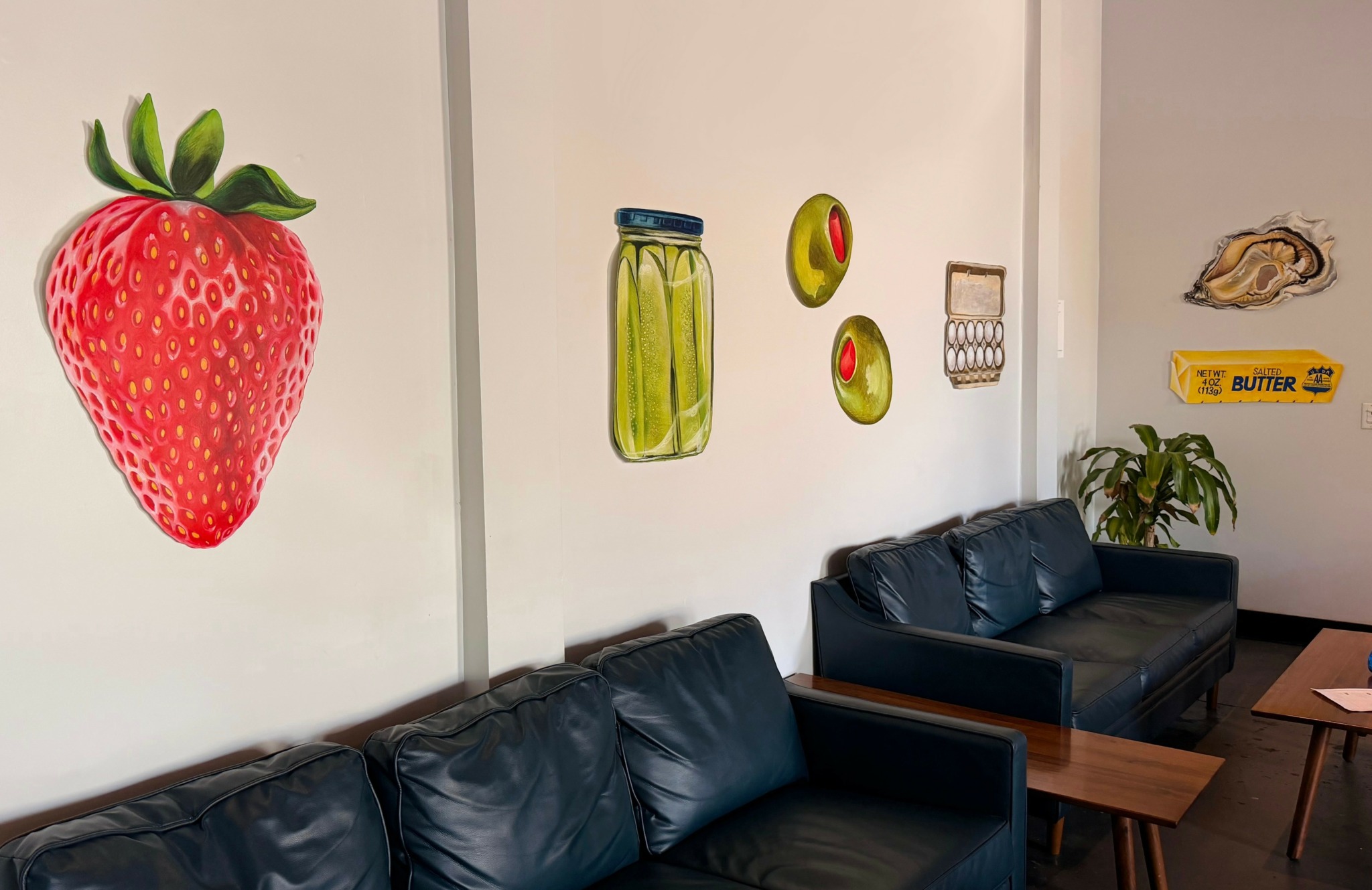
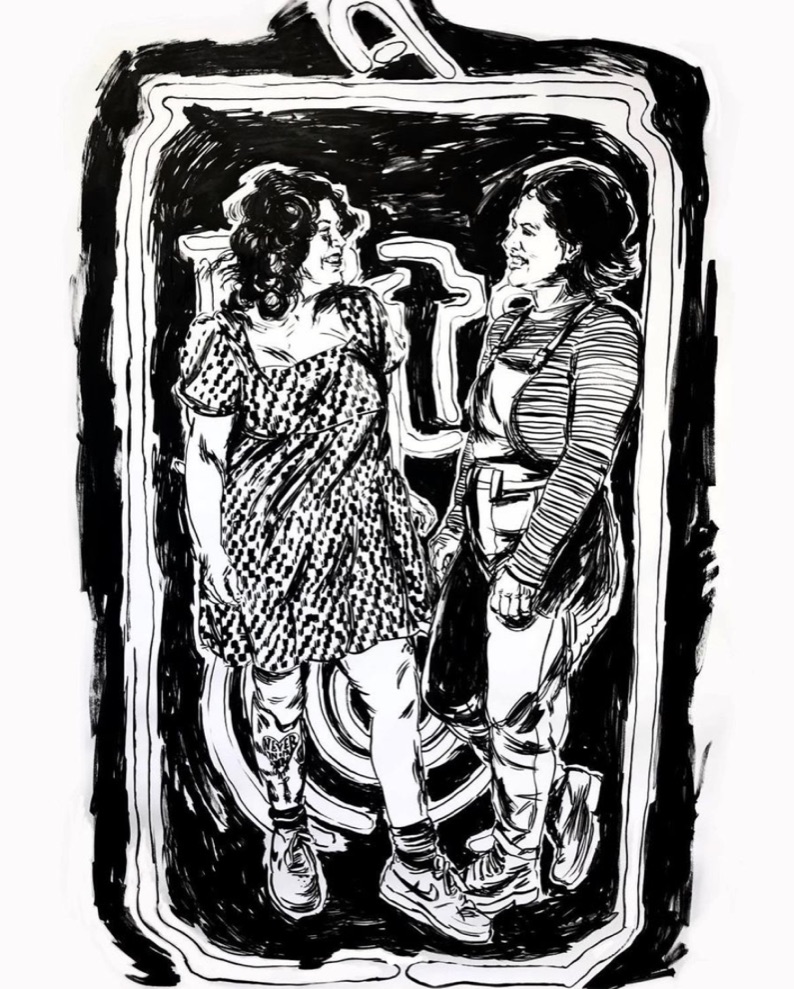
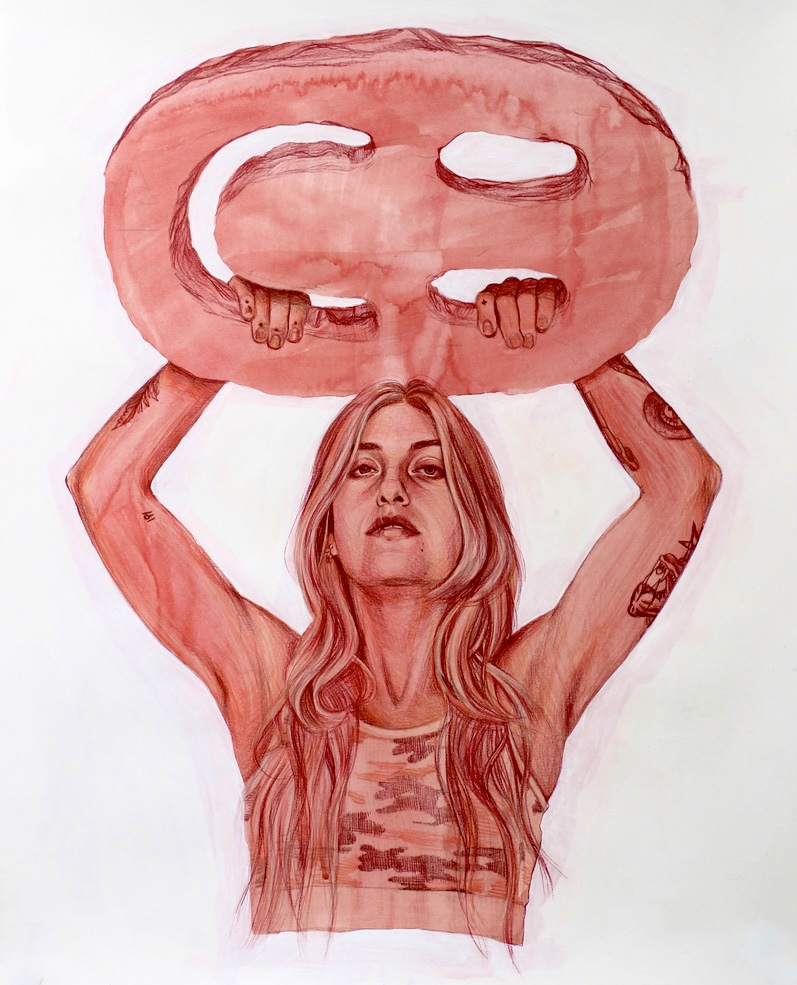
I mainly draw and paint. Every once in a while I will dip into printmaking, sculpting, or graphic design— but drawing has always been my main focus. In my own practice, I draw people and things I know to help me process the world we live in.
I take commissions, too. It’s an opportunity for me to create something I wouldn’t naturally be drawn to make. It’s a great opportunity for me to challenge myself. I love broadening my interests and trying new things.
I also teach. I really never thought I would pursue teaching, I had this idea in my head when I was younger that I wanted to work in some kind of creative role at a big corporation. But after I was laid off in 2025 due to DOGE, I ended up with the opportunity to teach, and I fell in love with it. It’s incredibly fulfilling, and I get to draw at work!
In your view, what can society to do to best support artists, creatives and a thriving creative ecosystem?
This is a big question, and there’s a lot I could say, but I’d like to focus on one thing: society can best support creatives by making art accessible.
When art is taken off the pedestal, it thrives. This can be done a number of ways:
1. By making museums, art activities, gallery openings, etc. more accessible to the general public. For example, free admission on certain days at museums. Progressive exhibitions that engage more than just the art world. Public art and functional art are other great examples of this. Everyone benefits when we are all encouraged to engage with art.
2. Seeing creativity as a necessity in every line of work, not just for artists. I went to an Arts in Medicine Symposium at a hospital a few years ago. The conference focused on the fact that art and creativity play a key role in medicine and science. Without creative outlets, doctors and nurses burn out quickly— and they lose essential problem-solving skills. Helping society understand that art is important in all forms of work and life— seeing it as a necessity rather than a luxury— and expanding our definition of what is art, will help foster a thriving creative ecosystem.
3. Not romanticizing art. This probably seems counterintuitive, and I don’t think there’s anything inherently wrong with this, but when art making is so romanticized that it is seen as mysterious and inaccessible, and when it’s only allotted to those who have the wealth and education to be a full-time artists, we lose the importance of art. Art can be anything from an oil painting in a museum to a drawing on a napkin at a bar. Art is for everyone. Art is important. When we realize these two things, it’s no longer romantic. It’s not something to fantasize or wonder about. It’s real, it’s everyday, it’s normalized—and more people will want to engage with it.
There are so may ways for society to support the arts, these are just some things that are always on my mind.
Alright – so here’s a fun one. What do you think about NFTs?
Do those still exist? To quote Barbara Kruger: “What a ridiculous clusterfuck of totally uncool jokers”.
Contact Info:
- Website: https://www.kennypagejr.com
- Instagram: @kennypagejr