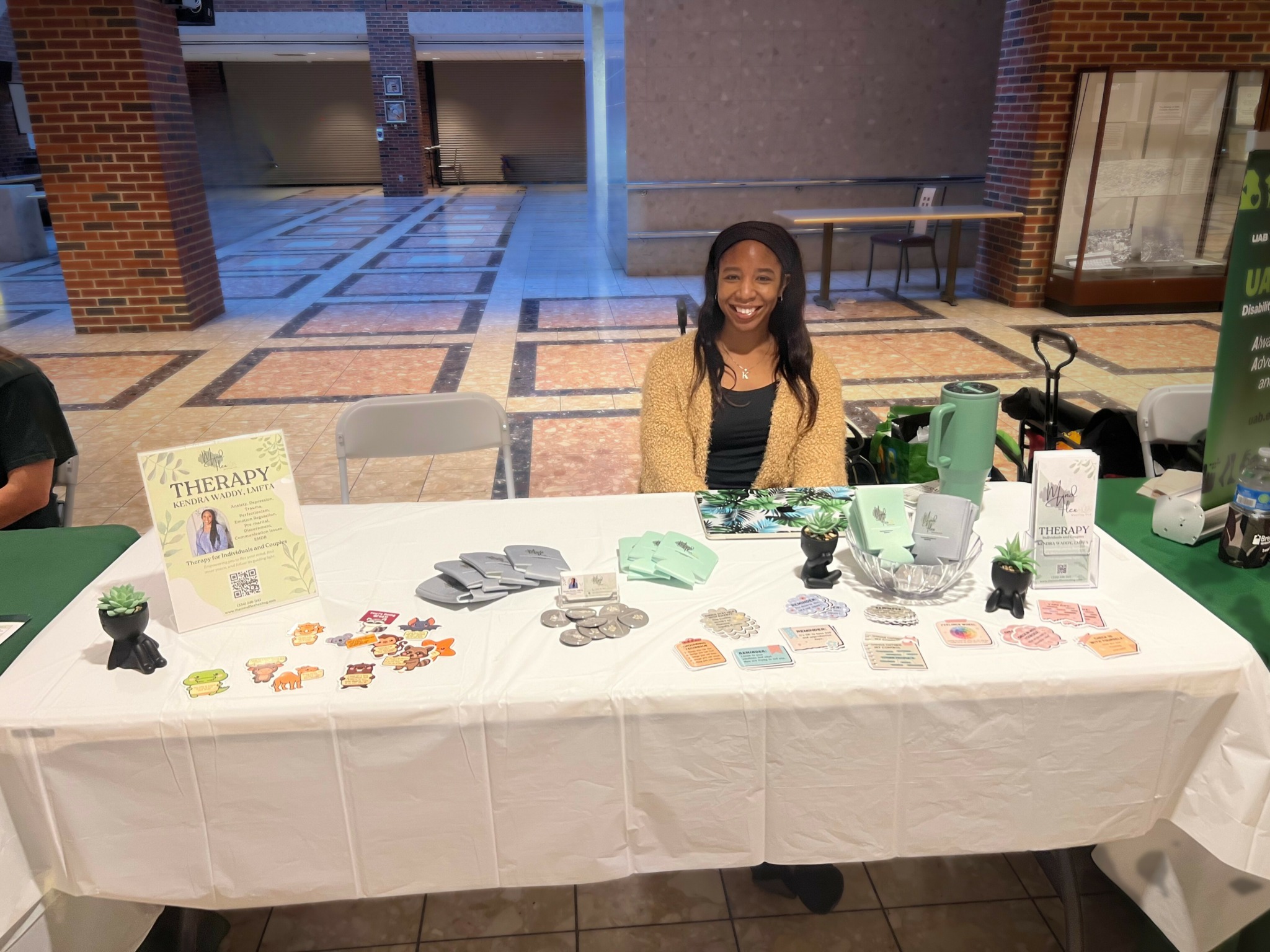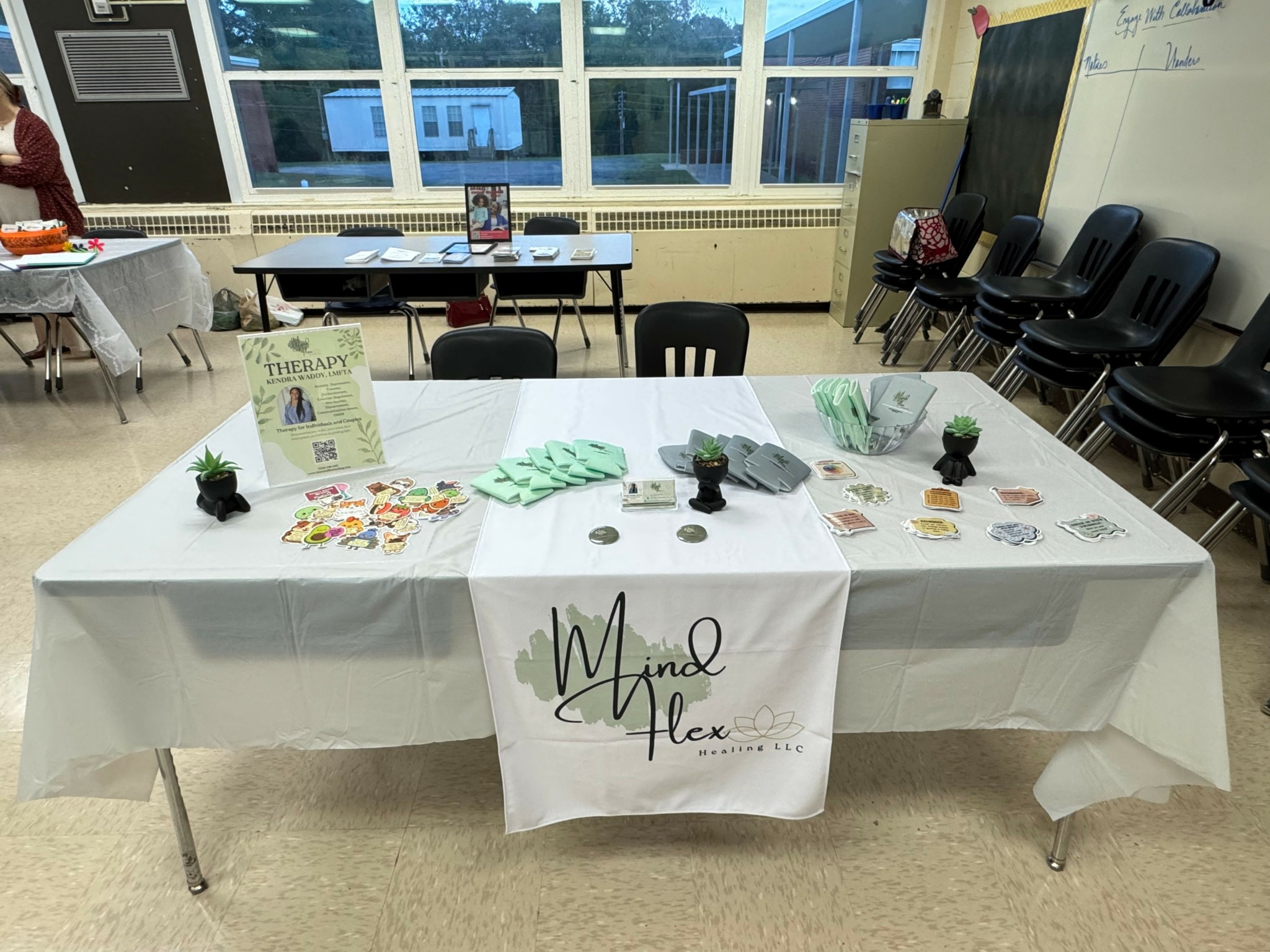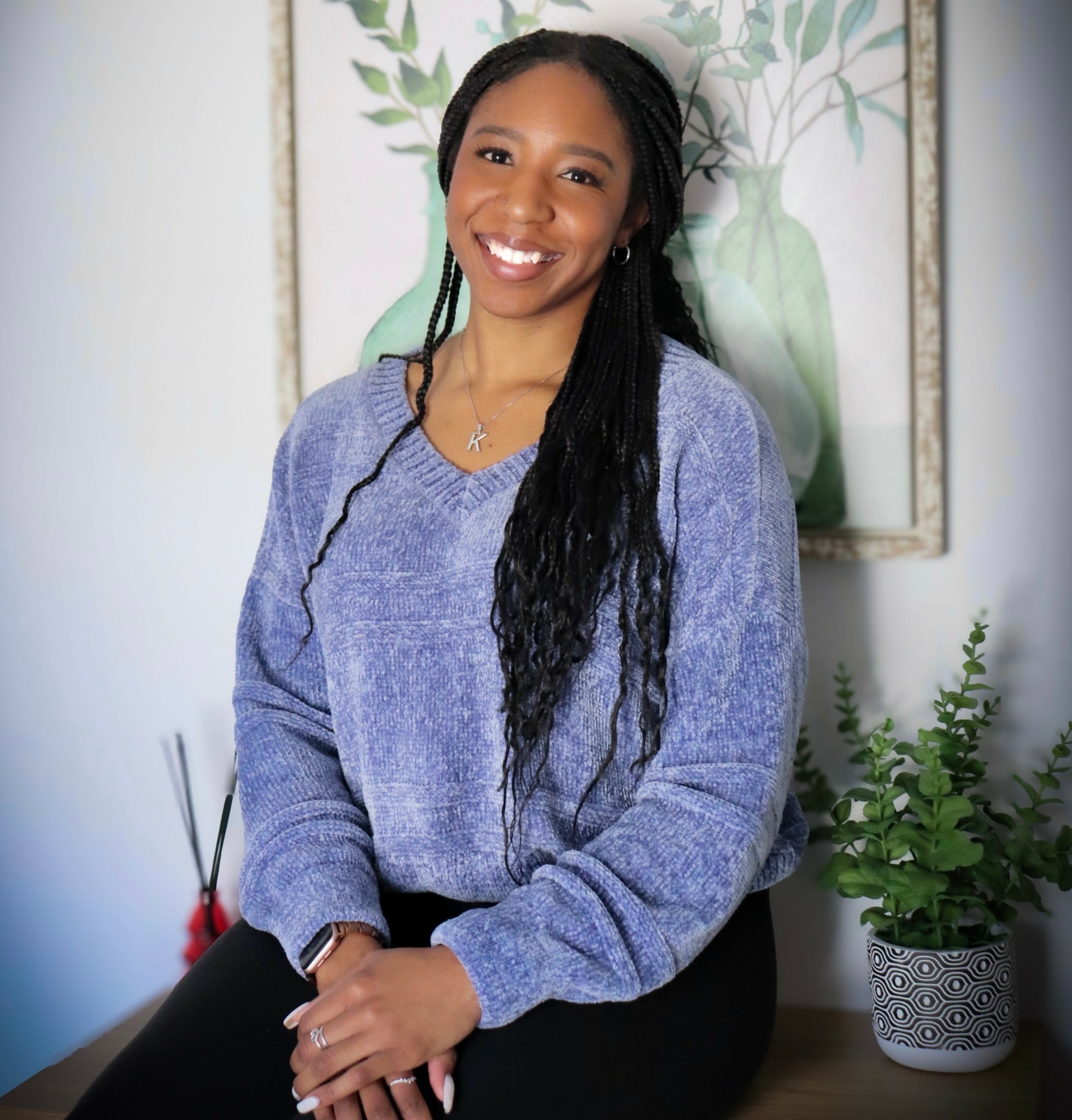

We recently connected with Kendra Waddy and have shared our conversation below.
Hi Kendra, thanks for joining us today. Can you open up about a risk you’ve taken – what it was like taking that risk, why you took the risk and how it turned out?
I often feel like my entire life has been shaped by taking risks. If you had asked me years ago, I would’ve told you I preferred the path of least resistance—why make life harder than it already is? But even then, I knew deep down that “just enough” never felt aligned with my value or the dreams I carried. I wasn’t satisfied with simply surviving.
As I navigated those seasons, I discovered a resilience in myself that I hadn’t fully recognized before. I learned that I could do anything I set my mind to, especially when anchored in my faith. For a long time, that mindset was a survival strategy, one that helped me push forward but also made it difficult to slow down and enjoy the fruits of my labor. I was always looking ahead, always moving, always preparing for the next challenge.
Through therapy and personal growth, I started to understand this pattern more deeply. I began to reframe what it meant to “do the hard thing” and to take risks. And in that reframing, I found joy, real joy, on the other side of stepping into the unknown. If you wait for a risk to feel less risky, you’ll be waiting forever. Growth doesn’t happen in stagnation, and the process, while full of what I call “growing pains,” is always worth it.
Part of embracing risk has also meant accepting that I may not always have a clear path or know exactly what’s going to happen next. I’ve learned to lean into that unknowing—to trust that I’m not supposed to have everything figured out. With my faith grounding me, I’m learning to make the most of the in-between moments, to find meaning in the growing pains, and even to appreciate the creativity that comes from not having a predefined path. There’s a certain freedom in that openness.
My most recent and significant risk has been starting my own practice. It has challenged and stretched me in ways I couldn’t have imagined, but it has also grounded me in purpose. I’m grateful for where God has placed me, and for the courage to step into something bigger than what I once thought I was capable of.
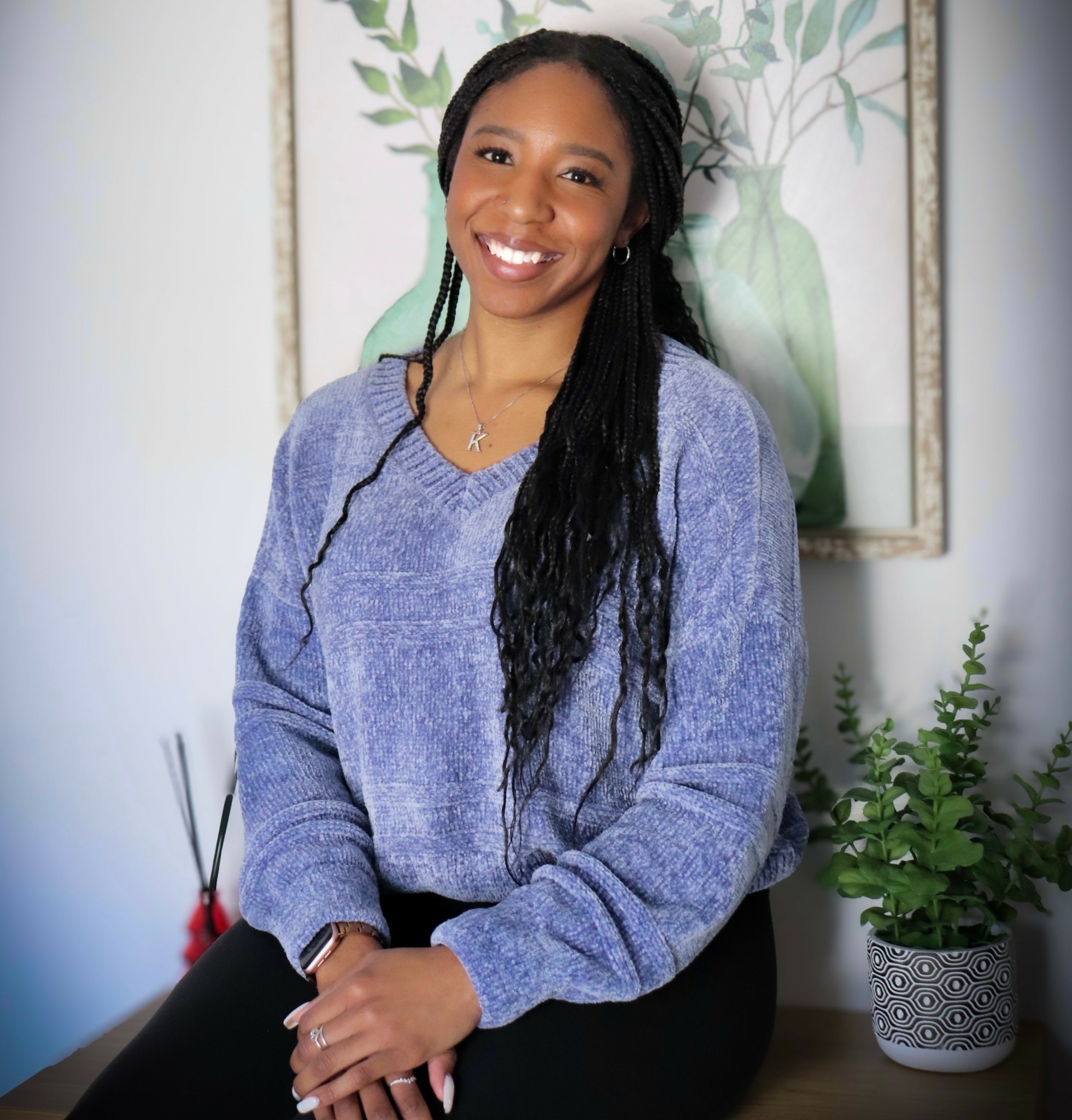
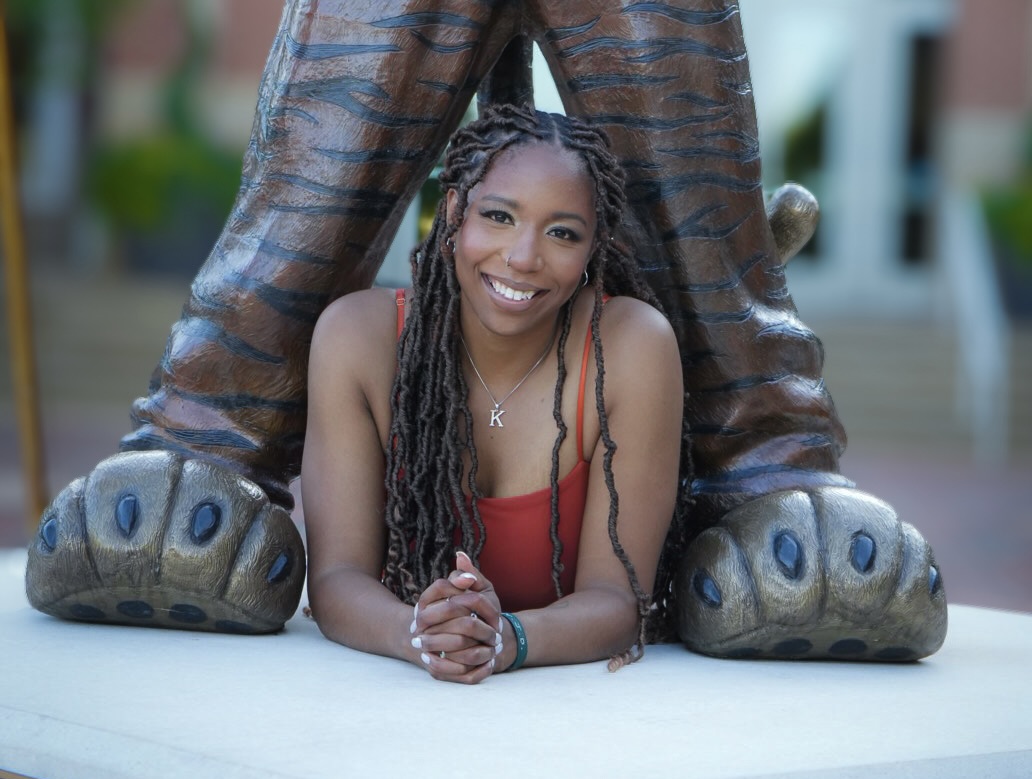
Kendra, before we move on to more of these sorts of questions, can you take some time to bring our readers up to speed on you and what you do?
I like to say that my journey into the mental health field began long before I ever stepped into a classroom. By the end of 2021, I had earned one of my proudest accomplishments, my Bachelor’s degree in Psychology, and became the first in my family to reach that milestone. What I expected to be a four-year journey stretched into six, shaped by seasons of depression, family responsibilities, and financial strain, along with personal challenges that tested my sense of self and safety.
Even in the moments when life felt heaviest, something in me refused to let those hardships define my ending. Instead of breaking me, those experiences clarified my purpose. Rising from some of the lowest points in my life taught me that I am far more capable and resilient than I ever imagined, and it lit a fire in me to help others recognize the same strength within themselves. I know what it feels like to be stuck, to wonder if things will ever shift. But I also know that once you hit bottom, the only direction left is up. Those detours didn’t derail my path; they prepared me for the work I’m meant to do.
Interestingly, I didn’t enter college planning to become a therapist. I originally imagined myself as the world’s finest crime scene investigator. But as I deepened my exposure to psychology, I found myself drawn toward understanding people on a much deeper emotional level. Working for more than six years with children and vulnerable families further shaped me. I witnessed firsthand how early experiences influence long-term mental health—how a lack of emotional validation, communication tools, or supportive relationships can echo into adulthood. Coming from a childhood where emotions weren’t openly expressed or validated, I understood how easily emotional suppression becomes a way of life. These personal and professional experiences aligned to reveal the work I was meant to do.
My academic journey continued at Auburn University, where I pursued my Master’s in Marriage and Family Therapy. Inspired by research, I explored how trauma, attachment, and interpersonal dynamics shape both individual and relational wellbeing. I became particularly passionate about how adult relationships influence a child’s emotional development and how strengthening communication skills and emotional expression can shift long-term outcomes.
Today, that passion lives at the core of my practice.
I am deeply committed to creating a supportive, empowering space where individuals, couples, and families can explore, heal, and grow. My work is guided by authenticity, transparency, and the belief that healing starts from within. Having experienced my own transformative therapy journey, I show up with compassion, curiosity, and a genuine desire to walk alongside my clients, not above them.
In my practice, clients gain clarity, break unhelpful patterns, and learn strategies for lasting transformation. I work with trauma, anxiety, relational challenges, and identity exploration. For couples, I offer a space to understand how individual histories shape partnership dynamics and to build stronger, more fulfilling connections. My approach is integrative and evidence-based, drawing from EMDR, Internal Family Systems (IFS), Cognitive Behavioral Therapy (CBT), Emotionally Focused Therapy (EFT), Structural Family Therapy (SFT), and even principles of exercise science when helpful. This allows me to support the mind-body connection and offer comprehensive, holistic care.
What sets me apart is my commitment to deep relational work and my lived experience that guides everything I do. I don’t just sit with clients, I partner with them. I help them unravel the weight of past pain, understand the roots of their struggles, and build tools for long-term wellbeing. I want anyone considering working with me to know that they don’t have to show up perfect. They just have to show up as themselves.
Beyond the therapy room, I am passionate about mental health advocacy, access, and community care. I serve on the Board of Directors for HLC Maternal & Family Mental Health Research Center, where I’m able to bring my expertise in trauma-informed practices, relational systems, and equitable wellness initiatives. I believe mental health should be accessible, culturally responsive, and rooted in authentic connection.
And when I’m not working, I’m simply Kendra, an adventurer at heart. I love exploring the outdoors, discovering new coffee shops, trying new activities, and finding little pockets of joy wherever life takes me. I have a deep love for sports, the community they create, and the energy they bring. And as a self-proclaimed matcha connoisseur, I’m always open to new recommendations.
What I’m most proud of is that I’ve turned my own pain into purpose. I’ve built a practice that honors people’s full humanity, encourages authentic expression, and supports healing from the inside out. My mission is simple: to help people step into their fullest selves, embrace their stories, and create lives rooted in wholeness, connection, and growth.
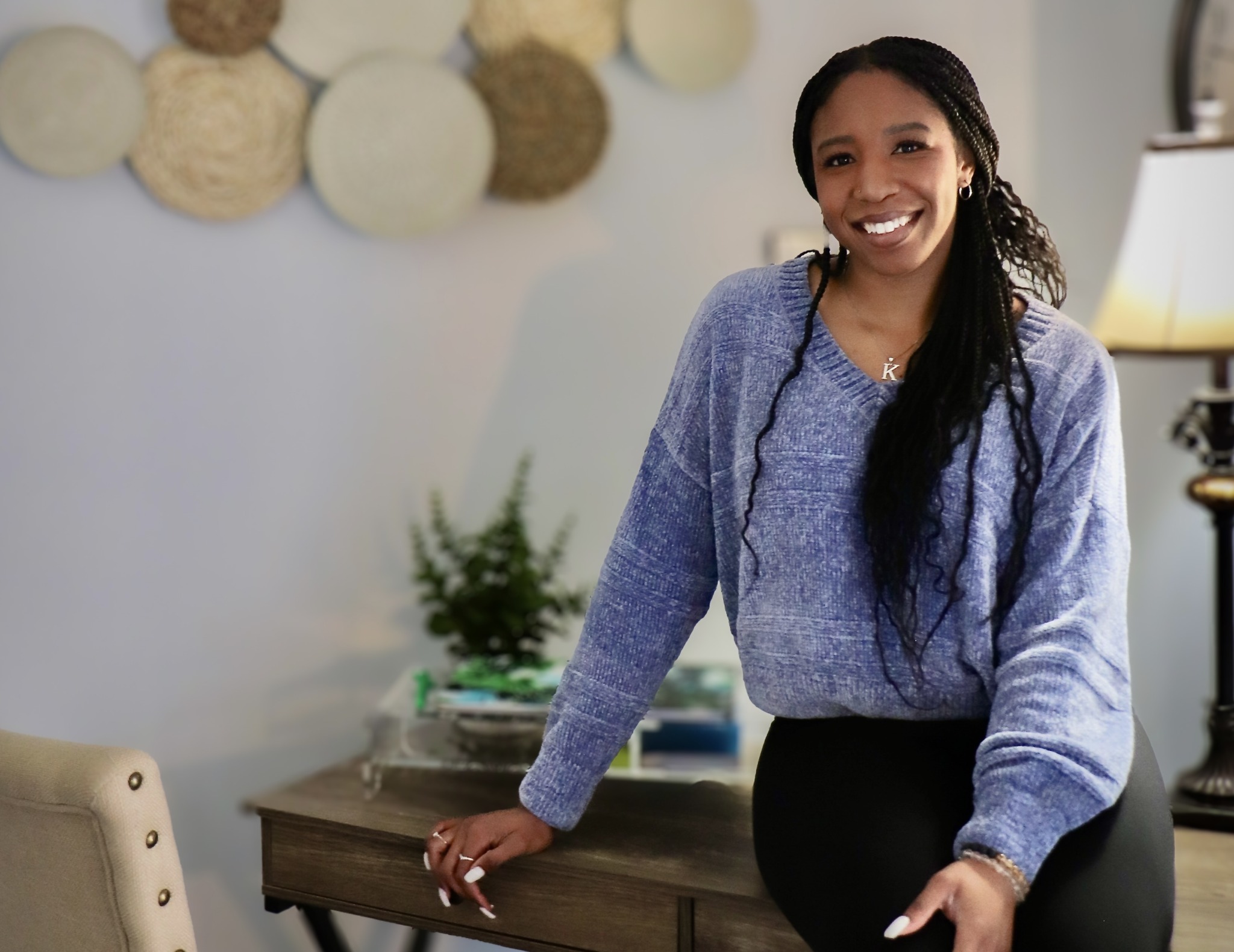

Other than training/knowledge, what do you think is most helpful for succeeding in your field?
Beyond training and knowledge, the most important ingredient for succeeding in this field is the inner work you do on yourself. You can learn every theory, master every intervention, and collect all the certifications, but if you haven’t explored your own patterns, triggers, wounds, and biases, it becomes much harder to truly show up for others.
Doing inner work builds self-awareness, humility, emotional regulation, and compassion, all things clients can feel long before you ever say a word. It allows you to hold space without taking things personally, to listen without judgment, and to connect with people from a place of authenticity rather than expertise alone.
In this field, your presence is just as impactful as your skillset. The more you understand yourself, the more effectively you can help others understand themselves.


We often hear about learning lessons – but just as important is unlearning lessons. Have you ever had to unlearn a lesson?
A major lesson I’ve had to unlearn is the belief that life is supposed to follow a clear, predictable path. For a long time, I thought success meant having everything mapped out—every step planned, every outcome certain. But life humbled me real quick. I realized that clarity often comes after you take the step, not before.
I had to learn that it’s okay not to know exactly where you’re headed, and that sometimes you just have to do the thing scared. Waiting for fear to disappear or for the moment to feel “comfortable” only keeps you stuck, because comfort is a feeling, and feelings pass. True confidence comes from doing, not from waiting to feel ready.
And I’ll be honest, this isn’t a concept I’ve mastered. It’s something I continuously have to revisit, especially when life throws its usual struggles and uncertainties. But I try my best. Every day, I remind myself that growth doesn’t require perfection, just willingness. Some of the most meaningful moments in my life have happened because I chose to move, even with shaky hands and an uncertain heart.
Contact Info:
- Website: https://themindflexhealing.com
- Instagram: https://www.instagram.com/mindflexhealing?igsh=MXRkenZ6dTViMTl6dQ%3D%3D&utm_source=qr
- Facebook: https://www.facebook.com/share/199qQPguGu/?mibextid=wwXIfr
- Linkedin: https://www.linkedin.com/in/kendra-waddy?utm_source=share&utm_campaign=share_via&utm_content=profile&utm_medium=ios_app
- Other: https://www.psychologytoday.com/us/therapists/kendra-waddy-auburn-al/1502931