
We were lucky to catch up with Ken Saba recently and have shared our conversation below.
Ken, appreciate you joining us today. Have you ever had an amazing boss, mentor or leader leading you? Can you us a story or anecdote that helps illustrate why this person was such a great leader and the impact they had on you or their team?
The best boss I’ve had combined high standards with real support. They pushed for excellence while giving the team room to be creative, experiment, and take smart risks. They were decisive, calm under pressure, and great at resourcing—whether we were in pre-production or 2 hours before showtime. Most importantly, they trusted their team and communicated clearly, which made even the most complex productions feel manageable. Additionally, they cared about professional growth, gave constructive feedback, and created an environment where the team felt supported and empowered. It taught me the value of transparency, accountability, and leading with respect.
Great, appreciate you sharing that with us. Before we ask you to share more of your insights, can you take a moment to introduce yourself and how you got to where you are today to our readers.
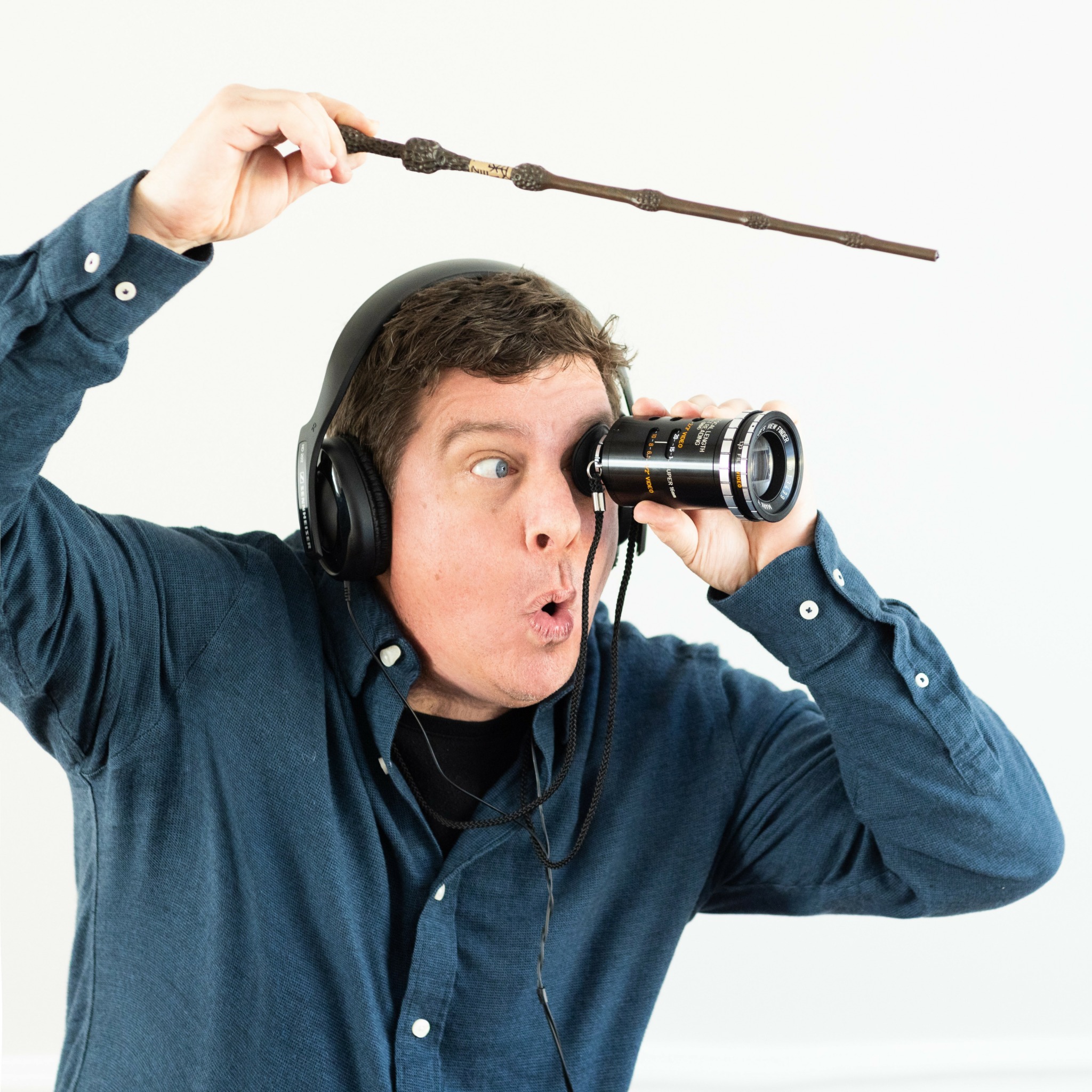
I’m Ken Saba — an Executive/Creative Producer and storyteller based in the USA. My career has always been centered on one idea: using creativity, technology, and production to make people feel something. Whether I’m leading multimillion-dollar themed entertainment attractions, executing immersive museum exhibits, producing broadcast content, or crafting branded experiences, my goal is always the same: turn ideas into moments that resonate with audiences.
I got into this industry the way many of us do — by following an obsession. As a kid, I was mesmerized by venues, films, theme parks, live performances, and the magic of how audio, visuals, design, and narrative come together to create a world. I chased that curiosity into media production, live events, and experiential design, learning every discipline from the inside out: writing, editing, directing, producing, motion graphics, interactive media, immersive environments, master planning, guest flows, and the full spectrum of creative and technical production.
Over time, I found that my strength wasn’t just in any one skill — it was in bringing all of them together while collaborating with groups of talented creative, business, and technical experts. My career evolved into leading teams of producers, designers, editors, animators, VFX artists, developers, and technical crews to create high-impact experiences for brands, sports teams, museums, orchestras, corporate clients, startups, and entertainment organizations. I’ve produced everything from broadcast shows to brand activations, from large-scale theme park resorts to interactive installations, from corporate storytelling to emerging media with innovative technology.
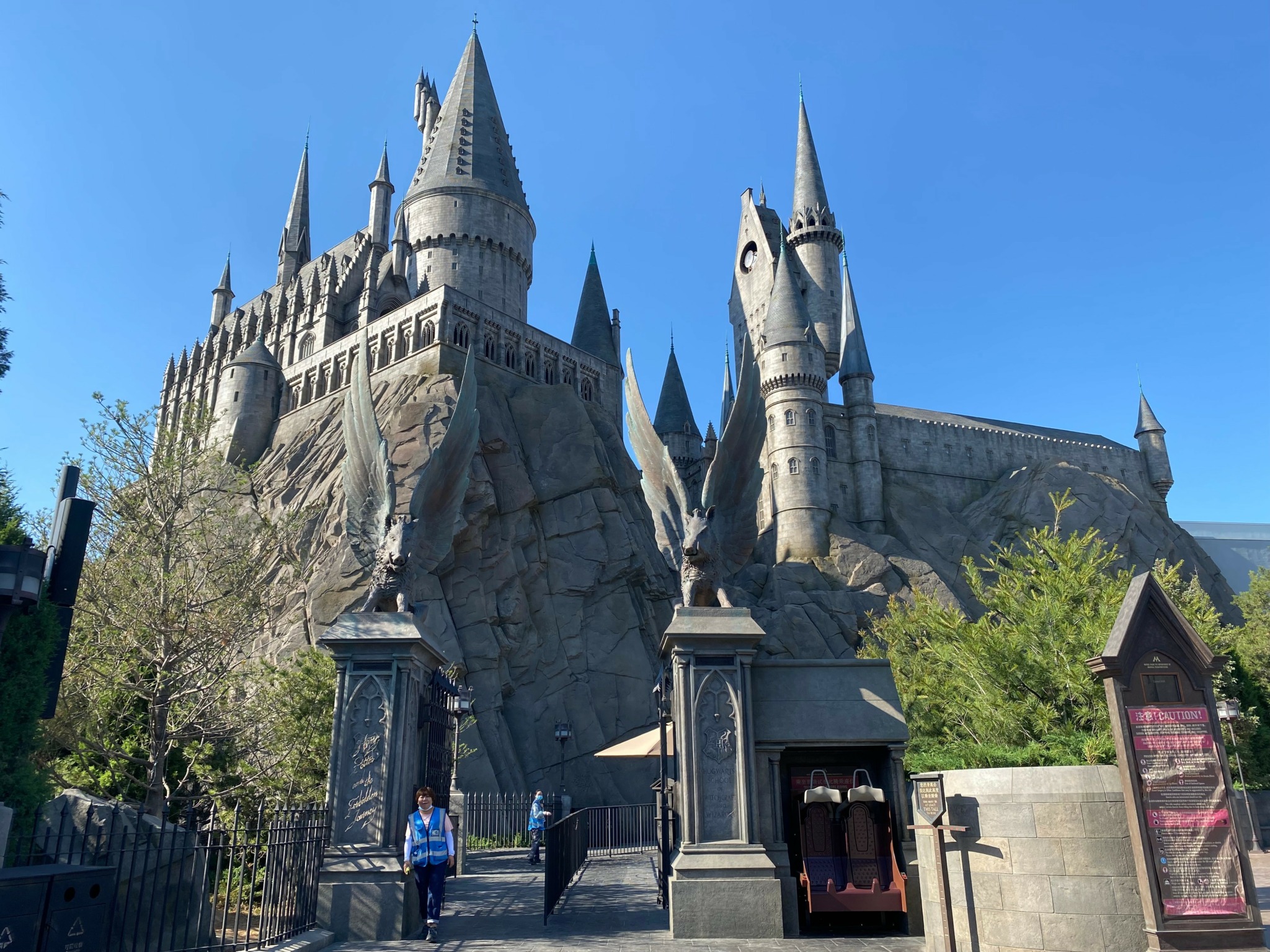
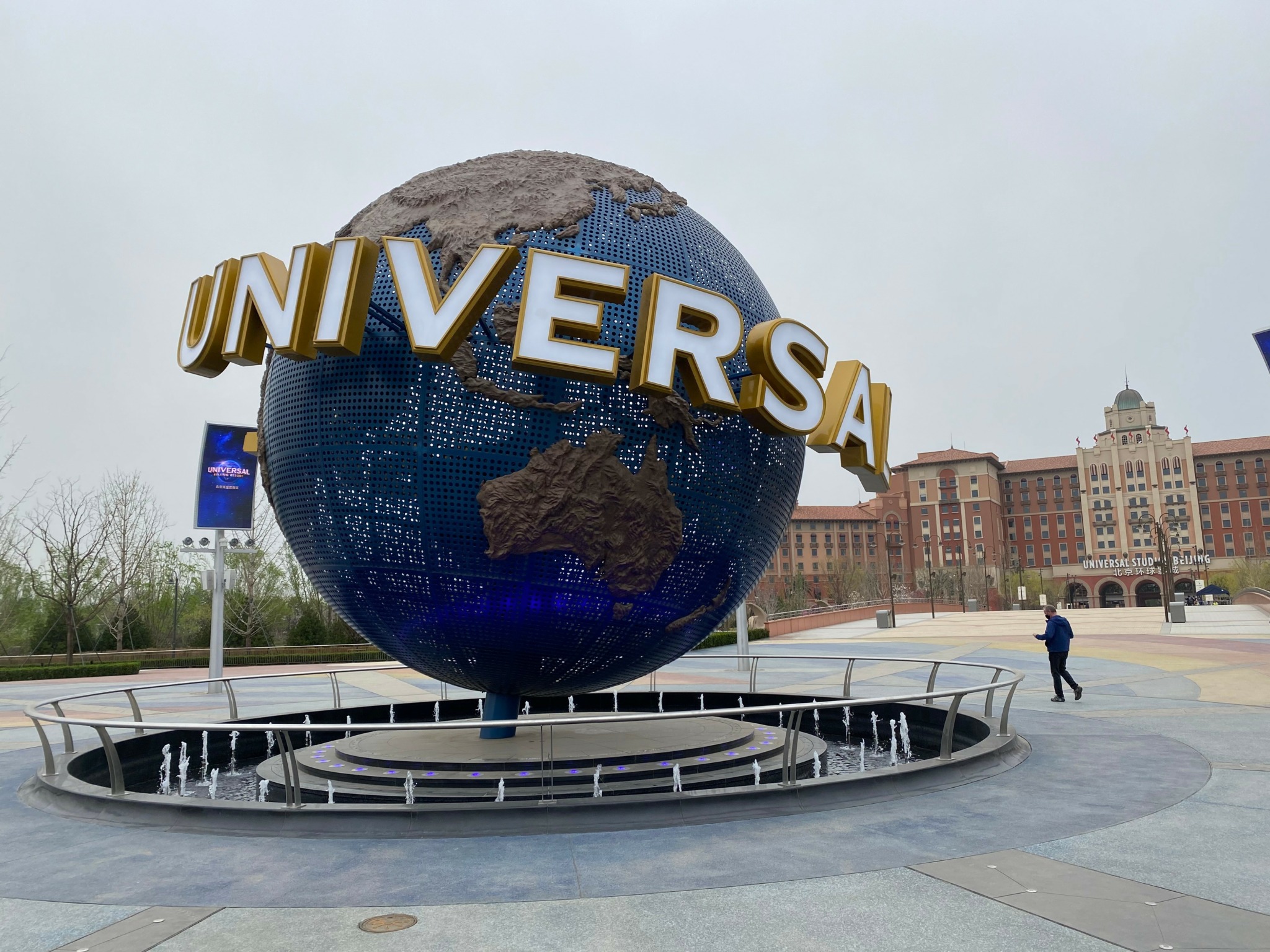
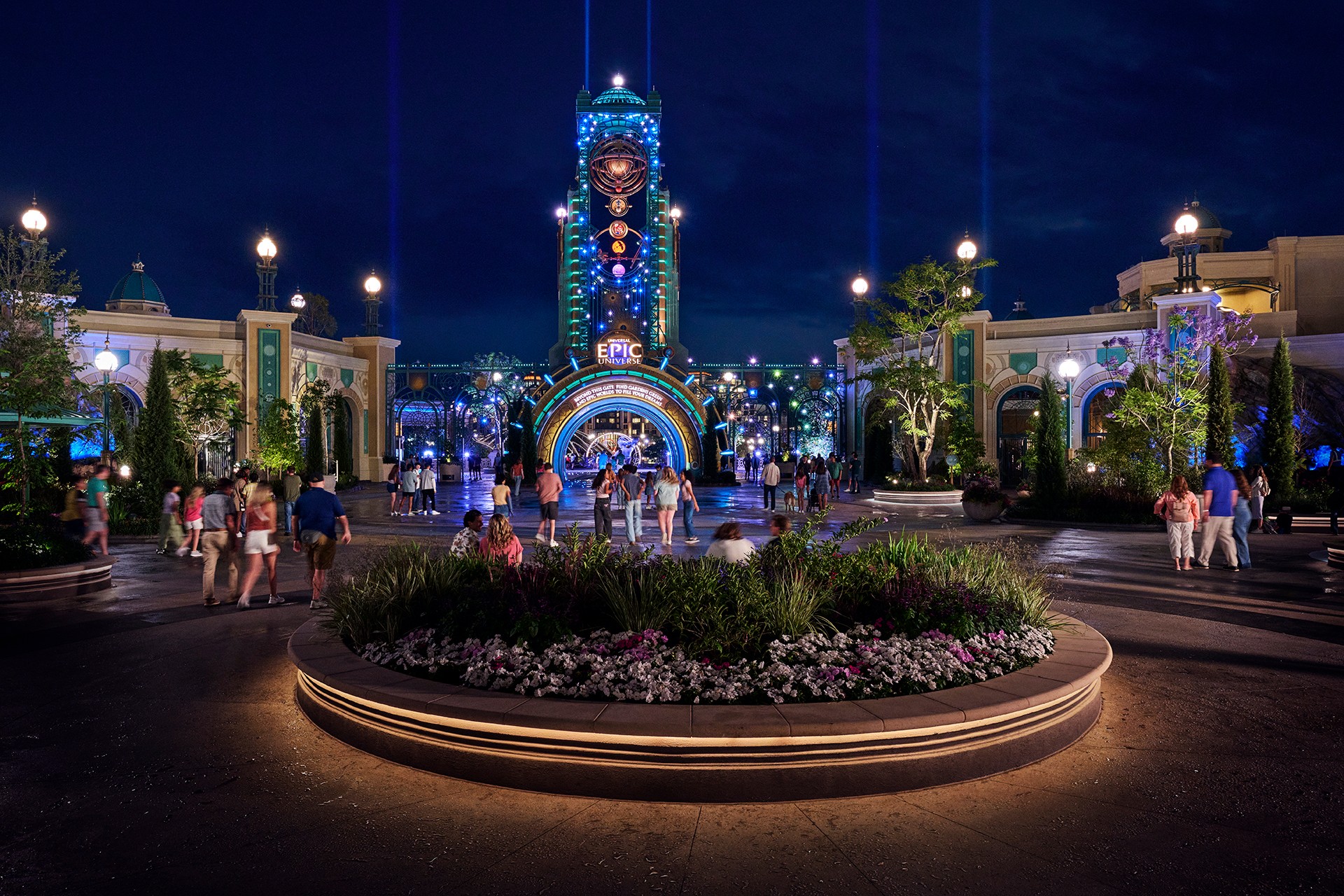
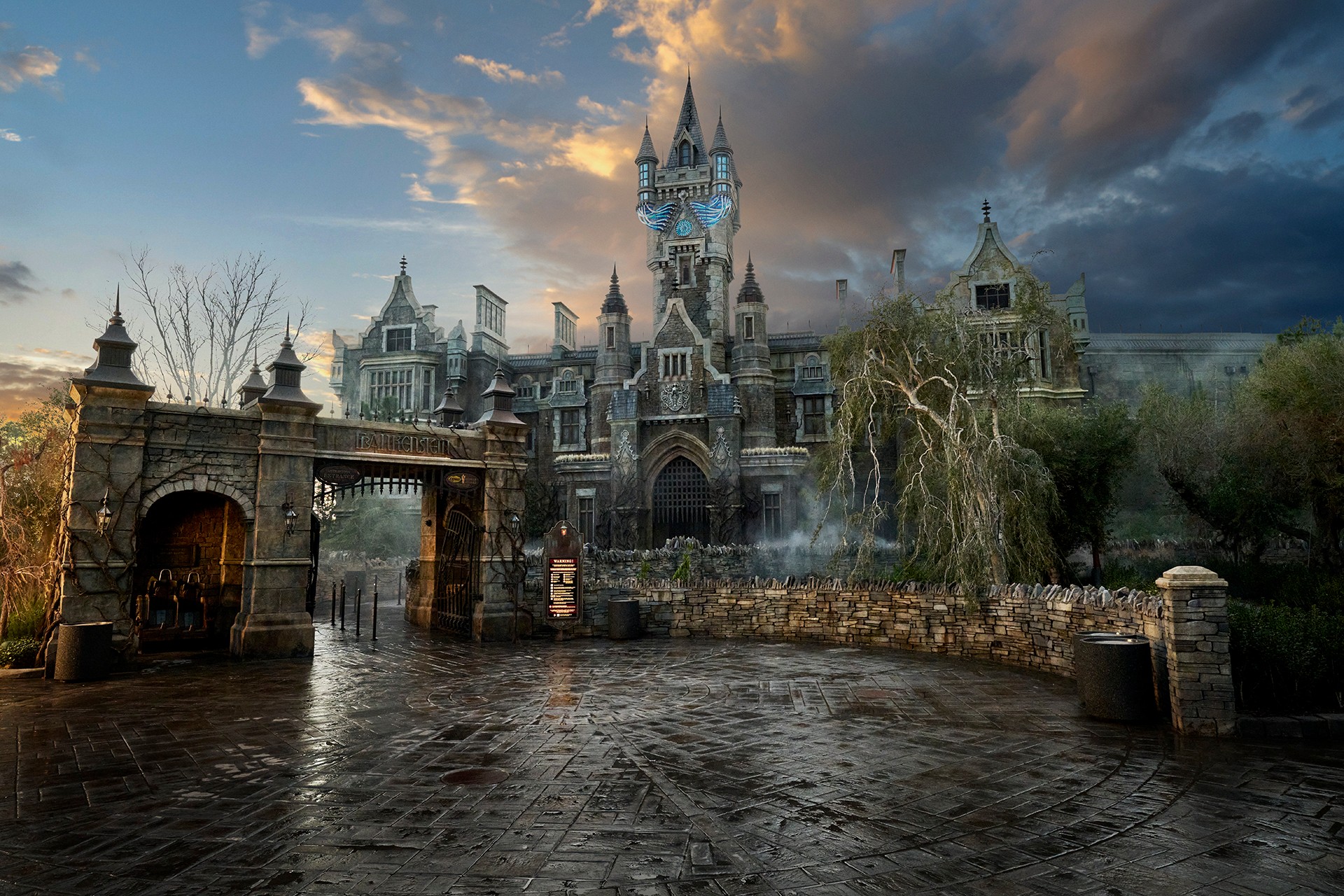
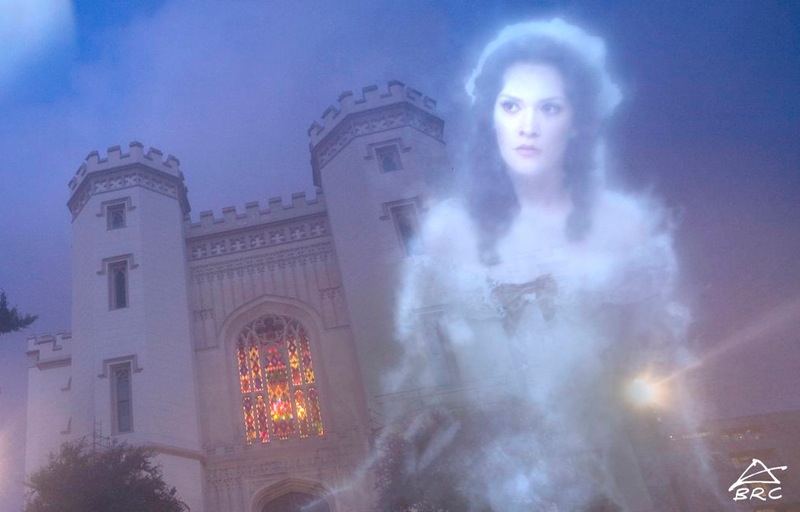
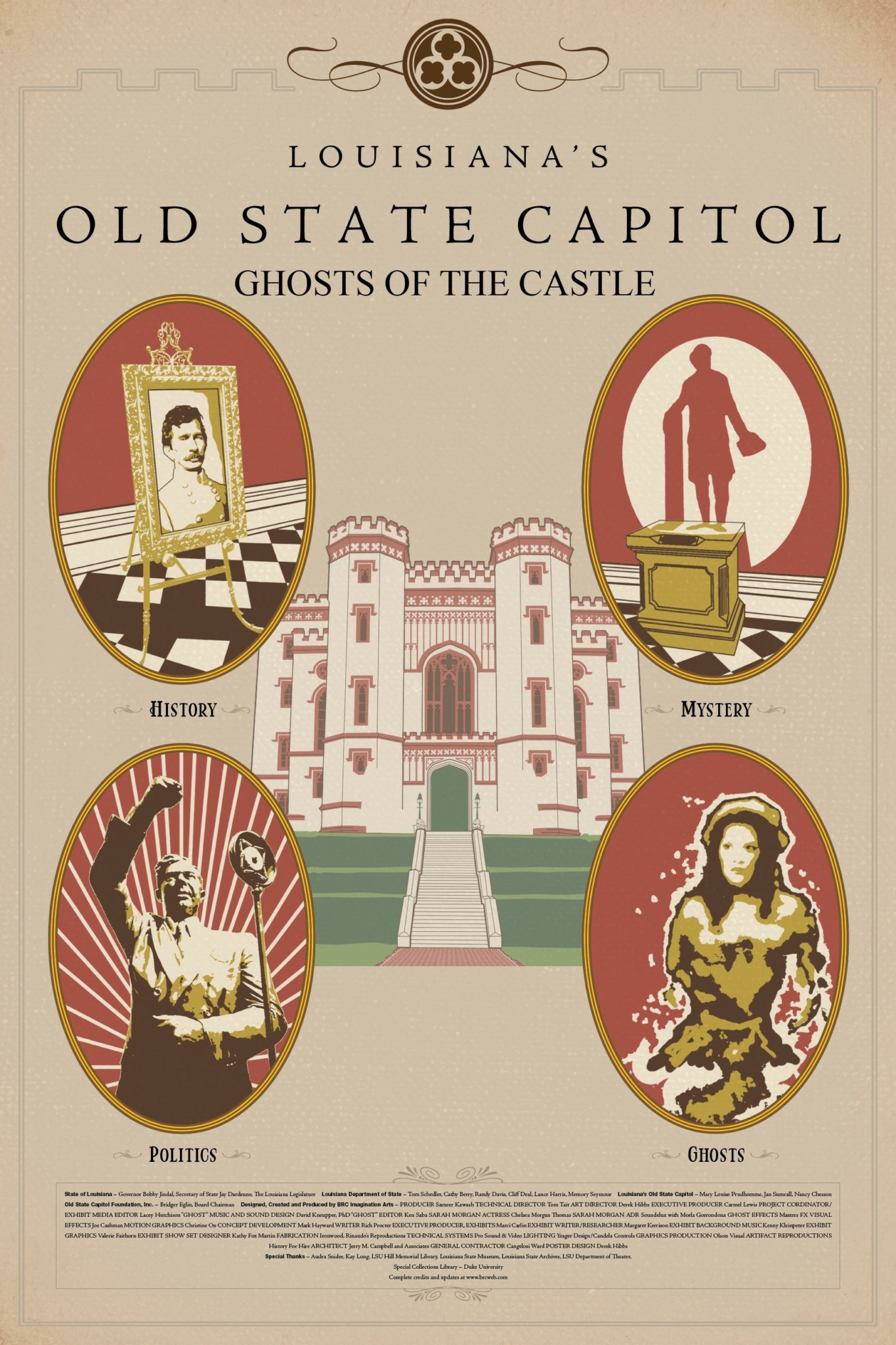
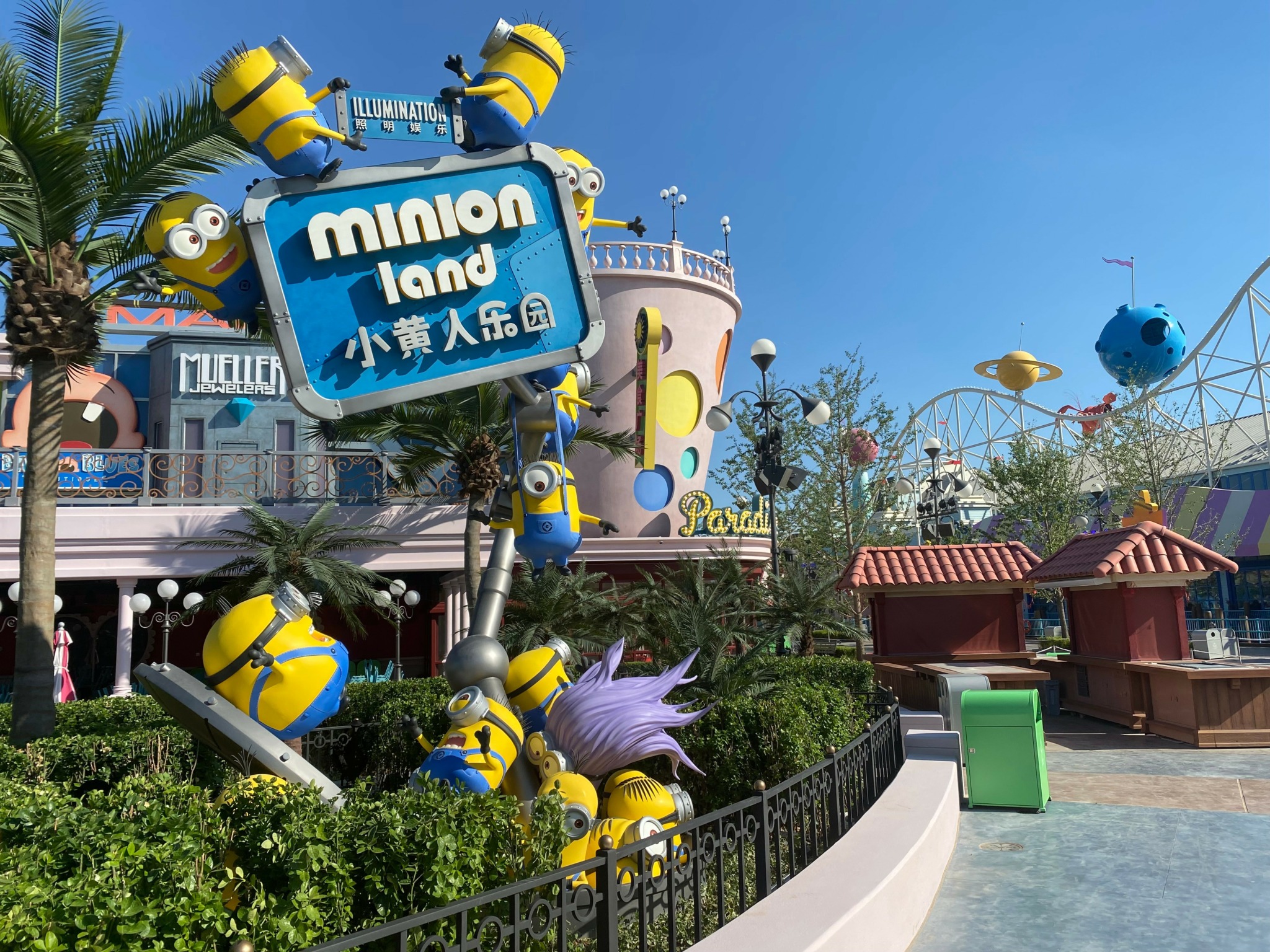
I am always proud of the work and am grateful for having been involved on so many varied productions. From the award-winning Universal Beijing Resort and Universal Epic Universe, the 1904 World’s Fair Exhibit, to the Louisiana Old State Capital’s Ghost of the Castle show, amongst many others, it has been an amazing journey made with a powerhouse of good people all having the same goal: to create projects that resonate.
Looking back, are there any resources you wish you knew about earlier in your creative journey?
Yes — absolutely. Very early in my creative journey, I wish I had known about two kinds of resources: communities and toolkits.
On the community side and prior to social media’s emergence, I wish I’d plugged into creative and production networks much sooner — organizations like the Themed Entertainment Association, IAAPA, production forums, AV/tech communities, museum/exhibit media networks – such as the AAM, and the broader experiential and immersive community. Those groups would have helped me find collaborators, share knowledge, and see how other producers and directors solve the same challenges I was learning the hard way.
On the toolkit side, I wish I’d known earlier about the vast world of project management platforms, creative workflow systems, and emerging technologies. Tools like Asana, Monday.com, Productiv, Frame.io, and early AI-assisted production workflows would have accelerated my learning and saved me years of trial-and-error. The right tools don’t replace creativity — they free you to spend more time on the creative thinking instead of drowning in logistics.
But the silver lining is that discovering these resources later also taught me adaptability, curiosity, and a love for learning. I still approach my work with that ‘always a student’ mindset.
How about pivoting – can you share the story of a time you’ve had to pivot?
One of the biggest pivots in my career happened when the industry rapidly shifted from traditional media and events into digital-first experiences. I had built my career in production, directing, and managing large events — but suddenly, the landscape changed. Clients needed hybrid experiences, broadcast-quality virtual content, interactive museum media, and digital storytelling that felt as immersive as a live moment.
Instead of viewing that shift as a threat, I treated it as an opportunity to evolve. I reinvested in my skills, expanded into creative direction, experiential design, and modern production workflows, and embraced technologies like AI-driven media creation, real-time graphics, and interactive design. That pivot completely changed my trajectory. It allowed me to scale beyond traditional production and build a multidisciplinary toolkit that now defines my career.
Looking back, that pivot wasn’t just about surviving a shift — it turned me into a more adaptable, future-focused creative leader. I learned that reinvention isn’t a disruption; it’s a catalyst. Every time I’ve leaned into change instead of resisting it, my career has taken a meaningful leap forward.