

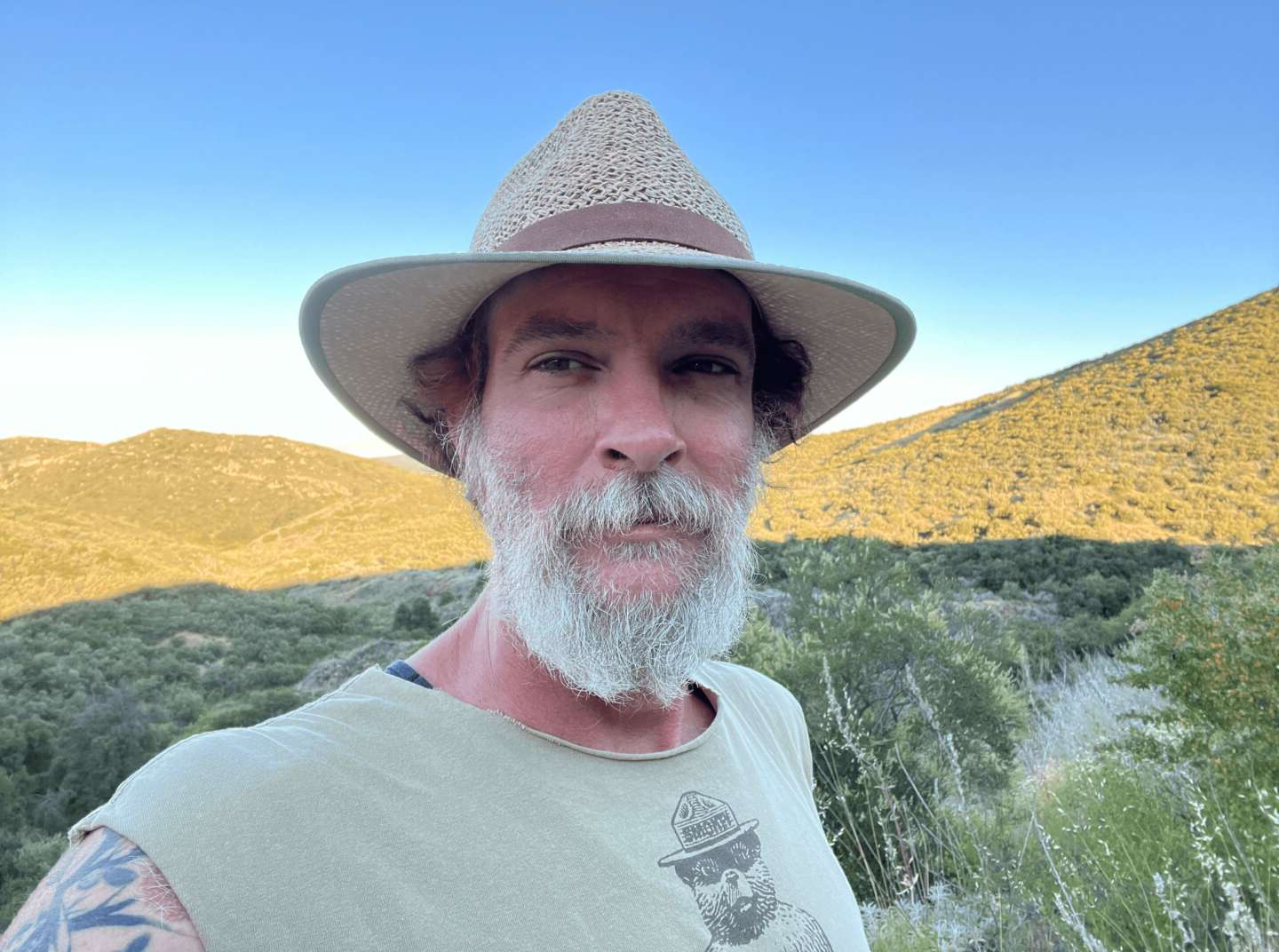

We recently connected with Ken Abernathy and have shared our conversation below.
Ken, looking forward to hearing all of your stories today. Alright, so you had your idea and then what happened? Can you walk us through the story of how you went from just an idea to executing on the idea
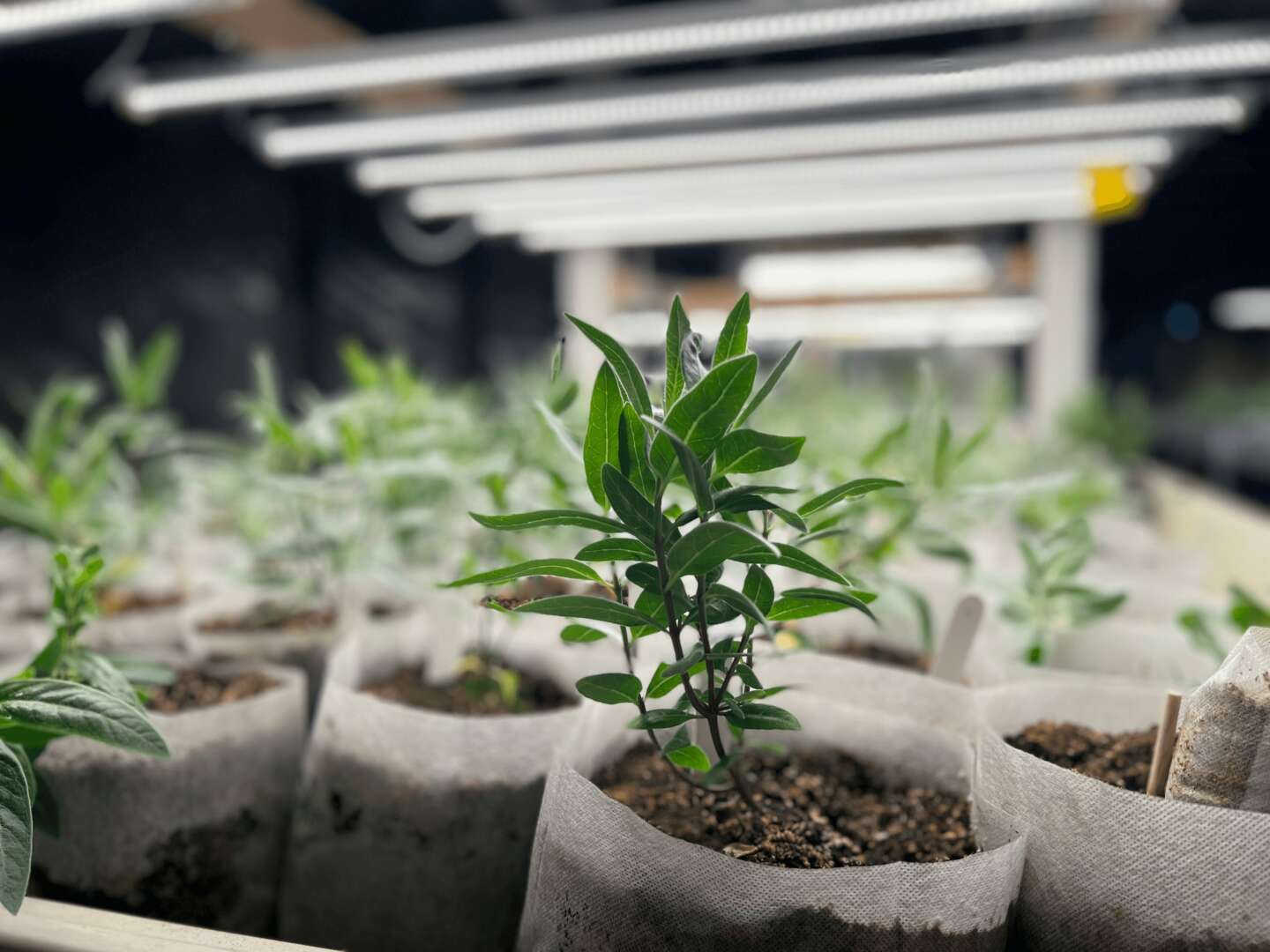
I started Caterpillar Chow as a way to replenish my garden when I realize that milkweed was hard to come by and also expensive. I used research and trial and error to not only come up with new ways of growing milkweed, but also to improve on the experiences others were having trying to grow this notoriously difficult plant.
Once I realize people wanted what I had, I also discovered that there were a lot of questions that needed answering with regard to the butterflies and gardening for them.
So my journey which began originally, as a means of creating income, has turned into a quest for knowledge that I spend time in the wild discovering and analyzing in order to share with the rest of the community in order to help all of humanity, discover how to keep living ecosystems within our urban habitats.
What we’ve been able to discover so far is that a lot of the things you can read on the Internet about these butterflies and these milkweed plants is completely false and so now we’ve made it our mission to clarify this information and help people appreciate the gardens that they’ve built for themselves the way they were meant to.
Great, appreciate you sharing that with us. Before we ask you to share more of your insights, can you take a moment to introduce yourself and how you got to where you are today to our readers.
I am a self-starter that originally worked in the field of construction building all manner of stores and displays. I left for the private sector where I began producing custom solutions for everything from animal ranching to unique built in home features.
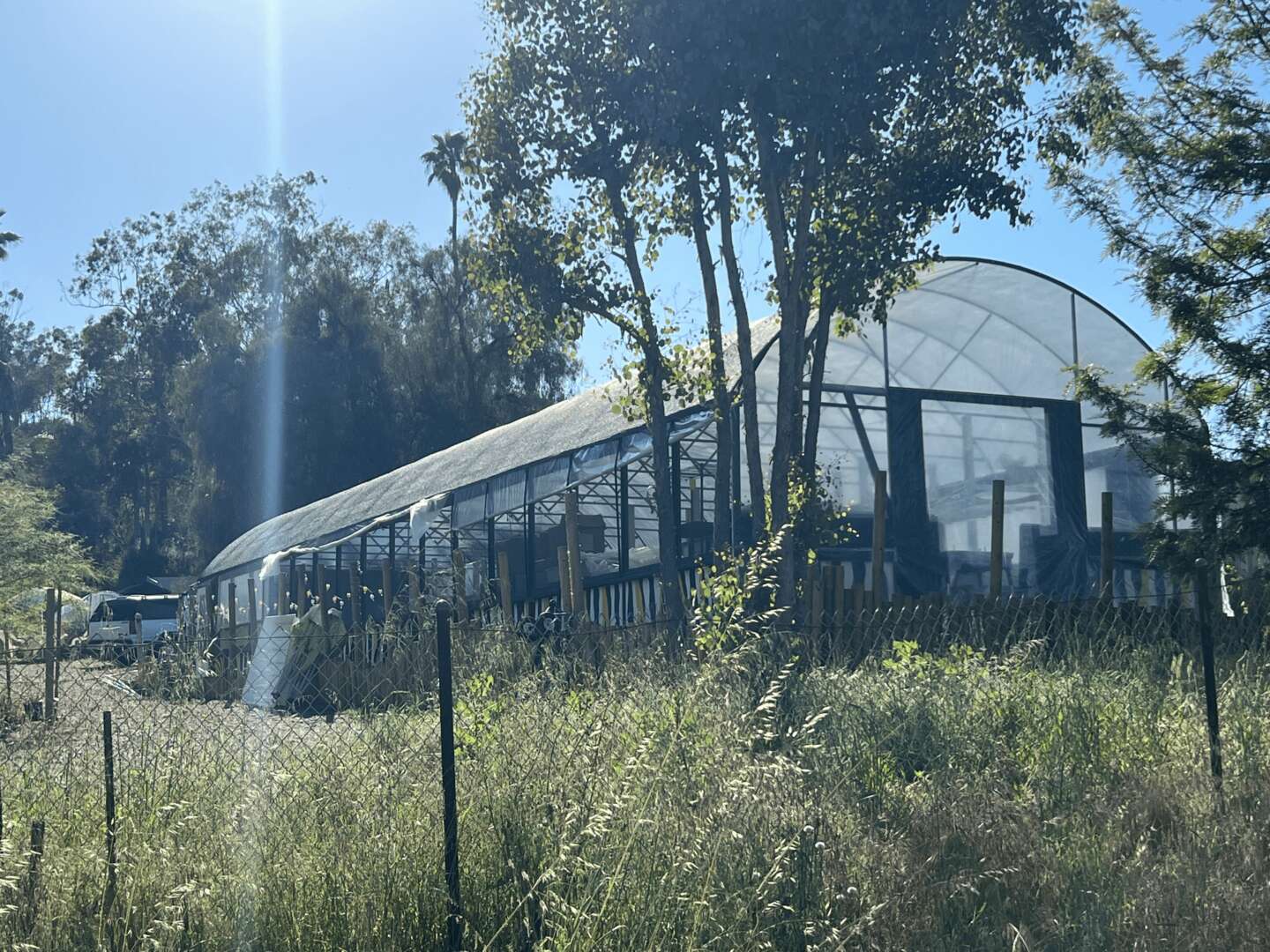
After the pandemic I found a new calling as a plant grower and a field biologist and California Certified Naturalist and educator. We built a 1 acre farm designed to be off-grid and we have a local school and remote programs to bring education to schools and groups all over the county.
We are now a designated charity too!
We preach about chemical free gardening and the truth about finding balance in nature so we can increase the pollinator habitats in our city limits and help people find joy in gardening for life.
We do not produce our plants outdoors and maintain pesticide free crops always.
Let’s talk about resilience next – do you have a story you can share with us?
Our first year producing in the new greenhouse I had plants in December that were luscious and green. What I didn’t not then know was how many people in this county had Monarchs in the wintertime. We sold out of plants before spring and I had no backup plan! We’ve had trouble coming into spring with plants ever since we started because of those large gaps with no income while we grew more.
We’re expanding as much as we can every year but so does our popularity! The biggest challenge now is not selling ourselves out of business. .

We’d love to hear the story of how you built up your social media audience?
Social media has proven to be the key to our success. Although we have a superior product we find that reaching people is the most difficult thing, and maintaining our fans has proven to be a full time job.
I learned early on to combine my writing skills with documentation of our journey and I post them in pages and groups where we receive more attention.
I don’t spend a lot on ads but when I do, the big key is tweaking the parameters to reach the appropriate audience. Do not go with any presets you find in spreading your message. Although the “amount of people reached” scale is a guideline it doesn’t guarantee that they’re the right people.
Contact Info:
- Website: https://Caterpillarchowhabitatfarms.org
- Instagram: @caterpillarchow
- Facebook: https://Facebook.com/caterpillarchowllc
- Other: https://Www.CaterpillarChow.com
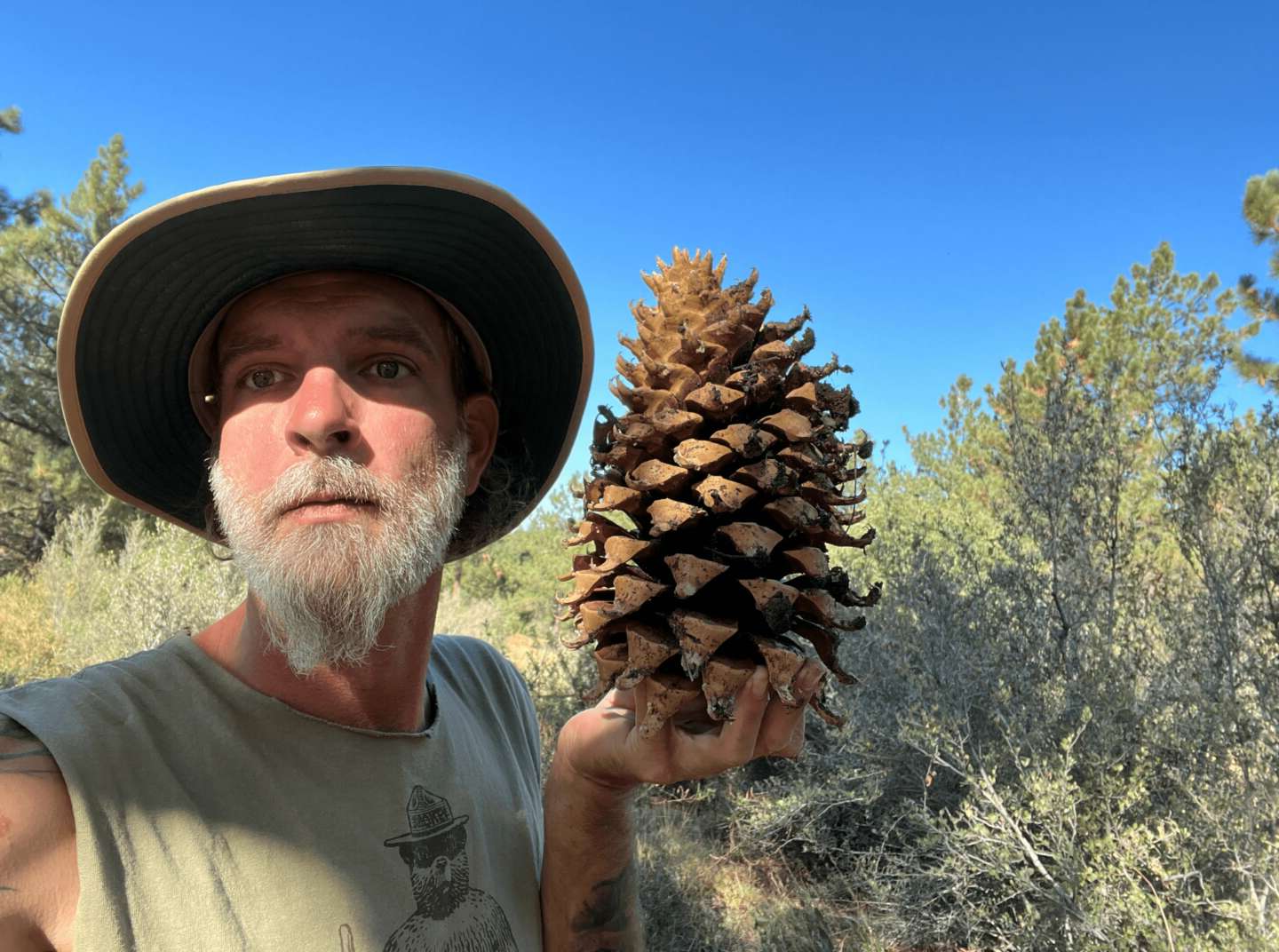
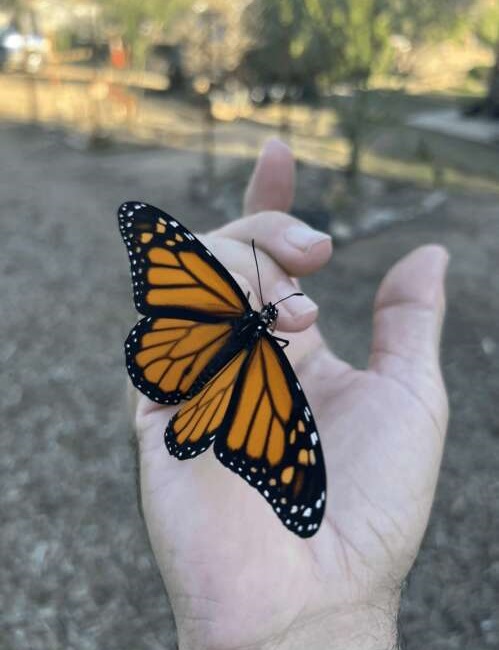
Image Credits
Ken Abernathy