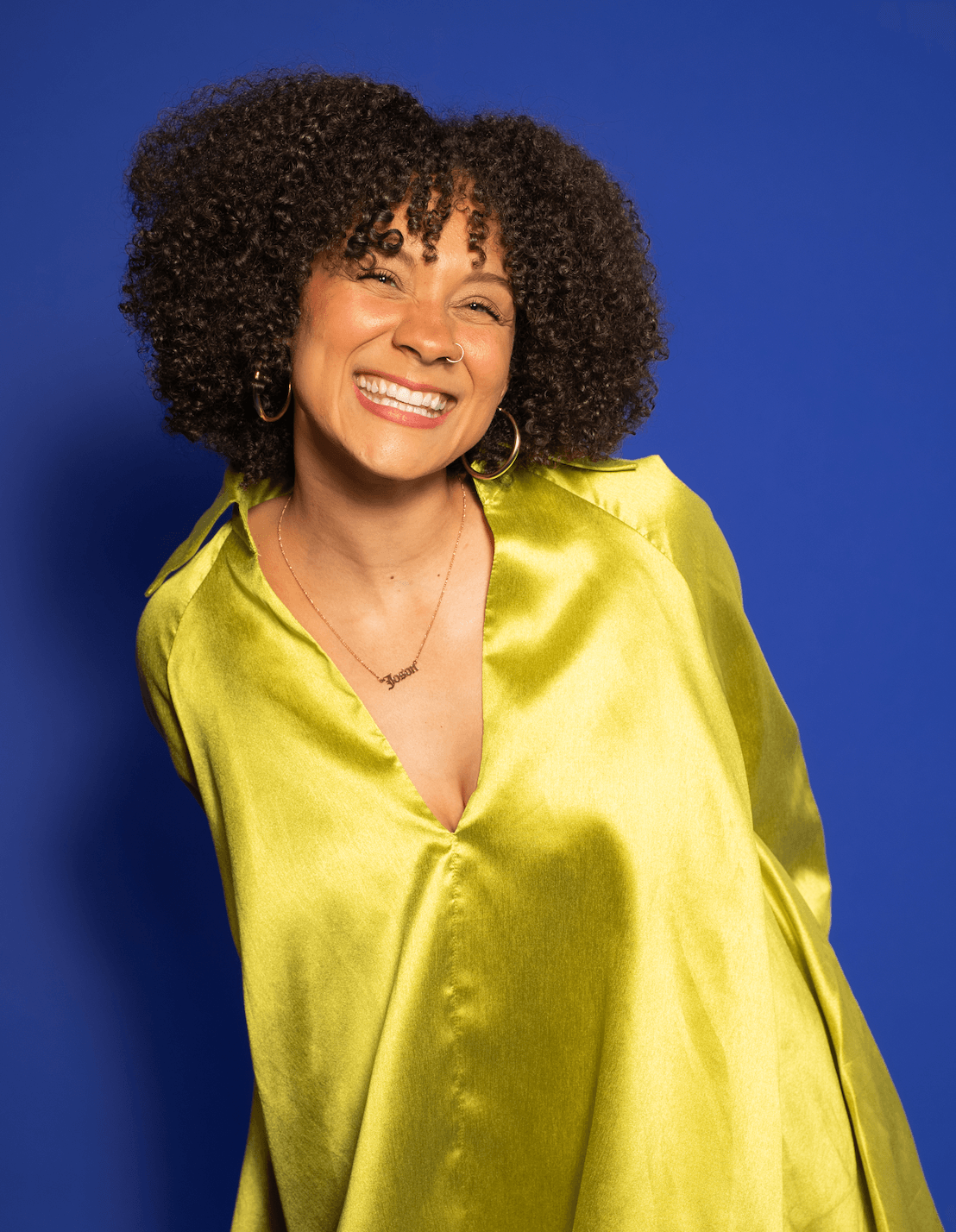

We’re excited to introduce you to the always interesting and insightful Kelsey Joson. We hope you’ll enjoy our conversation with Kelsey below.
Kelsey, looking forward to hearing all of your stories today. Often outsiders look at a successful business and think it became a success overnight. Even media and especially movies love to gloss over nitty, gritty details that went into that middle phase of your business – after you started but before you got to where you are today. In our experience, overnight success is usually the result of years of hard work laying the foundation for success, but unfortunately, it’s exactly this part of the story that most of the media ignores. Can you talk to us about your scaling up story – what are some of the nitty, gritty details folks should know about?
I started building InControl in 2019 after taking an accelerator program designed to help entrepreneurs move from idea to execution. At the time, I had done everything “right.” I researched the market, built out a full business model, and felt ready to take a leap of faith on what I believed InControl was supposed to be.
And then the pandemic hit.
In 2020, InControl was truly born out of uncertainty and tragedy. Everything I thought I knew about my business — and the world — changed overnight. I remember waking up in the middle of the night during that season, overwhelmed and questioning everything, and feeling the Lord clearly tell me: Just because we’re in a pandemic doesn’t mean you can’t do what you’re called to do.
That moment shifted everything.
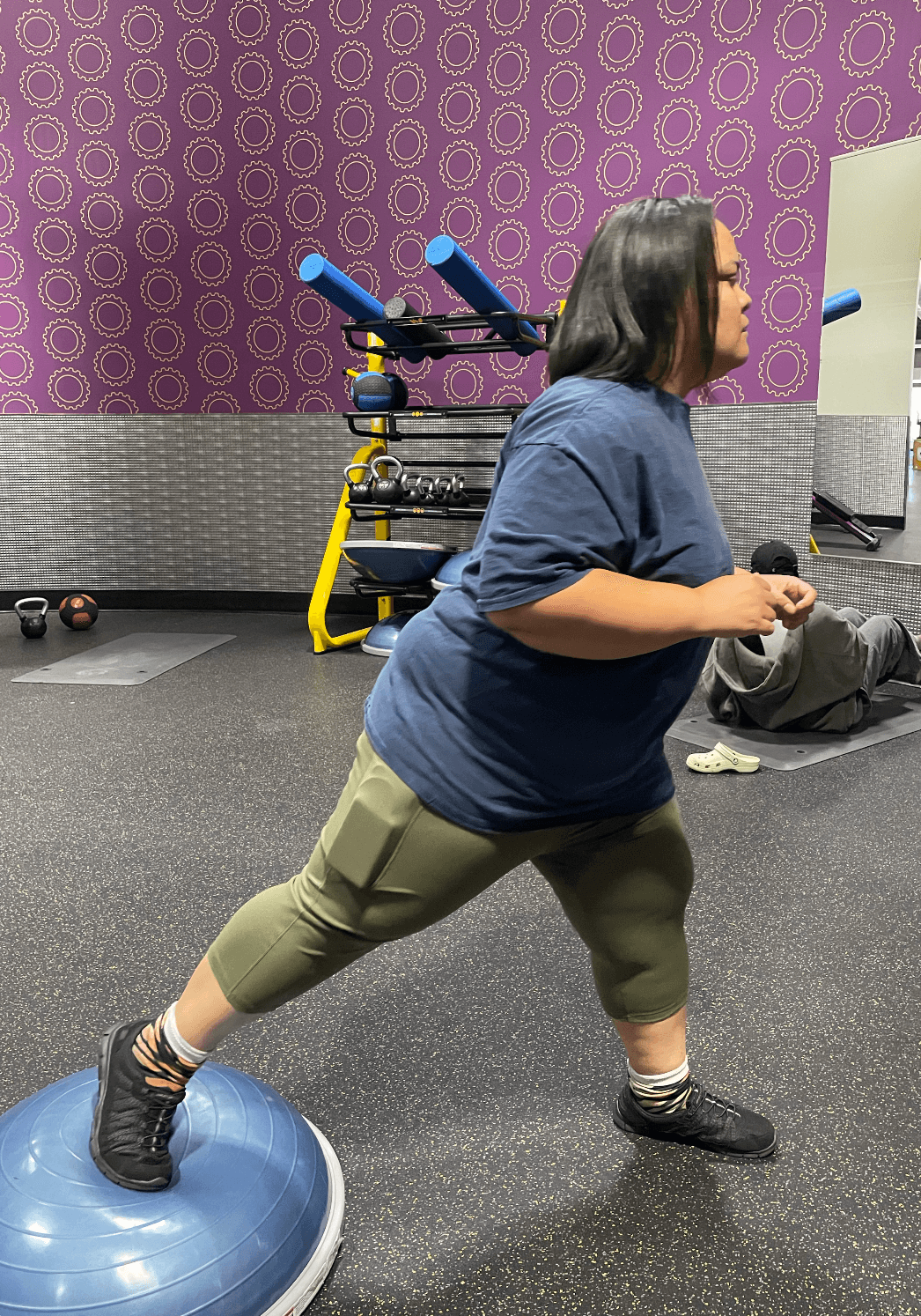
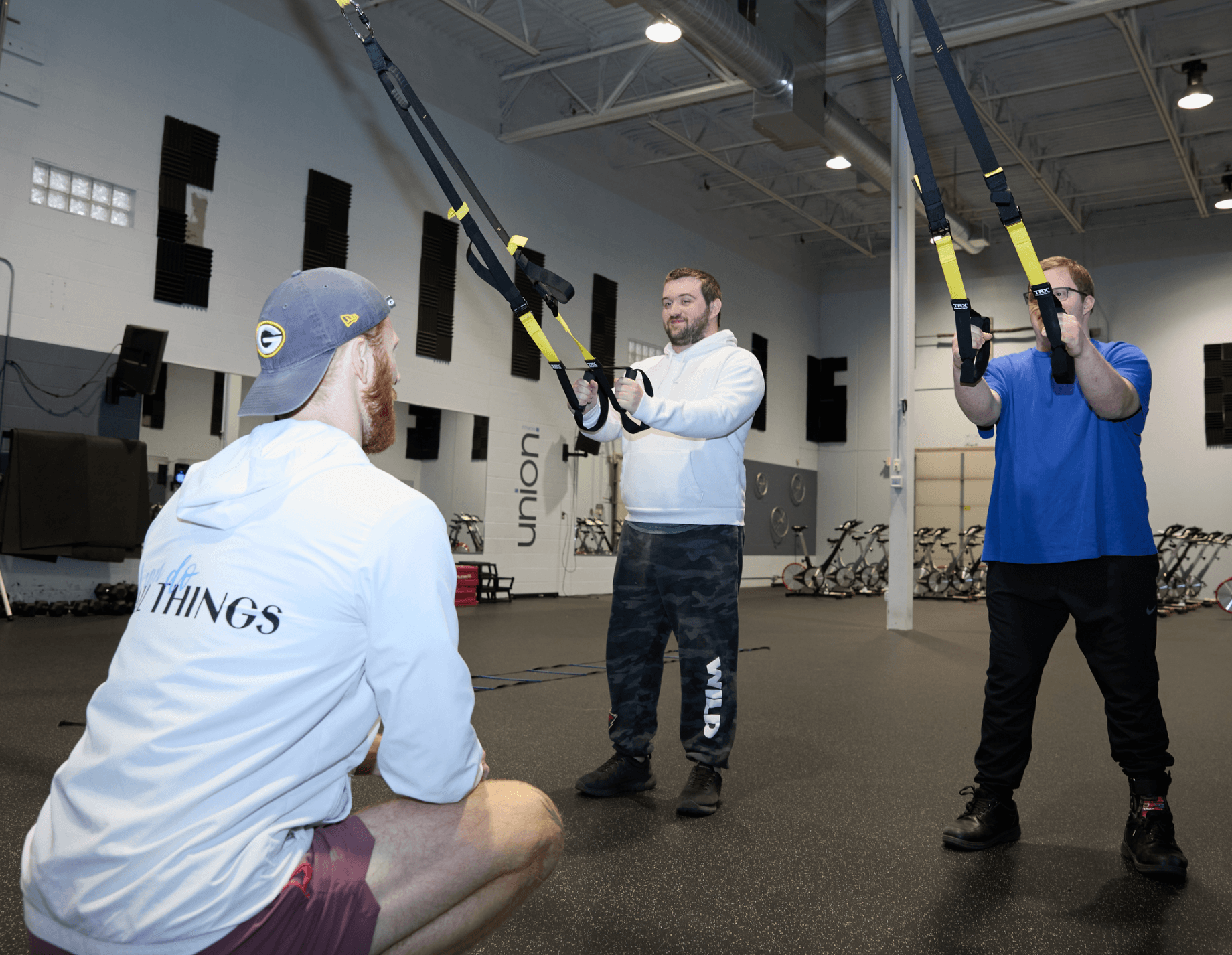
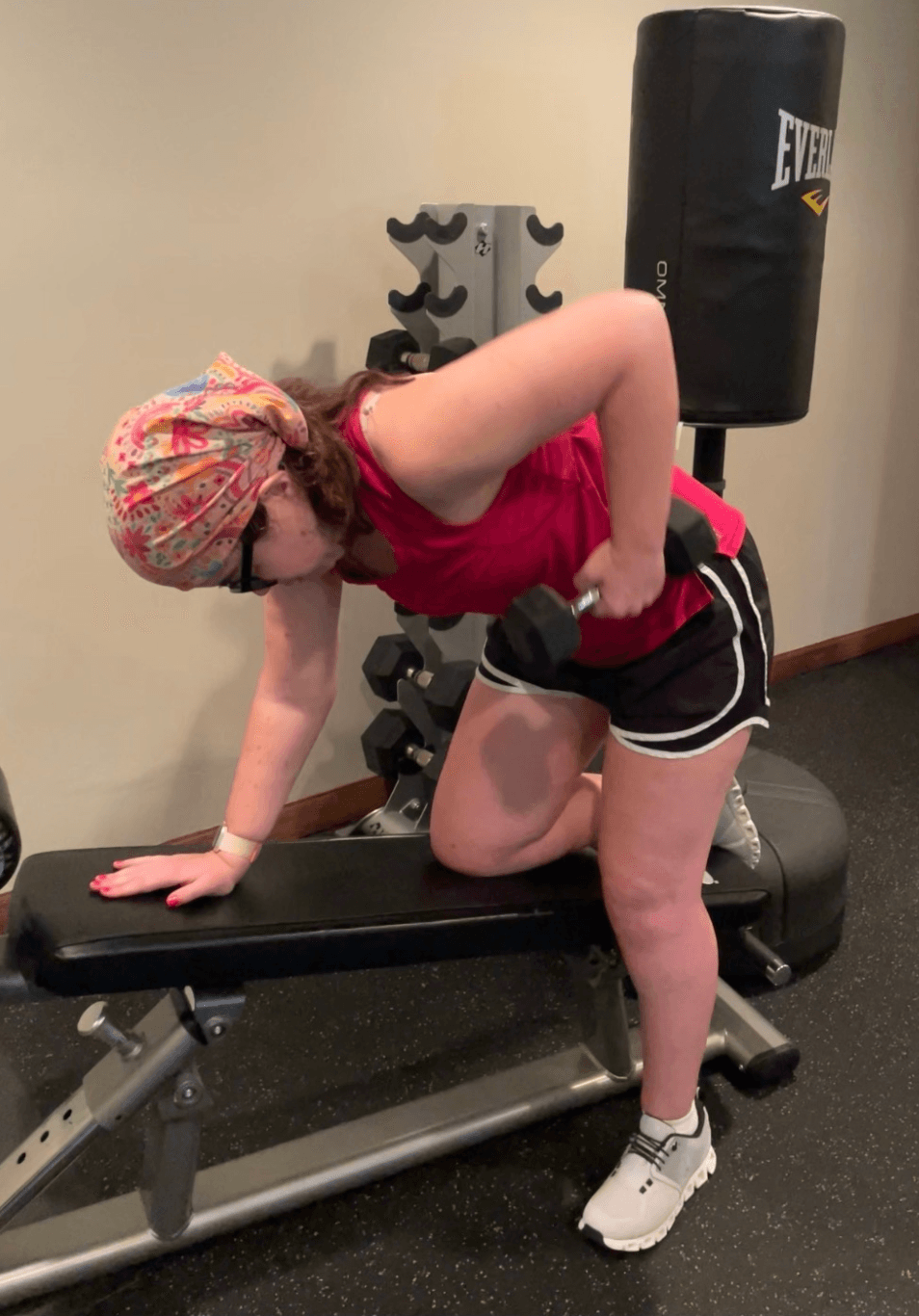
I started building what I didn’t realize at the time would become the foundation of InControl’s current curriculum. I wasn’t thinking about scaling or revenue. I just wanted to help. Adults with disabilities were more isolated than most people during COVID, and staff in group homes were exhausted, short-staffed, and overwhelmed. So I created free wellness activities centered around four pillars — physical wellness, social wellness, nutrition, and spiritual wellness — and sent them out to group homes at no cost.
It was about providing structure, dignity, and something meaningful during a time when everything felt unstable.
As we began coming out of the pandemic, the disability services industry struggled to recover. Staffing shortages, high turnover, and transportation challenges became the norm. That’s when I had to take a hard look at the business model I had spent so much time, money, and energy building in 2019.
And the truth was uncomfortable: it no longer met the needs of the community.
That realization forced one of the hardest decisions I’ve made as a founder. I had to let go of what I wanted InControl to be and redesign it around what people actually needed. That meant a full pivot, reimagining the business entirely and shifting to in-home services that removed barriers and met people where they were.
I essentially rebuilt InControl from the ground up.
That pivot is what allowed the company to scale responsibly. It taught me that real growth doesn’t come from sticking stubbornly to a plan, but from listening closely, staying humble, and being willing to rebuild when the foundation no longer fits the moment.
InControl didn’t grow overnight. It grew because we were willing to adapt, serve first, and build something that truly worked even if that meant starting over.
In 2021, our revenue was $2,500. Growth didn’t come fast at first, and honestly, that was humbling.
As the business began to work, the challenge shifted. We started doubling in growth year over year, and that’s when I learned that scaling too fast can be just as dangerous as not growing at all. There was one year where growth slowed down and while it felt uncomfortable at the time, it was one of the most important seasons we had. We used it to strengthen our foundation, clean up systems, and prepare for what was coming next.
Small business often feels like building the plane while you’re flying it. You don’t always get the luxury of sitting back, listening to podcasts, and designing the “perfect” system. Most of the time, you’re building policies and procedures in real time because something needs to exist now.
One thing that saved me was admitting I don’t have all the answers. I built a personal advisory team, people I can call quickly depending on what I’m facing. HR question? I call an HR expert. Legal issue? My lawyer. Financial decisions? A mentor who understands business finance. Marketing? Someone who lives and breathes branding. That network allowed me to move fast without making reckless decisions.
I’ve made mistakes. I underpriced early. I waited too long to ask for help. I’ve gone back and reworked systems after the fact. And as you learned, I’ve had to pivot which often means rewriting the plan entirely, and that takes humility.
Scaling isn’t glamorous. It’s unglamorous, exhausting, and incredibly rewarding. And the truth is, that messy middle is where real businesses and real leaders are made.
As always, we appreciate you sharing your insights and we’ve got a few more questions for you, but before we get to all of that can you take a minute to introduce yourself and give our readers some of your back background and context?
I am a founder, educator, and community builder driven by a simple but deeply held belief: everyone deserves to feel seen, loved, and welcome in every space they enter. That belief isn’t just something I say, it’s how I lead, how I build, and how I show up for my community. My work lives at the intersection of wellness, equity, and belonging, and it has shaped every organization and initiative I’ve created.
My journey into this work started with a part time job when I was 18 working with adults with disabilities graduating from transition school. It was there that I started asking the question that would eventually change my life: what happens when people with disabilities turn 21 and age out of the school system? I saw how quickly support systems disappeared and how adults with disabilities were left without access to preventative wellness, community, or tools to support long-term quality of life. In 2019, I founded InControl to directly address that gap.
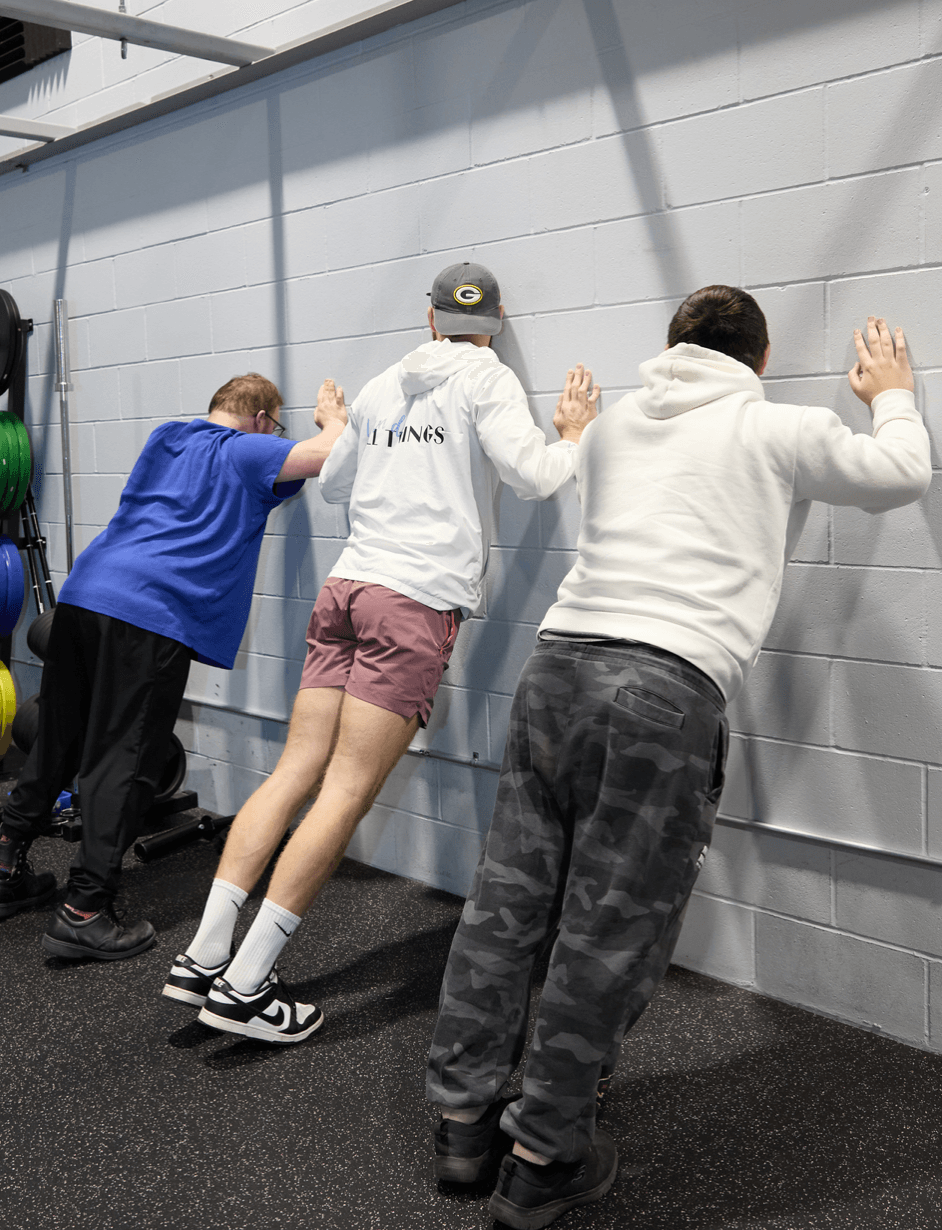
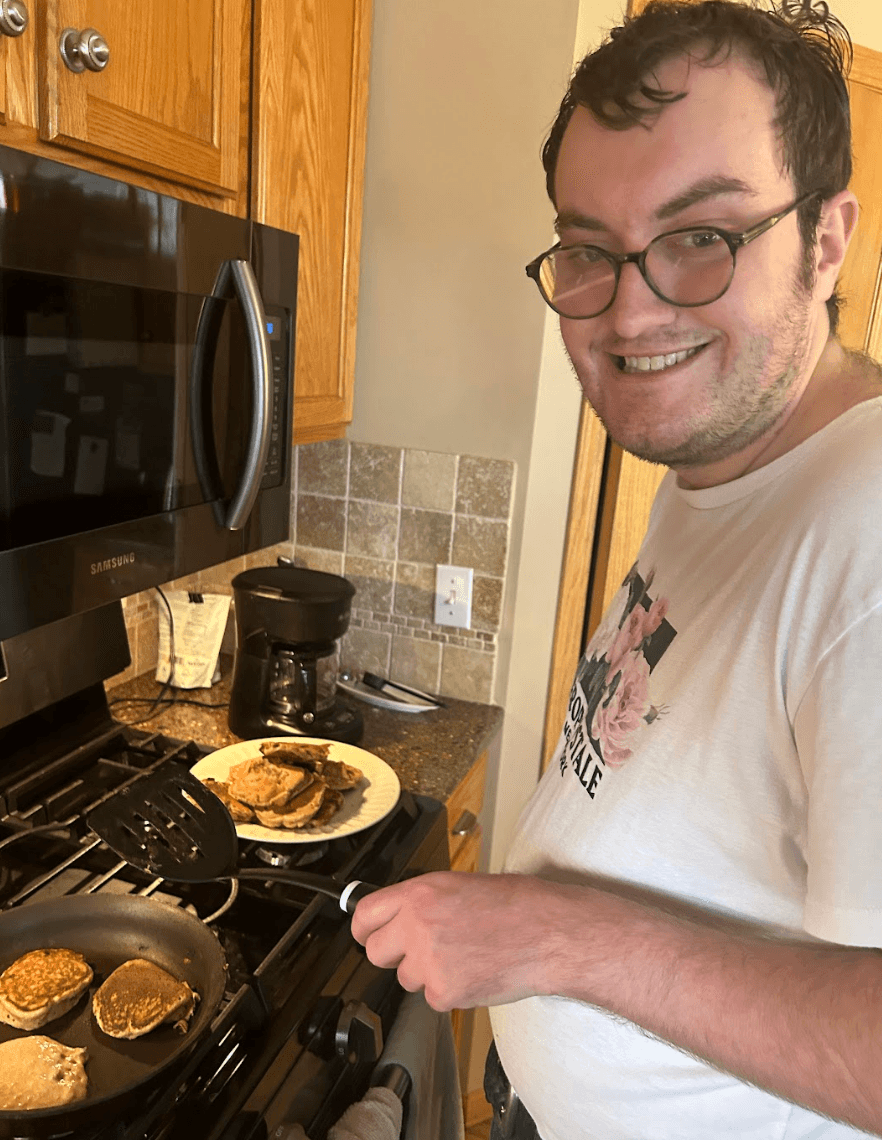
InControl exists to solve the quality-of-life crisis for adults with disabilities. We provide in-home preventative wellness rooted in habit building across physical wellness, social and emotional wellness, and nutrition. What sets InControl apart is our focus on sustainability at home, not one-time programs or short-term outcomes. We help people build routines that last, restoring independence, confidence, and dignity. I lead InControl with the belief that health is wealth, and that access to wellness should never depend on ability.
Alongside InControl, I founded Strengthen The Strong, a community that brings people together before business, titles, or status. Strengthen The Strong has grown into a regional network and monthly gathering where leaders, founders, and professionals from all backgrounds come to connect, collaborate, and build relationships first before they do business together.
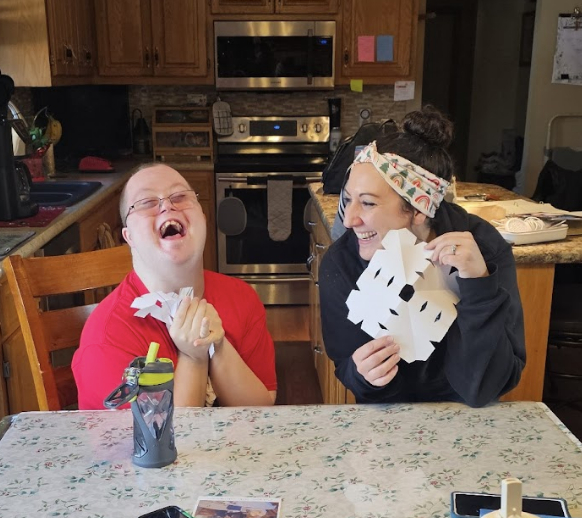
What I am most proud of is not just the organizations I’ve built, but the spaces I’ve created where people feel they belong. Whether through wellness, education, advocacy, or community leadership, my work is about breaking down barriers and rebuilding systems with the people they are meant to serve at the center. I don’t believe in fitting into boxes. I believe in building tables big enough for everyone and making sure every voice matters once they sit down.
At the core of everything I do is this: people thrive when they are seen, supported, and given the tools to care for themselves and each other.
Do you have any stories of times when you almost missed payroll or any other near death experiences for your business?
There were many moments early on where InControl was held together by faith, grit, and my personal bank account. In 2022 and into part of 2023, I paid payroll out of my own pocket more times than I ever expected to. When you are building a mission-driven business and serving a community that truly depends on you, not paying people is simply not an option. You find a way.
One moment in particular is burned into my memory. I had just processed payroll for the month, closed my laptop, looked at my bank account, and literally said out loud, “Welp, that’s it. Next month I have nothing.” My personal account was empty. Our line of credit was completely maxed out. There was no emergency fund, no backup plan, and no one left to call. I remember sitting there half laughing, half frozen, because there was genuinely no logical path forward.
Then, out of nowhere, I received an email. It was a notification that I had been awarded a $10,000 grant. A grant I had applied for months earlier and honestly forgotten about. It showed up at the exact moment when there was no other option left.
I am a faith-led leader, and I truly believe that when you are walking in what you are called to do, provision shows up, sometimes at the very last second. That moment broke me down completely. There was no way I could take credit for making it work. Payroll got paid. The business kept going.
That experience taught me that entrepreneurship, especially mission-driven work, is not glamorous. It is humbling. It will stretch you in ways no one talks about. But it will also build your faith, your resilience, and your trust in the work you are meant to do.
What do you think helped you build your reputation within your market?
I believe my reputation has been built on being a consistent, values-driven ally who shows up with humility and action. I take allyship seriously. I care deeply about using my voice and platform to bring attention to issues that are often overlooked, especially within the disability community, and then backing that up with real work.
I’ve always believed that awareness alone isn’t enough. If you’re going to call something out, you also have a responsibility to help move it forward.
That approach showed up clearly in 2024 when I helped organize disability voting access efforts, including a Voter 101 event in partnership with the Secretary of State’s office and a Mock Election Day with Hennepin County Elections. These events were designed to ensure people with disabilities could learn their rights, ask questions, and practice voting using accessible machines before the presidential election.
Ultimately, I think people trust me because I’m consistent. I say what I mean, I do the work, and I stay rooted in service rather than optics.
Contact Info:
- Website: https://www.incontrolmn.com
- Instagram: @kfj_15
- Linkedin: https://linkedin.com/in/kelseyjoson