

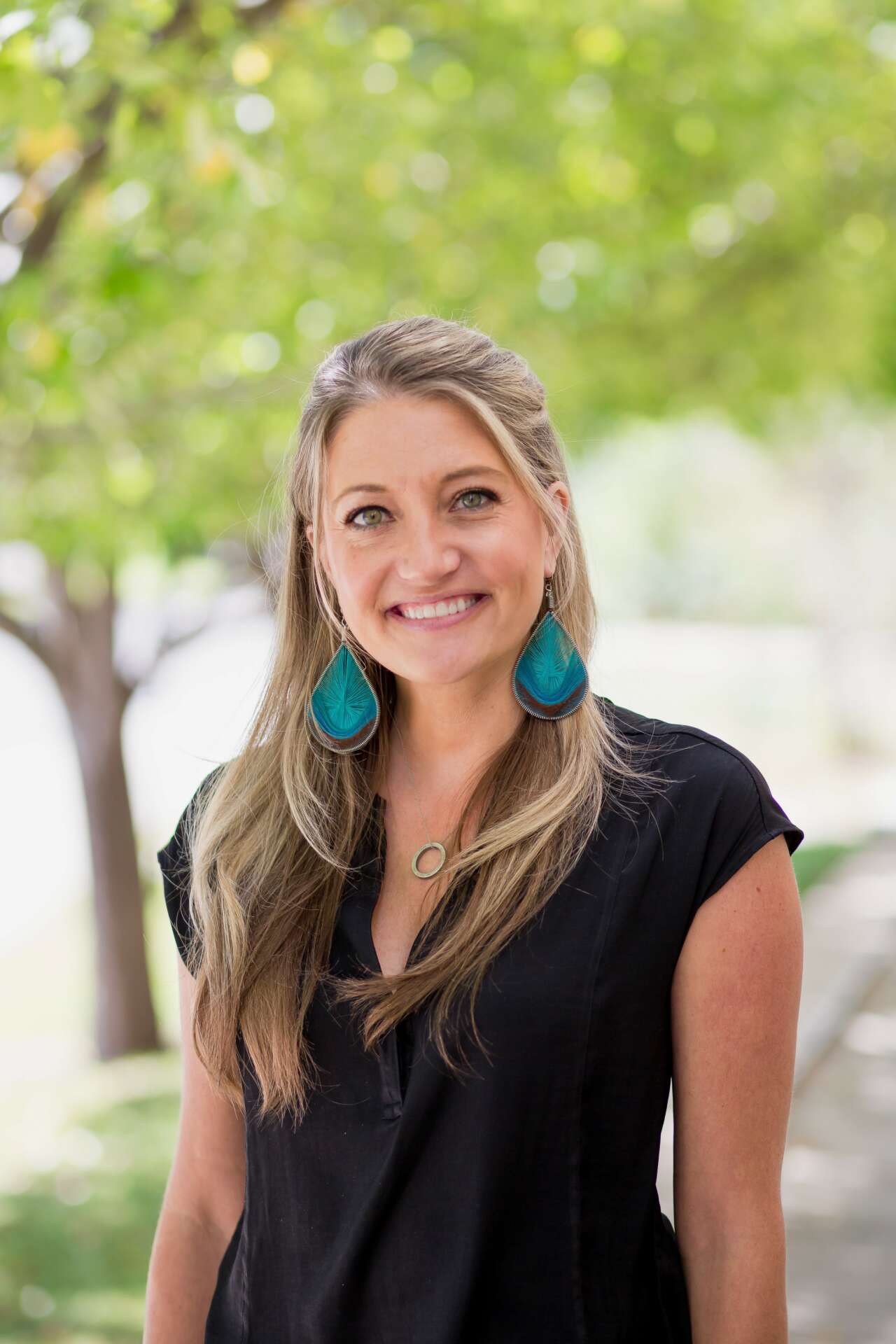

We were lucky to catch up with Kelly Tenkely recently and have shared our conversation below.
Kelly, thanks for taking the time to share your stories with us today Let’s go back in time a bit – can you share a story of a time when you learned an important lesson during your education?
In my educational journey, I encountered numerous structures in school that, while well-intentioned, often conveyed unintended and limiting messages. Some of the structures and the connected messages I got in my school experience were:
Separate subjects, tests, and grades unintentionally shared the message that only some skills were worthwhile and that something was fundamentally wrong with me if I didn’t have them. I was only worthwhile if my passions and skills matched those the school decided were worthwhile.
Grades unintentionally sent me the message that my worth came from a number. I was worthy if and when I could perform.
Homework unintentionally sent the message that I couldn’t be trusted to be a learner. Teachers needed to tell me what to do and how to spend my free time. What I valued was less important than what my teacher and school valued. Downtime was not important. Rest was not important. Boredom was not important.
Behavior charts in my classroom unintentionally sent the message that the only way to get me to comply was through public shaming. It sent the message that kids couldn’t make good choices independently.
Standards unintentionally sent me the message that schools get to determine what is important to learn. If it wasn’t named as a standard, it’s less important or valuable to learn.
The curriculum I learned from unintentionally sent the message that I couldn’t think or explore on my own because I wasn’t capable without a map where the school told me where to go and how to get there. I often felt like a computer to be programmed.
Assigned seating unintentionally sent the message that I couldn’t be trusted to choose where to sit. It also sent the message that my teacher/school didn’t care to get to know me, so by making me sit in the same place, my teacher could look at the chart to know my name.
Grade levels unintentionally conveyed that my age was the most important consideration when deciding who I should spend time with.
Tests and grades unintentionally sent the message that competition is better than collaboration. Being the best is what matters.
Many classrooms I was in unintentionally sent the message that nothing is alive. I didn’t need a connection to life, growth, or fresh air. I was learning to trade one cubical (my classroom) for a smaller cubical when I was “trained” to the school’s approval. It was almost like school told me, “This is what your life is destined to be; get used to it now.”
Increased core class time unintentionally sent me the message that movement wasn’t important, free time wasn’t important, music wasn’t important, and art wasn’t important. I learned there is no value outside of the narrow academic band the school says has value.
These unintended messages became glaring when I became a teacher and saw the system from a different vantage point.
So many lessons we learn in schools aren’t taught explicitly, instead we learn them as a result of unintended consequences of a system. This was certainly the case for me!
As always, we appreciate you sharing your insights and we’ve got a few more questions for you, but before we get to all of that can you take a minute to introduce yourself and give our readers some of your back background and context?
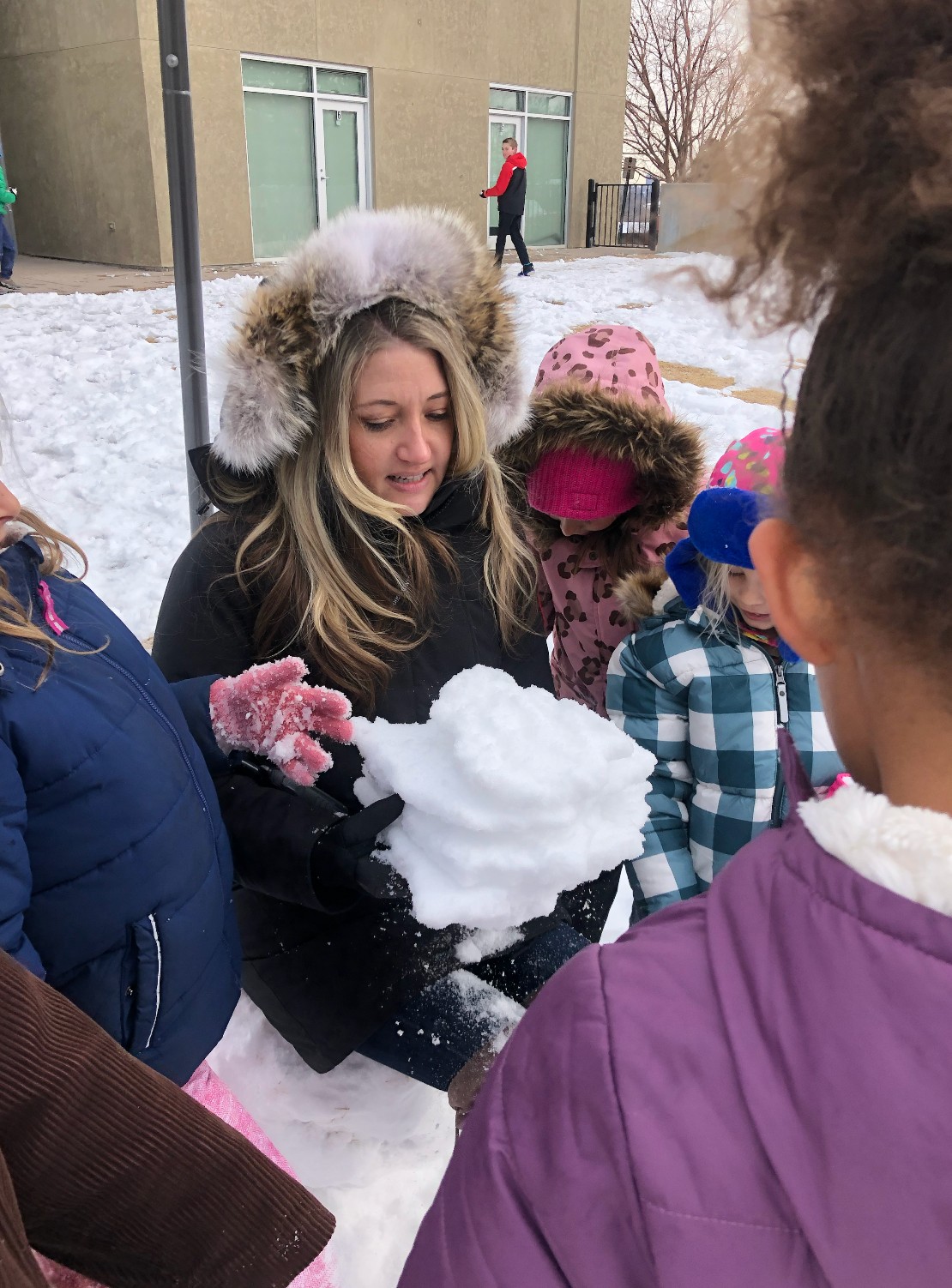
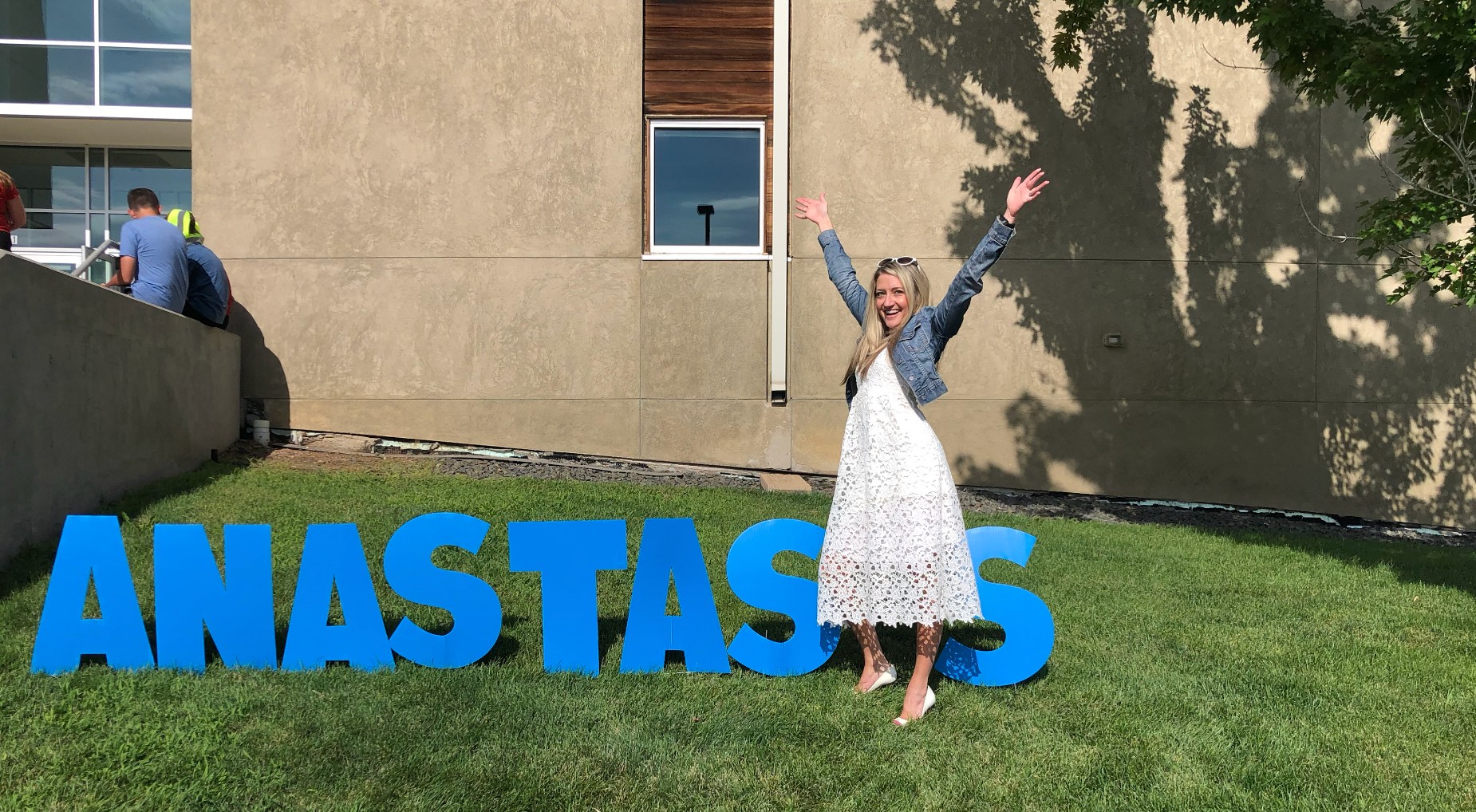
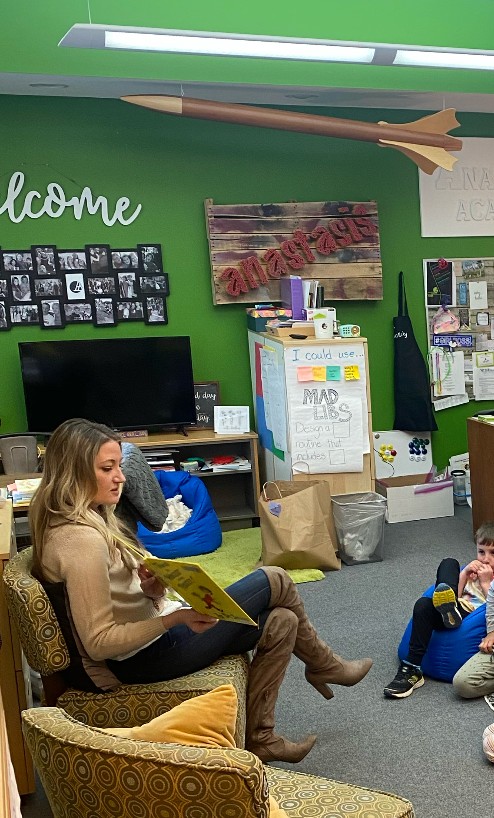
Over the last 20 years, I’ve been a teacher, technology integration specialist, founder, and principal. Within these roles, I saw the education system’s unintended consequences play out repeatedly. This led me to start Anastasis Academy, a kindergarten through eighth-grade inquiry-based school in Centennial, Colorado, where we could challenge these narratives about learning and school. Inspired by the realization that education can and should nurture every aspect of a child’s being, we embarked on a mission to redefine schooling. Our approach focuses on developing a learning environment where students can explore their interests, think critically, and engage with the community. We believe that learning is an expansive journey, not confined to textbooks or standard tests. By fostering a culture of curiosity, empathy, and creative thinking, we equip our students for academic success and a fulfilling life. We challenge the educational status quo and examine those unintended consequences so that our student’s school experience is one where they don’t have to question their worth, potential, or value. They can see that learning is expansive and abundant.
Have any books or other resources had a big impact on you?
I am a voracious reader, but some books that I go back to again and again are Making Ideas Happen by Scott Belsky: Overcoming Obstacles Between Vision and Reality, Culture Code by Daniel Coyle, Linchpin by Seth Godin, The Lightmakers Manifesto: How to Work for Change Without Losing Your Joy by Karen Walrond, Imaginable by Jane McGonigal, The End of Average by Todd Rose, and most recently, Hidden Potential by Adam Grant. I cannot recommend each of these books highly enough!
Can you open up about a time when you had a really close call with the business?
There have been moments in the journey of Anastasis Academy when the rain felt more like a relentless storm. During a particularly difficult period, challenges seemed to magnify by the hour. Staffing changes, building problems, post-COVID-related issues, and a drop in donations presented challenges that, at the time, felt insurmountable. It was as though every aspect of our operation was under water, leaving us facing obstacles that seemed to just grow larger with each passing day.
In the face of so much, the instinct could be to retract, to hide the vulnerabilities from view. Yet, in this moment of uncertainty, we chose to lean into the strength of our community and alumni network. In an act of vulnerabilty, we shared our struggles, fears, and hopes for the future.
The response was nothing short of miraculous. Demonstrating the profound bonds that form in a genuine community, our community stepped forward in ways we could never have anticipated. Whether through financial support, offering expertise, or simply lending an ear, they showed us that the spirit of Anastasis Academy was alive and well and strong. This collective effort helped us navigate the challenges and reaffirmed our belief in the power of vulnerability and the importance of community.
Contact Info:
- Website: http://anastasisacademy.com
- Instagram: http://instagram.com/teamanastasis
- Facebook: http://facebook.com/anastasisacademy
- Linkedin: https://www.linkedin.com/in/kelly-tenkely-80770713/
- Twitter: http://twitter.com/ktenkely
- Youtube: https://www.youtube.com/@TeamAnastasis
- Other: http://dreamsofeducation.wordpress.com