

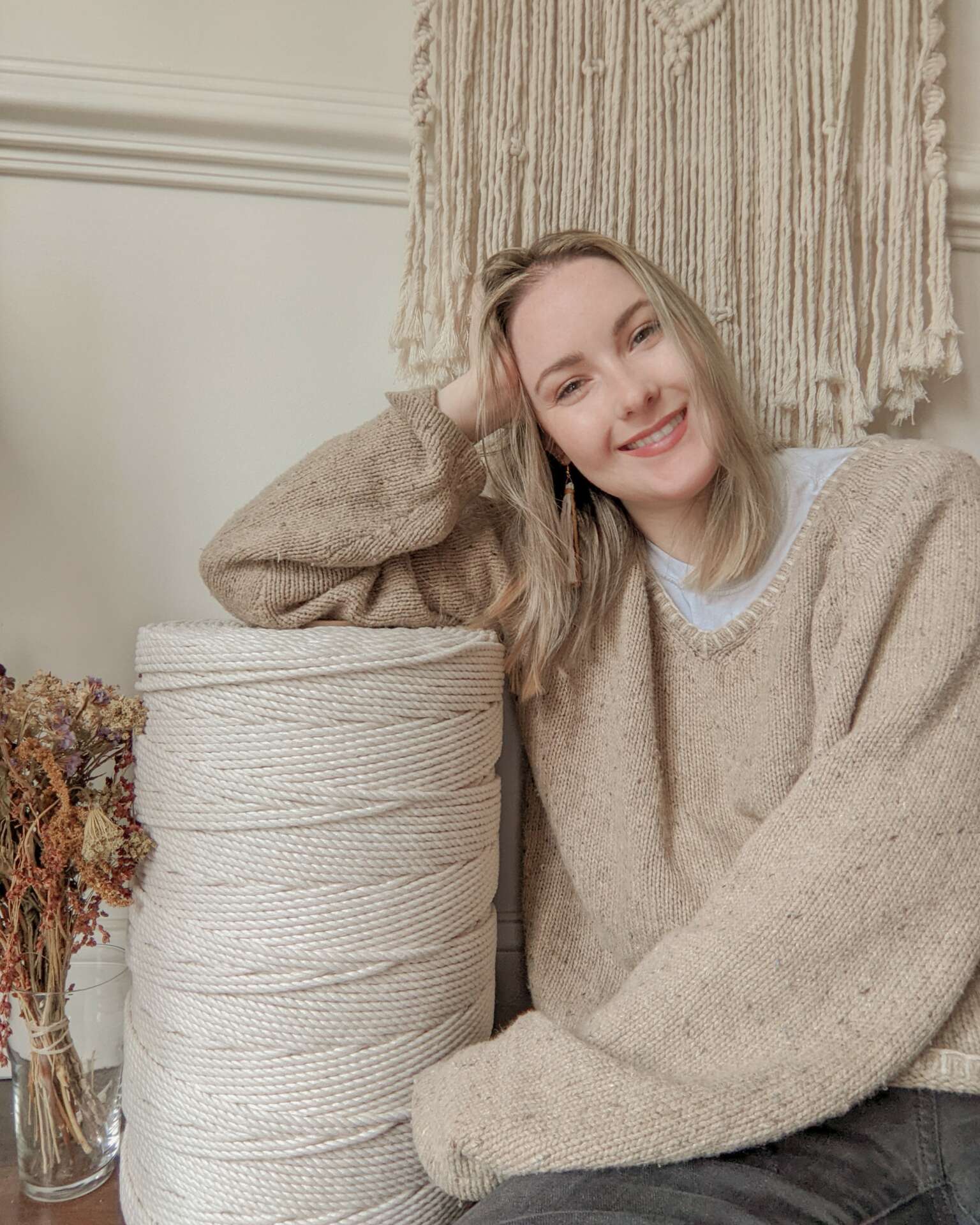

Alright – so today we’ve got the honor of introducing you to Kelly Partlow. We think you’ll enjoy our conversation, we’ve shared it below.
Kelly, looking forward to hearing all of your stories today. How did you learn to do what you do? Knowing what you know now, what could you have done to speed up your learning process? What skills do you think were most essential? What obstacles stood in the way of learning more?
I began learning macrame five years ago by following a Pinterest tutorial for a plant hanger. I used the cheapest rope I could find (clothesline from the hardware store) and quickly took to it. After that, I evolved to Youtube videos, found some softer rope, and continued to be 100% self-taught. I could feel my dormant summer camp braiding and gimp skills coming to the surface.
I wish I reached out to more people in the macrame community from the beginning to grow my social circle. The knowledge I’ve gained from fellow artists in the community is immeasurable, and I can only wonder how much I could have advanced if I opened up sooner.
Macrame is an art form that any beginner can learn, as long as you have patience and an open mind. If you know how to braid, macrame is a really obtainable skill. I do not recommend macrame for people who identify as perfectionists – especially when you’re first learning!
Great, appreciate you sharing that with us. Before we ask you to share more of your insights, can you take a moment to introduce yourself and how you got to where you are today to our readers.
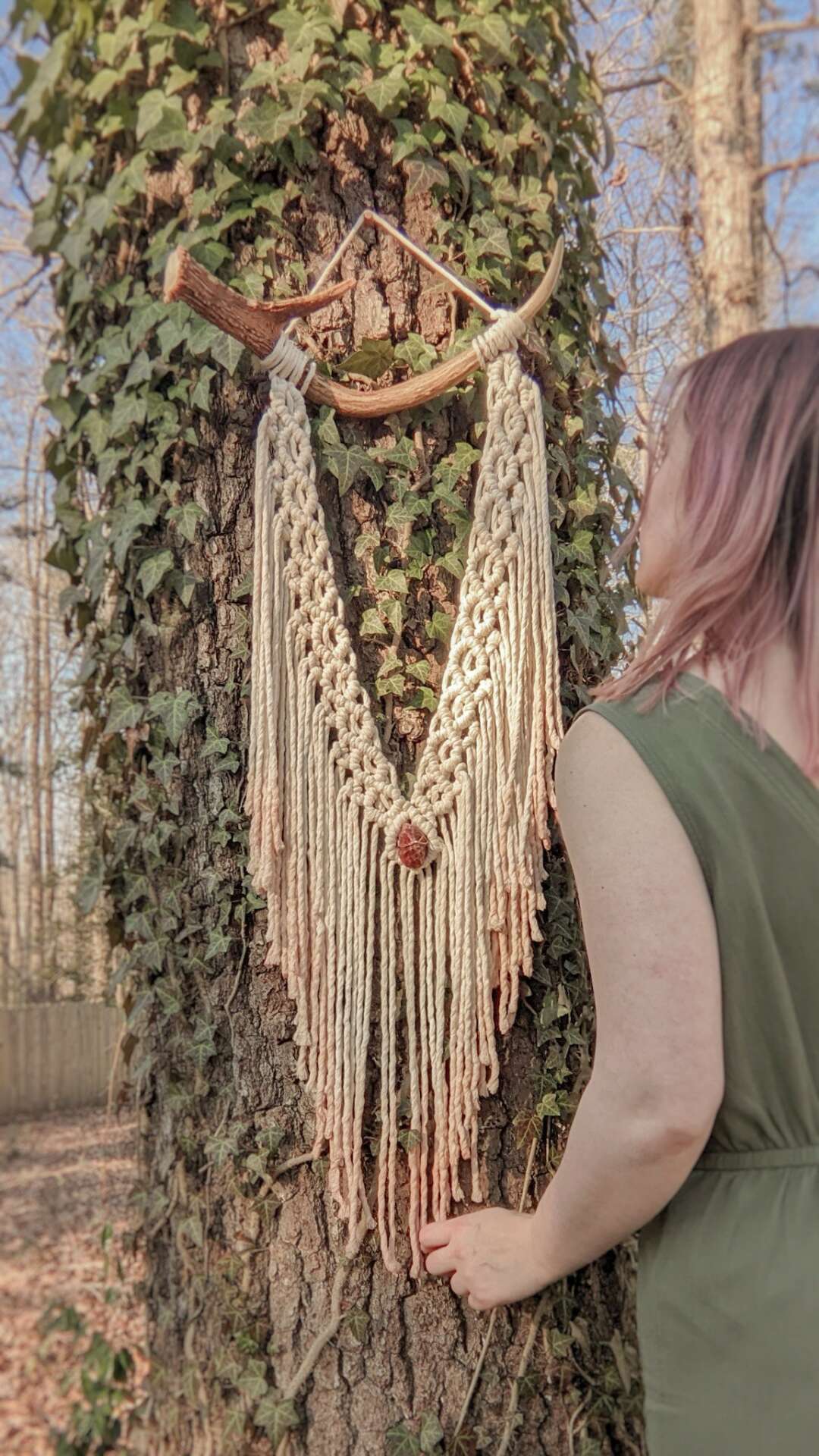
I live in sleepy Williamsburg, Virginia, and picked up macrame five years ago after graduating college. My busy mind and steady hands craved a craft that I could do while watching TV, plus I needed a new, innovative way to display my ever-growing houseplant collection. I found a tutorial for a long, macrame plant hanger on Pinterest, gathered the most inexpensive supplies I could find, and got to work. After that first plant hanger, I knew macrame was something I didn’t want to give up. The repetition of knots is so soothing, and the sense of accomplishment when I’ve finished a piece is addicting.
A few months after that first plant hanger, when all of my plants were hoisted in the window and all of my friends and family ran out of space in their homes for more macrame, I opened an Etsy shop. That December I attended my first market, and a few months later I taught my very first workshop. Workshops have since become my favorite part of this small business. Connecting with fellow creatives and teaching this craft is incredibly rewarding, whether it’s hosted at a small shop with all strangers or a private workshop in someone’s home for a bachelorette party.
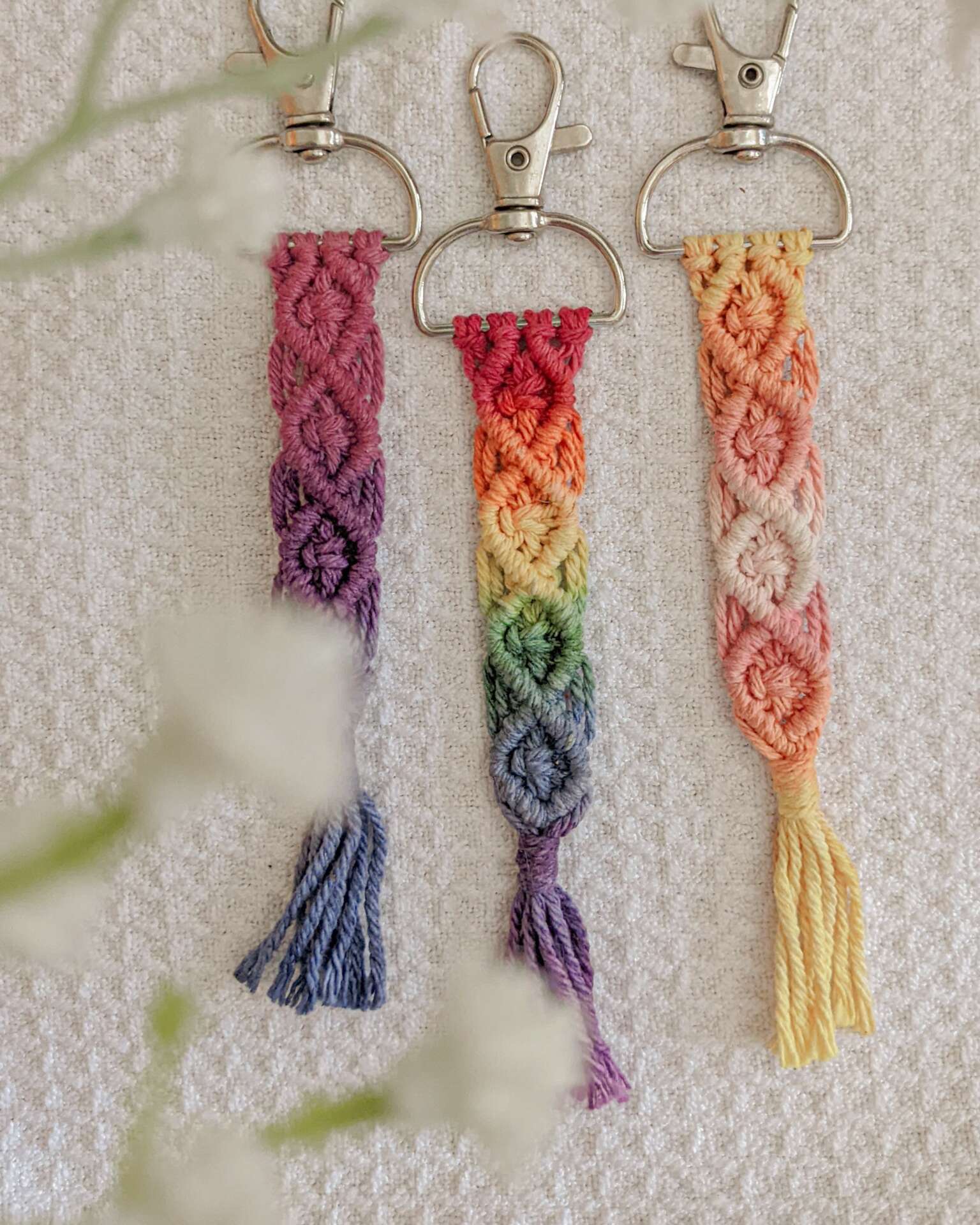
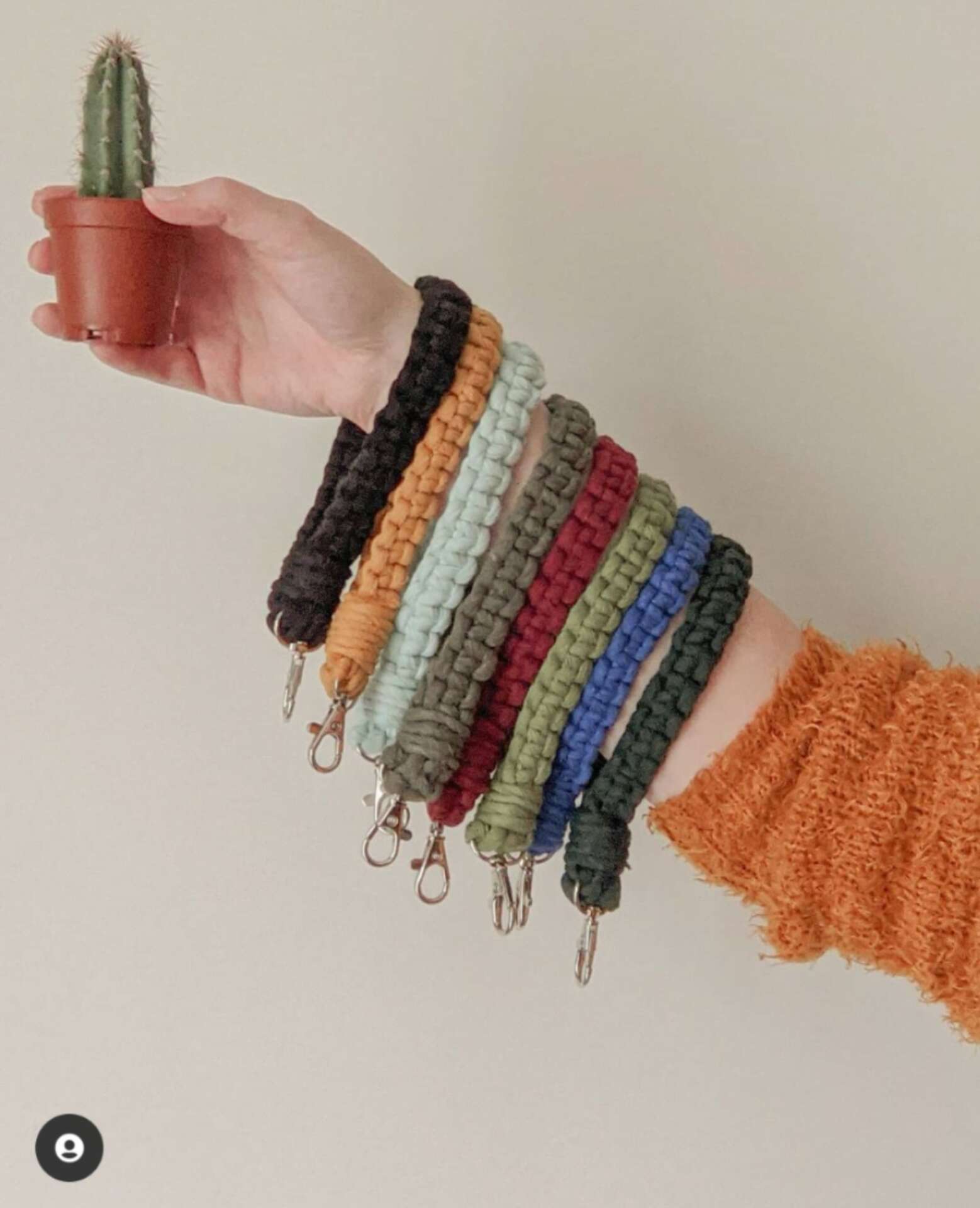
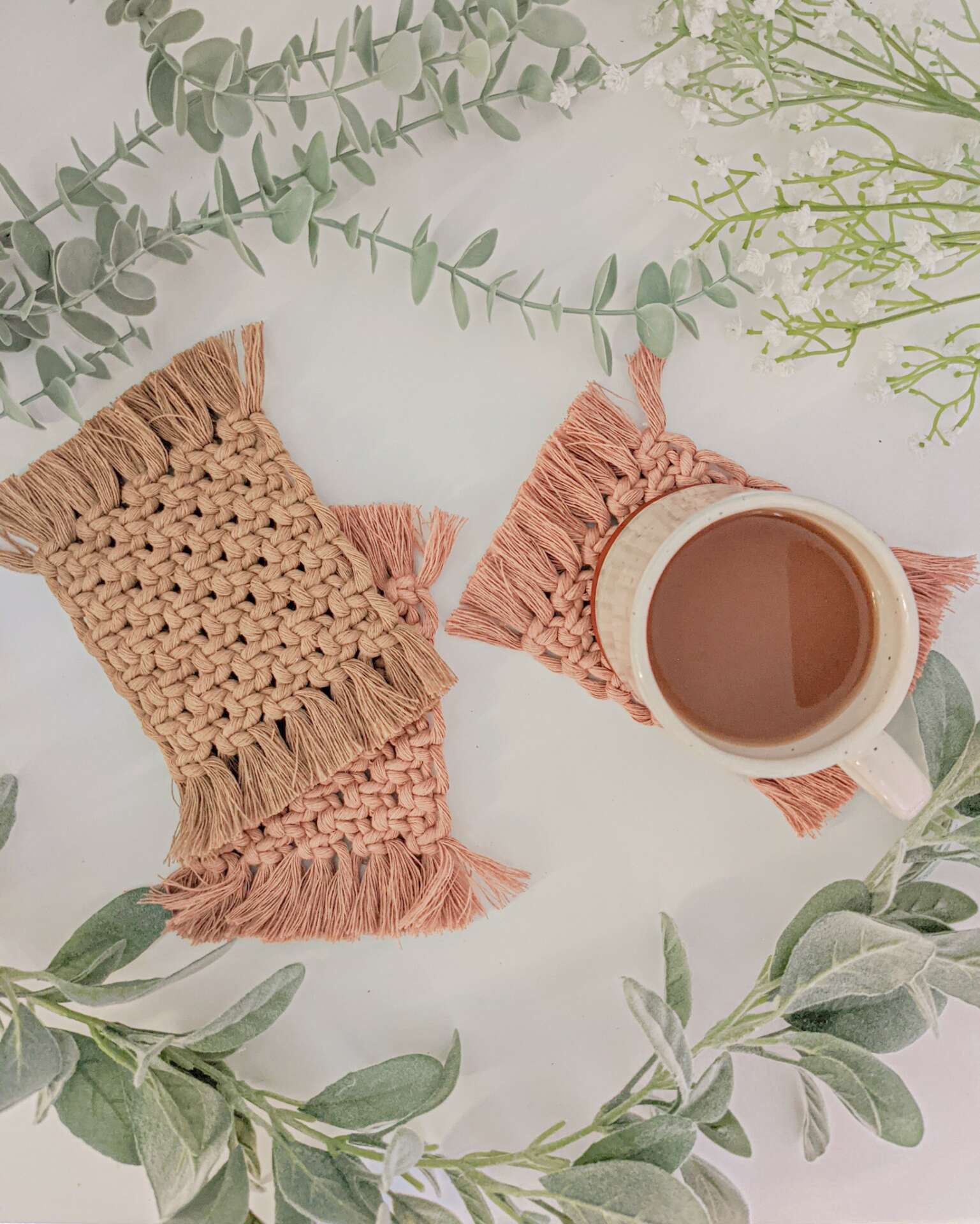
I like to create what I call “functional macrame.” While I do offer wall hangings, particularly custom orders, I prefer to make things that my customers can use in their daily life like plant holders, lanyards, earrings, and coasters. Almost everything I make is treated with a hefty dose of moisture-repelling spray because I know they’re going to be used constantly.
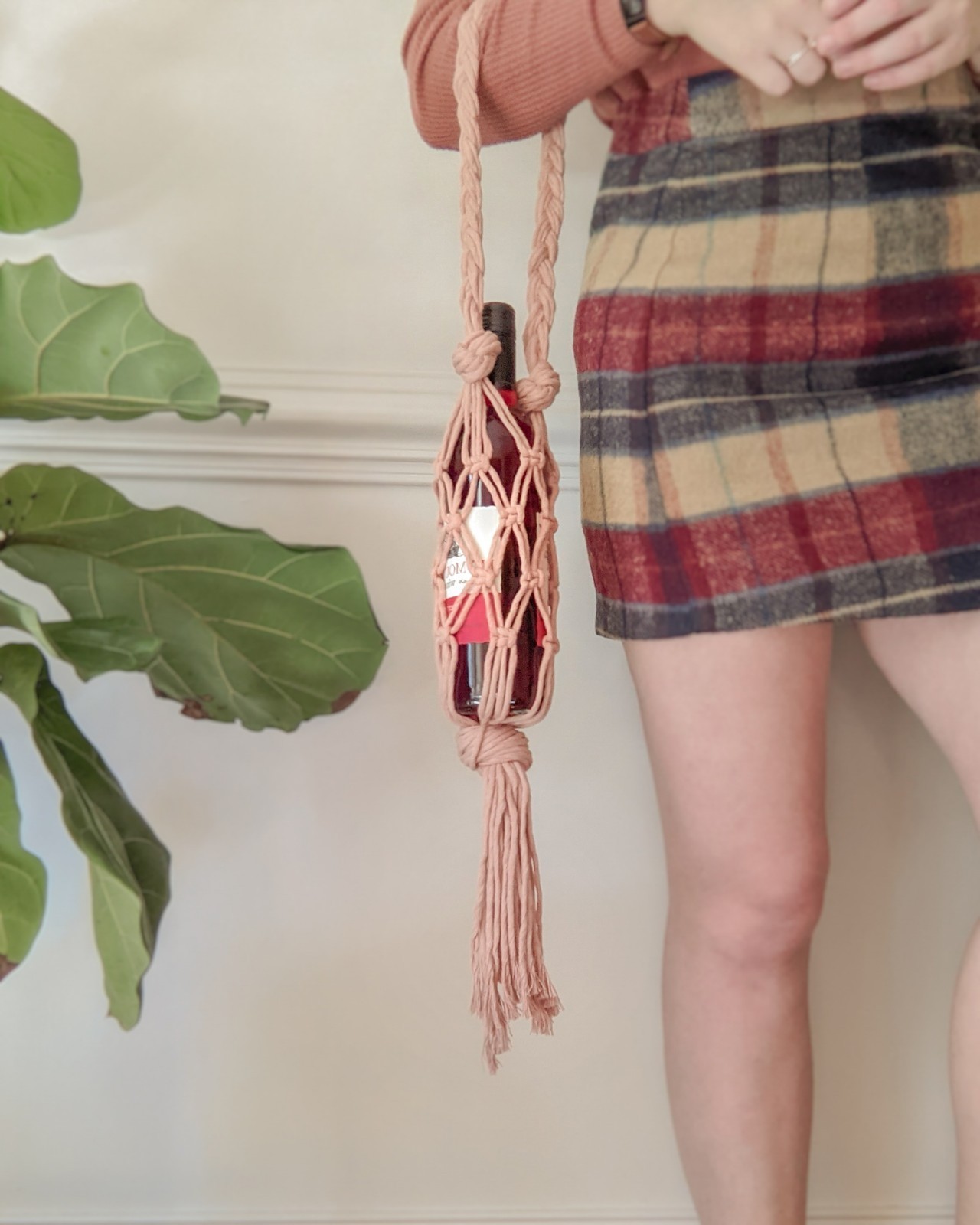
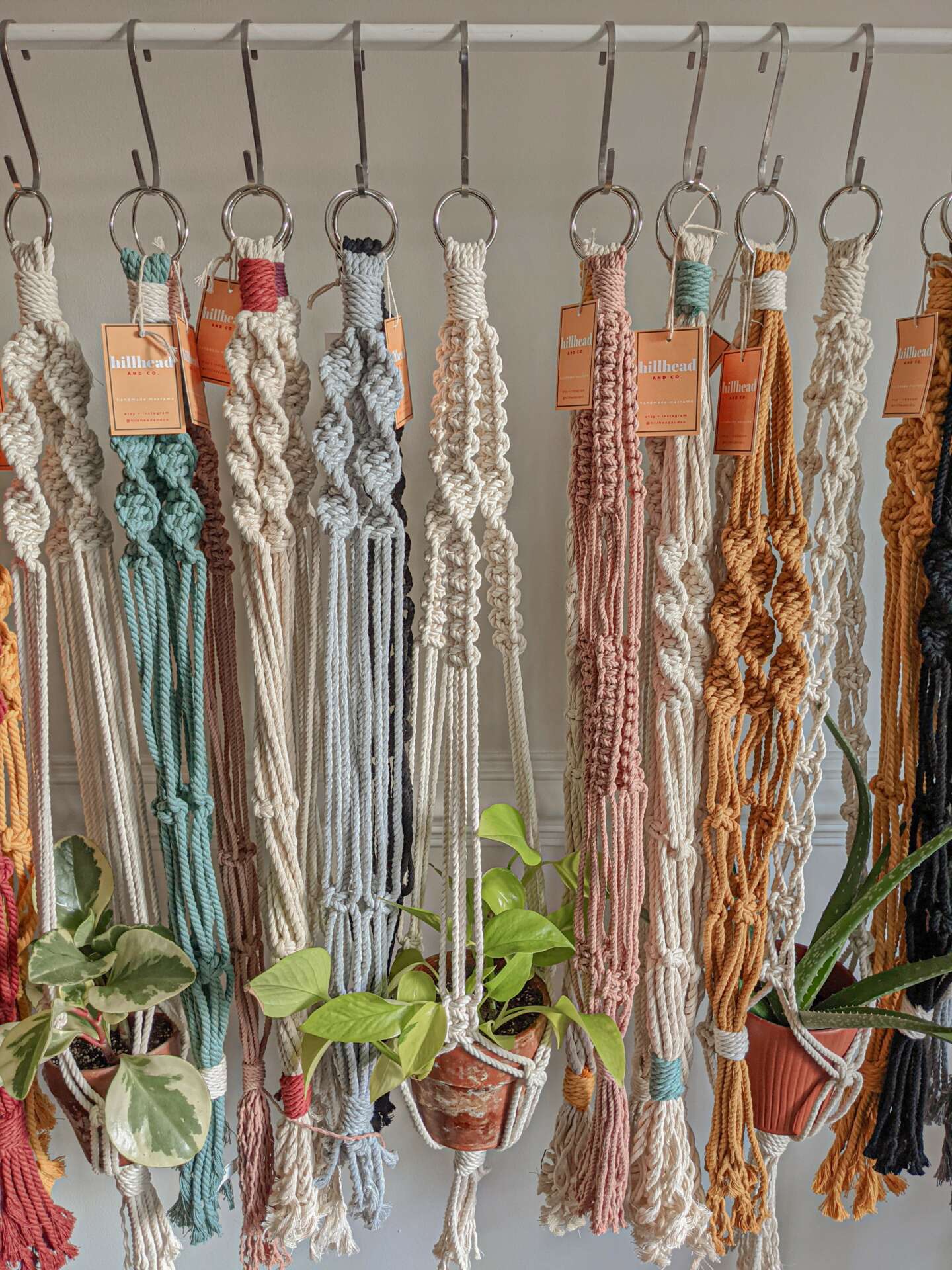
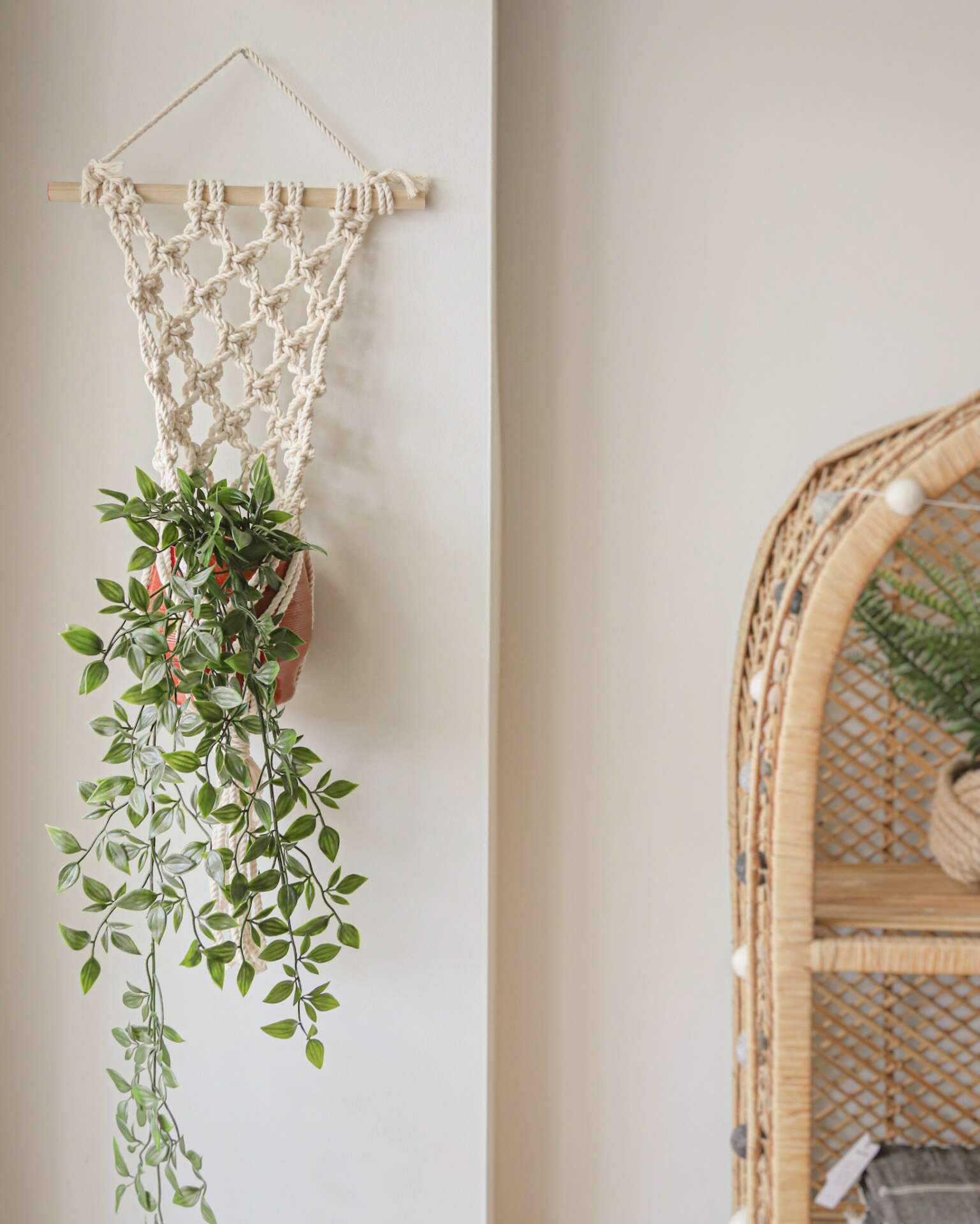
How about pivoting – can you share the story of a time you’ve had to pivot?
I completely burnt out after a jam-packed holiday season on the market scene. I started to dread making macrame and would cringe whenever I heard an order come through, but was terrified to put my shop on break for fear I would never pick it back up again. I stopped promoting my work on social media, which is always a sticking point for me, and only fulfilled orders that came in organically. Orders were still slowly coming in at a pace I felt more comfortable with, and then the pandemic hit. My sales plummeted even further and I was truly forced to take a break.
It wasn’t until early 2021 that I figured I’d sign up for a few spring outdoor markets to sell my remaining supply and pack it in. That year I met so many fellow artists and creatives from all different mediums who were truly inspiring. I started teaching workshops again, first privately in outdoor spaces, then safely offering public workshops in partnership with fellow small businesses. In the fall I ventured into the wholesale world with a few of my products and truly fell back in love with the business of macrame. I shifted my perspective on macrame from a creative outlet to an actual income-generating business through the support of other, mainly female-owned small businesses. Focusing on wholesale and workshops has provided a brand new perspective on my macrame business, and I’ve met so many inspiring people I may never have otherwise. I still can’t believe my macrame is displayed in people’s homes across the world and is carried in stores all over the country.
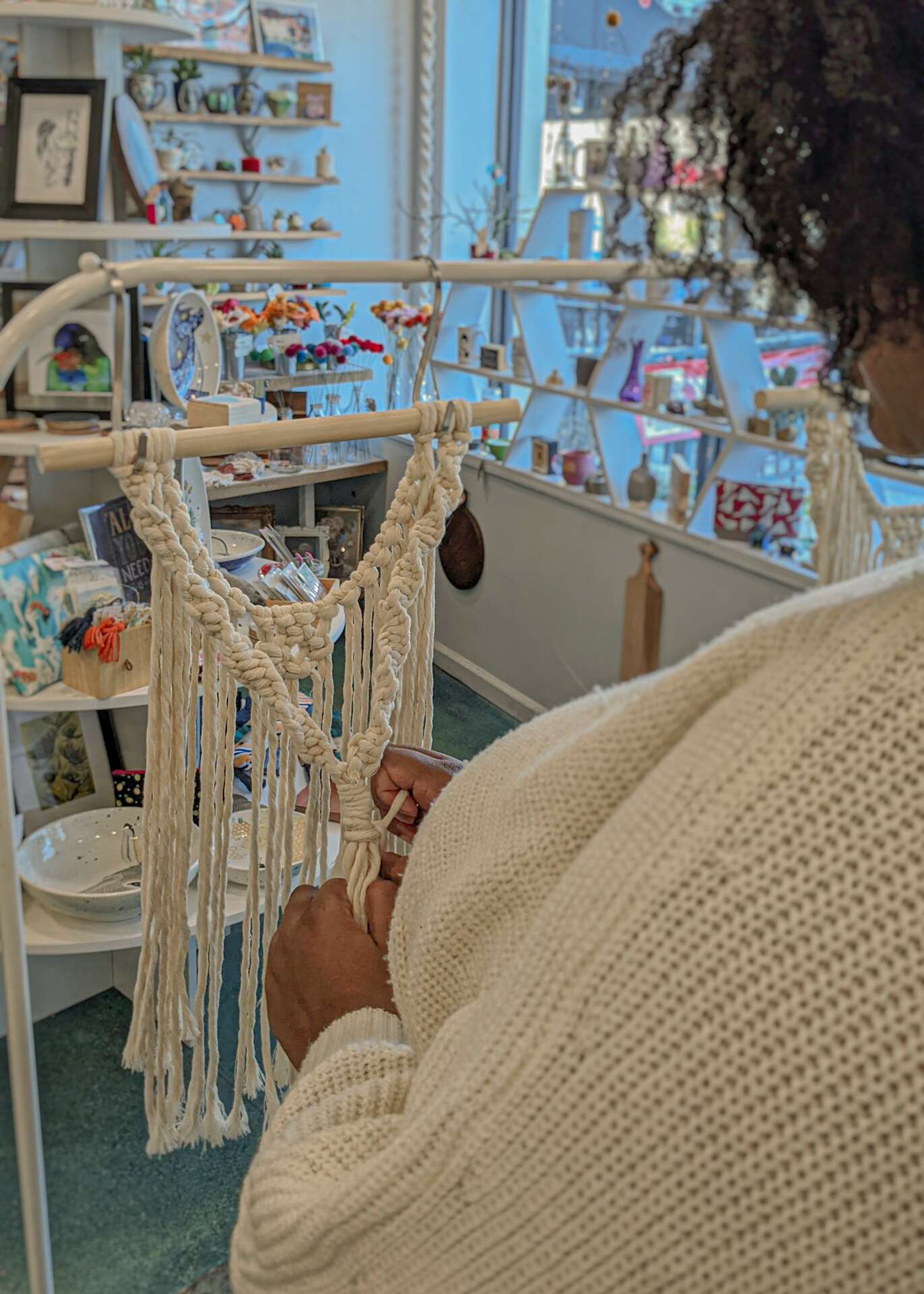
In your view, what can society to do to best support artists, creatives and a thriving creative ecosystem?
The best way to support small businesses is to seek them out and buy from them. It may be a little less convenient, it may take a little more time, and it may cost a little bit more money, but supporting real, actual artists and creatives instead of big-box stores guarantees you’ll have a unique piece that was made from the heart.
Even if you can’t afford to buy from artists and creatives now, following them on social media, signing up for their email list, recommending them to friends and family, or asking for pieces as gifts can really mean the world. You know when you’re supporting a small business, you’re supporting a real person that truly cares about their mission and whether you have a positive experience with their brand.
Contact Info:
- Website: www.etsy.com/shop/hillheadandco
- Instagram: instagram.com/hillheadandco
- Facebook: www.facebook.com/hillheadandco
- Other: Wholesale website: https://hillheadandco.faire.com