

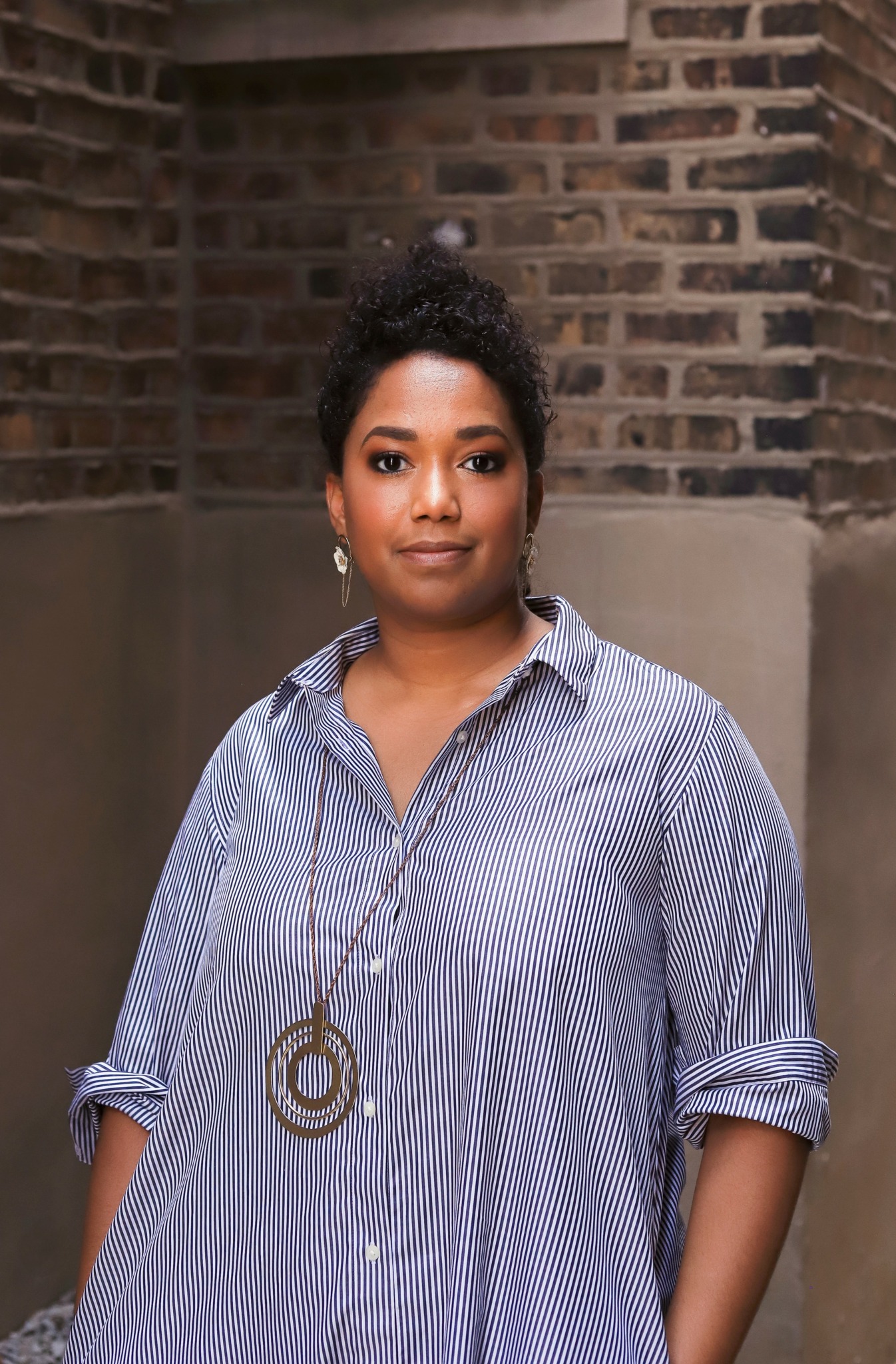

Alright – so today we’ve got the honor of introducing you to Kellie Romany. We think you’ll enjoy our conversation, we’ve shared it below.
Kellie, looking forward to hearing all of your stories today. One of our favorite things to hear about is stories around the nicest thing someone has done for someone else – what’s the nicest thing someone has ever done for you?
When I was in graduate school, I had an advisor who was exceptionally kind and generous. He believed in my practice and wanted to give me the opportunity to paint on large canvases. He offered me time in his studio in Lekeitio, Spain. Not only did he provide me with several 10 ft by 10 ft canvases and paint, but he also introduced me to his friend and made sure I had a free place to stay while I painted. This generosity meant the world to me. It made me believe in my practice and feel that what I did truly mattered. Knowing that someone genuinely thought I should be painting—and went out of his way to invite me to a space in which my only responsibility was to create—was incredible. To this day, I still can’t believe what a kind and amazing gesture that was.
Awesome – so before we get into the rest of our questions, can you briefly introduce yourself to our readers.
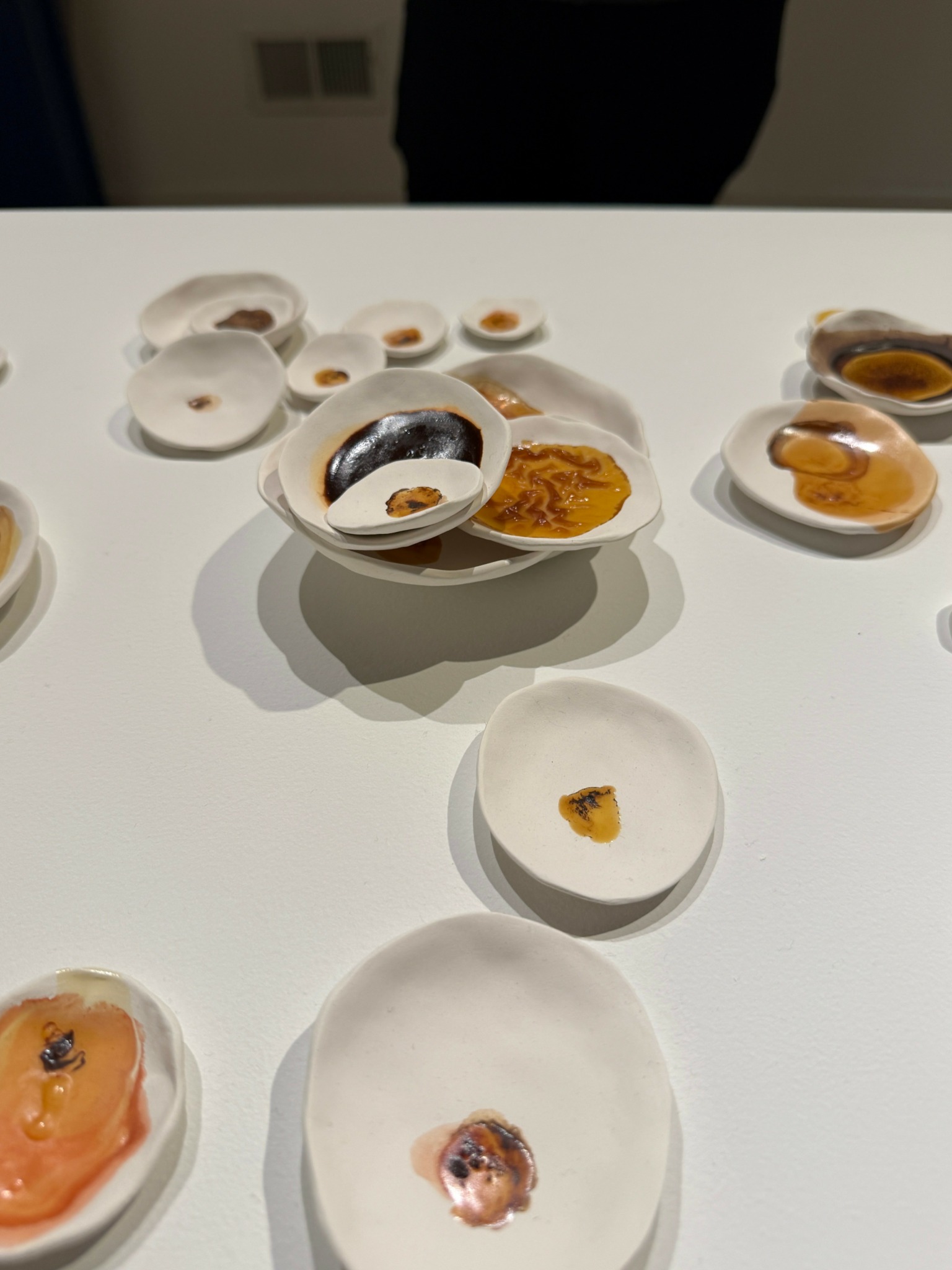
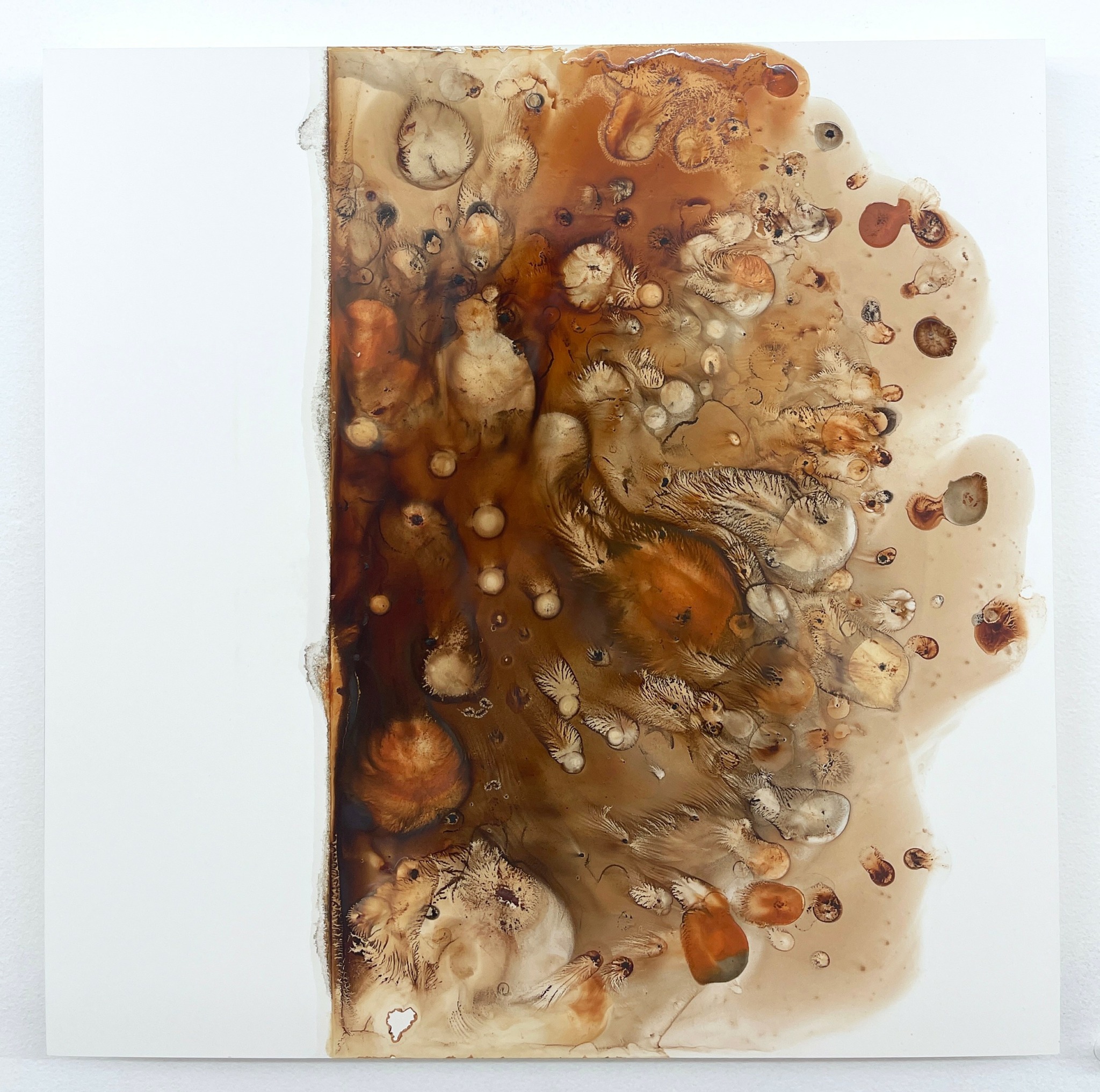
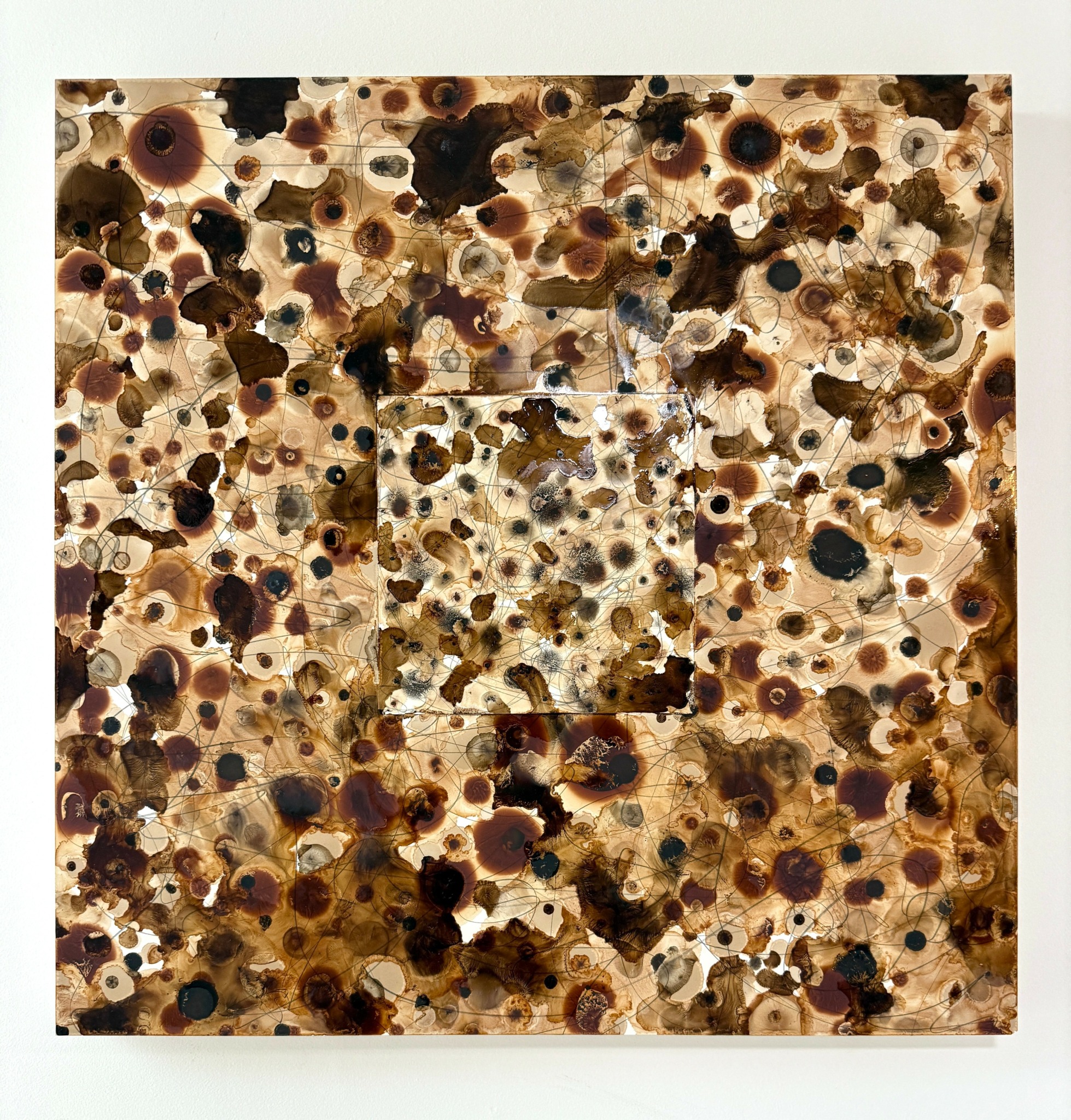
I am an abstract artist interested in bodies and systems. I use a color palette of skin tones to create objects that act as a catalyst for discussion about human connections, race, and the systems surrounding these themes. I graduated with a Master’s of Fine Arts in Painting from the School of the Art Institute of Chicago in 2011 and a Bachelor’s of Fine Arts from the Maryland Institute College of Art in 2008. I have exhibited both nationally and internationally, including museum shows at the High Museum of Art, Crystal Bridges Museum of American Art, and DePaul Art Museum.
In your view, what can society to do to best support artists, creatives and a thriving creative ecosystem?
The best way to support artists is by showing up—which can take many forms. It might mean attending an exhibition in person or requesting a studio visit. It could also involve financial support, such as purchasing a piece. People assume they can’t show up financially because they think art is too expensive, and no one in any field wants to talk about money. I do think that the most important thing for artists is to know their work is living in a space. Knowing that it is out in the world, being talked about, looked at, and appreciated. Many artists offer payment plans to collectors because knowing that the work lives with someone who genuinely values it is important.
Showing up can also be intellectual: asking thoughtful questions out of genuine curiosity about the artist’s process, or commenting on what you like about a piece. Sometimes, showing up can simply mean encouragement; it can look like a text saying, “I saw your work, and I loved it; it moved me.” It might be responding to an Instagram story, liking and sharing someone’s art on social media, or even just mentioning it in conversation to someone else.
Ultimately, showing up in whatever way feels authentic and comfortable to you is a great way to support artists and the art world as a whole.
For you, what’s the most rewarding aspect of being a creative?
I think the most rewarding aspect of being an artist is the community. Artists have a way of looking at the world that is nuanced, abstract, radical, and poetic. The conversations I have with my community help me process everything around me. They are conversations grounded in care and support, the belief that our voices matter, and the audacity to think we can change someone’s perspective or understanding of a thing. I cannot emphasize enough how thankful I am for the artist community in Chicago, which I feel so lucky to be a part of.
Contact Info:
- Website: https://kellieromany.com/
- Instagram: @kellieromany
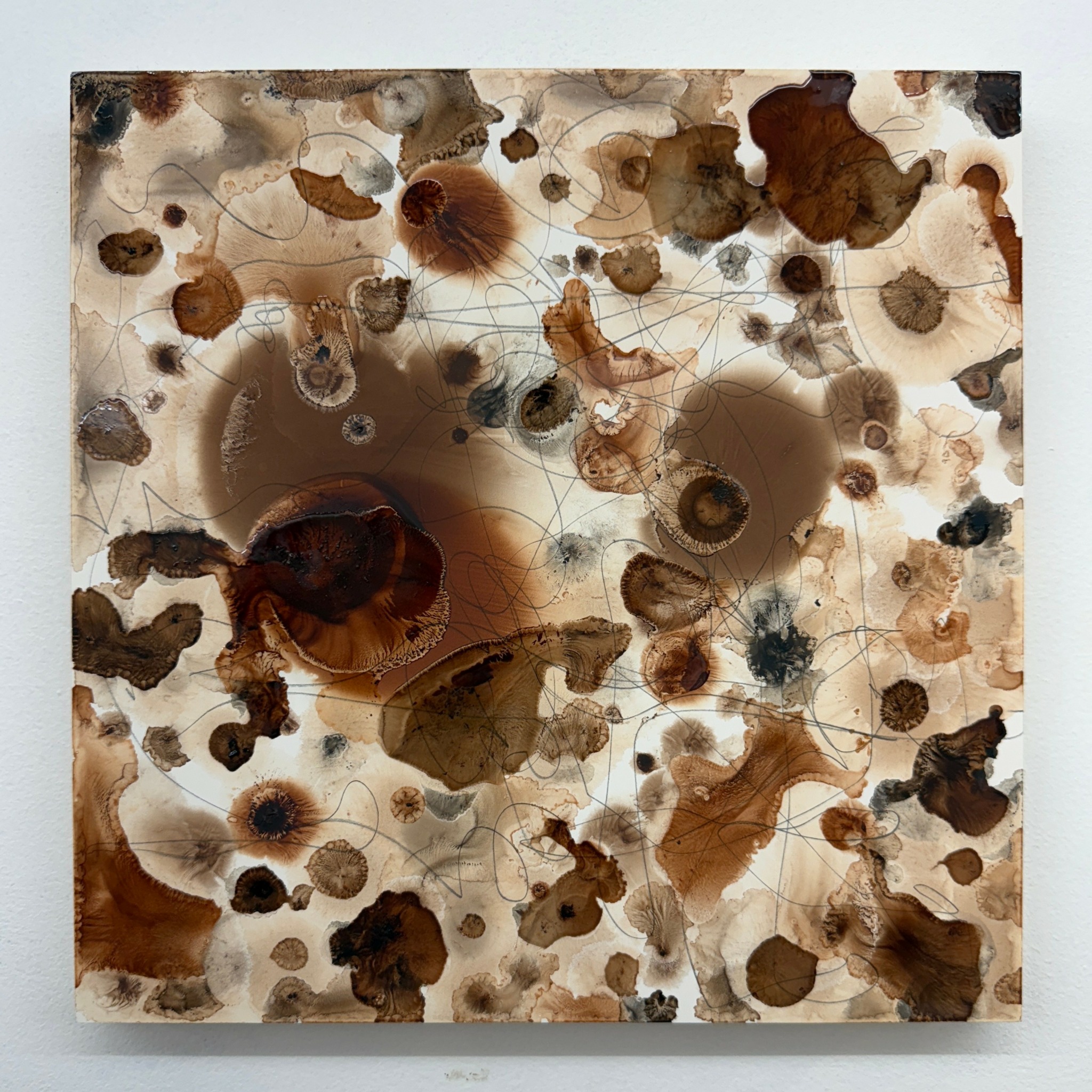
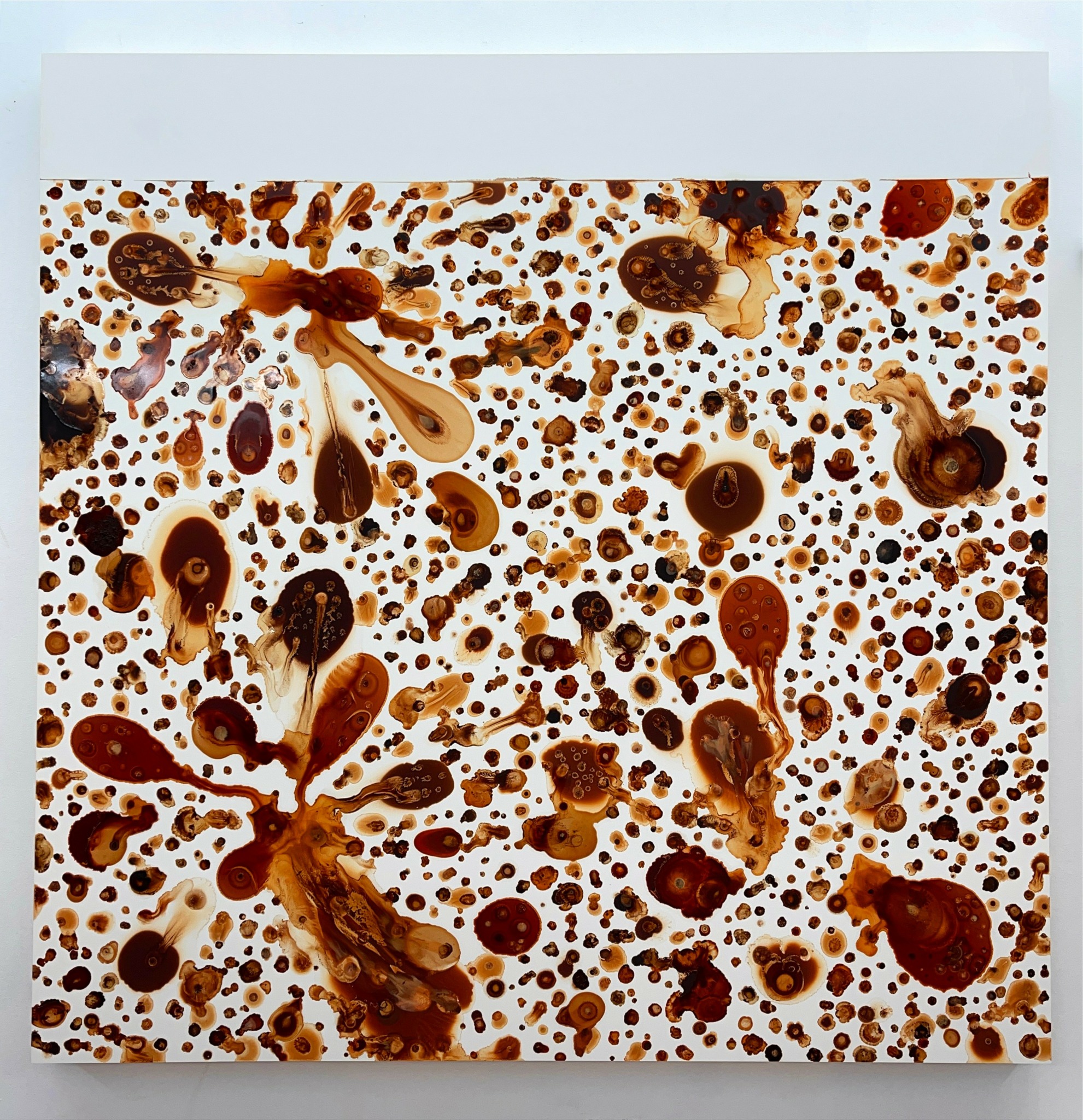
Image Credits
Headshot: Perry Haselden