

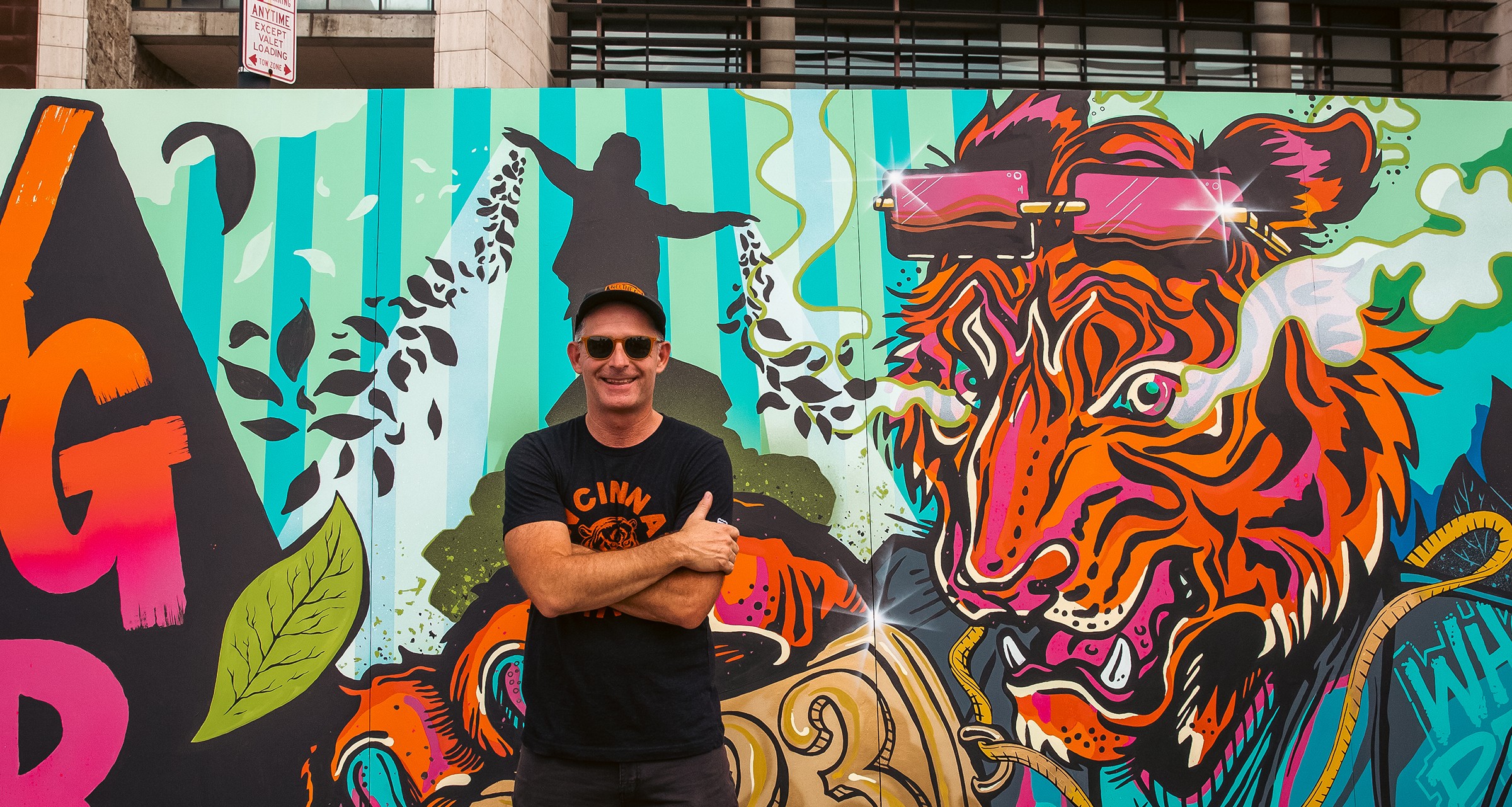

Alright – so today we’ve got the honor of introducing you to Keith Neltner. We think you’ll enjoy our conversation, we’ve shared it below.
Alright, Keith thanks for taking the time to share your stories and insights with us today. Can you open up about a risk you’ve taken – what it was like taking that risk, why you took the risk and how it turned out?
My creative career spans 25 years in the design/advertising/art industry. Early on as I was learning my craft I worked with some of the best peers, creatives, and friends in the Cincinnati region and across the country. The big firms were my boot camp in design – some of the most talented team members just naturally expanded my toolbox and knowledge of branding and consumer goods. Along the way my love of music became a side hustle. In 1999 I created my first gig poster and unknowingly became part of a culture of musicians and artists, later creating merchandise and albums for regional and national acts. This DIY approach really fueled my illustration and aesthetic. This handcrafted-layered-type heavy approach eventually fit nicely into the spirits industry. Eventually this became the backbone of my design studio, Neltner Small Batch (founded in 2013). Taking the leap from agency life to go on my own was a huge risk. The studio is just steps from our house in Camp Springs and at the time our kids was very little. They inspired me to embrace the flexibility and basing my shop in the hills and valley I grew up in. Within that journey there have been plenty of risks but it has been hugely rewarding personally and professionally.
Great, appreciate you sharing that with us. Before we ask you to share more of your insights, can you take a moment to introduce yourself and how you got to where you are today to our readers.
I grew up in a small rural community called Camp Springs, Kentucky near Cincinnati, Ohio on a family farm. I spent a lot of time working with my family and our heritage on this land dates back to 1892. As a kid of the 80’s I was enamored by cartoons, comics, pop culture, and music – sketching and painting whenever I could while selling vegetables out of the back of our family’s pick up through the Cincinnati area. I would study old packaging, seed bags, branding irons and I think the influence of rural textures much later worked their way into the themes and aesthetic of my work. I ended up co-oping early in art school with local agencies and met some fantastic art directors, creative directors, and writers. I learned quickly how my drawing skills could apply to storyboarding and conceptual advertising work. This would lay the foundation for my time at Landor where I worked with global brands like P&G, Wrigley’s, Kraft, and Tide and really dove deep into brand creation, storytelling, packaging and design.
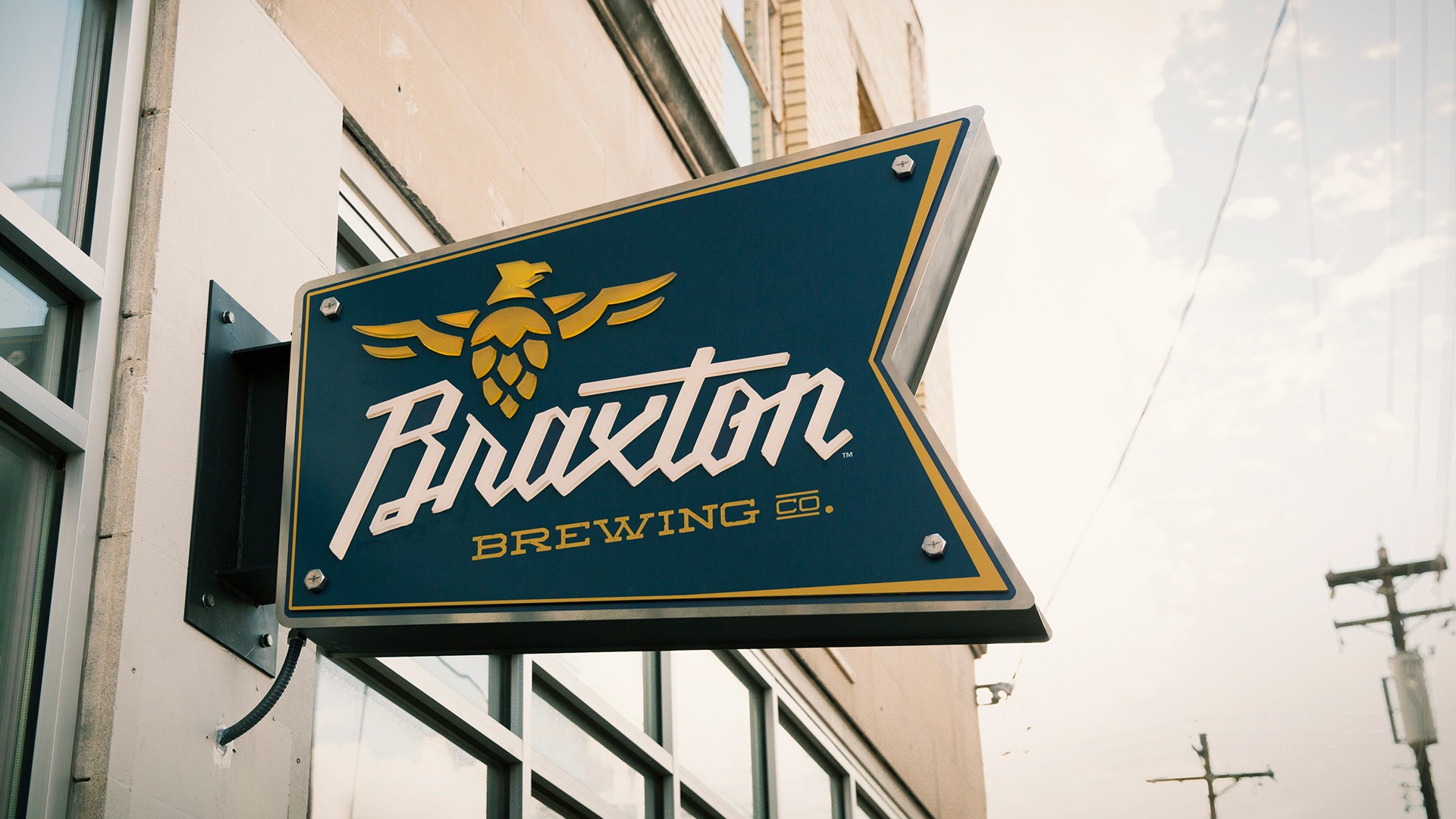
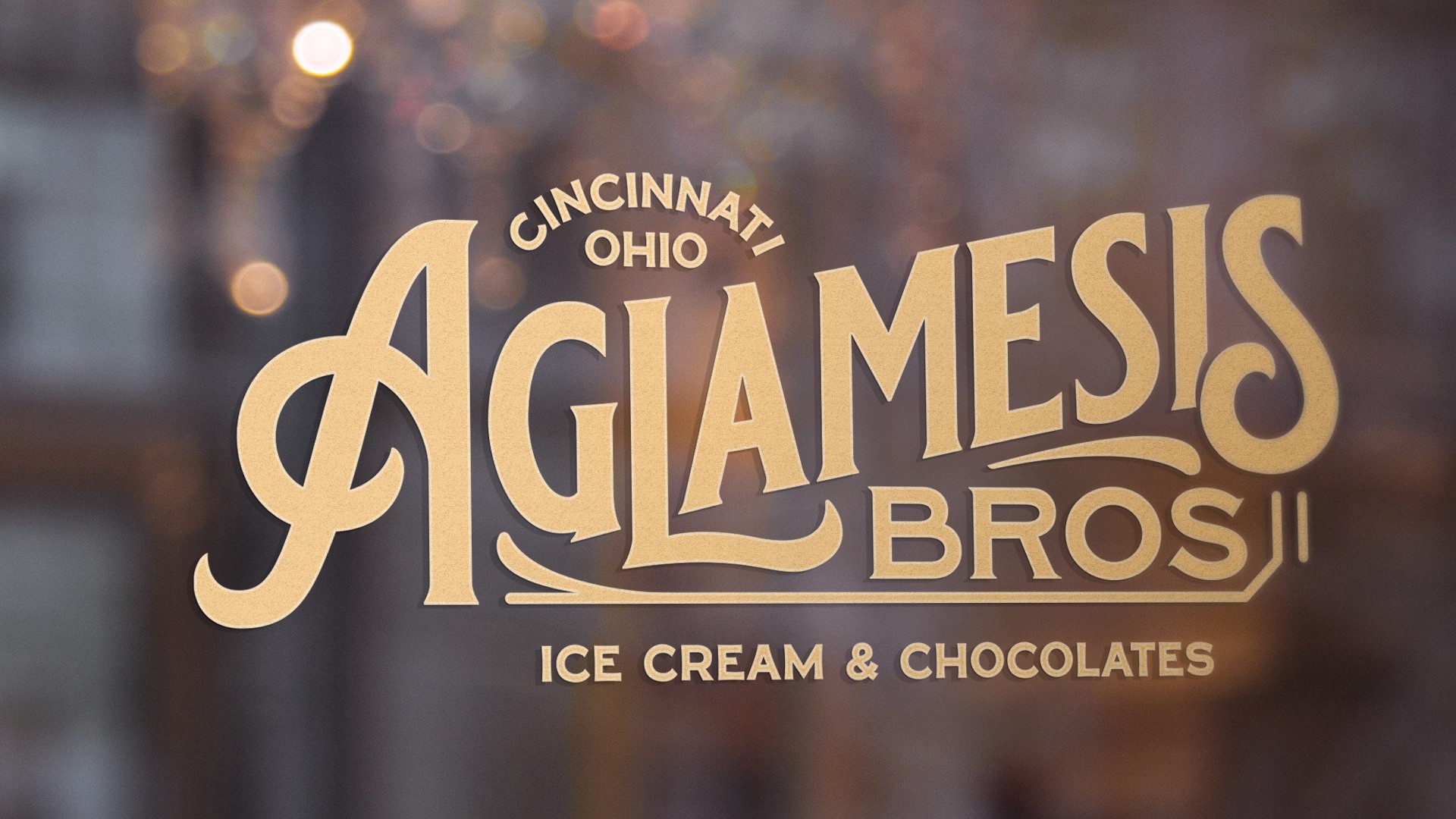
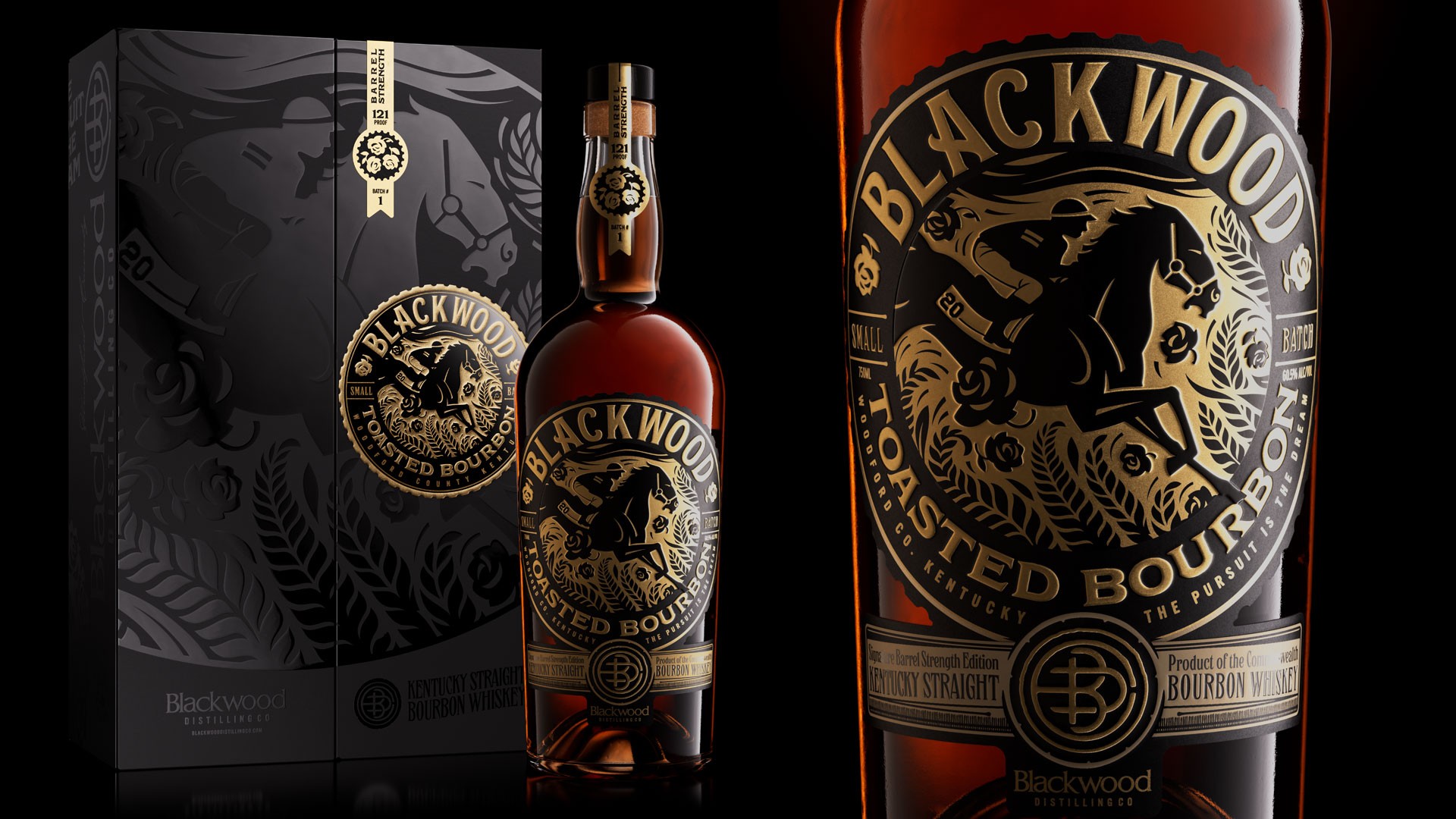
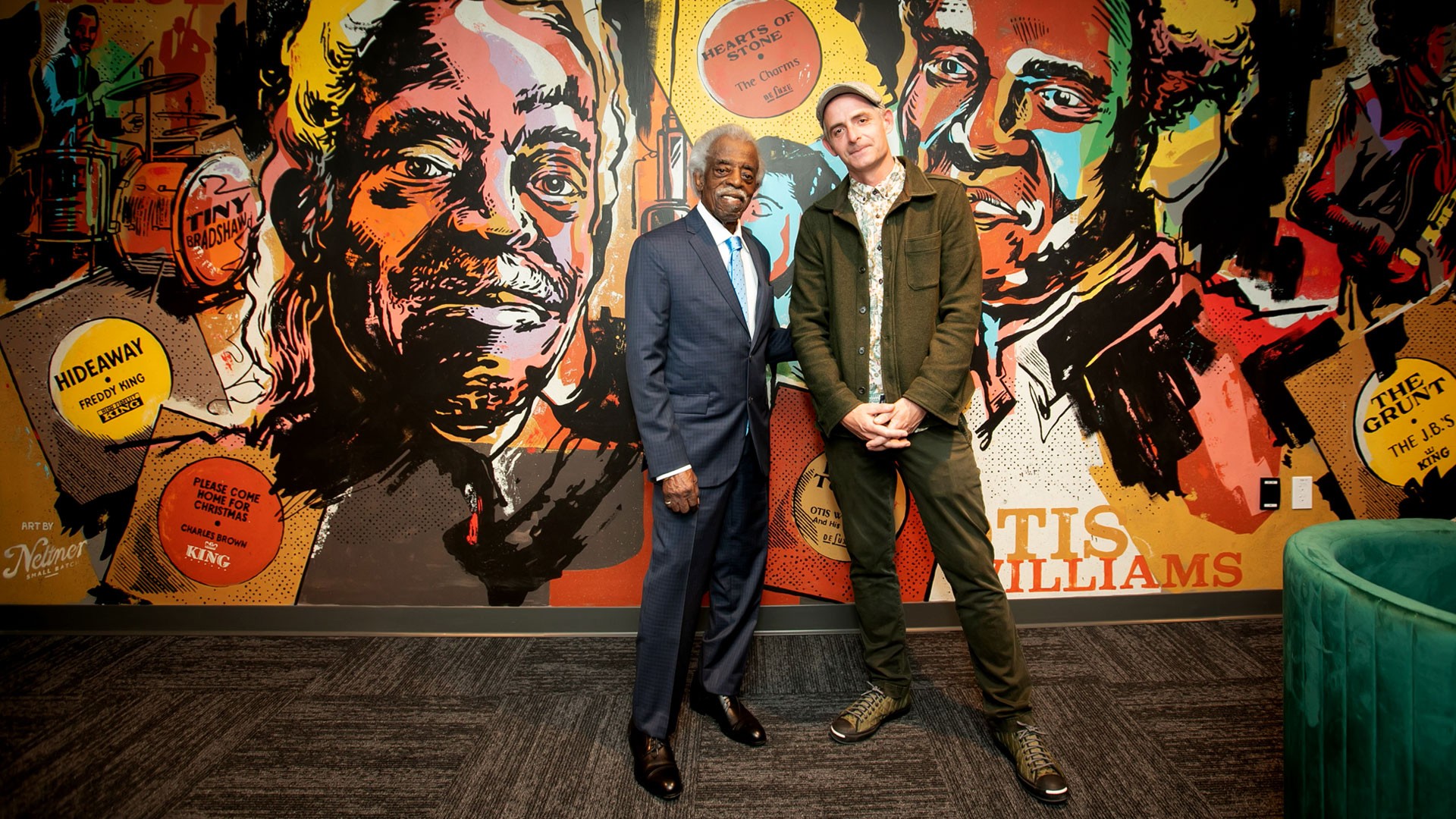
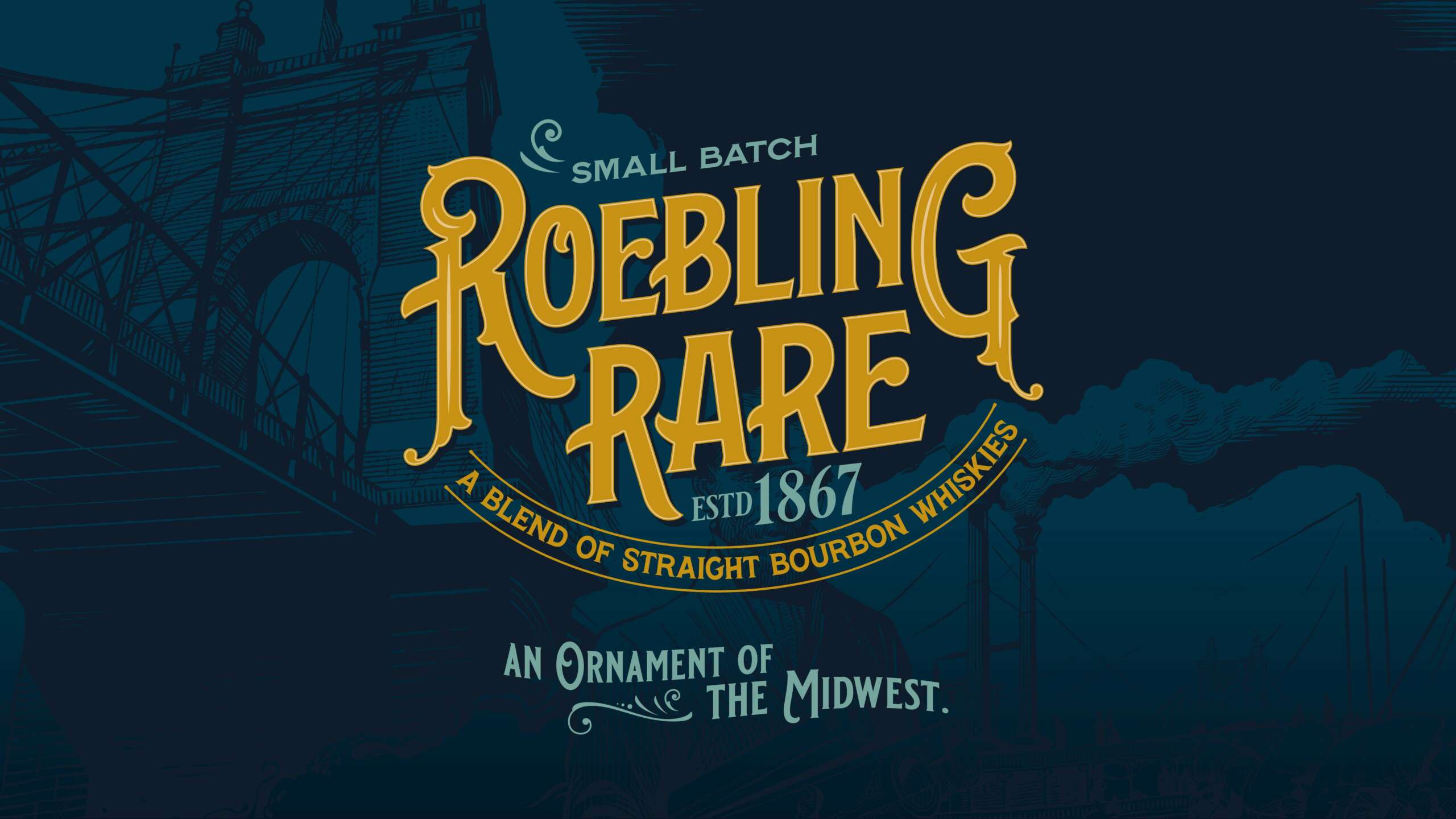
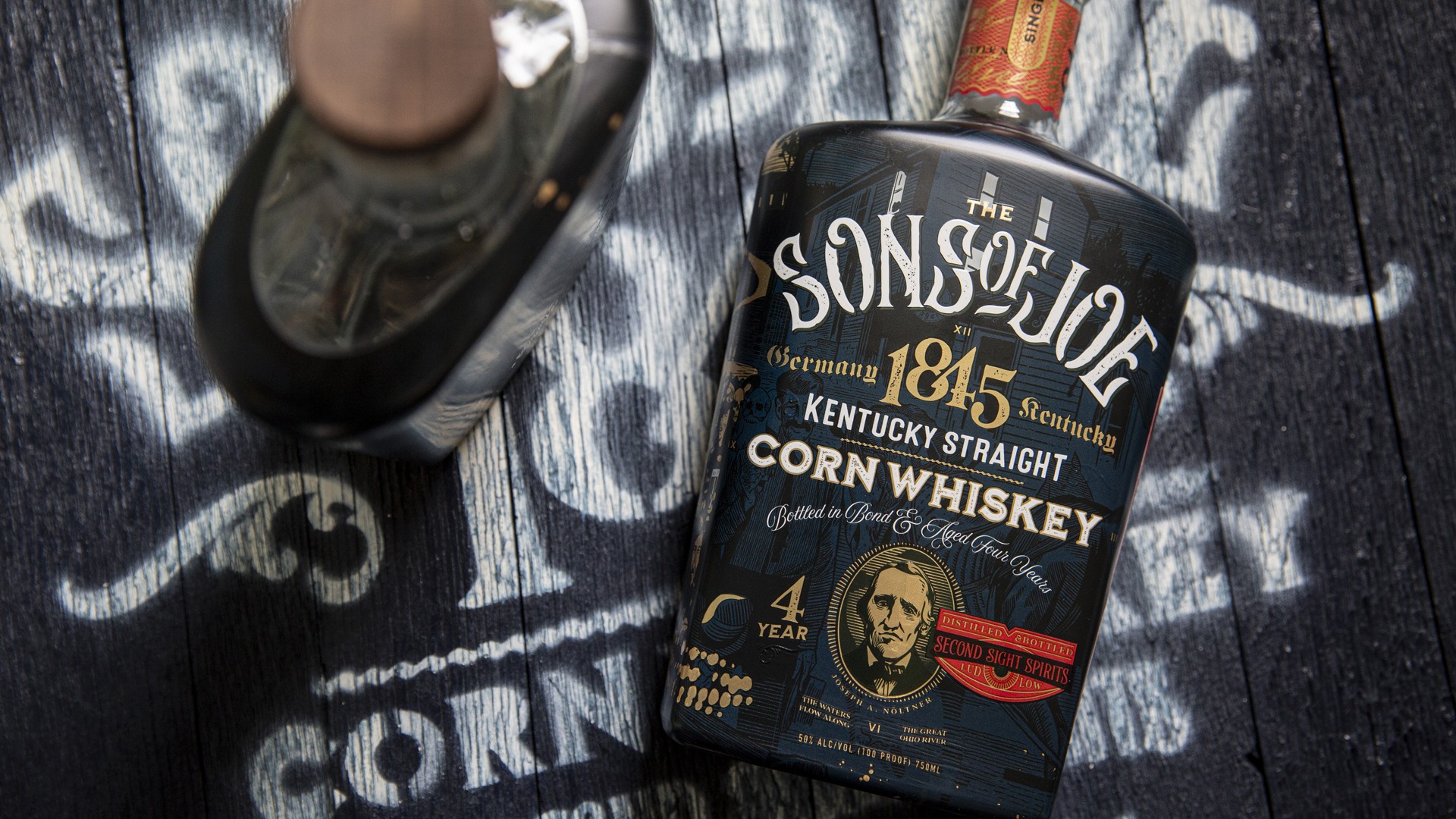
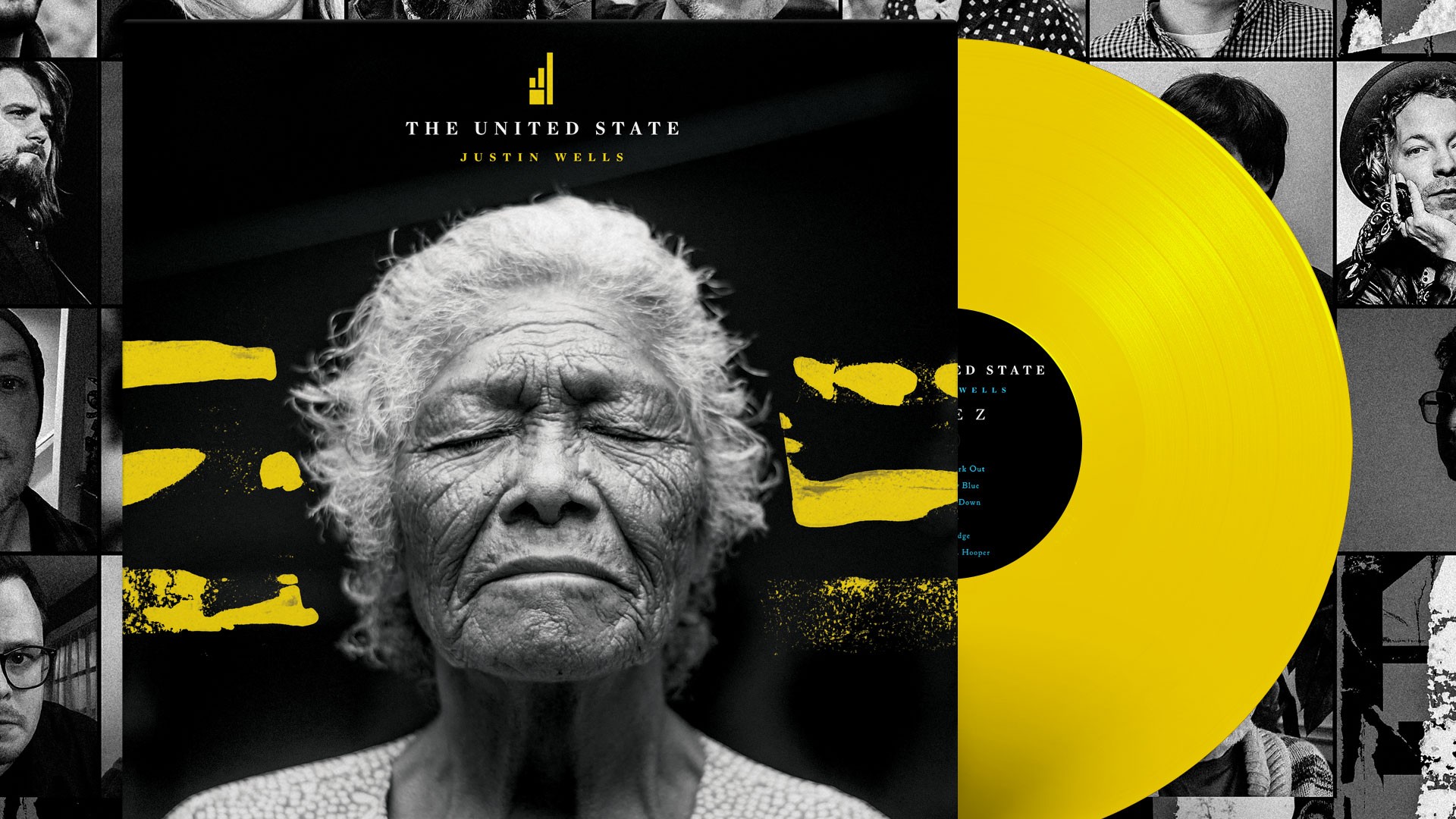
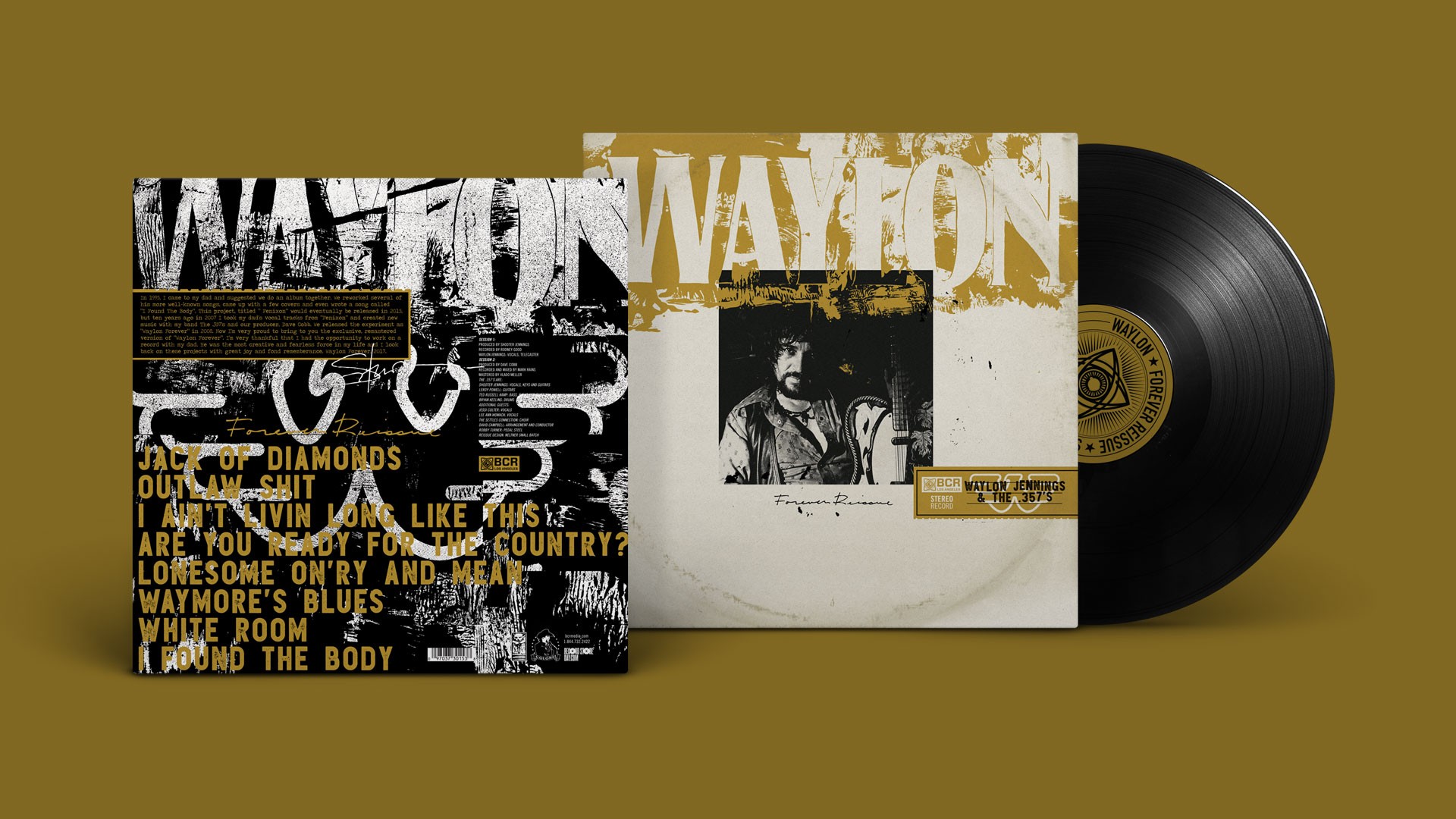
In 2013 I made the transition full time to Neltner Small Batch, a collection of industry heavy hitters who work with me on various projects based on the skillsets and clients’ needs. We’ve created brands from the ground up such as Braxton Brewing Co, Boone County Distilling Co, Tarnished Truth Distilling Co, Lucius Q, 450 North Spirits Co and Halfcut that include naming, product development, launch campaigns and brand films. The brand applications have evolved over the years to include large scale murals, distillery tours, and film. We also partner with brands like Maker’s Mark and Jameson and create limited edition vinyl record releases through Arnold’s Bar (the oldest in Cincinnati), that are released on Record Store Day. So music still has a strong presence in the studio’s portfolio.
In 2016, we had the ambitious idea to purchase the Camp Springs Tavern, a community watering hole that was built in 1865 near our family farm and studio. We had a few years under our belt creating brands with start ups. The vision of revitalizing the Tavern and taking all of our brand knowledge and putting it to work paid off – the Tavern just celebrated its 8 year anniversary. It has become a cultural hub for music, art and community which has brought musicians from as far as Ireland to play.
How can we best help foster a strong, supportive environment for artists and creatives?
Think of art and creativity as a product and someone’s livelihood. There is a value and a worth that isn’t universally recognized because we’re surrounded by art and design at almost every interaction on our phone, tv, streets, stores and more. Our feeds are flush with images, text, art, and communication that a creative had a hand in (We’ll discuss AI another time!). Technology and apps have made it seamless for users to edit or post just about anything whether they are the author or not. It poses problems but also huge benefits for people to find their voices. Supporting working artists means purchasing their products, hiring them for paid projects, having an understanding of what a market value is, not the assumption it is cheap.
I have two sayings that resonate with me on different levels:
1) Good work isn’t cheap, and cheap work isn’t good.
2) Find what you love and let it kill you.
The first inspires me to champion good work and place a value on it so that I can make a living and provide for my family. The second taps into why I love creative work and can never see myself giving it up. At the heart of it, sharing my work with others and seeing it as a tangible artifact of our time here is something that never gets old.
What’s the most rewarding aspect of being a creative in your experience?
The most rewarding aspect of being a creative is experiencing the finished work in its environment and seeing/hearing people’s reactions to what you’ve toiled over. Each project is an opportunity to reach a new level in your work and one of the most rewarding aspects is collaboration. Example, last year I was approached to do a mural for the Bengals & 5/3 by MKTG Sports Marketing. They were getting other quotes for the project and through that process I realized another bid was coming from longtime friends and collaborators the Dye Bros. Eventually the agency asked if we would team up on the project and create a piece together. What usually is a 6 week project needed to be completed in 2 weeks. The mural was for the NFL Draft and intended to engage fans during the event so it was a big deal and a big audience in our hometown. The finished art and event were incredible and the fact we got to collaborate with some of our favorite people made it a high point in my career.
Contact Info:
- Website: www.neltnersmallbatch.com
- Instagram: https://www.instagram.com/neltner_small_batch/
- Facebook: https://www.facebook.com/neltnersmallbatch
- Linkedin: https://www.linkedin.com/in/keith-neltner-366a611/
Image Credits
Neltner Small Batch