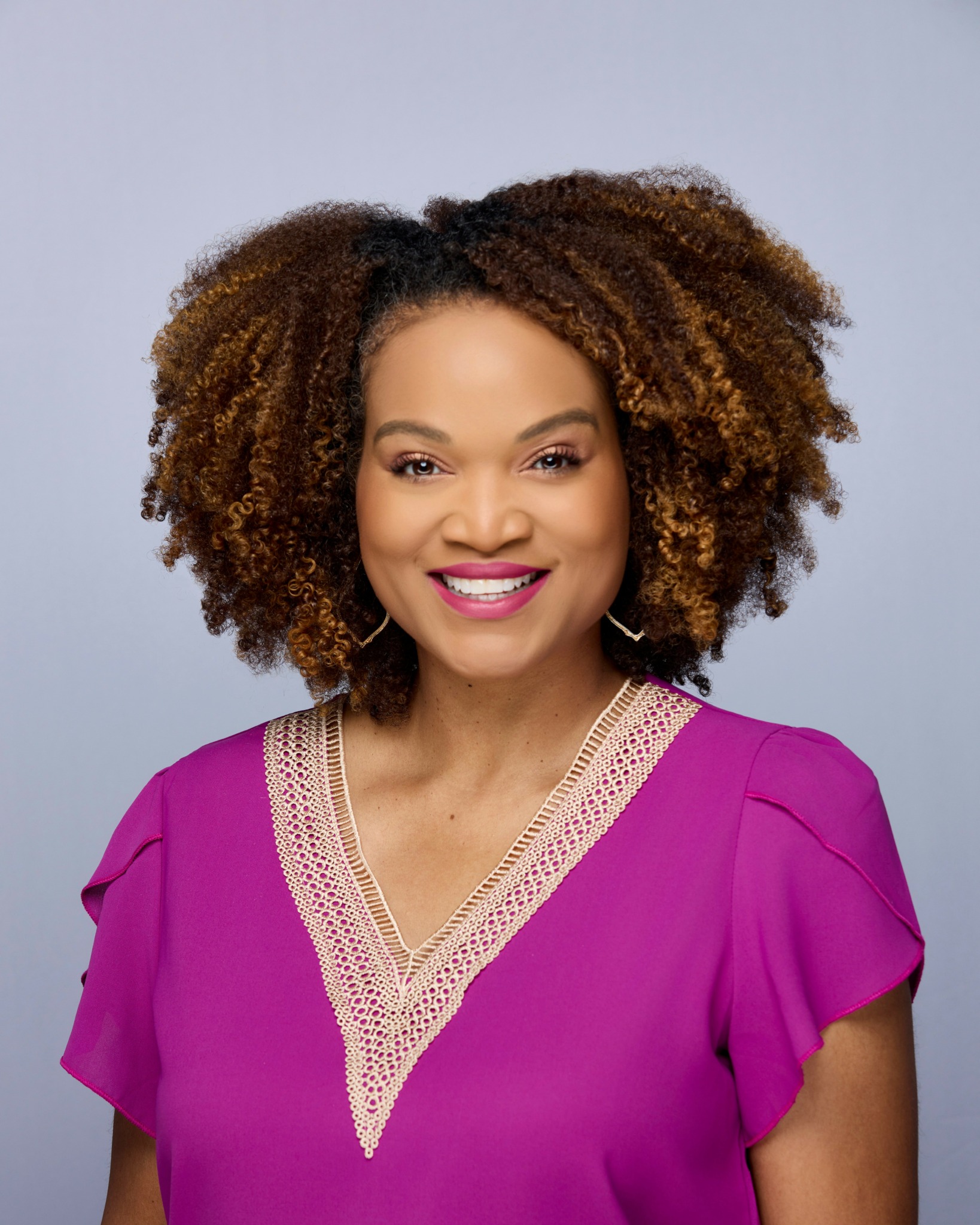

We caught up with the brilliant and insightful Keisha Gaddis a few weeks ago and have shared our conversation below.
Hi Keisha, thanks for joining us today. Can you share a story with us from back when you were an intern or apprentice? Maybe it’s a story that illustrates an important lesson you learned or maybe it’s a just a story that makes you laugh (or cry)?
During my senior year of college, I interned at a large nonprofit in downtown Dallas that had been founded by a very well-known tech entrepreneur. He was frequently in the office, and while I’d see him in passing, I never approached him. I was young, intimidated, and very aware of my “place” in the hierarchy.
One afternoon, we both walked into the kitchen at the same time and reached for a can of Coke. I instinctively stepped back and said, “Oh, you take it.” He smiled and said the same thing. We both grabbed our drinks, opened them, and stood there quietly for a moment before heading back to work.
It sounds small, but that moment stuck with me.
Not because I missed a networking opportunity, but because I realized how easily I had talked myself out of my own voice. I had questions. I had curiosity. I had every reason to say hello and start a simple conversation. But I stayed silent because I believed my presence mattered less.
That experience taught me an early lesson about leadership and access: most barriers aren’t external, they’re internal. We assume proximity doesn’t equal permission. We assume we have to earn the right to speak, connect, or be seen.
As a leader today, I’m intentional about dismantling that dynamic, both in myself and in the people I work with. I encourage open dialogue, human connection, empathy, curiosity, and psychological safety because I know firsthand how many capable, thoughtful people stay quiet simply because they think they’re supposed to.
Sometimes leadership lessons don’t come from big failures or dramatic moments. Sometimes they come from a shared can of Coke and the realization that your voice mattered all along.

Keisha, before we move on to more of these sorts of questions, can you take some time to bring our readers up to speed on you and what you do?
I’m Keisha Gaddis, a Licensed Professional Counselor and the founder of Dual Impact Leadership. My work focuses on emotional wellness and leadership as it shows up in real life … in classrooms, boardrooms, homes, and everyday moments in between.
After more than 15 years working in school systems and counseling spaces, I began noticing the same patterns everywhere. Kids were overwhelmed. Parents were overwhelmed. Leaders were overwhelmed. Different settings, same stress. What stood out wasn’t a lack of effort or ability, it was a lack of emotional steadiness.
Most of us are taught how to push through, perform, and look fine on the outside, but not how to recognize stress, regulate ourselves under pressure, or communicate clearly when things get hard. That gap shows up in classrooms and boardrooms alike, and it affects how people lead, relate, and function.
That realization led me to create Dual Impact Leadership.
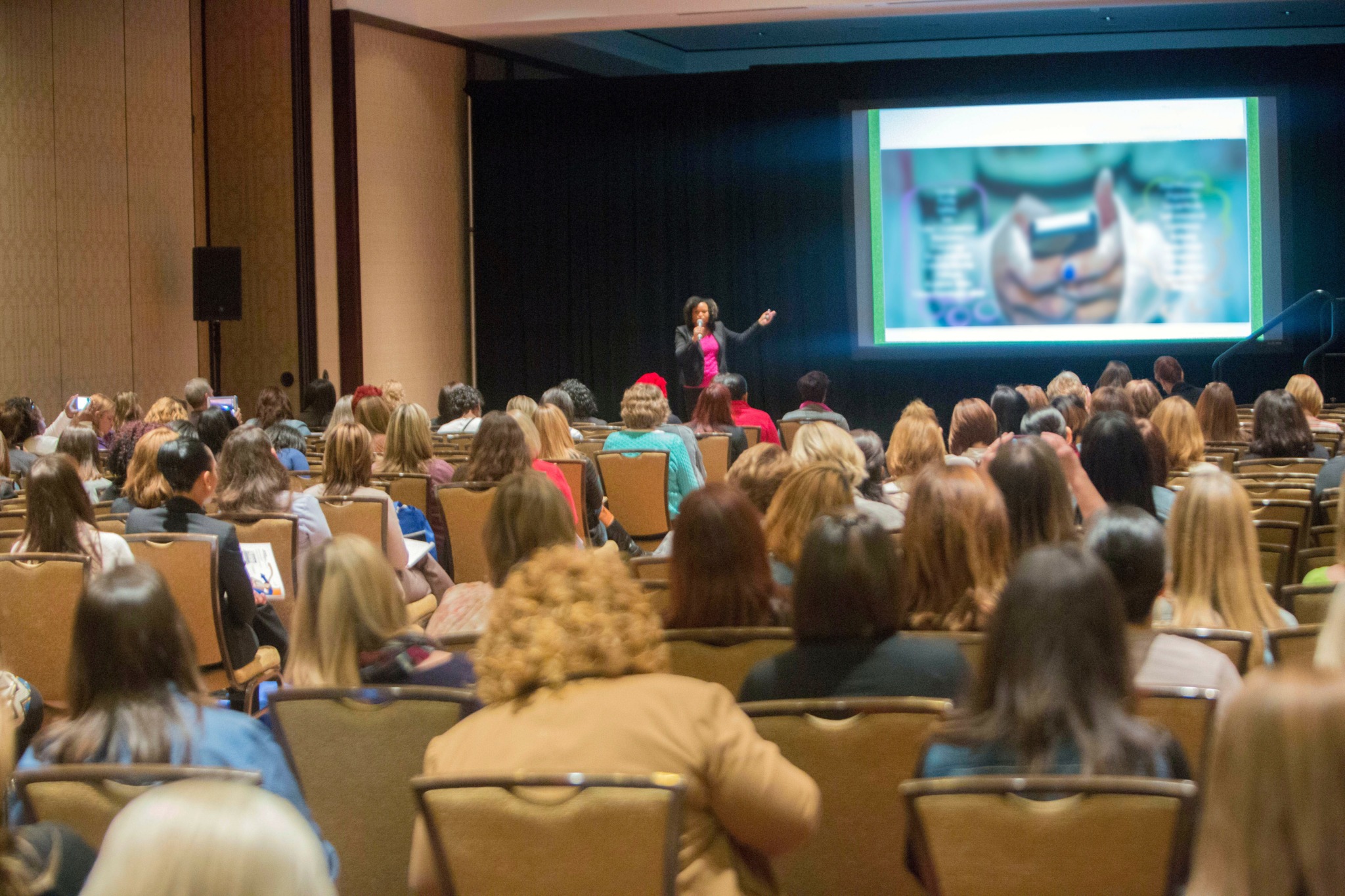
Today, I work with organizations and working parents through keynotes, workshops, and leadership training. I teach practical emotional intelligence and regulation skills that people can actually use, without therapy jargon or motivational fluff.
What sets my work apart is that I treat emotional wellness as a skill set, not a personality trait. These are tools people can learn and apply daily, because stress doesn’t stay at work – it follows people home and into every part of life.
What I’m most proud of is building work that’s honest. High performance without emotional steadiness doesn’t last, and faking fine is exhausting. My message is simple: you don’t have to burn out to grow, and when people learn to regulate themselves, everything around them becomes more stable – from teams to families.

We often hear about learning lessons – but just as important is unlearning lessons. Have you ever had to unlearn a lesson?
One of the biggest lessons I had to unlearn was the belief that smiling, pushing through, and looking confident meant I was actually okay.
Growing up, I learned early how to present well. Smile. Be polite. Keep it together. Don’t let discomfort show. I got really good at looking confident long before I ever learned how to check in with my own feelings. If something was hard, the expectation was to push through it, not slow down or question it.
That mindset followed me into adulthood and into my career. I was reliable, capable, and outwardly calm, even when I was carrying a lot internally. I genuinely believed that ignoring my feelings was part of being strong and professional.
The wake-up call came through my work. I kept seeing the same thing play out across different environments. People were functioning, producing, and holding it together on the outside, but underneath, many were emotionally exhausted and stretched thin.
I had to unlearn the idea that regulation meant suppression. Real steadiness isn’t about forcing a smile or powering through everything. It’s about noticing what’s happening inside you and having the tools to respond instead of override yourself.
That unlearning changed how I live, how I lead, and how I parent my children. It’s why my work centers on helping people move beyond performative confidence and build emotional steadiness as a practical skill, one that supports sustainable mental well-being, authentic leadership, and a more grounded way of living.

How do you keep your team’s morale high?
High morale doesn’t come from perks, positivity, or pushing people harder. It comes from psychological safety.
The most effective teams I’ve seen and worked with are led by people who create environments where it’s safe to be human. That means leaders check in regularly, not just on performance, but on capacity. They ask real questions. How are you actually doing? What feels heavy right now? What support would help you do your best work?
Managing a team well requires the courage to ask the hard questions and the consistency to follow through. When people feel seen, heard, and supported, they don’t disengage quietly. They speak up earlier, collaborate more openly, and recover from stress faster.
High morale also grows when leaders model what they want to see. When leaders name pressure, acknowledge challenges, and show care without losing clarity or standards, it gives everyone else permission to do the same.
At the end of the day, people don’t give their best to environments where they feel invisible or expendable. They give their best to cultures where they feel psychologically safe, respected, valued, and genuinely cared for. That’s not soft leadership. It’s stable leadership.
Contact Info:
- Website: https://www.CoachKeisha.com
- Instagram: https://www.instagram.com/mycoachkeisha
- Facebook: https://www.facebook.com/coachkeisha
- Linkedin: https://www.linkedin.com/in/keishagaddis
- Other: TikTok: https://www.tiktok.com/@mycoachkeisha
Psychology Today: https://www.psychologytoday.com/us/therapists/keisha-gaddis-frisco-tx/1598234