

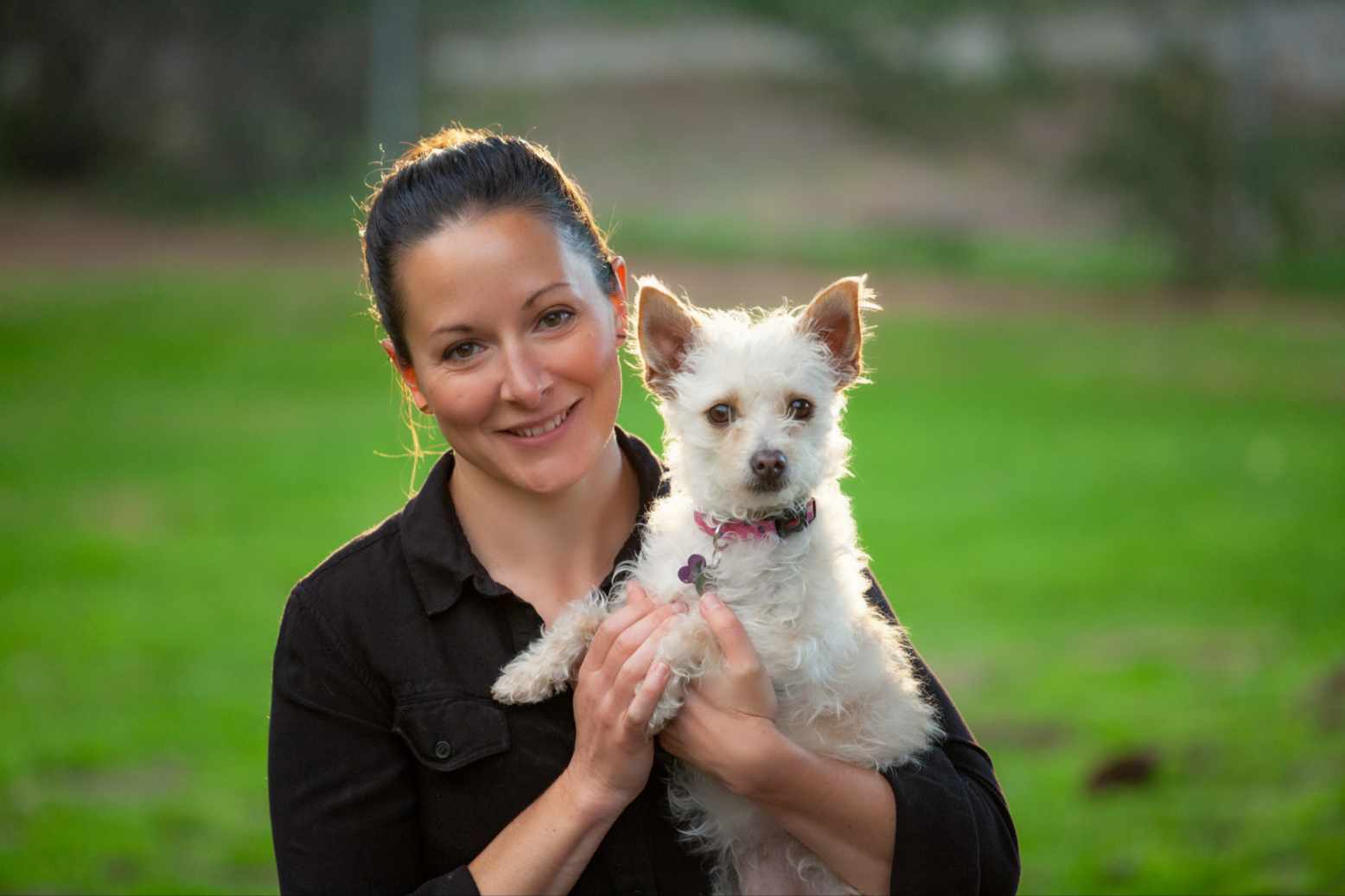

We recently connected with Keira Moore and have shared our conversation below.
Keira, thanks for taking the time to share your stories with us today It’s always helpful to hear about times when someone’s had to take a risk – how did they think through the decision, why did they take the risk, and what ended up happening. We’d love to hear about a risk you’ve taken.
Eight years ago I hit a wall—professionally and personally- after spending a decade pouring everything into my career in behavior analysis, I found myself completely burned out. The journey had been grueling: a three-year master’s program, followed by five intense years in a doctoral program, all while working full-time with children and teens with autism. The clients I worked with had severe challenges like aggression, self-injury, tantrums, and destruction. While I loved my job, it was mentally, emotionally, and physically exhausting. My life outside of work barely existed—no social life, no self-care, and often, no sleep.
In 2015, I had finally completed my PhD and landed what I thought was my dream job: creating and directing a new division for a growing program serving children with autism. But less than a year in, I realized the dream was more of a nightmare. I found myself in a poorly-run, misogynistic workplace, with little support. Burnout hit me like a tidal wave, and my mental and physical health started to crumble. I felt like I was drowning, clinging to the only lifeline I had—a newfound passion for flying trapeze.
I’d stumbled into trapeze almost by accident, thanks to a Groupon and a persistent friend. While I wasn’t naturally skilled at it, I fell in love with the circus community. The trapeze introduced me to some of the kindest, most inclusive, and supportive people I’d ever met. These friendships became my sanctuary. Before long, I went from being a student to an instructor, spending every spare moment at the trapeze rig. The most important lesson trapeze teaches you is that sometimes you have to let go, fly into the abyss, and trust that your teammates will catch you.
In 2016, I did just that. With the encouragement of my new circus friends who saw how unhappy I was in my career, I took a leap of faith and jumped into the abyss. I asked for a three-month leave of absence from my job to spend the summer teaching trapeze full-time. I expected a firm “no,” but to my surprise, my boss granted the leave. During those three months, I felt the weight lift from my shoulders. With clarity, I recognized just how burned out I had been. It was time for a big change- I made the decision not to return to work at the end of my leave.
Taking the biggest risk of my life, I walked away from the job I had worked so hard for. I packed up my life in Boston, said goodbye to my friends and family, and moved to Seattle to join one of the world’s best flying trapeze programs. I would be teaching and performing trapeze full-time, living in an old warehouse with nearly 20 other circus artists. The decision was terrifying, but I knew deep down that this leap was what I needed to get my life back on track.
Within a week of arriving in Seattle, I met my partner, Joe. The two years we spent at the trapeze school were magical—I even ended up managing the flying trapeze team! But when the relentless Seattle rain started to take its toll, Joe and I packed up once more and spent a year traveling the world, teaching trapeze and visiting 10 different countries. We made incredible circus friends along the way and created unforgettable memories.
When the pandemic hit, we found ourselves in Southern California, and circus was temporarily off the table. The forced pause gave me time to reflect on where I wanted to go next with my life. I realized that while I missed being a behavior analyst and helping people, I needed more flexibility, independence, and joy in my life. During the first year of the pandemic, I worked hard to figure out what that balance looked like. Eventually, I launched my own behavior analytic consulting business, specializing in sleep problems. I also began teaching in several behavior analysis master’s programs, and became a certified dog trainer, starting a second business focused on dog training.
Today, my life is busy, but it’s the right kind of busy. I’ve found the balance I so desperately needed. Every day is a new adventure—I get to help people, work on what I’m passionate about, and set my own schedule. While I don’t do much trapeze anymore (my shoulders have said, “no, thank you!”), I am forever grateful for the circus community that supported me through the darkest times and guided me to take the biggest risk of my life—a risk that changed everything.
Keira, love having you share your insights with us. Before we ask you more questions, maybe you can take a moment to introduce yourself to our readers who might have missed our earlier conversations?
I’m a behavior analyst, but I’ve always been a bit of an anomaly in my field. Most behavior analysts focus on Applied Behavior Analysis (ABA) for individuals with autism, which is where my journey began. During my undergrad, I had the opportunity to participate in an internship for a semester at the New England Center for Children in Boston, a world-renowned clinical and research facility in behavior analysis. Despite knowing nothing about autism at the time, I jumped in with both feet—and I never looked back.
The internship was life-changing. I loved it so much that I signed a contract to return immediately after graduation and stayed with the company throughout my master’s and PhD programs. I was incredibly fortunate to work and study under some of the best and brightest clinicians and researchers in behavior analysis. They taught me to think critically and apply my skills to a wide range of behavior problems and populations. During my doctoral program, I found my true calling thanks to a mentor who ran a sleep lab and was conducting groundbreaking research on assessing and treating sleep problems.
I began working with clients who had sleep issues back in 2012 and, by 2017, decided to start my own business specializing in sleep problems. The need for this service is staggering—over 70% of individuals on the autism spectrum experience sleep difficulties, yet there are almost no providers who specialize in treating sleep in this population. Even among neurotypical people, there are very few experts in behavioral sleep treatment beyond early childhood. I believe every person—whether neurotypical or neurodivergent, child or adult—deserves a good night’s sleep, and I’m dedicated to making that a reality and helping people “take back the night.”
Through Zoom-based consultations, I work with clients around the world to assess their sleep problems and create personalized treatment plans. We typically resolve issues in just a few meetings, and it’s amazing how a few simple changes can transform someone’s sleep quality. What sets me apart from the “sleep gurus” you might find on social media is that my practices are entirely evidence-based, rooted in rigorous research and data, and focused on behavioral interventions rather than medical ones. We track data before and during treatment to ensure progress, and I provide ongoing feedback and encouragement until clients reach their goals. Hearing from clients months or even years later about how sleep treatment has changed their lives is one of the most rewarding aspects of my work.
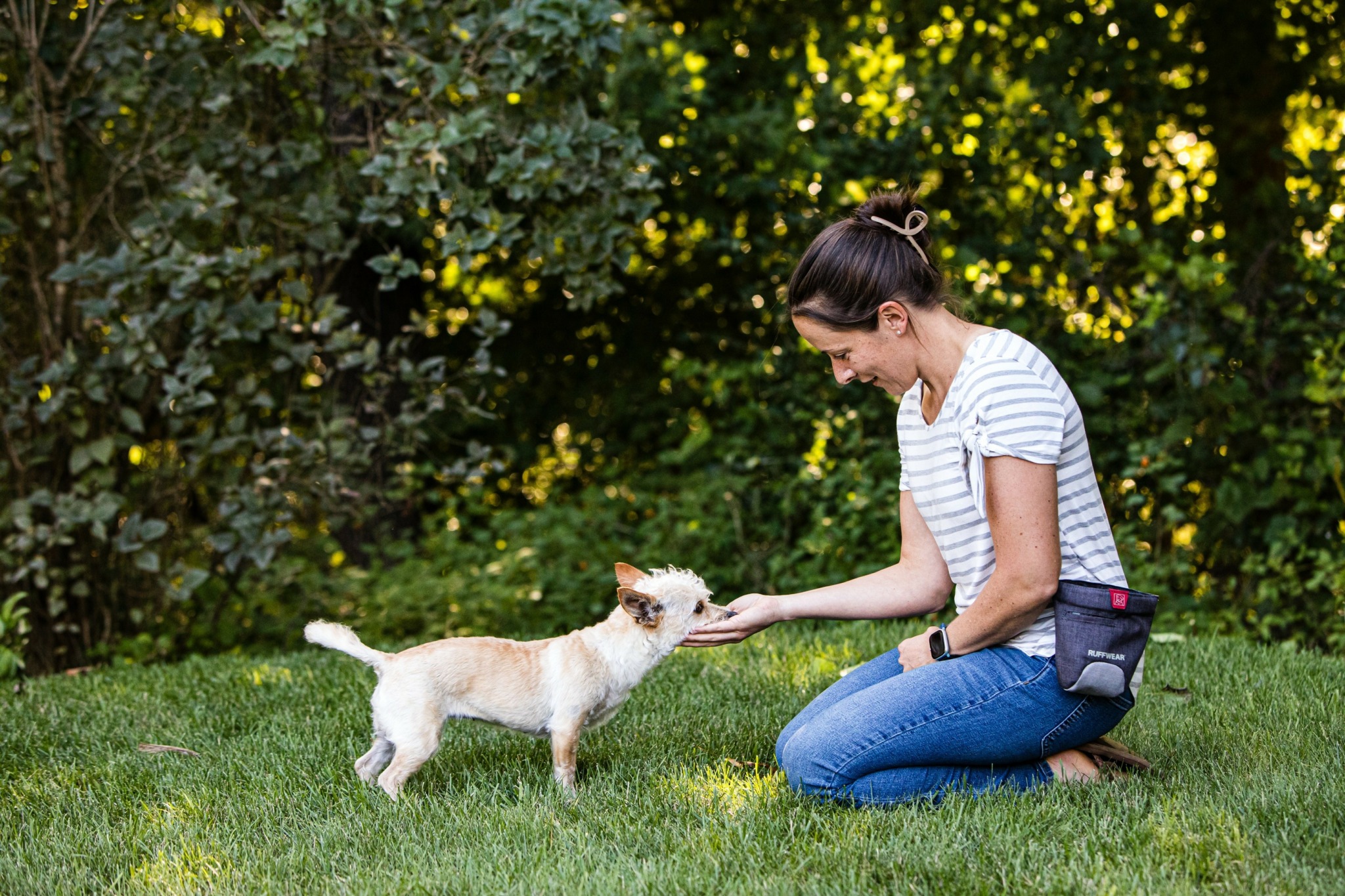
But running one business wasn’t enough for me, so last year, I launched a second venture that might seem completely unrelated—dog training. What many people don’t realize is that the science behind dog training is the exact same science that underpins human behavior analysis. Behavior is behavior, regardless of the species, and the principles of behavior work the same way. After rescuing a dog with severe behavior problems, I became deeply passionate about dog training. Helping my own dog made me realize how much this work dovetailed beautifully with my expertise as a behavior analyst.
I decided to go back to school once again to earn my dog training certification. My dog training business specializes in force-free, compassionate training. I work closely with owners of dogs that display challenging behaviors like aggression, reactivity, and fear, helping them to better understand how to communicate with their pets and teach new skills that reduce problem behaviors. With a PhD in Behavior Analysis, I bring a uniquely deep understanding of the science to my work in the dog training field, setting me apart from most trainers.
What unites my work across both behavior analysis and dog training is a steadfast commitment to science and a compassionate approach. Whether I’m helping a child with autism achieve better sleep or guiding a dog owner through a training plan to address aggression, I always rely on evidence-based practices rooted in the principles of behavior analysis. The science behind behavior is my foundation, but it’s the compassion I bring to my work that truly makes a difference. By understanding the unique needs of each individual—whether human or canine—I’m able to create personalized, effective, and humane strategies that lead to lasting change. My goal is to empower my clients, helping them achieve their goals with kindness, understanding, and a solid grounding in science.

If you could go back, would you choose the same profession, specialty, etc.?
I believe I was destined to become a behavior analyst. Although I stumbled into the coursework almost by accident, I vividly remember the moment when everything clicked. It was as if a light bulb went off and I thought, “Ah, this is what I’ve been missing my whole life! This makes the whole world make sense!” And even today, I wholeheartedly believe that. Behavior analysis is more than just a profession; it’s a way of seeing the world. Once you start viewing life through the lens of behavior analysis, there’s no going back—you start to see the patterns, the reasons behind actions, and the ways to create meaningful change.
I’ve always known that I wanted to be a “helper” in some way. There’s nothing more fulfilling for me than making a positive difference in someone’s life. So while I may have found this field by chance, I’m convinced it was my destiny all along. What I never could have anticipated, though, is how my career would evolve. I’ve found a unique balance by splitting my time between two passions: sleep treatment and dog training. Both allow me to apply the principles of behavior analysis in different, but equally rewarding, ways. If I could go back, I wouldn’t change a thing—I’d choose this profession and these specialties all over again. I love the variety in my work, the opportunity to help people in multiple capacities, and the joy of giving dogs better lives too.

Putting training and knowledge aside, what else do you think really matters in terms of succeeding in your field?
In both of my areas of work, compassion is the most invaluable tool. At its core, behavior analysis is a compassionate science. We approach challenging or maladaptive behaviors not with judgment but with a deep desire to understand. Whether I’m working with a person or a dog, I never view behavior as “bad” or driven by ill intent. Instead, I carefully assess the circumstances surrounding the behavior. It’s about understanding the “why” behind the actions, not placing blame on the individual. Behavior is always shaped by the environment and the experiences a person or animal has had, and my role as a behavior analyst is to uncover those influences.
My job is to help create a world where more adaptive, healthier behavior can flourish. Often, this means teaching someone—or their dog—better ways to meet their needs and communicate what they want. To excel in this field, you must be willing to let go of judgment and fully embrace compassion. It’s about diving deep into the problem, listening intently, and working to understand not only the behavior itself but also the person or dog’s unique circumstances.
This compassionate approach is just as critical in dog training as it is in working with humans. When I work with dog training clients, I spend a significant amount of time observing and understanding the dog’s behavior, deciphering what they’re trying to communicate. From there, it’s about educating the owners on how to meet their dog’s needs with empathy and patience. Compassion is the bridge that allows us to connect, understand, and ultimately transform behavior—whether in people or in dogs.
Contact Info:
- Website: Moore Behavior Consulting: https://www.moorebehaviorconsulting.com Pet Project Dog Training: https://linktr.ee/petprojectdogtraining
- Instagram: @petprojectdogtraining
- Facebook: @moorebehaviorconsulting and @petprojectdogtraining
- Linkedin: https://www.linkedin.com/in/moorebehaviorconsulting/
- Youtube: https://www.youtube.com/@fridapawlo
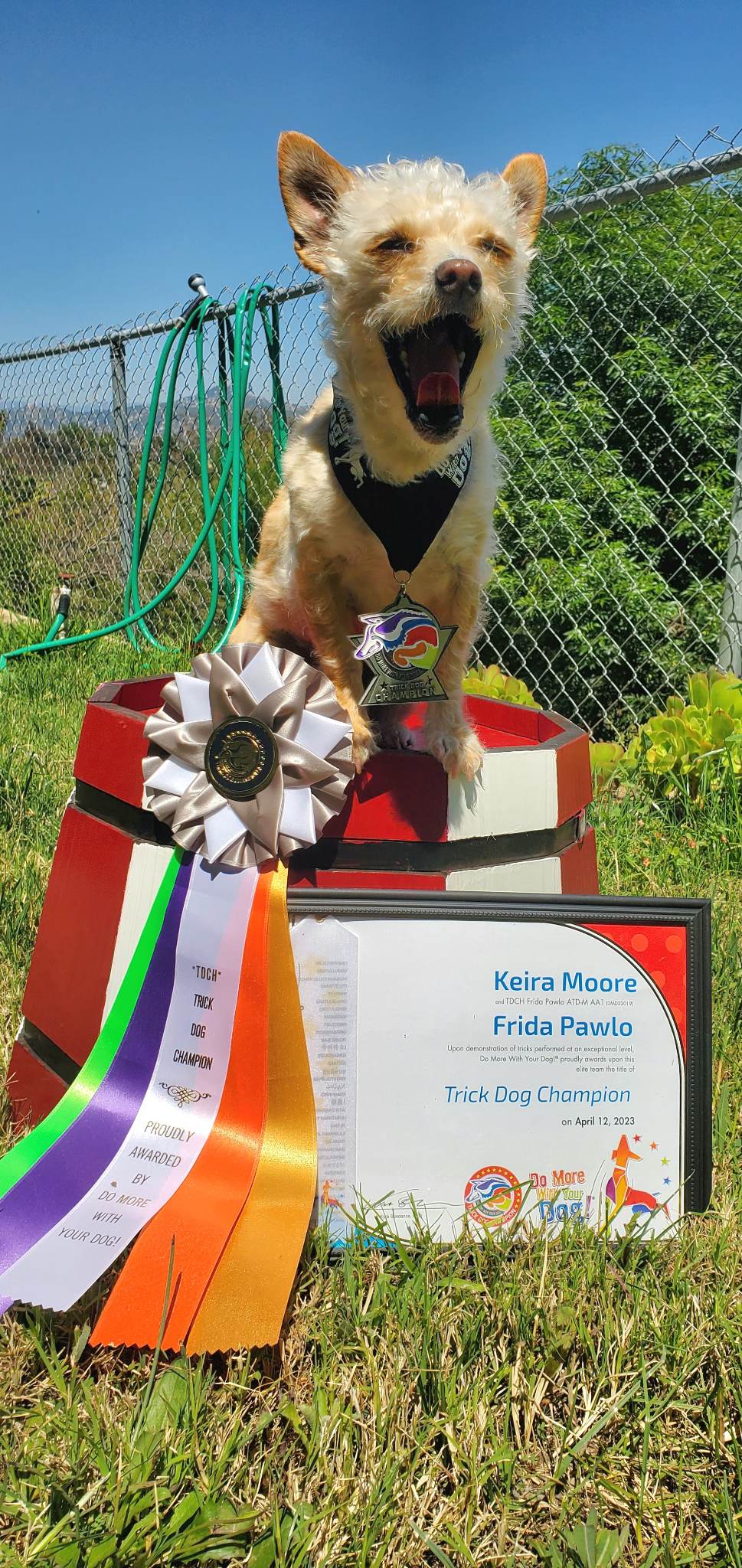
Image Credits
n/a