



We were lucky to catch up with Keiona Josey recently and have shared our conversation below.
Keiona , thanks for joining us, excited to have you contributing your stories and insights. Has your work ever been misunderstood or mischaracterized?
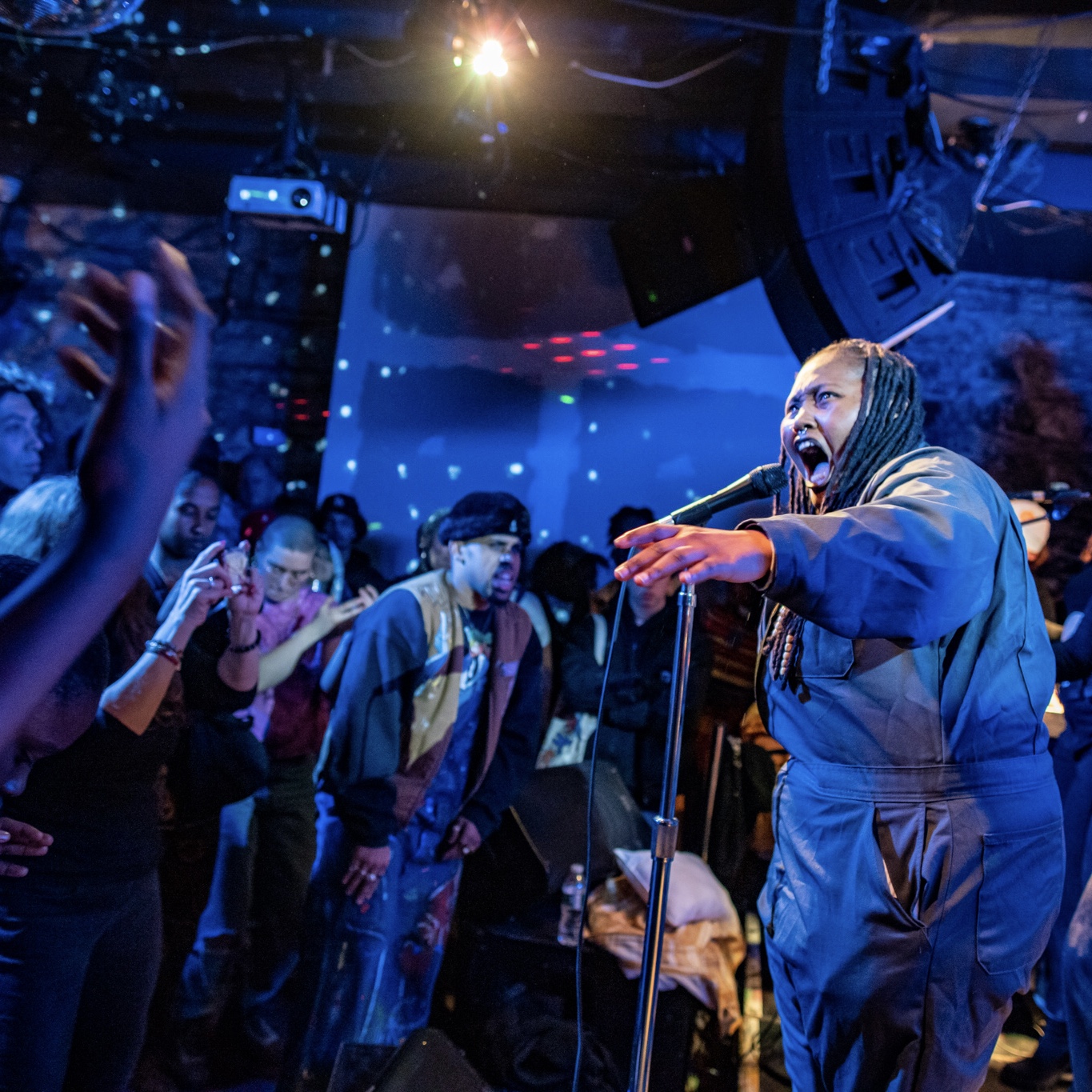
I think my music and work are the only places where I am actually understood and fully listened to as an artist and person, and I believe that’s why I love it so much. It provides a platform where people are actively choosing to, and expecting to, stand still and lend me their attention. Where I feel misunderstood is as a person. Then again, I feel I can’t fully be understood unless I allow myself to be known. I struggle with the idea of being raw, open, and bleeding as a person.
Which feels like insanity because I am exactly that person on stage. However, as a person… it’s truly a crippling thing for me. Maybe it’s the fact that people will actually see me bleeding. Maybe it’s the fact that I won’t be able to hide anymore once I fully stand in my truth. Or maybe I just feel like people can be cruel, and they’ll judge me for being human.
As a child, I grew up in an environment where the adults always said, “Be yourself,” but would scold you for having opposing opinions or a voice. I was quickly taught to put others’ emotions before my own and, by way of latent learning, I adapted to the idea that it’s okay to endure pain for the people I love. I learned that speaking my mind was always seen as disrespect.
But that’s not the only thing. I’ve also endured years and years of abuse—nine years of CSA, to be specific—and abuse is the type of thing that teaches you that you can never fully be safe in the world. It strips you of your voice and your being, and what’s left is a version of yourself that is always questioning the authenticity of your truth. It creates a person who finds it extremely difficult to let the world in again.
I want the world to see me, but I’m afraid of what will be seen. Perhaps I still find shame in my story: the poverty, the mental, physical, and sexual abuse, the homelessness, the drug-addicted family members, the dysfunctional family dynamics, the body dysmorphia, the fact that I’m 31 and still struggling to find my footing in life, still struggling to be comfortable in a body that I felt wasn’t mine for so long. The panic attacks, the body riddled with chronic pain, the struggle of sexual identity, of maintaining friendships, struggling to hold conversations, and being myself in social situations.
I want to be seen. I want to be understood, and I think that’s why I perform.
What I’m learning now is grace—and how to fully stand in and embrace my story. I think through embracing it, I’ll find my path to shatter the shame I feel and, in turn, this lurking feeling of being misunderstood will disappear. It’s something I learned after reading Viola Davis’s *Finding Me.* The incredibility of a story, the power, and the visibility that lies in full acceptance of who you are.
I think my only path right now is to jump far off whatever skyscraper I’m standing on and develop my wings on the way down. In other words, rip the bandaid off—or, in my case, the tourniquet.
Great, appreciate you sharing that with us. Before we ask you to share more of your insights, can you take a moment to introduce yourself and how you got to where you are today to our readers.
I would describe myself as a conduit—a channeler of emotions. A publication once described me as the personification of wisdom and power, which feels fitting because I put so much emotion and experience behind my music. In short, I’m a Hip Hop, Funk, Soul, Jazz Rapper, and Songwriter from Newark, NJ. I believe that instead of marrow, there’s literal music in my bones and creativity flowing through my veins.
I first developed a love for music as a child. My earliest memories are listening to *Voyage to Atlantis* by the Isley Brothers or * Betcha By Golly, Wow* by The Stylistics with my late grandmother Nannie, or doing choreography to Aaliyah’s videos with my aunt Alicia. The first thing I ever wanted to be in life was a singer, and my old best friend Erica used to coach me, pushing me toward doing the things we thought a professional singer would do. By age 9, my dream evolved into wanting to be both a singer and a poet. I’m forever grateful for the teachers and mentors who nurtured my love for art throughout grade school and high school.
There was a time when I literally felt like I couldn’t speak, and music saved me. It gave me a job where the only thing I could do was speak. I don’t want to say life chose me for this path, but it feels that way. I didn’t always have support at home, but every teacher I encountered at school encouraged me to use my voice. My 7th-grade teacher, Ms. Woods, would always ask me to read for the class—“mark my words, this girl is going to be famous,” she would say. Ms. B, my teacher and poetry mentor, encouraged me to dig deep and use my voice in powerful ways. Whether it was drama theatre, poetry slams, or open mics held in one of my teachers’ classes—or performing at Big Tuesday, an hour-long open mic at my hometown high school Central High—I was always pushed to immerse myself in art.
What sets me apart from others is my life experiences. I’ve been through a lot, and those experiences allow me to connect with people on a personal and spiritual level. Not only that, but I craft my music with the intention of helping people feel, shed tears, release baggage, and heal. My music provides a voice for the difficult experiences people don’t often talk about—dysfunctional family dynamics, CSA, running from a troubled past, and learning to embrace and accept your fears. It’s like church for the voiceless.
I’m a phenomenal live performer, and I also write music for artists and brands. I got into music because it was an outlet to safely express what I felt too ashamed or afraid to say in a one-on-one setting. Music became my protective barrier, allowing me to release the intense emotions I had held onto for years.
I want people to walk away from my music feeling a little lighter, more understood, and able to reflect on their own struggles with a sense of healing. I want people to see themselves in my story.
What’s the most rewarding aspect of being a creative in your experience?
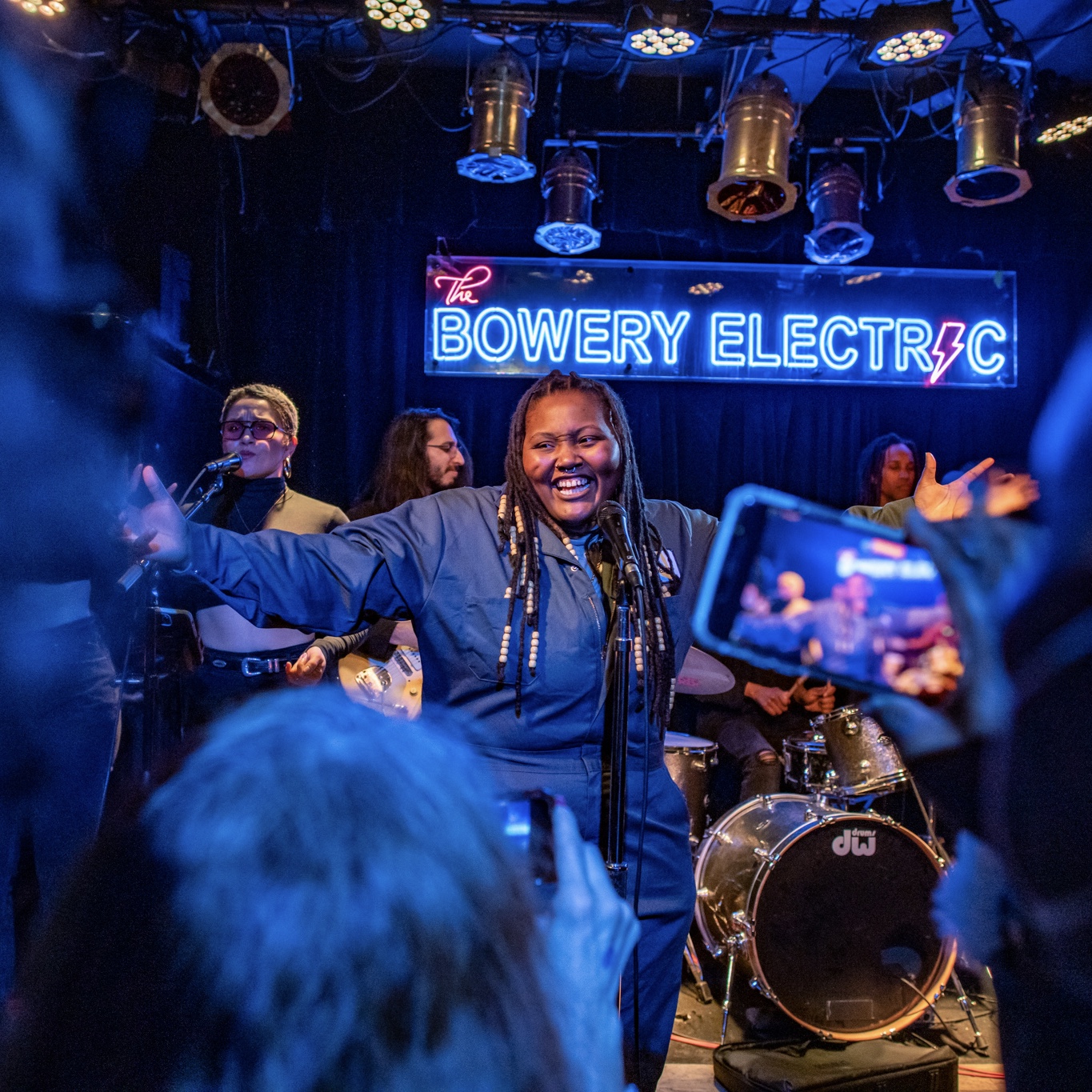
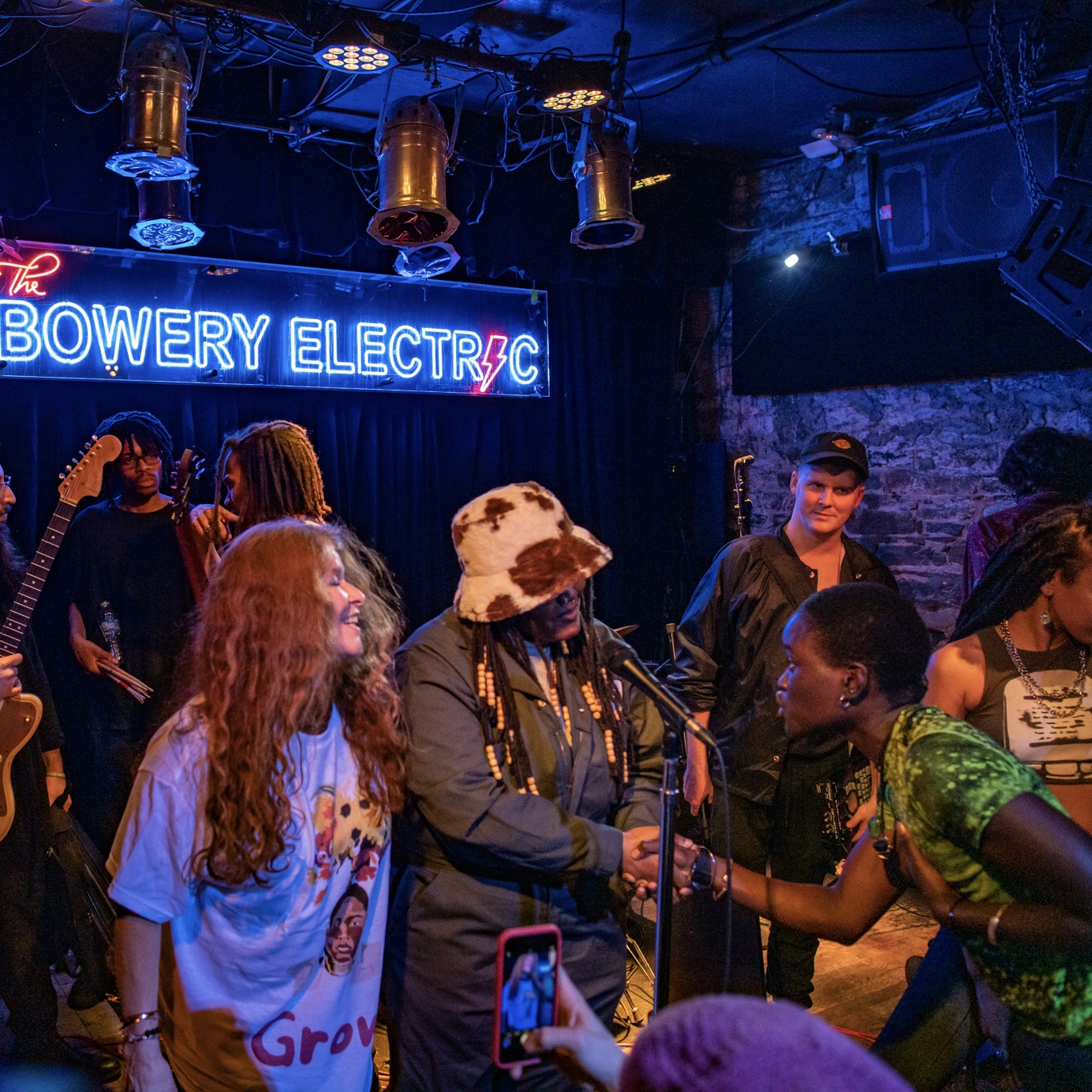
The most rewarding aspect of being an artist for me is seeing how I can change someone’s life in real time. Sharing and holding space for people is such a beautiful experience. I love spending time with my audience, having one-on-one conversations after a show, and hearing their stories. When someone comes up to me in tears, telling me how moved they were by my performance, it’s an indescribably rewarding feeling. Moments like those remind me why I do what I do.
In your view, what can society to do to best support artists, creatives and a thriving creative ecosystem?
I think the answer is simple: pay artists and creatives what we deserve. Everyone loves music, is impacted by it, and uses it for their own benefit—yet we’re still working for pennies. Give us real benefits, actual healthcare, and solidify creative housing. Artists are only seen as having a “real occupation” when we’re making millions, but our contributions matter at every level. It’s time to recognize and support that.
Contact Info:
- Website: https://freakquencee.bandcamp.com
- Instagram: https://www.instagram.com/freakquencee
- Youtube: https://www.youtube.com/watch?v=L6RPoA4P7Sg
- Other: https://beacons.ai/freakquencee
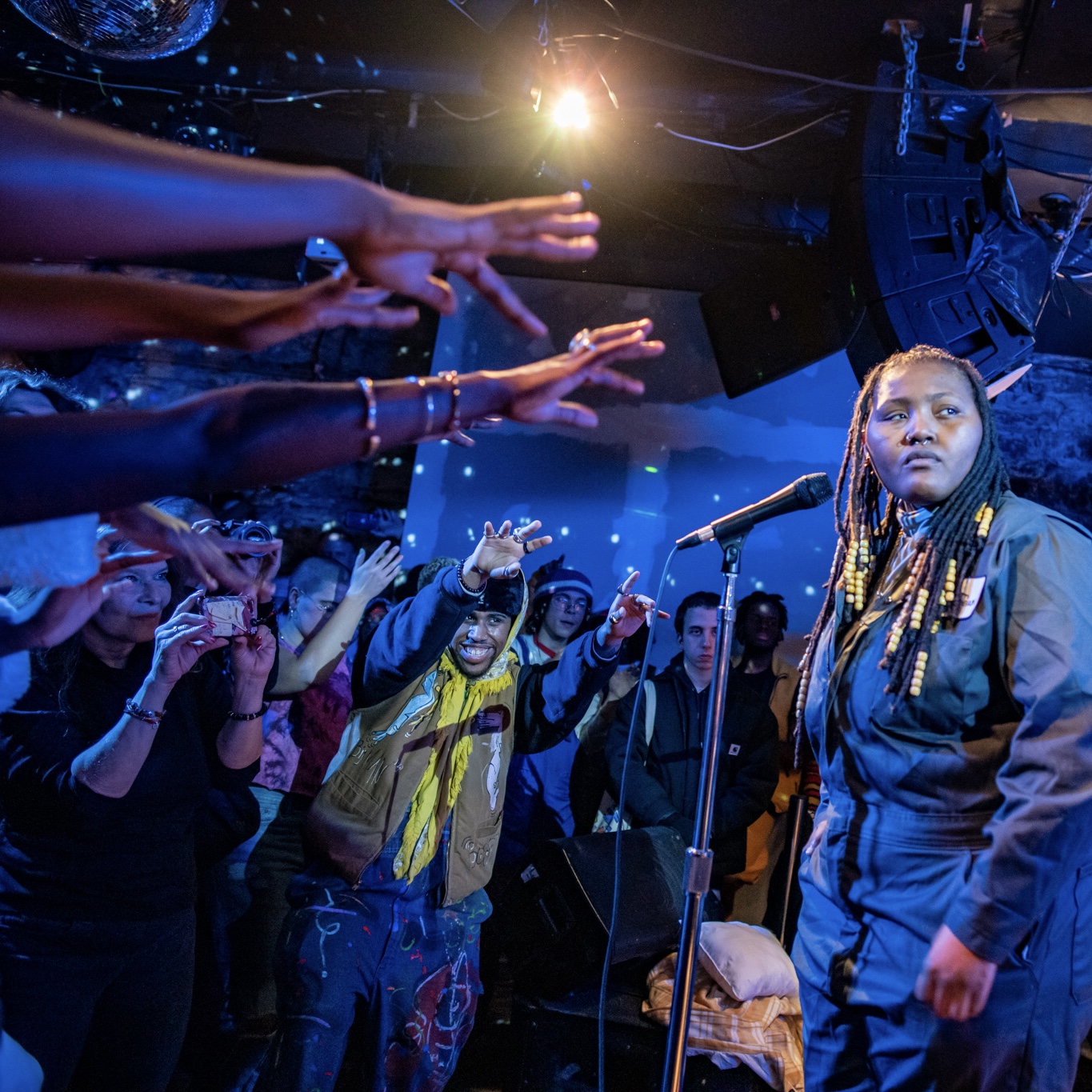
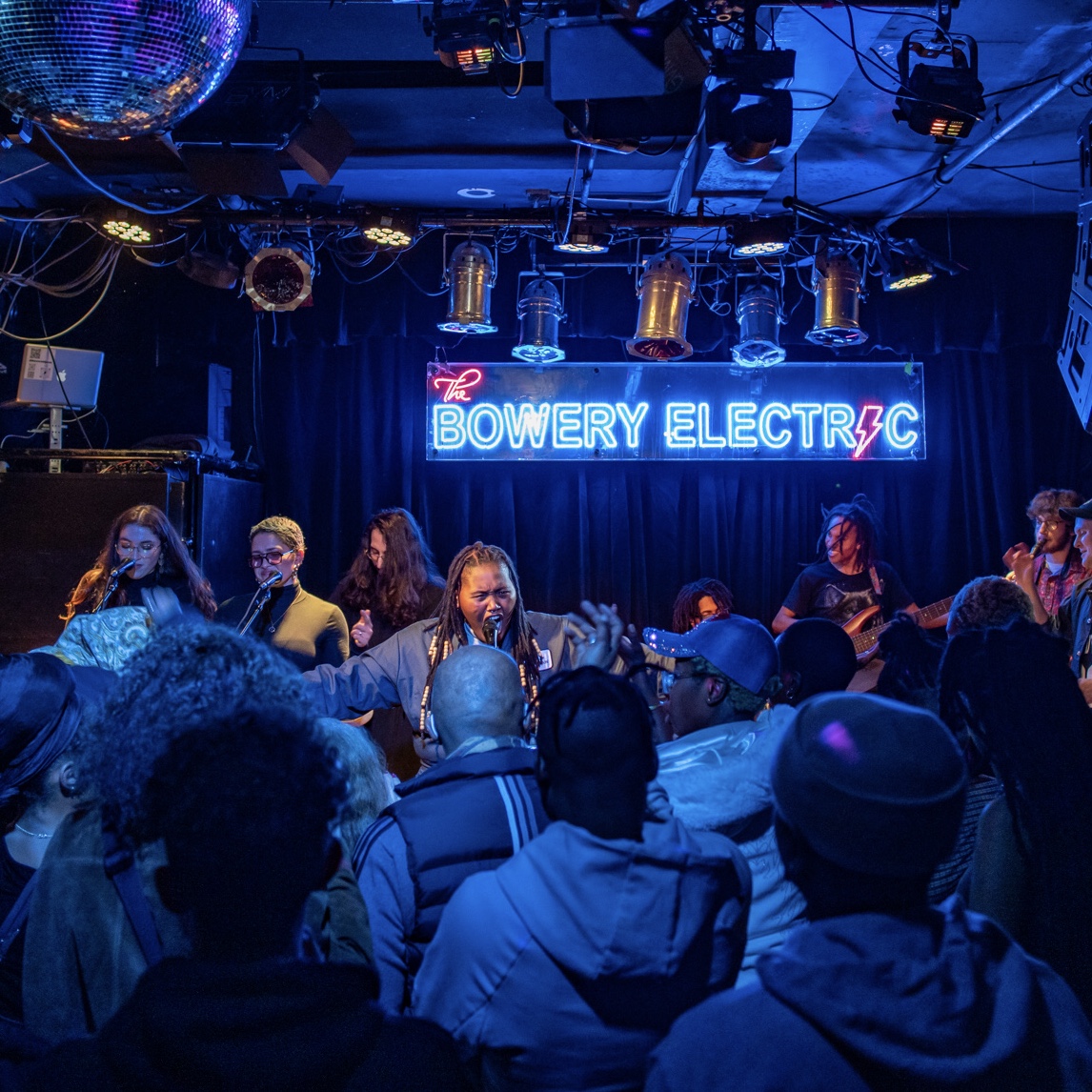
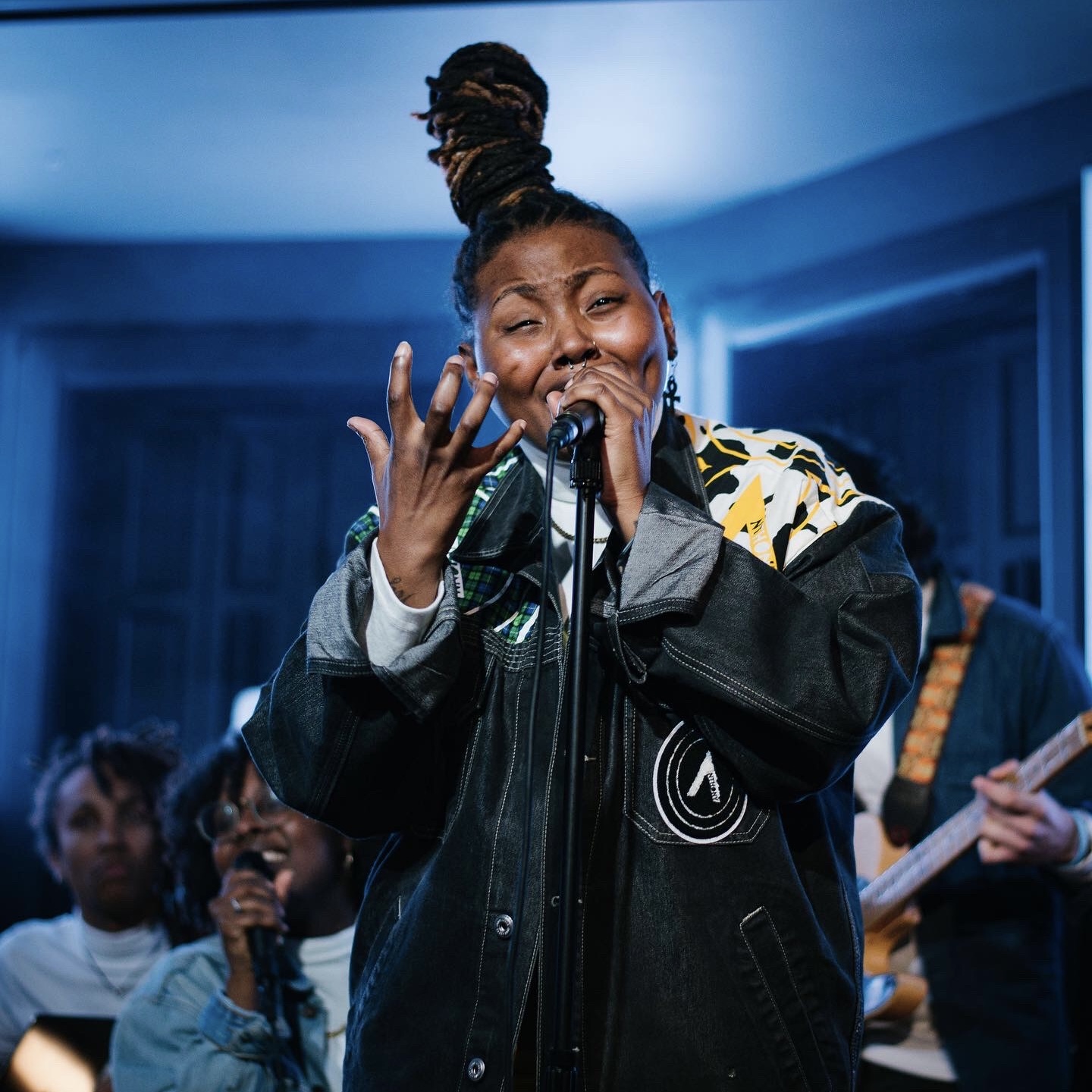
Image Credits
Photos taken by: @eddieakoi and @maxwellpicswell