

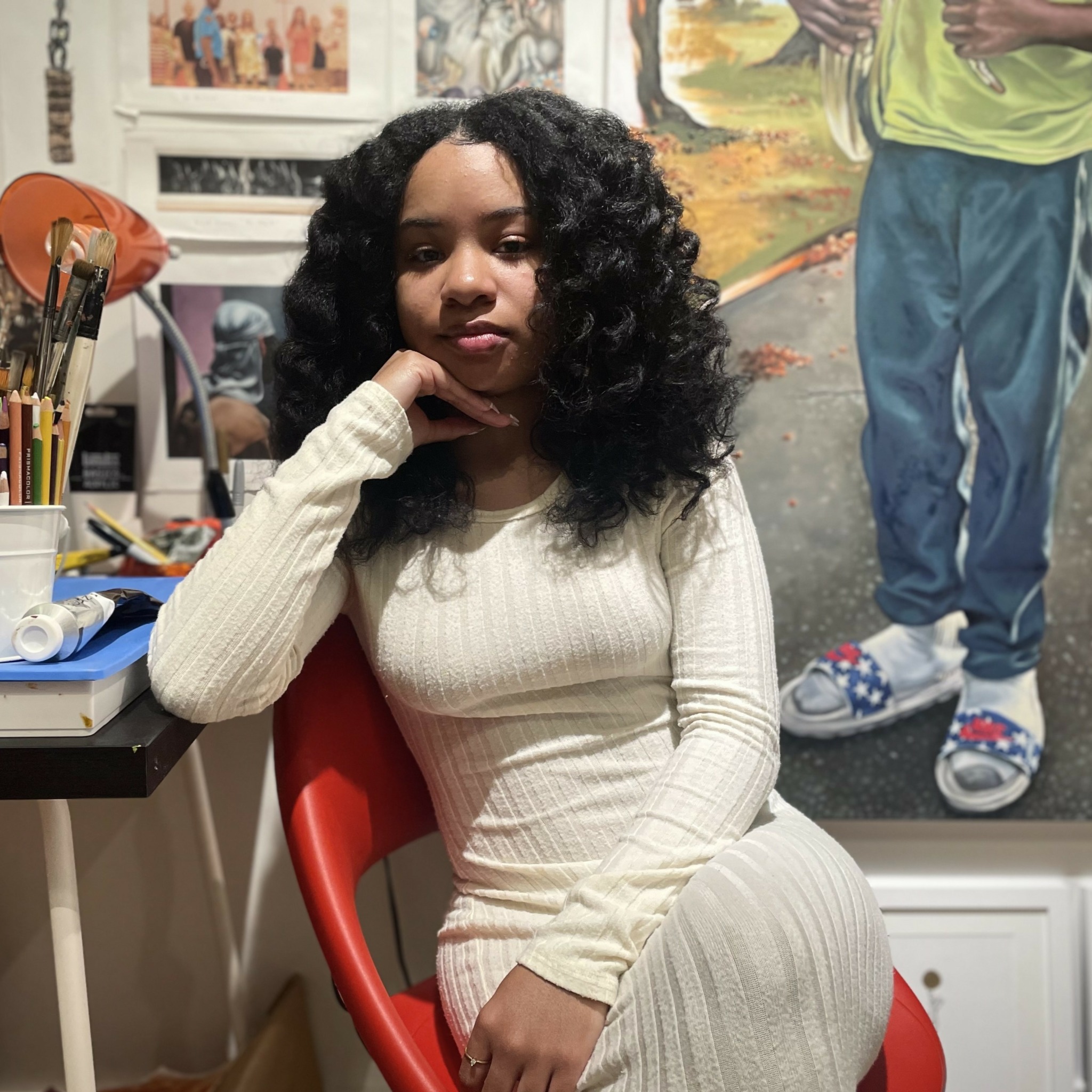

We caught up with the brilliant and insightful Kaylyn Webster a few weeks ago and have shared our conversation below.
Kaylyn, looking forward to hearing all of your stories today. Are you happier as a creative? Do you sometimes think about what it would be like to just have a regular job? Can you talk to us about how you think through these emotions?
. I am definitely happy as an artist. I’ve always had this gut feeling that it’s my purpose in life. I feel the most fulfilled creating art, and doing other business things related to it: leading workshops, judging art competitions, interviews, documenting and updating inventory, etc. But I have also had the thought that life would be easier with a regular job.
Being a full-time artist is unconventional, and a lot of times people tell you it’s a hobby and that you can’t make money doing it. In the past, those words have made me feel bad for choosing this path, especially since I don’t come from a wealthy family. We’re able to handle our responsibilities, but things could certainly be better as far as financial stress and strain. I’ve thought about how if I had become a lawyer or doctor, or even a graphic designer for a company, I’d have less financial struggles and I’d have enough to help my family out. However, I knew I wouldn’t be happy doing those things. And I’ve seen other successful living artists, but it would take a lot of work to get it that point.
This year has been the time I questioned being a full-time artist the most. I went from having a solo show up at the Dixon, doing interviews, leading workshops, and judging art competitions, to not much happening. Sales of original paintings, prints, and commissions slowed down by a lot, but the bills were still there and increasing in some cases. I was preparing to leave my studio at Arrow Creative that I love so much. Opportunities for sales would come every now and then, but it wouldn’t happen. I was making just enough to get by, and it was stressing me out a lot. I wondered if God was trying to tell me that art wasn’t my purpose anymore, or if it wasn’t my purpose right now. I didn’t know what else I’d want to go do, and I was worried that a job would slow down the quick progress I had been making in my career so far. And I refused to believe that art wasn’t meant for me because I felt so strongly and had so many signs all these years before. I was just coming off one of the biggest years in my art career so far, and painting was one of the few things that made me forget about my stress and sadness during my struggle. I knew it was going to take time for the economy to level back out, but I didn’t know if I’d be able to last financially until things got better.
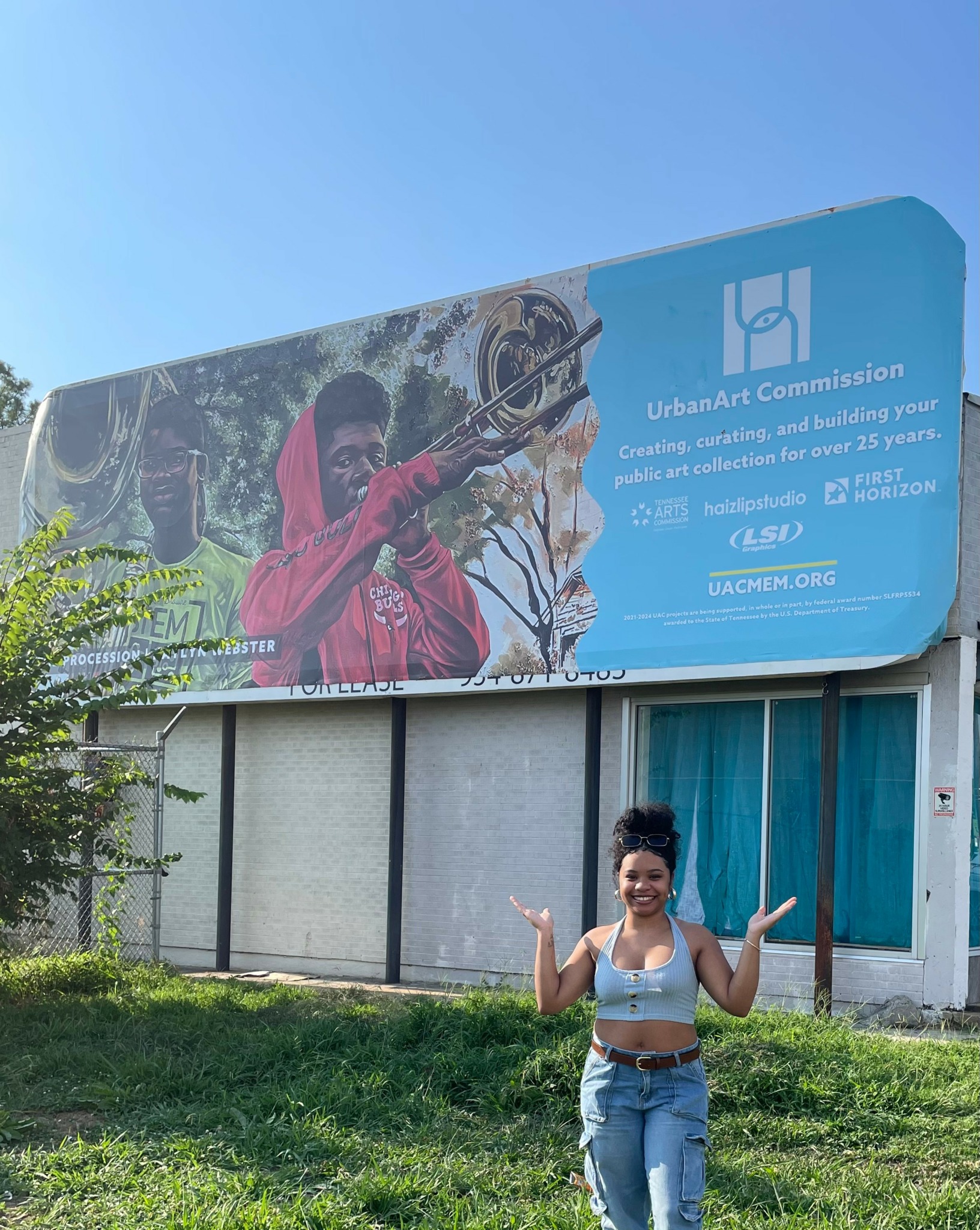
Around August, I started getting involved in more art shows. I kept painting in my studio. People were constantly telling me to stick it out, that when something popped for me, it would be big. They’d say I had something huge coming around the corner. I appreciated the encouragement, but after a while it became hard to believe; I was wondering how long this “corner” was. But later in the year, I sold my first original in 7 months, and some prints, at Raw Artists. I sold another original a month later at Art for Jobs. I’ve also been having meetings, and getting to know potential collectors, and my art was put on a billboard by the Urban Arts Commission. This struggle has showed me how resilient I am and just how dedicated I am to my craft. It’s also showed me that I need to be more prepared for potential droughts like the one we’ve been experiencing this year. And, hopefully, my consistency despite the hardships proved to collectors, art lovers, galleries, museums, etc., that I’m here for the long run.
Awesome – so before we get into the rest of our questions, can you briefly introduce yourself to our readers.
I am an oil painter, mainly working in portraiture. I also use acrylic and watercolor from time to time. I make original pieces, I sell prints in a couple of different sizes, and I accept commissions/custom pieces. Every once in a while, you may catch me leading painting workshops with different organizations. I’m also co-owner of K&K Gallery with fellow artist, and my partner, Kendrick Moore. In the future, we plan to have art shows, get a physical location, and provide support and guidance for emerging artists.
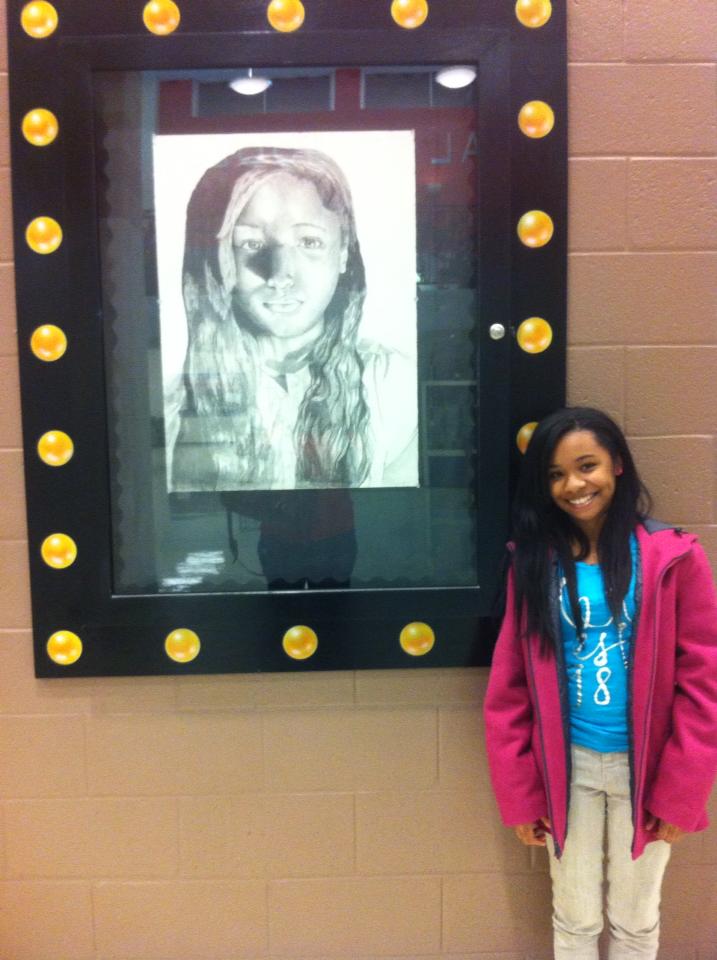
I’ve been interested in art just about all my life. I went to Peabody Elementary, where I took mandatory art classes, was part of the dance ensemble, and played the violin. In aftercare, I would take books with photographs in them and try to draw them with pencil on copy paper. At home, I’d follow drawing tutorials on YouTube and from a book called “Drawing for Dummies”.
I then went to Colonial Middle School, where I joined the Creative and Performing Arts Program (CAPA). Since we could only choose one CAPA program (basically your creative major), my choices were between dance, orchestra, and visual art. I enjoyed all of these things, but art was the only one I wanted to see myself get better at; I wasn’t content with my skill level. This is when my interest in portraiture and symbolism/social commentary began, thanks to Mrs. Jennifer Shiberou.
I continued the CAPA program for Visual Arts at Overton High School, where I was taught by Dr. Michael Mosby and Mrs. Amy Shamblin. With our AP art classes, and the rise of Black Lives Matter, I developed a stronger interest in painting about Black experiences in America, and my family.
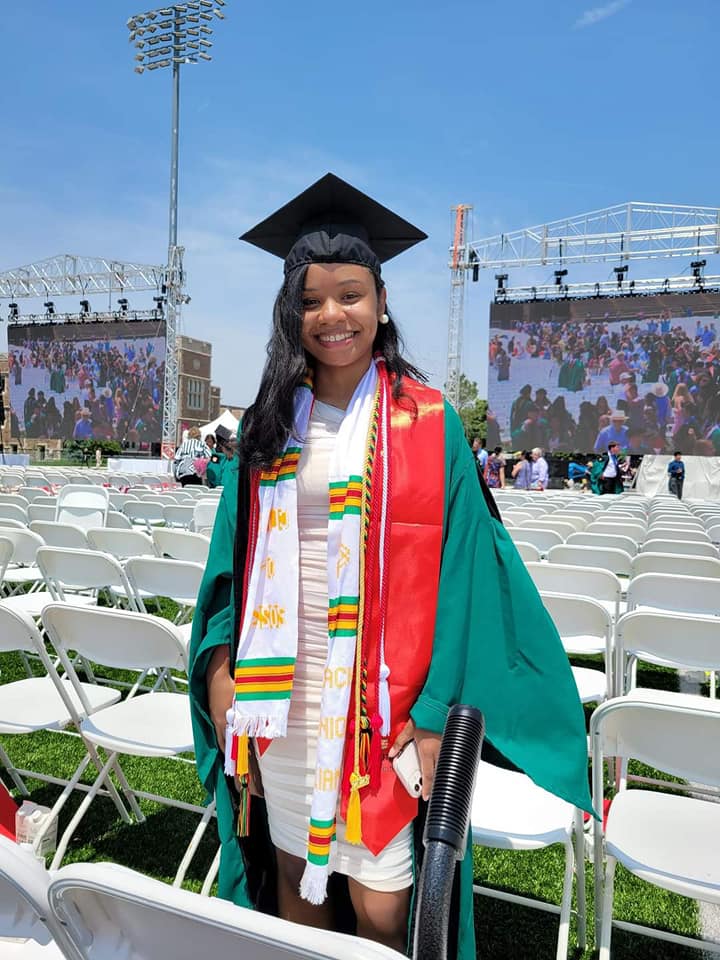
After high school, I went to Washington University in St. Louis, where I received my BFA in Studio Art: Painting Concentration from the Sam Fox School of Design & Visual Arts. I also received a minor in African and African American Studies. Initially, I went to WashU majoring in Communication Design because I thought I’d have higher chances at consistent income as a graphic designer, but I didn’t feel good about that decision. It felt like there was a dark cloud over me. I was enjoying my oil painting class more than, and growing a lot more than, in my design classes. Eventually, after one semester, I got the courage from my painting professor Jamie Adams and the T.A. Greg Bailey to switch my major.
After graduating, I moved back home to Memphis and got a studio at Arrow Creative, where I’ve been for a little over 2 years.
In your view, what can society to do to best support artists, creatives and a thriving creative ecosystem?
The best thing society can do to support creatives to me is to take it seriously as a potential path/purpose for people. The negative narratives about artists and creatives, and the narratives about those career paths being unrealistic or nonexistent have to stop. I understand the worry and trying to make sure the people you love are sure that they want to go down that route because it is a tough one, and there is no set path or guaranteed success. However, it can be done in more positive ways than planting seeds of doubt and fear, and completely shutting down people’s dreams. We tend to think “what if it goes wrong?” a lot, but what if it goes right? It’s a journey for sure, but if you’re dedicated to your craft, the work and obstacles will be worth it, and they’ll ultimately make you better.
People need to be educated on the different creative classes available and schools you can attend. They need to be made aware of the many different ways people use art, even in “regular jobs”. People should know that even if you can’t be an artist full-time, you can work at it part time and be considered just as much of an artist as anyone else. And artists who have found success need to be willing to share different strategies and opportunities with each other.
Of course, supporting artists by buying prints, originals, commissions, buying tickets to events, and buying clothing and other offered items with someone’s art on it helps. See what an artist has available that is within your budget, and I’d recommend artist offer things at different price points. Also, sharing someone’s art or website with your network helps.
We’d love to hear the story of how you built up your social media audience?
Instagram has always been my favorite social media app for my art. I started following working artists on there in high school and that is when I realized it was possible to have a career as a living artist in today’s world. I began posting my work more often and following strategies I saw other artists using. Hashtags were my best friend. They exposed me to a lot of new people across the U.S. and lead to followers and sales. Using the hashtags of certain popular Black art pages like Young Black Artists and Dope Black Art got my work shared on their platforms, helping me get even more exposure.
The algorithm changed at some point, though, and hashtags barely get me any reach. Recently, a lot of people have been struggling with Instagram, seeing less engagement on posts and only certain types of content getting pushed on people’s feeds. I experience the drop in engagement, too. One day, I decided to join Threads because I saw previews on my Instagram feed of other artists expressing their frustrations with it, and the economy. Reading other people discuss these topics made me feel less alone, and I felt less pressure on that app to be “business-y”.
I saw a Thread of one creator saying Instagram changed when everyone was trying to sell everybody something all the time; it became less personal and more exhausting. I realized I was wanting more engagement, but I wasn’t giving much out. I was too focused on just being a business and not a consumer, and it was burning me out a bit. So I began liking more posts on my feed, art related and not. I also started following people from Threads on Instagram. I found new galleries and other people in the art space that I wasn’t aware of before, and began interacting with their content. I would get some follows and likes back. I then realized that since everyone was experiencing a drought in engagement, it’s more likely that the interaction people do receive is more noticeable and appreciated.
With this in mind, I started clicking the “Suggested Accounts” button on the profiles of collectors and galleries I was already following to find new people in the same realm. It felt like I was manually feeding the algorithm what I wanted/who I wanted my page to be exposed to since the old methods weren’t working. From this, I’ve seen more growth on my page, and even got a meeting with a gallery in New York.
Contact Info:
- Website: https://kaylynelyse.myportfolio.com/
- Instagram: https://www.instagram.com/kaylyn_elyse/
- Facebook: https://www.facebook.com/KaylynElyseArtistry/
- Linkedin: https://www.linkedin.com/in/kaylyn-webster-04a304170
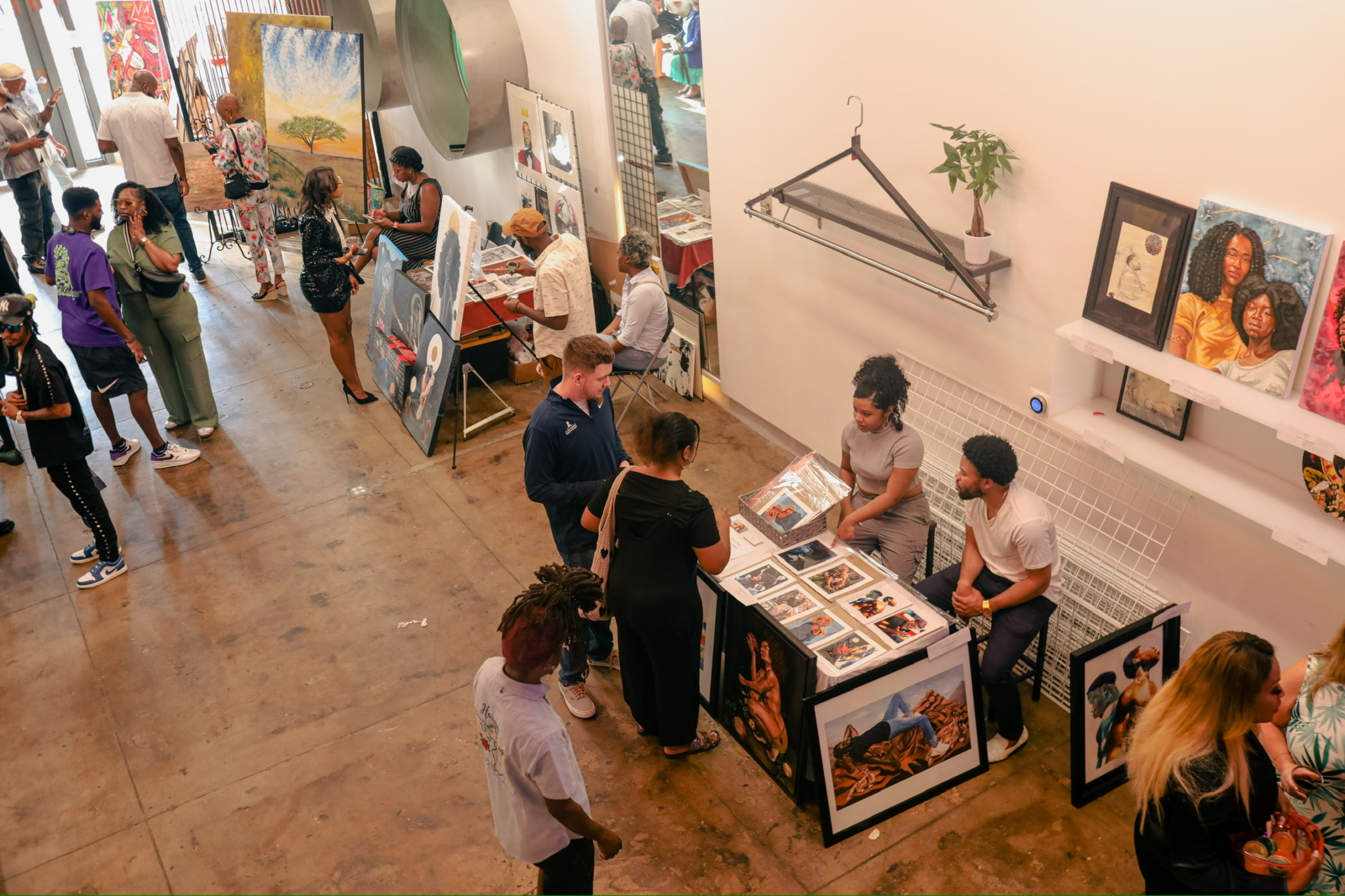
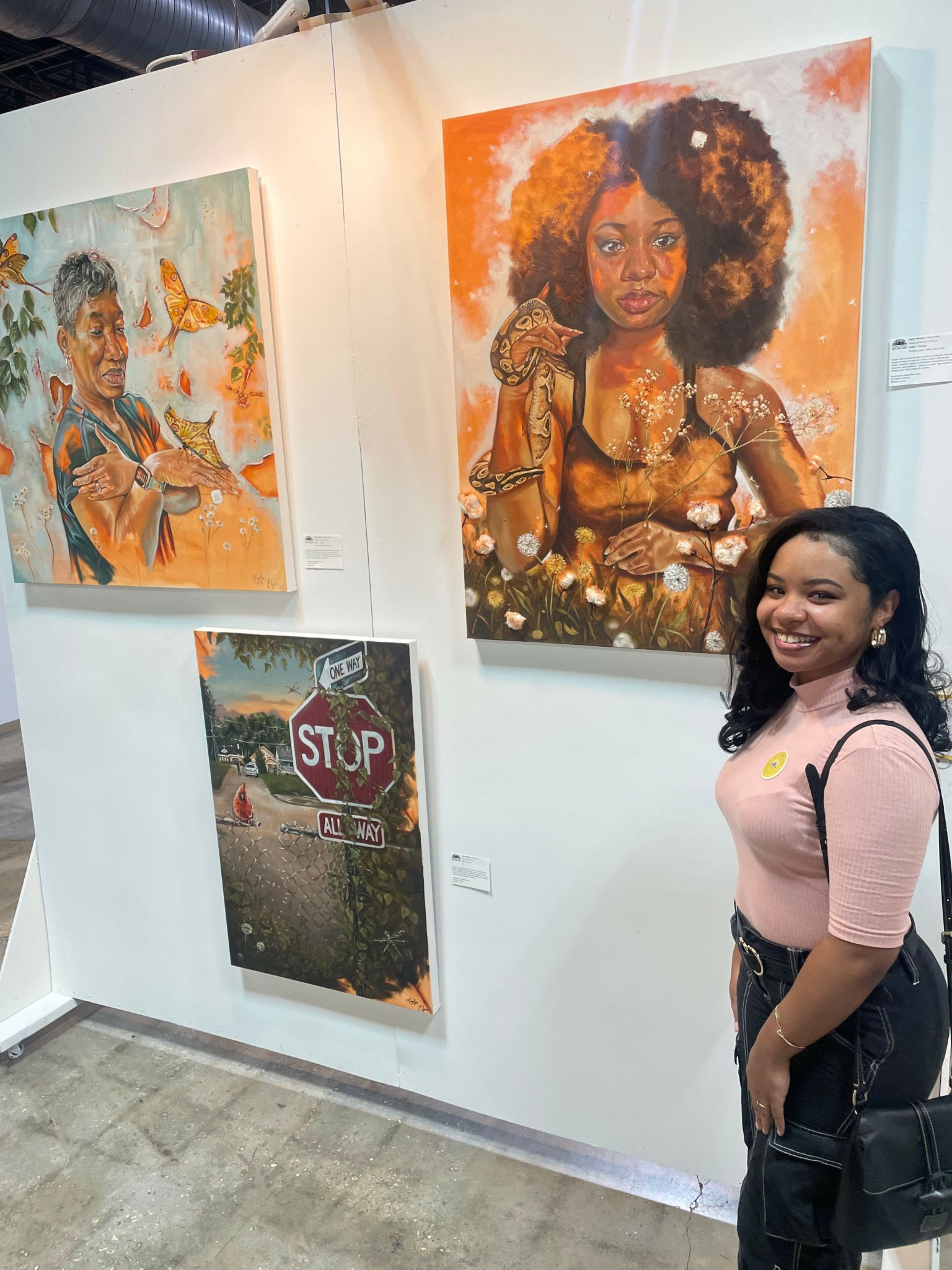
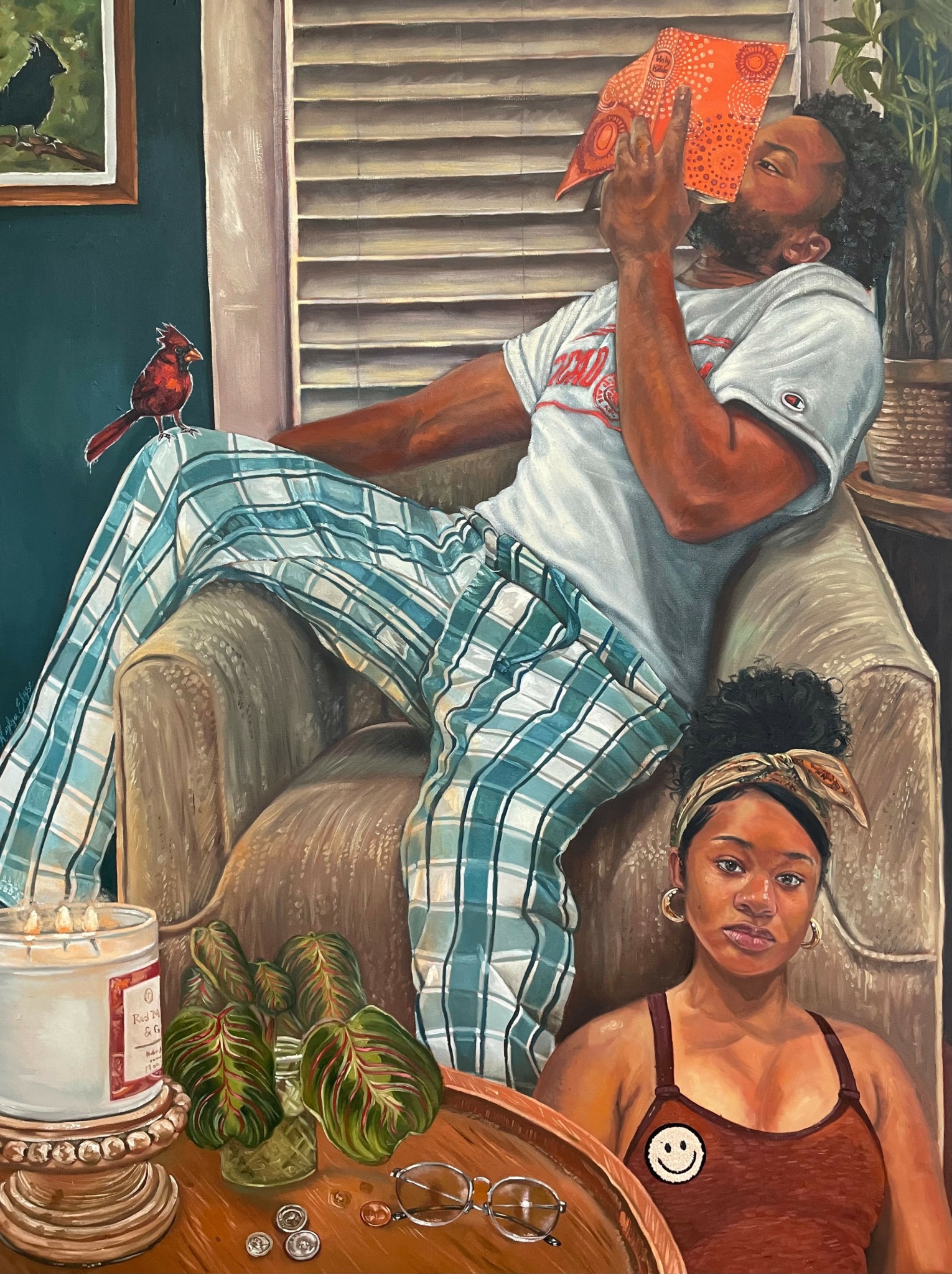
Image Credits
Marius Harrell