


We recently connected with Katie Lim and have shared our conversation below.
Katie, thanks for taking the time to share your stories with us today Can you talk to us about growing your team – how did you recruit the first few people, what was the process like, how’d you go about training and if you were to start over today would you have done anything differently?
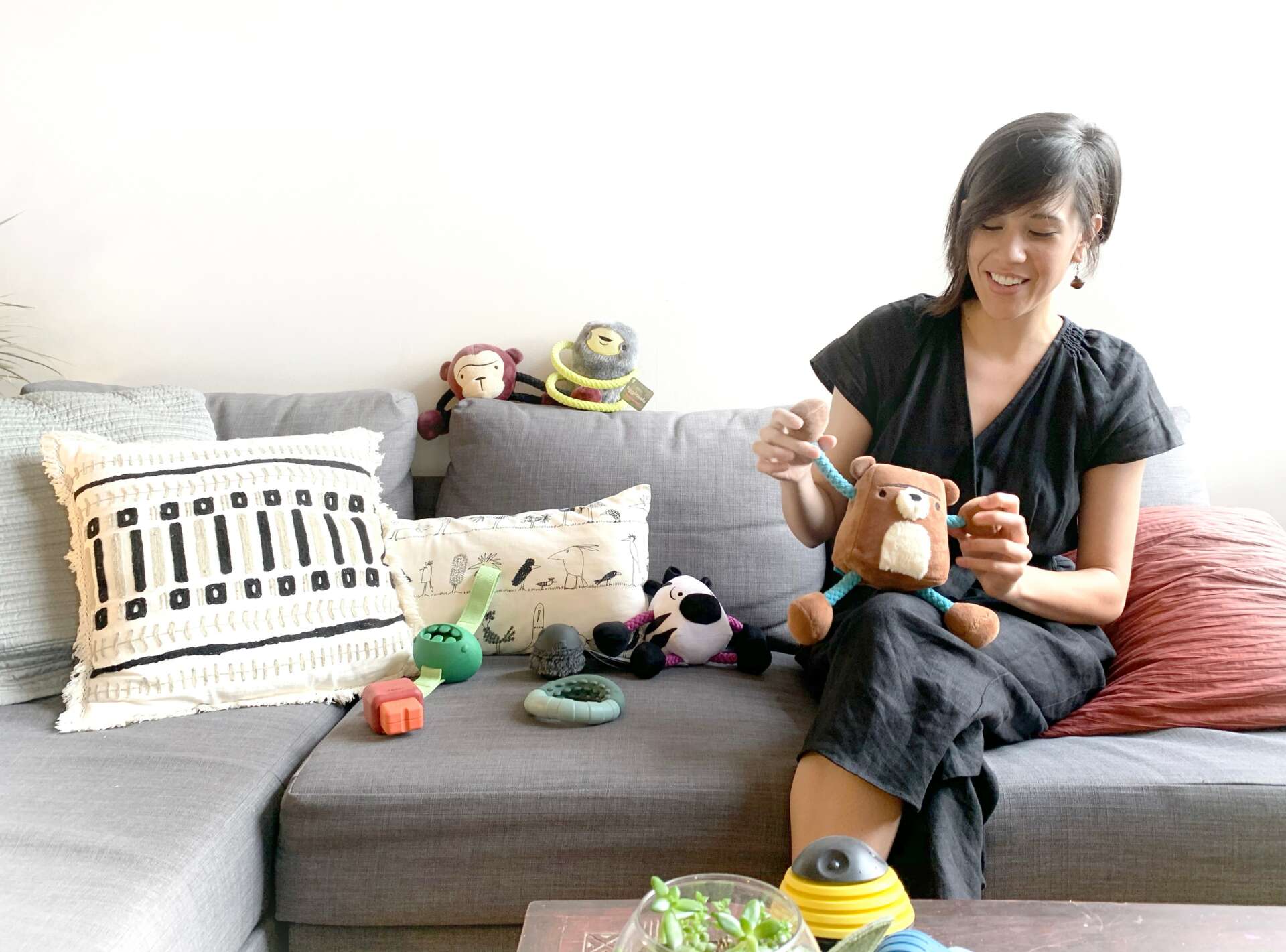
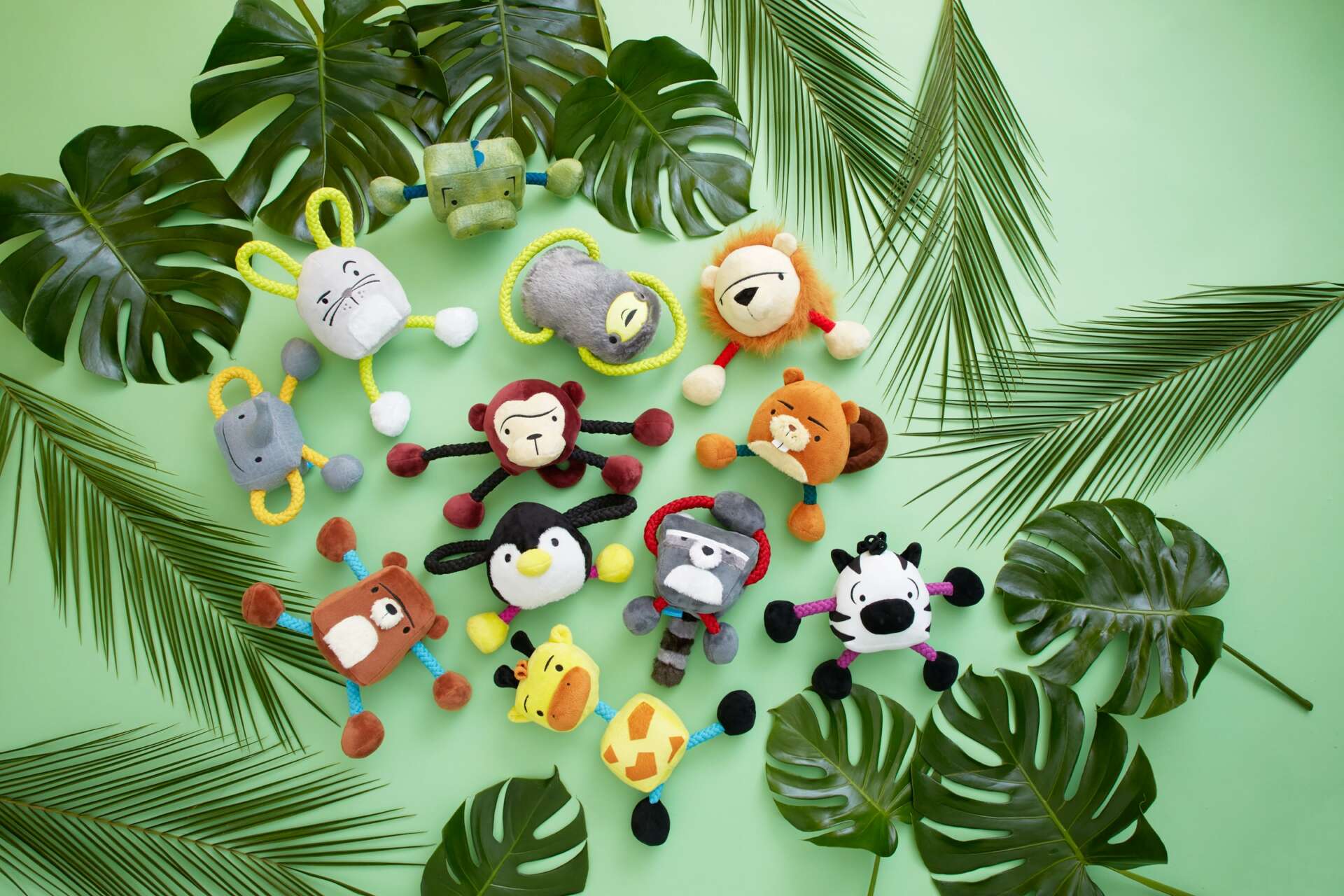
When I started at BARK in 2016, I was originally hired as part of their initiative to bring toy design in-house rather than sourcing and curating existing products for their DTC box subscription channel. Our small team of toy designers, led by Dan Grossman at the time, explored different plush toy formats for dogs that pushed boundaries in play, aesthetic, and safety for the pet industry. The design work included defining BARK’s point of view towards thematics, humor, and character design. It was a lot of work but also so fun, as you could imagine for designing toys in a start-up environment.
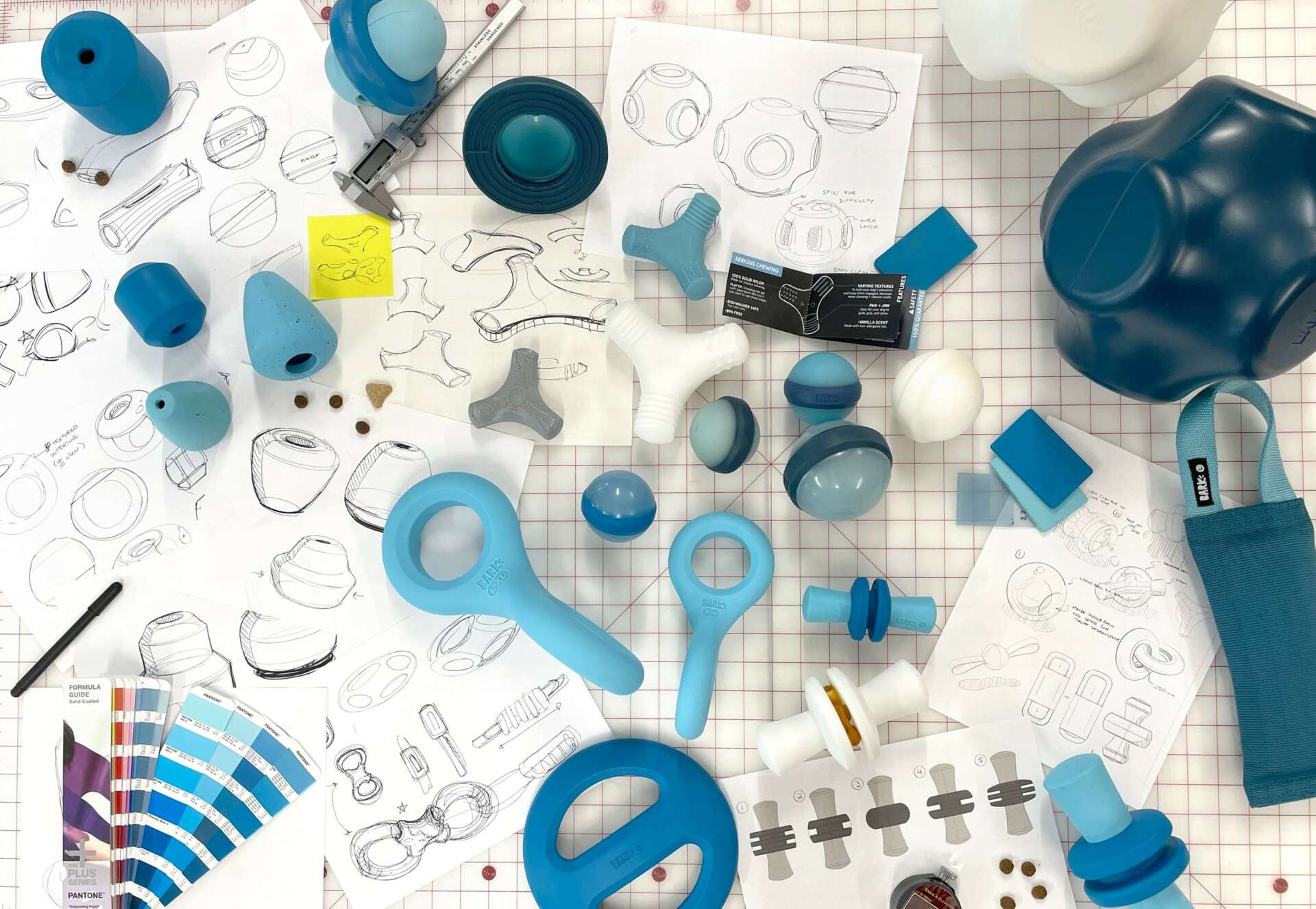
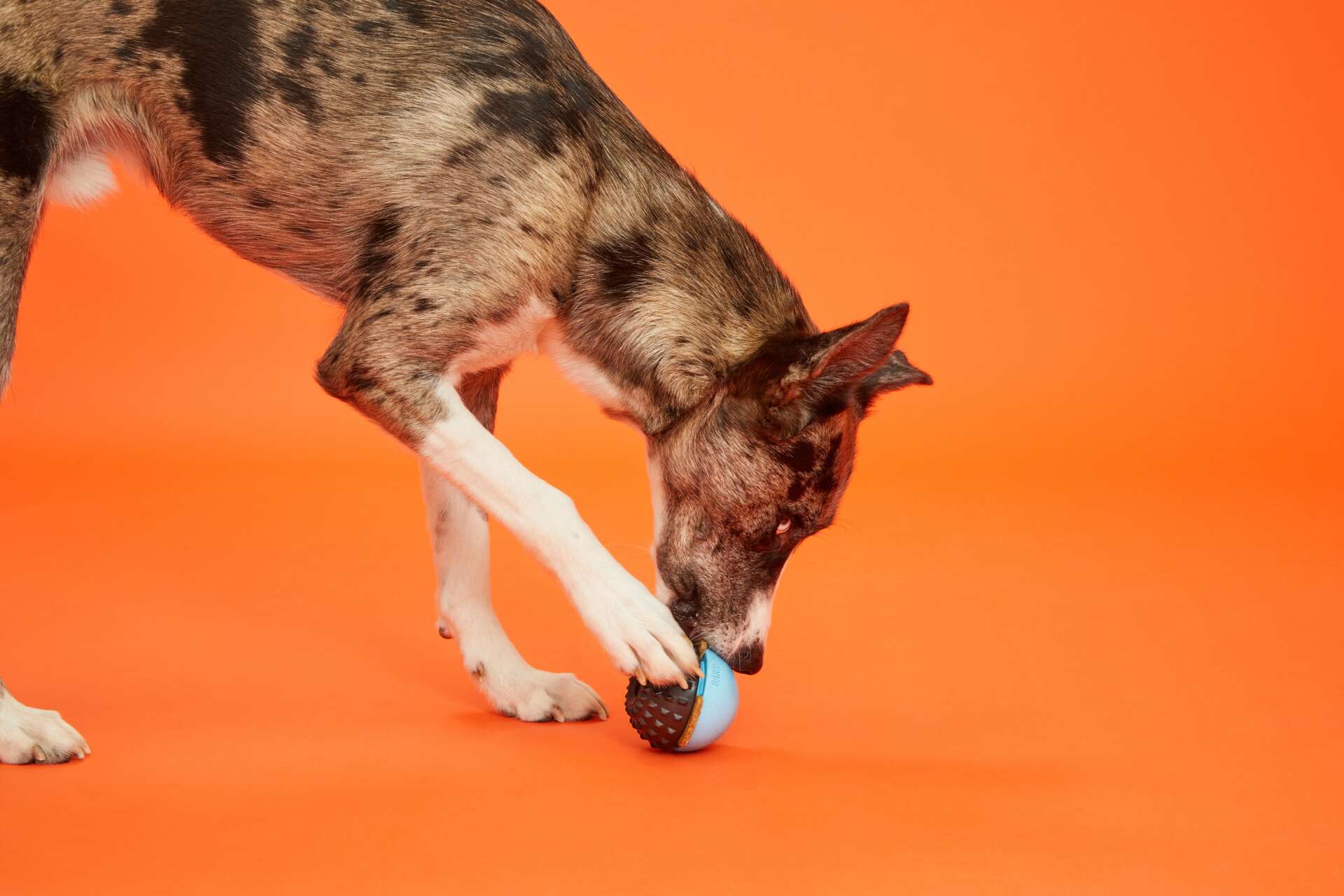
While BARK’s main business was focused on plush toys, there was a small category of rubber and nylon toys we supported to provide options for dogs with an energetic play style. This lived under a sub-brand, SuperChewer. Wanting to get back in touch with my industrial design side, I latched onto an opportunity I saw for aesthetic and functionality in the durable dog toy space. I quickly became the head designer for Super Chewer. The brand grew rapidly and I became the Director of Toy design for Super Chewer. I needed to start building a team of designers to support the subscriber base that had tripled by that point, and we were expanding into retail placement.
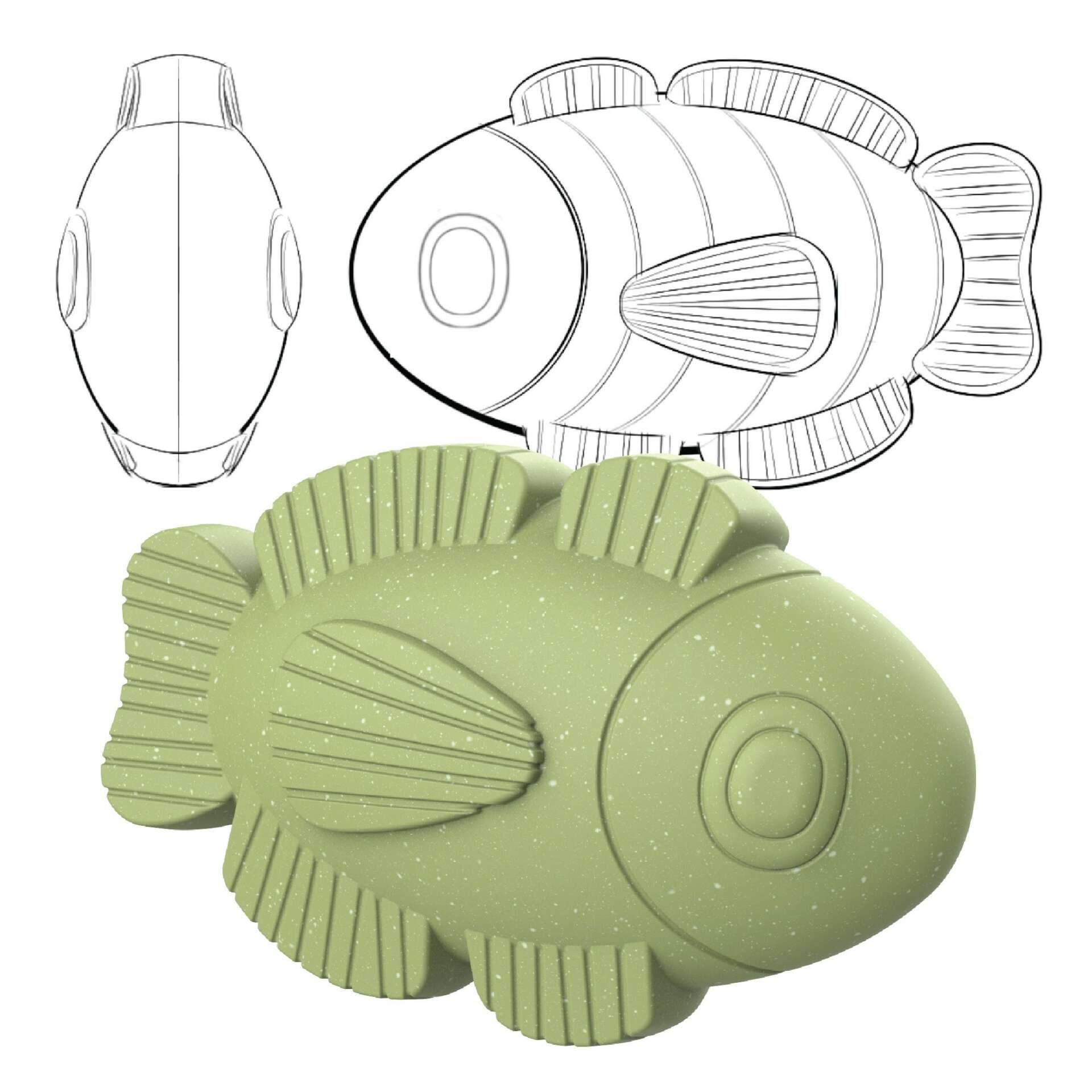
I love the story of finding my first designer, Jake Brosius. I was asked to lead a sketching workshop to give tips and exercises around toy design concepting. Drawing organic shapes and integrating characters while also communicating play functionality can be very challenging to typical Industrial Designers. Jake attended this workshop and was very engaged with his interest. A few weeks later, I was preparing to speak at Jefferson University and recognized Jake’s face on the speaker’s list. This led me to his portfolio. Seeing his skills and remembering his passion for toy design, I immediately contacted him. What pushed him forward to an offer after that point, was having a continued conversation for my hopes and vision for Super Chewer. By this point, you already know enough to weigh out skills and experience, and it becomes more about how can you have dialogue with this person. How might they challenge your thinking in a way that is inspiring and constructive? You also pick up on what I consider essential characters traits like respect, passion, the ability to communicate your thoughts whether visually and/or verbally, and an open-mind.
I went on to hire 7 more designers after him, all who were interviewed and hired remotely during COVID. BARK was flexible in supporting whatever I felt was needed as far as roles and levels. It was important to me to build a team that was not only diverse in skills, but also ranged in experience level. Each role was mapped out to establish a healthy mentoring structure to younger designers. It was also important to me that designers collaborated and worked closely together to expose their skills. Especially being remote, extra attention was needed to create moments of teaching. It’s hard to know what you don’t know, and that experience relies on exposure and safe vulnerability with one another. So with this, it was so important to be mindful of character attributes of team members. Do they have a heart to learn? To take time to teach? Be humble? Have high standards and expectations of the work, but also patient? Do they have fun and run with ideas that seem wild and see if they stick in reality? Their backgrounds and outside passions were also considered to see what perspectives they could bring. For example, hiring a designer who loves soft goods and the outdoors, so I knew they’d be eager to design for outdoor toys and research durable materials that also lived in the soft good space. Another designer was hired from Nike. She had an incredible mind for abstract form and textures, and there was nothing she couldn’t model in CAD. I had another designer who had a background in UI/UX design along with fashion design. He brought a new take on color palettes and concept presentation. Our Junior designer loved illustration and anime and could knock out unique character work over and over. I encourage designers to continue side passions and hobbies and share that with employers because there can be so much value in them.
As far as hard skills, roles were open to both Toy Designers and Industrial Designers. I’ve noticed a few differences in educational trainings for the two degrees that gave each designer certain strengths (Toy Designers typically stronger in storytelling, character design, soft forms, and thinking about play, Industrial Designers stronger in designing for manufacturing, user testing and research, functionality, and materiality). I was looking for designers that had an understanding of both sides. For Super Chewer, I found that finding designers with Industrial Design training but with a passion for toy design and character was a good balance for our functionality and aesthetic goals. This is hard to find since typical education focuses on tech products, gear, home goods, etc. There can be a very talented Industrial Designer that struggles a lot when it comes to thinking about play, designing with characters, and achieving the softer aesthetics. Or, they may have that, but their portfolio focus doesn’t have projects to show that capability. So, doing a short prompt for applicants was necessary to find designers who could design in this space.
I know there are mixed feelings around “tests” during the interview process, but I did have a prompt that was required for candidates to show loose sketch explorations for toy concepts. Three toy types were outlined to help give insight to how they’d do on our team: designing a toy that incorporated a character, designing a ball, and then “blue sky”. The three needed to have some sort of cohesion as if an assortment offering. They were intentionally left open enough to see how they explored dog toys and saw opportunity in the pet space, it was also important to see what they were excited about. Understanding that prompts can be off-putting and typically unfair from other companies I’ve seen, it was important to emphasize that it should be loose sketches only, and that whatever work was done is completely owned by the designer and can be shared however they’d like.
I am so proud of the team that was built and the growth they had together. All levels were respected and had a space to own something. I think it’s important as a director or team leader to have already been satisfied with certain types of design work you’ve done to be able to let go of it and let your team own it. I’ve seen managers who weren’t quite ready for that and micro-managed and/or burnt themselves out by trying to do everything, which ultimately looses focus on the bigger picture they should be thinking about. You must be confident in yourself so that you can truly give your team the light, and that is how they thrive and lead to great work with your support and higher guidance. Trust them, and also welcome skills and abilities that you don’t have. You don’t need to be the best at everything to have their respect. It’s about how you respect them, and how you respect the work. I like to think about it like a coach who is impactful, but might not be able to actually play the sport themselves.
There was one role I tried to bring on that ended up being a learning experience for me. Early on, we thought a Design Engineer would be helpful for toy development. After hiring that role, there were two hindsights. First, the role and need was not fully fleshed out. We hired thinking they would be useful, but not having a lot of work or vision to utilize their skills. The brand was still too young, and our capabilities as Industrial Designers along with our factory partners were enough to engineer our designs and push boundaries that were within reach for our categories at the time. You need to have a clear role and need defined. It can’t just be a hunch that you need one, or just think you need the title on the team. Second, we realized that this person’s goal was to try to become a designer and was not taking as much initiative to lean into the engineering side like we needed, so that was also hard to motivate them in the strengths they had. Instead, they were spending time on areas they did not have strengths in, and needed the extra support.
Katie, before we move on to more of these sorts of questions, can you take some time to bring our readers up to speed on you and what you do?
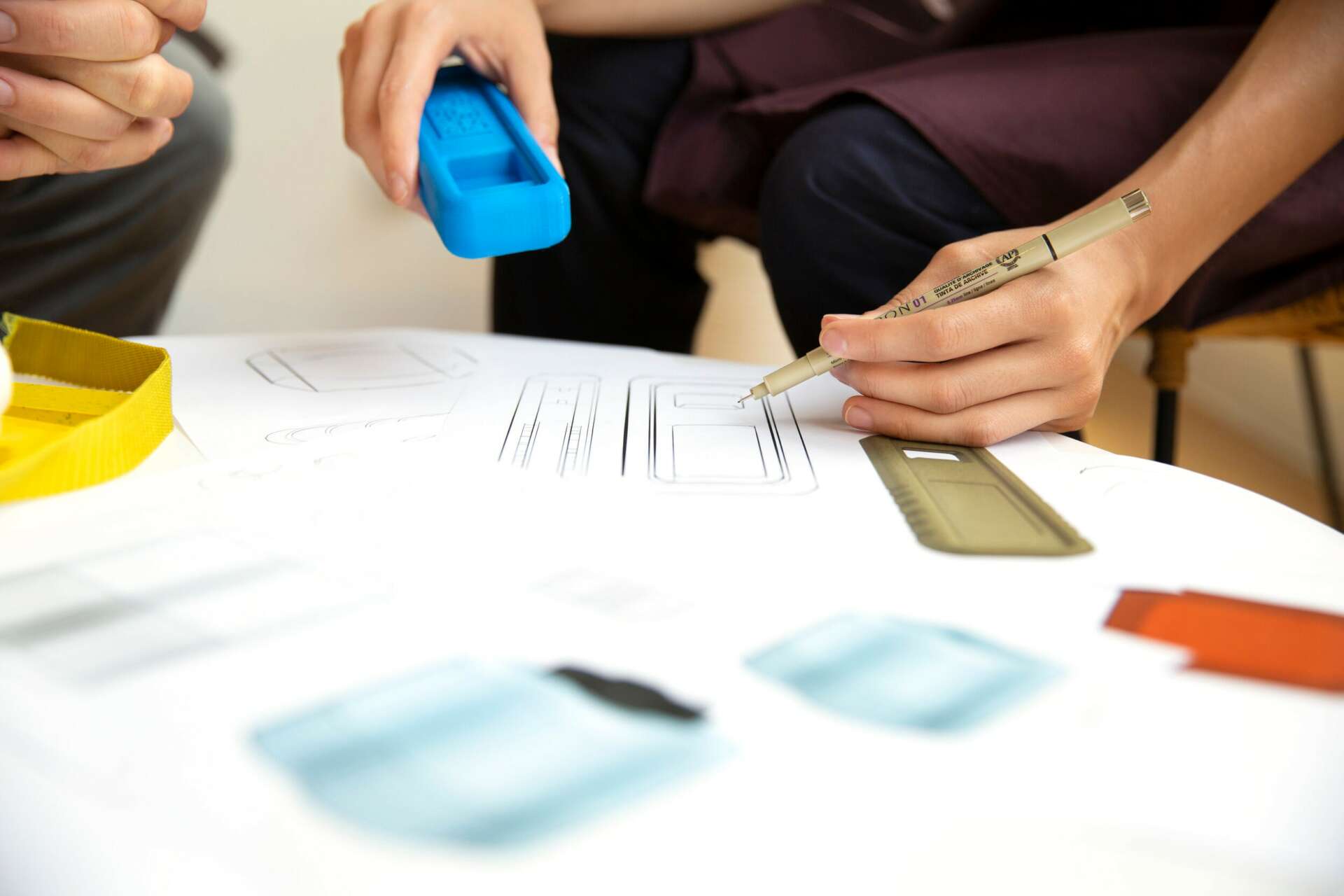
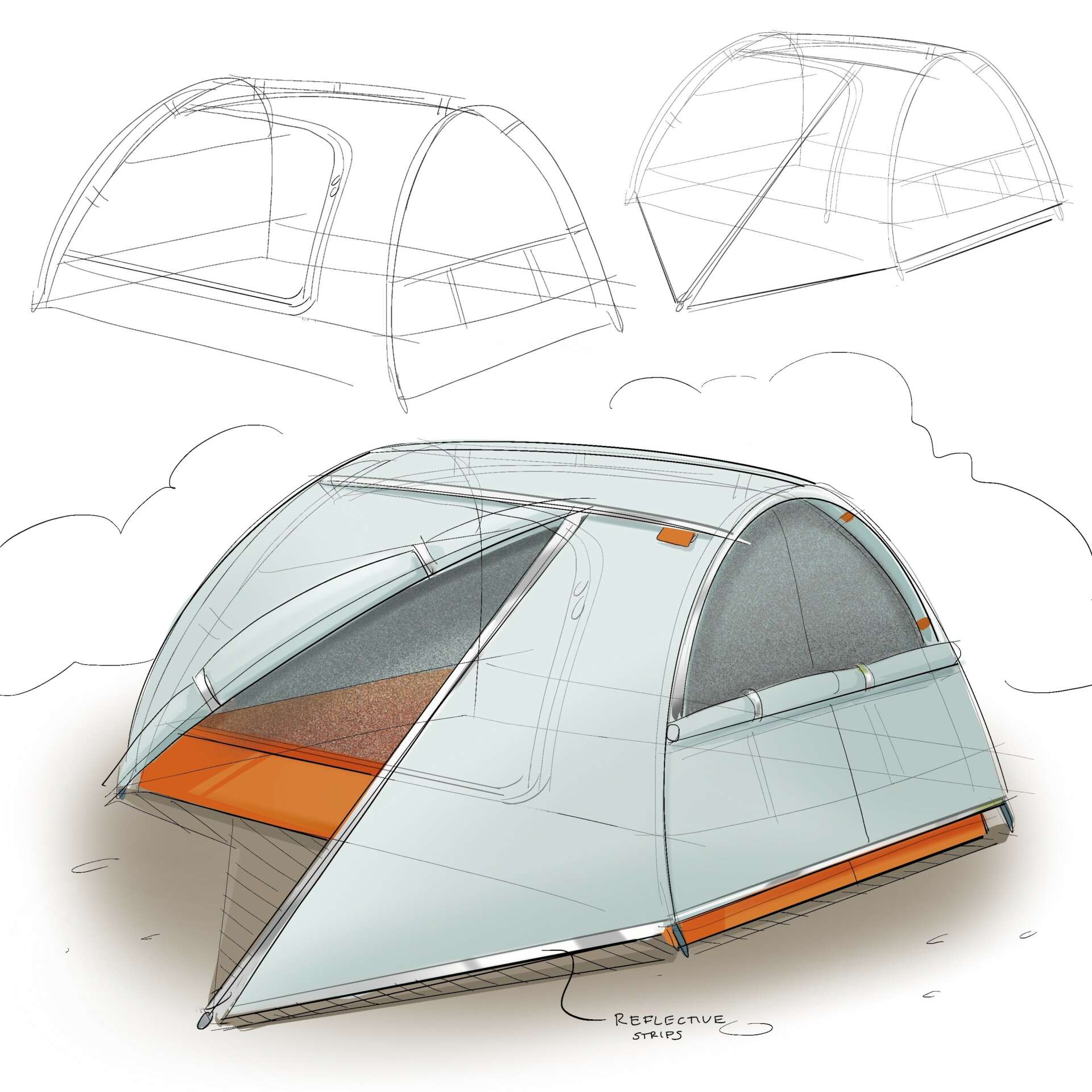
Industrial Design is only just now starting to become more known as a field. In the past, it was briefly defined as designing anything that is mass-produced with considerations and intention for usability, functionality, cost, manufacturing, and aesthetic. That could be furniture, cars, kitchen appliances, medical equipment, packaging, a toothbrush, or for most of my career, toys. Today, there are a lot of interesting conversations on where lines are drawn between related fields like User Experience Design (UX), User Interaction Design (UI), Brand strategy, marketing, and technology. Even “mass-production” is no longer a parameter with new techniques like 3D printing or designing for digital spaces like the metaverse (if you designed a virtual toaster, what could that be without real-life restrictions??).
When meeting another Industrial Designer, one of the first questions is “how did you become an Industrial Designer?” because discovering Industrial Design in itself is usually a unique and meaningful story. I grew up wanting to be an Interior Designer and/or Architect. When I started high school, an uncle gifted me a book about urban interiors and I found myself imagining my “dream home”. Wanting to share my vision with my family and explore it more for myself, I had to draw out what I could see in my head. I used the book to reference appliances and surface finishes, but didn’t have enough references for the type of furniture I was imagining. So, I created my own and drew pieces out that would work in each space. I didn’t realize at the time that I was doing Industrial Design work. Throughout high school I was very inspired by my 3D art teacher, Ottilie Habercam. She spent lunches and after school hours to teach me different sculpture materials and techniques. Junior year, I created a series of award-winning teapots that were influenced by nature. Again, another form of Industrial Design I didn’t realize. It came time for me to start applying to colleges and I was torn between pursuing my interests in interior design, architecture, and sculpture. It wasn’t until I did one of those personality-type tests that provided fields to consider that I came across Industrial Design. It was perfect! Industrial design was the ideal marriage of all the things I was interested, and on top of that, was a promising creative field to have job opportunities in.
I attended SCAD (Savannah College of Art and Design) and was immediately hired by Kids 2, Inc. after participating in a toy design class they sponsored for SCAD. Discovering toy design within Industrial Design was really exciting for me because it caters well to my personality and the soft aesthetic I was typically doing with my work. I also love designing for kids and encouraging relationships through play. I was motivated to provide “tools” to parents that helped give them confidence and opportunities to engage with their child(ren).
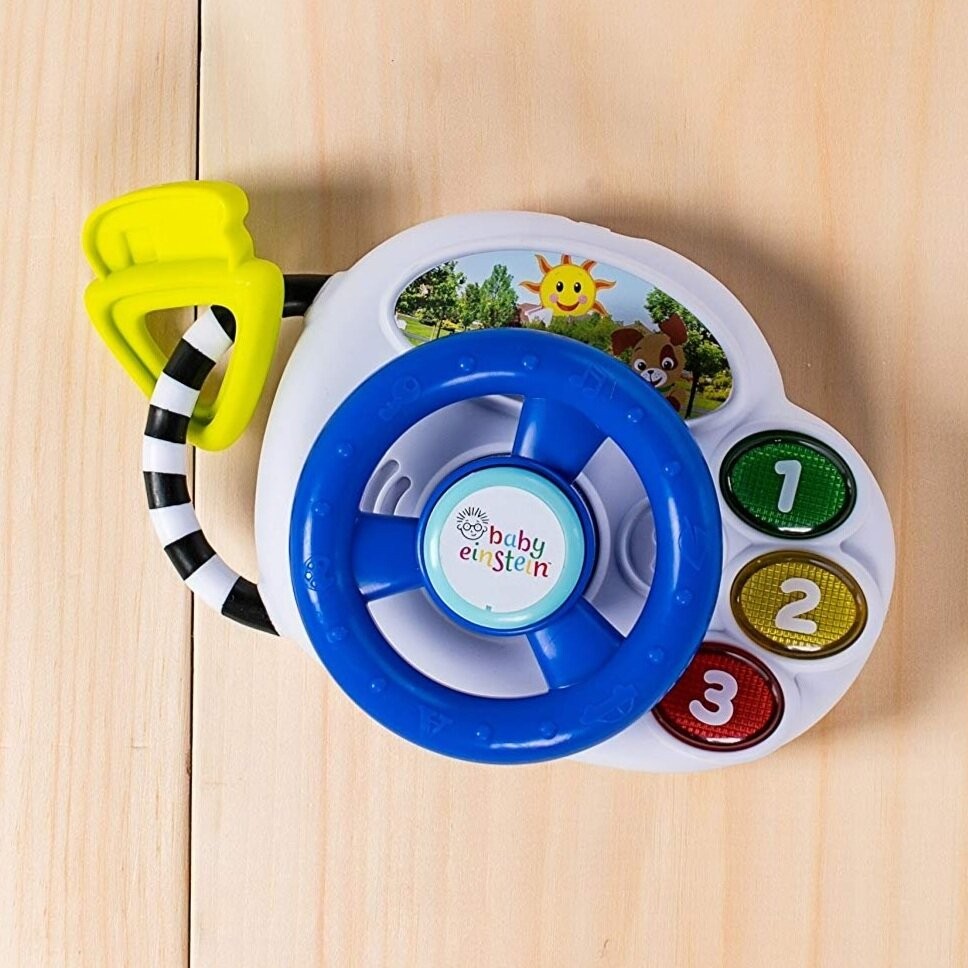
Aside from making toys approachable and appropriate for kids, there is a lot you have to consider when designing them. First, what are your goals with the play pattern? What is appropriate in both features and ergonomics for the developmental stage of the age range you are designing for? Most importantly, is your toy form and assembly safe by following all necessary guidelines? Then you have to consider the parent. What is trending with parents right now as far as colors, styling, and characters (foxes, avocados, etc)? What behaviors are we noticing in parenting? How might the toy work with different moments of parenting (crib, stroller, outside, traveling, home, etc). Then you have to think about the business and manufacturing. How much will this cost? What is the fuller assortment of toys? What do retailers want? Who are competitors? During my time at Kids 2, Inc, I became the lead designer of infant toys for Baby Einstein while also supporting their other categories and brands like play gyms, Oball, and BrightStarts.
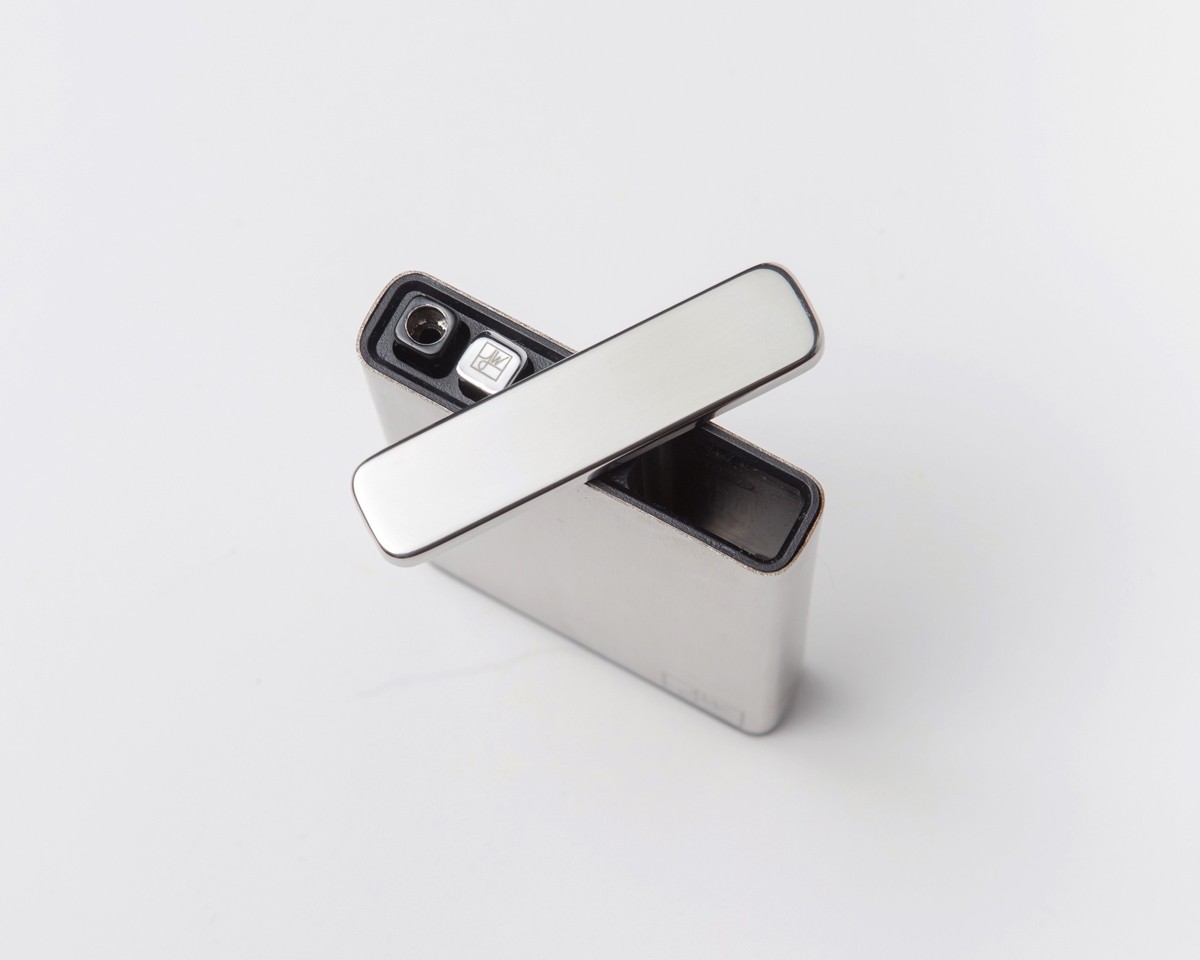
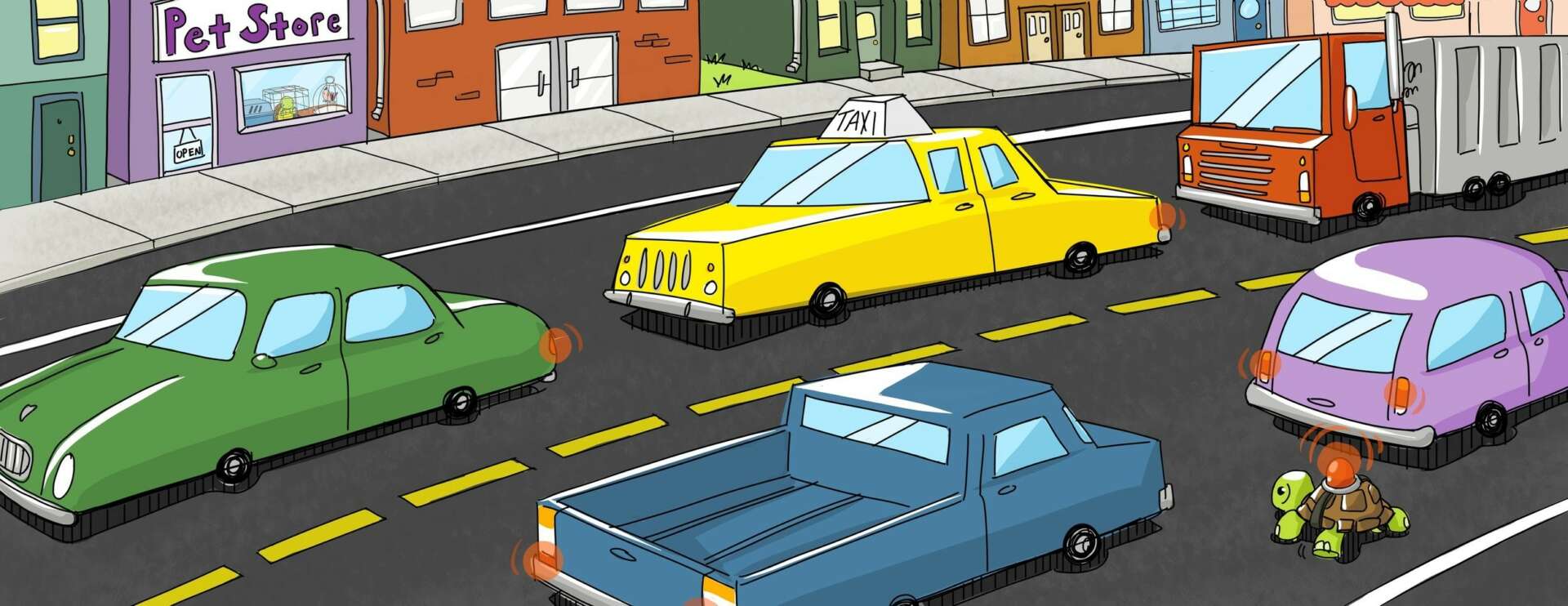
After my time at Kids 2, Inc. I moved to New York and worked at a consultancy to learn about other types of design. Projects ranged from packaging design, kitchen tools, and cannabis accessories. Later I joined BARK to be part of their first in-house design team to define dog toy design for their brands (see response to first question for more about BARK). After being with BARK for over 5 years, I was ready to challenge myself in a different way. By that point I had established myself in the industry as a successful toy designer with over a hundred designs shipped and gotten the experience I wanted of growing a brand and leading a team. I accepted an opportunity with frog, a global design consultancy part of Capgemini Invent. A lot of the work we do focuses on tech, sustainability, and imagining the further future. The biggest draw for me was two things: working alongside incredible talent and backgrounds from around the world, and getting exposure to new ways of thinking and design process.
I have been at frog for almost 2 years now. On the side, I continue my passion for toy design and illustration through various freelance opportunities or guest teaching at schools across the country. I am typically sought after for my experience in toy design and drawing skills to recommend toy concepts or consult for business strategy and manufacturing. I also am the Chair of IDSA’s Women in Design NYC chapter focused on creating a community for women and non-binary designers to support each other and build a bigger presence in Industrial Design. While we are seeing better representation ins schools, the industry is sadly only 19% women.
With the statistic shared, I am very proud of representing women in design and having had a successful career so far that I am lucky to have align so much with my passions and skills. Designers don’t always get the chance to have so many of their designs go through to market and see enjoyed by different users. It has been a lot of work and extra hours on the side, but the outcome has been exponential in opportunities and connections made.
How about pivoting – can you share the story of a time you’ve had to pivot?
I would say I am currently experiencing a pivot that applies to all of the above (business, career, and life). AI has been and continues to be a hot topic. As tools are rapidly evolving and increasing in applications, it has been a constant process of questioning how AI can and should be used to support design. While their are numerous ways to have AI increase output and expand thinking, it’s been a personal journey to accept AI in the world as I’m using it for my own creative process, and also seeing output from many others (including people who were not doing design work before). It almost feels like cheating and makes you question your own imagination and abilities at first, so, a lot of internal processing going on with what feels right to me personally. I currently believe that creatives are still very necessary to guide AI tools and have impactful outputs. At frog, we have been exploring different tools and understanding how AI could/should be used for our own processes. We’ve found a lot of ways to help challenge our thinking and push ideas further on top of obvious efficiencies. It’s an exciting tool that should be added to your toolset. It is also interesting to see how AI is creating a change of expectations and needs for clients as well. This is all still an ongoing conversation and I am curious to see where we all go with AI.
What’s the most rewarding aspect of being a creative in your experience?
Having the opportunity to have so much impact on people through your work is very rewarding. This is a chance to improve people’s lives through objects and aesthetics you love to play in. But with that, it is extremely important to do your work carefully and responsibly. How is it safe? How does it consider all types of users, including users with disabilities? How does it respect cultures and other demographics? How is it sustainable? Especially with output being easier than ever with technology, creatives and businesses need to really question what is being created and why.

Contact Info:
- Website: www.katielim.com
- Instagram: @katielim.id
- Linkedin: https://www.linkedin.com/in/katie-lim-24b17816/
Image Credits
Claire Lorman, Jane West, Steven Zeswitz