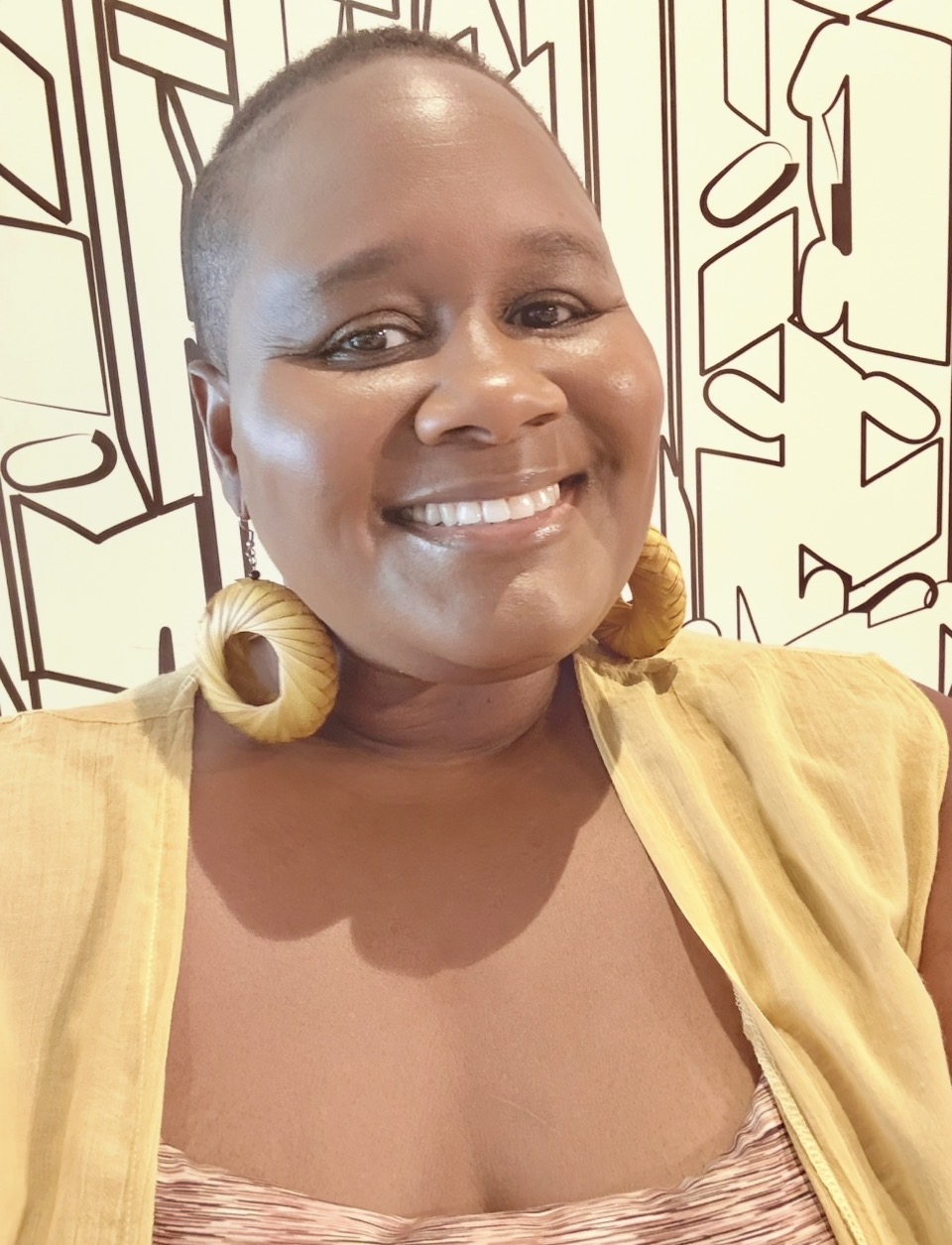

We were lucky to catch up with Katherine White recently and have shared our conversation below.
Hi Katherine, thanks for joining us today. What’s been the most meaningful project you’ve worked on?
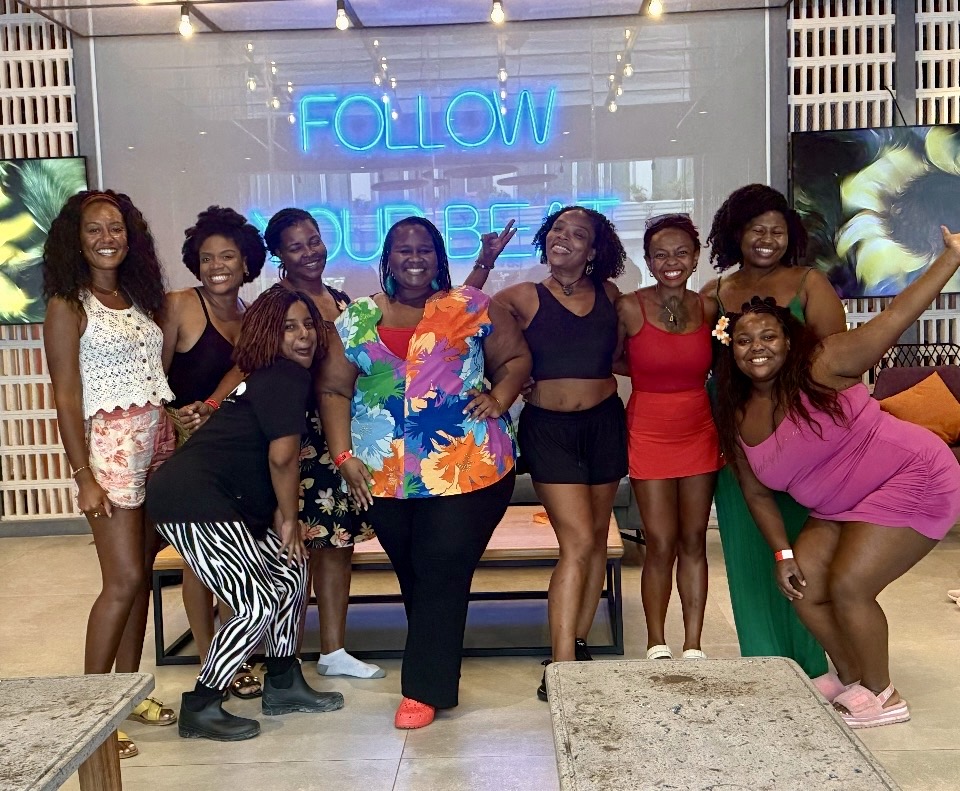
My ongoing and hopefully never-ending project is hosting interactive improv workshops for Black women, including trans women, who deserve to laugh and create freely.
Black women sometimes carry the weight of the world, making it hard to breathe, let alone create freely. Improv counters that with laughter, freedom, and silliness. That kind of play is rarely centered on us, yet it is deeply necessary.
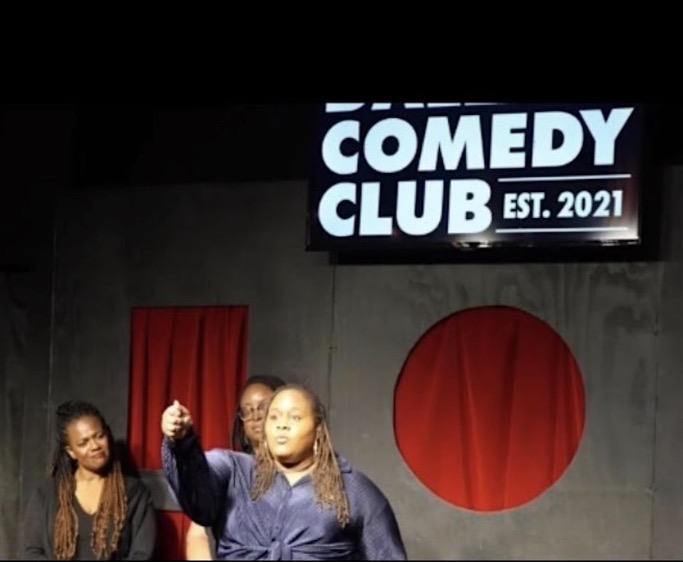
Improv rescued me from isolation and numbness in my creativity. It opened me to all of my creative possibilities and gave me community. When I started learning the techniques and performing improv, I was grateful to be in an inclusive space, but it was still mostly filled with people who did not look like me. And relatability in comedy matters. What we laugh at, how we move, how we take up space, it is different.
Improv is one of the most freeing forms of artistic expression I have experienced. Since starting, it has made me lighter in my approach, quicker on my feet, and somehow even wittier, which I did not think was possible. More importantly, it has made me a better listener and communicator. But above all, it gave me permission to laugh and create without restriction.
The feedback from women who attend the workshops has affirmed the need for this space. I often hear, “I needed this, I haven’t laughed this much in so long,” “This space is so important,” “I was hesitant at first, but this is helping me with public speaking.”
That is why this project matters to me. I wanted other Black women to experience the same freedom I found, the freedom to laugh, to play, and to create fully and unapologetically.
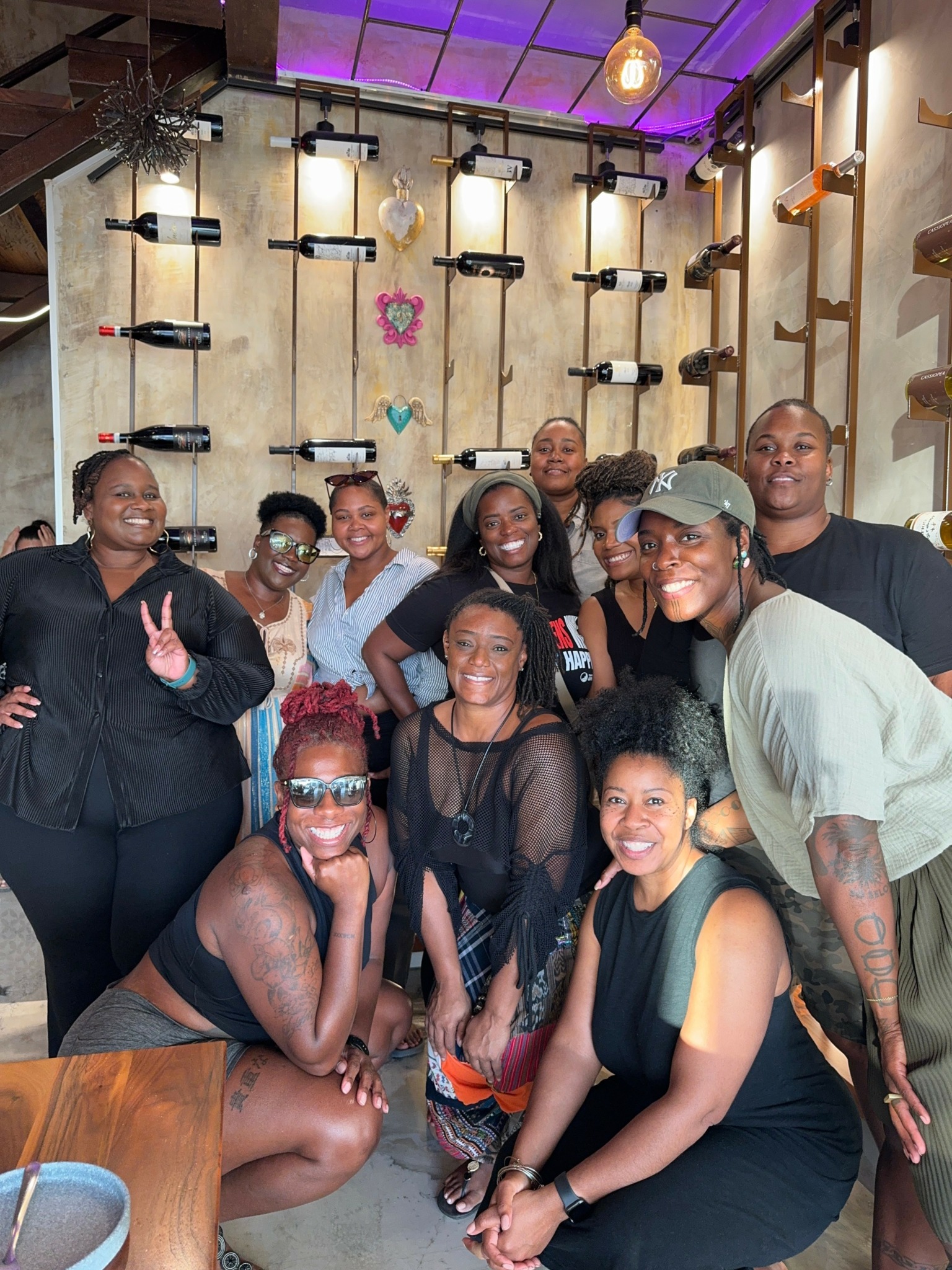
Katherine, before we move on to more of these sorts of questions, can you take some time to bring our readers up to speed on you and what you do?
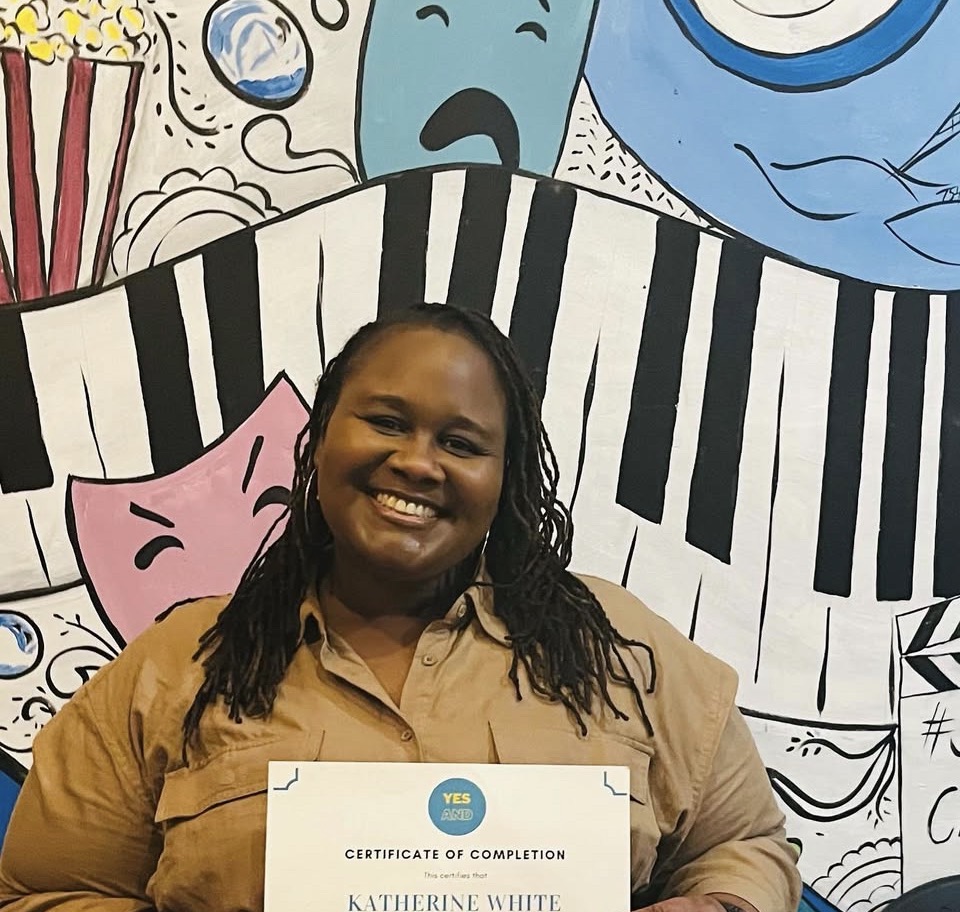
I am an artist, comedian, improv coach, producer, and writer. At the core of everything I do is creating spaces where Black women can laugh, create, and show up fully as themselves.
I am most proud of building something that I once needed myself. I am proud that The Black Laughter Collective exists as a space rooted in joy, creativity, and care rather than hustle or exclusivity. I am proud that women leave feeling lighter and more connected to themselves and each other.
I did not come to improv through a traditional comedy pipeline. My background is mostly in writing, publishing, nonprofit work, and community organizing. I spent years working in spaces that were mission-driven but emotionally demanding. Corporate environments. Nonprofits. Churches. In many of those spaces, I was expected to be professional, agreeable, resilient, and productive at all times, while rarely being given space to rest, play, or be my most authentic self without it being an issue. Over time, that wore me down. My creativity became muted. I felt more and more boxed in.
Improv entered my life at a moment when I needed reconnection. It brought me back into my body. It reminded me how to listen, how to respond, how to trust myself in the moment. It also reminded me that creativity does not have to be polished or perfect to be powerful. While I was grateful to train and perform in inclusive environments, most of those spaces were still majority white. I could feel the difference in what landed, what was relatable, and how cultural context shaped humor and expression.
Navigating all of those spaces as a Black woman made one thing clear. We are constantly adapting, performing strength, and carrying more than we should. I knew I needed somewhere to put that down, and I knew other Black women did too. I thought maybe I would start a sister circle to talk it out and encourage each other. Instead, improv became the space. The laughter. The release. The freedom. That is how The Black Laughter Collective was born.
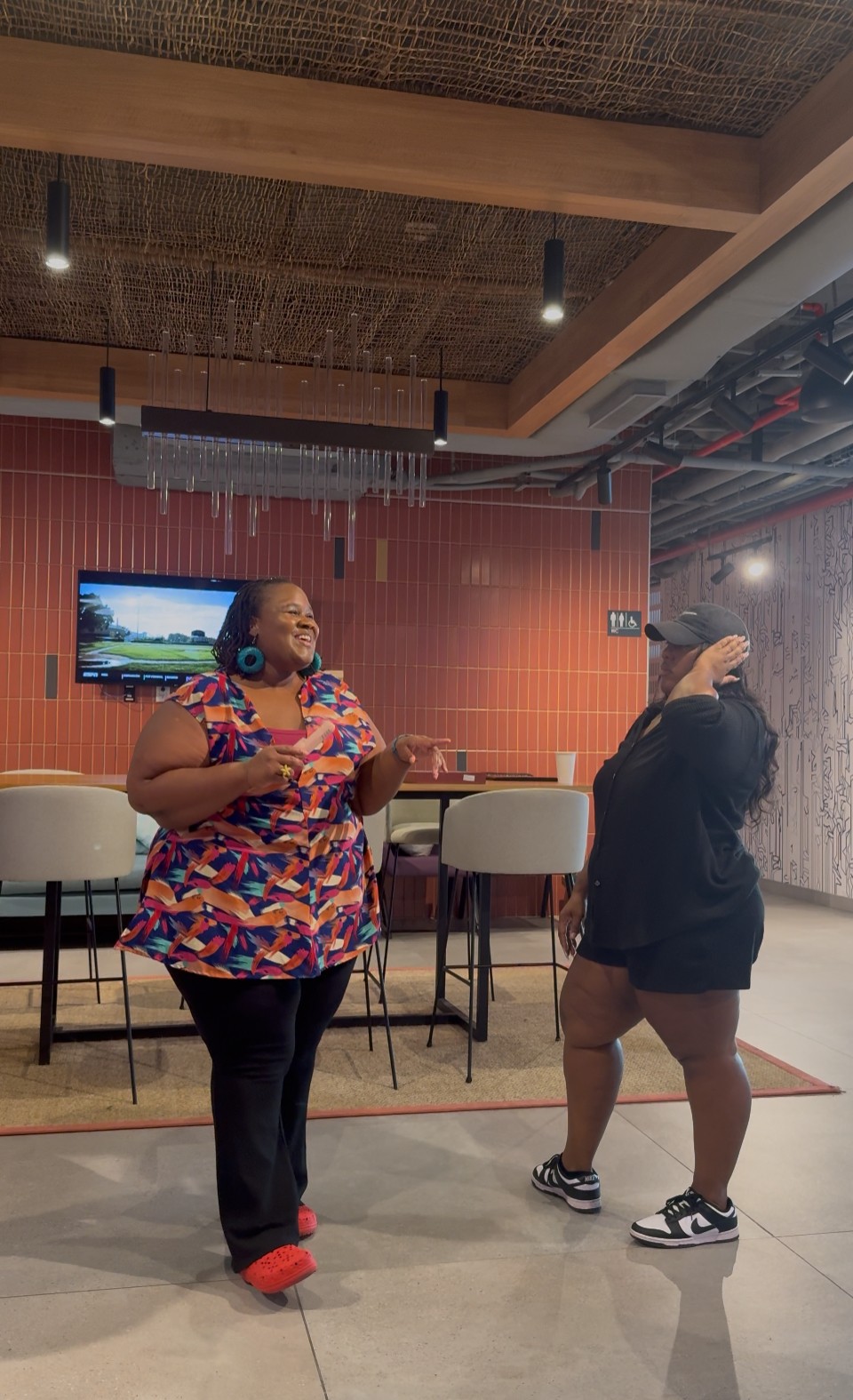
Through interactive improv workshops, I provide experiences that center Black women. Our humor, relatability, and vibe. These are not performance-driven classes. They are participatory, accessible, and welcoming to people with no improv or acting background. The work blends comedy, active listening, collaboration, and play. The result is laughter, yes, but also confidence, presence, and connection.
The problems I help solve are often unspoken. Many of the women who attend my workshops need to reconnect with their creativity. Some are afraid of public speaking. Some deal with not being seen or heard in professional settings. Others simply have not laughed freely in a long time. Improv becomes a tool for easing nervous systems, building trust, and reminding people that joy and creativity are not frivolous. They are essential.
What sets my work apart is intention. These spaces are designed with cultural awareness, care, and humor. Participants do not have to explain themselves. They do not have to shrink or perform strength. They get to be playful, messy, curious, and present.
What I want people to know about me and my work is simple. Laughter is not a distraction from serious work. It is a way back to ourselves. Creativity is not reserved for artists or performers. It belongs to all of us. And Black women deserve spaces where joy is not earned, justified, or rationed, but freely experienced.
That belief guides everything I create.
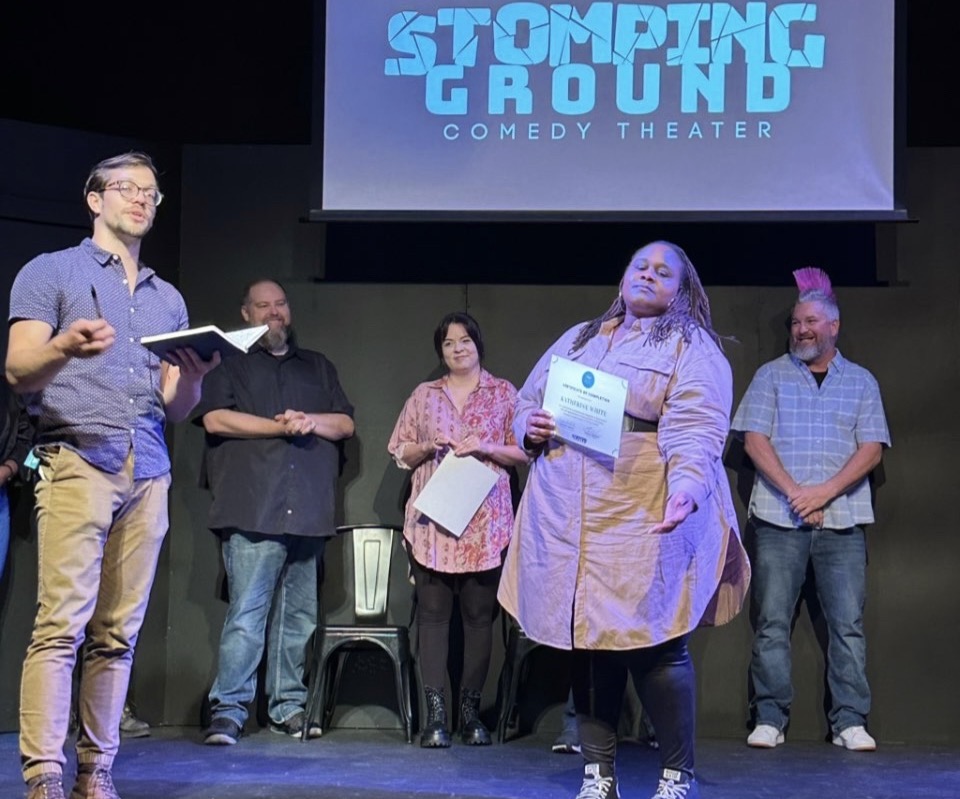
Is there something you think non-creatives will struggle to understand about your journey as a creative? Maybe you can provide some insight – you never know who might benefit from the enlightenment.
“Non-creatives” might struggle to understand that creating is not just a hobby or a luxury. It is nourishment like hydration or sustenance. For many of us, we do not create just because it sounds fun or looks impressive. We create because we have to let it move through us. Otherwise, life starts to feel rigid. Flat. Colorless. Creation adds texture and color back into the world through our words, art, songs, humor, and talent.
What also gets missed is that whether you see yourself as a creative or not, we are all creating all the time. We create solutions. We create relationships. We create communities, businesses, families, and meaning in life. The difference between someone who claims their creativity and someone who does not usually is not talent. It is audacity. A little courage. A willingness to try without waiting for permission or obsessing over how it will land or how you will look.
There is also this idea that creative work is only driven by ego or applause. The best of us read, meditate, give, and produce not just for recognition, but because creating fuels us. It keeps us alive and connected. And when it is done honestly, it fuels other people, too, even if we never see the ripple.
For me, ignoring creativity did not make life easier or more responsible. It made me numb, burnt out, and disconnected from myself. Returning to creativity brought clarity, energy, and joy back into my life. That is the part I hope people understand. Creativity is not extra. It is essential. And when we allow ourselves to create, we do not just change our own lives. We quietly give others permission to do the same.
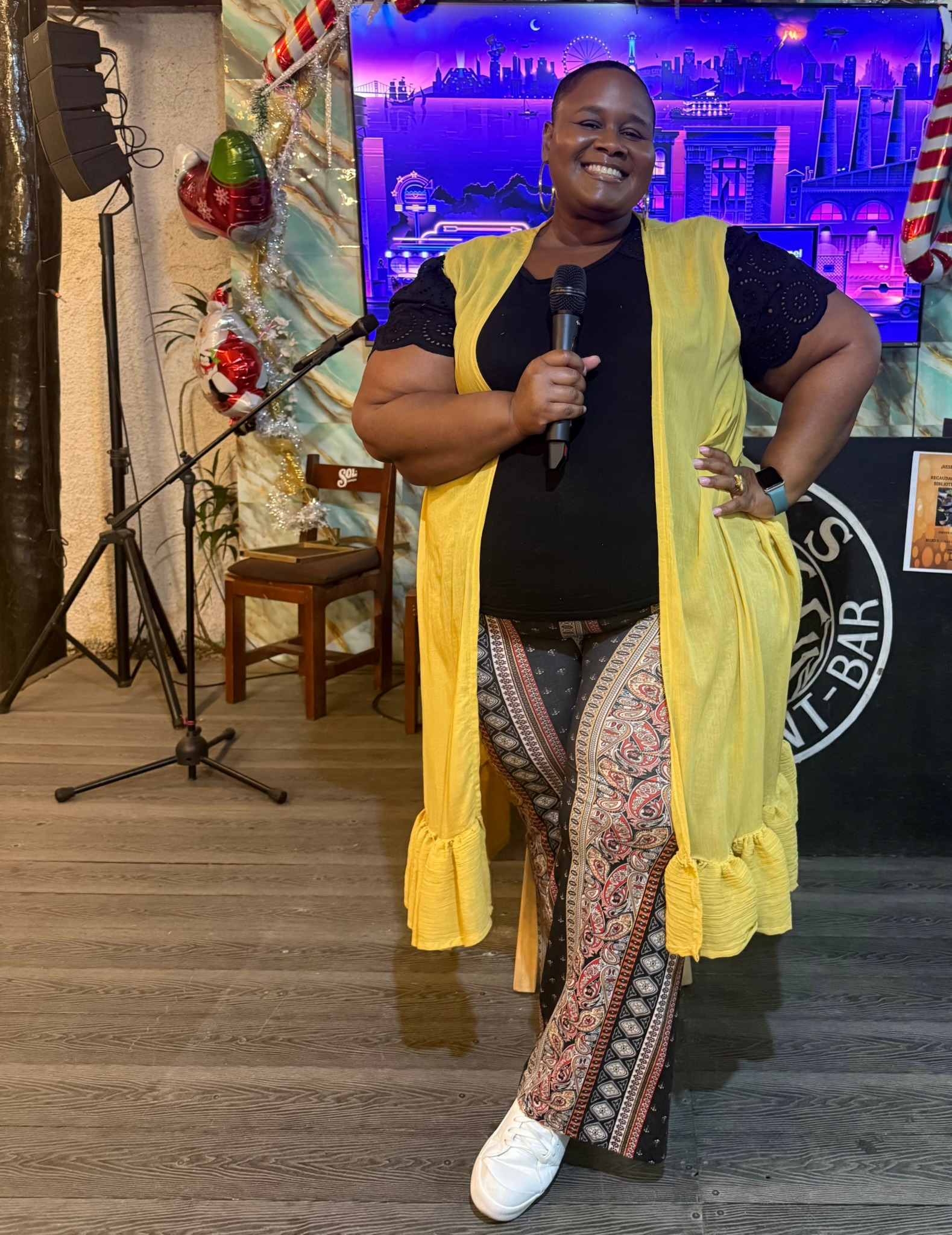
What can society do to ensure an environment that’s helpful to artists and creatives?
To truly support artists, creatives, and a thriving creative ecosystem, society can make the load lighter. Creativity does not flourish when people are in constant survival mode. You cannot make your best work when you are exhausted, anxious, and one bill away from burnout. Supporting Black artists requires intention. Invest in us. Hire us. Trust us with real budgets and leadership. Pay us fairly and on time. Build relationships that are not transactional or extractive. A creative ecosystem cannot thrive if racial and economic equity are treated as optional.
You can support in various ways. Use the resources that already exist. Open up office spaces, studios, cafes, and places of business for hosting, rehearsals, and creative gatherings. Use technology to amplify artists rather than extract from them. See artists’ work as just as important as any other work. Essential even.
Feed people. You have heard of the starving artist. It is not cute. Make sure she does not starve. Creativity flows better when people are not hungry.
Help keep life manageable. Creativity also flows better in a clean space. Offer cleaning services. Cover health and wellness memberships. Provide childcare support. Pay for retreats and trips when someone is working on a book, a screenplay, an album, or a show. These might seem like luxuries, and maybe to some that is true. They are also investments in focus, energy, and mental clarity for the art to flow.
And yes, money matters. Pay artists real salaries. Commission work instead of offering exposure. Subscribe to memberships. Fund long-term projects consistently share their work.
Use discernment when it comes to technology. Tools can be helpful. Systems designed to replace, exploit, or erase human creativity are not. Society should push back against forms of AI that extract creative labor without consent, credit, or compensation.
Artists are not optional. We shape culture. We tell the truth. We imagine what comes next. Supporting us means valuing our labor, protecting our humanity, and creating conditions where creativity can be sustained, not sacrificed.
And honestly, everyone benefits from that.
Contact Info:
- Website: https://www.theblacklaughtercollective.com/
- Instagram: https://www.instagram.com/kwhitewrites?igsh=em84bXU4emZvMHZk&utm_source=qr
- Youtube: https://www.youtube.com/@kwhitewrites
- Other: https://www.tiktok.com/@kwhitewrites?_r=1&_t=ZT-92dqQvha749
https://linktr.ee/kwhitewrites