


We were lucky to catch up with Katherine Leidlein recently and have shared our conversation below.
Hi Katherine, thanks for joining us today. Learning the craft is often a unique journey from every creative – we’d love to hear about your journey and if knowing what you know now, you would have done anything differently to speed up the learning process.
I love this question because I love talking about the craft of acting. Everyone approaches it differently, and even my own process changes from project to project. Even day to day. I actually started in opera—I studied music in college—but I kept hearing the same feedback: ‘You’re such a strong actor.’ At the time, I wanted to be the best singer, but looking back, those moments were the first clues that my real strength was storytelling. Eventually, a director suggested I try musical theatre, which led me to the equity theatre in San Antonio and, then I decided I would live in New York for two months and try it out. See how the industry responded to me and I got a callback for the national tour of Les Mis after my 3rd audition, which felt really crazy at the time but became a huge motivator for me to move to the city and become an actor.
I’ve been fortunate to train with incredible acting and singing teachers since I was a teenager. I also like to share that I really struggled with reading and writing due to learning disabilities. The arts gave me a way to connect emotionally with language, which transformed my relationship with learning (and my grades)—something I feel strongly about as arts programs face cuts today.
Knowing what I know now, I would have balanced training with more real-world work earlier. Classes are essential for technique, but some skills—like adapting to last-minute script changes, and generally working with varies departs—are only learned on set. Those experiences teach you how to be a team player and make every department’s job easier, which ultimately makes the whole project better.
The most essential skills for me have been deep listening, adaptability, and respect for the collaborative nature of the work. My biggest obstacles early on were my own perfectionism and the belief I needed to be ‘ready’ before stepping into professional jobs. Now I know: train hard, but start applying that training as soon as you can.
As always, we appreciate you sharing your insights and we’ve got a few more questions for you, but before we get to all of that can you take a minute to introduce yourself and give our readers some of your back background and context?
I’m an actor and singer, as well as an assistant director, writer, and producer. I wear a lot of hats—not just because you have to diversify in this industry, but because I believe all of them are connected by the same purpose: storytelling.
In fact, my journey has been shaped by that cross-training. I first learned how to act because I wanted to be a better singer. Then I started writing to better understand story structure as an actor. I worked in production so I could better understand what’s needed on set. Every skill makes the others stronger.
What sets me apart as an actor is my understanding of production and story. I know how precious time is on set, so I arrive with strong choices and a readiness to play truthfully in the moment. Before I prepare a role, I read the script at least ten times purely as an audience member. That helps me see the full arc and keeps me from being self-indulgent—playing the story as written rather than just the moments I want.
I also work extensively with my own cameras and mirrors during prep, so I can make sure my performance isn’t just something I’m feeling internally, but something the audience is actually seeing and feeling. I pay close attention to scale—keeping moments subtle when they need to be, and building truthfully toward the big ones so they land with impact.
Ultimately, my work is about serving the story and the audience. Whether I’m acting, directing, writing, or producing, I want every department to shine and every moment to feel alive. That collaborative spirit, paired with a deep technical understanding of camera and production, is what I’m most proud to bring to any project.

Are there any resources you wish you knew about earlier in your creative journey?
Absolutely. I wish I’d known earlier that your future labor unions are there to help you—right now. Whether it’s SAG-AFTRA, AEA, IATSE, WGA, or another union, these organizations are full of smart, passionate people who love actors, writers, and crew members and genuinely want to support you. Even if you’re not a member yet, you can call and say, ‘Hi, my name is ____, I’m a future member, and I have a question.’ I’ve been amazed at how generous and protective union reps can be—they want us all to work safely, fairly, and at our best.
For actors specifically, I also wish I’d known about the value of alternate training resources. Acting classes are great, but they can be expensive, and there have been many times I couldn’t afford one. In those moments, I found huge inspiration and growth from watching great films, reading plays, and diving into books on acting. You don’t have to spend money you don’t have to keep learning and sharpening your craft.

We’d love to hear a story of resilience from your journey.
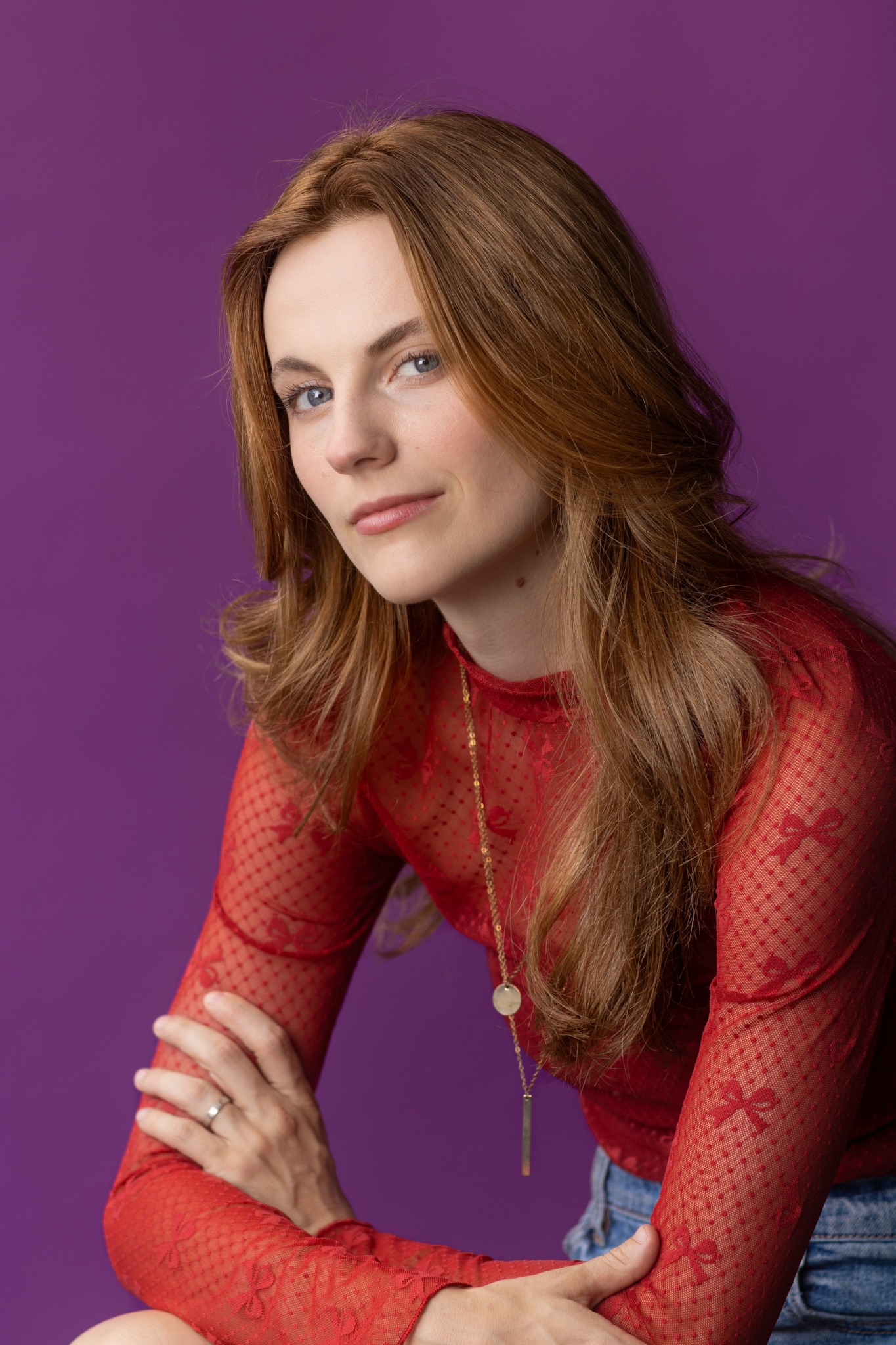
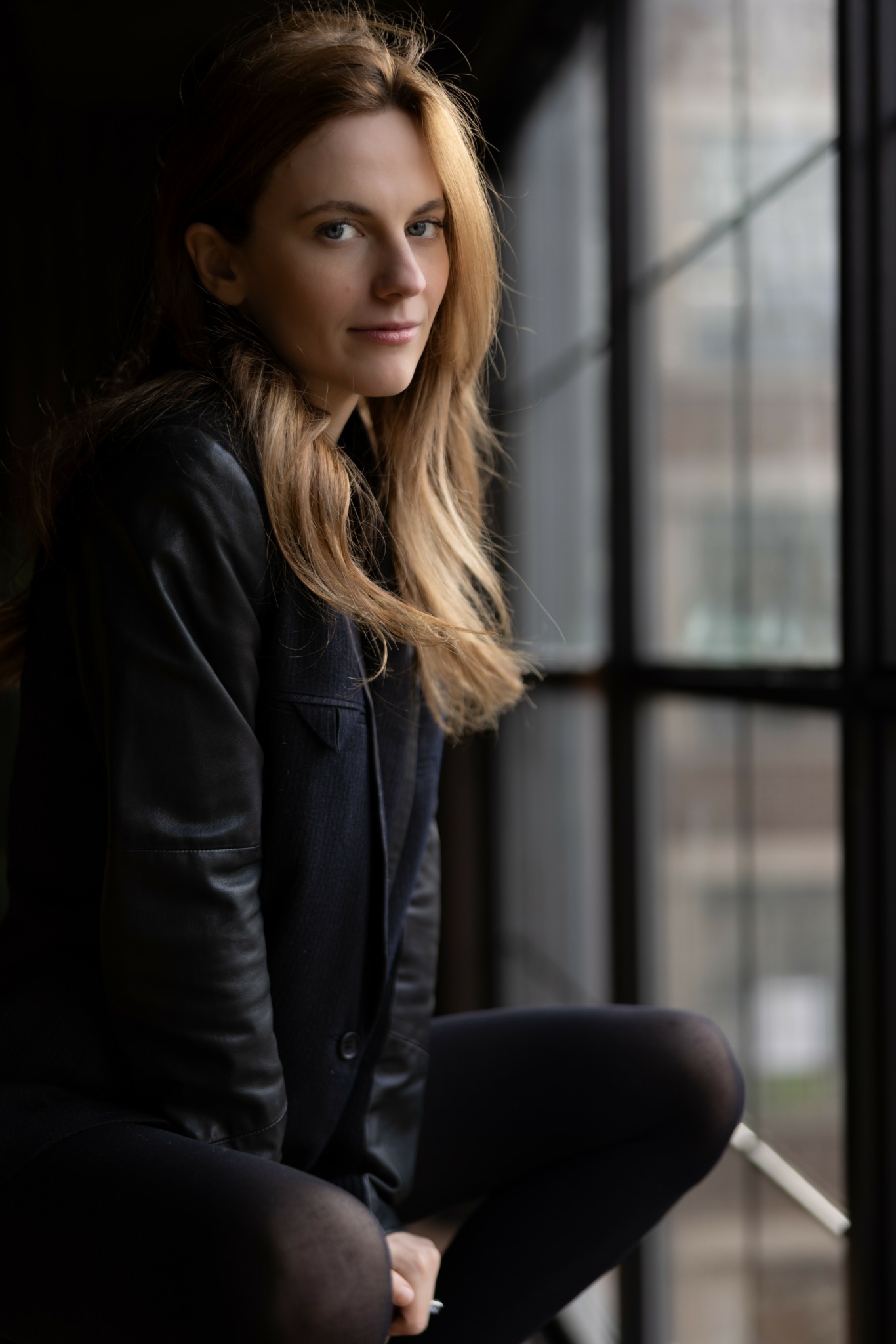
This year, I’ve been really focused on scaling up my acting career, and one of the things I desperately needed was new headshots. The challenge? I was also saving for a creative project, so my budget was tight.
Instead of letting that stop me, I got strategic—and maybe a little nerdy. I spent four months deeply researching my markets. I watched everything shooting in New York, went to as many plays as I could, and combed through commercials. I studied what’s being made now, where I fit in, and what first impressions people might have of me. I looked at wardrobe choices, background colors, and even color psychology—like, if I wear red, do I read as more aggressive? I analyzed the types of characters I usually play by reviewing every callback and booking from the past year, looking for through-lines and studying how expression, styling, and color palette influence audience perception.
Since I didn’t have the funds to just book a photographer, I work-traded with an exceptional DP instead—I assistant directed a project in exchange for my headshots. Then I PA’d and storyboarded my own session so I could make every shot count.
It was a lot of research, resourcefulness, and willingness to get my hands dirty, but it taught me that even when resources are scarce, creativity and persistence can still move your career forward. It’s vulnerable to share that, but I think resilience is about using what you have and making it work for you.
Contact Info:
- Website: https://www.katherineleidlein.com
- Instagram: kat_leidlein
- Facebook: Katherine Leidlein
- Youtube: https://www.youtube.com/@katherineleidlein8795

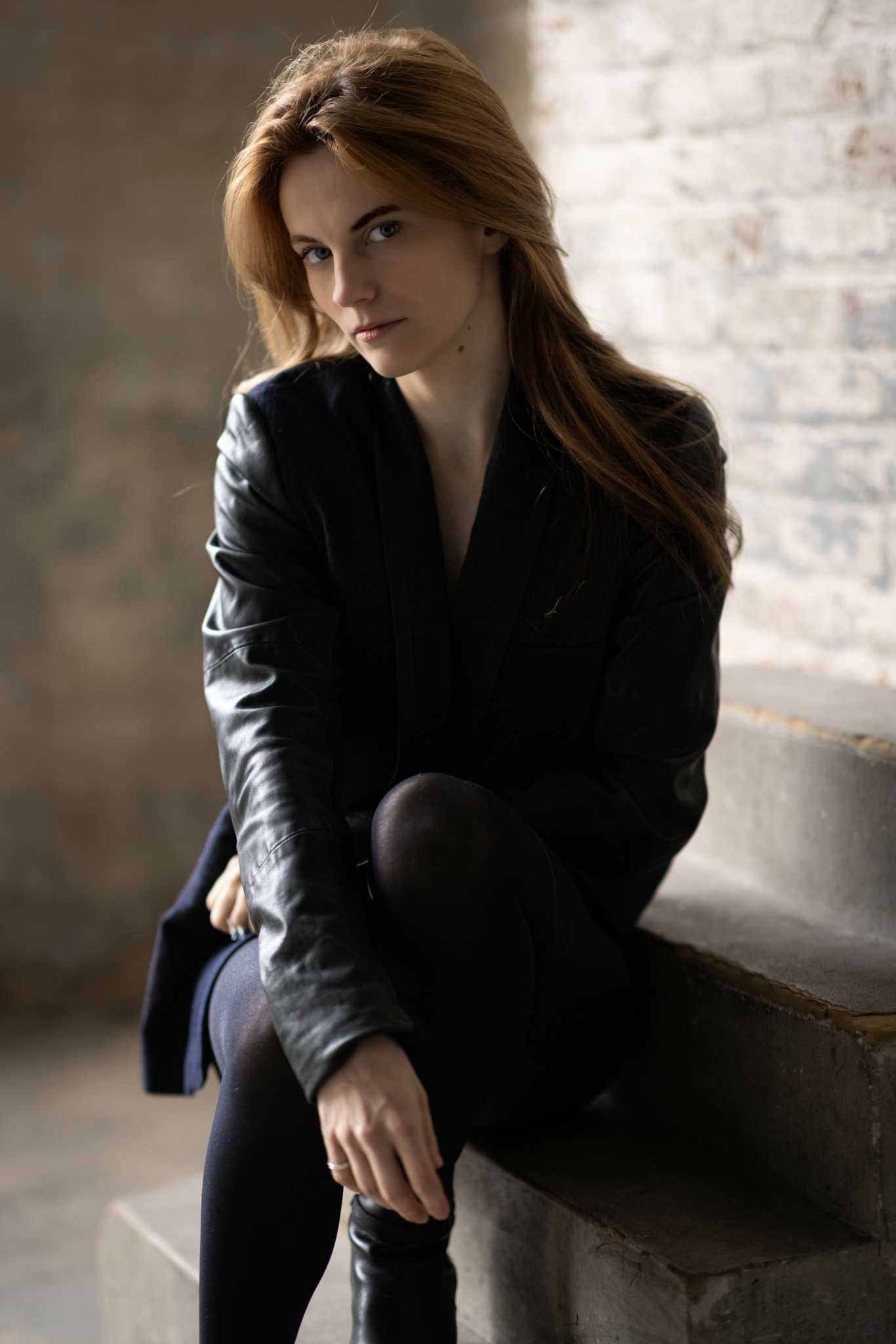
Image Credits
Mike Steidley