



We recently connected with Katherine Kincaid and have shared our conversation below.
Katherine, appreciate you joining us today. How did you learn to do what you do? Knowing what you know now, what could you have done to speed up your learning process? What skills do you think were most essential? What obstacles stood in the way of learning more?
Most people assume you can either sing or you can’t. Though we are blessed with natural talent and some people are more inclined to sing well than others, becoming an opera singer requires an incredible amount of training, hard work, and discipline.
I began singing country music when I was 14. Unlike the piano or violin where most students start taking lessons at the age of 5, the voice is an instrument that grows with us. Most singers don’t start taking voice lessons until high school, a late start compared to most instruments. I began taking voice lessons my senior year of high school. My original goal was to learn proper singing technique to apply to all genres of music. Once I started studying voice in college, I began pursuing opera and the many disciplines that accompany a voice performance degree.
The biggest part of training to be an opera singer is the vocal instruction. In college, I received weekly voice lessons from a professional opera singer and then spent 12-15 hours a week in the practice room on my own. I also took vocal pedagogy classes learning the anatomy of the human voice and how to teach other young singers. The vocal technique is just the tip of the iceberg, however. Since most opera is written in foreign languages like French, Italian, and German, I spent years studying those languages and the correct diction in order to sound like a native fluent speaker while singing. Additionally, opera is not only singing, but acting and telling a story. I took years of acting, movement, dance, stage combat, and improv classes to become both a well-rounded actor and singer. These classes are all in addition to the basic music theory, music history, and ear training classes that most music majors are required to take.
Post college, I received further training in young artist programs at opera houses around the country. In those programs I continued to take voice lessons and received coaching on musicality, diction and acting. And the training never ends, even as you move further into the professional world. I continue to study voice with my voice teacher from graduate school and work with coaches to improve my craft.
Katherine, love having you share your insights with us. Before we ask you more questions, maybe you can take a moment to introduce yourself to our readers who might have missed our earlier conversations?
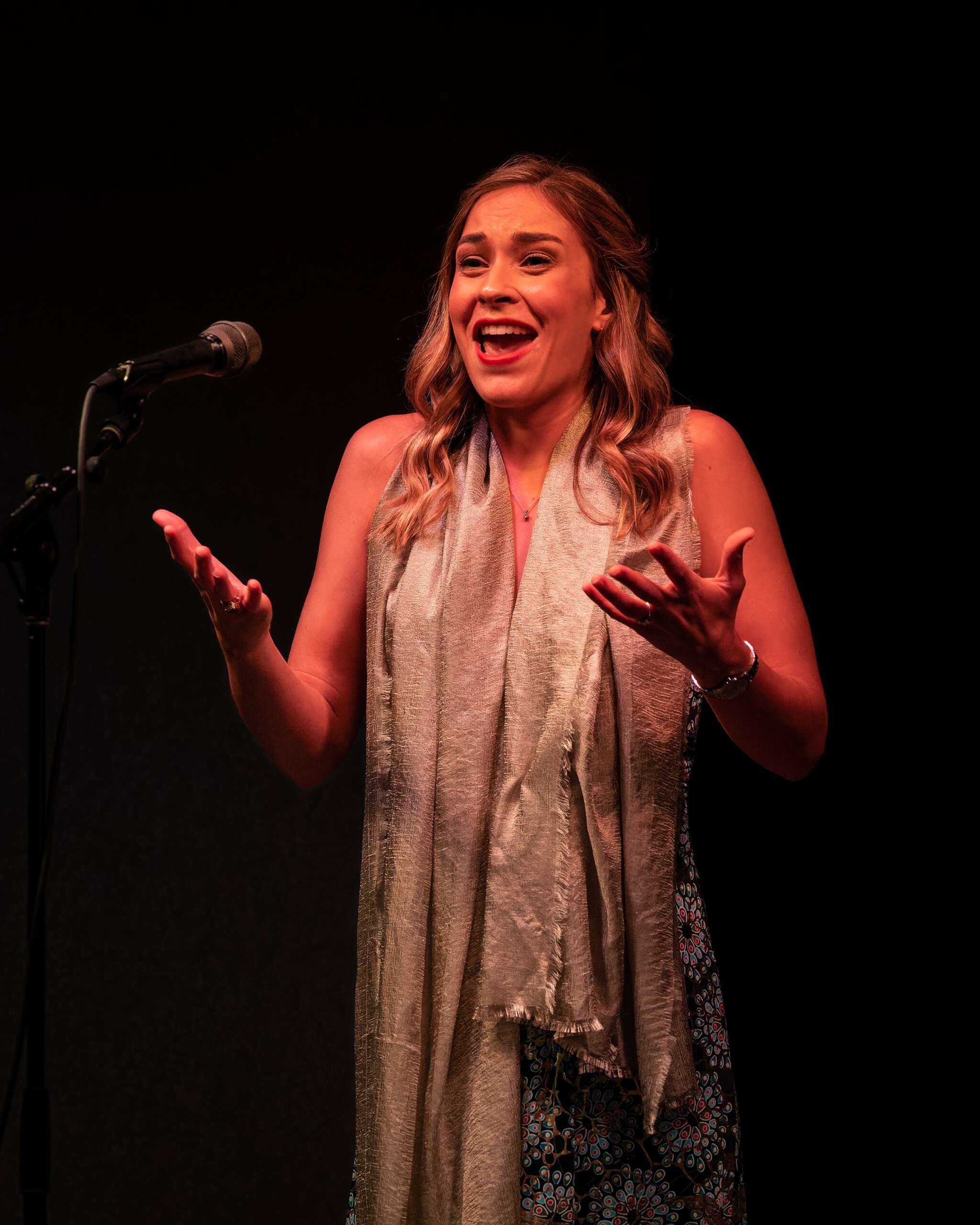
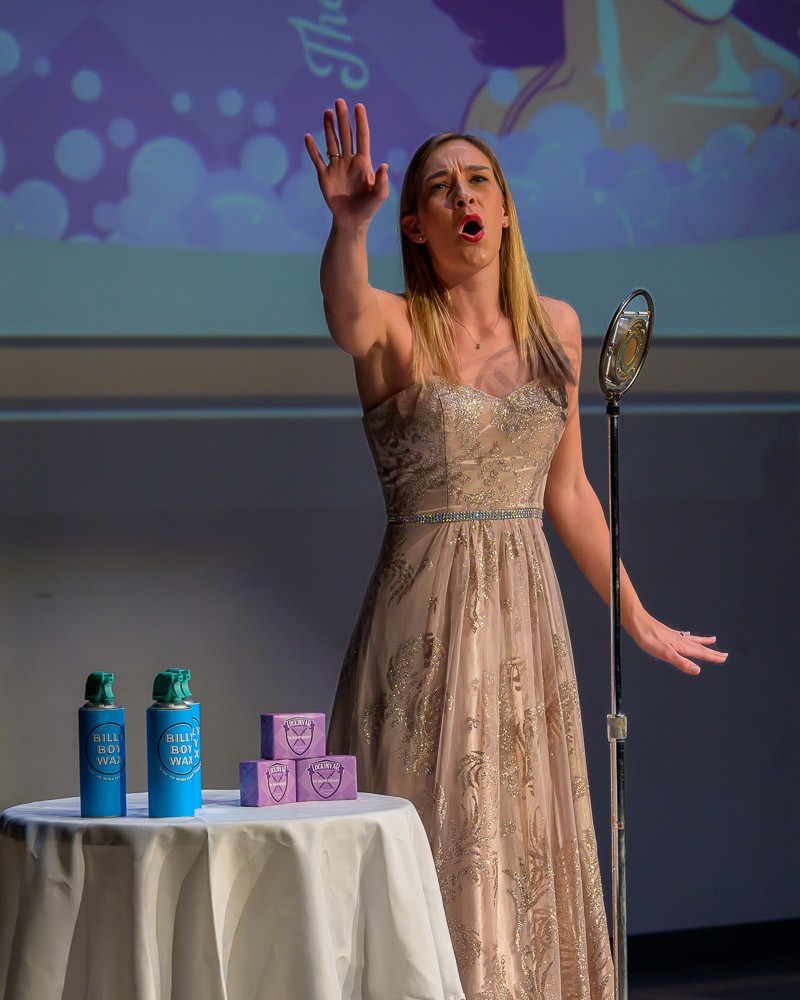
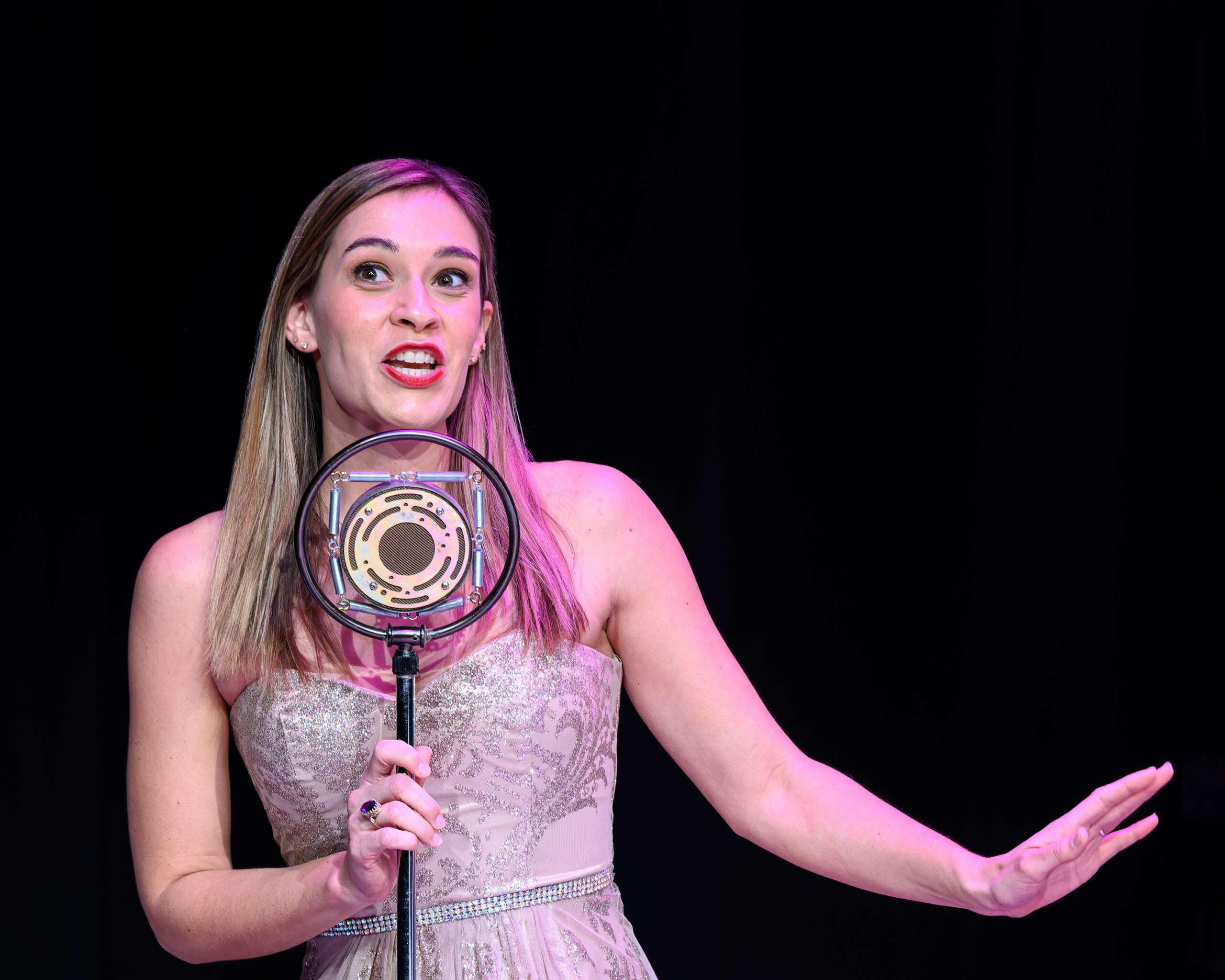
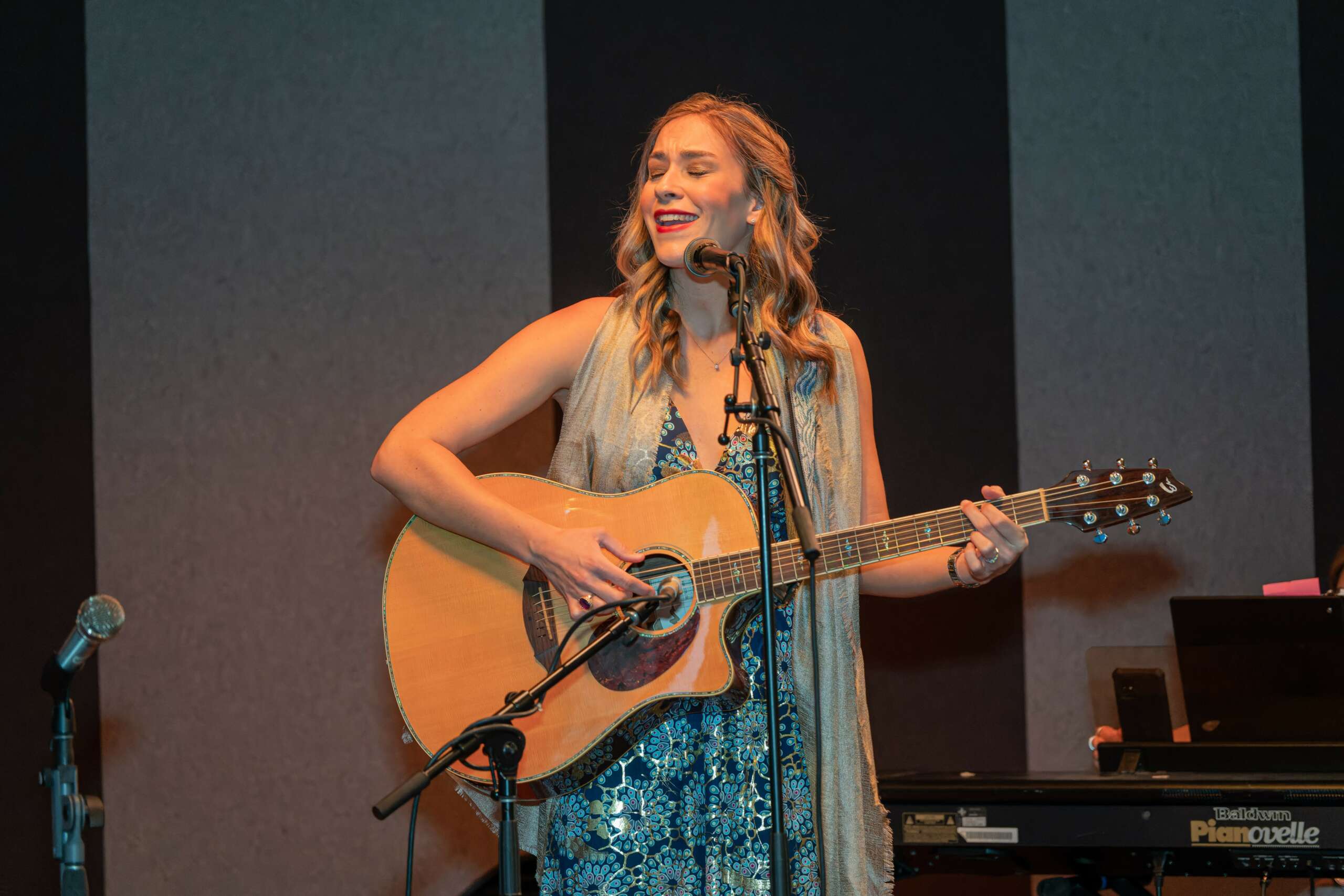
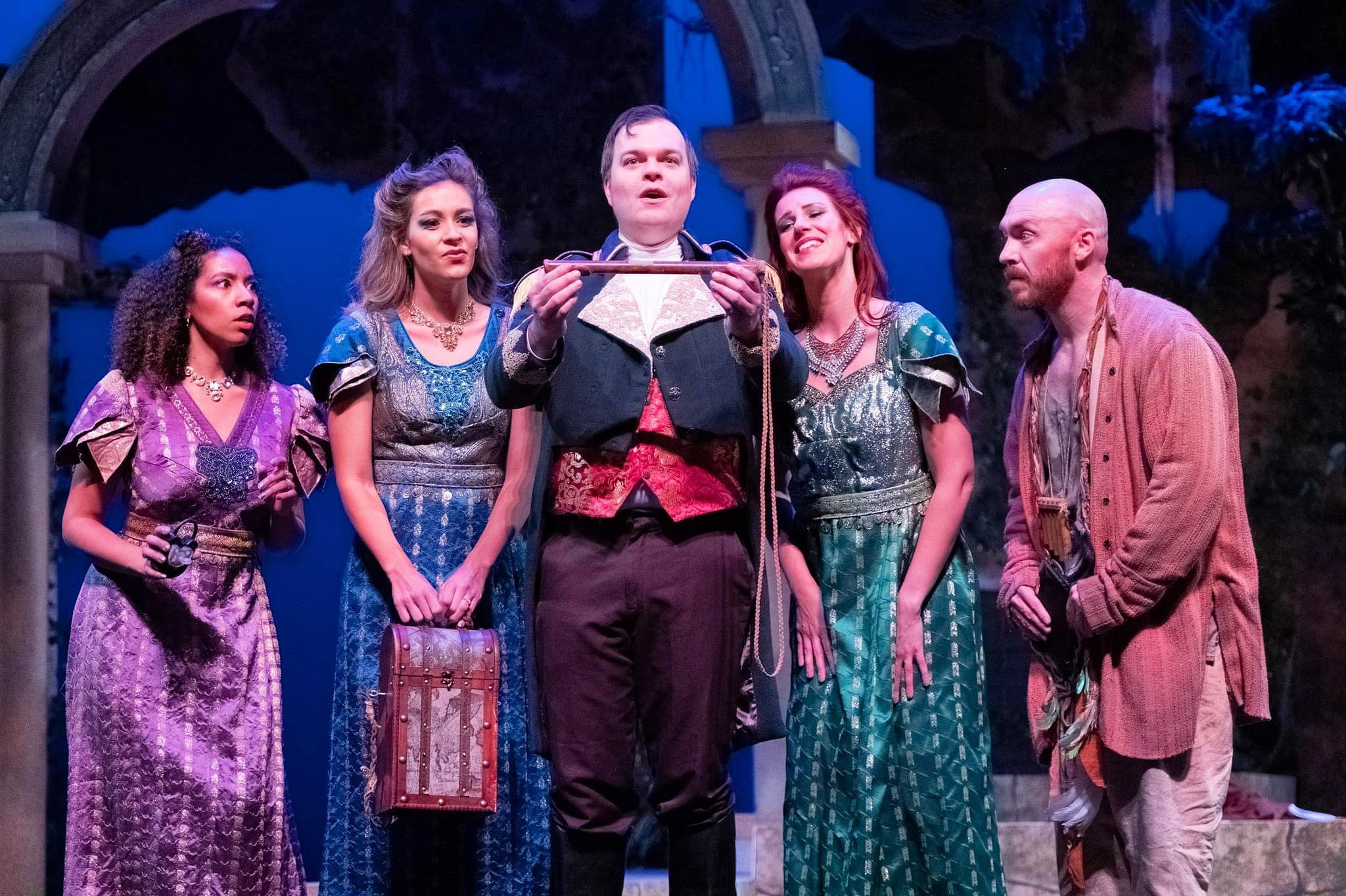
I wear two hats in the music world. I am both a professional opera singer as well as a singer/songwriter. I have a Bachelor of Music in Voice Performance and a Master of Music in Opera. I have performed at opera houses around the country, including the Nashville Opera, Jacksonville Symphony, Indianapolis Opera, Toledo Opera, Moon River Opera and First Coast Opera. I sing opera roles as well as perform classical recitals and compete in vocal competitions. When I am not singing classically, I perform as a singer/songwriter for public and private events. I gig at live music venues in the area as well as write original music. Additionally, I also have a private studio where I teach piano, voice, and guitar to students of all levels and ages. Everything in my life revolves around music. I love being able to share my gifts, whether it is on the opera stage, a dive bar, or teaching a young student a valuable skill that they will hopefully cherish forever.
For you, what’s the most rewarding aspect of being a creative?
The most rewarding aspect of being a musician is getting to make people’s lives better, even if just for a few moments. Music is incredibly powerful. It has the ability to move people, change people, and transport people. One song can take you back to a happy memory. One scene in an opera can transport you to a different world. One music lesson can inspire a child. The possibilities with music are limitless and I’m so grateful to not only get to preserve the art form, but to share it and teach it to others.
Is there a particular goal or mission driving your creative journey?
The mission that drives my creative journey is also the mission that drives my life-to follow God. I believe that God gave me these beautiful musical gifts, and my ultimate goal is to honor God with my voice. I feel closest to heaven when I am singing, and I hope others can experience that in music. Music is often a spiritual experience, and can be so whether the listener is religious or not. One of my favorite lines that I sing is in an aria from the opera Ariadne auf Naxos by Richard Strauss. In this aria, I play a young composer who has just had a revelation of how powerful music can really be. He sings:
“With eyes now opened, I see what was hidden.
The depths of existence – who is there can plumb them
My dear friend,
there are many things in the world
which cannot be expressed in speech.
The poets put down very good words, quite good words
And yet, and yet, and yet –!
Courage is in me, my friend!
The world is beautiful,
and not frightening to the daring man.
And what then, is music?
Music is the holiest art,
which unites in sacred bonds all who can dare,
Like Cherubim guarding a radiant, shining throne!
And that is why she is the most sacred of the arts
Oh, sacred music!”
Contact Info:
- Website: katherinekincaid.com
- Instagram: @katkincaidmusic
- Facebook: Katherine Kincaid Music
- Youtube: @katkincaidmusic