

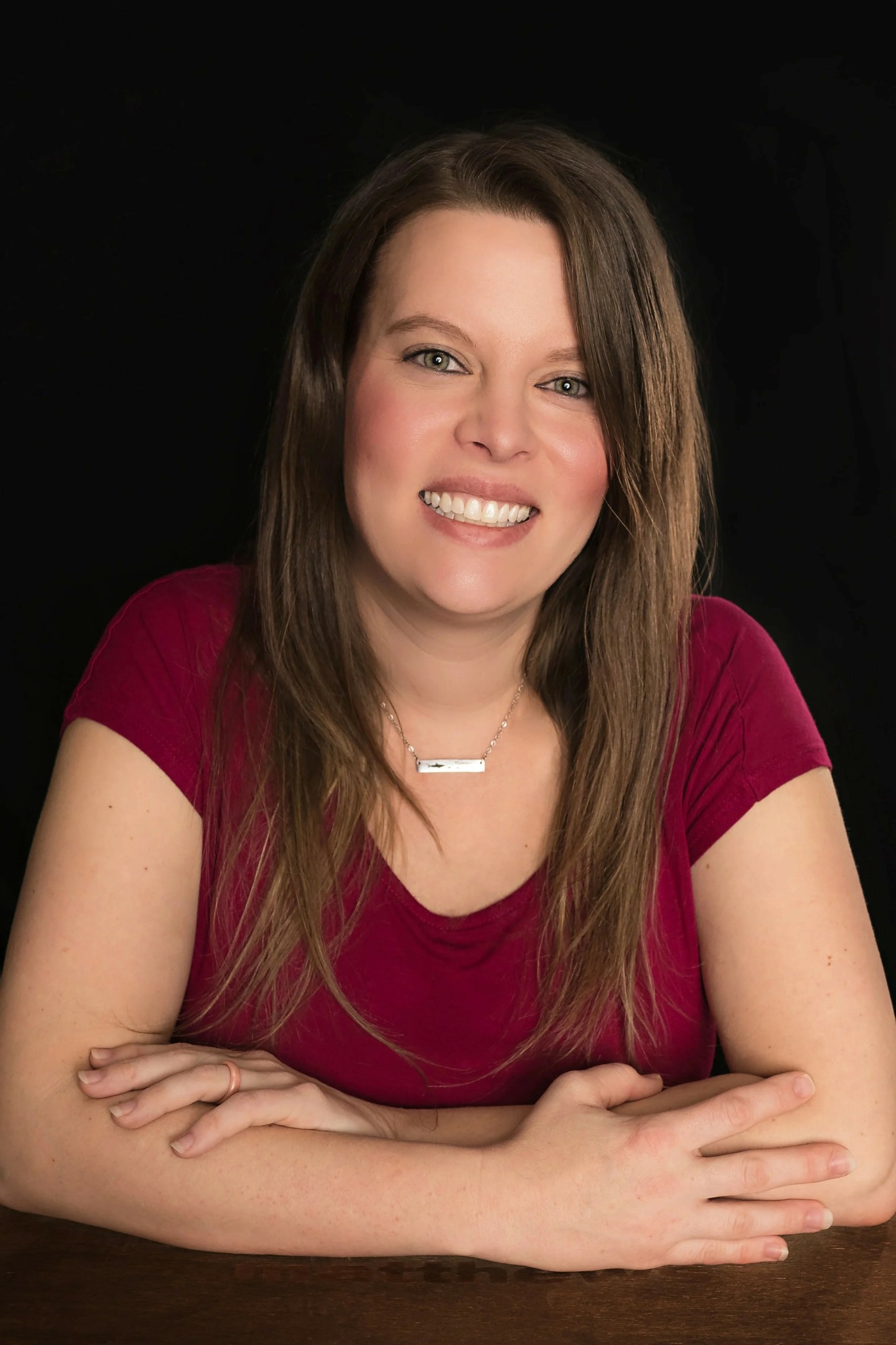

We’re excited to introduce you to the always interesting and insightful Katelyn Coney. We hope you’ll enjoy our conversation with Katelyn below.
Alright, Katelyn thanks for taking the time to share your stories and insights with us today. Setting up an independent practice is a daunting endeavor. Can you talk to us about what it was like for you – what were some of the main steps, challenges, etc.
Starting my own practice was both thrilling and intimidating. I wanted to build something different—a space rooted in compassion, resilience, and ethics where families and community members could truly heal. It wasn’t just about independence; it was about closing a gap I saw in care and creating a path free from the limitations agencies often impose.
The first steps were practical: choosing a name, defining a vision, completing legal paperwork, getting credentialed, finding an office, and building systems for billing, scheduling, and policies. But beneath those logistics was the heart work—clarifying why I was doing it. I often asked myself, “What do I want people to feel when they walk through my door?” That question shaped everything from the colors in my logo to the way I designed services.
Challenges came quickly. Finances—balancing start-up costs while supporting my family. Boundaries—learning to say “no” to opportunities that didn’t align with my mission, even selling a practice early on when it no longer reflected my values.
If I could change anything, I’d offer myself more grace in those early days. I thought I had to have it all figured out immediately. The truth is, things evolve—it’s okay to start small and refine as you grow.
For anyone considering starting their own practice:
• Get clear on your values and vision before diving into logistics; they’ll anchor every decision.
• Invest in systems early—policies, scheduling, finances—it saves stress later.
• Find mentors and peers; you don’t have to do it alone.
• And most importantly, don’t wait for “perfect.” Start where you are, stay rooted in your purpose, and create a culture where people feel seen, heard, and valued.
Great, appreciate you sharing that with us. Before we ask you to share more of your insights, can you take a moment to introduce yourself and how you got to where you are today to our readers.
I often tell people I didn’t “fall into” this work—I was called into it. My background is was actually in more leadership and administration; however, I found myself frustrated and sadened by the multiple rules and regulations placed on so many of us therapist that want to serve and support the populations that we are passionate about along with the work we truly desire to show up and do with those we serve. I also saw the lack of accessible, compassionate spaces designed to meet those unique needs that often we find our clients experiencing. That’s what led me to create my own practice, a space that blends mental health care with a holistic approach to wellness, with the mission that everyone deserves access to expert and compassionate mental health care. There is no one path to wellness.
Today, through my practice, I provide counseling, peer support, wellness education, and workshops designed not just for first responders, but also for families and communities who need safe, judgment-free places to heal. Beyond therapy sessions, I’ve developed presentations and training programs for law enforcement officers at every stage of their career—from rookies learning how to manage stress and resilience, to veteran officers navigating long-term challenges. I also create tools and resources that go deeper than surface-level advice: relationship maps, burnout tracking systems, family resilience plans, and wellness frameworks that address emotional, physical, mental, and spiritual health.
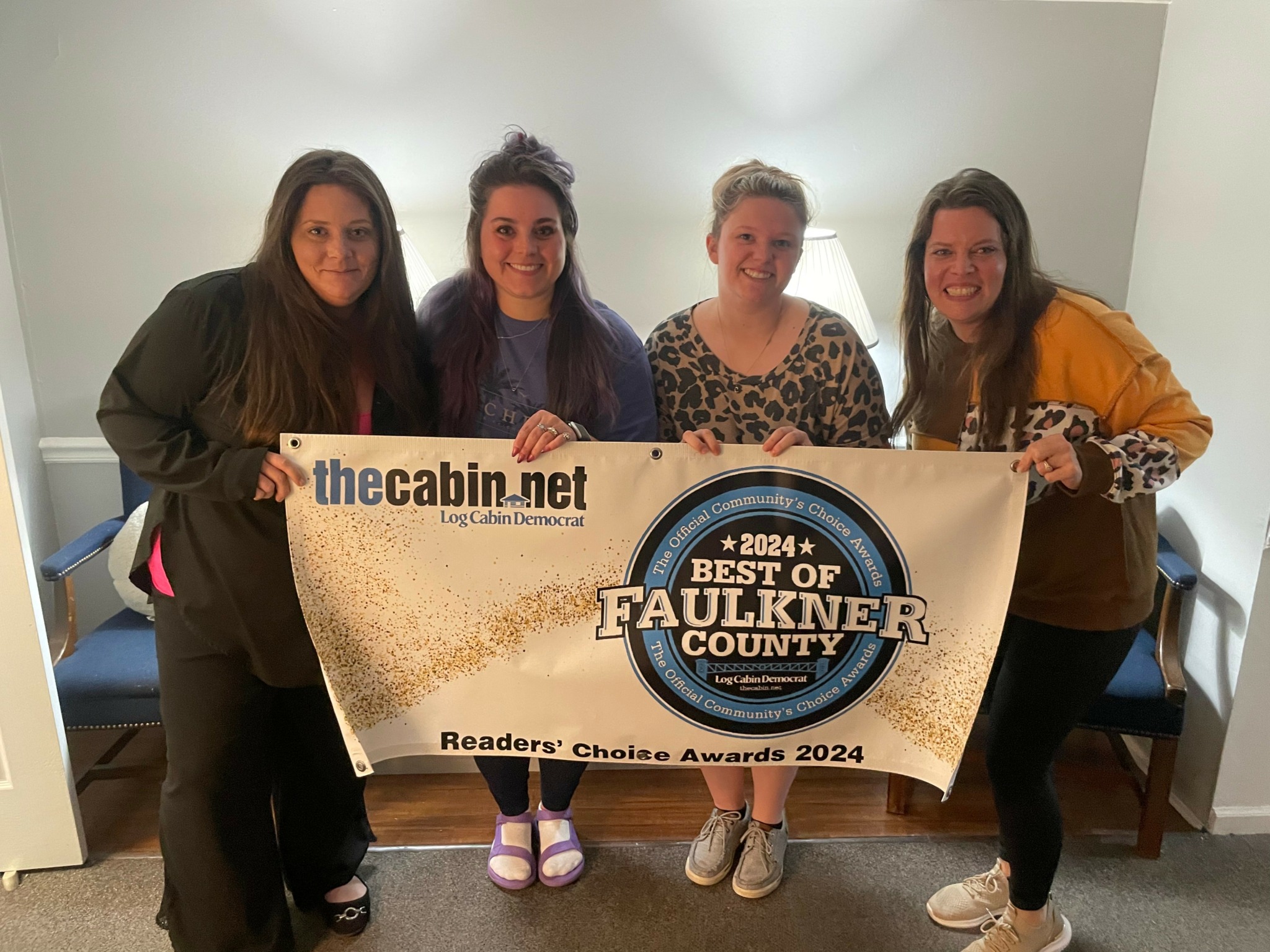
On our team we also have some pretty incredible, creative, and passionate team members that all have a unique story, experience, and twist on treating individuals and creating spaces and resources for those they serve.
The problems I aim to solve are very human ones: burnout, disconnection, unprocessed trauma, and the feeling that you have to carry everything alone. What sets my work apart is that it’s not just about treating symptoms—it’s about equipping people with skills, support, and community to thrive long-term. I believe healing is not one-size-fits-all, and I make it a point to meet people where they are, with compassion and without judgment; however, I cannot do this alone and therefore have an incredible and hand-picked team of individuals at each calling who walk alongside me to make this dream a reality.
What I’m most proud of is my team and the trust they place in me and In Sync. Collectively we have built something that reflects our values—compassion, resilience, fairness, integrity, family, and ethics—because I want people to know they’re not just clients to us; they’re part of a bigger mission of healing and hope.
We’d appreciate any insights you can share with us about selling a business.
Earlier in my journey, I sold one of my practice locations that, on the surface, looked like a good move and you know had the allure of reaching more people, helping other therapists build their dreams. But in reality, it didn’t reflect my values, goals, or the mission I felt called to live out. This was a young profitable practice but it was one of those moments that taught me the difference between building something that simply “works” and building something that aligns with who you are at the core.
That experience became a powerful learning lesson. It reminded me how important it is to stay anchored in my values, even when opportunities look appealing from the outside. I learned that success without alignment feels empty, and that no amount of growth is worth it if it pulls you away from your purpose. I also learned that not all money is good money and if it doesn’t fit your values, it won’t sustain long term anyways.
What carried me through was prayerful work—taking time to slow down, seek clarity, and ask for wisdom before making decisions as I should’ve done from the very beginning of that practice. It showed me that discernment is just as important as drive. Since then, I’ve been intentional about making sure every step I take, whether in my practice or in future projects, reflects the mission I believe in: creating spaces of compassion, resilience, and healing.
Now, I see that season as part of my foundation. It sharpened my sense of direction, deepened my commitment to integrity, and reminded me that staying true to your mission always bears fruit in the end.
We often hear about learning lessons – but just as important is unlearning lessons. Have you ever had to unlearn a lesson?
A big part of my backstory has been about unlearning fear. For a long time, I didn’t fully trust myself or the unique gifts and talents I’d been given. I stepped outside of faith, second-guessed my own worth, and told myself I needed to settle for people, places, unwelcomed advice, nay sayers, and no’s because I “lacked experience” or others have done it this way and this is how it needed to be. I learned to ask questions, not accept no for an answer, and tap into my own creativity and calling.
Looking back, I see that mindset came from fear—fear of failure, fear of not being enough, fear of disappointing others. And when you let fear drive, you end up in places that don’t reflect who you truly are. That’s part of why I once accepted or settled for opportunities and people that didn’t align with my values or mission.
The turning point for me was realizing that fear doesn’t have to be the final word. Through prayer, reflection, and hard lessons, I began to rebuild my trust—in God, in myself, and in the gifts I’d been given for a purpose. I had to unlearn the lie that I wasn’t ready or qualified, and instead embrace the truth that alignment, integrity, and faith matter more than checking a box of “experience,” the gifts had been given to me, I just had to trust and learn how to use them.
Unlearning fear has freed me to lead with clarity and boldness, to build work that reflects both my values and my calling. It’s not about being fearless—it’s about choosing to act in faith, even when fear whispers otherwise.
Contact Info:
- Website: https://www.insynccounseling.com
- Instagram: @liveinssynccounseling
- Facebook: https://www.facebook.com/insyncHelp
- Youtube: https://www.youtube.com/@InSyncCounseling
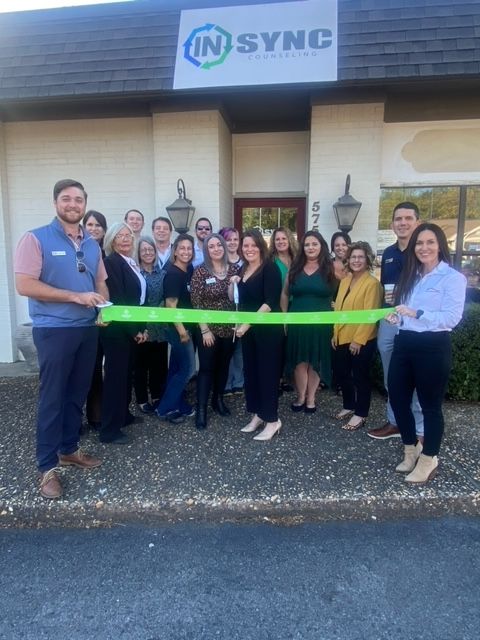
Image Credits
Shana Martin Photography (Headshot)
I was unable to upload some photos and could send them via email if possible.