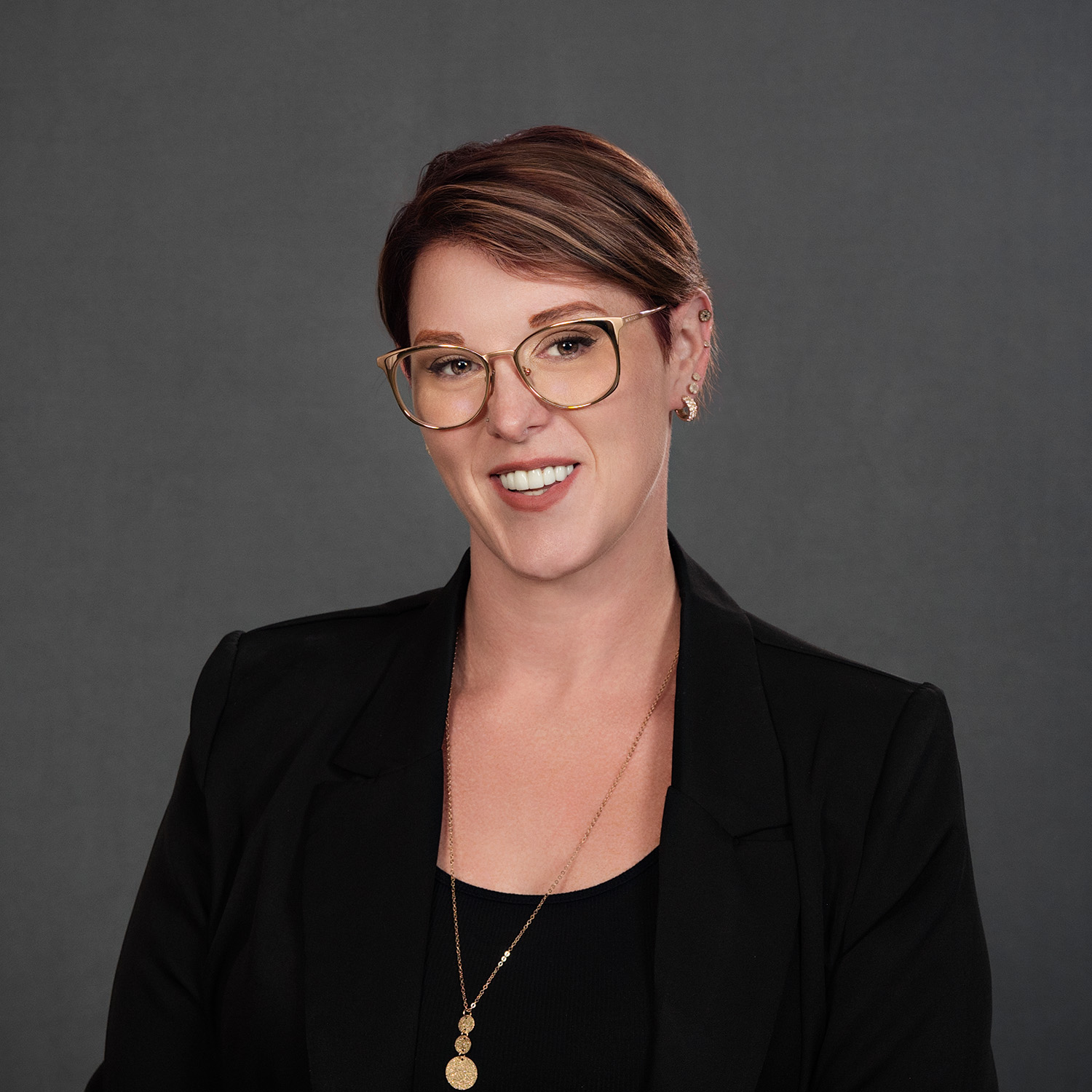

We’re excited to introduce you to the always interesting and insightful Kate Mollison. We hope you’ll enjoy our conversation with Kate below.
Kate, thanks for taking the time to share your stories with us today Any advice for creating a more inclusive workplace?
When we think about workplace inclusivity, we commonly consider issues like religious inclusion, ADA accommodations, and even age/gender/race inclusion. However, we don’t think about grief as needing to be accounted for. Grief interrupts not only our basic cognition (mimicking signs of early Alzheimer’s in some instances), but it severs our biologically driven capacity to maintain social relationships. This erodes our self-worth, our sense of identity, and our productivity. Grief is still misunderstood and is often met with performance management tactics that are punitive. To create a truly inclusive work environment, we have to simply start by putting the “human” back into human resources. By understanding the science of grieving and creating workplace training that educates and supports the grief experience, we normalize it and protect retention and productivity in a more holistic and evolved way.
I learned this lesson personally after my husband passed away unexpectedly. I was given 5 days of bereavement leave and then was forced to exhaust my PTO, returning to retail management a mere 15 days after his sudden death. The sad reality is that I was “fortunate” whereas most only receive 3 days leave. The cognitive disability that grief creates prohibits you from being able to perform your job duties. By offering employees things like a flexible work schedule or the ability to work from home creates a higher company culture and thus higher retention metrics!
Kate, before we move on to more of these sorts of questions, can you take some time to bring our readers up to speed on you and what you do?
As I mentioned, I was widowed 4 years ago. I was working retail management for a luxury handbag store when Craig died. After 2 years of being “waterboarded with gasoline”, I realized that there has to be a better way to manage grief and support bereavement. So I created a consulting company that educates businesses on grief and bereavement support. This includes small group workshops, corporate presentations, benefits package curation, and in-house EAP-style support. This eliminates the cost and headache of working with larger employee assistance programs that don’t have the breadth and knowledge of grief and bereavement as it pertains to the workplace. Grief is not merely exclusive to death. Loss can be felt at any major milestone in life and thus it can impede work performance. The companies that work with me can support employees through their loss and help them return to work in a healthy & productive way. This ultimately protects retention metrics and creates a healthier workplace.
I am a certified grief coach, a clinical case manager, and a trauma specialist, as well as having a degree in business management with over a decade of experience in each industry. I married the emotional and conversational component of human services with the business acumen and results driving working in a fast-paced retail environment, so I have first-hand understanding of what it takes for a business to succeed.
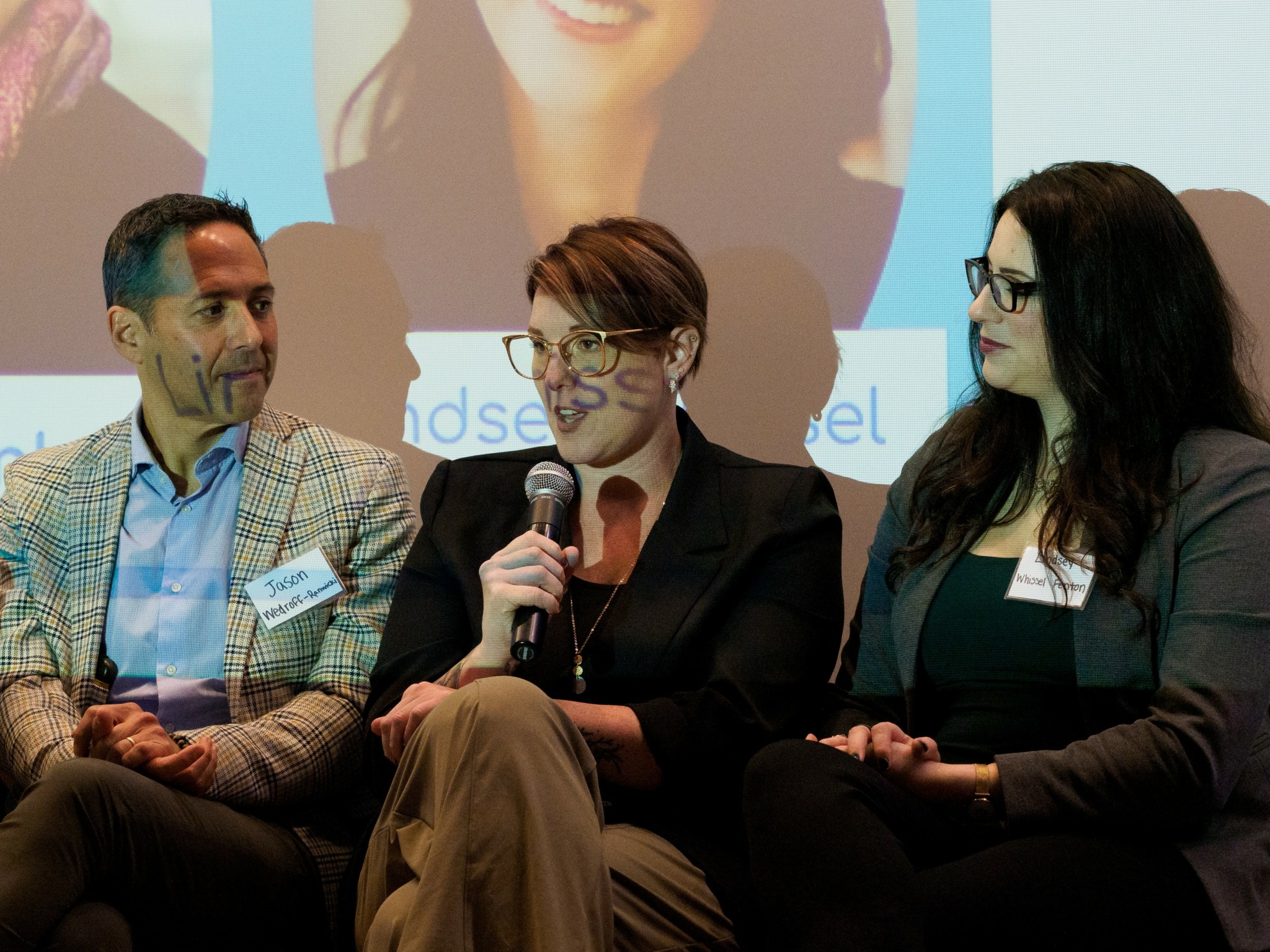
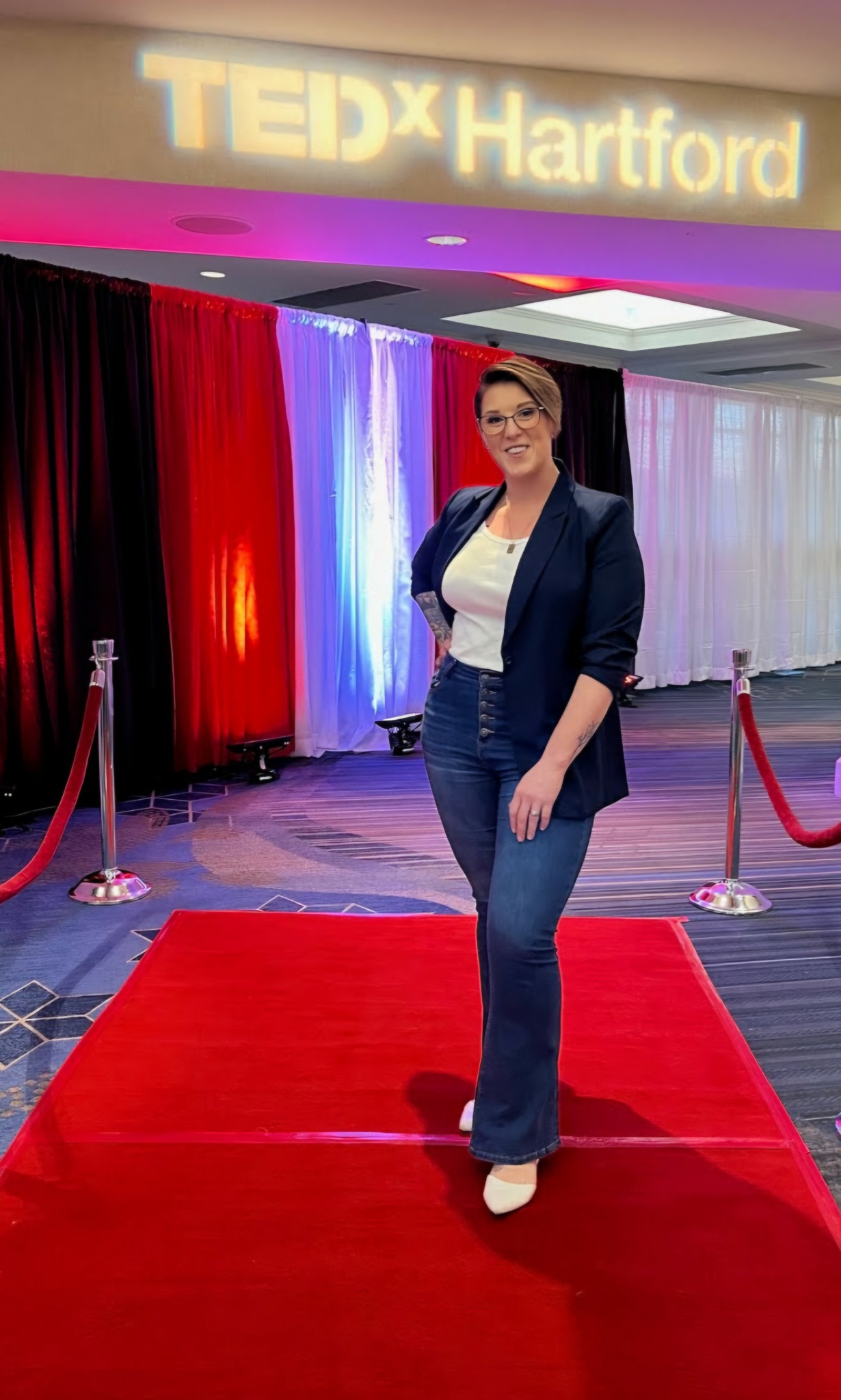
I’m most proud of my recent TEDx presentation, where I explain the connection between grief and bereavement leave. to watch my talk or read my personal loss story, please visit my website!
Have you ever had to pivot?
When I first started my company, I initially worked with individuals in grief, trying to help mitigate the pain points that come with loss. I quickly realized two things. First, I cannot save everyone. I found myself down a rabbit hole of trying to erase grief and that was unrealistic. Second, I learned that for those in grief one of the largest barriers is finances. Loss (death, divorce, layoff, etc) all creates money problems, and thus no one had the freedom to hire me. So I pivoted my company to help alleviate that problem. I cannot erase grief/loss, and I certainly cannot get people more money, but I realized the root of the problem wasn’t money, it was time. By working with employers to write inclusive bereavement policies, employees get the peace of mind that comes with job security, they get the necessary mental health support, and hopefully, they get a little more paid leave than the national average of 3 days.
Let’s talk about resilience next – do you have a story you can share with us?
My friends tell me I’m “battle tested”, meaning I’ve experienced far more trauma in my life than the average person should have to endure. Besides becoming widowed at 32, I was a squatter in my own marital home.
When Craig and I were married, I had recently been a victim of identity theft, so when we purchased our home, we only put it in his name. Where we live in Connecticut is not a common law state, meaning that I did not automatically inherit the house as a marital asset. Craig didn’t have a will, and I did not qualify for a refinance to move the house into my name. Craig passed away on November 24th, 2020, the day before his birthday and two days before Thanksgiving… by January the mortgage company demanded payment in full for a home we’d only been in for 5 years. So for the next 6 weeks, my disabled parents and 2 small children hid in the home while I went to work every day. I would drive by the sheriff who was parked at the curb, ready to change the locks if we left the premises. Navigating that financial crisis was like having a second full-time job. I never wish that experience on anyone. It was terrifying to not know if I’d have a place for my children each night.
Contact Info:
- Website: https://www.otwwb.com
- Instagram: @on_tuesdays_we_wear_black
- Facebook: on Tuesdays we wear black
- Linkedin: https://www.linkedin.com/in/kate-mollison-332259273
- Youtube: https://www.youtube.com/watch?v=hSlU49tnmtY