

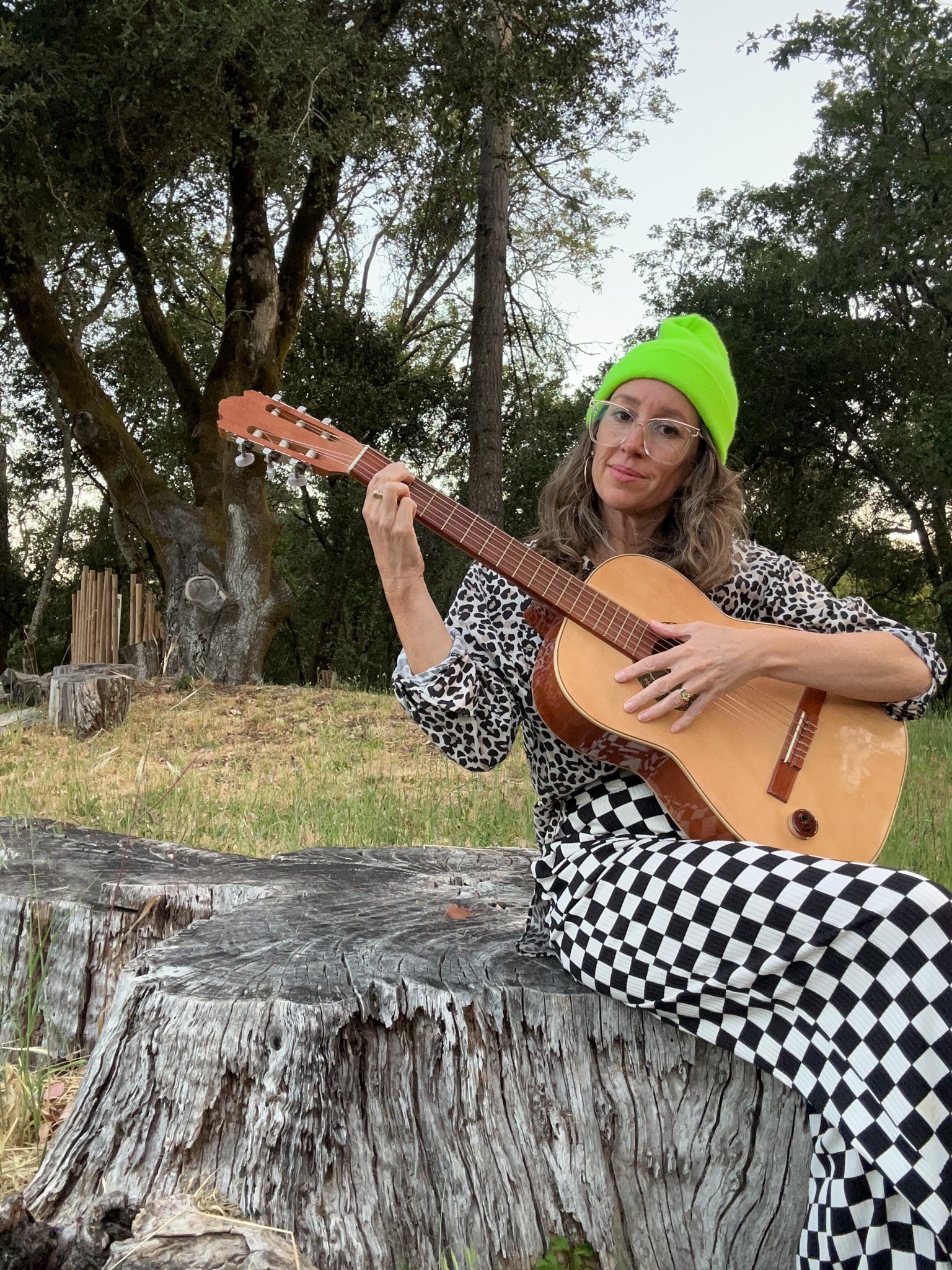

We caught up with the brilliant and insightful Kate Ellen a few weeks ago and have shared our conversation below.
Hi Kate, thanks for joining us today. We’d love to hear the backstory behind a risk you’ve taken – whether big or small, walk us through what it was like and how it ultimately turned out.
I think we have it backwards when we talk about risk. We celebrate the bets that paid off – the gallery that said yes, the investor who came through, the leap that landed perfectly. Those stories make us look smart, like we had some inner compass guiding us to the right choice. But that’s not really how risk works.
Real risk means doing something when part of you genuinely doesn’t know if it will work. It means being willing to withstand the loss, the humiliation, the self-doubt that comes with falling on your face.
When I was starting my jewelry business, I couldn’t get a gallery to take me on, so I created my own shows. I’d rent a space, transform it into a gallery, send invitations, and hope people would come. Some worked beautifully – the room buzzing with conversation and curiosity. Others were brutally, awkwardly empty. I remember standing in one of those vacant rooms with my best friend, cringing through the afternoon, counting down the minutes until we could finally pack it all up and leave.
I also cold-emailed press contacts and stylists at local magazines. Most never responded. Radio silence. But one did. That single response led to multiple features, including being named Best New Jewelry Designer in the Bay Area by 7×7 Magazine.
I could have waited until I was “ready” for that title. Until I was certain more people would respond to my emails, until I had proof that people wanted to talk to me, or until people were seeking me out. I think that’s what a lot of people are waiting for – the kind of certainty that things will work out when they step into the unknown. But really, the people who are out there having public triumphs have also suffered innumerable setbacks, rejections, and disappointments. They just keep going and use all of it as data – even embarrassments can be data points on the road to where you want to end up
There’s a La Russell lyric that captures this perfectly: “Used to roam the city in a GT Coupe / Got repossessed I was hurtin’ / I quit my job I was workin’ / Invested in myself I was certain / Knew that I would blow / Took a risk 5k into show / Lost 1500 at the door / So / See when you a boss that’s how it go / Bitch I lost everything but hope.”
That last line – “lost everything but hope” – that’s the currency of risk.
My list of bets that didn’t work out is probably longer than my list of successes. But the point is that I placed them. Each failure taught me something that helped me discern a better bet the next time. There’s no safe way to get your work into the world. It will require making mistakes, losing money (hopefully not too much), disappointing people, and then mustering the guts to go again.
The most recent risk I took was walking away from the very thing all those earlier risks had built. After 15 years of nurturing and growing my jewelry business, I closed it. Not because it failed – because something new was calling to me. After I had children, I felt a creative longing that couldn’t be contained in a product. I wanted to express myself more fully, to connect with my soul in a more expansive way.
So I gave it all up to reconnect with writing, making music, and relearning how to create from a place beyond commerce.
I don’t know yet how this bet will pay off. Maybe that’s the most honest thing I can say about risk: you rarely know at the time. You just have to be willing to stand in the empty room, to send the emails that go unanswered, to walk away from what’s working in pursuit of what’s calling.
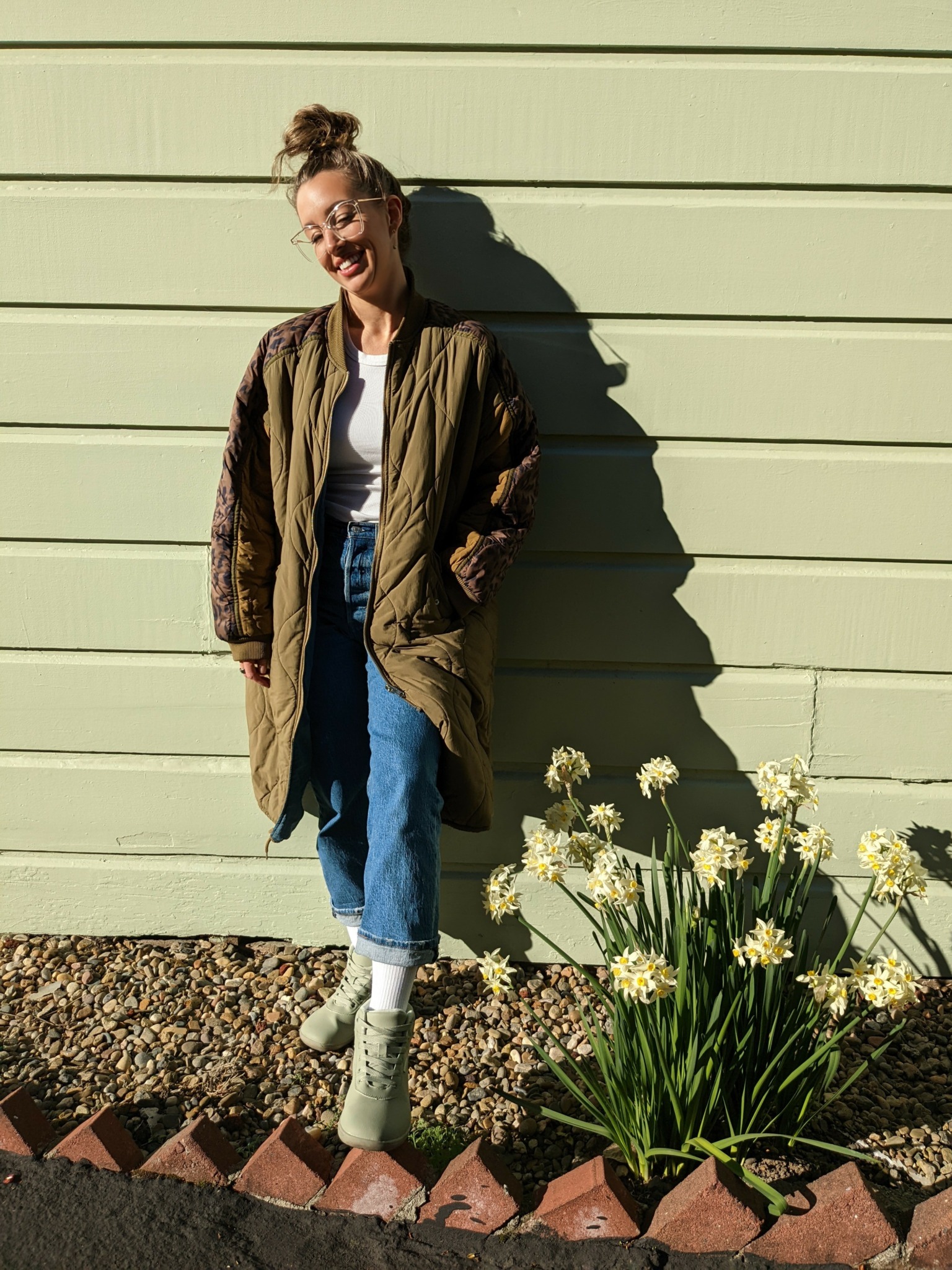
Kate, before we move on to more of these sorts of questions, can you take some time to bring our readers up to speed on you and what you do?
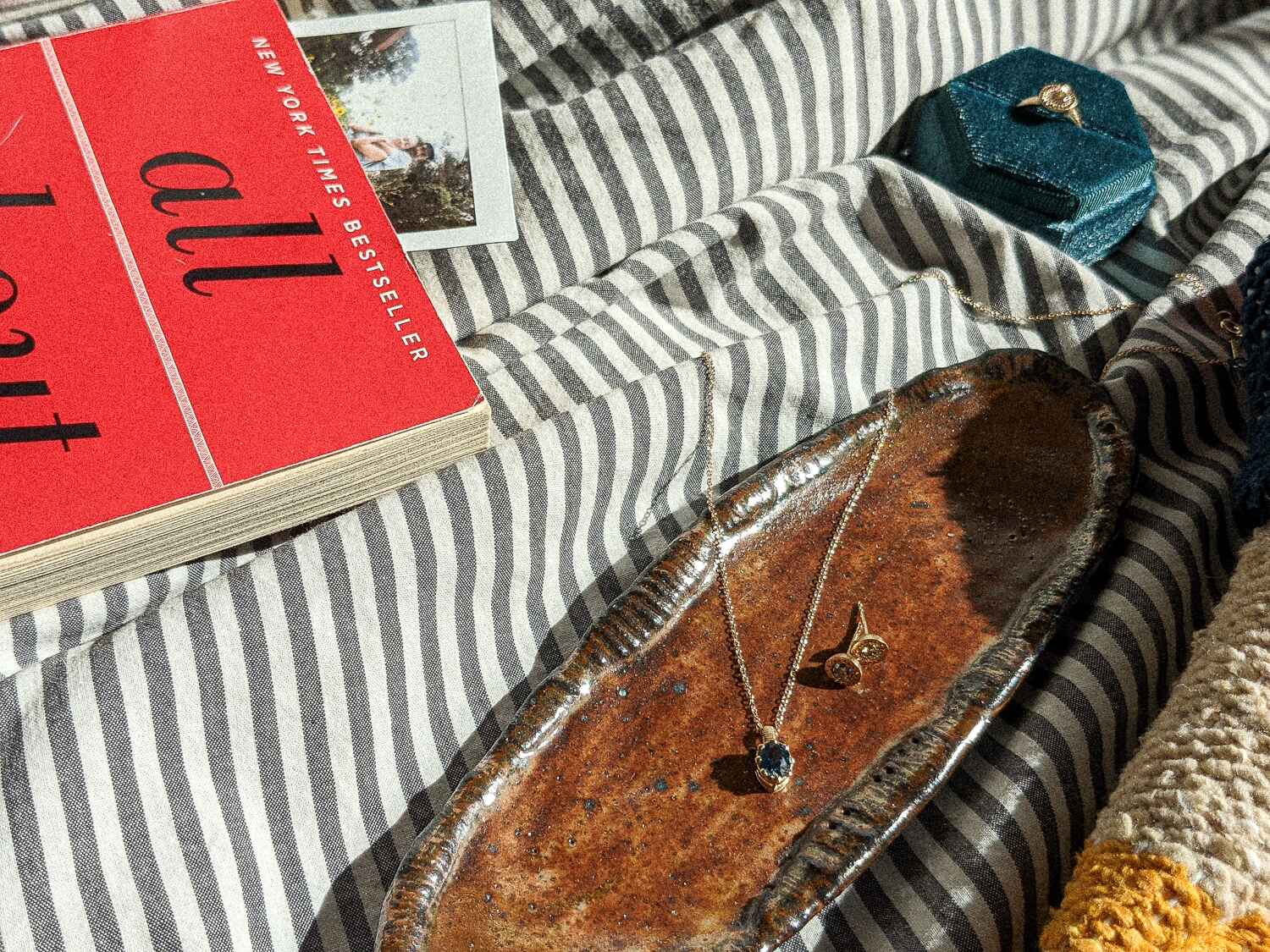
For fifteen years, I ran a jewelry business built on ethical sourcing and creating future heirlooms. I worked with reclaimed metals and responsibly sourced stones, and I often reimagined people’s existing heirlooms – transforming rings inherited from grandmothers, broken chains with stories embedded in them, pieces that held both love and loss.
What started as a commitment to sustainable practices evolved into something deeper. People began coming to me not just for engagements and weddings, but to mark moments the world doesn’t always make space for – the end of a marriage, the loss of a parent, a hard-won personal transformation. I was tending emotional territory that luxury brands don’t usually touch, holding space where grief and beauty existed side by side, where complexity was welcome.
There was profound symbolic work happening in those pieces, but after I had children, I felt a creative longing I couldn’t contain within a brand anymore. I wanted to explore the edges of expression that didn’t fit inside the parameters of a luxury product.
So I closed the business to pursue my own artistic calling. I’m currently recording my debut album, exploring fiction writing for the first time, and chronicling my adventures in music and creative curiosity on my Substack. I’m allowing myself to be messy, to be in process, to not know where it’s going.
And parallel to that, I work with other people who are in their own process of becoming.
I help people build brands and creative work that reflect who they’re becoming, not just who they think they should be. I’m especially drawn to emerging brands and people in big transitions – the ones who are standing at the edge of something new, unsure how to move through it but knowing they must.
I’m like a butterfly myself, returning to the chrysalis to become goo and emerge as something new. I’m comfortable with the risk of the unknown and the becoming. So I’m magnetized to people in that same process.
My primary offering is a proprietary card sorting process I developed over 20 years of multidisciplinary study. It reveals what your brand actually is – separate from what you think it should be, and separate from who you are as a person. Most people confuse their brand with their identity, which creates exhaustion and confusion. The cards bypass the mental noise and guide you toward the subconscious themes already trying to play out naturally in your work.
From there, I offer Strategic Creative services that transform archetypal insight into tangible systems – brandbooks, websites, art direction, photography, copywriting, email marketing, strategic launches, operations design. This is where the work becomes sustainable, the message becomes coherent, and things finally feel like going downriver instead of fighting the current.
I work with artists, healers, coaches, farmers, teachers, writers, musicians – anyone building a brand that cares deeply about the world. This type of penetrative storywork is foundational. It attracts your wonderfully weird cross-section of people who need what you offer.
I think what sets me apart is that I’m not interested in surface-level branding. I’m interested in the why beneath what you’re building – the archetypal patterns, the soul work, the creative longing trying to take form. And I know how to translate that into practical strategy you can actually use.
I’m most proud of creating a methodology that helps people stop overthinking their brand and start feeling it. I’m proud of the moment in a reading when someone’s face changes because they finally see what’s been trying to emerge all along. I’m proud that I trusted my own creative evolution enough to close a successful business and step into the unknown of making music and writing fiction.
Mostly I’m proud that my work – both the jewelry business and what I do now – has always been about making space for what’s real, even when it’s messy or doesn’t fit neatly into categories.
We often hear about learning lessons – but just as important is unlearning lessons. Have you ever had to unlearn a lesson?
That I should be pleasing and avoid conflict at all costs.
This came from my family dynamics, where keeping the peace was the primary currency. But in business – and in life, really – it’s pretty deadly and soul-crushing.
I found that when conflicts arose, they always, without a doubt, made my business better and stronger. The discomfort was the growing edge.
For instance, I used to do custom jewelry work without any formal contracting process. I trusted that if I was kind and worked hard, everything would be fine. Then I ran into a major misunderstanding with a client. It was so uncomfortable for both of us – the kind of tension that sits in your chest and keeps you up at night.
But instead of just smoothing it over and moving on, I went back to the drawing table. I asked myself: how can I prevent and safeguard all my future clients from that sort of situation? Out of that discomfort, I birthed an intake process that actually nurtured my clients’ fears and concerns about handing over their heirloom materials. It gave structure to something tender and high-stakes.
The process became one of the most valued parts of my work – clients felt seen in their anxiety, held through the uncertainty. And I had clarity and boundaries that protected both of us.
Often we don’t want to have hard conversations because our bodies say it’s scary or dangerous. But when we face that fear, we usually build understanding – and sometimes even intimacy – with the people around us.
This idea of not rocking the boat, of avoiding upset at all costs, is an old pattern I’ve had to consciously let go of. And honestly, I still have to reassess it over and over. It doesn’t always feel good in the moment. But welcoming the contrast also welcomes the learning, and sometimes, surprisingly, the connection.
Conflict, I’ve learned, isn’t the opposite of care. Sometimes it’s actually an expression of it.
Any advice for managing a team?
One of the reasons I love working for myself is because I feel like most workplaces get this part fundamentally wrong. There’s this paternalistic vibe always in the air – like you’re on the verge of getting busted for not doing things right because you’re a “worker,” and workers inherently don’t want to do things well.
I just don’t think that’s true.
I don’t think people wake up wanting to have a meaningless, unimportant day. I think most people genuinely want to do well and feel they’re valuable to the world.
That was always my underlying belief when managing people. And if that’s your starting point – that every person working with you earnestly wants to do well – it shifts every interaction.
If something is coming up short, it’s not about blame or surveillance. It’s about looking at your role as a supervisor and teacher and asking: What do I need to do to support this person to meet these expectations? Maybe they need more clarity. Maybe they need different tools. Maybe the expectations themselves need adjusting.
This approach requires trust on multiple levels:
Trust in your judgment for hiring them in the first place
Trust in their ability to rise to the expectations you set
Trust in yourself that if there truly is a consistent performance problem, you know how to handle it
But it really does change the texture of work when you trust that the people around you are eager to be excellent. It creates an environment where people can actually be excellent, instead of spending their energy managing the anxiety of being watched and judged.
High morale isn’t about pizza parties or motivational posters. It’s about treating people like the capable, well-intentioned humans they are.
I also learned that every person is motivated by something different and it’s worth asking directly what excites them specifically and aligning their milestones and achievements with what they like to get in return. We’re not all built the same or motivated by the same things, so it’s worth mapping that out.
Contact Info:
- Website: https://www.kateellen.me
- Other: https://littledoor.substack.com/

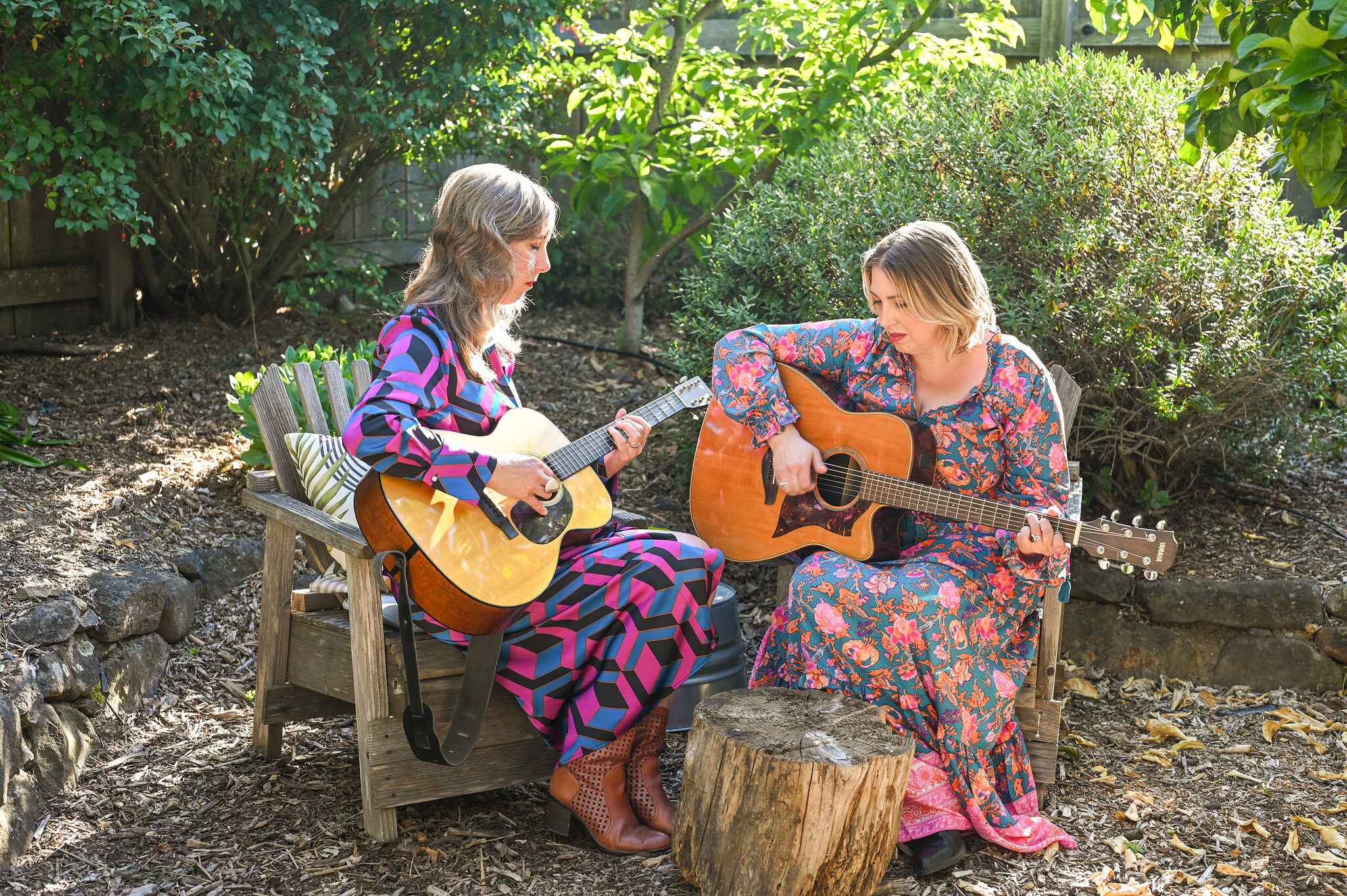
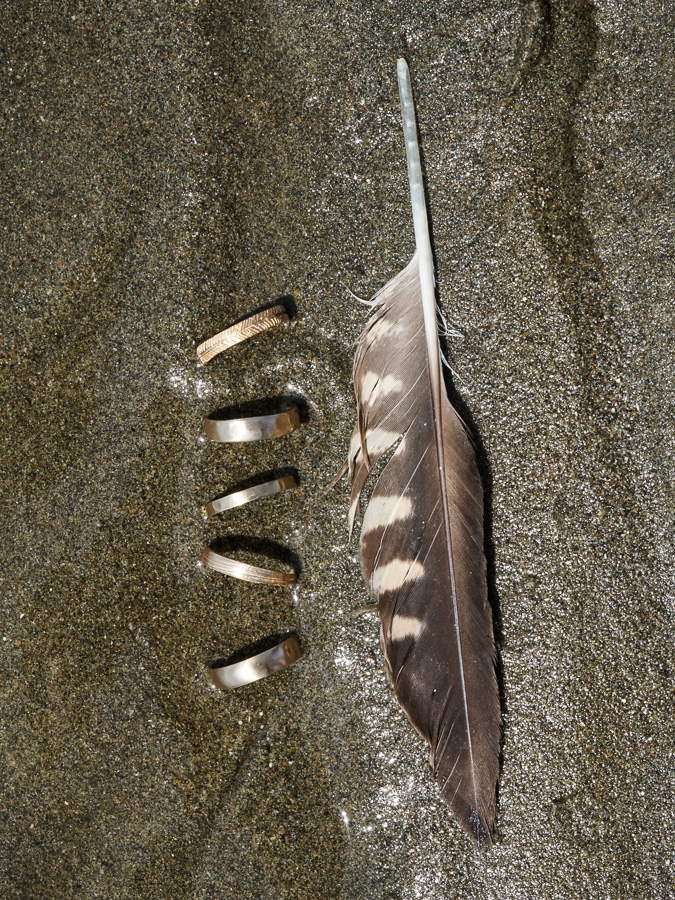
Image Credits
Jaime Eliza (image 4, 9)