

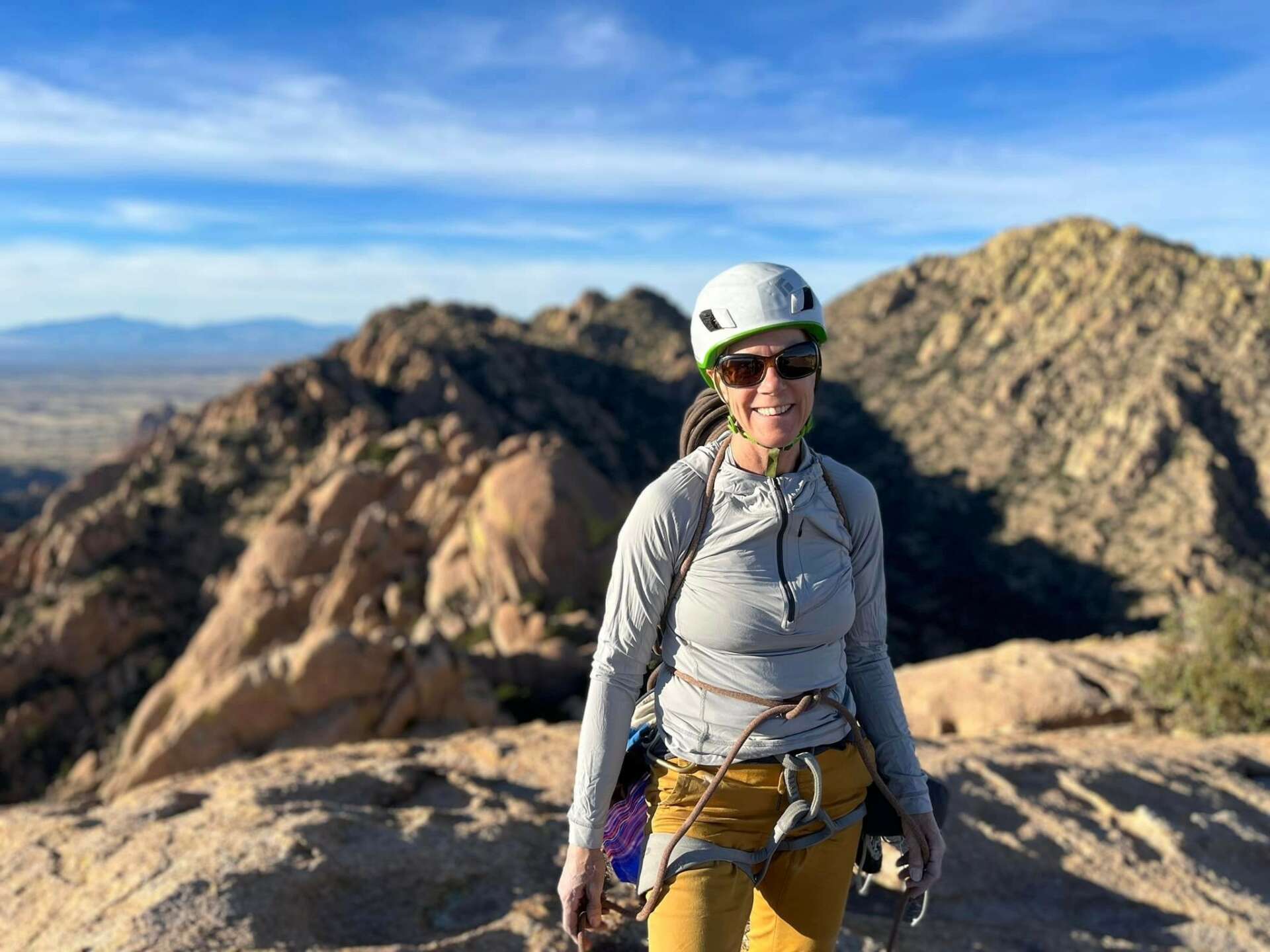

We recently connected with Kasandra VerBrugghen and have shared our conversation below.
Hi Kasandra, thanks for joining us today. We’d love to hear about the things you feel your parents did right and how those things have impacted your career and life.
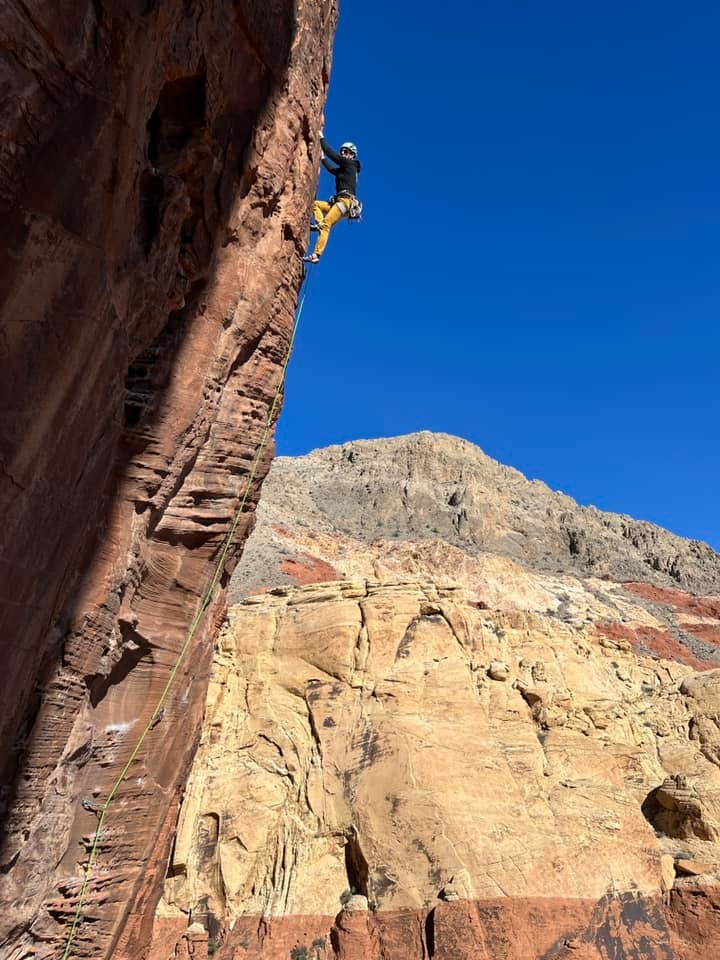
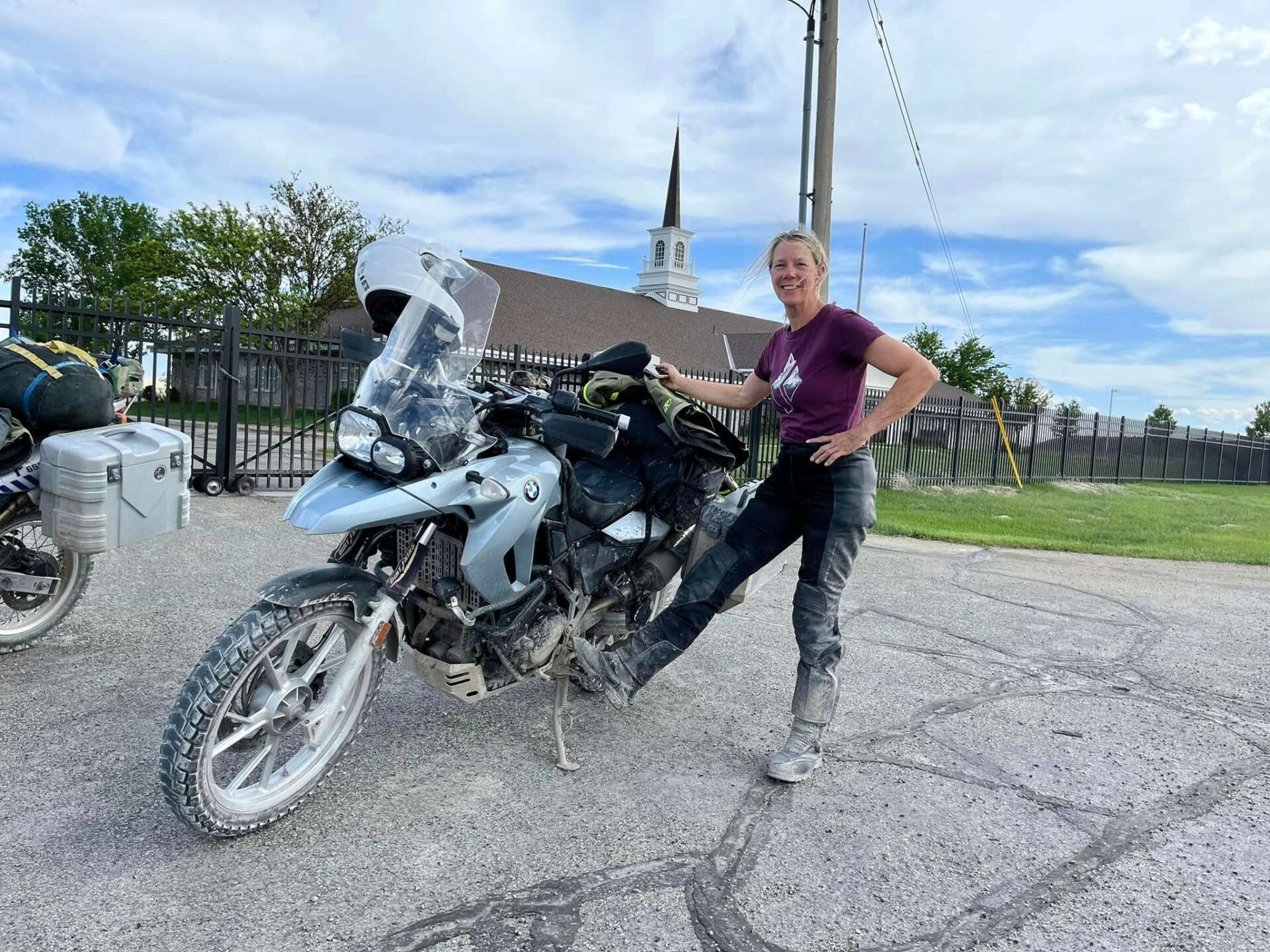
As Toni Morrison has famously written and continues to remind us of today, we are the story we tell of ourselves or we become the story that others tell of us. Her wisdom has always rung true to me. When I was born, I came out bouncing, literally, with so much energy and life that my father nick-named Boomer – a name that he called me until his death six years ago. I became an athlete at a very young age. Having been born in 1968, I grew up benefiting from Title IX. And although I think my father secretly wanted a boy but ended up with three daughters, he always told us that we could do whatever any boy could do, and we could be anything we wanted to be if we believed enough in ourselves. I ran track right along all the other boys. I played tennis right along all the other boys. I skied right along all the other boys. I rode motorcycles right along all the other boys. I raced mountain bikes. I took up climbing at age 20. To this day, I still do most of the things I always did as a young woman. I have lived my story – believing in myself and knowing others believed in me as well.
I mention my father as someone who definitely helped shape my story, but it was the women in my family who truly solidified it. I come from a strong lineage of women. My grandmother divorced her husband and moved her two girls to Sitka, Alaska in 1953, bought the general store, and raised her girls until they graduated from high school. She then moved to St. Croix, joining her sister (my great aunt), who lived on a sailboat with her husband, traveling around the world. These were the stories I grew up hearing, the stories that inspired me to be and do whatever and whomever I wanted to be.
As always, we appreciate you sharing your insights and we’ve got a few more questions for you, but before we get to all of that can you take a minute to introduce yourself and give our readers some of your back background and context?
I’m a GenX’er. And although my understanding of what that means continues to unfold to this day, I would say, that as a young woman finding my way in the 80s and 90s, I had to prove myself, work harder, be bolder and more assertive; all of which has required me to be more vulnerable as well. I have always supported myself, financially. I worked my way through both undergrad and grad school. I have grit. I have perseverance. “No” is a word with that I have always had a hard time accepting. If I want to do something, I find a way to do it.
My story continues to shape who I am to this day and will continue to help me make sense of my life well into the future. I do know that it has instilled a personal, lifelong ethic that has informed who am I professionally and has been a driving force behind my work. After I graduated from college in Tucson, Arizona, I taught GED preparation to women on welfare, women who struggled with addiction, and women who were homeless. By dissecting stories and issues facing their lives, they learned to think critically, believe in themselves, and get their high-school diplomas. My parents always instilled in me that education is power, and that is exactly what I instilled in the young women I worked with who were barely younger, if not older than I was at that time.
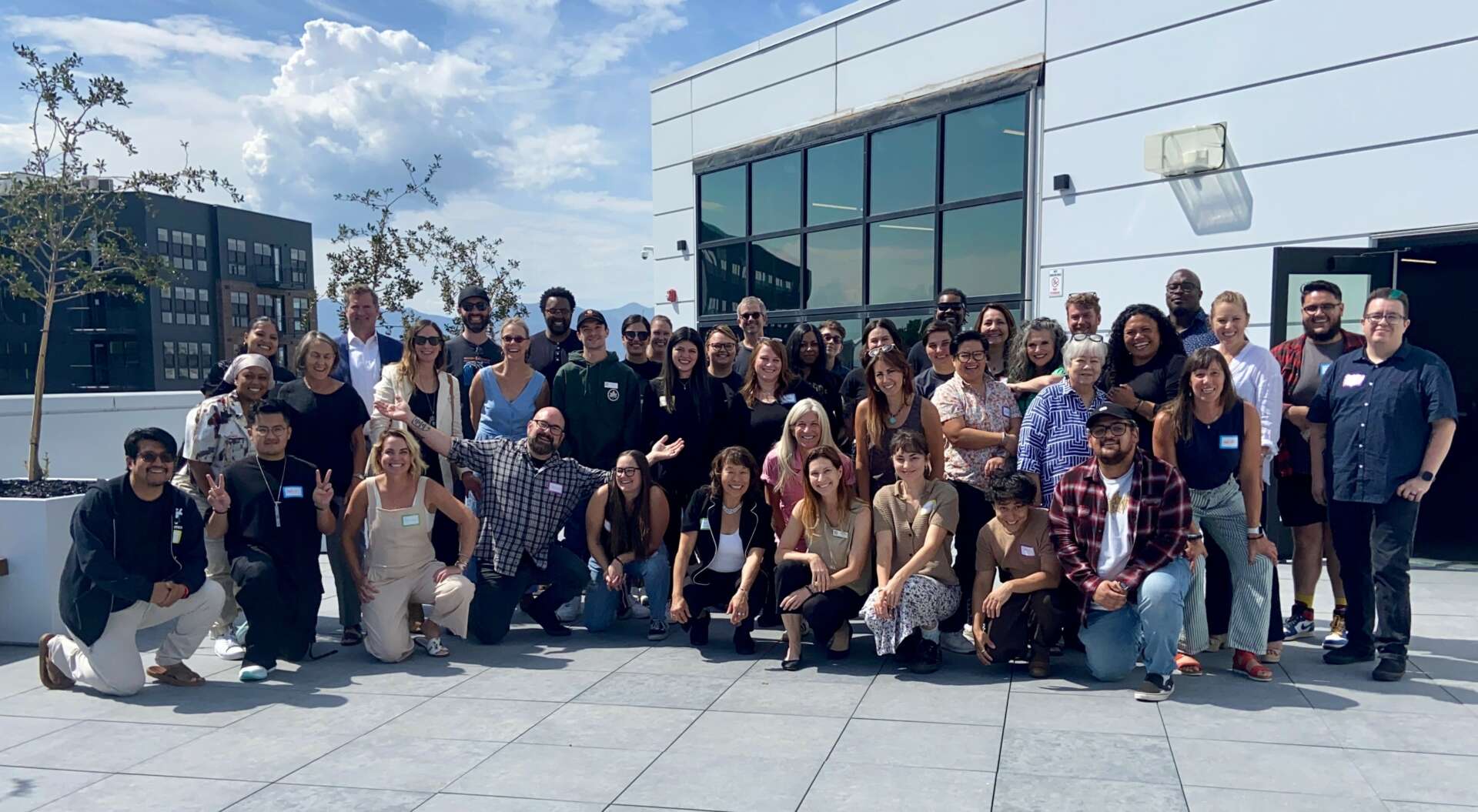
Fast-forward 30 years, and although my professional life has not always been linear, I have dedicated my work to helping others gain the skills they need to improve their lives. I am now the executive director of Spy Hop Productions, where I have worked for the past 15 years to empower young people through creative technologies and help them tell their own stories and shape their own futures. I have served on several local and national boards, including the National Alliance for Media Arts & Culture, Utah Women’s Forum, and the Utah Nonprofits Association.
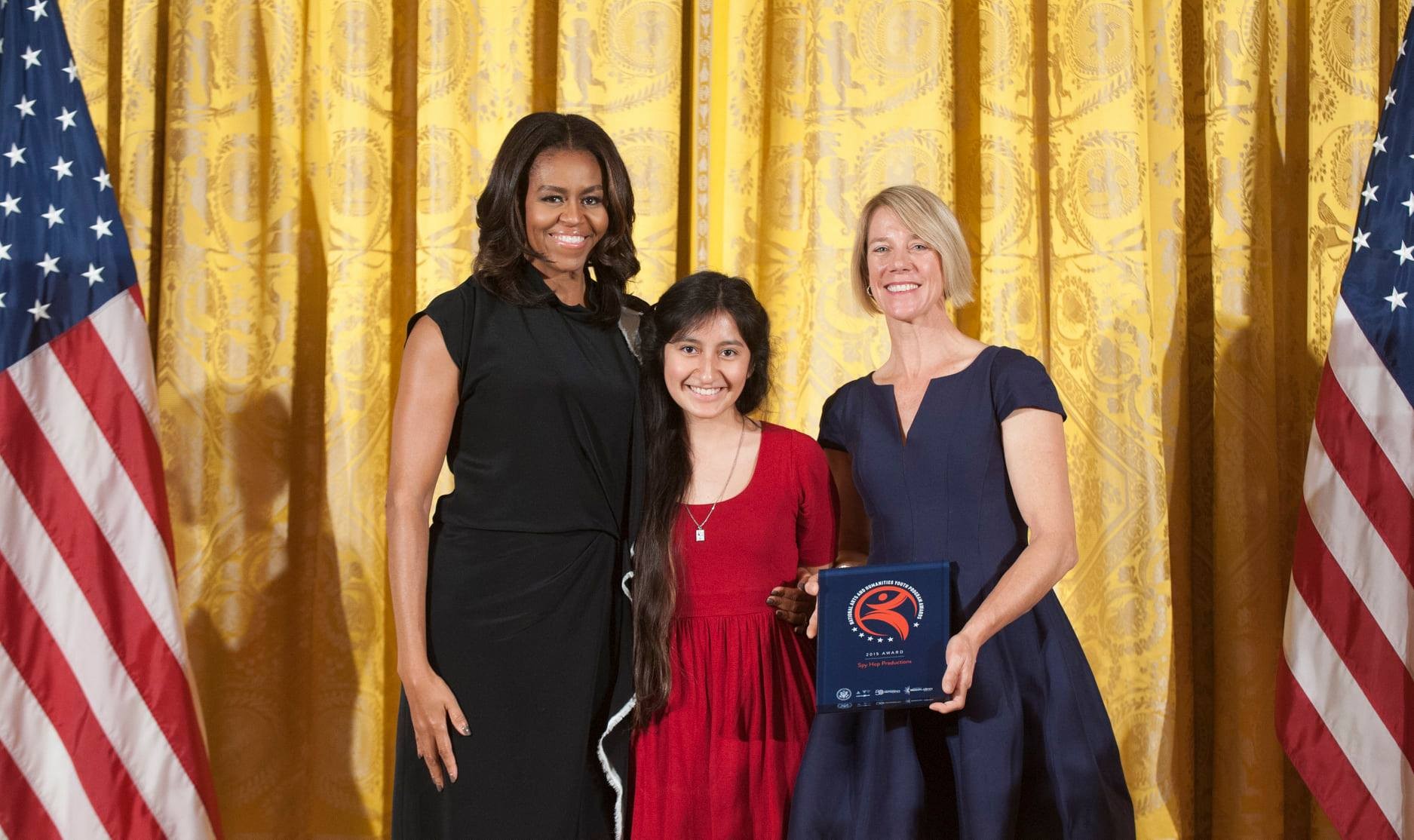
Much of Spy Hop’s work to empower the young people in our community led us to receiving the President’s Committee on the Arts & Humanities Youth Program Award in 2015. This was one of the defining moments in my career. One of our female audio-engineers and I traveled to the White House to accept the award from the First Lady Michelle Obama. That same year, I was also honored to receive the Utah Women’s Leadership Award for Film at the Sundance Film Festival.
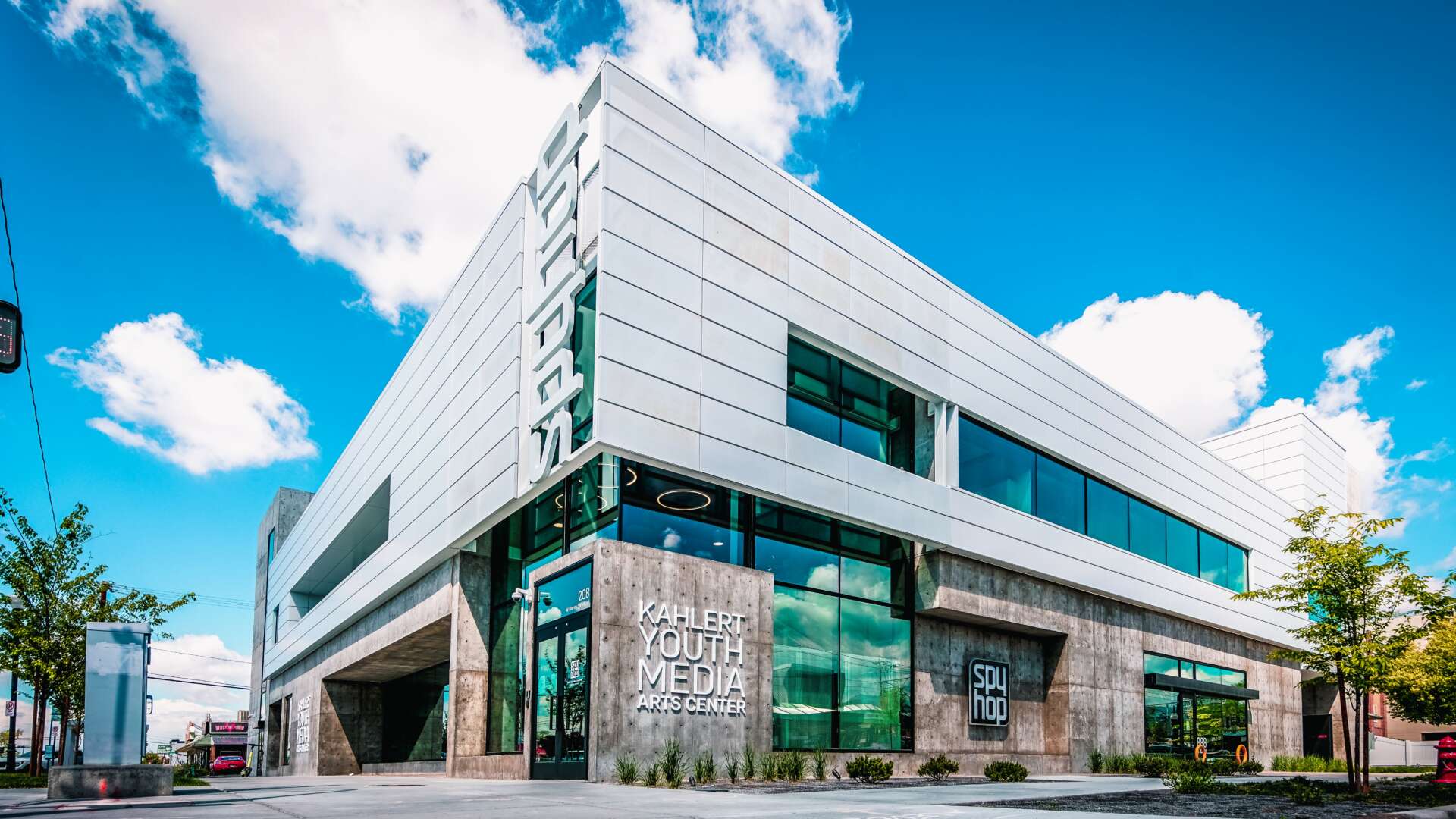
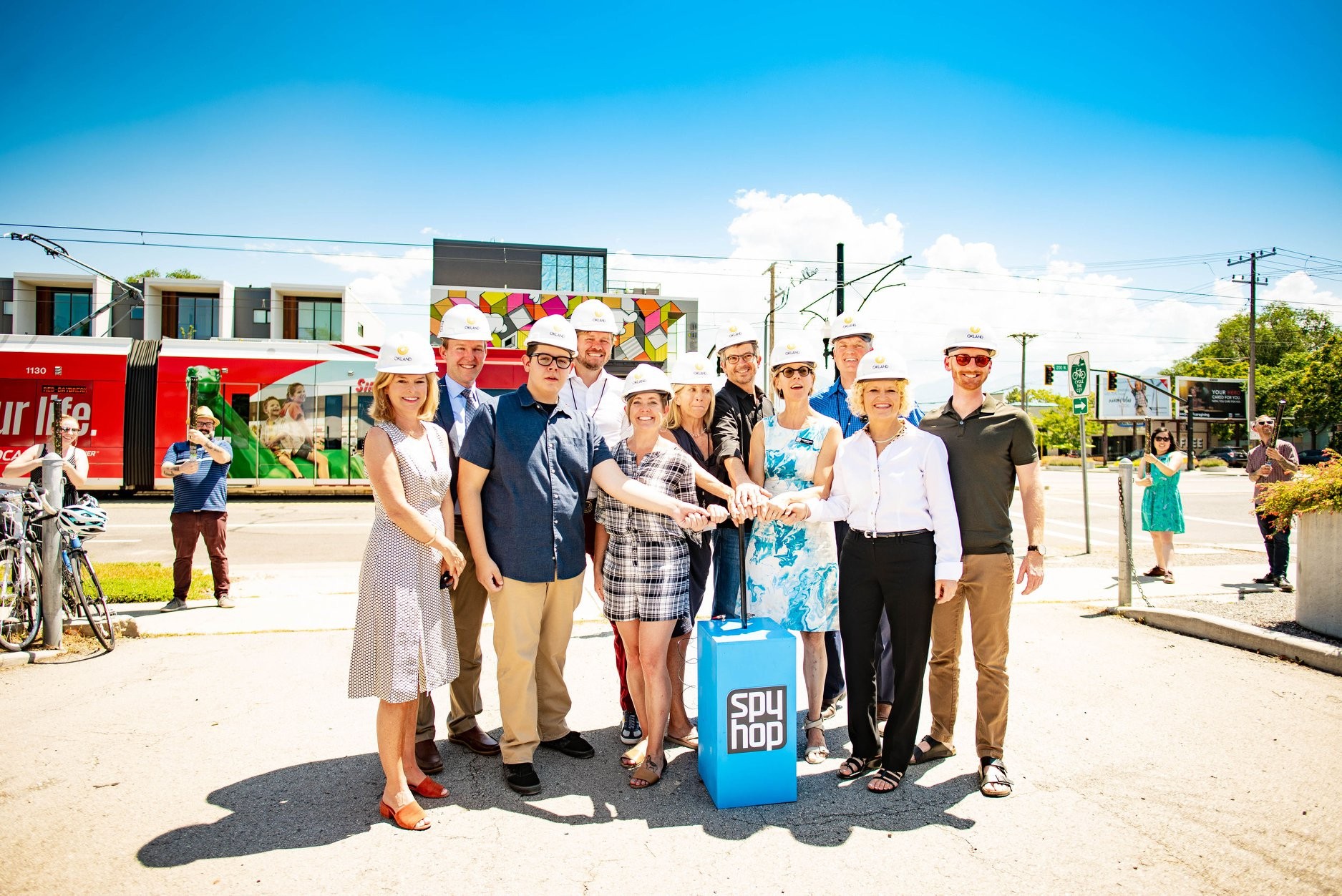
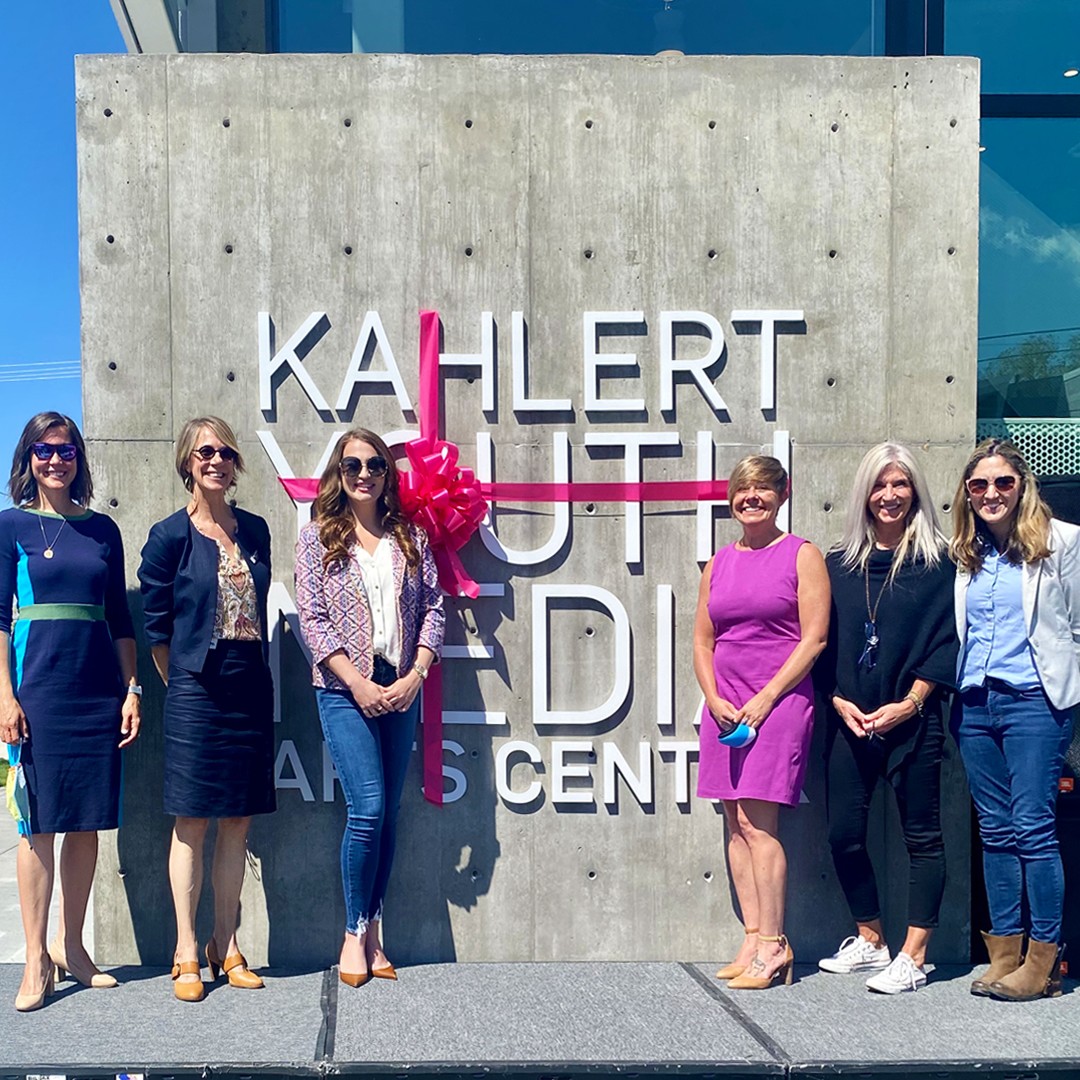
Probably what I’m most proud of in my career, however, is my work to build Spy Hop’s permanent home – the Kahlert Youth Media Arts Center in downtown Salt Lake City, which we moved into during the height of the pandemic in September 2020. This was a 10-year dream in the making that took an army of community champions and donors to make happen. We have the most incredible, dedicated board and staff that worked tirelessly to make our dream a reality.
Many would say that I am at the height of my career. Yet I continue to grow, both as a leader in my field of work and my community, and my story continues to unfold and develop as I continue along this journey.
Can you share a story from your journey that illustrates your resilience?
Like many, the Covid 19 pandemic really tested the limits of my resilience in the context of being the leader of an organization employing nearly 30 people. I felt a huge responsibility to keep them safe, healthy, and working during one of the most disruptive times in all of our lives. I will forever remember that Friday, March 13, 2020 when we made, what at the time seemed a hurried and scary decision to cancel our classes and all go home to keep ourselves from getting a disease we had never heard of. Little did we know that our “maybe two weeks” at home turned into nearly two years. At that time, as well, I was in the middle of a capital campaign to raise $10 million to build a new media arts center in downtown Salt Lake City; which we had broken ground on just a six months prior. Just after that day in 2020, Salt Lake also began experiencing a series of earthquakes. Mother Nature was super pissed at us; that’s for sure! And all of this was happening as the country was reckoning with our racist underpinnings, sparked by the murders of George Floyd, Breanna Taylor, and too many more to name. During these very disruptive and challenging times, I kept a keen sense of my north star in view – to continue to steward along an organization that serves an emerging generation by whom I have complete faith will transform our world for the better.
How can we best help foster a strong, supportive environment for artists and creatives?
In order for our society to best support artists and a creative ecosystem in which we all want to live, we must move upstream. We must nurture young creative minds; build an appreciation for creativity, imagination, and art; support an artistic pathway in school for young people; and foster a set of educational ideals that support them. And we must convince our policy makers and government officials that by supporting the this work, we will have an enduring creative economy that will strengthen and build our global success for many years to come.
Contact Info:
- Website: www.spyhop.org
- Instagram: spy_hop
- Facebook: https://www.facebook.com/spyhop
- Linkedin: https://www.linkedin.com/in/kasandra-verbrugghen
- Youtube: https://www.youtube.com/@SpyHop
Image Credits
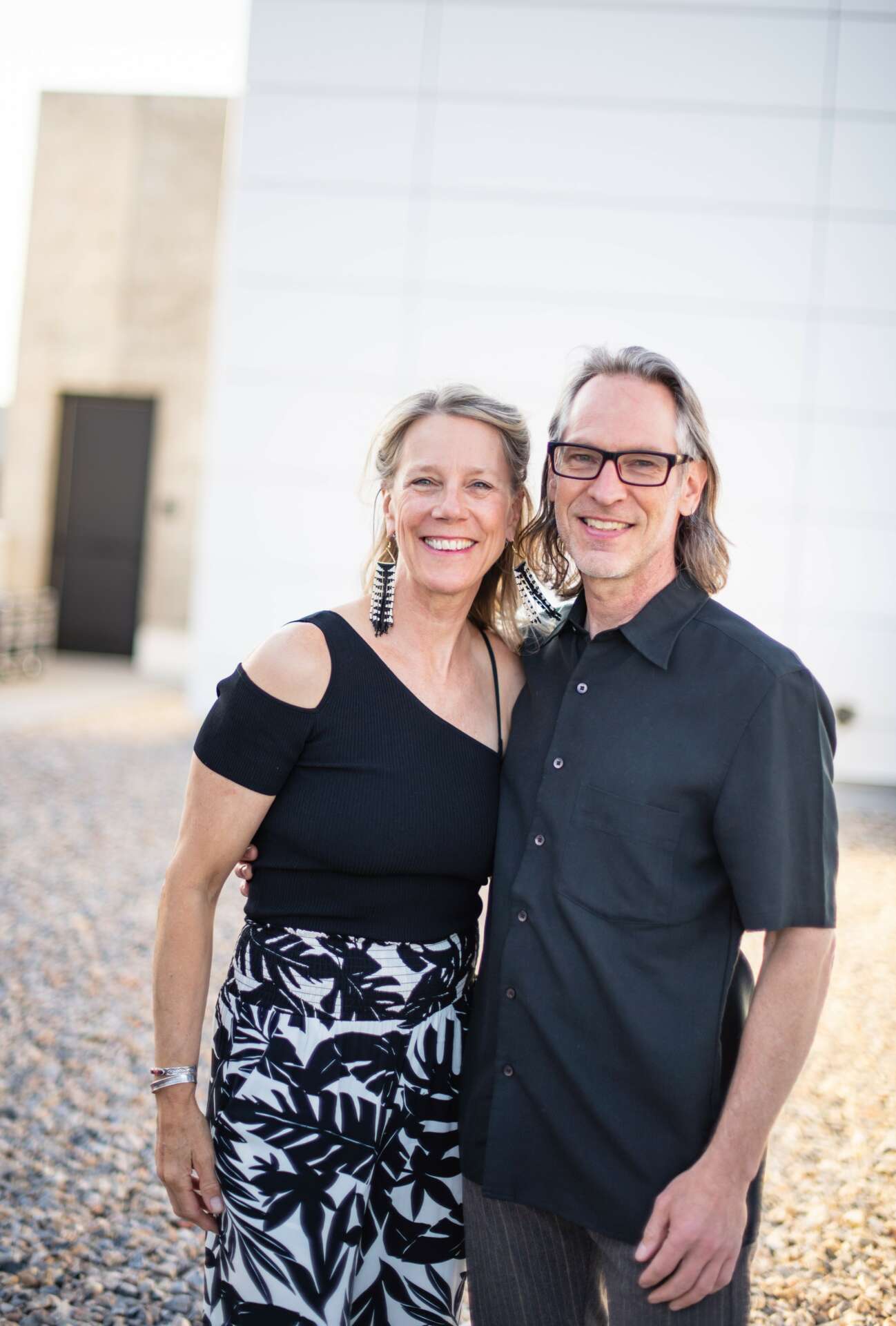
Spyhop Gala-2023-148 – Photo by Dave Newkirk