



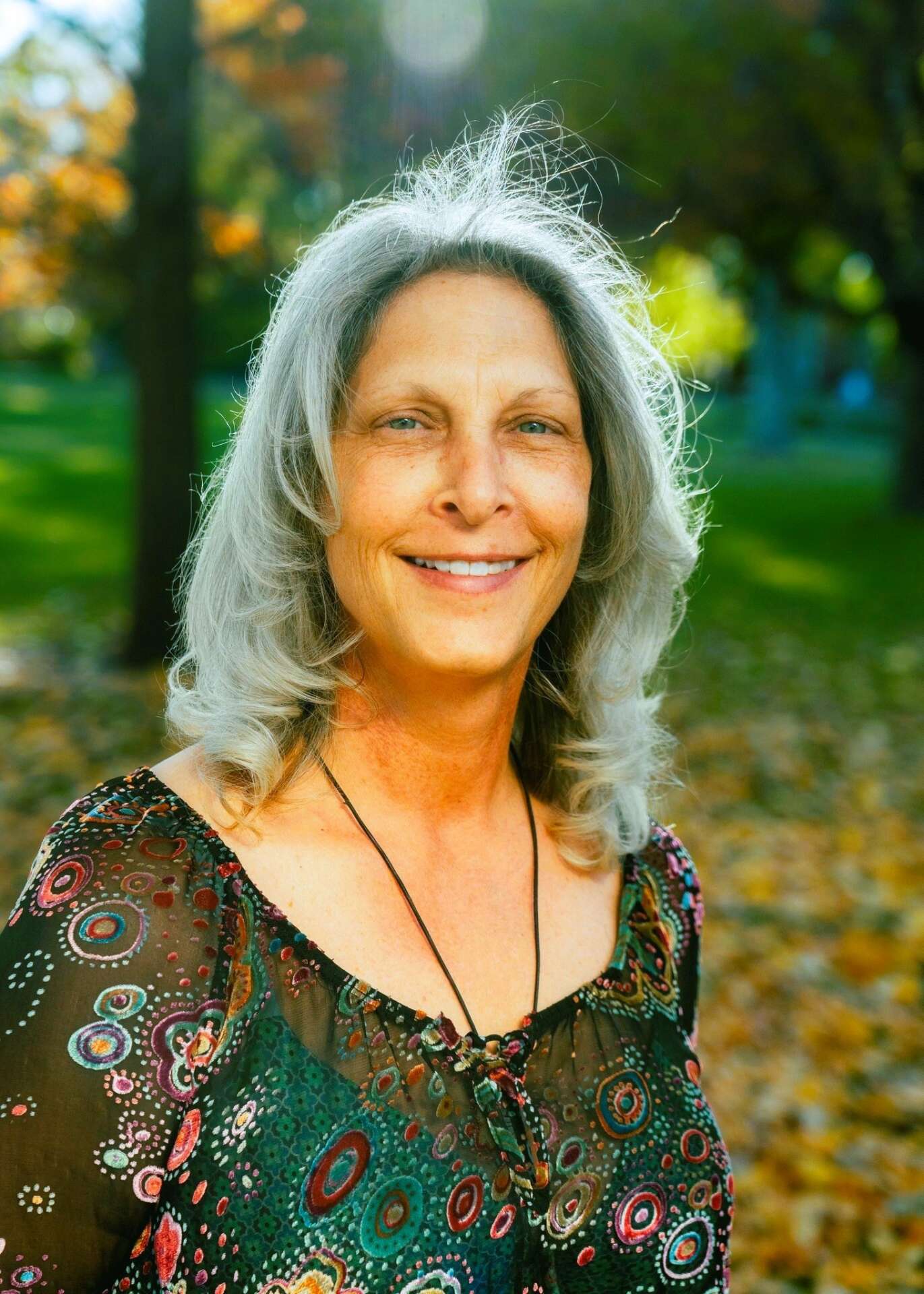
We recently connected with Karrie Hardin and have shared our conversation below.
Karrie, appreciate you joining us today. It’s always helpful to hear about times when someone’s had to take a risk – how did they think through the decision, why did they take the risk, and what ended up happening. We’d love to hear about a risk you’ve taken.
During my final year in music school, I learned about music therapy and Autism, and wanted to be a music therapist. However, I also wanted to work, instead of going to school even longer, so I took a position as a special education teacher. I loved it so much that I forgot about becoming a music therapist and intended to retire as a teacher. Unfortunately, our district experienced a wildfire in the area, and everything changed. Teaching special education is both rewarding and stressful, and many things combined to make my final year the year of teacher burnout for me. The stress caused me to not be able to eat and sleep, and my hair started falling out. My doctor gave me two weeks of sick leave and suggested I find another job.
I could not imagine doing anything else, so I started working at a local non-profit day program for adults with special needs and I also worked with a few private families. One of my clients had a weekly music therapy session that I attended, and I remembered exactly why I wanted to be a music therapist. Moving to another town to attend school wasn’t an option, and luckily, I didn’t have to! St. Mary-of-the-Woods College in Terre Haute, Indiana has a distance learning equivalency program that allows students to study where they live and attend a few on-campus residencies. I did my first practicum with my client and her music therapist, and after having a difficult time finding other music therapists in the area for clinical work, I decided to make a forty-year-old dream come true and moved to Colorado.
Living in Colorado had been my dream for many years, but I’d always wanted to be close to my family. At almost 50 years of age, I knew I was running out of time, so I packed my car and left for the mountains. I joined the Colorado Association for Music Therapy as a student, made some connections and friends, then after about one and a half gap years, I finished my clinical hours and internship under the supervision of several neurologic music therapists who learned about how music affects us on a neuro physiological level. Following internship, I began working with the company where I’d completed my internship and began as a research administrator with the University of Colorado School of Medicine. The study uses piano for patients with Parkinson’s and Huntington’s disease who are experiencing fine motor issues.
The pandemic slowed things down, of course, as I became certified as a music therapist in September of 2019, but we scrambled like the rest of the world and made it all work online, and in person with PPE. Finally, in 2022 I was asked to become the coordinator for the music therapy study and clinical research specialist with CU SOM, a position I had never imagined being in. It was a wonderful year of experience, and I loved the team, but I wasn’t able to do as much music therapy as I needed, so I left that position to move back to my rural hometown, and spread the word about music therapy in rural East Texas.
There are many opportunities for music therapy here, and the University of Texas at Tyler has a brand new school of medicine. Our hope is that we will make music therapy the standard of care for patients in the area, to develop a music therapy program of study at UT Tyler, and continue the Music and Medicine Volunteering program with students, faculty, staff, and alum.
Great, appreciate you sharing that with us. Before we ask you to share more of your insights, can you take a moment to introduce yourself and how you got to where you are today to our readers.
I am a Board Certified Music Therapist, music teacher, and music therapy researcher with Successful Sounds of Tyler, Texas. Before leaving Colorado, I served as Clinical Research Professional and lead neurologic music therapist at the University of Colorado Anschutz Medical Campus, and as both treasurer and chairperson for the Colorado Association for Music Therapy.
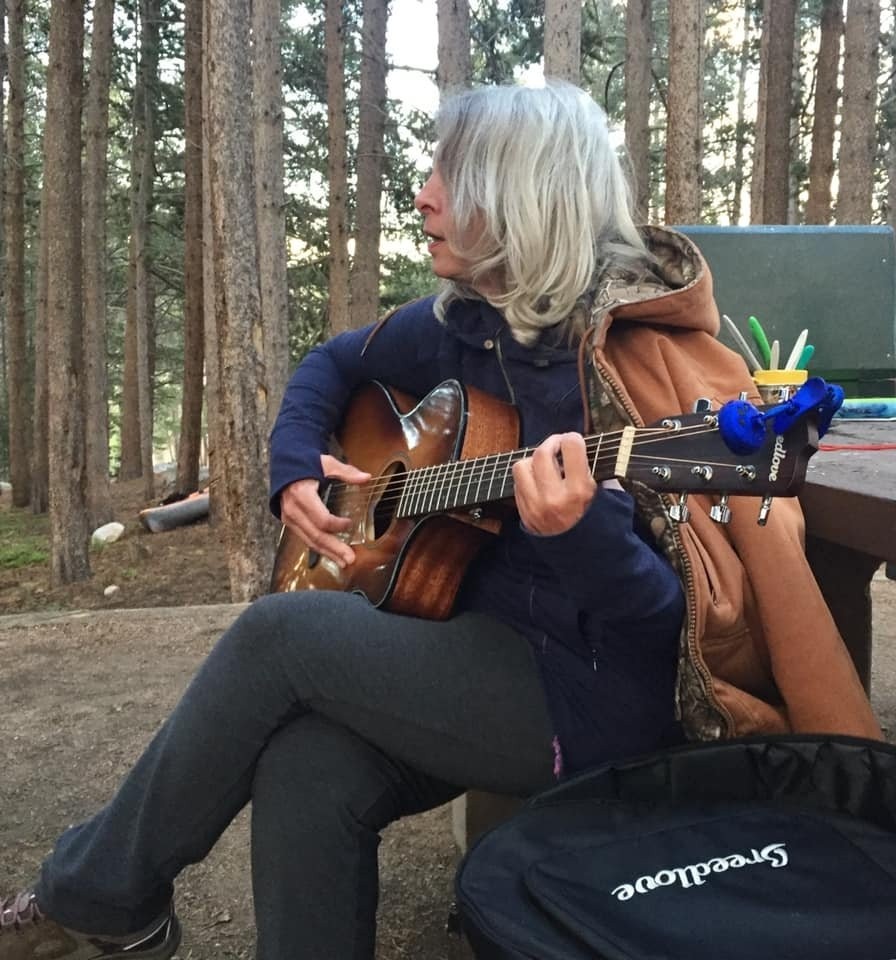
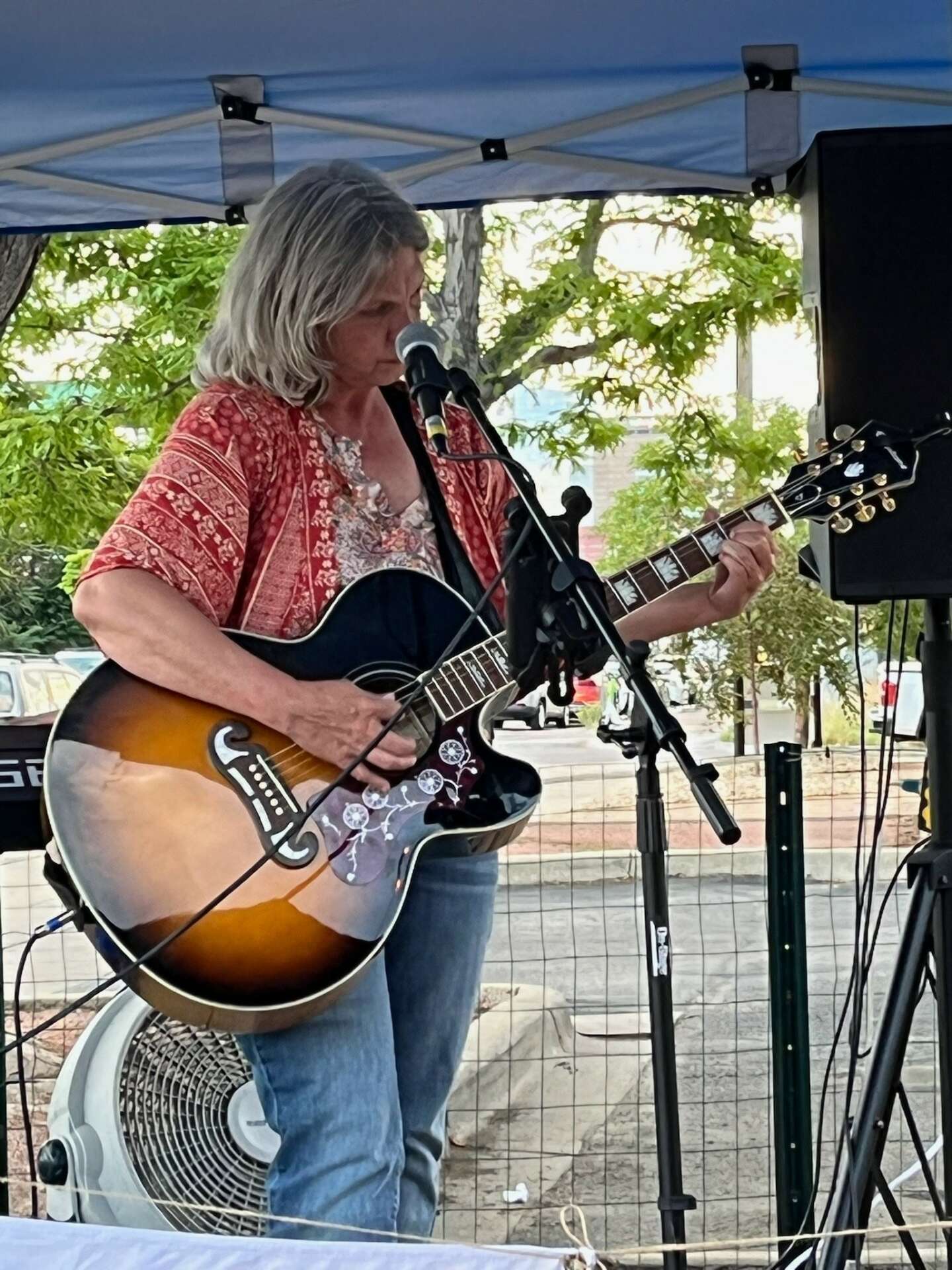
As a music therapist, I work with individuals, families, and groups, using music as a tool for healing, wellness, and neuro rehabilitation.
The project I am most proud of is “Parts & Pieces: An Internal Family Systems Approach to Songwriting in Music Therapy©”, which focuses on “parts work”, and combines other creative arts elements with songwriting. I have had the honor of presenting Parts and Pieces at the Colorado Behavioral Health and Wellness Summit, and am excited to present at the Colorado Art Therapy Association Conference in October 2023.
I am currently working with FND Hope USA to schedule a Music Therapy and FND webinar, and hope to develop a peer support group for Texans experiencing Functional Neurological Disorders. Another exciting project is with my piano instructor from undergrad, we are extending the UT Tyler School of Performing Arts and Medicine Outreach which seeks to educate patients and hospital staff about the benefits of music therapy.
The broader goal is for Music Therapy to become the standard of care for patients in our mostly rural area.
Can you share a story from your journey that illustrates your resilience?
I became a board certified music therapist in September of 2019, a mid-life career change following professional burnout. During the pandemic, I started having non-epileptic seizures, but didn’t really understand what was happening. I continued to work as much as I could, and started therapy with Mental Health Partners of Colorado, participating in their Moving Beyond Trauma program. I was able to make some changes in my life that made the seizures stop, reduced my stress, and make great progress in my recovery. It was at this point that I developed Parts & Pieces: An Internal Family Systems Approach to Songwriting in Music Therapy.
At first, I really felt like I was losing my mind, but I spent a lot of time working through my own past traumas through songwriting, and ended up using those skills with clients in private practice and at the eating disorder clinic, and it helped me keep my mind during a globally stressful event. I’ve continued to study IFS and will be presenting my songwriting workshop in Colorado for the Art Therapy Association Conference, 2023.
Do you think you’d choose a different profession or specialty if you were starting now?
if I could go back in time, I would have become a music therapist much sooner! I let performance anxiety keep me from pursuing my current career early on, and though I value the teaching experiences I had, my life could have been much richer if I’d faced my fears sooner, rather than later. Studying music therapy has helped me learn so much about myself and others, and I wish I’d had that as a younger person.
Contact Info:
- Facebook: https://www.facebook.com/SuccessfulSoundsOfTyler
- Linkedin: https://www.linkedin.com/in/karrie-hardin-0a892722/
- Youtube: https://www.youtube.com/channel/UCcF6uqW8E8jfuK3DLswgjhg