



We were lucky to catch up with Karl Neumann recently and have shared our conversation below.
Alright, Karl thanks for taking the time to share your stories and insights with us today. We’d love to hear about a project that you’ve worked on that’s meant a lot to you.
As a researcher and designer, I work on a smartphone app called Soluna that is free for 13-25 year olds in California to support their mental wellbeing. My work is at the intersection of the science of psychology, software/technology, and design that makes for fascinating and meaningful projects
Whether it’s understanding how to frame a screener about symptoms of anxiety & depression or a way to help young people find support from local resources for things like housing and healthcare, this work makes a real mark on people’s lives and is the most useful for those who are marginalized or are most in need of support
This local resources work was particularly meaningful because it’s a way to get young people into the healthcare system via referrals, connected with non-profits that support the specific thing they’re struggling with, or even calling for help if there is some kind of emergency or scary situation that they need help with. And most of all, remember, this is a FREE app that the government of California has already paid for (and it will hopefully expand to other states soon!)
Awesome – so before we get into the rest of our questions, can you briefly introduce yourself to our readers.
I am a user experience (UX) researcher who also has experience in design and content. However, if you don’t know what “UX” is, that’s ok, it’s ironically a little hard to interpret without context. I like to say that “if the research isn’t from the ‘UX’ region of France, it’s just sparkling ‘product’ research. The difference is that user experience focuses on the PEOPLE who might use the products instead of the products themselves. This means that my work is all about lining up what real people in the real world actually want with what companies make. This could be early on before something is ever created to understand desires/needs/expectations OR after something is fully baked to test it and see how it could be iterated on
My work involved many methods such as surveys, metrics, interviews, focus groups, and much more. It’s always presenting new creative challenges and also is always an exercise in empathy for the people who will be on the other side of the screen who use our technology.
I also have my own personal website which details the work that I’ve done before joining Kooth — www.karlneu.com. But that only tells part of my story because I’m also a musician and producer in my free time, with my beats, tracks, and experiments ending up on Soundcloud to be shared with anyone who is interested (https://soundcloud.com/and_so_what). I go by the artist name ‘AND SO WHAT’ and my musical practice is very much coming from a background in jazz, playing piano, drumming in bands throughout my youth, and being a hip hop nerd.
My biggest inspirations in terms of production are probably MF DOOM, Flying Lotus, the Alchemist, Madlib, and Nujabes. However, the beautiful thing about creating stuff just for the sake of it is that I don’t have to worry about it being marketable or perfected. Basically all the music we listen to nowadays has been perfected beyond any human’s ability; whether it’s pitch-correction, timing-correction, splicing multiple takes together, or putting dozens of minds together for a single song, it feels like we’ve lost touch with the way music has been for 99.9% of human history: just people messing around with instruments and having fun. As I like to say, the operative word in music is “play” and I don’t think we have nearly enough play going on when folks try to make or put out music.
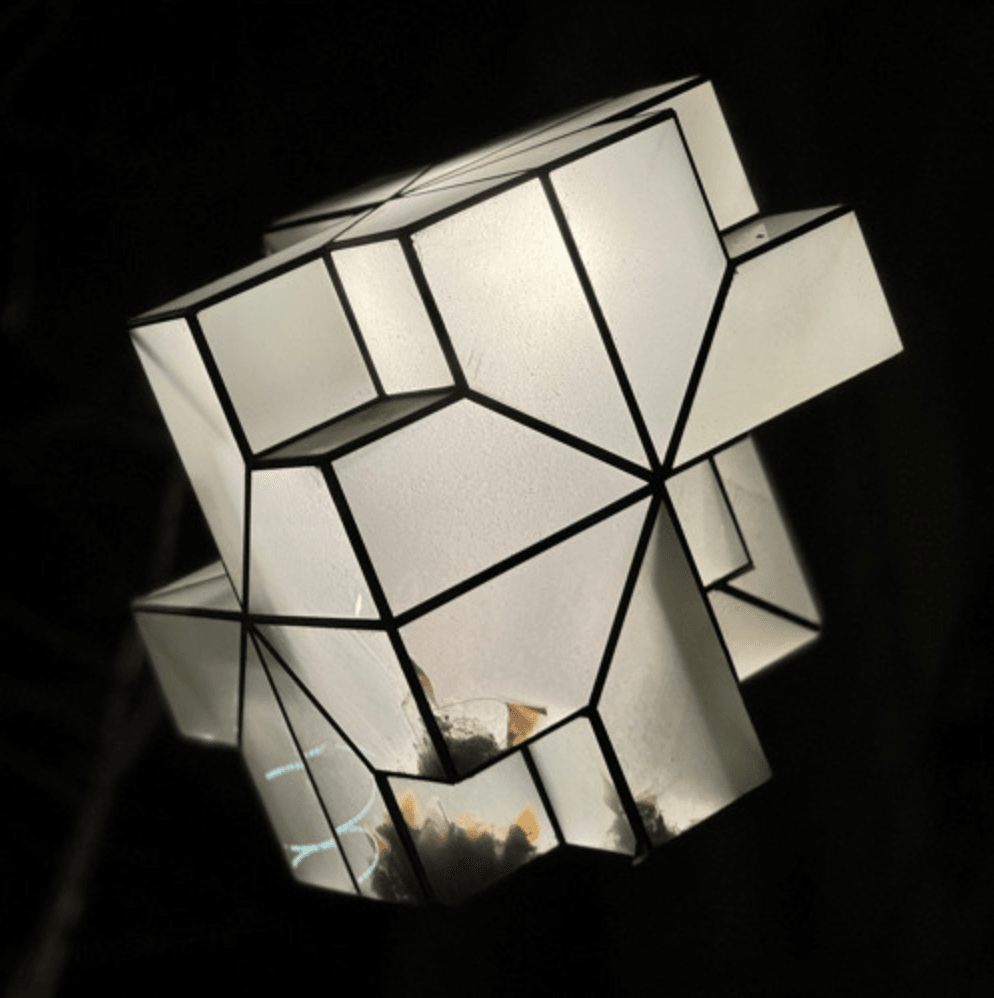
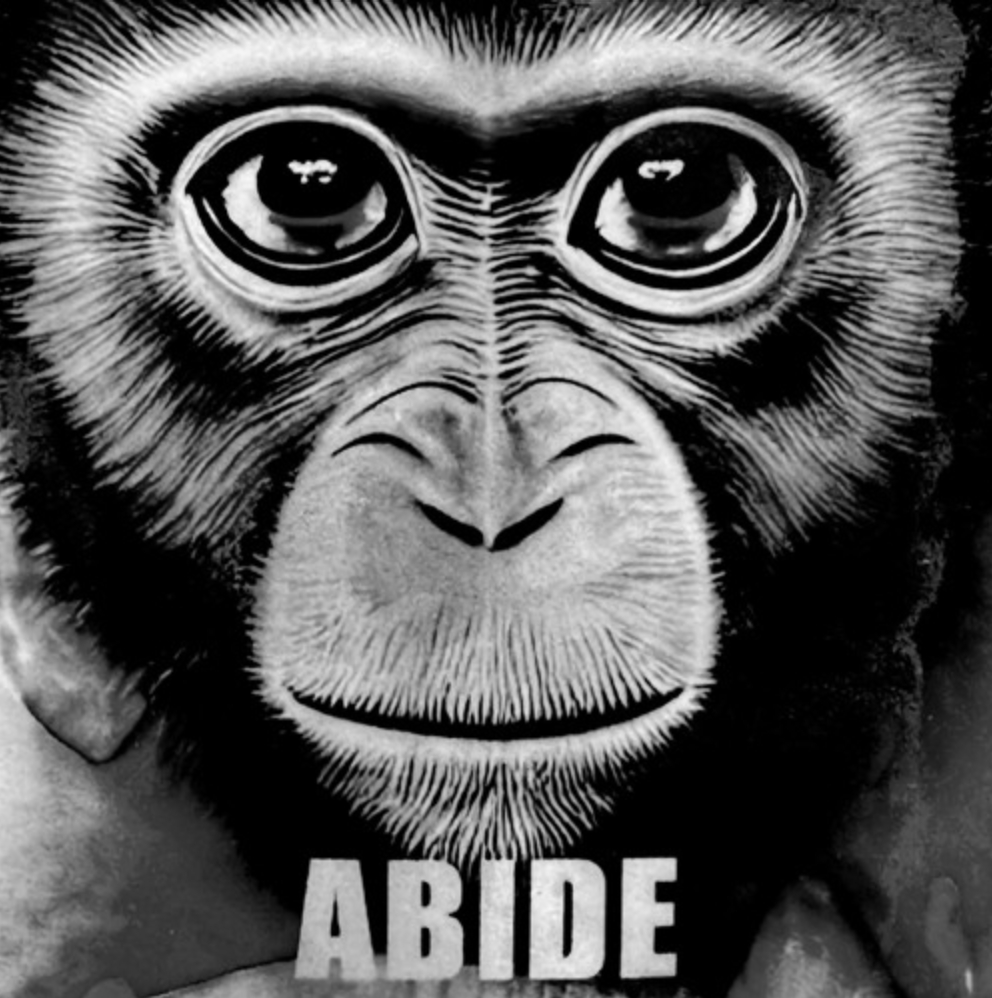
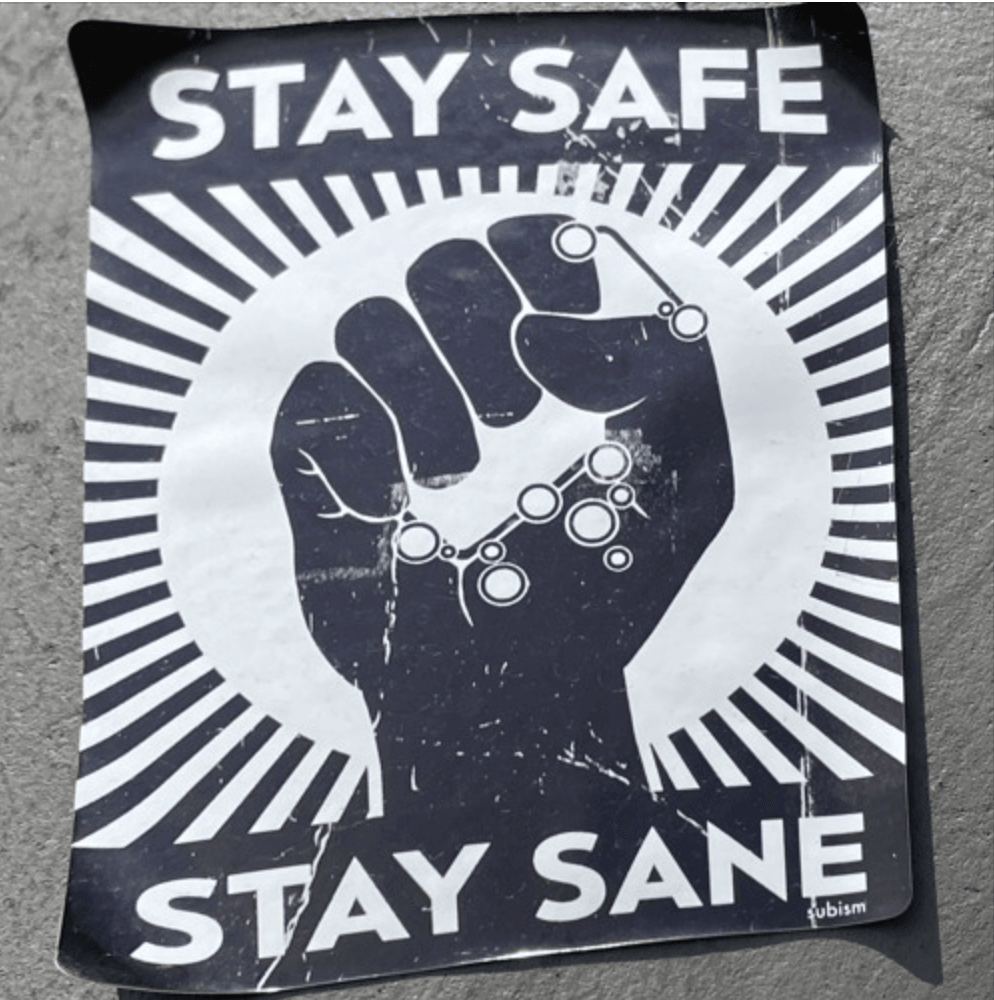
I also mix my photography into my music production by making each track correspond with an actual sign/sticker/design out in the world that I have taken a picture of and edited. This is meant to have a consistent theme — such as in my “It’s A Sign” series of EPs in homage to MF DOOM’s “Special Herbs” beat series — while also playing with the idea of sampling real-life things and recontextualizing them to make something new. My dad is a prolific photographer and my mom is a prolific mosaic artist and my sample-driven beatmaking and tracks are inspired by both of their own artistic practices in my own way. Music is the opposite of “work” to me. It’s a way to play, experiment, and a refuge from the rest of life that can be done by myself or with collaborator. And please hit me up if you want to do something with one of my beats!
Can you tell us about a time you’ve had to pivot?
UX research wasn’t always my path. In fact, I didn’t go to school for design or technology but instead for psychology, neuroscience, and philosophy. After I finished my undergraduate degree with a focus on music and pain psychology, I started as a clinical researcher in Los Angeles at a startup called Vitality Biopharma (now Range Impact Inc). But after that startup arm had the plug pulled from by investors, I was left wondering what I was going to do with my life. I realized that getting closer to working with the tech that powers our lives would mean being part of building the world I wanted to see (even after so many tech companies have built products that merely extract as much value as they can from us). After 5 months of struggling with unemployment in Los Angeles, I had 3 job offers: one at a big healthcare consultancy for a lot of money (but it was oh so boring and corporate), another job at Stanford Medical School as a staff researcher studying cancer pain in kids (really heavy, but really important), and a UX researcher role at a silicon valley startup called Memora Health. In fact, the UX researcher role at Memora was something that wasn’t posted but that I negotiated based on the needs I saw for the firm as well as my skillset and it turned out to be the best decision I ever made to kick off my career in UX.
Even though the UX researcher paid the worst out of the 3 roles, the startup job meant the career path that I wanted and equity in this young exciting company that was doing conversational AI in healthcare back in 2019 before it was cool. Plus, at Memora, I learned about design, product, implementations, client management, metrics, and so so much more.
Morals of this story are:
1. Always be open to a pivot
2. The best jobs are often never posted and are up to you to find
and
3. Sometimes taking the role which has less prestige or pay can be good for your long-term goals
Are there any resources you wish you knew about earlier in your creative journey?
The #1 resource I would recommend anyone trying to get into UX or really any tech career is called ADPList (https://adplist.org/): it’s a free mentorship website that is an amazing way to speak with professionals who can guide you along a path and give you sage advice
I once paid over $100 for a Google UX researcher’s time and they were less prepared and less useful than the FREE conversations I’ve had at ADP list!!
Plus, you can start to develop your network which is another very important part of finding a job whether you like it or not. Knowing someone and being recommended as a human for a job is so much more powerful than just being a resume among a pile of resumes.
Contact Info:
- Website: https://www.karlneu.com
- Linkedin: https://www.linkedin.com/in/karlneumann/
- Soundcloud: https://soundcloud.com/and_so_what
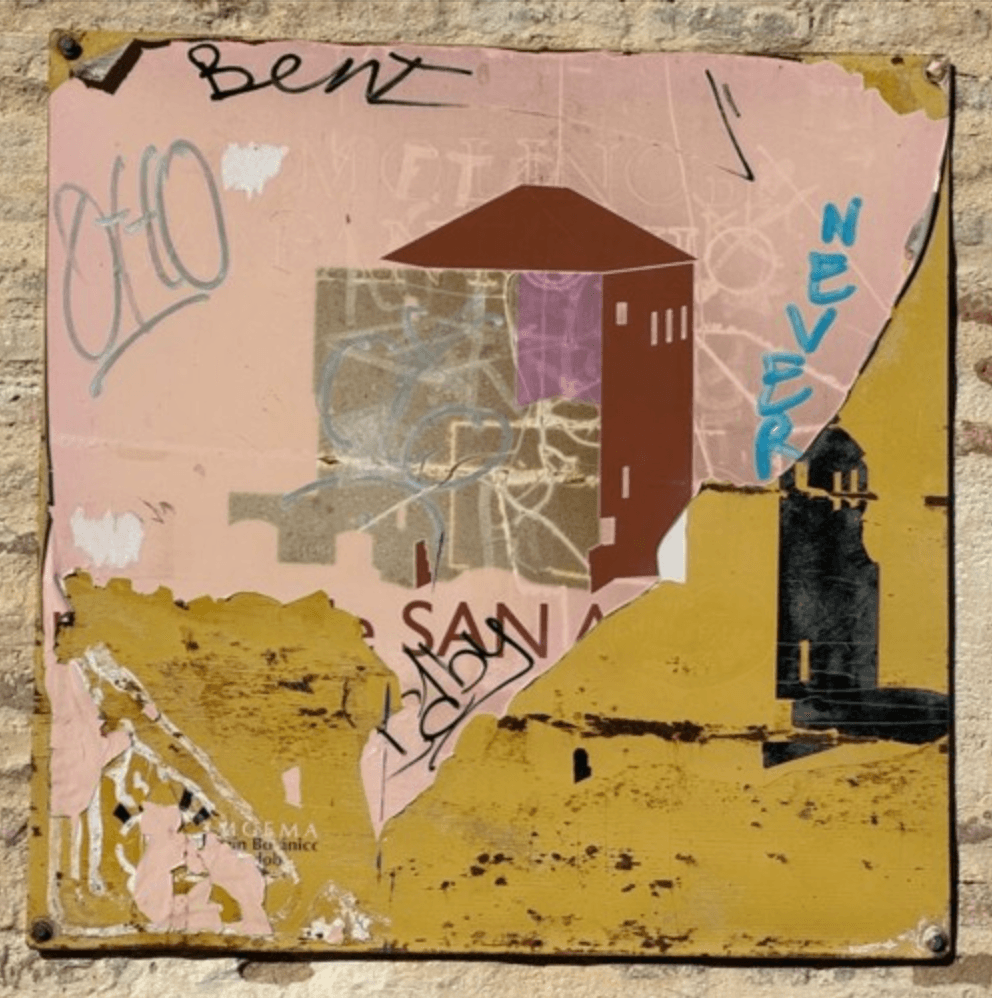
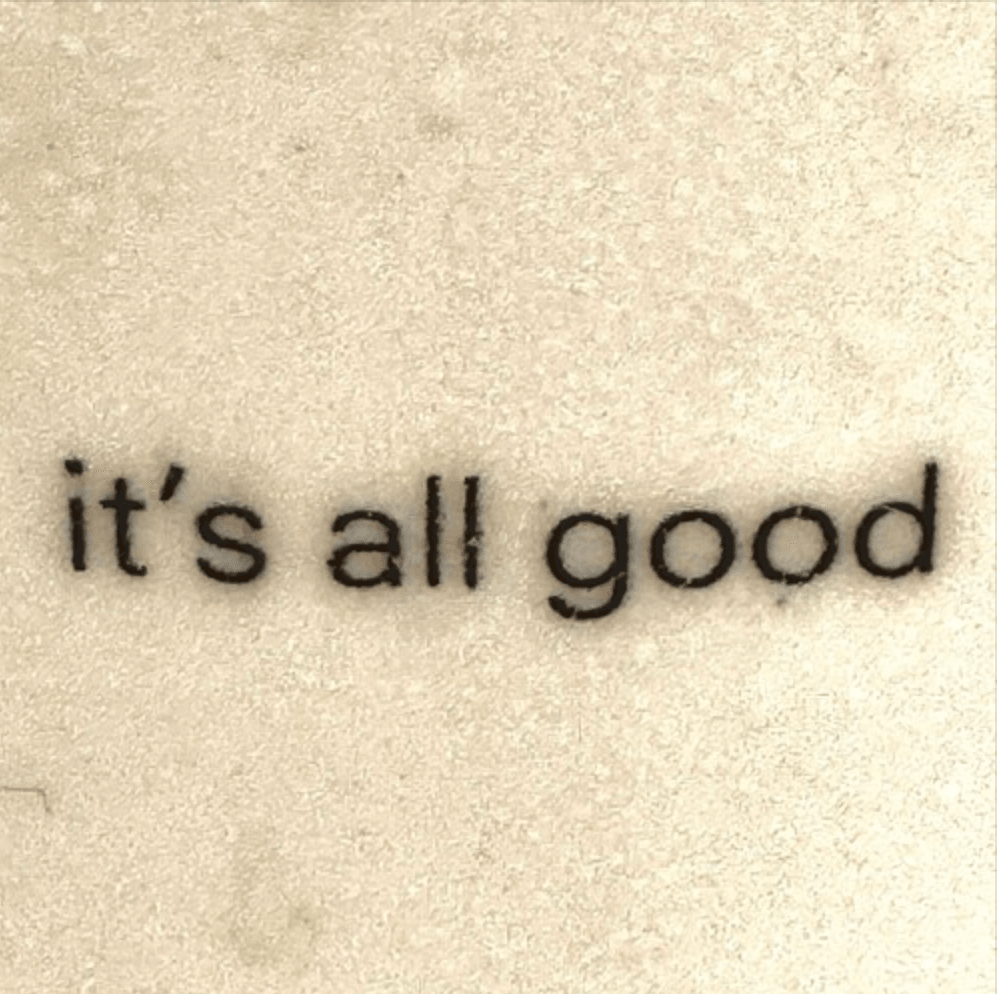
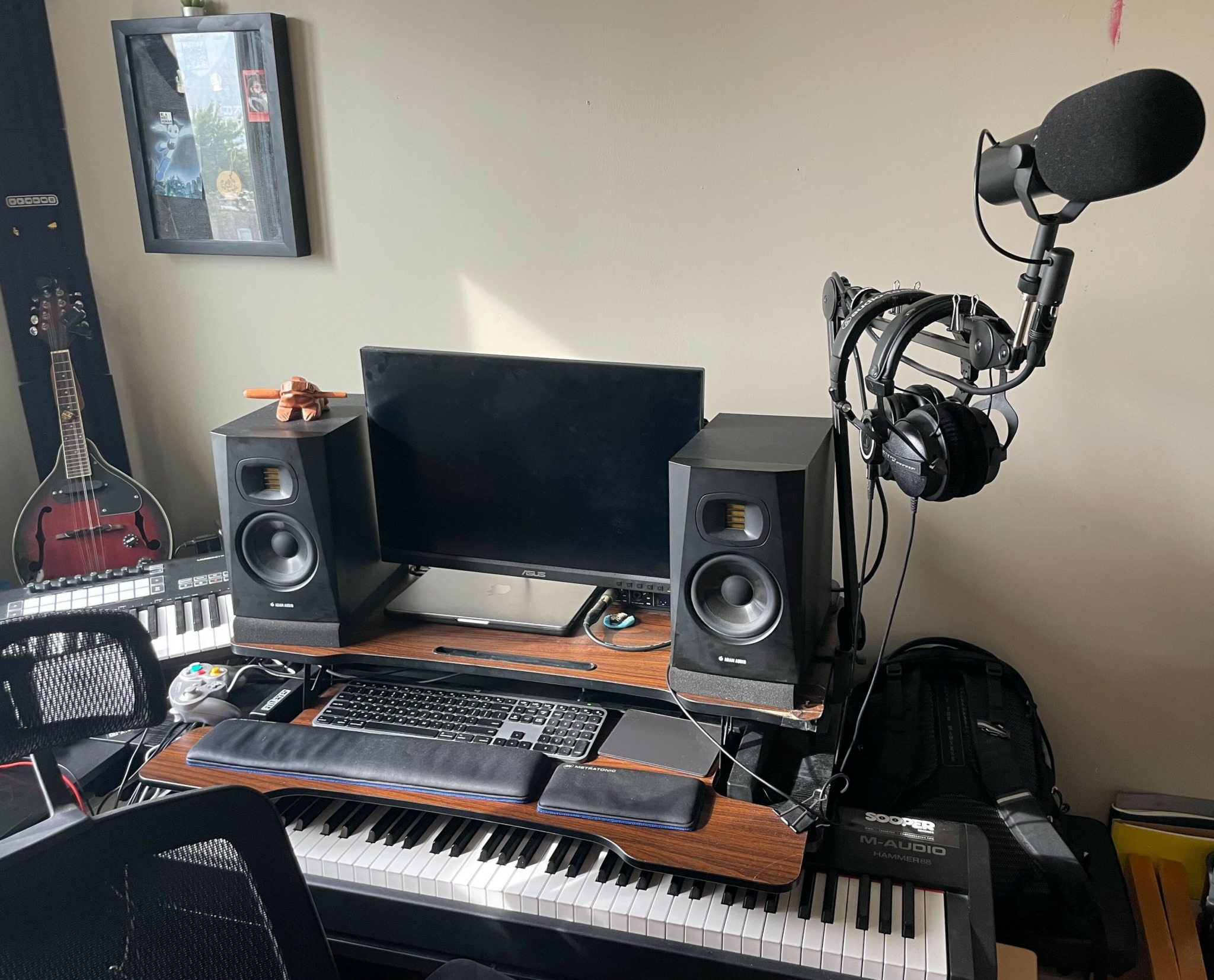
Image Credits
Karl Neumann