



We’re excited to introduce you to the always interesting and insightful Karishma Devnani. We hope you’ll enjoy our conversation with Karishma below.
Alright, Karishma thanks for taking the time to share your stories and insights with us today. What’s been the most meaningful project you’ve worked on?
The most meaningful project that I have worked on are the last two projects that I worked on. One is called – Avarice, which talks about greed and the other one is called – Lost Lullabies, which is a proof of concept for a feature film and talks about domestic violence & toxic parenting.
The reason why Avarice is meaningful to me is because
1. I have immense love for Horror/Thriller films.
2. I have always wanted to be a part of a film that talks about greed in a new and fresh way which is what this film does.
Very early on in life, be it through experiences or books – I had learnt that excessive of anything can lead to something very unexpected and dangerous. I was extremely grateful to be a part of this project because not only did I get to tell a story as fascinating as this one but also do a project that held some meaning to me.
The reason Lost Lullabies is meaningful to me is because, as a survivor of domestic violence, I have always wanted to start a conversation about how it affects children which they grow up watching their parents go through it or have experienced it themselves. And as an asian it is also a first step to initiate an open conversation within the family about mental health, domestic violence and healing instead of not sharing our stories. I truly believe that one the ways of confronting our traumas is by sharing our stories.
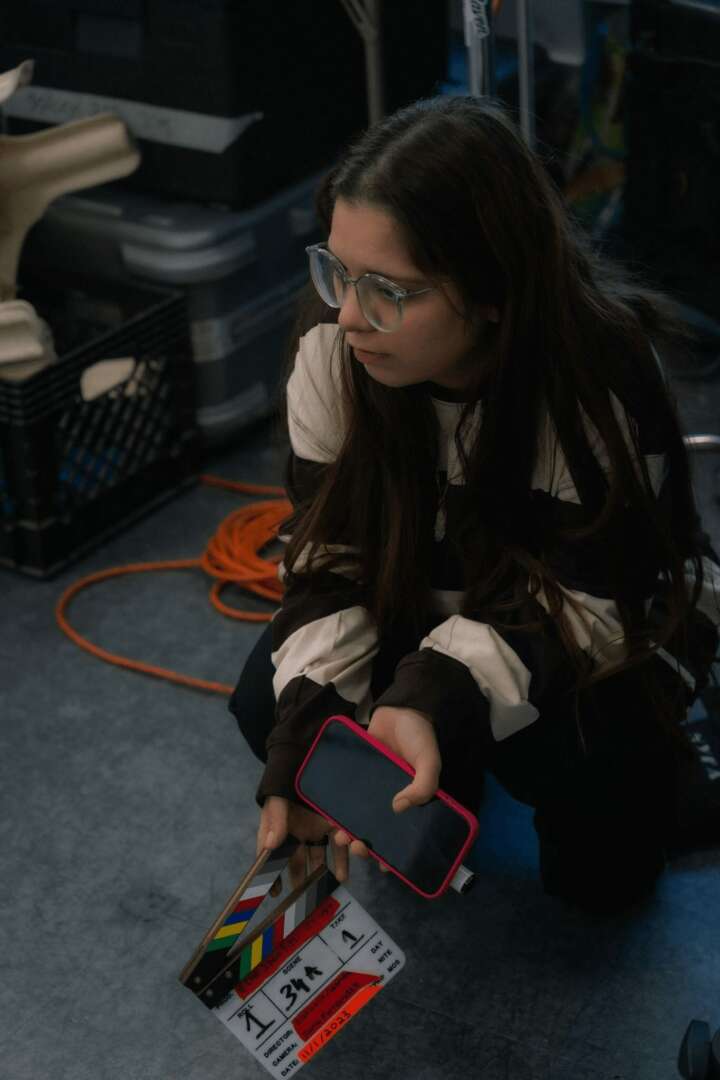

Karishma , before we move on to more of these sorts of questions, can you take some time to bring our readers up to speed on you and what you do?
I am an editor and producer but I also take part in various aspects of filmmaking like: AD-ing and production design. I have always loved storytelling. I started off by reading books and spent most of my time reading books, trying to dissect how stories can be told. That’s when I also discovered movies – I started off with watching Bollywood movies. I was 13 when I started wanting to be a part of the film industry, however, my parents did not like that idea because they wanted me to be an accountant or a lawyer because at that point of time, filmmaking was not an actual job or rather a stable one. I thought to myself if I cannot get into filmmaking I would like to at least be creative in some ways. So, I started learning softwares like iMovie, premiere pro, photoshop and photoscape (if you know, you know). Started painting more, listening to more music and discovering what other mediums can be used for storytelling. I used to make these birthday videos for my family and give them as a present when I was teenager since I didn’t have anything else to give them. While creating those videos I realized that I wanted to write more and eventually I started writing poetry.
After my 12th I was going to opt for journalism because it felt like that was the closest I could get to filmmaking but never went in for journalism to college. Instead, I applied to a film school and did my undergrad in film editing and direction. After 4-5 years of conflict between family and I, they finally gave in. They realized that I was very serious about being a filmmaking. After graduation I worked as an editor for various companies in India until I finally found out my curiosity about the producing side of the film industry. I wanted to learn more skills when it came to filmmaking and get better each day which is why I decided to come to the US for my masters at the New York Film Academy for Producing.
I have produced over 12 short films and have edited various short films, commercials, documentaries and interview videos. I love every form of filmmaking so I try to get my hands on as much as I can which is why I also worked as an AD and Production Designer in a couple of short films and want to continue to try everything in filmmaking. I enjoy doing projects that are collaborative, meaningful and help me grow. Projects that break stereotypes, talk about diversity, mental health and give the audience something by the end of it. I am a very emotional person and in very film I watch or am a part of I try to get something out of it meaning I try to learn something from it and I think that’s what sets me apart because I want to make projects more meaningful, Something that leaves an impact no matter how small or big it is.
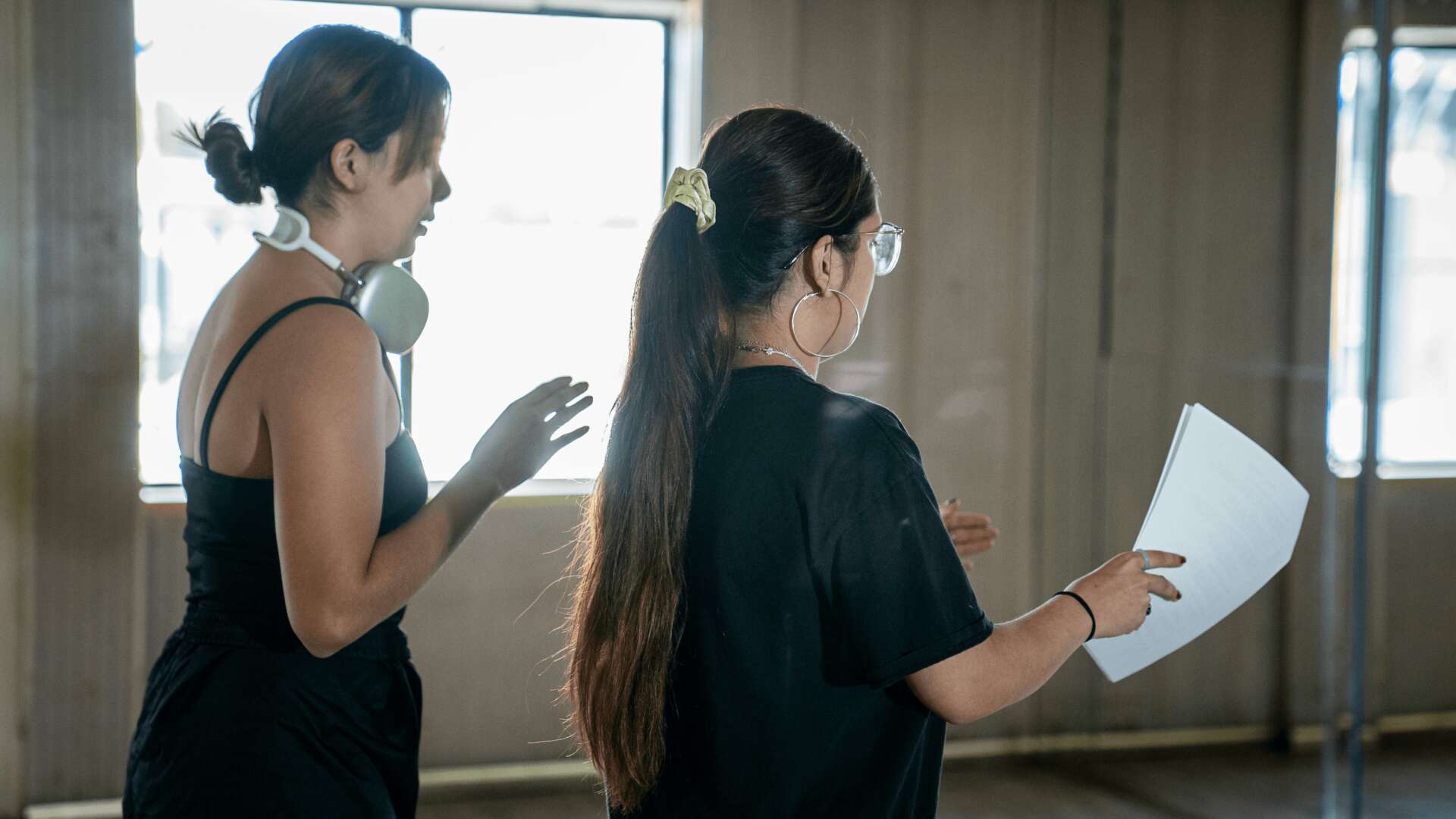
For you, what’s the most rewarding aspect of being a creative?
I get to tell my story. I get to share it with people. Doesn’t matter if it’s 50 or 100 people, I get to share it with them and honestly, if sharing my story changes or even gives one single person comfort or whatever that is they need at that moment then I have achieved my goal. I think every artist has that goal that they want to be able to share it people who they can make a difference for and having that in your life is the most rewarding aspect of being a creative person.
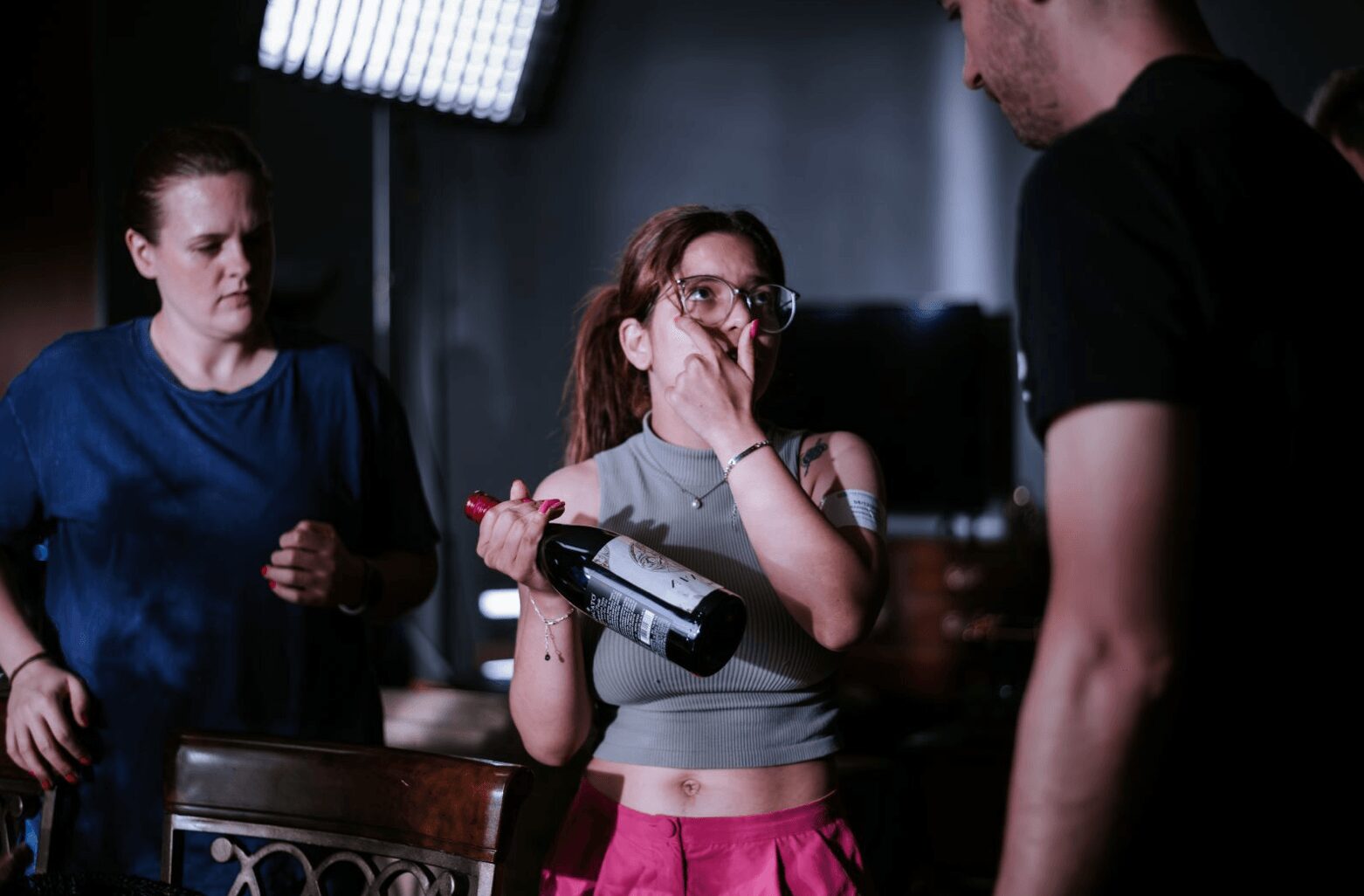
Learning and unlearning are both critical parts of growth – can you share a story of a time when you had to unlearn a lesson?
Phew! Honestly, that’s a big one.
“FAILING IS BAD* – is the lesson I had to unlearn and it was difficult for multiple reasons.
Growing up in a home where you had to succeed no matter what and if you did not, it would lead to a punishment was difficult. I would be compared to my cousins or even a stranger who was better at anything and everything which is why when I failed at any point of time in life it was a big deal to me. However, over the years I have had to unlearn that. Failing isn’t bad. Rejections aren’t bad. They are all redirections to where you need to be and right now if you aren’t there yet it’s not because you are not good enough or worthy enough. It’s because you are EXACTLY where you need to be.
Contact Info:
- Website: https://karishmaariid.wixsite.com/my-site
- Instagram: https://www.instagram.com/ariiisartsy/
- Linkedin: https://www.linkedin.com/in/karishmadevnani-editor-producer/
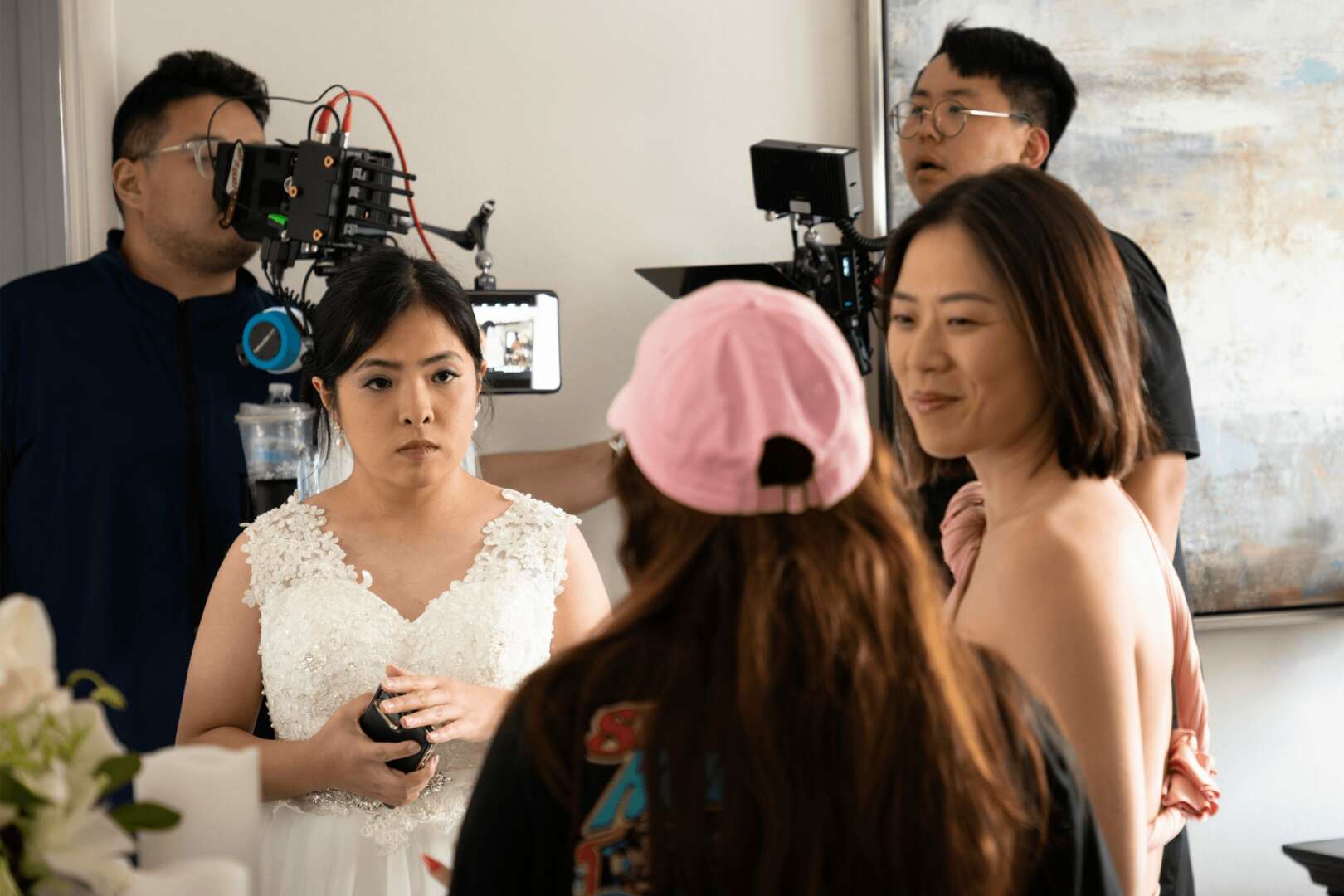
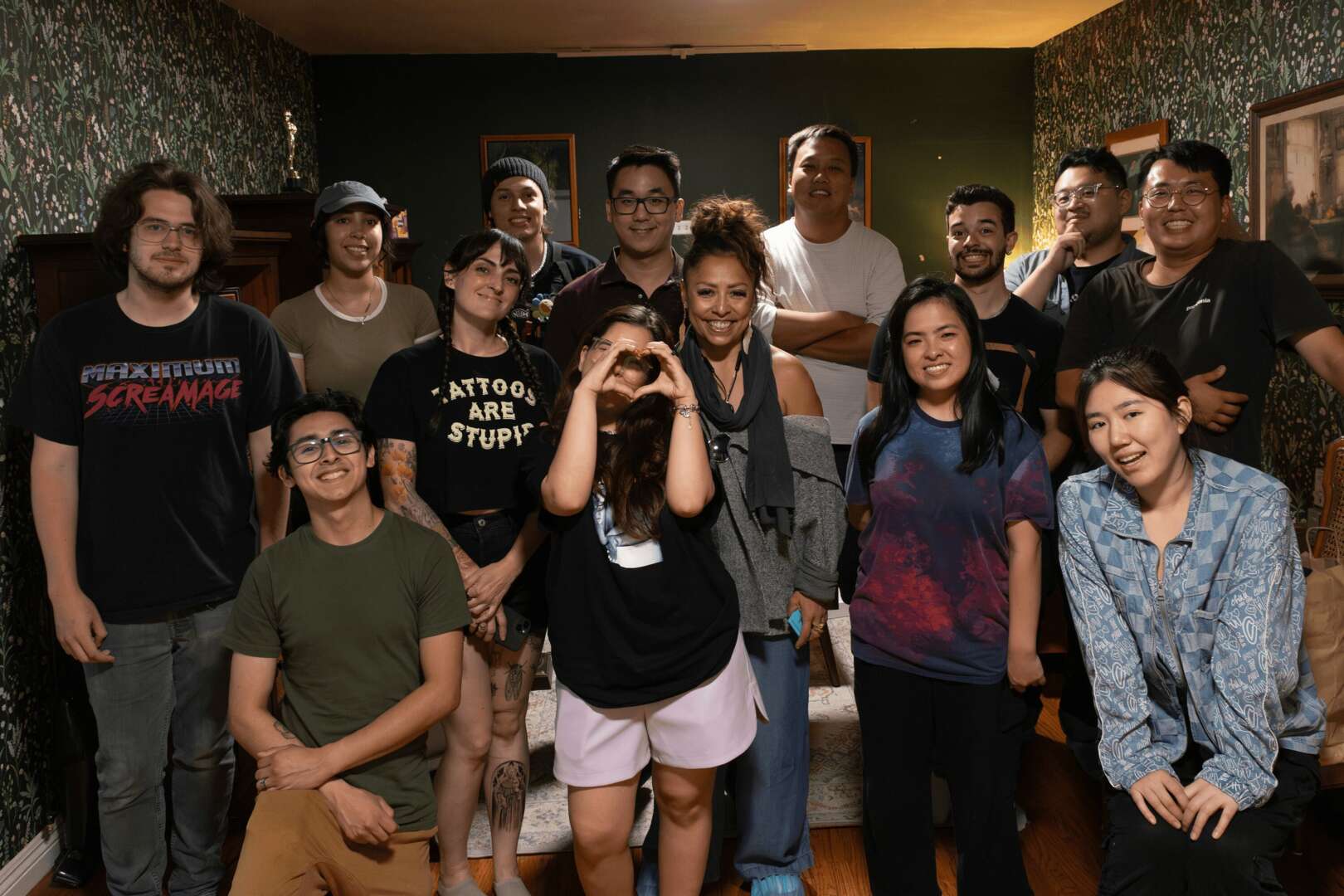
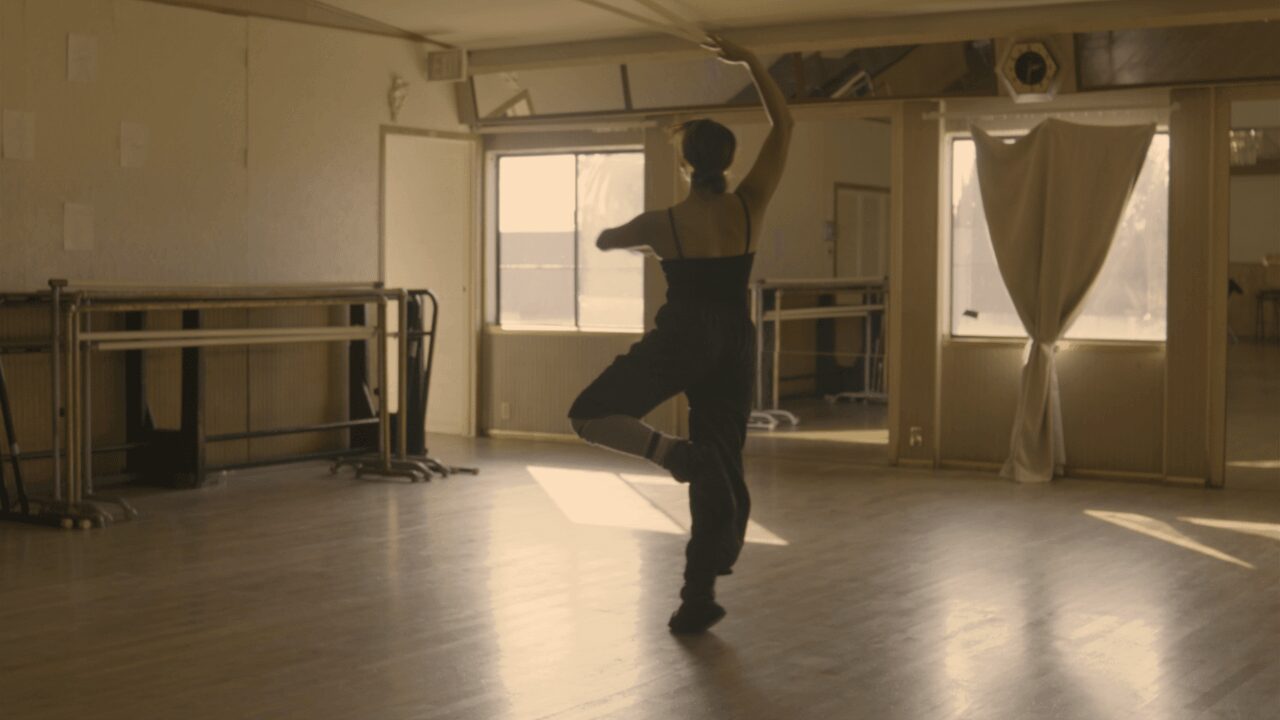
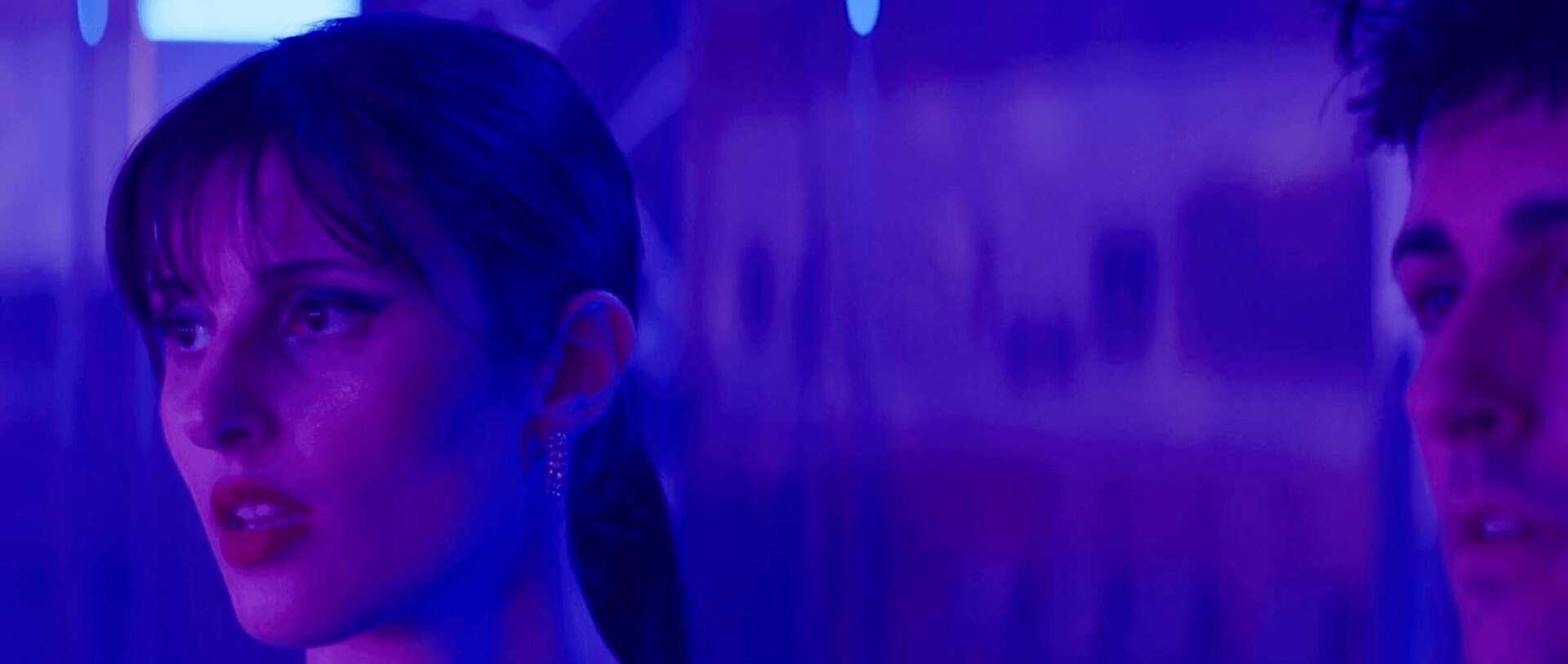
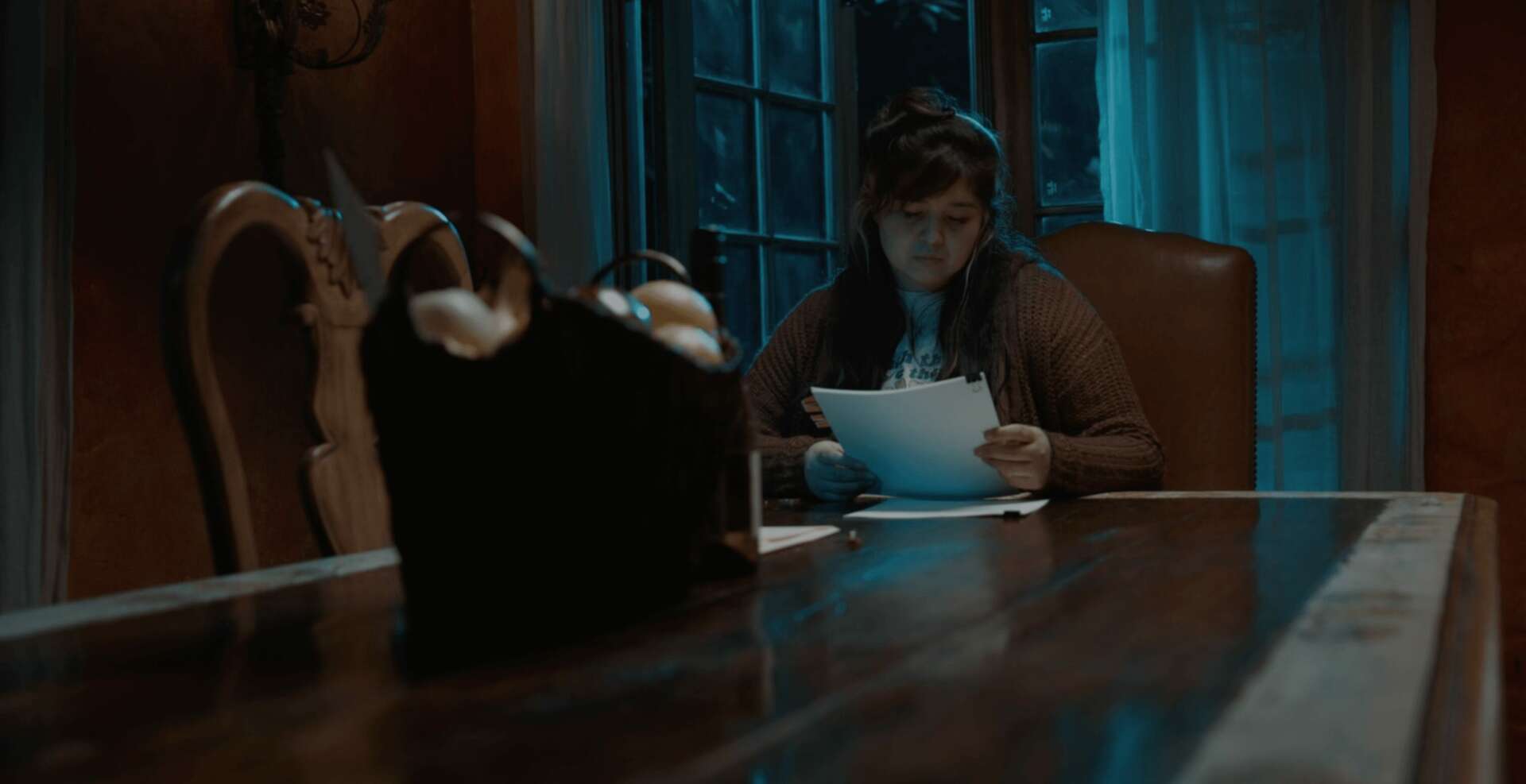
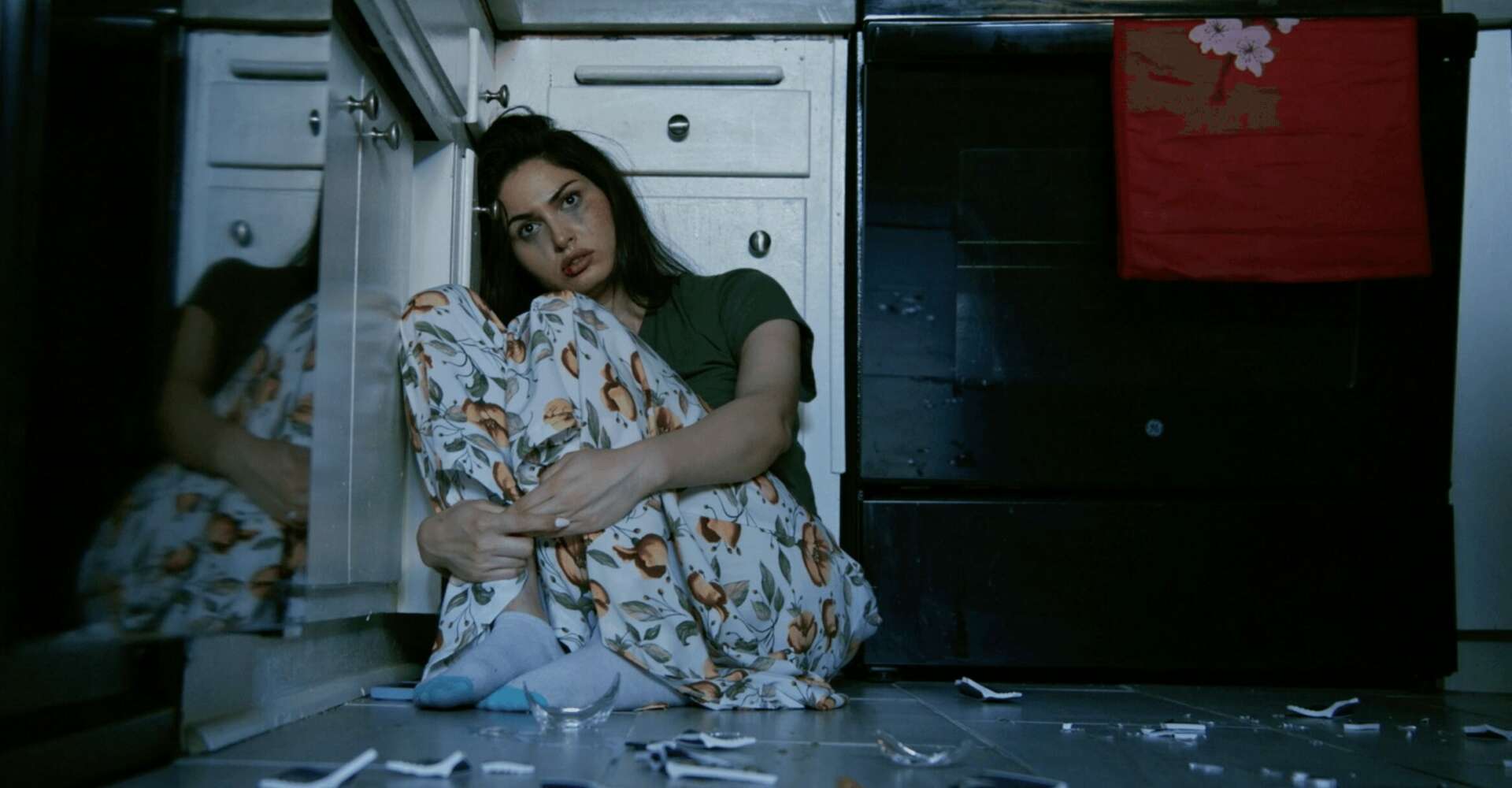
Image Credits
Vyshnav Baburaj
Zelia Scott
Kushagra Jain
Valery Li