

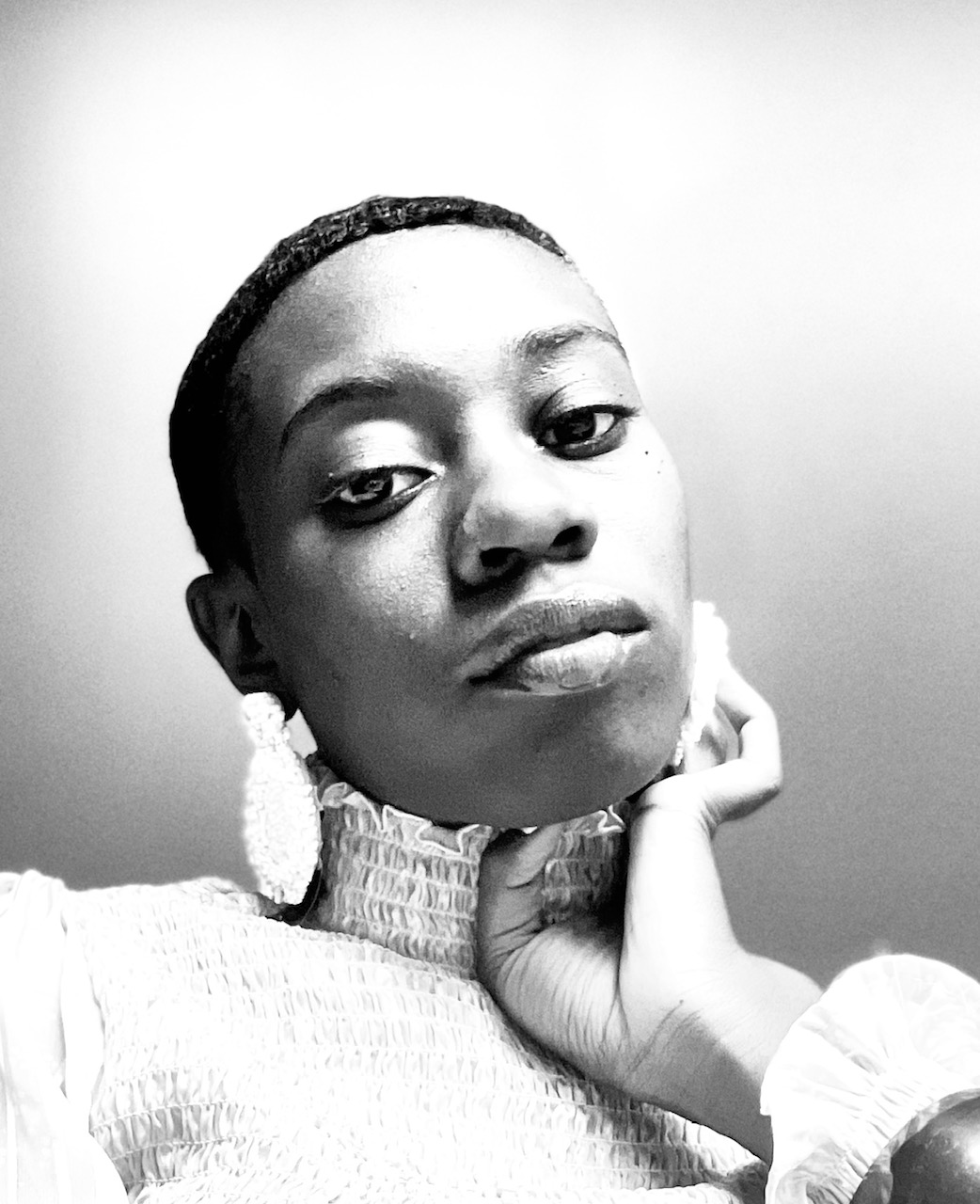

We’re excited to introduce you to the always interesting and insightful Kandice Fowlkes. We hope you’ll enjoy our conversation with Kandice below.
Hi Kandice , thanks for joining us today. Risk taking is something we’re really interested in and we’d love to hear the story of a risk you’ve taken.
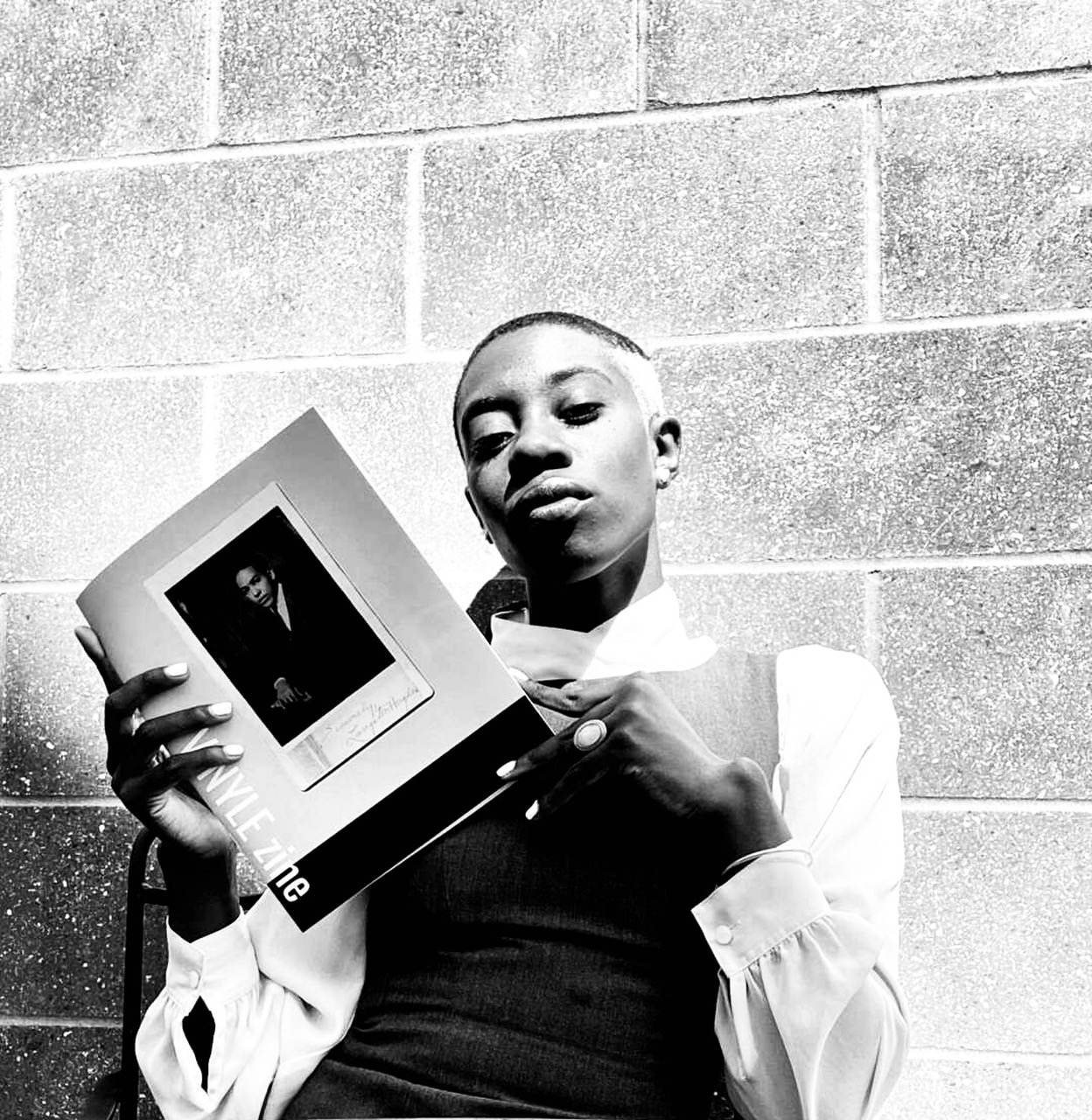
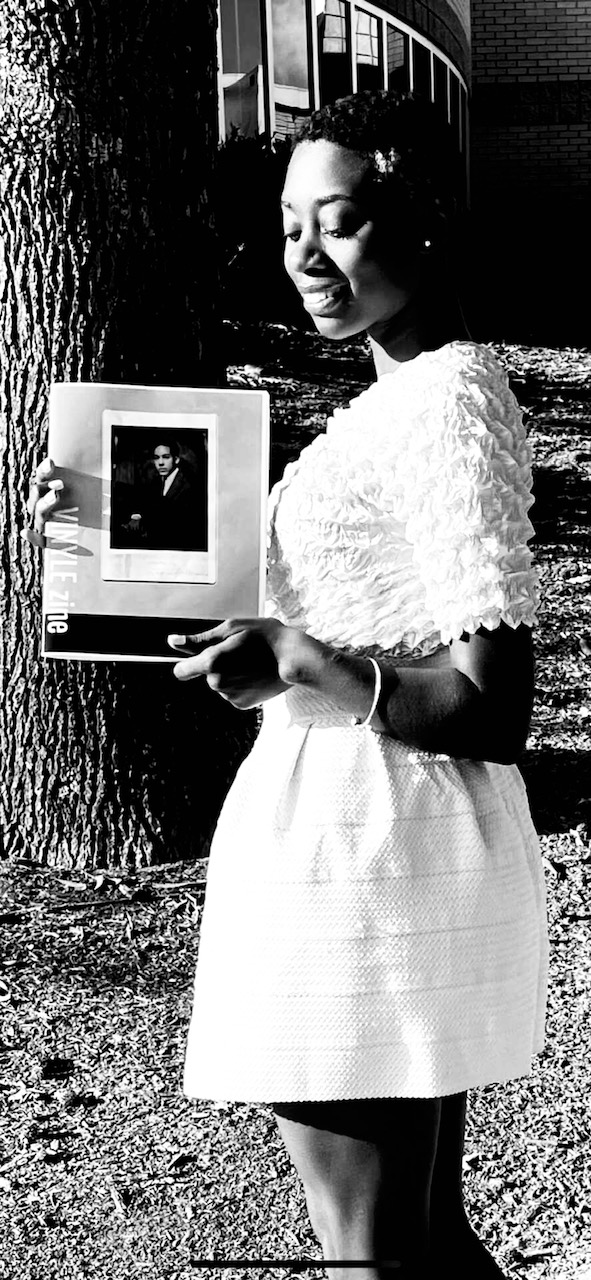
As I’ve been crafting Vinyle zine for two years now, I still always come back to the drawing board with the way someone can feel my passion, and the best way I can “edutain” people.
Me rebranding Vinyle zine as a Black literary magazine was such a risk because it involved me sharing my love for expressional / private writing to the world, and allowing others to do the same. It’s not easy all the time putting your heart and soul into art, and having other people not tear it up, critique harshly, or simply ignore the emotion behind it. But that’s the point of being a risk taker is the fearlessness.
I want others to be fearless to share their private writings in a public space. It helps build cultural understanding, opens the door for connection, and mostly investing in an emotional outlet using art.
Kandice , love having you share your insights with us. Before we ask you more questions, maybe you can take a moment to introduce yourself to our readers who might have missed our earlier conversations?
I think that the mission behind Vinyle zine is what sets me apart from most businesses: to increase the cultural literacy within the Black community.
I credit this as cultural literacy because Black people have been telling our stories, our way, from our lens for years whether in poetry, music, art, literature —we understand how to convey our narratives through writing that other Black people can feel. This cultural literacy is what advances each other through cultural-understanding, knowledge, and now, connection which I call the Pedagogy of Pro-Blackness. Utilizing Vinyle zine as part of this cultural literacy gives Black people an edutaining space to share their private / expressional writing in a public atmosphere, and helping Black people channel their emotions into art.
I’ve always used writing to manage my mental health or articulate an experience that was unsettling for me in my stories. Journaling is sometimes the first step with expressing emotions. The next step is taking a step back to see the full story, and then creating art from it. I can’t recall how many times I’ve taken an old diary entry as a piece of a story to paint in my writing. But now, I’m imploring all Black people to do this because we need that cultural-understanding to find our emotional outlet niche, connect through sharing, and thus unify.
Let’s talk about resilience next – do you have a story you can share with us?
I have anxiety attacks almost every 3 months when it comes to me sharing Vinyle zine to the world. But, no matter what, I know the mission is sound, which is why I must pursue it.
I think the Black community as a whole must heal from trauma, mental health issues unaddressed, and other internal and external causals which holds us back from succeeding as a whole. I understand this as someone who’s experienced depression and anxiety, who’s witnessed the detriment Black people can reap onto one another, who’s seen the “crabs in a barrel” firsthand. But this doesn’t have to be our narrative, and I understand my own mental health doesn’t have to be mines.
I know that my own mission is to empower others, and it starts with self-empowerment. I begin my self-empowerment by channeling my emotions into my art forms in order to manage my stress and anxiety, and if I can empower others to do the same, I feel better —I feel accomplished in my purpose.
I would never undermine the journey of mental health and say it’s easy to overcome, but I know that I must push forward in pursuing Vinyle zine’s mission, as it is a part of my own purpose —to unify the Black community in the way I can. When I embody self-empowerment, I can help others do the same. Then we as a community can build this relationship chain of empowering others genuinely to do the same and thus come together to build one another up.
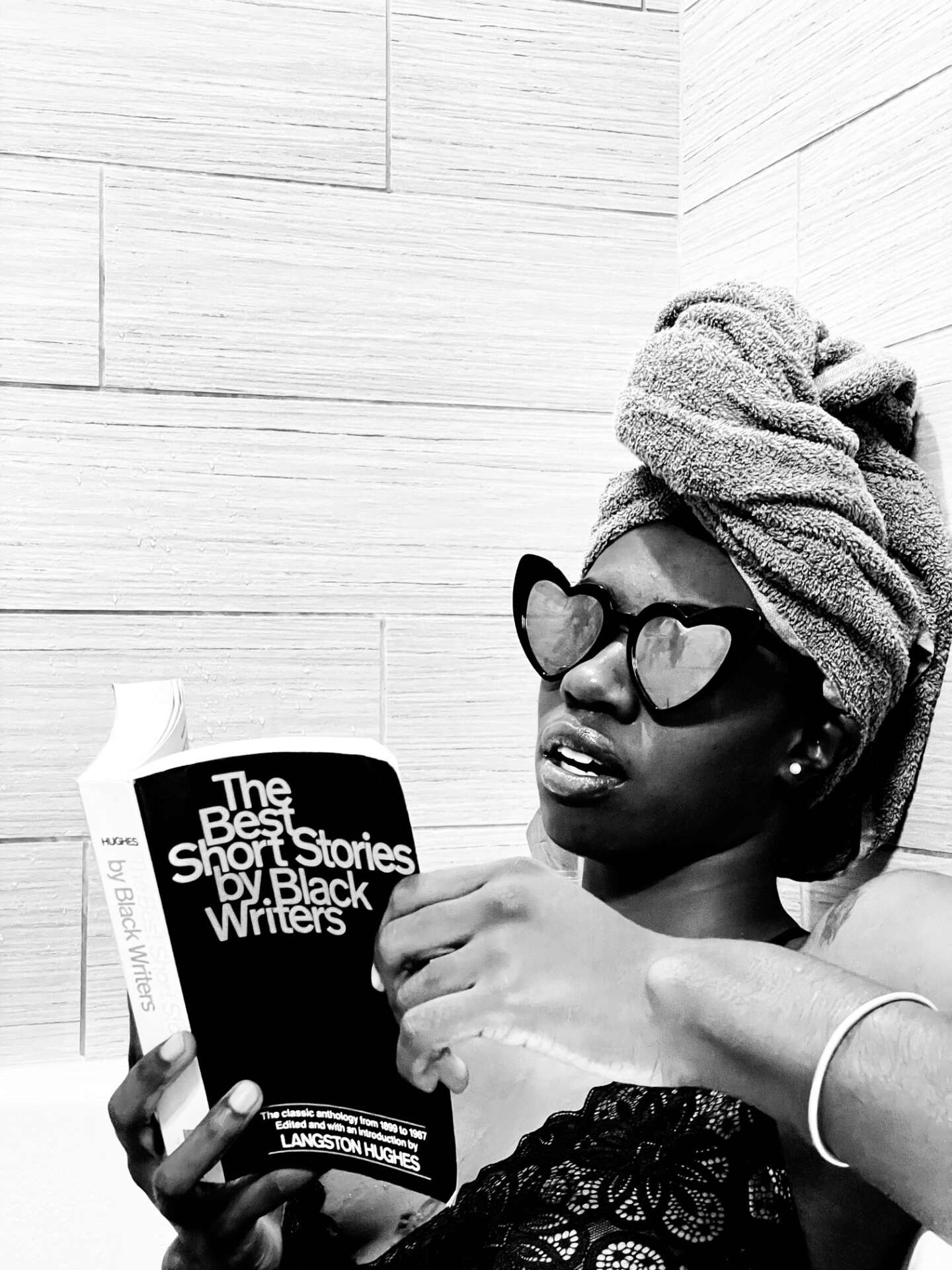
Have any books or other resources had a big impact on you?
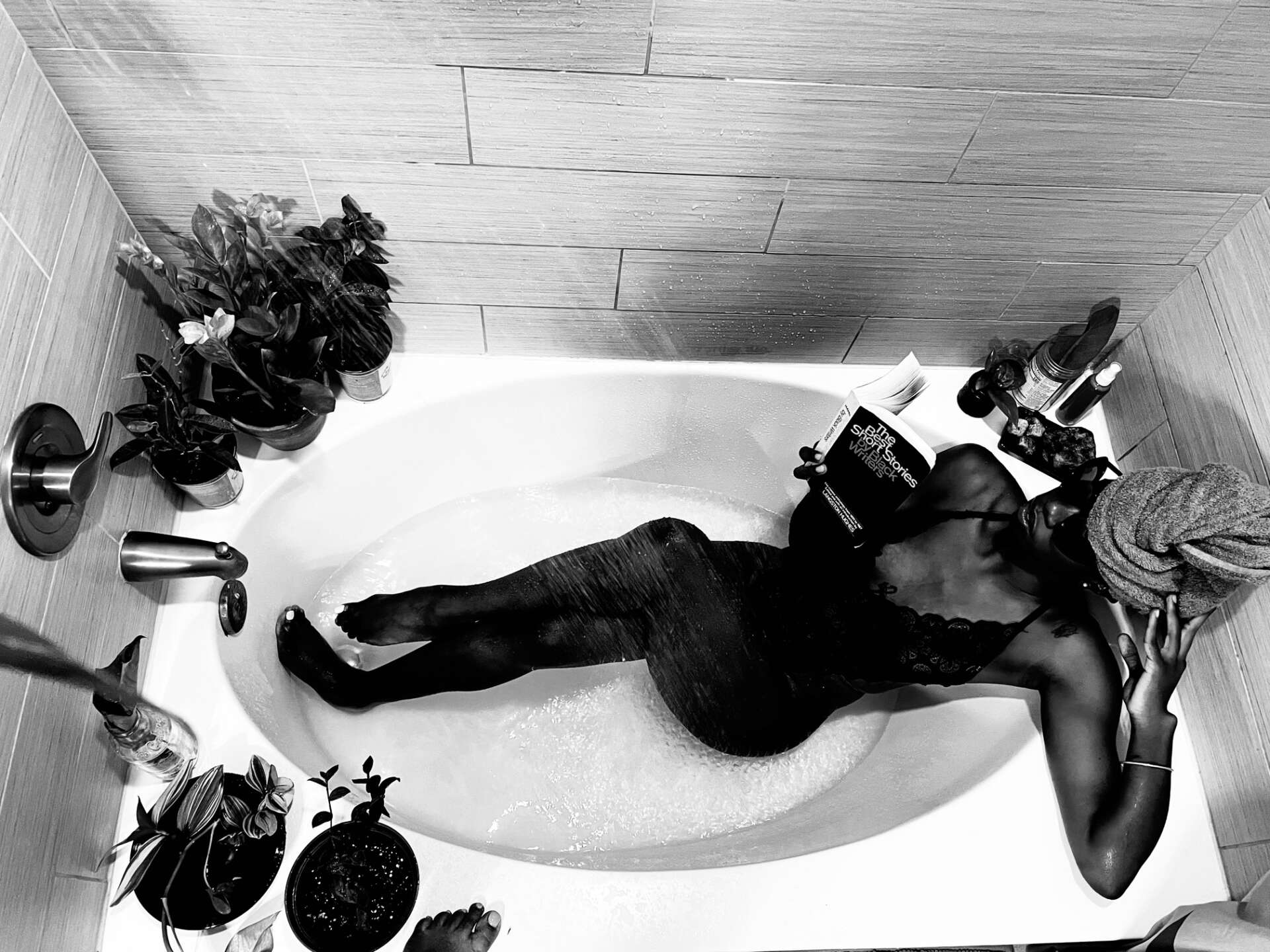
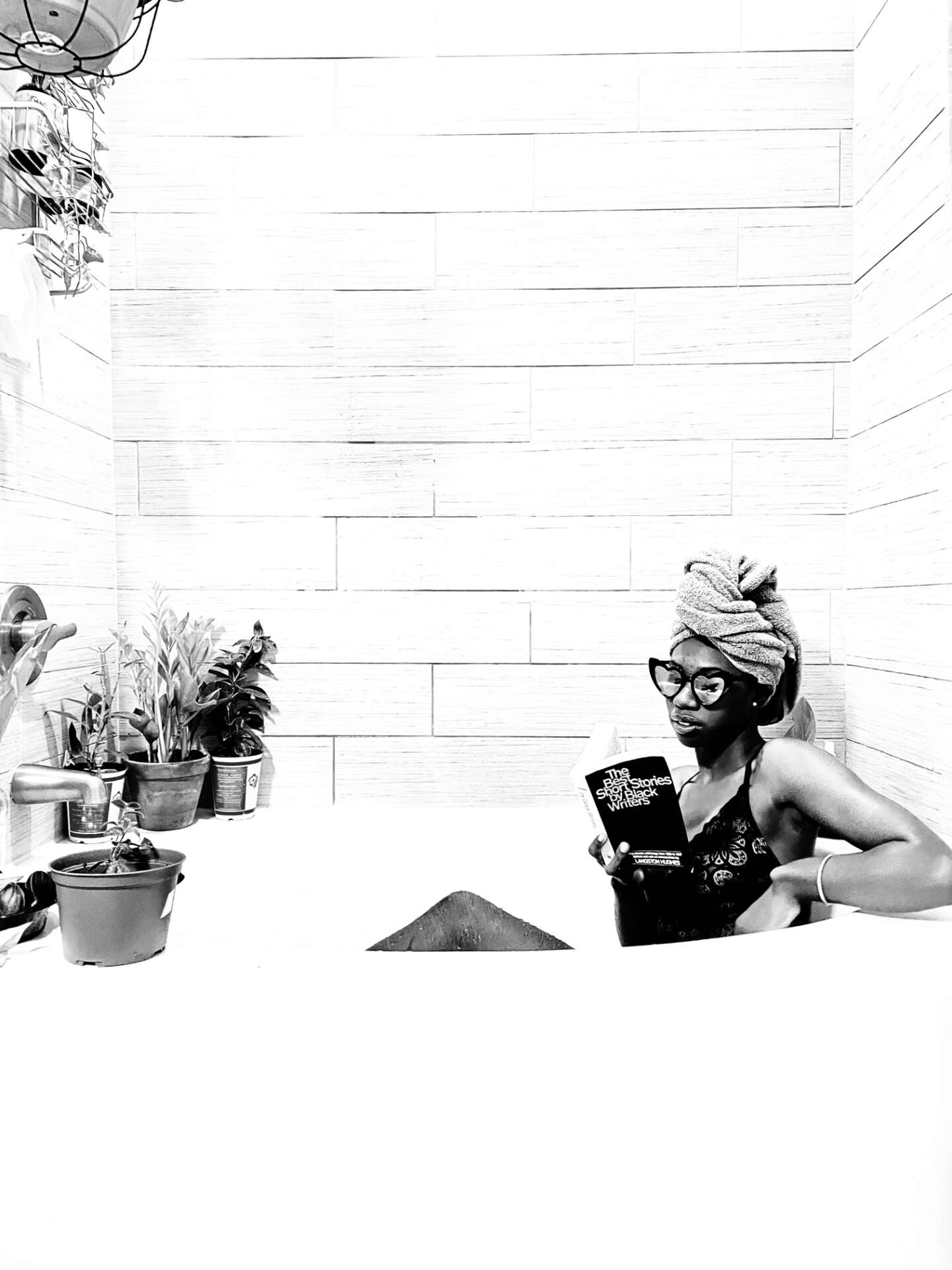
Langston Hughes is a huge influence for me. The Best Short Stories by Black Writers, is my current read from him because I like to read how other Black writers conveyed their narratives during their time period, but mostly that he collected all of these stories over time and put them in one book.
In the anthology introduction, he writes how people question why aren’t there more Black writers? Why aren’t Black people making movies? Why haven’t they released anything new? And he answers, because Black people have no money, or time to produce works back to back. It’s rare for Black people to be successful off of their writing, let alone a white audience during that time period wanting to invest in the true Black narrative from our lens.
This anthology is from the 1960’s, but I think the message still holds weight today. We have no time or money to invest in things that make us happy: writers being writers, musicians making music, poets going to poetry readings, etc. because we are so focused on surviving to make ends meet.
This message resonates with me in creating Vinyle zine as a platform Black people can come together to share their private writings in a public, intimate space where other Black people can understand the meaning, the emotion behind the work, and the messages we’re trying to convey that sometimes only we understand. I try to retain Langston Hughes’ message as a guiding factor of why I want Black people to continue to channel their emotions into writing and then release them aloud in our showcases, magazine issues, or poetry readings just to build that community engagement and cultural understanding for us to be there for one another —no matter what we could all be facing.
Contact Info:
- Website: https://www.vinylezine.com/
- Instagram: vinyle_zine
- Youtube: https://youtube.com/channel/UCY4js2A0J8pYrOnbeeEpcEA
- Other: Digital Magazine Issue https://issuu.com/vinyle_zine/docs/book/1?ff