

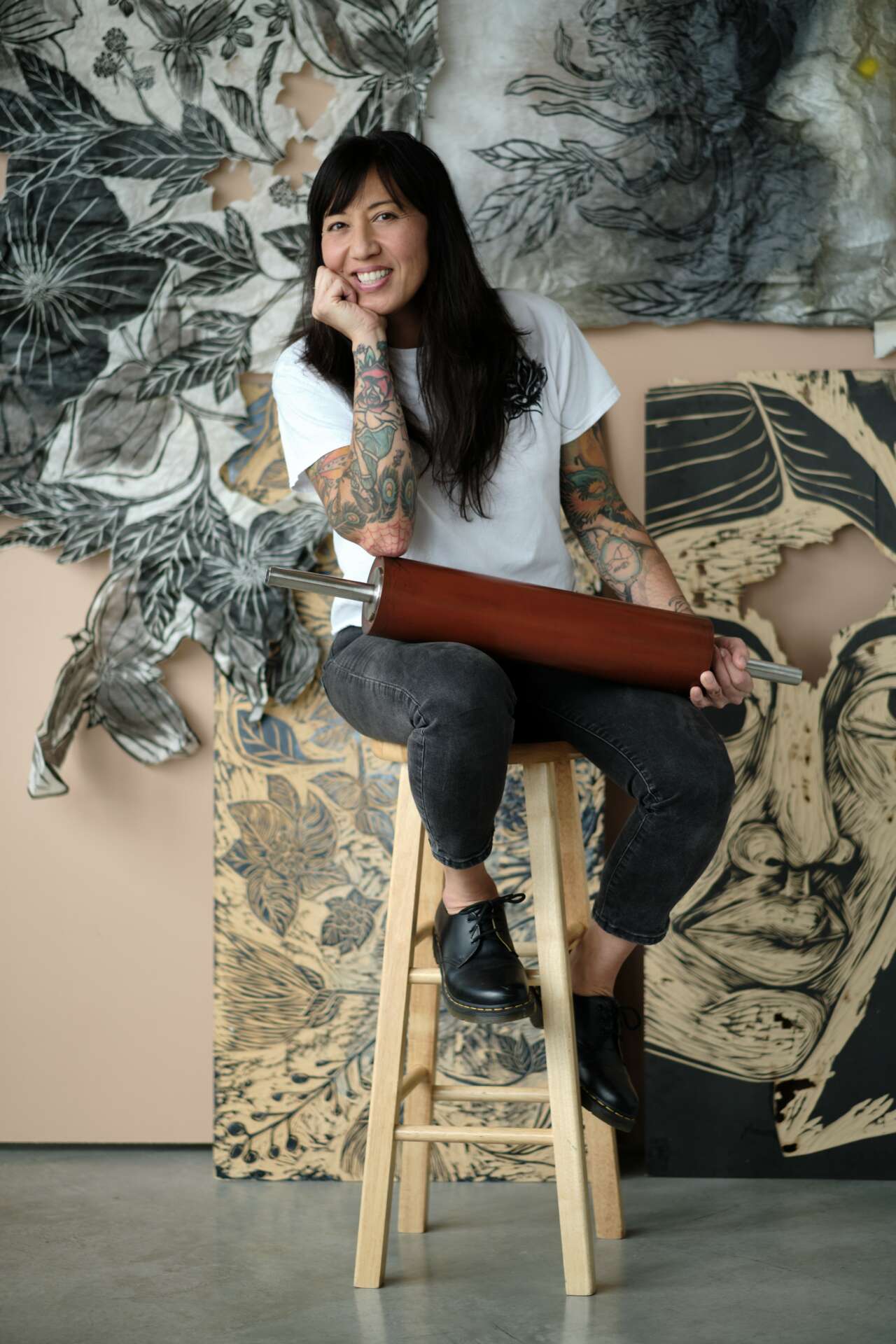

We were lucky to catch up with Kanani Miyamoto recently and have shared our conversation below.
Alright, Kanani thanks for taking the time to share your stories and insights with us today. Can you talk to us about a project that’s meant a lot to you?
While in grad school, I had many internal fights with myself on how to get my audience (classmates and instructors) to see exactly what I was trying to say with my visual cues. However, they often had no clue, and it took so much time to explain things to them. As a student, I had to make my message clear and easily readable by others, but we came from different places and different cultures, and we had each experienced life in different ways.
For a long time, I struggled with this, but after having a few shows and especially after doing public and collaborative work, I realized there is meaning behind your work even if your audience doesn’t get the exact message you are putting forth. When others find inspiration in your work, your art has resonated with them deeply and personally. This connection can be a powerful and validating experience for the artist and the audience. Art can evoke emotions, provoke thoughts, and stimulate creativity. When your work inspires someone, it suggests that your artistic expression has had a meaningful impact on them. This connection can foster a sense of community and shared experience as people come together through a shared appreciation for creativity and expression.
Every project has been meaningful in some way; it satisfies me to be able to be able to create conversation, community, and connection through visual artwork.

Awesome – so before we get into the rest of our questions, can you briefly introduce yourself to our readers.
My name is Kanani Miyamoto (she, her). I was born and raised on the island of O`ahu. I am an individual of mixed heritage and identify most with my Hawaiian and Japanese roots. I currently live and work in Portland, Oregon. I am an artist, an educator and a curator.
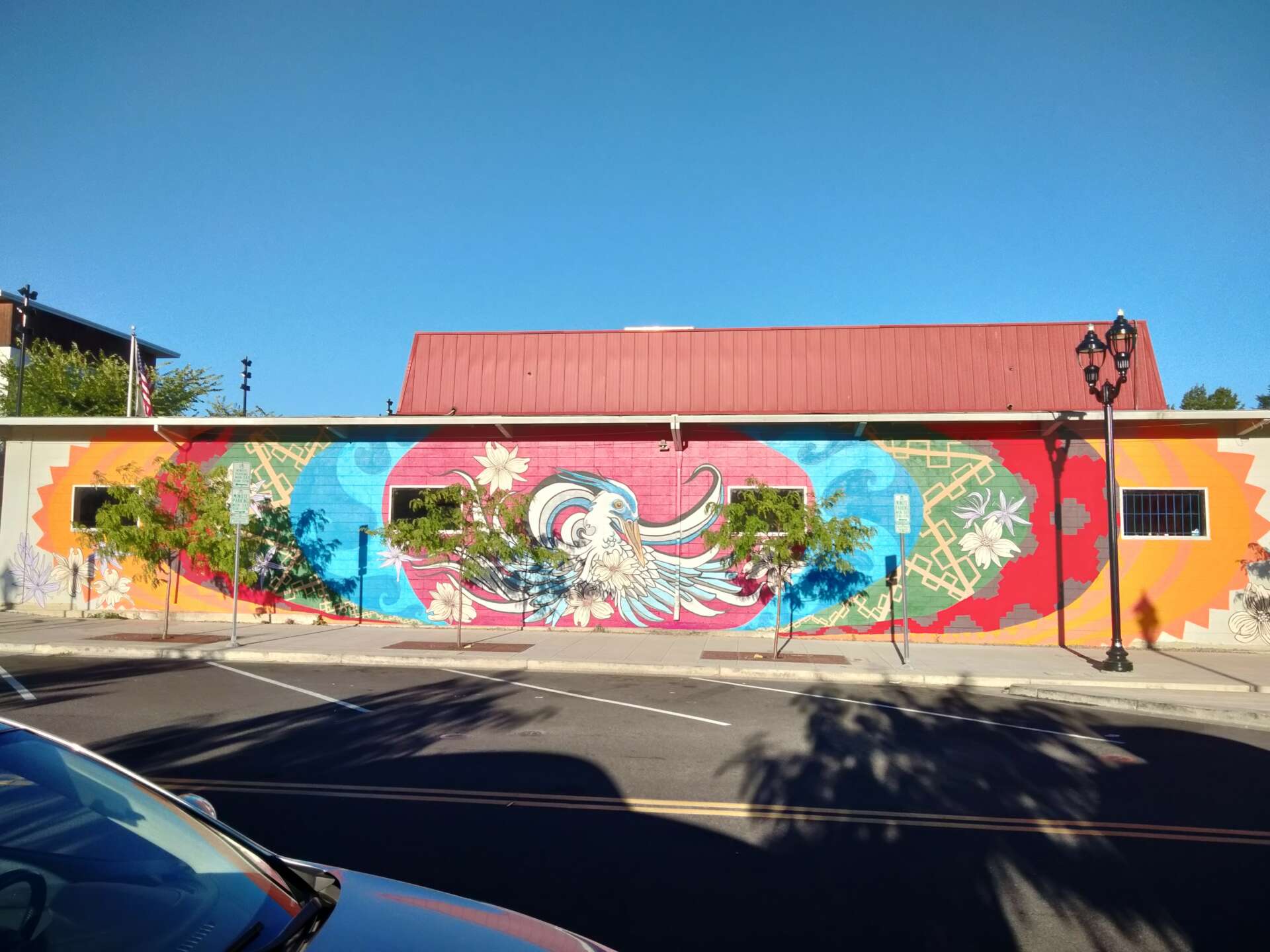
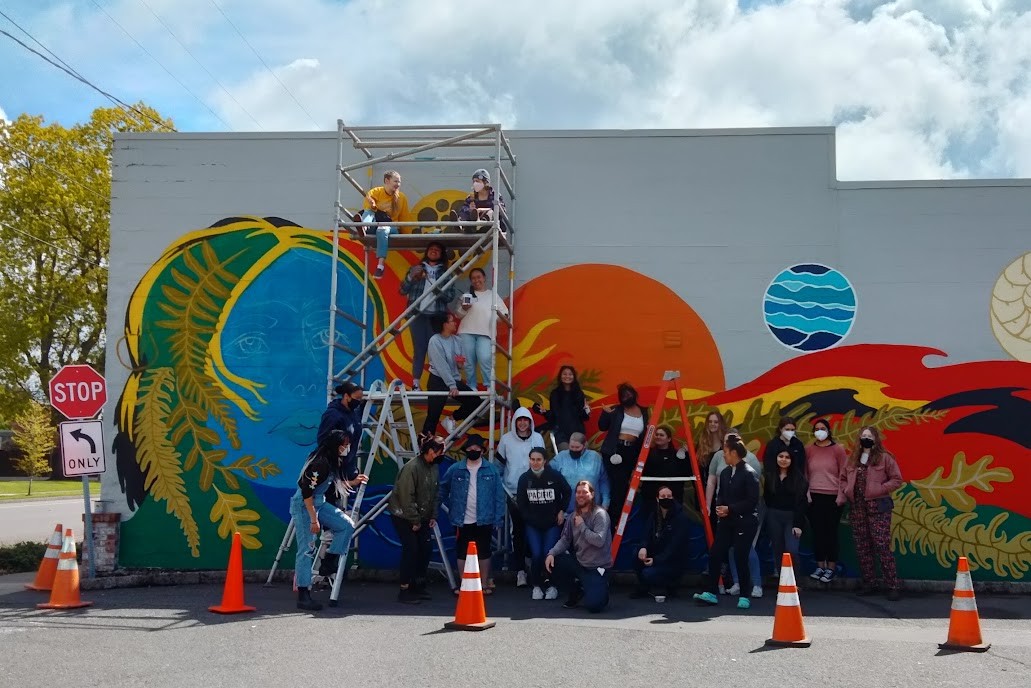
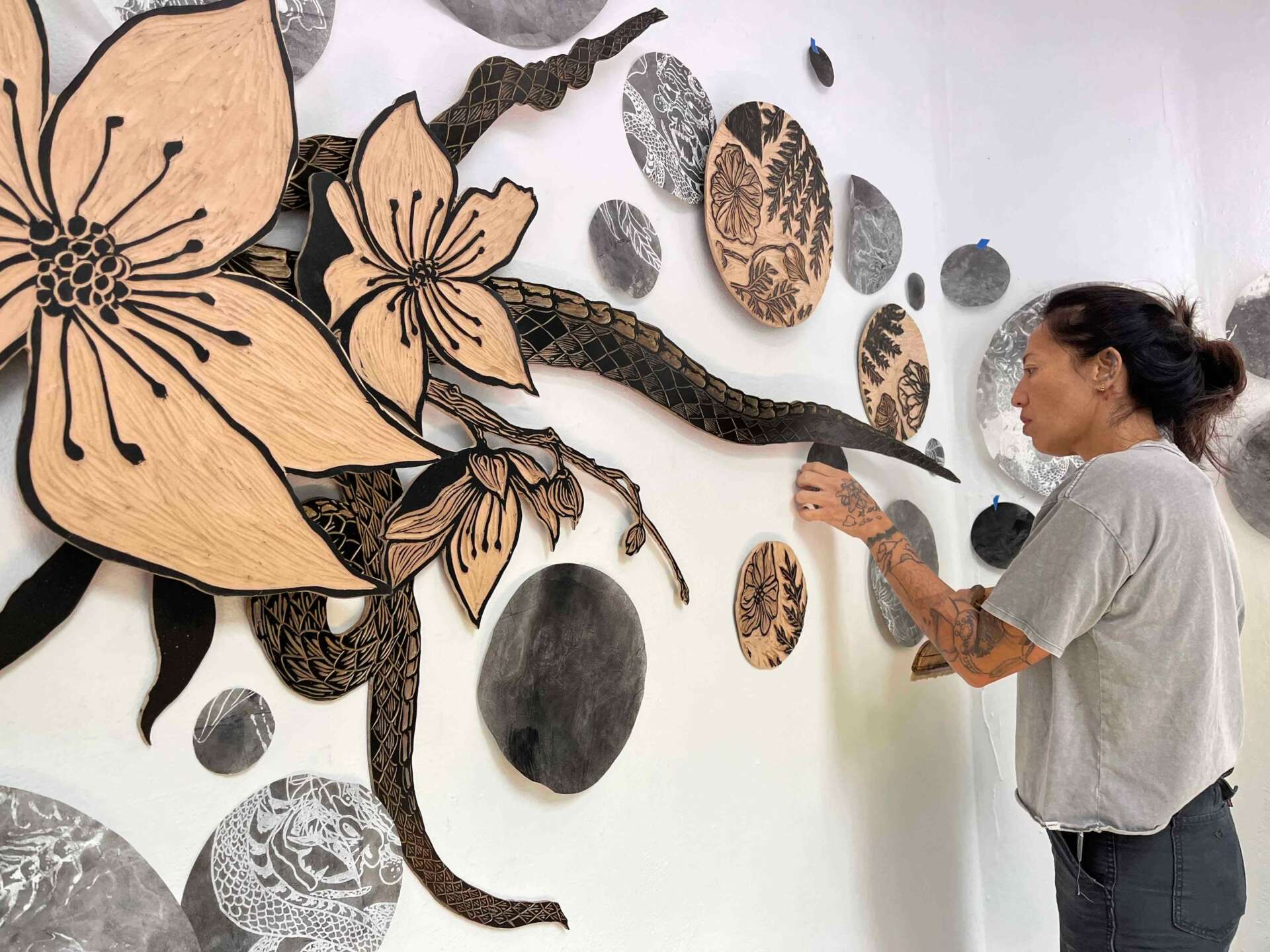
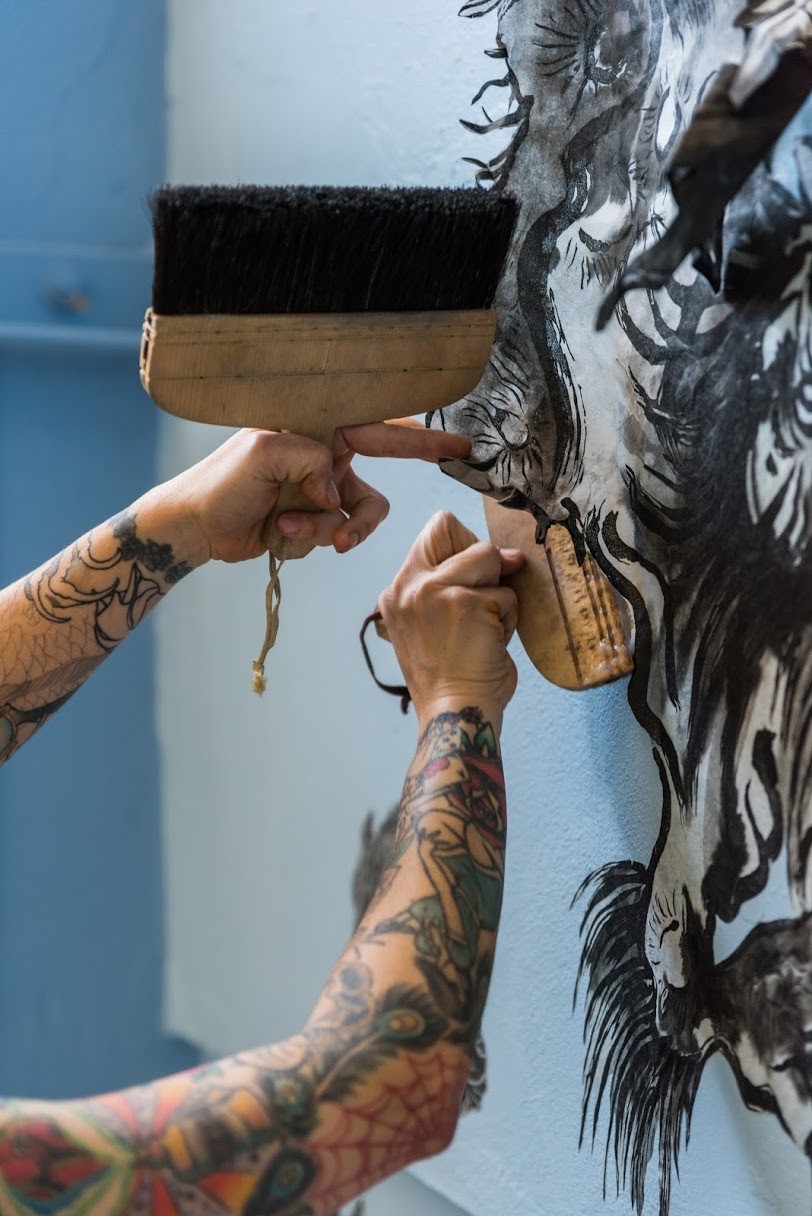
Most of my personal artwork is print based large scale installations. I love community-based art projects and collaborations. The idea of art by the people for the people really resonates with me.
As an artist, many of my ideas and themes include ending the romanticized myths of Hawai`i and people from Hawai`i. I want to put to bed exotic fantasies built on capitalism that have damaged the islands and her people. Also important to my work is sharing and celebrating my unique mixed background in our contemporary art world in hopes of representing my community and the beauty of intersectional identities.
As an educator, I want to create change by celebrating and teaching about historically marginalized and oppressed art movements and artists. Art is truly engaging, and artists are spokespeople of our times. It is possible to learn so much from so many different perspectives through the arts. My goal is to change the standard Eurocentric point of view in education and institutions.
I use many traditional Japanese materials and techniques to make my work and visual elements are pulled from my Buddhist beliefs and Hawaiian heritage. I really want to combine the many philosophies that have formed my identity and the identity of many people from the Hawaiian islands.
I want people to ask more questions and look deeper and harder at visual art. I want diverse traditional cultural practices embedded into academia. I want my community to be represented equally and fairly in the fine arts canon.
Are there any resources you wish you knew about earlier in your creative journey?
I wish I had known early on that many creatives have solid communities and that there are many organizations that support arts and humanities. Non-profit organizations like Regional Arts and Culture Councils support artists through grants or open calls, offer workshops for professional development, and love to answer questions or give feedback. I wish I asked more questions and searched for more resources early on.
In my early career, I initially approached artistic endeavors with a sense of isolation, thinking that the creative journey was a solitary one, thinking that there was competition or I had to impress everyone. However, as I explored the art world more deeply, I witnessed numerous instances of artists supporting one another. This support manifested in various ways:
Collaborations: Artists often collaborate on projects, combining their skills and perspectives to create something unique. These collaborations produce interesting works and foster a sense of community and shared creativity.
Sharing Resources: Artists frequently share resources, tips, and advice. Whether it’s techniques, materials, or opportunities, artists often extend a helping hand to others in the community.
Encouragement and Feedback: Artists uplift each other through positive feedback and constructive criticism. This support helps individuals grow in their craft and navigate the challenges of being creative.
Promoting Each Other’s Work: Artists actively promote and celebrate each other’s work. This not only boosts exposure for individual artists but also contributes to the diversity and richness of the art community.
Mentorship: Artists often take on mentorship roles, guiding and advising emerging talents. This mentorship helps newcomers navigate the complexities of the art world and develop their artistic voice.
I now reflect on how important it is to actively engage with the artistic community, seeking collaboration, offering support, and fostering meaningful connections with fellow creators. I now emphasize and support the collective growth of artists.
What’s the most rewarding aspect of being a creative in your experience?
In my experience, the most rewarding aspects of being an artist are inspiring people, making new connections and fostering critical dialogue.
Contact Info:
- Instagram: @mamakanani
Image Credits
James Harnois, Kayla Wiley