
We recently connected with Kaly Ryan and have shared our conversation below.
Kaly, appreciate you joining us today. What’s something you believe that most people in your industry (or in general) disagree with?
At Capella, we live in two industries: furniture and accessibility. And each one tends to carry its own blind spots.
In furniture, universal design is often treated like a category—something you create for certain people, rather than something that simply makes better design for everyone. But to us, thoughtful design should always be inclusive. A mug that’s easier to grip, a stool that’s more stable, a side table that reduces reaching—these aren’t niche features. They’re just smarter, more human-centered choices.
In accessibility, there’s this idea that function comes first, and beauty comes second—if at all. The expectation is that accessible products should look a certain way: neutral, clinical, easy to spot. But that look doesn’t work, because it doesn’t fit in with people’s unique styles and vibrant lives.
So what sets us apart is that we don’t see accessibility and aesthetics as competing priorities. We see them as partners. When you design for real life, for real bodies and real homes, beauty isn’t optional—it’s essential.
That belief took root early for me. My grandfather—Grampa Lou—used mobility aids throughout his life, and he was wonderfully practical about it. But my grandmother wouldn’t let anything that looked “medical” into the house. It wasn’t about denial. It was about pride, and the feeling that once those products crossed the threshold, something in their home—and their identity—would shift.
Years later, when my mom and aunt helped build a row of accessible homes in their tiny hometown so Grampa Lou could stay close to family, they made design choices I’ll never forget. Raised garden beds so he could keep gardening. Thoughtfully placed features that offered support without shouting about it. It was the first time I saw how accessibility and joy could live in the same space. And it shaped everything I do today.
Kaly, before we move on to more of these sorts of questions, can you take some time to bring our readers up to speed on you and what you do?
I’ve spent over a decade in furniture and product design, and my focus has always been the same: creating objects that are both beautiful and purposeful. At Capella, we design and build beautiful, functional furniture and accessories—products that support daily life while still feeling at home in your space.
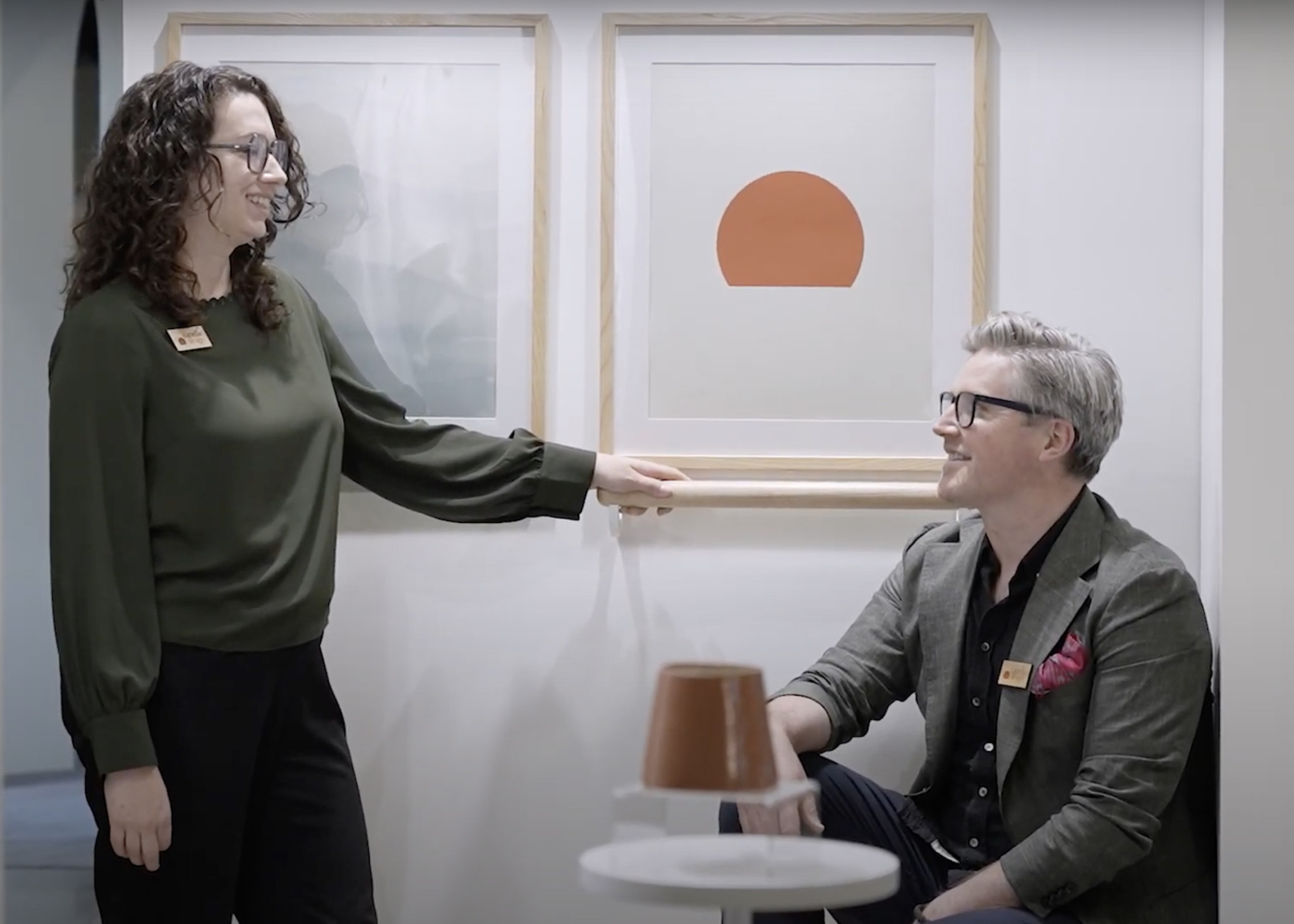
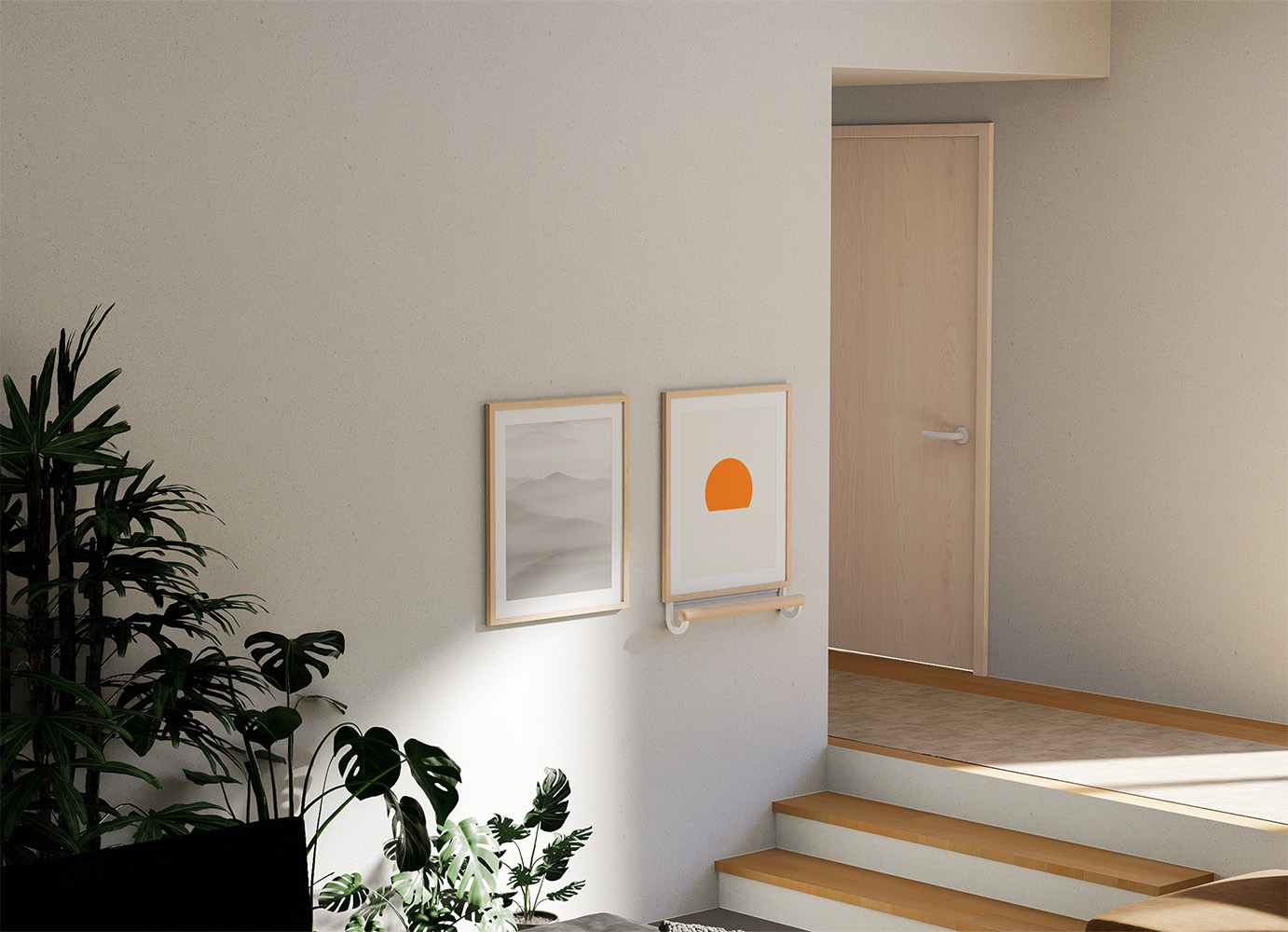
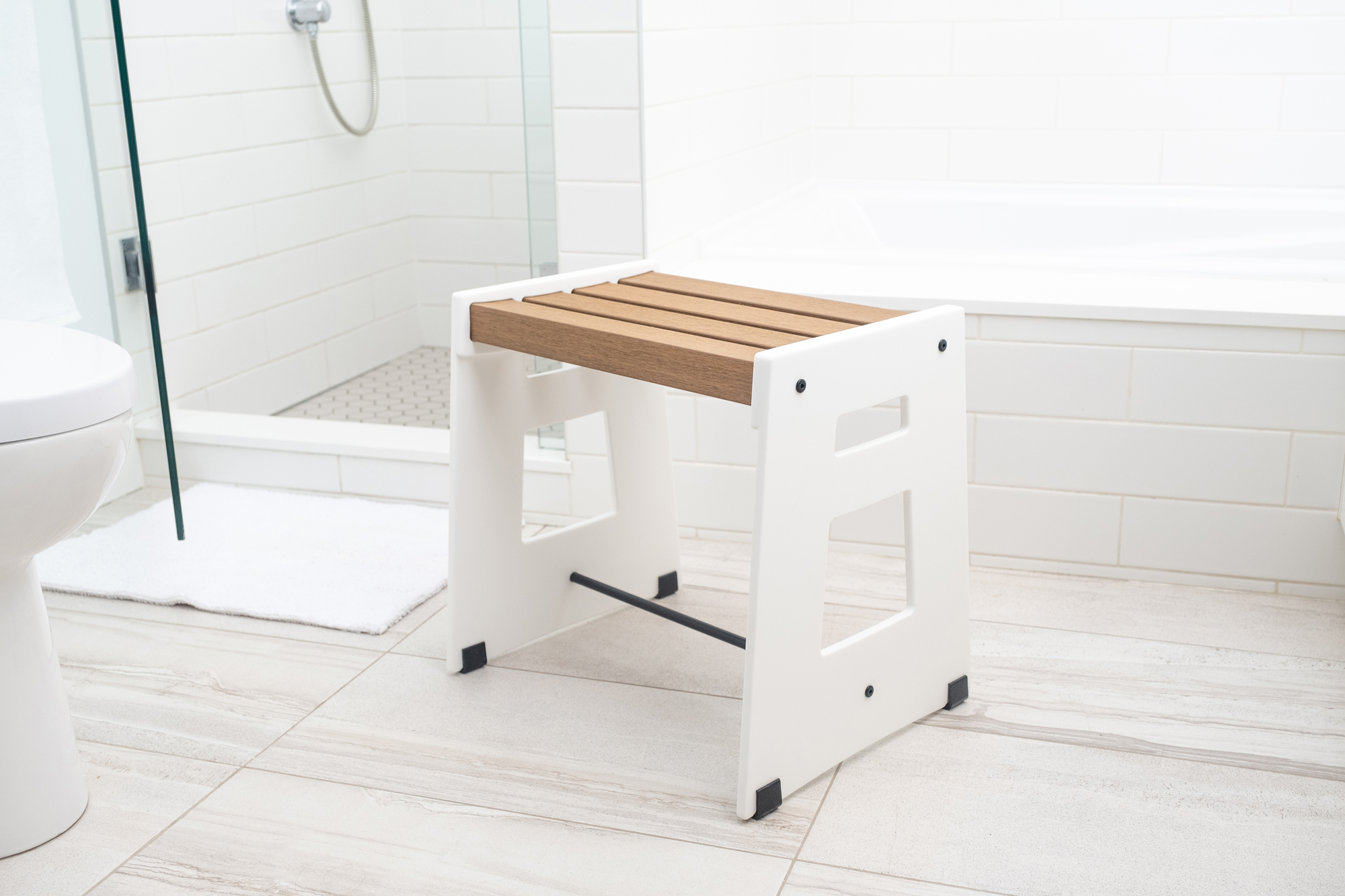
We work in a category that’s often overlooked: assistive products for the home. But we don’t see what we make as “aids” or “equipment.” We see them as good design. Our grab bars look like art frames. Our shower stools are sculptural and spa-like. Our stability mugs are hand-thrown by ceramicists and designed for every hand, not just some. Every detail matters—because we believe accessibility doesn’t need to blend in or hide away. It can stand proudly as part of your home and your style.
What sets us apart is that we design for real life, from the start. We don’t retrofit support into our products—we build it into the bones. That approach allows us to create products people want to use, not just need to use.
For too long, accessibility products have been treated as separate from design—as if supporting someone’s needs meant stepping outside their personal style or turning a home into something clinical. That separation has created emotional barriers that often prevent people from making changes, even when they would genuinely benefit from them.
We’re most proud of our contributions to a movement that’s challenging that mindset. A movement that says accessibility can be beautiful. That thoughtful design belongs in every room, for every body, at every stage of life.
At Capella, we create beautiful, functional furniture and accessories that provide support and feel at home in your space. We don’t believe you should have to choose between safety and style. Our grab bars look like picture frames. Our mugs are designed to fit every hand. Our shower stools wouldn’t look out of place in a high-end hotel. Every piece we make is rooted in respect—for your home, your identity, and your autonomy.
What we want people to know is this: everyone has unique needs. There should be no shame—and absolutely no stigma—in doing what you need to live more comfortably in your home. My co-founder, Patrick, has lived with chronic back issues since his 30s. I’ve supported families adapting to aging parents. Our customers come to us for all kinds of reasons—some are planning for the future, some are supporting a loved one, and some just want a cool place to put their computer when they’re sitting on their favourite couch. But what unites them is a desire to make their home work better—without giving up the beauty and warmth they’ve worked so hard to create.
That’s what Capella is here for. We’re proud to be part of a growing shift that doesn’t just reimagine products—but reimagines what it means to feel truly at home.

How’d you meet your business partner?
Several years ago, I launched Capella Design with a simple but bold idea: to create accessible products that people would actually want in their homes. Our first product was the Lotic Shower Seat—spa-inspired, sculptural, and designed to challenge everything people thought accessible design had to look like. When The Globe and Mail featured it in an article about how older adults are demanding more beautiful options for aging in place, I was incredibly grateful. That kind of visibility matters in a category that’s often overlooked.
What I didn’t know at the time was that someone else—on the other side of the country—was working on the exact same problem.
Patrick was a researcher and strategist who had spent over a decade studying how people adapt their lives while living with chronic illness or caring for loved ones. He had launched his own accessibility-focused venture and, like me, was frustrated by how often accessible products looked clinical and uninviting.
After reading the article, he reached out to me on LinkedIn. We connected quickly. I came in as a maker and furniture designer. Patrick brought years of lived research and a deep understanding of the emotional side of home design. We realized we were building the same vision from opposite ends—and that we’d be stronger together.
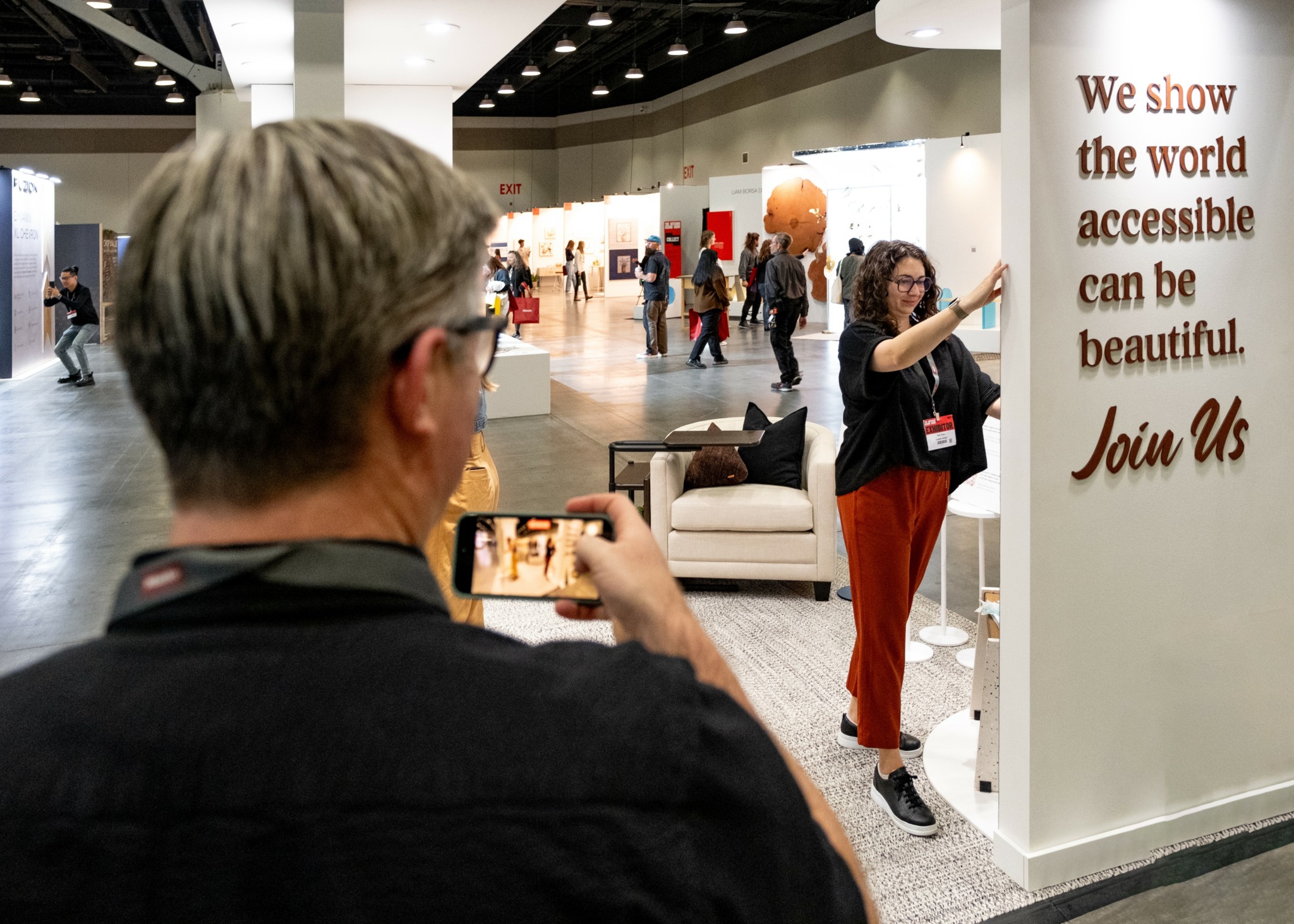
So we decided to unite our efforts under the Capella brand. For more than a year, we worked together entirely remotely—building our strategy, developing our voice, and growing the community behind the brand. We didn’t actually meet in person until we launched our booth at the Interior Design Show, which we custom-built to showcase accessibility as something every designer should consider.
Since then, we’ve had some amazing moments—from reaching millions on social media to joining the REMARKABLE accelerator, winning multiple design awards, and most importantly, supporting customers who tell us our products help them feel proud and confident in their homes.
It’s been an incredible partnership—and it all started with a shared vision and a single message on LinkedIn.
Can you talk to us about manufacturing? How’d you figure it all out? We’d love to hear the story.
Yes—we manufacture all of our products, and it’s a part of the business I care deeply about. Before starting Capella, I spent over a decade running a furniture studio, so I came into this with a background in fabrication and a strong network of makers who value quality and ethics as much as I do.
From the beginning, we’ve only worked with ethical manufacturers based in North America. That’s a non-negotiable for us. It keeps us close to the process, ensures better working conditions, and lets us collaborate in a way that feels personal and accountable.
I’m also extremely hands-on—always have been. I’m not just involved in the prototyping phase; I stay close right through to the final product. There’s something grounding about spending time with the materials, making sure every edge and surface feels just right. It’s where design becomes real.
Of course, working in the accessibility space brings added complexity. Every product has to meet performance standards—support weight, resist moisture, be safe for daily use—and still look like something you’d be proud to have in your home. That balance has taught us a lot. We take our time. We run small batches. We refine constantly.
The biggest lesson? Good manufacturing isn’t just about making something that works—it’s about making something that lasts, that feels intentional, and that honors the people who bring it into their homes. That’s what we aim for with every product we make.
Contact Info:
- Website: https://www.designbycapella.com
- Instagram: https://www.instagram.com/designbycapella
- Linkedin: https://ca.linkedin.com/company/capella-design