

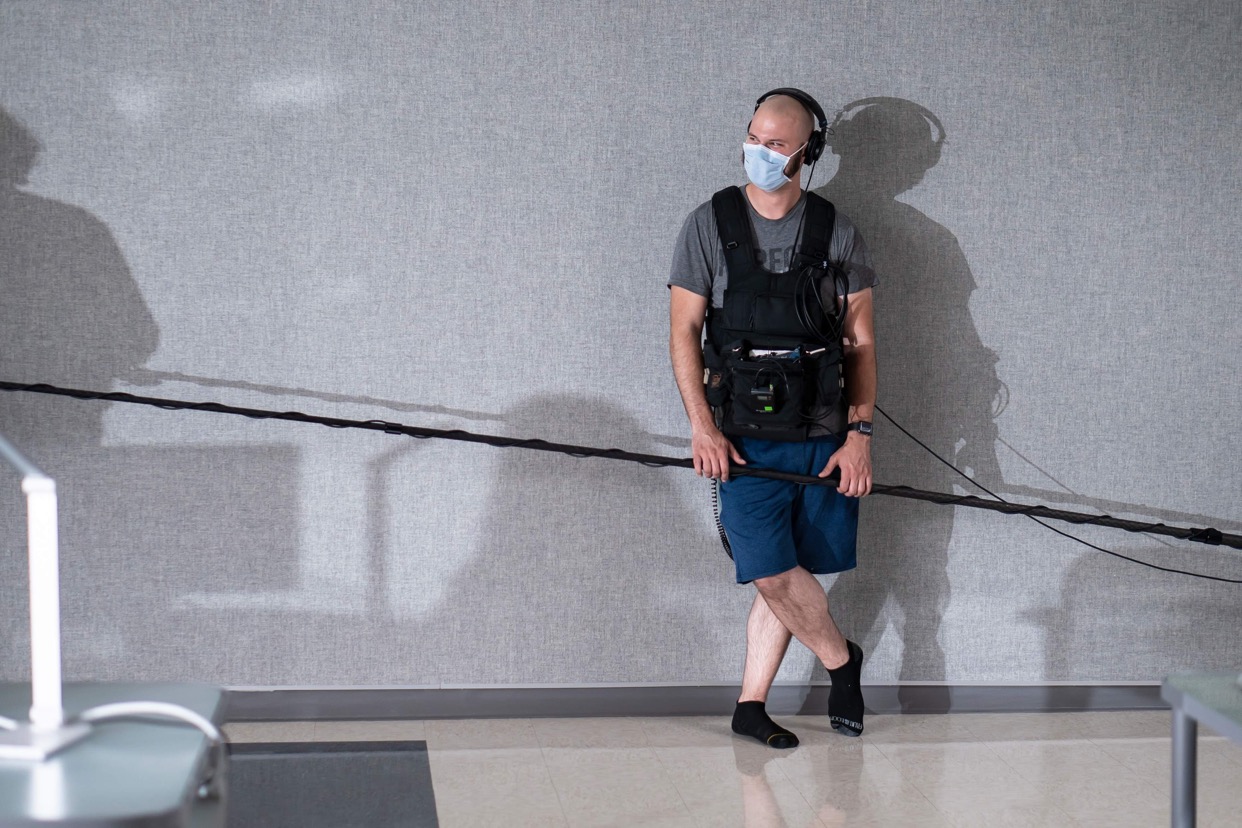

We’re excited to introduce you to the always interesting and insightful Kaleb Wrenchey. We hope you’ll enjoy our conversation with Kaleb below.
Kaleb, looking forward to hearing all of your stories today. We love asking folks what they would do differently if they were starting today – how they would speed up the process, etc. We’d love to hear how you would set everything up if you were to start from step 1 today.
I think the most important thing I neglected when I was starting out was realizing how important your communication with the people you’re working with is, and in that, also making sure to set aside your ego. You’re trying to create art together, and that can get messy. People can get frustrated when their vision isn’t being realized properly, or when hurdles come up in the production process. Being able to calmly try your best to communicate, and to realize the artistic vision, without getting offended or hurt by what your client is saying or asking of you is huge. You want everyone involved to be able to feel heard and understood to make things go smoothly. Specifically in the mixing process, it might not be that the product you’ve provided is a bad mix, just not the mix the client is looking for.
Related to that, trying to build more than just transactional relationships with those people and your clients, and actually having more real connections with those you’re working with is so helpful to realizing the final product that they’re trying to bring to life.
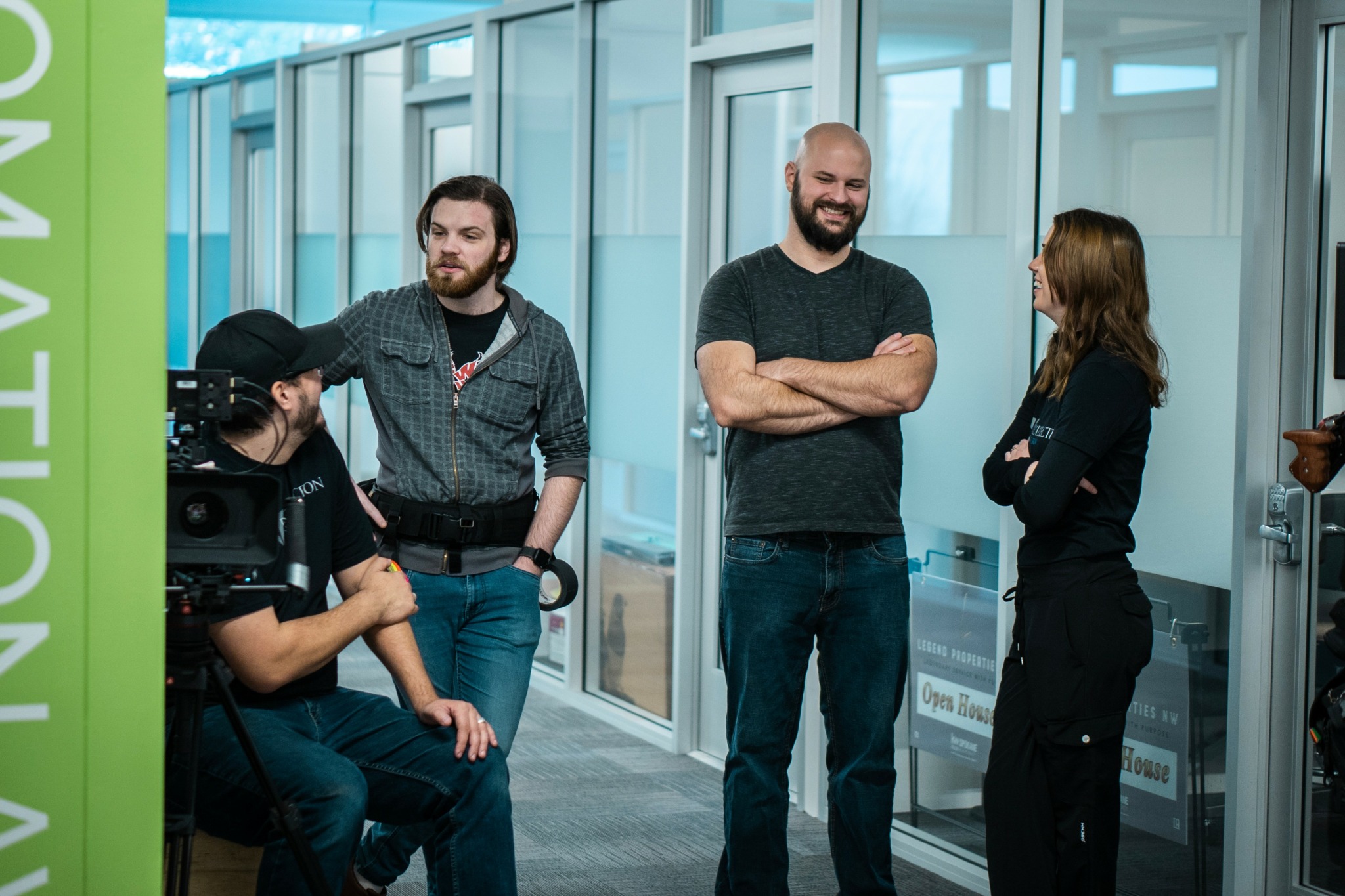
Great, appreciate you sharing that with us. Before we ask you to share more of your insights, can you take a moment to introduce yourself and how you got to where you are today to our readers.
I feel like a lot of audio engineers can relate to my story for how my career began. My start in audio came from being a teenager in a band — when I recorded my first demo with a friend of mine, I realized how high quality of a recording you could get on a modest budget. So at about 15 years old, I started investing in budget microphones, audio interfaces, and mixers. By 18 I was in college for audio, and before graduating, I’d gotten a job at a local recording studio!
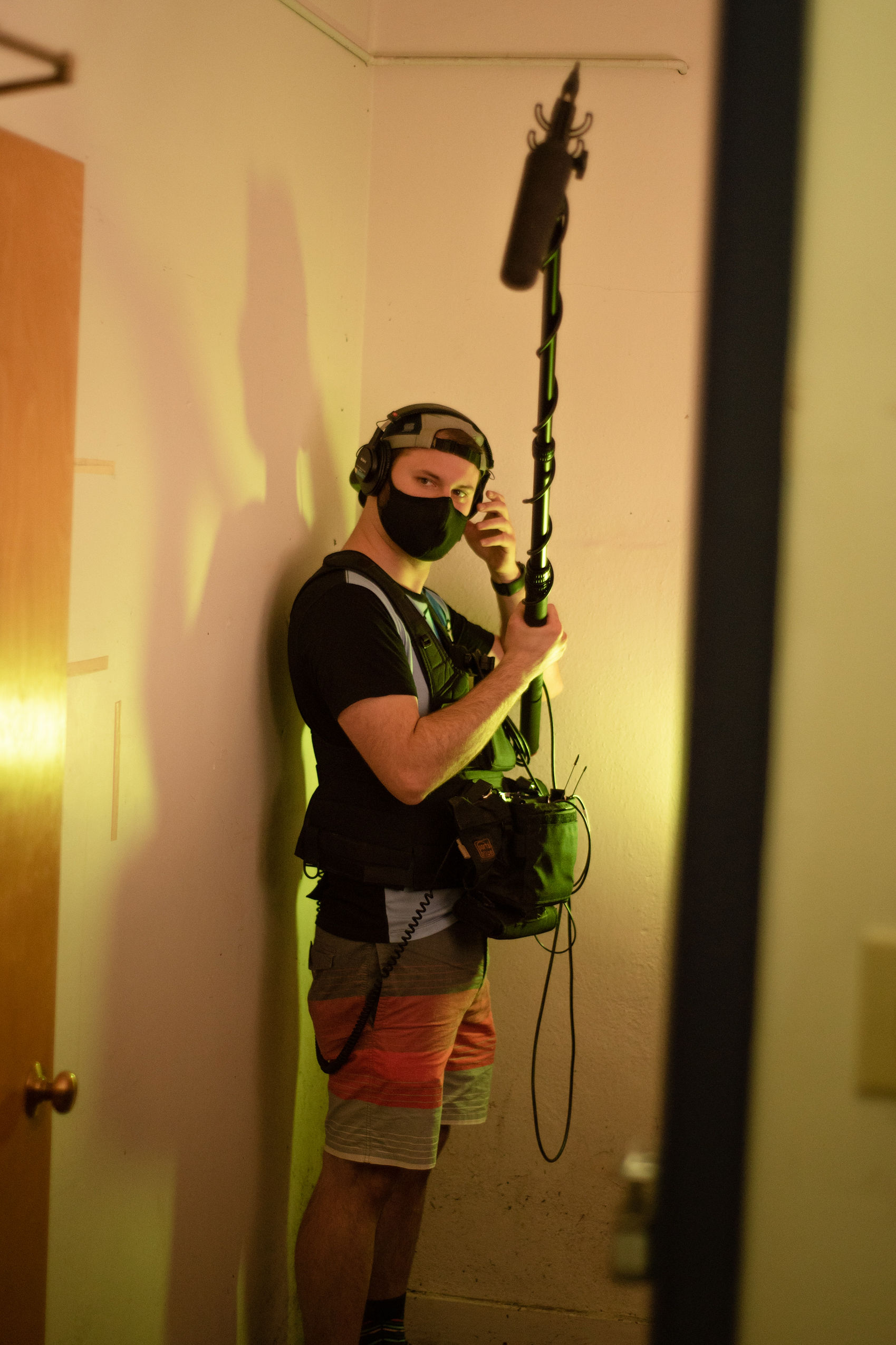
Since then, I’ve expanded into all fields of professional audio — I primarily provide mixing and editing services for video these days (film and commercial), but I also do live sound work at the Fox Theater, record and mix music, and do production sound for film/commercial as well.
The primary thing I believe sets me apart from others is what I mentioned before — communication and patience. I hear from a lot of directors lately about how much they appreciate how clearly I communicate what needs done or what I’m needing to provide the best product. There’s a ton of people that can provide good products, but I feel that now, I have a lot of clients telling me how great I was to work with and how smoothly things went with our communication and notes given back and forth between us.
I’d say the work I’m most proud of would be the most recent project I’m wrapping up — the feature film Recollection. The Buteras have been great to work with in post especially, and the product we’ve made sounds phenomenal to me. I’m very excited for it to come out and for people to see what we’ve created!
Have you ever had to pivot?
The biggest pivot in my career came from my switch from music to film/commercial work. I’d spent my whole life working on producing and engineering music, and it’s all I knew. But I met someone during that time that was shooting music videos, and he’d asked me if I could help on one of those 50 hour film competitions as production and post-production sound.
I had a blast working on that project. While I did enjoy working in music production, film was such a draw for me from the first time I worked on a set. I loved the collaboration and community aspect of a whole team of professionals working together to create a final product that everyone can enjoy. There’s so much new stuff I get to learn and experience on every single set I work on, and it’s such a joy getting to work with so many creatives in so many different fields of work! The group setting and dynamic just feels so much more like I’m working with a big family, and I love that.
How’d you build such a strong reputation within your market?
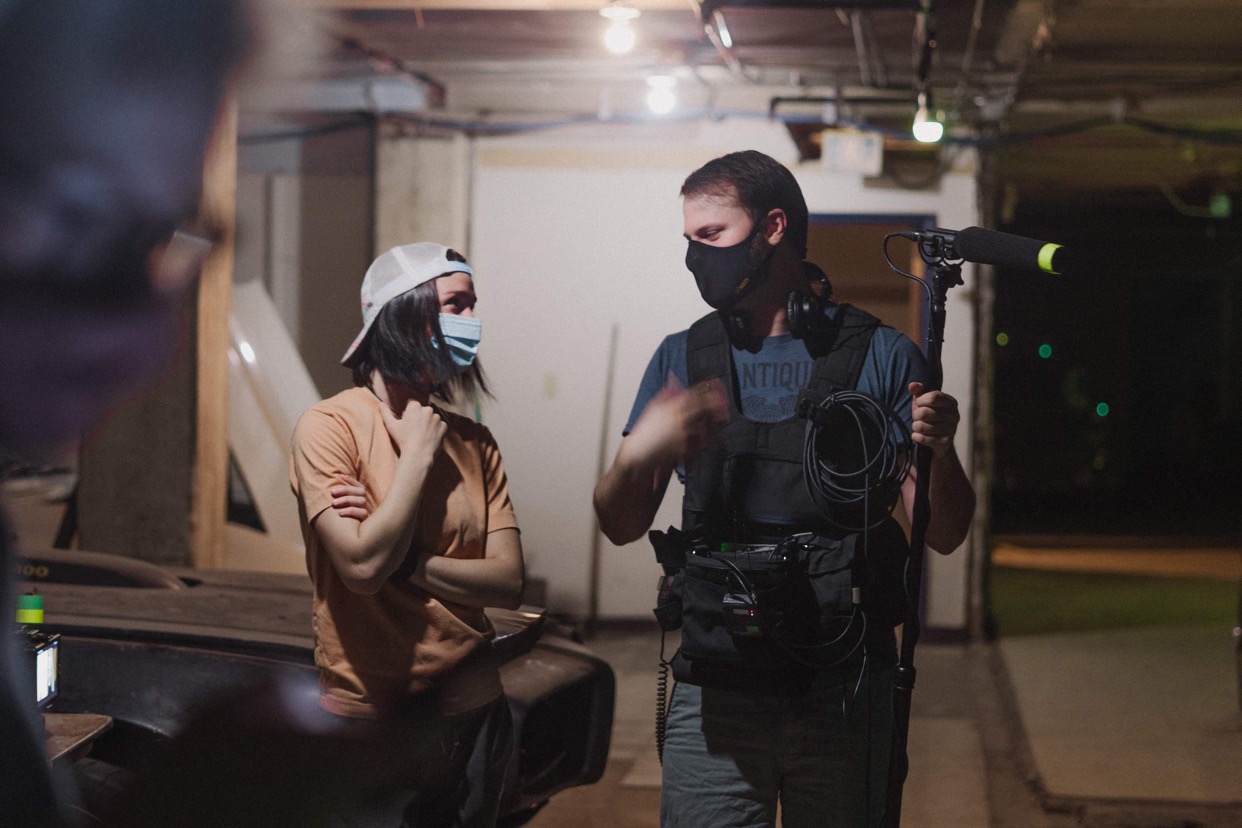
The biggest thing that helped me grow my reputation within my market is likely my consistent quality. Any time I’m working on a project, regardless of setting, I’m doing everything I can to make sure it’s good work, and if anything comes up that’d make it less than ideal, I’m communicating what I can do on my own to fix those issues, or what we can do as a team to set ourselves up to get it done appropriately in post. I’ve had a lot of times where production audio hasn’t been in a great setting for a film we’re shooting, and being able to communicate what can and can’t be done on my end to make the audio useable when we get to the edit has been hugely helpful for the directors I’ve worked with.
That wasn’t always the case though. I’ve mentioned throughout this that communication is probably my biggest strength now, but it took years of making mistakes in that department for me to realize how much poor communication can ruin your reputation as well. Remembering that your name is your brand, and that being difficult to work with, even if it’s on an unpaid project in your early days, can make it so much more difficult to find people that want to work with you down the line.
Contact Info:
- Facebook: https://www.facebook.com/kaleb.wrenchey/
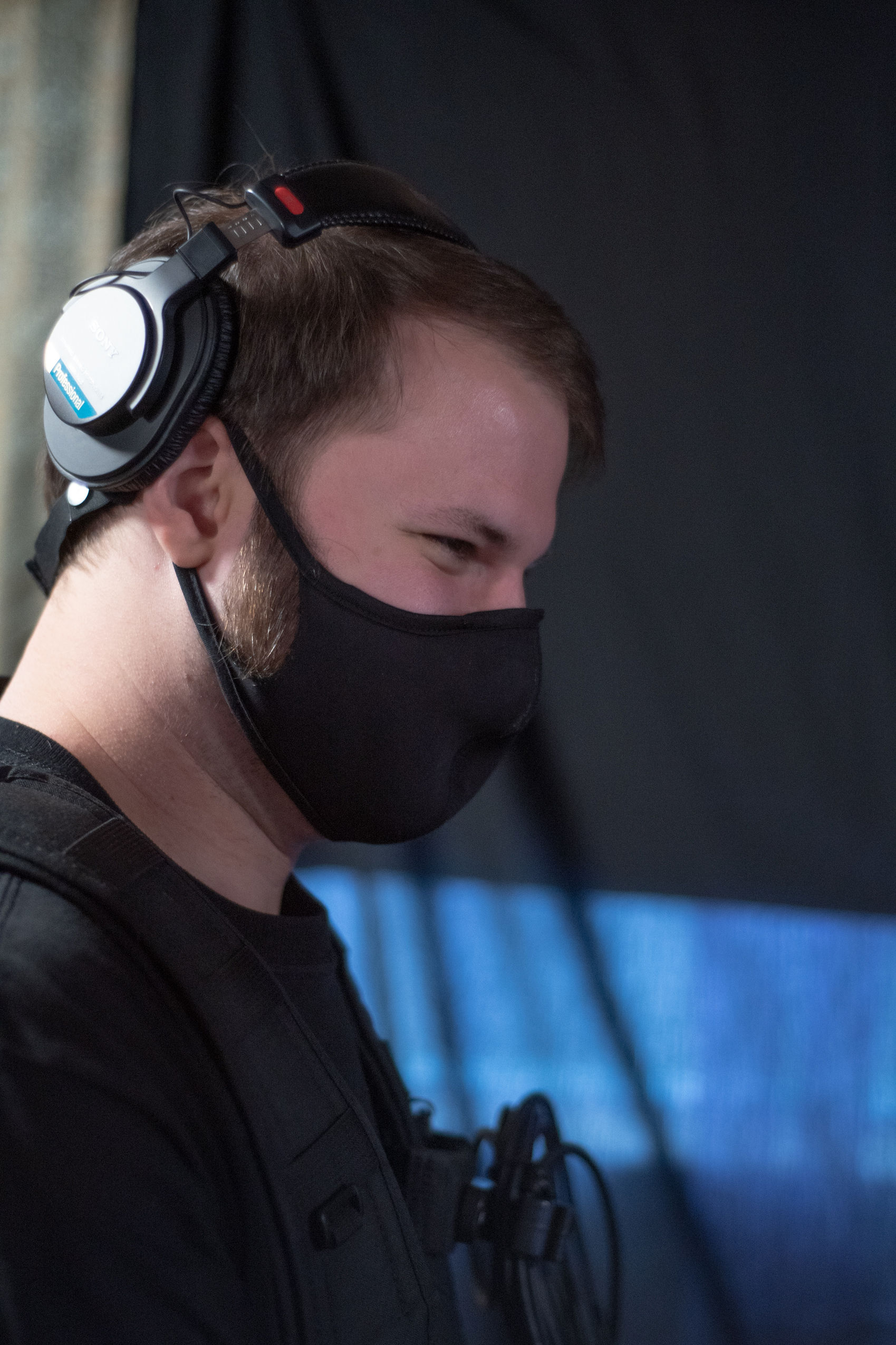
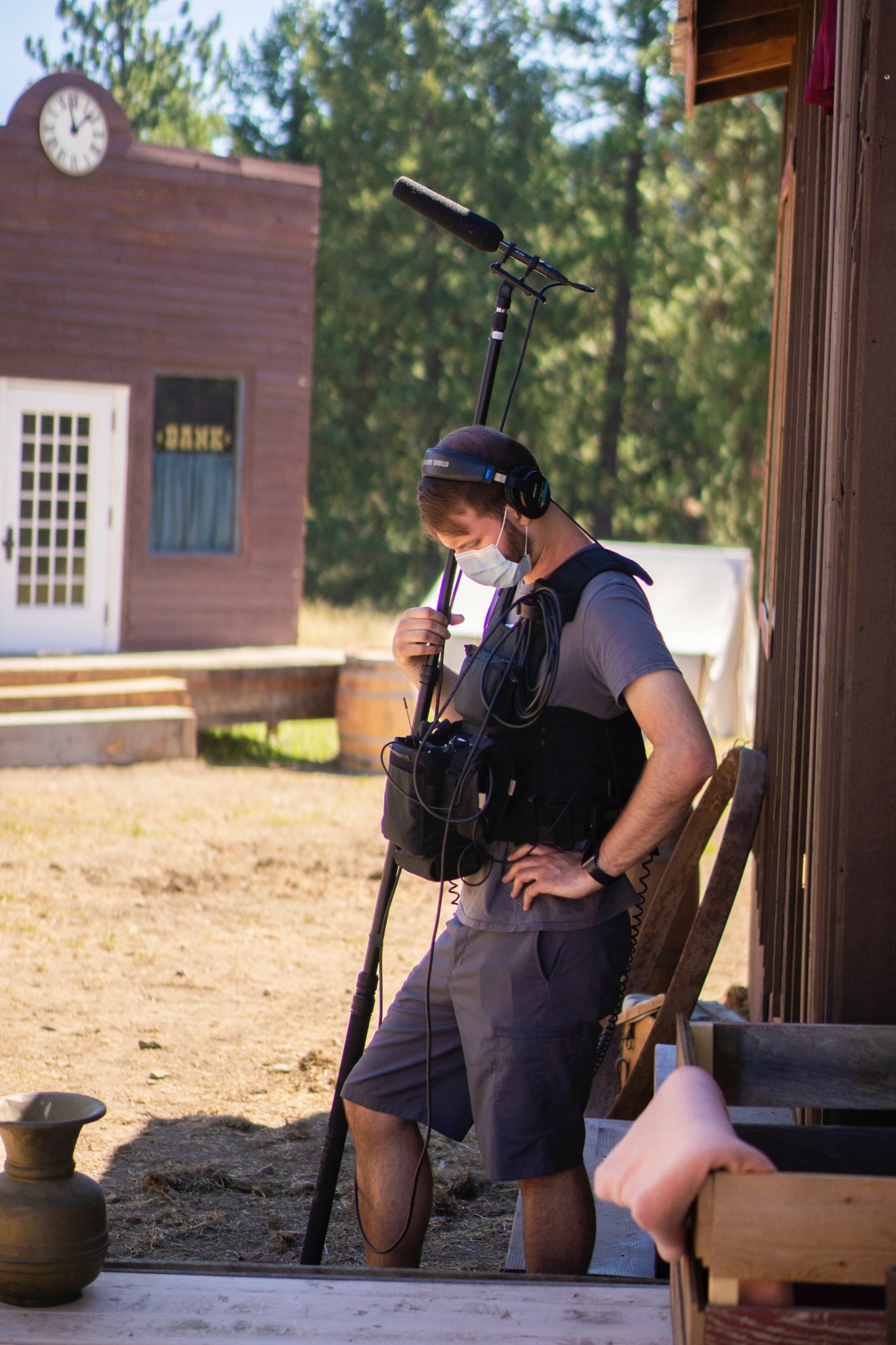
Image Credits
Keely Liles, Caden Butera, Joe Cruzaedo-Wagner