

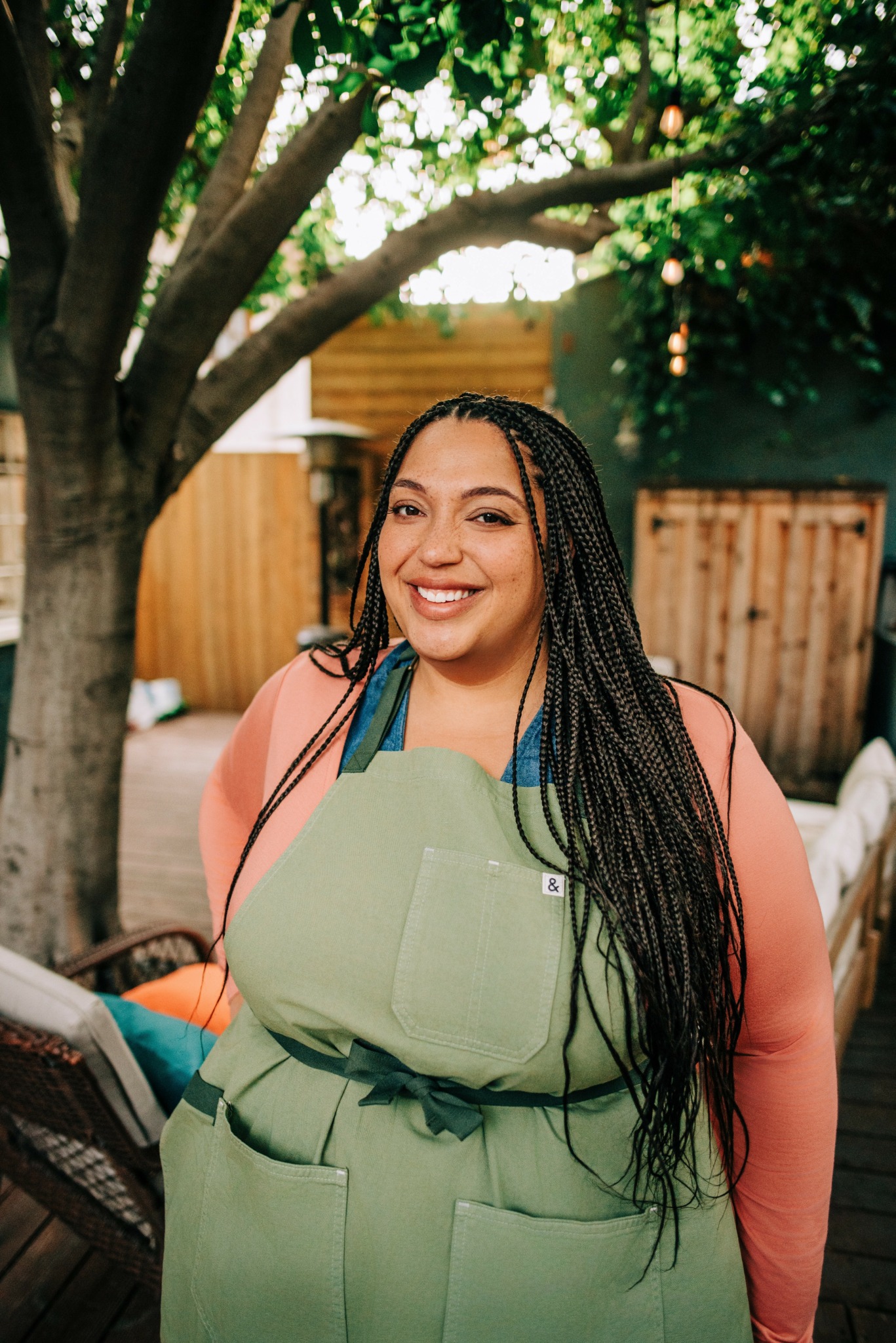

We caught up with the brilliant and insightful Kaiy Smith-Biesman a few weeks ago and have shared our conversation below.
Kaiy, thanks for taking the time to share your stories with us today Being a business owner can be really hard sometimes. It’s rewarding, but most business owners we’ve spoken sometimes think about what it would have been like to have had a regular job instead. Have you ever wondered that yourself? Maybe you can talk to us about a time when you felt this way?
Are you happier as a business owner? Yes — but “happy” is too simple of a word. I’m more aligned, more awake, more myself than I ever was in a traditional job. But that doesn’t mean it’s easier. Entrepreneurship gives you freedom and purpose, but it also asks you to hold things most people never see — the weight of community, the payroll pressure, the 3AM problem-solving, the responsibility to show up even when you’re exhausted.
Do you sometimes think about what it would be like to just have a regular job?
All the time — but not in the way people might think.
Let me tell you the last time that thought really hit me.
It was the week the SNAP benefits got cut and the same families who just went through the fires were now telling me they didn’t know how they were going to feed their kids. At the exact same time, we were running a full catering schedule with Stems, trying to keep Neighbors & Friends staffed, and planning Thanksgiving meals for families who had nothing.
It was one of those days where everything collided: Emails coming in faster than I could answer. A fridge that needs fixing. An employee calling out. A catering client moving their headcount last minute. Someone walking in the café wanting to collaborate in real time. And my kids school calling due to emergency.
I remember sitting in my car, just breathing because I was overwhelmed. And I had this quiet moment of,
“Damn… life would be so much simpler if I just had a regular 9–5.”
A job where someone tells me what to do.
A job where my work ends at 5.
A job where payroll isn’t my problem.
A job where people’s meals — their dignity — don’t depend on me showing up that day.
A job where no reporter is calling and no partnerships need to be built and no one is looking to me for the next answer.
For about 30 seconds, that fantasy felt really nice.
Like stepping into cold air after a hot kitchen.
But then — literally in that same moment — a mother reached out to thank me for the freezer meals because on top of losing her SNAP benefits she was just having a really hard day and this helped more than I would ever know.
And my whole “what if I had a regular job” thought evaporated.
Because right there, in front of me, was the reminder of why I built all of this. Why we show up. Why being tired doesn’t stop us. Why No Neighbor Left Behind exists and why Neighbors and Friends truly is the place where “neighbors become friends”
I realized: A regular job wouldn’t make me happier — it would just make me smaller.
I’m happiest — even on the hardest days — when I’m creating something that matters.
When I’m building something that lifts people up.
When my work has a heartbeat.
When a café becomes a distribution hub, a fridge becomes a lifeline, and a kitchen becomes a classroom and a community table.
So yes, the thought crosses my mind.
But the conclusion is always the same:
This is where I’m meant to be.
Not because it’s easy — but because it’s purposeful.
Because it’s ours.
Because it’s community.
Because it’s where neighbors become friends.

Kaiy, before we move on to more of these sorts of questions, can you take some time to bring our readers up to speed on you and what you do?
For anyone who hasn’t met me yet, my name is Kaiy, and everything I do — from Stems, to Neighbors & Friends, to Business Mentoring, to the No Neighbor Left Behind initiative — is rooted in where I come from and the women who raised me. My work in food, hospitality, education, and community care didn’t begin with a business idea; it began generations before me.
My family’s understanding of service traces back to my great-grandmother, who taught my grandmother, who taught my mother, who taught me. She lived by a simple philosophy:
“If you can help, you help.”
No conditions. No spotlight. No hesitation.
That mindset passed through four generations of women in my family — and it’s the foundation of everything I build today.
I grew up in a single-parent home with a sister with special needs, spending much of my time with my grandma, who ran and started the Giving Bank at Holy Family in South Pasadena. Volunteering wasn’t optional — I was there after school, some weekends, and days off. But what shaped me most wasn’t the number of families served each week or the amount of time I volunteered; it was the way my family moved when no one was watching.
They believed that if someone needed support, you show up. Sometimes that meant offering a warm meal, a ride in the rain, a place to rest for the night, or simply acknowledging someone’s humanity. Our home wasn’t big or fancy, but it was open — because that’s what my great-grandmother taught us: generosity isn’t about resources, it’s about heart.
I watched my grandma take late-night calls from Monsignor before a storm trying to figure out how to shelter the unhoused community.
I watched my mom pull over on rainy nights to give someone a ride.
I watched both of them stretch what little they had to make sure someone else was okay.
And when weekly food distributions wasn’t enough, my grandma expanded to daily sack lunches — a decision she credited to her own mother’s belief that “you never let someone go hungry if you have the ability to feed them.”
This was my education in humanity.
I didn’t grow up with generational wealth or cultural ease. I grew up mixed in a white environment, raised by my white family, navigating racial, cultural, and socioeconomic challenges all at once. And while my family’s capacity for service was extraordinary, it often came at the expense of their own needs — especially long-term financial stability and self-care.
So when I started Stems in March 2020 — just two weeks before the world shut down — my mission was clear:
Honor the legacy of the women who came before me, but build a version of it that also nurtures sustainability, stability, and generational wealth.
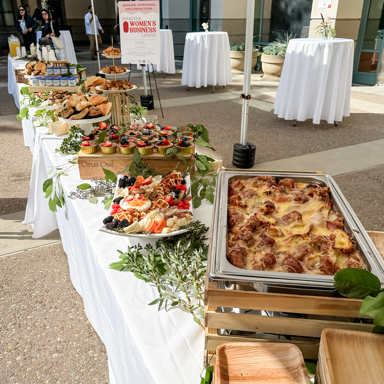
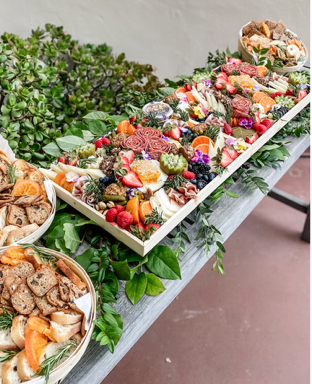
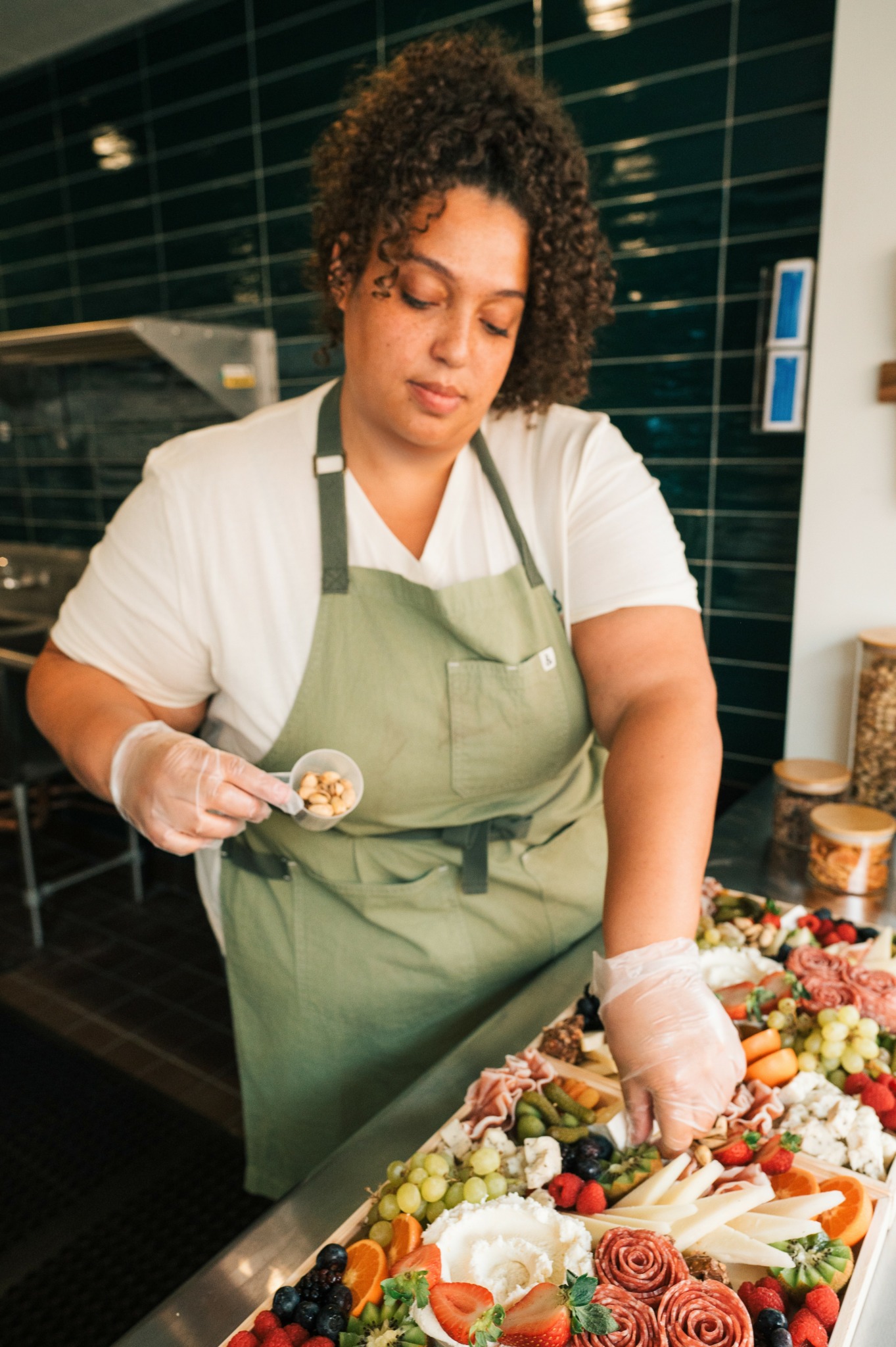
Stems began with in-home workshops and quickly pivoted to virtual classes during the pandemic. Within a year, we had created a 6 figure business and within 2 years, it evolved into a full-service boutique catering company specializing in graze-style dining, culinary activations, and curated gifting. It now a seven-figure brand serving major clients like Disney, Netflix, Trader Joe’s and other Fortune 500 partners.
From that mentorship became a natural extension of that legacy.
I saw too many food founders — especially women, caregivers, and creatives — repeating the patterns I saw in my own family: overgiving, undercharging, burning out. Mentorship became my way of breaking that cycle, helping founders step into their worth, build sustainable businesses, and grow without abandoning their values.
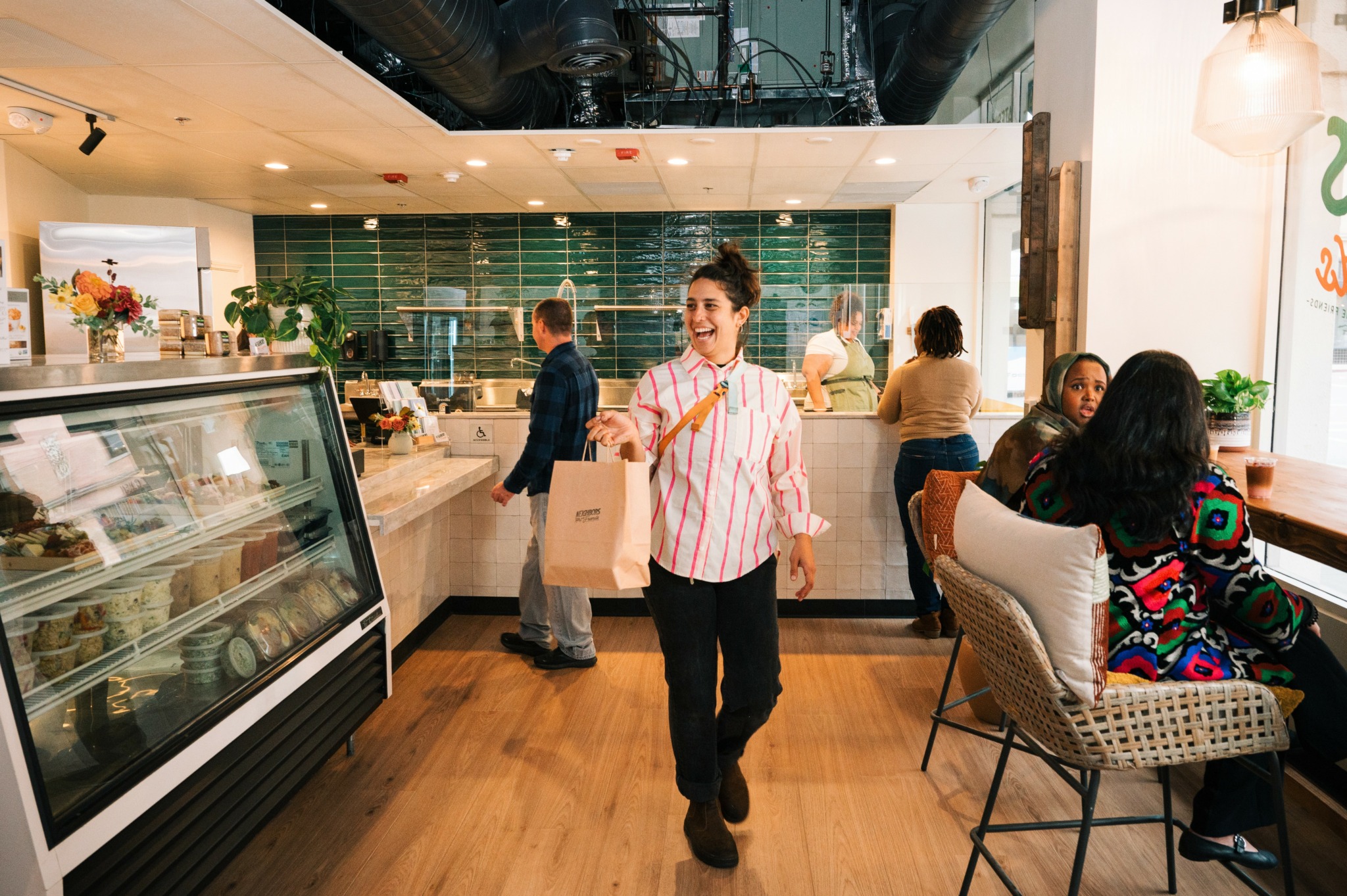
From that growth came Neighbors & Friends — a café and marketplace built to uplift local makers, nurture many of local founders I mentor and bring people together around good food. We opened in Old Pasadena in November 2024, and just two months later, the fires hit — and our café instantly became a grassroots distribution hub. After that came a community fridge we ran for seven months, and then SNAP cuts. With every crisis, our purpose expanded.
Today, what sets my work apart isn’t just the food (though our food is exceptional). It’s the integration of hospitality, artistry, community care, and economic empowerment. It’s the ability to cater a 5,000-person event one day, feed 50 families in crisis the next, and coach a founder through their first six-figure year the day after.
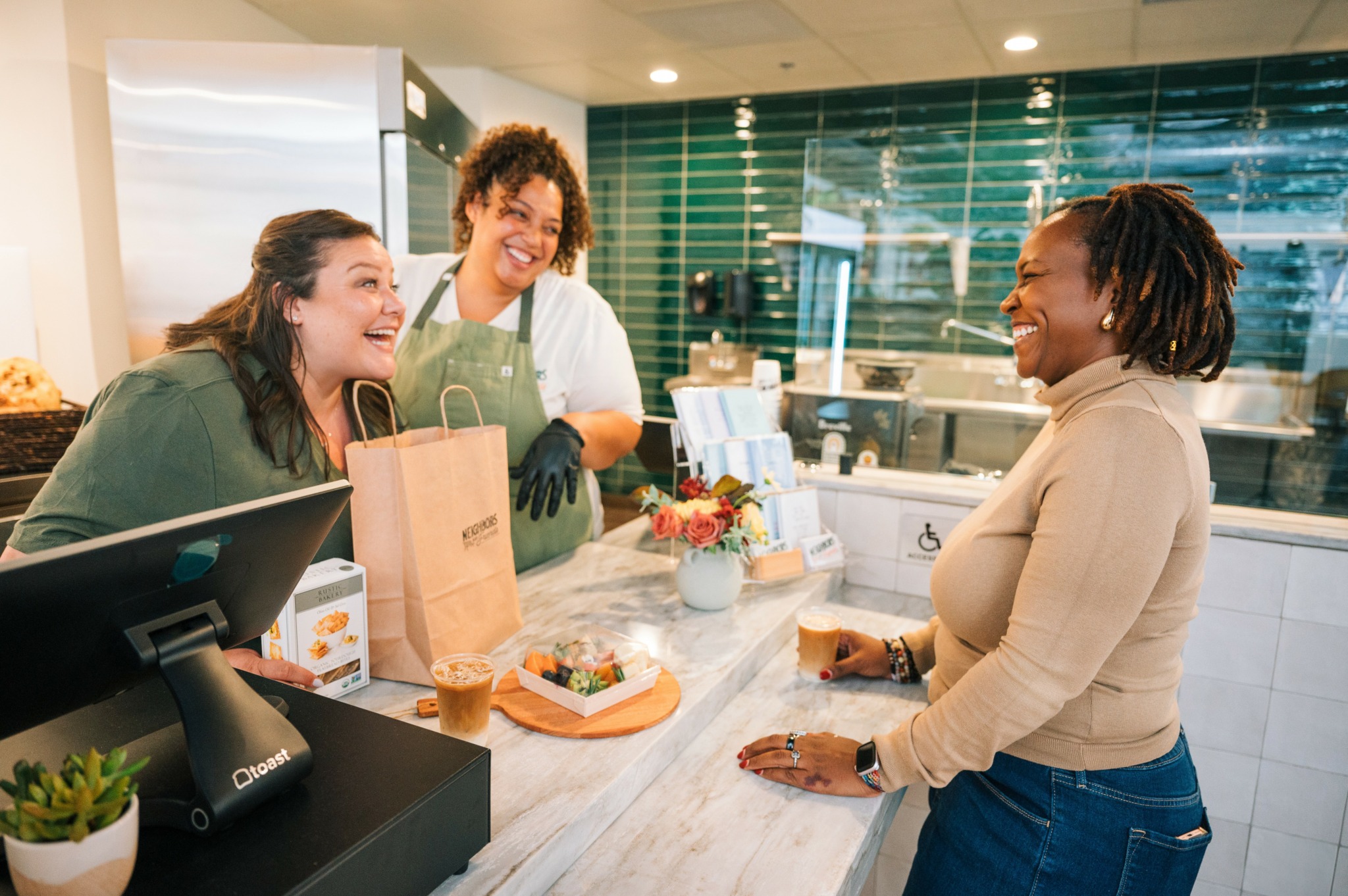
We are a café that highlights local talent.
A catering company that scales with intention.
A social enterprise building systems of support.
A mentorship platform empowering the next generation of founders.
And at the heart of everything is the same truth my great-grandmother lived and passed on through every woman in my family:
Service is a responsibility. Sustainability is a gift to the next generation. And community is something you build, not something you wait for.
This is the work. This is the legacy. This is where neighbors become friends — and where friends becomes community.
“WHAT I AM MOST PROUD OF”
That we built something that feeds people on every level — with beauty, with dignity, with flavor, with care, and with real impact.
That we are building generational wealth while uplifting local creatives and honoring the communities that raised us.
That we serve our community without losing ourselves in the process — growing in ways my
mom, my grandma, and my great-grandma never had the chance to.
But more than anything, I’m most proud of my team — the people who chose to step into this purpose with me. I am not doing this alone. Stems and Neighbors & Friends are what they are because a group of incredible humans show up every day with heart, humility, talent, and a deep belief in the work. They carry this mission with me. They give it life. They make “No Neighbor Left Behind” possible on the days where the weight is heavy and the need is great.
If there’s one thing I want people to know about me and my work, it’s this:
I didn’t learn community from textbooks, or church pews, or corporate mission statements.
I learned it from generations of women who opened their doors, their wallets, and their hearts — even when they had very little.
Stems and Neighbors & Friends are simply the modern, sustainable, scalable versions of that legacy — built with intention, built with love, and built to last.
And everything we create, serve, and build moves with that belief:
No Neighbor Left Behind.
Where neighbors truly become friends.
Learning and unlearning are both critical parts of growth – can you share a story of a time when you had to unlearn a lesson?
One of the biggest lessons I had to unlearn was the idea that strength means doing everything by yourself.
I didn’t just pick up that belief — I inherited it.
I grew up watching the women in my family carry the world on their backs. My great-grandmother, my grandmother, my mom… they handled everything: the house, the church, the community, the emergencies, the people who needed help, the meals, the rides, the late-night phone calls. And they did it silently, without complaint, because that’s what they believed being strong meant.
As a kid, I watched my mom and grandma give their last $20 to someone who needed it more. I watched them stretch groceries to feed another family. I watched them open their doors and their hearts even when they were exhausted. And I watched them do it alone — not because they didn’t deserve help, but because they didn’t know how to ask for it.
So I grew up thinking that’s what leadership looked like.
That’s what love looked like.
That’s what service looked like.
When I became an entrepreneur — especially as Stems grew and Neighbors & Friends opened — I carried that same belief into my work. I thought I had to hold everything, fix everything, respond to everything, serve everyone, and never need help. I thought asking for support meant I wasn’t capable.
Then the fires happened.
Then the community fridge happened.
Then SNAP cuts happened.
Then “No Neighbor Left Behind” was born almost overnight.
The need was bigger than anything one person could carry — and for the first time, I saw myself repeating exactly what I watched the women in my family do: giving from empty, pushing through exhaustion, and quietly drowning under the weight of it all.
And that’s when the lesson hit me:
Strength is not doing it alone.
Strength is trusting others to carry the work with you.
The backstory isn’t glamorous — it was me sobbing in the back of the café, overwhelmed, exhausted, and realizing that the only way this mission could grow was if I let people in. If I asked for help. If I believed in the team standing right next to me.
I had to unlearn the idea that asking for help makes me weak.
I had to unlearn the belief that care only counts if it costs you everything.
I had to unlearn the generational pattern of service without sustainability.
And on the other side of that unlearning is something beautiful:
A team that shows up with me, not behind me.
A community that carries the mission together.
A business that is allowed to grow because I am no longer trying to hold it all alone.
It’s still something I work on every single day — but it’s the most transformative lesson of my life.
Any stories or insights that might help us understand how you’ve built such a strong reputation?
When I stepped into this industry, I didn’t come in trying to impress people. I came in trying to serve well. And I think that difference is what people feel.
Here’s what truly built my reputation:
1. Consistency + Excellence
From the beginning, whether it was a $65 cheese board or a 5,000-guest event, we showed up the same way — with intention, quality, and professionalism. People trust you when they know you’re dependable. My reputation was built one board, one graze table, one workshop, one event at a time.
2. Community Before Commerce
I didn’t enter this industry trying to “break into a market.” I entered trying to build community. Whether it was showcasing local makers, mentoring other food founders, or shifting our café into a distribution hub after the fires, people saw that our work didn’t stop at the transaction.
That matters.
3. Storytelling + Transparency
I let people see the real journey — the mother, the founder, the mess, the pivots, the heart behind it all. My community didn’t meet a brand first; they met a person. That authenticity created trust.
4. A Standard of Care
Stems and Neighbors & Friends are rooted in hospitality — real hospitality — the kind where people feel seen, even in small interactions. Our clients, our community, and even our partners know that we care deeply about the details, the experience, and the people involved.
5. Lifting Others as I Grow
My mentorship work has been a huge part of my reputation. From pricing workshops to intensives to one-on-one coaching, I’ve helped hundreds of food founders build sustainable businesses. People trust leaders who don’t hoard knowledge. They trust leaders who share the blueprint.
6. Showing Up in Crisis
Our reputation became something bigger during the fires and the SNAP cuts. We didn’t wait for grants or permission — we responded as neighbors. The community watched us put values into action. And that kind of reputation can’t be bought or branded. It’s earned in the hardest moments.
7. Being Surrounded by a Team That Believes in the Work
Maybe this is the biggest piece:
I’m not doing this alone.
My team believes in the mission, and that energy translates into everything we touch — every table, every meal, every event, every initiative. When people work with us, they feel that collective purpose.
The simple answer?
My reputation was built by leading with heart and backing it with excellence — and by treating people like neighbors, not numbers.
That’s the core of our brand.
That’s the legacy I come from.
And that’s why people trust us.
Contact Info:
- Website: https://www.stemsca.com
- Instagram: https://www.instragram.com/stemsca
- Facebook: https://www.facebook.com/stemsca
- Linkedin: https://www.linkedin.com/company/stems-cheese
- Yelp: https://www.yelp.com/biz/stems-los-angeles
- Other: https://www.tiktok.com/@stemscheese
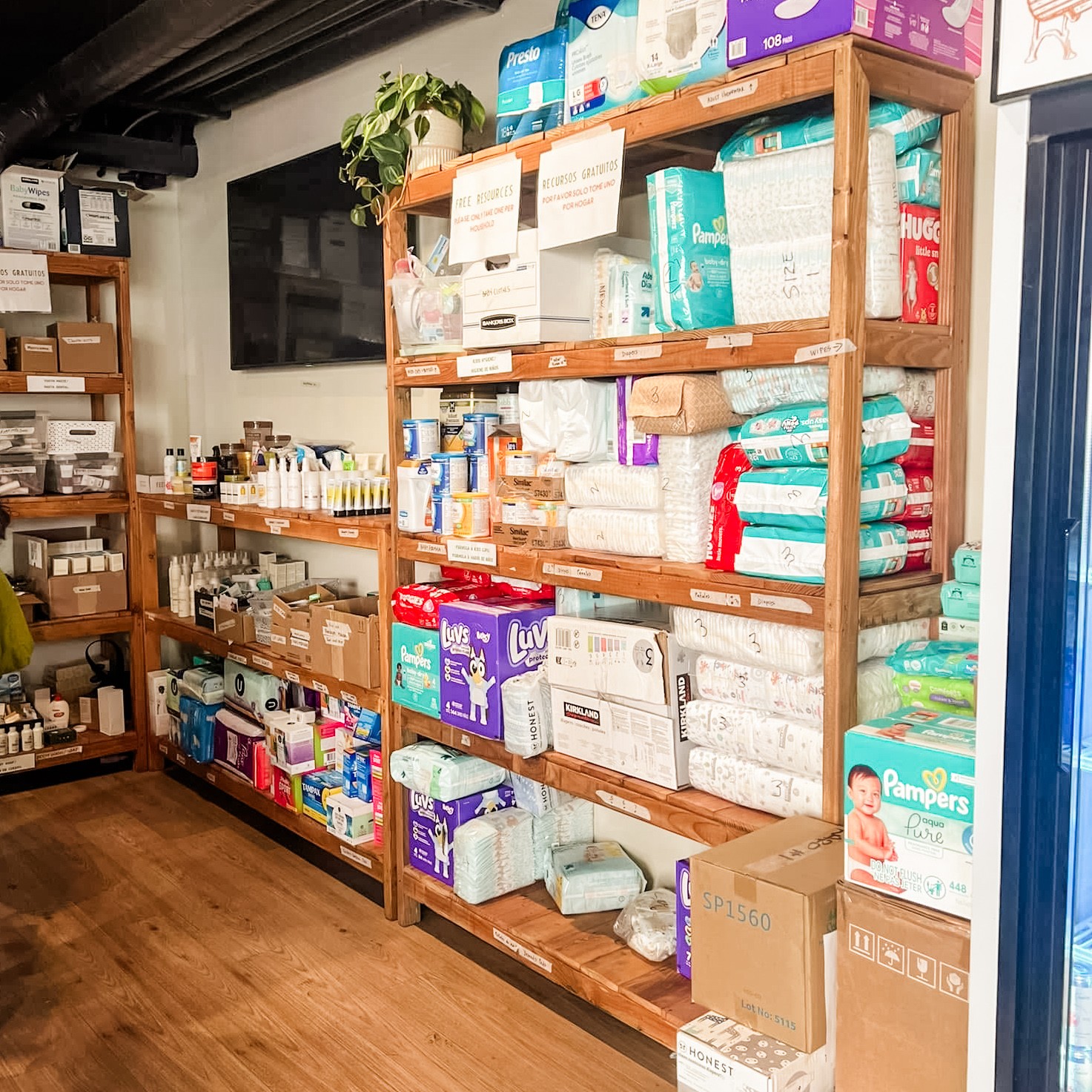
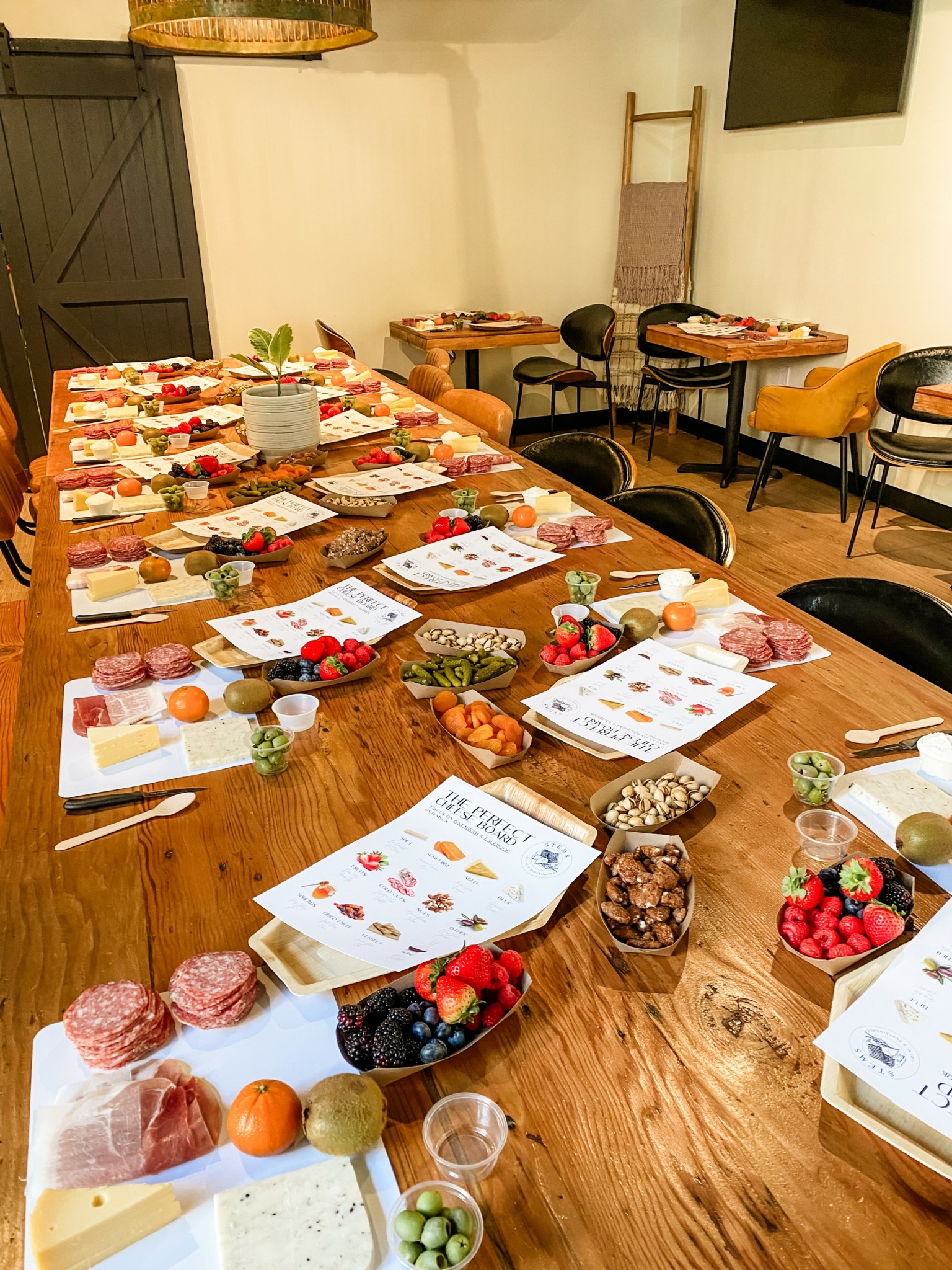
Image Credits
Kaiy Smith-Biesman and Chandra Wicke