

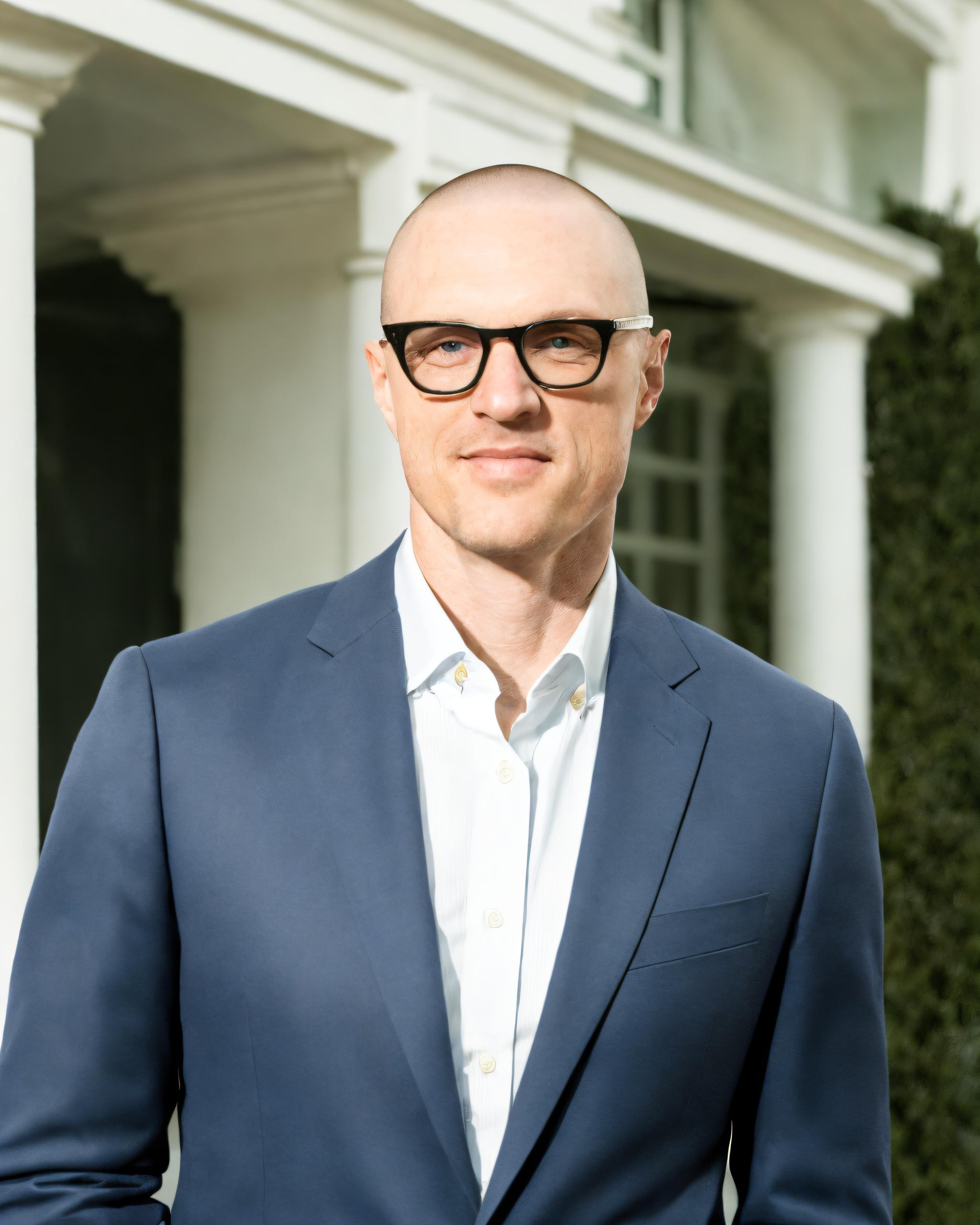

We caught up with the brilliant and insightful Justin Wilford a few weeks ago and have shared our conversation below.
Alright, Justin thanks for taking the time to share your stories and insights with us today. What’s the best advice you ever gave to a client? How did they benefit / what was the result? (Please note this response is for education/entertainment purposes only and shouldn’t be construed as advice for the reader)
In addition to designing and running mental and emotional health programs, I’m an Internal Family Systems (IFS) practitioner as well. So I work with many clients one-on-one for personal growth, healing from childhood trauma, and improving their relationships and work life. IFS is a total paradigm shift and unlike what most of my clients have experienced in either therapy, coaching, or retreats.
IFS points out that our sense of self is naturally made up of parts. I could say “I want a bowl of ice cream.” But if I slow down and reflect, I’ll notice that a part of me might be feeling tired or stressed, another part of me wants a bowl of ice cream to feel better, and then another part of me is saying that if I have that bowl of ice cream, it’s going to make sure I work out twice as hard tomorrow.
IFS therapy and coaching help clients come into clearer and more compassionate relationships with all their parts, which brings a lot more self-awareness, self-compassion, and self-efficacy into their daily lives.
The best advice I give clients regularly is to speak FOR their parts, rather than FROM their parts. This is the difference between saying, “You’re making me so angry right now” (i.e., speaking FROM a part) and “There’s a part of me that’s so angry right now” (i.e., speaking FOR a part). Speaking FOR our parts gives us a bit of internal space to slow down and notice what’s happing inside for us. It also gives the other person a bit of space as well. It can mean the difference between a big, hurtful argument and a constructive dialogue that leads to understanding. It also helps parts of us realize they don’t have to take over and overwhelm us to be heard.
As always, we appreciate you sharing your insights and we’ve got a few more questions for you, but before we get to all of that can you take a minute to introduce yourself and give our readers some of your back background and context?
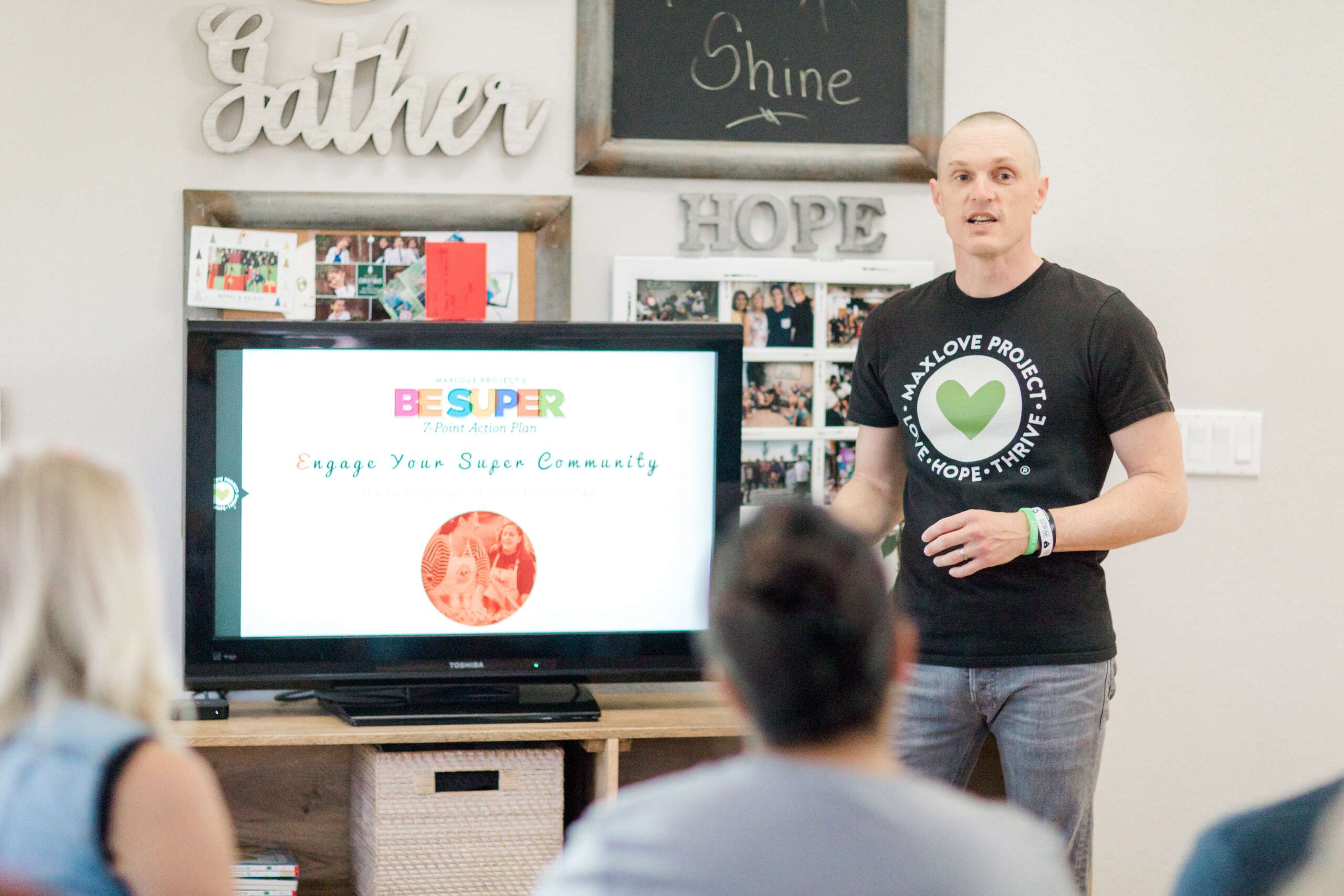
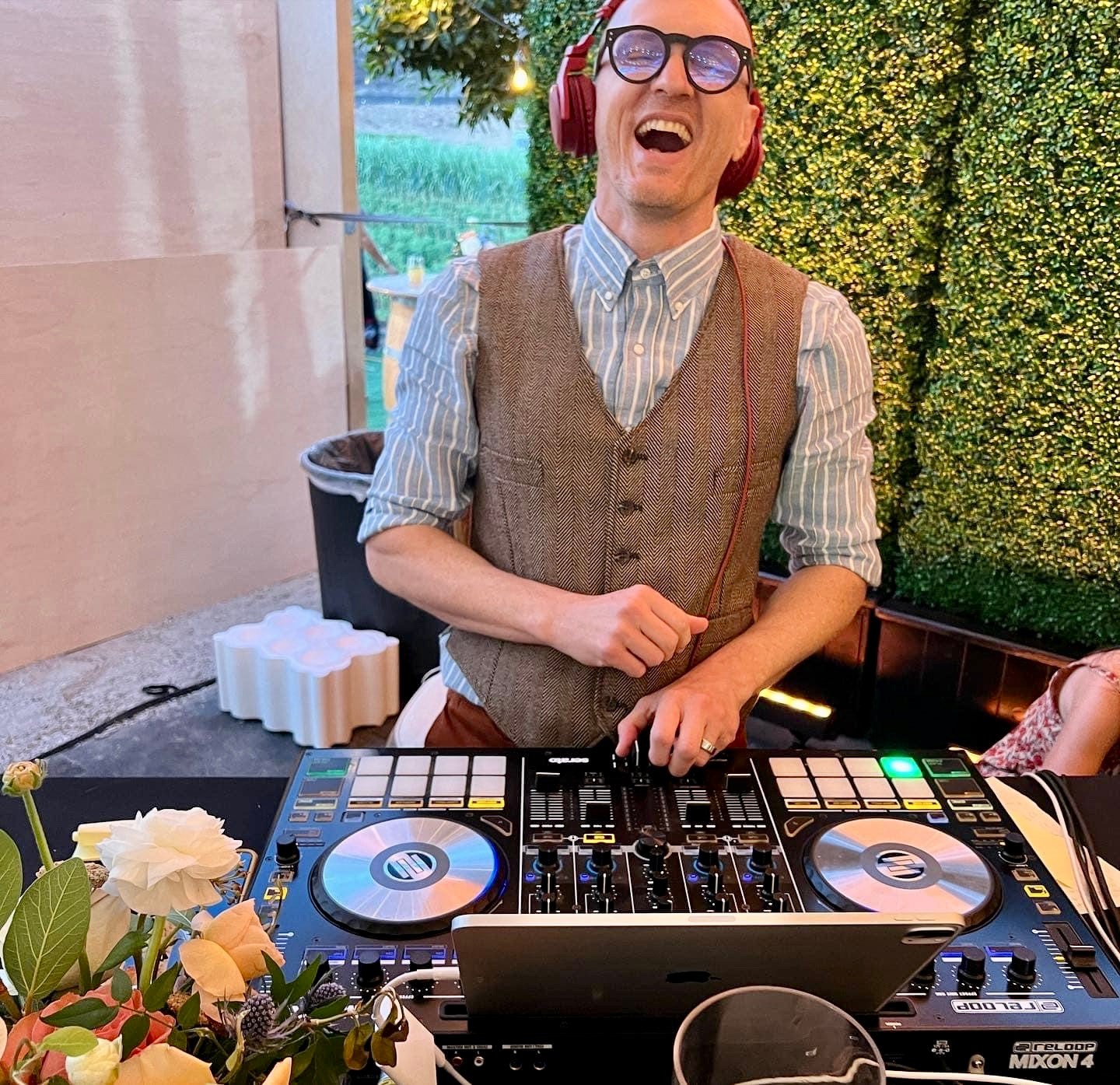
I have a PhD in public health with a focus on health program design. Today, I’m a cofounder of an emotional health platform called Yes Collective, an Internal Family Systems practitioner and emotional health coach, a conscious dance DJ, and I design emotional health programs for Yes Collective.
All of my work revolves around helping people heal emotional wounds and grow personally so that they can become more of who they truly they are. I don’t fix or solve problems. I help people come into relationship and welcome all the different parts of them. This results in greater self-understanding, self-compassion, and effectiveness in the world.

How about pivoting – can you share the story of a time you’ve had to pivot?
I had just graduated with a PhD in cultural geography, was putting the finishing touches on turning my dissertation into a book, and preparing to go on the academic job market when our 4-year-old son was diagnosed with a life-threatening brain tumor. I lost my passion for cultural geography overnight and dropped all of my research projects to focus on his care. I was able to stay and teach at UCLA, where I had just graduated, but not in a tenure-track position.
Over the next two years I had to figure out something else to do with my life. In the meantime, my wife and I had started a childhood cancer non-profit focusing on quality of life care for childhood cancer families. I fell in love with designing health programs for this population, so I decided to go back to school for a PhD in public health.
At the end of that program, I decided I couldn’t go on in academia because the demands of grant writing and publishing were taking me away from actually designing and administering health programs. I took the leap in 2021 to leave academia for good and pursue emotional health program design and 1:1 coaching full-time in the private sector. It’s been a winding road, but I’m so grateful I get to do this work everyday and help change people’s lives.
If you could go back in time, do you think you would have chosen a different profession or specialty?
I often think about the years spent in academia and whether it was a waste of time. Would I go back and do it again? I’m not sure. While I learned valuable skills I still use (analyzing, thinking flexibly and broadly, and writing), so much of what I learned I no longer use. There’s no way I can know if I would be as effective in my coaching and program design today had I not taken the long and winding academic road I did. But I know for sure that if I could go back, I would choose to leave academia for the work I do today.
Contact Info:
- Website: https://www.justinwilford.com
- Instagram: @justingwilford
- Other: Sign up for my newsletter: https://www.justinwilford.com/newsletter-sign-up