

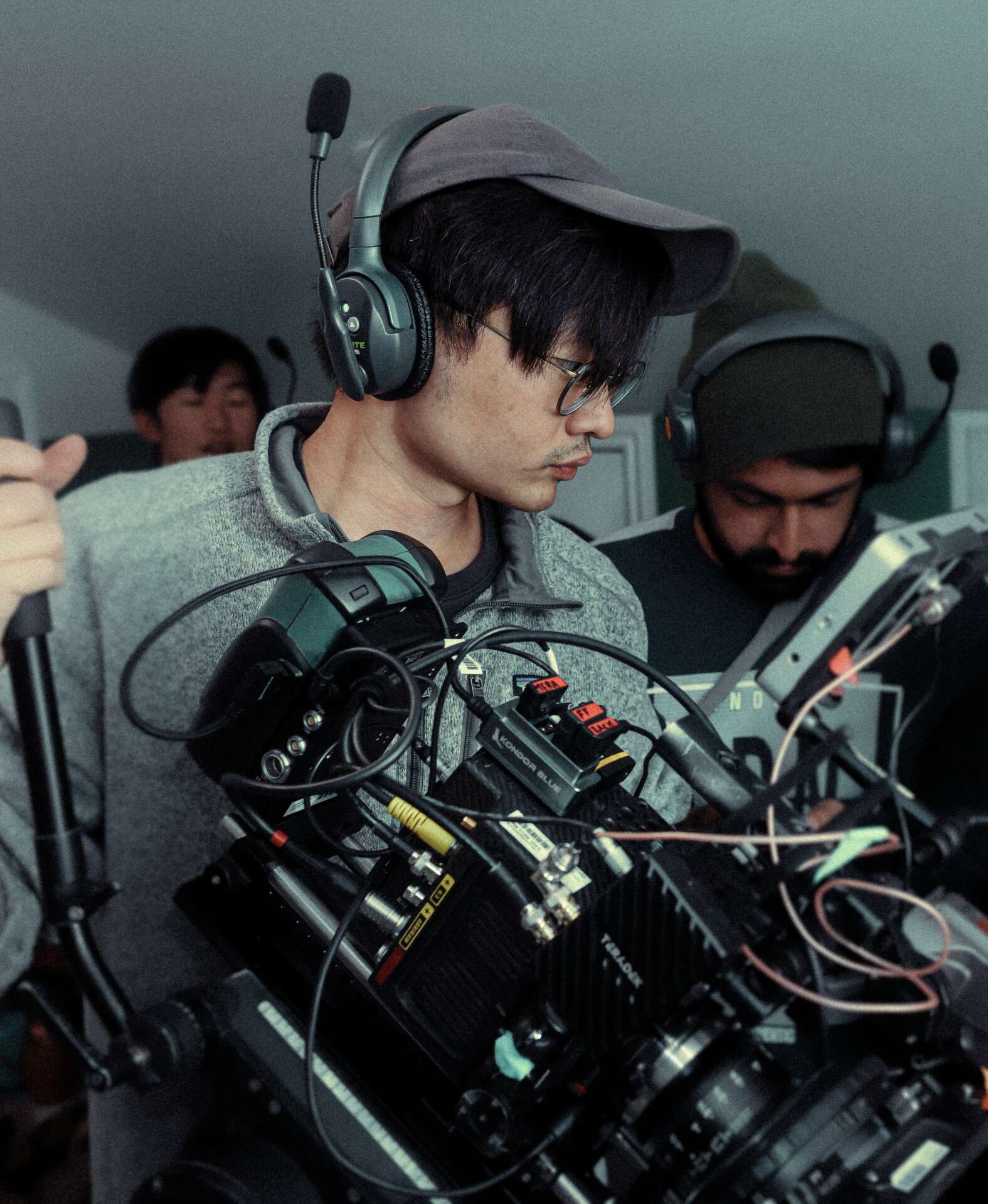

We recently connected with Justin Tang and have shared our conversation below.
Hi Justin, thanks for joining us today. We’d love to hear about a project that you’ve worked on that’s meant a lot to you.
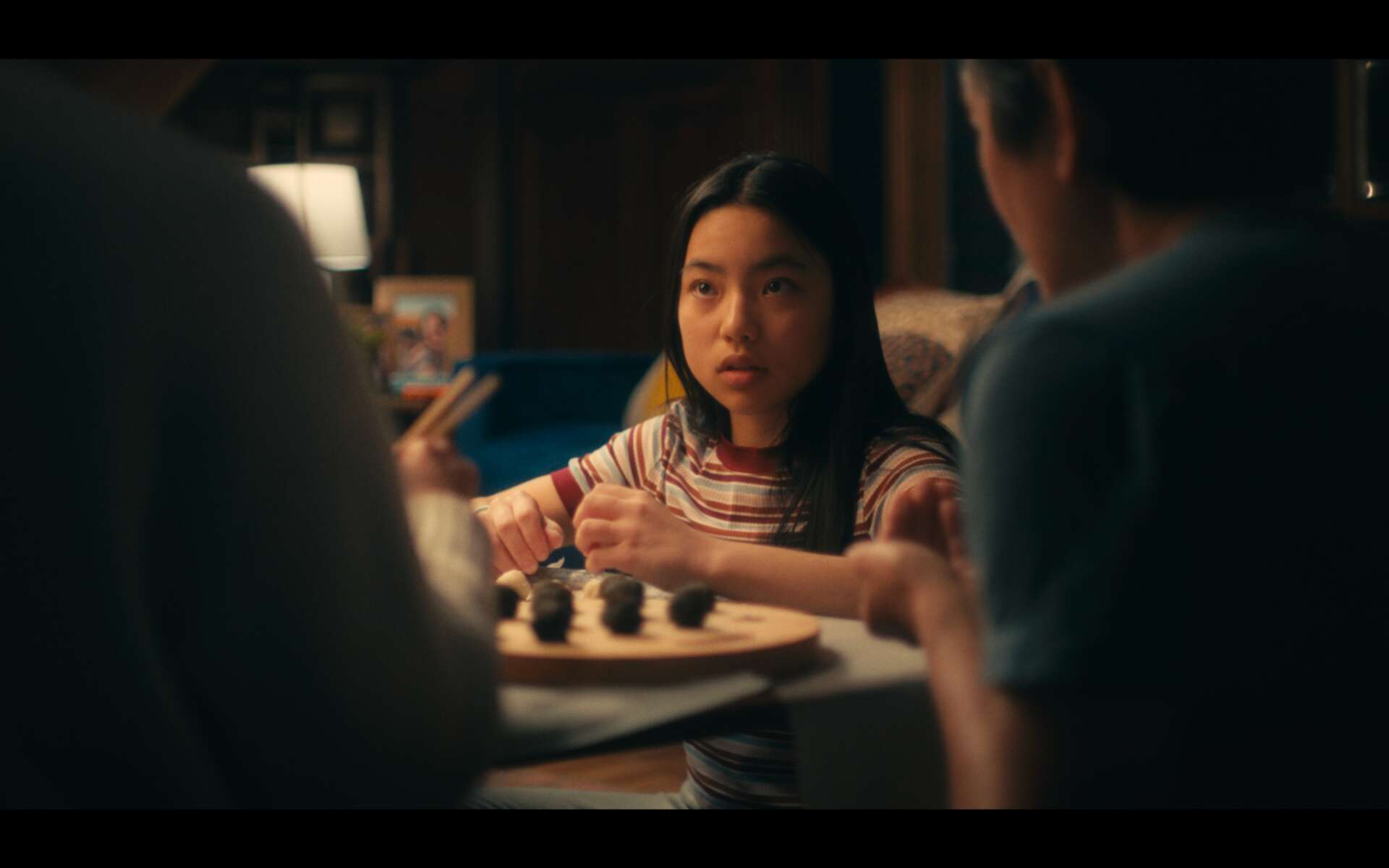
One of the more meaningful projects I’ve worked on recently is a short film called ‘When I Die’ directed by Syuen Chia. The film revolves around a young girl navigating the notion of death. But it was done so with a kind of light-hearted nuance. What really got to me was the way the director imparted subtlety in the storytelling, and I think that really translated well in the cinematography as well. The production felt enriching yet contained, and it really gave energy and freshness to a genre of self-explorative narratives that often feel mundane. I always appreciate strong character-driven pieces like this one because it gives me a lot of inspiration in the camera work, in this case, it came off as a kind of naive intimacy, we wanted to close the distance between the camera and the protagonist whilst also giving the audience the freedom to observe her with some impartiality.
Justin, before we move on to more of these sorts of questions, can you take some time to bring our readers up to speed on you and what you do?
My name is Justin Tang and I’m currently working as a cinematographer based in Los Angeles and Hong Kong. Many aspiring cinematographers and peers of mine have always had an inkling or traction towards visual design and movies in general. But honestly, I don’t think I truly found appreciation for the craft until hopping on my first set as a P.A. and seeing all the ‘big lights and cameras’ as well as the insanely talented crew work their magic with every shot. And to that extent, it was essentially the process of filmmaking that I fell in love with, the camaraderie, the passion and the ability to bring stories to life.
In more ways than one I still stand true to this ethos; the idea that the process to me takes precedence over all. And that is not to say that I don’t put my all into crafting the best images, but I truly believe you’re only as good as your crew and what really keeps a production alive and well is the morale of those around you. And more often than not, respect, empathy and open-mindedness towards your crew naturally lead to better work from everyone.
As a DP, my philosophy going into a project is largely influenced by its characters. I tend to lean on more naturalistic but picturesque motivations for lighting, albeit playing whenever it makes sense, with a mixture of different lighting sources, qualities, and colour much like how light interacts and disperses in the real world. I’m also a huge fan of shadows, as a lack of visual information is just as important. And with contrast and tension being the backbone of storytelling, being able to aid it through lighting design feels like a no-brainer to me.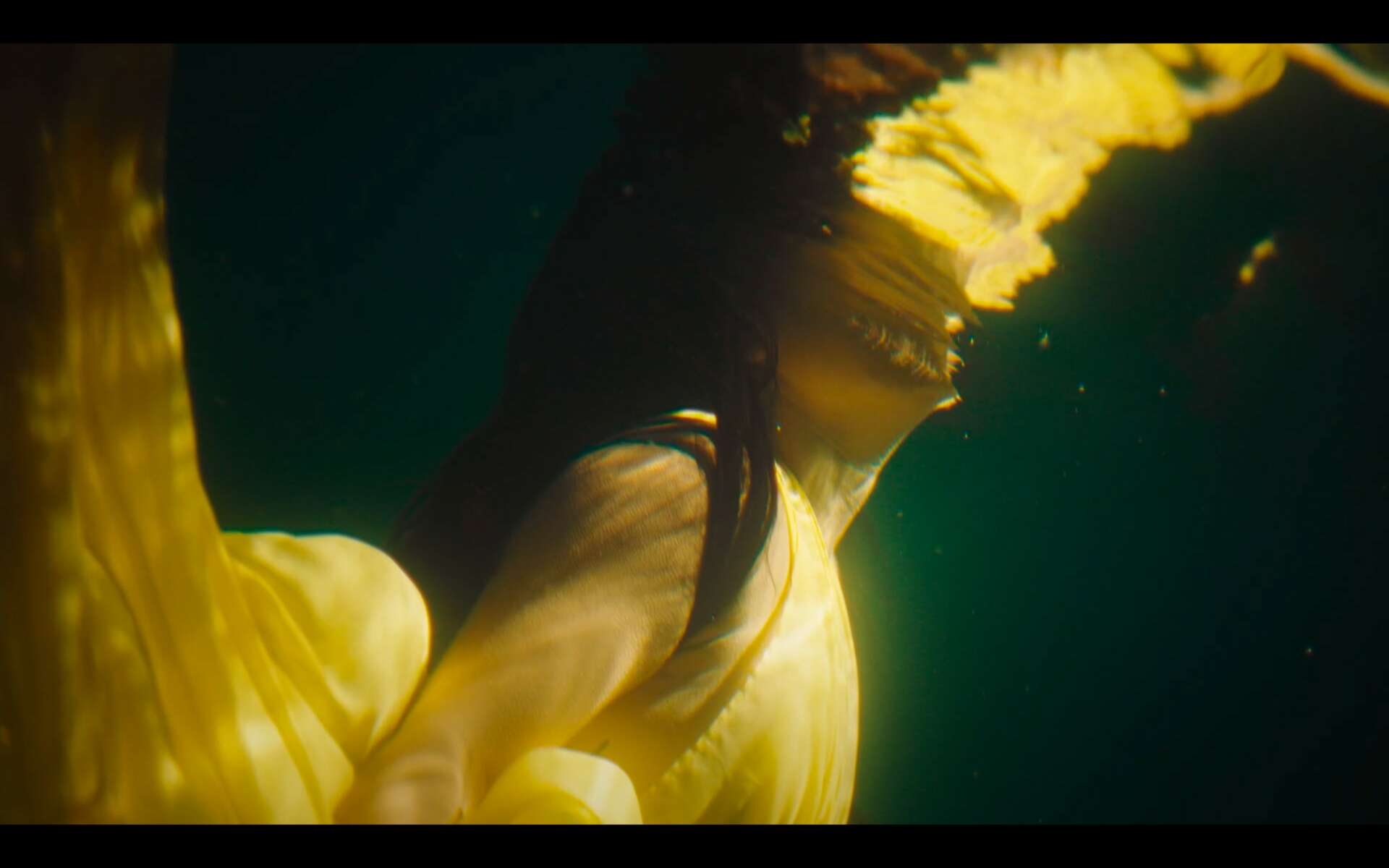
How do you keep your team’s morale high?
A fundamental quality in leadership that I try to uphold is unconditional respect for your collaborators. And this is quite tricky to navigate because it comes down to finding the right balance between having clarity in your direction as the cinematographer, as well as welcoming contributions and discussion with your HoDs. Steering too far one way and you’ll find yourself with a discouraged crew, merely executing said tasks without the room to contribute as creatives and experts in their own field. But on the other hand, being too lenient and agreeable to everyone can equate to a lack of leadership on set.
Though it’s circumstantial, I love cracking silly dad jokes during downtime. I think it’s one way to let everyone know that you’re approachable and that becomes really important later down the line making the first step towards having open communication with your team, especially if it includes people that you’ve never worked with before.
We often hear about learning lessons – but just as important is unlearning lessons. Have you ever had to unlearn a lesson?
Perfectionism is definitely a killer and a quality that I am actively trying to unlearn as time goes by. With the non-linearity of filmmaking, there’s always going to be room to improve. But this comes with an expense whether it be time, labour or some other form of conflict and compromise. And I have and continue to find the threshold where this perfectionism is no longer marginally beneficial. It’s really all about the long term. If making one shot look better means losing a critical shot in another scene, or having your crew work exponentially harder to the point where their well-being will be at stake, it’s not worth it.
There was a short film I did earlier last year and it took place on the hottest weekend of the year. And with budget and crew restrictions, I knew that the crew would be in for a tough three days had we gone with our original schedule and workflow. I pushed for an extra day of production, putting together a new schedule, shot list and other schematics to strengthen the case and thank god we had it greenlit. Looking back, the shoot would have been utter hell for everyone had we not had that extra day. 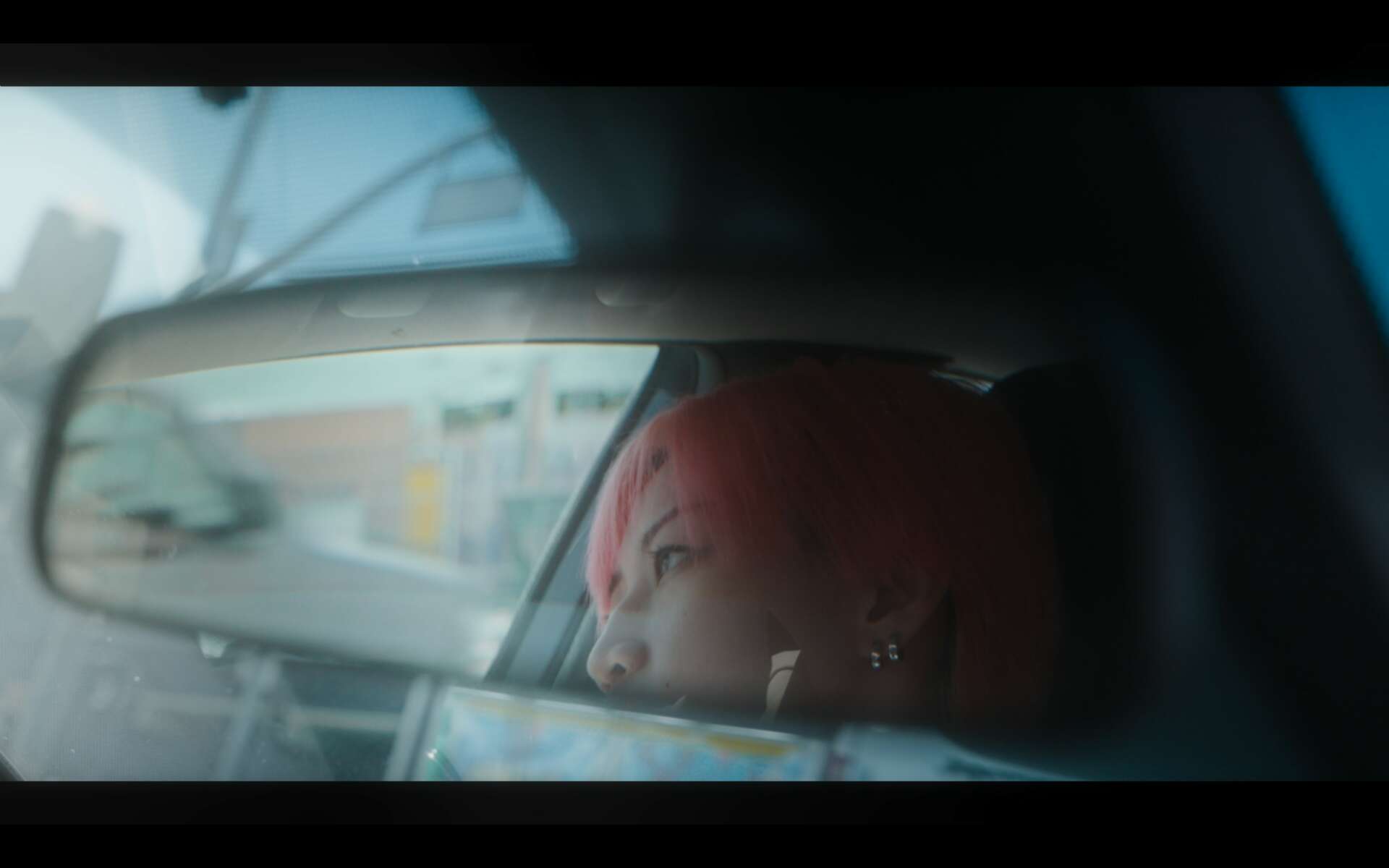
Contact Info:
- Website: www.justinkmtang.com
- Instagram: www.instagram.com/justinkmtang
- Other: IMDB: https://www.imdb.com/name/nm9638149/