

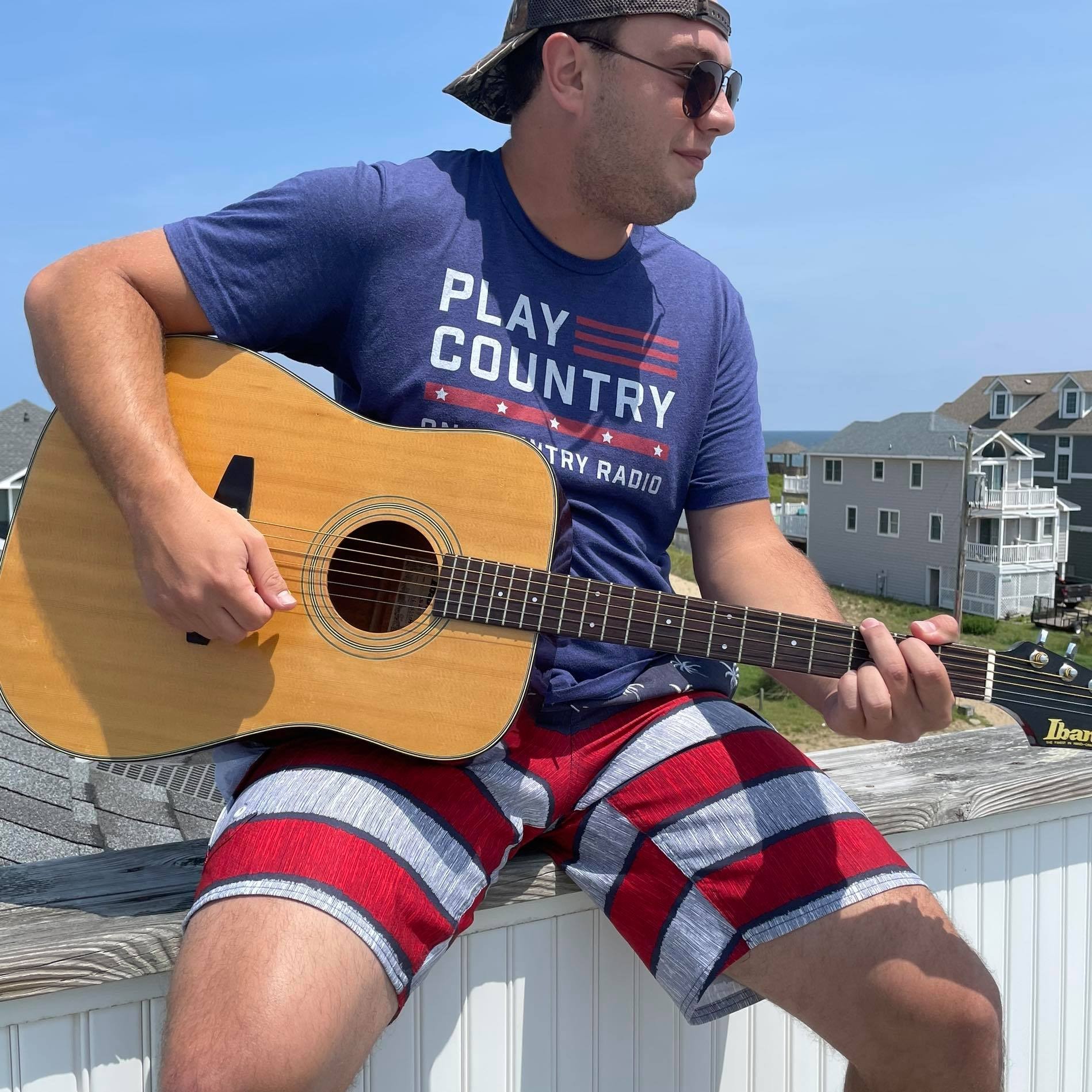

Alright – so today we’ve got the honor of introducing you to Justin Loretangeli. We think you’ll enjoy our conversation, we’ve shared it below.
Justin, looking forward to hearing all of your stories today. What do you think matters most in terms of achieving success?
In the music journalism world, there are a lot of great writers. A lot of the artists you interview have been interviewed by dozens of outlets. To truly make your outlet stand out, for me, it’s all about the work you put in prior to the interview. I like to say that while I may not be the best writer or use the biggest words, but I pride myself on doing as much, if not more research into an artist as any outlet out there. I want to be able to ask artists questions that they may not be asked a lot, or ever, so I can offer a different perspective on each respective song, album or project. If you put that extra effort in, people will take notice, and artists, PR reps, record labels, etc. will want to work with you time and time again to share their music. Sharing new music as a music outlet is a huge responsibility, and one that I don’t take lightly, so I’m honored to have the opportunity and platform to continue to do it!
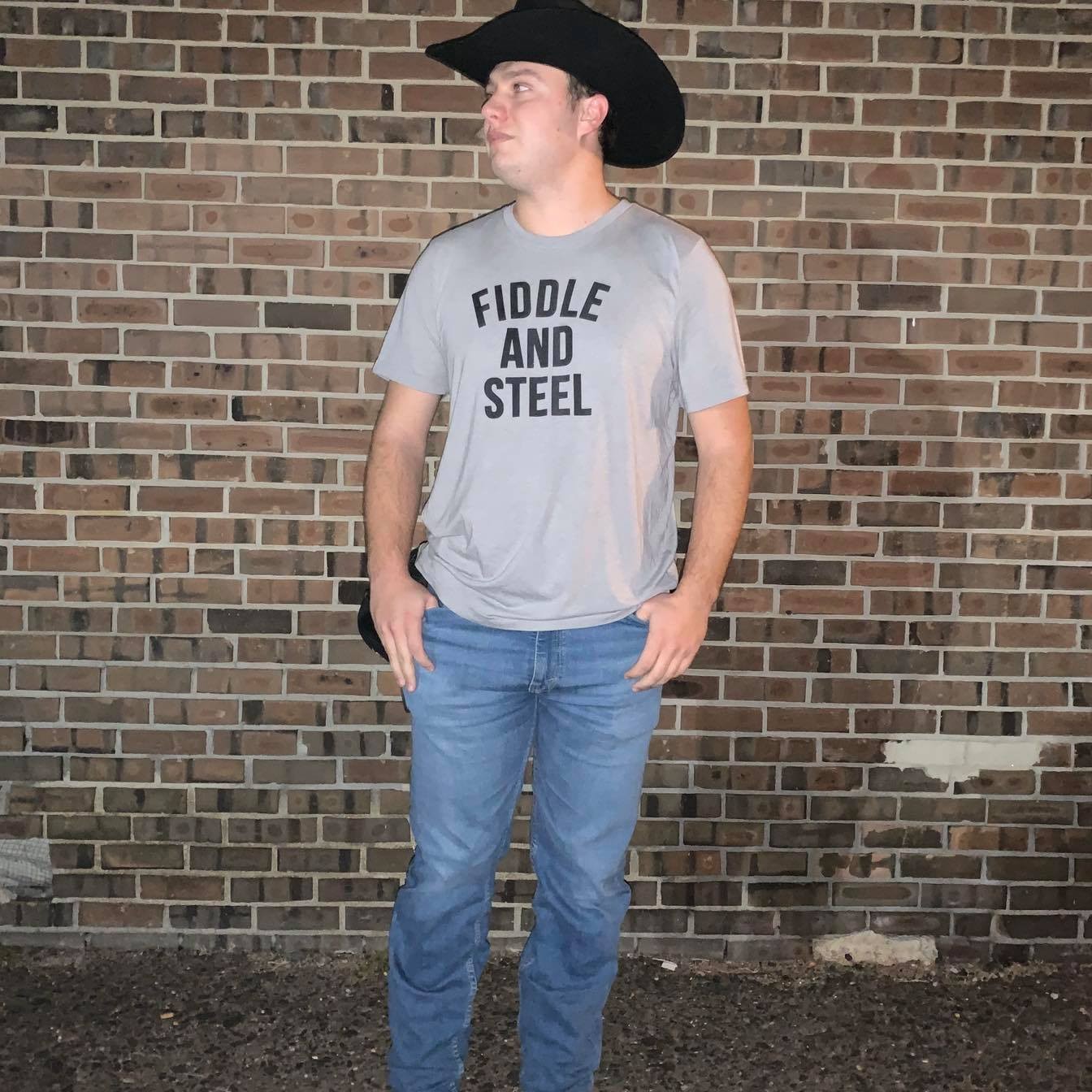
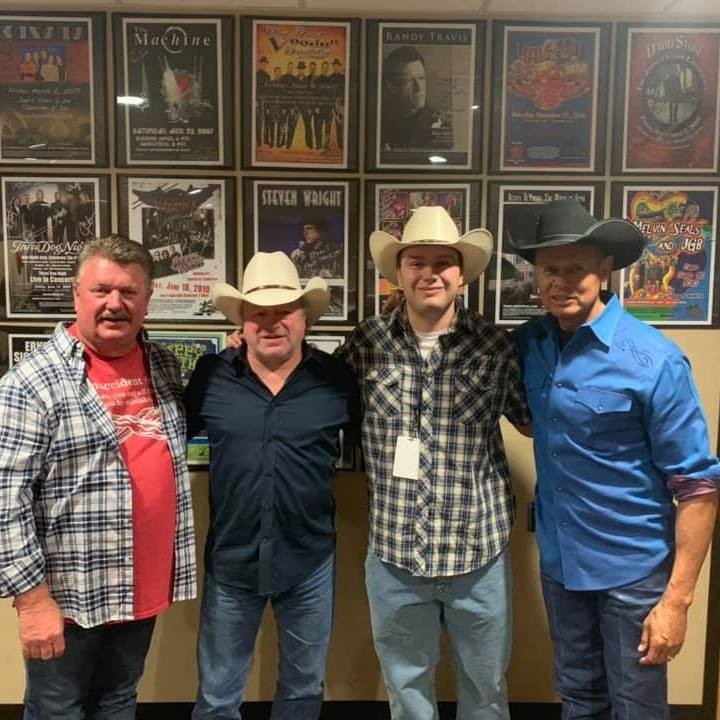
Awesome – so before we get into the rest of our questions, can you briefly introduce yourself to our readers.
I was always that kid that was listening to music anywhere I went. I also thought it was normal to read through the booklets of the CDs I liked to get as much information about the songs as I could; I wanted to know why I loved the songs that I love. I wanted to know the members of the band, who was writing the songs, the record label releasing the music, etc.
As a teenager, I started taking guitar lessons, but I never took it too seriously. My guitar teacher was teaching me how to read music and play songs like “Ode to Joy,” and it was really a drag to me. I wanted to play the songs I loved, and it wasn’t until years later that I learned how to read tabs and such. But at that point, I knew I wasn’t going to be able to be a guitarist, and I knew for sure that I couldn’t sing at all, but I did know that I wanted to get more deeply involved in music.
In my second year of community college, I took an Intro to Journalism class as an elective. I’d never done any kind of writing in that way before. As we made our way through the class, I found myself falling in love with it. One of our final projects was a feature story on a topic of our choosing, we just had to interview three subjects and tell their story. I remembered that Heartland’s ‘I Loved Her First’ was one of the first CDs I bought with my own money, so on a whim, I reached out to the fiddle player, as well as both songwriters of the title track, about doing an interview about the song. They all agreed, and pretty quickly, all of the interviews were done and the story was put together. I turned it in, and the professor loved it. I’m pretty sure I got a perfect score.
When I got to University, I decided to add journalism as a minor because of how much I loved that first class. In my second journalism class, I looked over the syllabus and saw that one of our last assignments was a feature story. So months before it was even assigned, I put the wheels in motion of doing another one. This time, I reached out to 90s country star David Kersh, as well as his producer and his manager. I wrote it up and had it finished well before it was even assigned. When I turned it in, my professor told me that I should consider publishing it. I had no idea how to do that, but she was the first person that brought it to my attention that that was even a possibility.
Everything started to take shape during my last journalism class in college. When we talked into the class on the first day, the professor had the letters “J.F.D.I” written on the whiteboard. She asked us if we knew what that meant, and nobody spoke up. She said, ““It stands for ‘Just F*cking Do It,’ If you want to be a journalist, you don’t need a master’s degree or tons of experience, you have to just f*cking do it.” That hit home with me for some reason. I saw that as my potential entrance into the music industry.
During that class, we were assigned a semester-long project of creating a running a blog on a topic of our choice. I chose to cover the traditional country music community, and I called it “Pro Country,” which was a spin on the “Bro Country” era of country music at the time. By the time the semester ended, I thought that’s where Pro Country would end as well. However, I had the Heartland and David Kersh stories sitting on my computer. I thought they were insightful into those artists, so I decided to upload them to the site in case there was somebody that would ever stumble across them and want to know more about those artists. I put them up there, sent them to Heartland and David, and over the next few days, the stories were seen by thousands of people all over the world. That encouraged me to give the whole “music journalist” thing a shot, so I decided to keep Pro Country alive!
For you, what’s the most rewarding aspect of being a creative?
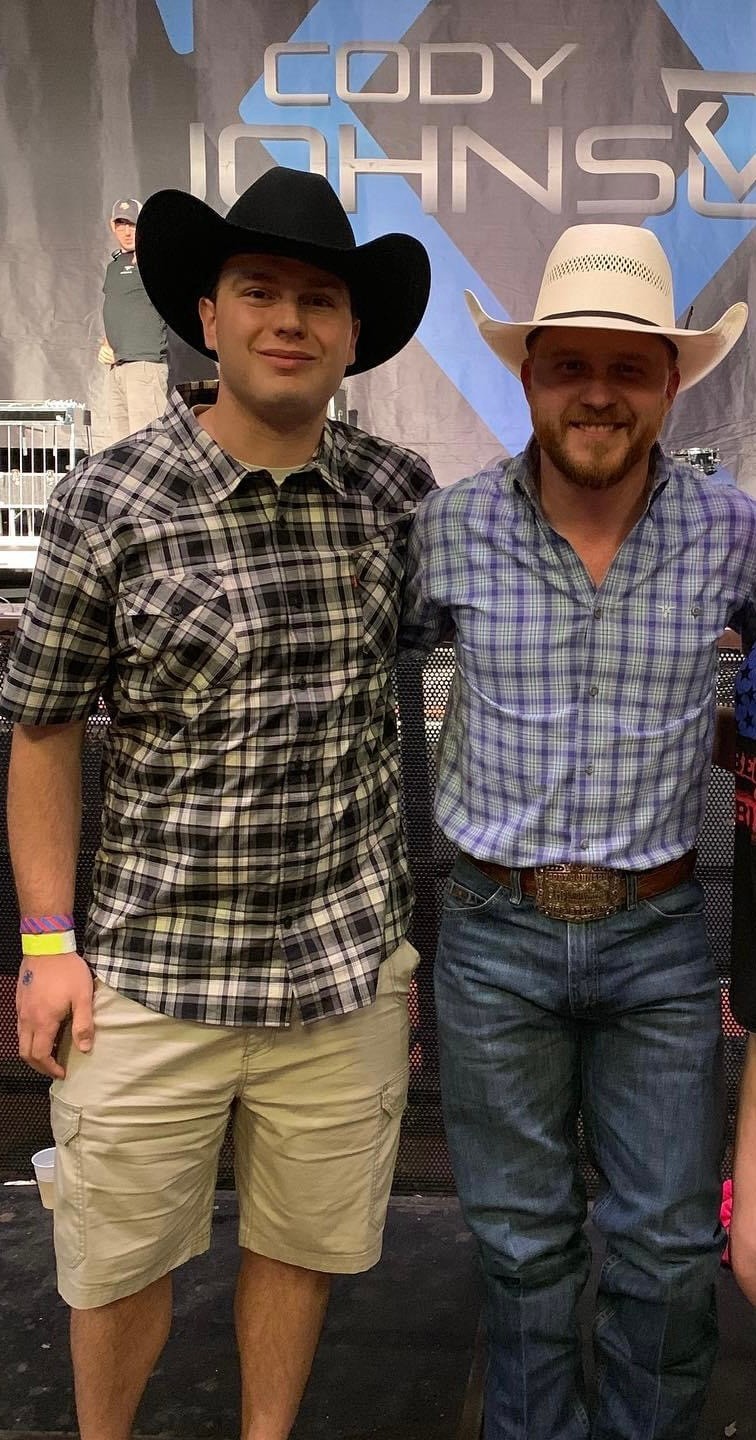
I tend to put artists on a pedestal because I appreciate what they do so much. For me, the most rewarding thing is the relationships that I’ve been able to build with artists, PR reps, managers, record labels, etc. And to have those people want to work together two, three, four, five or more times, it makes you feel like you’re really “in” the music industry! Like I said, as a kid, that’s all I wanted, so to be there now is a dream come true. For people to appreciate your work so much that they want to continue working together, it validates all of the work you put into it.
Like I said before, I take the responsibility of sharing an artist’s new music or story very seriously, and if I can end up bringing one set of eyes to them that otherwise wouldn’t have seen them, then I’ve done my job as a music journalist. When people tell me that they discovered an artist through Pro Country, it’s an amazing feeling!
Let’s talk about resilience next – do you have a story you can share with us?
Burnout is REAL. There was a long stretch of time that I agreed to just about every single interview pitch that was sent my way, and I was sending out a bunch as well. There were times that my to do list was well into the double digits, and that gets really daunting. With that feeling, I tended to feel so overwhelmed that I would delay them, and at times, not get to them, all the while, continuing to get interview pitches. I allowed myself to get into my own head, and there were stretches where I really wasn’t writing interview questions at all. I take pride in Pro Country being a “one man band” and that I’ve written every question and story that’s on the site, but it got to be a lot.
I had to learn moderation. As much as I love doing this, I learned that I can’t write questions/interviews every night. If I can stay with four or five nights a week, I can keep things fresh. I also learned that I can’t say yes to every interview. As much as I would like to, I want to work with artists that really inspire me, and that inspiration is what keeps writing new interview questions exciting to me!
Contact Info:
- Website: procountrymusic.com
- Instagram: https://www.instagram.com/procountrymusic/
- Facebook: https://www.facebook.com/procountrymusic/
- Linkedin: https://www.linkedin.com/in/justin-loretangeli-b4a23713a/